
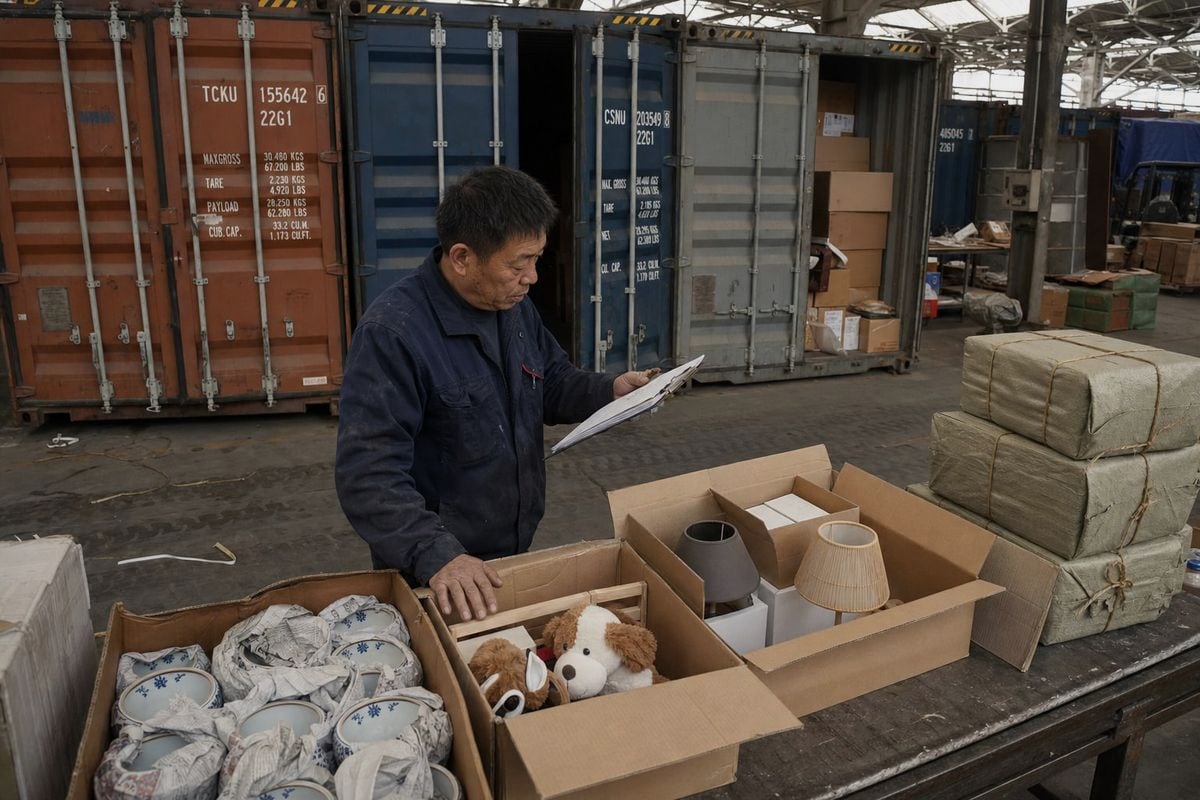
การตรวจสอบสินค้าก่อนส่งออกจากประเทศจีนทำให้ผู้ส่งสินค้ามีปัญหามากกว่าภาษี ฉันเคยเห็นตู้คอนเทนเนอร์ที่บรรจุสินค้าถูกดึงออกจากเรือเพราะเอกสารรับรองขาดหายไป ทีมงานของเราในเจิ้งโจวตรวจสอบสิ่งนี้ก่อนการจองทุกครั้ง.
ผลิตภัณฑ์ที่มีรหัส HS 10 หลักที่มีเงื่อนไขด้านกฎระเบียบ B จำเป็นต้องมีการตรวจสอบสินค้าอย่างเป็นทางการเมื่อส่งออกจากประเทศจีน กลุ่มสินค้าที่มีความถี่สูงรวมถึงอาหารและสินค้าทางการเกษตร, สิ่งทอ, โคมไฟและเครื่องใช้ไฟฟ้าขนาดเล็ก, ของเล่น, เครื่องปั้นดินเผา, เครื่องสำอาง, เคมีภัณฑ์, แบตเตอรี่, ผลิตภัณฑ์ไม้, และอุปกรณ์ทางการแพทย์.
ตัวอักษร B ตัวเดียวกำหนดทุกอย่าง ต่อไปนี้ฉันจะแสดงให้คุณเห็นวิธีตรวจสอบด้วยตัวเอง ผลที่เกิดขึ้นเมื่อคุณข้ามมัน และผลิตภัณฑ์ใดบ้างที่ถูกตรวจสอบมากที่สุด.
ฉันจะรู้ได้อย่างไรว่าสินค้าของฉันต้องมีการตรวจสอบสินค้า قبلการจัดส่งจากจีน?
ลูกค้าชาวอเมริกันคนหนึ่งเคยส่งอีเมลมาหาฉันพร้อมกับรูปภาพผลิตภัณฑ์และถามว่า "อันนี้ต้องการการตรวจสอบไหม?" ฉันบอกเขาว่ารูปภาพไม่สามารถตอบคำถามนั้นได้ เพียงแค่ HS 6 หลัก 1 สามารถทำได้ ทีมจองของเราจะตรวจสอบทุกไฟล์.
ตรวจสอบรหัส HS 10 หลักของผลิตภัณฑ์ของคุณในระบบ China Single Window หากเงื่อนไขทางกฎหมายแสดงเป็น B หรือ AB การตรวจสอบสินค้าตามกฎหมายเป็นสิ่งที่จำเป็น และศุลกากรจะไม่ปล่อยการจัดส่งหากไม่มีใบรับรองการเคลียร์นอก.

กฎฟังดูเป็นเทคนิค แต่จริงๆ แล้วมันง่าย ประเทศจีนไม่มีรายการผลิตภัณฑ์ที่เป็นสากลที่คุณต้องจดจำ แทนที่นั้น ทุกผลิตภัณฑ์จะถูกจัดประเภทภายใต้รหัส HS 10 หลัก โดยแต่ละรหัสมีเครื่องหมายเงื่อนไขทางกฎหมาย เครื่องหมายนี้บอกศุลกากรว่าเฝ้าระวังอะไรบ้าง นี่คือมาตรฐานเดียวที่สำคัญ ชื่อผลิตภัณฑ์เพียงอย่างเดียวไม่สามารถพิสูจน์อะไรได้ เพราะผลิตภัณฑ์ที่คล้ายกันสองรายการอาจตกอยู่ภายใต้รหัสที่แตกต่างกันพร้อมเงื่อนไขที่แตกต่างกัน.
การเข้าใจเครื่องหมายเงื่อนไขทางกฎหมาย
นี่คือความหมายของเครื่องหมายแต่ละตัวในทางปฏิบัติ:
| เครื่องหมาย | ความหมาย | สิ่งที่มันกระตุ้น |
|---|---|---|
| เอ | การตรวจสอบตามกฎหมายในการนำเข้า | การตรวจสอบที่ต้องการเมื่อส่งออกเข้าจีน |
| B | การตรวจสอบตามกฎหมายในการส่งออก | ใบรับรองการตรวจสอบและการเคลียร์ที่จำเป็นก่อนการส่งออก |
| AB | ทั้งสองทิศทาง | จำเป็นต้องมีการตรวจสอบสำหรับการนำเข้าและส่งออกทั้งคู่ |
| ไม่มีเครื่องหมาย | ไม่เป็นไปตามข้อบังคับ | ไม่มีการตรวจสอบที่บังคับ แต่สามารถมีการตรวจสอบแบบสุ่มได้ |
เมื่อเกิดสถานะ B ของรหัส HS ผู้ส่งออกจะต้องทำการตรวจสอบสินค้าทางกฎหมายและขอรับใบรับรองการปล่อยสินค้าขาออก โดยไม่มีเอกสารนั้นหน่วยศุลกากรจะไม่ปล่อยสินค้าออกมาโดยเด็ดขาด.
ตรวจสอบรหัสได้ที่ไหน
คุณสามารถตรวจสอบรหัสได้ผ่าน ระบบ China Single Window 2, หรือขอให้ตัวแทนขนส่งของคุณยืนยัน ซึ่งในงานประจำวันของเรา เราจะตรวจสอบรหัสบนเอกสารการจองที่โรงงานส่งให้เรา จากนั้นตรวจสอบเงื่อนไขด้านกฎระเบียบก่อนที่จะวางแผนการบรรทุกตู้สินค้าซึ่งใช้เวลาเพียงสิบนาทีและช่วยประหยัดเวลาหลายสัปดาห์จากปัญหา.
อีกหนึ่งประเด็น หากรหัส HS ของคุณไม่มีเครื่องหมาย B การตรวจสอบตามข้อบังคับจะไม่ใช้ แต่ผู้ซื้อของคุณ หนังสือเครดิต 3 หรือประเทศปลายทางอาจยังคงต้องการใบรับรอง CIQ หรือรายงานการตรวจสอบจากฝ่ายที่สาม ซึ่งเป็นการตรวจสอบตามสัญญาที่ทำโดยสมัครใจ อย่าสับสนระหว่างทั้งสอง.
จะเกิดอะไรขึ้นถ้าฉันข้ามการตรวจสอบที่จำเป็นเมื่อส่งออกไปยังสหรัฐอเมริกา?
ลูกค้าชาวแคนาดาของเราซื้อที่เก็บกระจกทำจากไม้ประกอบจากโรงงานในจีน โรงงานไม่เคยกล่าวถึงการตรวจสอบ เราจับมันได้ในเอกสารการจอง — และการจับนั้นช่วยเซฟการจัดส่งทั้งหมด.
การข้ามการตรวจสอบที่จำเป็นหมายความว่าศุลกากรจะปฏิเสธการส่งประกาศศุลกากร GACC ของคุณ คอนเทนเนอร์อาจถูกสั่งคืนจากท่าเรือทำให้ต้องพลาดการล่องเรือ เกิดค่าธรรมเนียมในการส่งคืนและจัดเก็บ และอาจถูกปรับ รายงานการตรวจสอบที่จัดทำขึ้นหลังการโหลดจะถูกพิจารณาว่าเป็นของปลอมที่สงสัยและจะถูกปฏิเสธ.
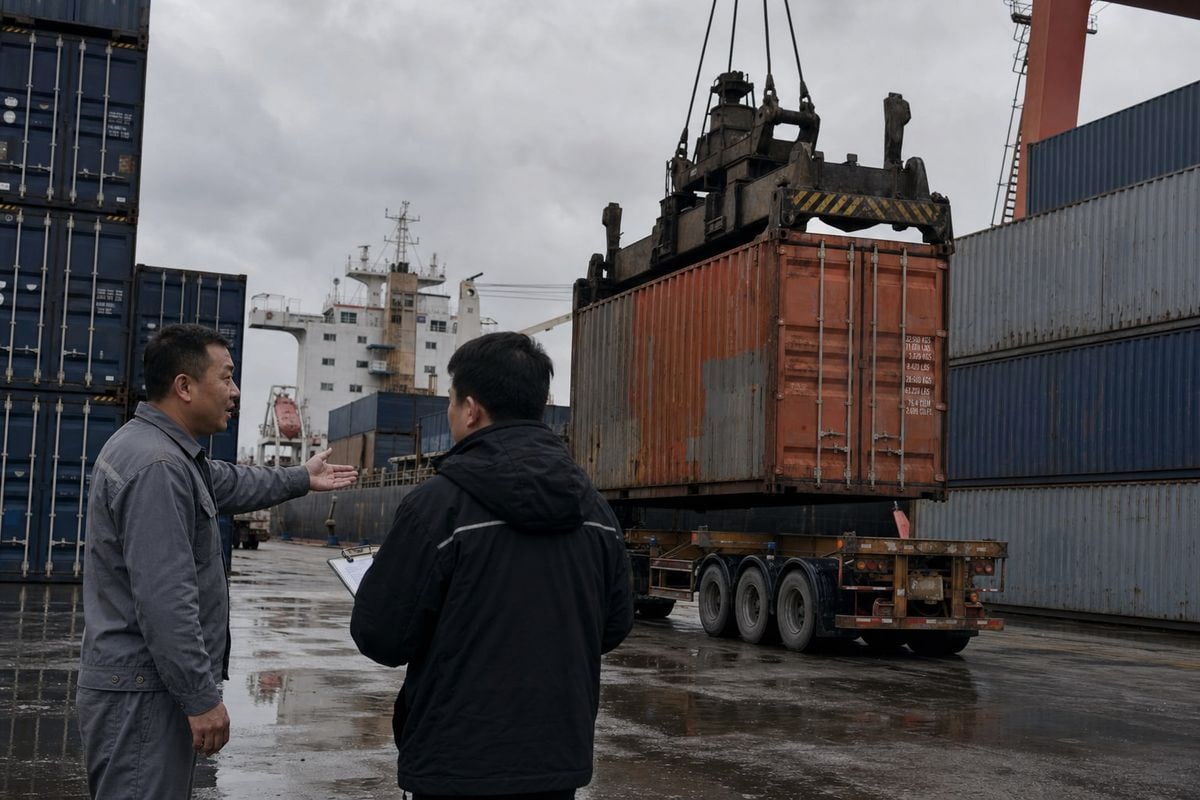
ให้ฉันเล่าเรื่องนั้นให้จบ เพราะรายละเอียดเกี่ยวกับเวลาเป็นสิ่งที่ผู้ส่งสินค้าส่วนใหญ่พลาด เมื่อเราดูรหัส HS และชื่อสินค้าบนเอกสารการจองของโรงงาน เราได้สอบถามโรงงานทันทีว่าตู้ไม้ผสมต้องการการตรวจสอบหรือไม่ โรงงานยืนยันว่าต้องการ ดังนั้นเราจึงช่วยพวกเขาจัดการตรวจสอบสินค้าอย่างถูกกฎหมายก่อนการโหลดคอนเทนเนอร์และได้รับรายงานการตรวจสอบทันเวลา.
ทำไมลำดับถึงมีความสำคัญมาก? เพราะถ้าคุณโหลดคอนเทนเนอร์คืนไปที่เทอร์มินัล และเพิ่งจะพยายามจัดการตรวจสอบ ศุลกากรจะไม่ยอมรับรายงาน ในสายตาของพวกเขา การตรวจสอบที่ทำหลังจากที่สินค้าถูกปิดผนึกในกล่องนั้นน่าสงสัย รายงานดูเหมือนจะถูกปลอมขึ้น ศุลกากรจะปฏิเสธการประกาศและสั่งให้ถอนการจัดส่ง.
ค่าใช้จ่ายที่แท้จริงของการทำผิด
| ผลกระทบ | สิ่งที่มันหมายถึงสำหรับคุณ |
|---|---|
| ประกาศถูกปฏิเสธ | ไม่มีใบรับรองการตรวจสอบศุลกากร สินค้าไม่สามารถจัดส่งได้ |
| การถอนตัวอย่างเร่งด่วน | ตู้คอนเทนเนอร์ถูกดึงกลับจากเทอร์มินัล |
| Missed vessel | Schedule slips by one to several weeks |
| Return and storage fees | Terminal, trucking, and demurrage charges pile up |
| Possible fines | Customs may pursue penalties for the violation |
| Amazon stockouts | For FBA sellers, late inventory hurts rankings and sales |
For our US clients running Amazon FBA 4, the missed vessel is often the most painful item on that list. A two-week delay during Q4 can mean an empty listing. That is why we treat the inspection check as a hard gate, not a formality.
ประเภทผลิตภัณฑ์ใดบ้างที่มักถูกตั้งธงสำหรับการตรวจสอบโดยศุลกากรจีน?
Every week our warehouse consolidation team in Zhengzhou handles a mix of goods, and the same categories keep triggering inspection files. Over time, a clear pattern has emerged across thousands of bookings.
Chinese customs most commonly flags food and agricultural goods, textiles and footwear, lamps and small appliances, toys and children's products, ceramic tableware, cosmetics and hygiene items, chemicals and batteries, wood and bamboo products, and medical devices for mandatory commodity inspection.
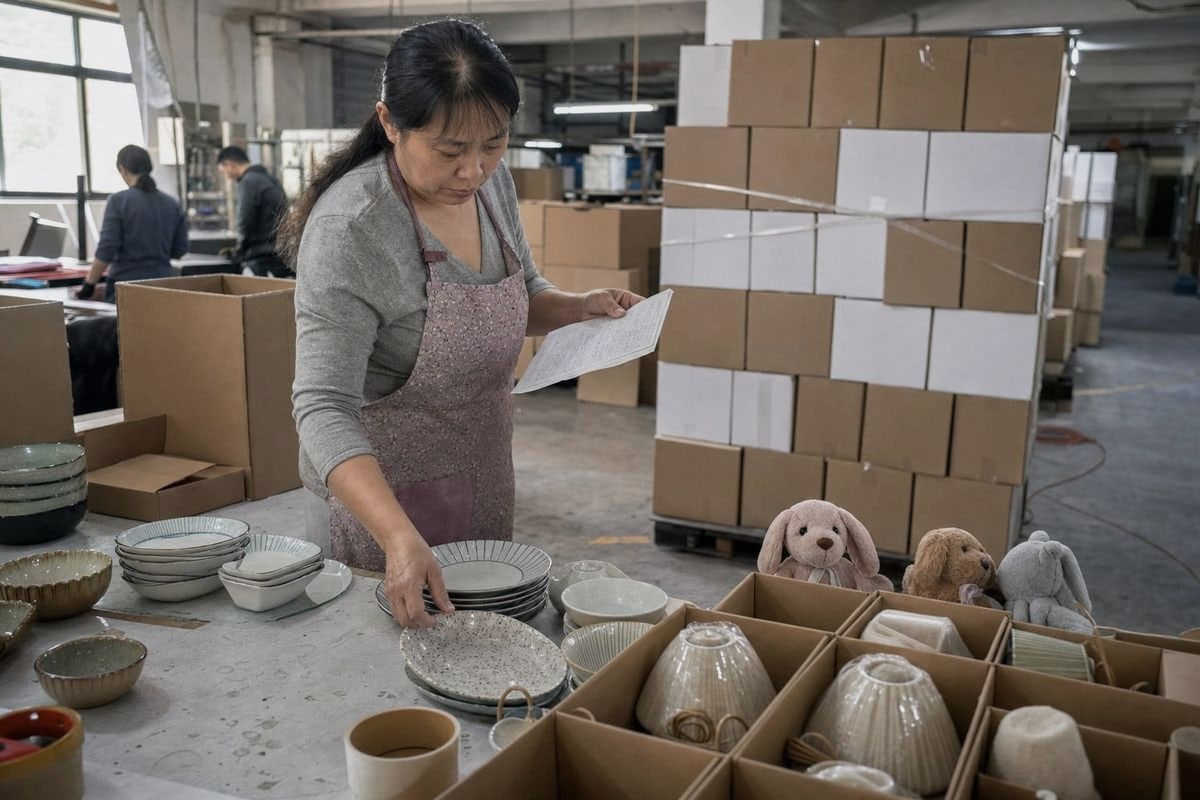
Here is the full breakdown we use internally, drawn from our real files:
| หมวดหมู่ | Typical products | Key requirement |
|---|---|---|
| Food, agriculture, animal and plant products | Meat, aquatic products, canned food, tea, grain and oil, fruit and vegetables, seeds, timber, bamboo and wood items, fur, feather and down | Animal/plant quarantine or hygiene certificate |
| Textiles, footwear, apparel | All woven garments, infant clothing, knitwear with over 50% wool, leather/PU shoes, slippers, bedding | Statutory export inspection |
| Lamps, small appliances, power tools | Table lamps, ceiling lamps, floor lamps, fans, chargers, small household appliances | Mandatory safety inspection against mandatory quality standards |
| Toys, baby products, tableware | Children's toys, baby feeding items, glass cups, ceramic dinnerware | Testing for heavy metals, phthalates, structural strength |
| Cosmetics and hygiene products | Skincare, makeup, toothpaste, sanitary pads, medical-grade masks and gowns | Hygiene and safety inspection |
| Chemicals, dangerous goods, fertilizers | Paints, lithium batteries, pesticides, fertilizers, listed hazardous chemicals | MSDS 5, dangerous packaging certificate, hazardous chemicals catalogue check |
| Medical devices and pharmaceuticals | Medical instruments, diagnostic reagents, drug ingredients | Domestic registration plus medical device export filing 6 before declaration |
Two extra layers beyond the catalog
First, some sensitive goods sit outside normal inspection entirely. Strategic minerals and certain high-tech components fall under the dual-use items list, which requires export licensing and separate reviews — a stricter regime than ordinary inspection.
Second, random inspections have grown as an enforcement tool. Even goods without a B condition — baby products, food-contact items, low-voltage electronics — can face spot checks at the port. So "no B mark" means no mandatory pre-inspection, but it never means zero scrutiny. We remind clients of this whenever they ship children's goods, because that category attracts random sampling more than any other we handle.
ฉันจะทำให้กระบวนการตรวจสอบมีประสิทธิภาพมากขึ้นเพื่อหลีกเลี่ยงความล่าช้ากับการจัดส่ง DDP ของฉันได้อย่างไร?
Timing is the trade-off I weigh on every DDP file. Book the inspection too late and you miss the vessel. The fix is to build inspection into the shipping timeline from day one, which is exactly how we run it.
Confirm the HS code B condition before production ends, book the inspection while goods are still at the factory, secure the report before container loading, and hand all documents to your DDP forwarder early so the customs declaration and clearance proceed without delay.
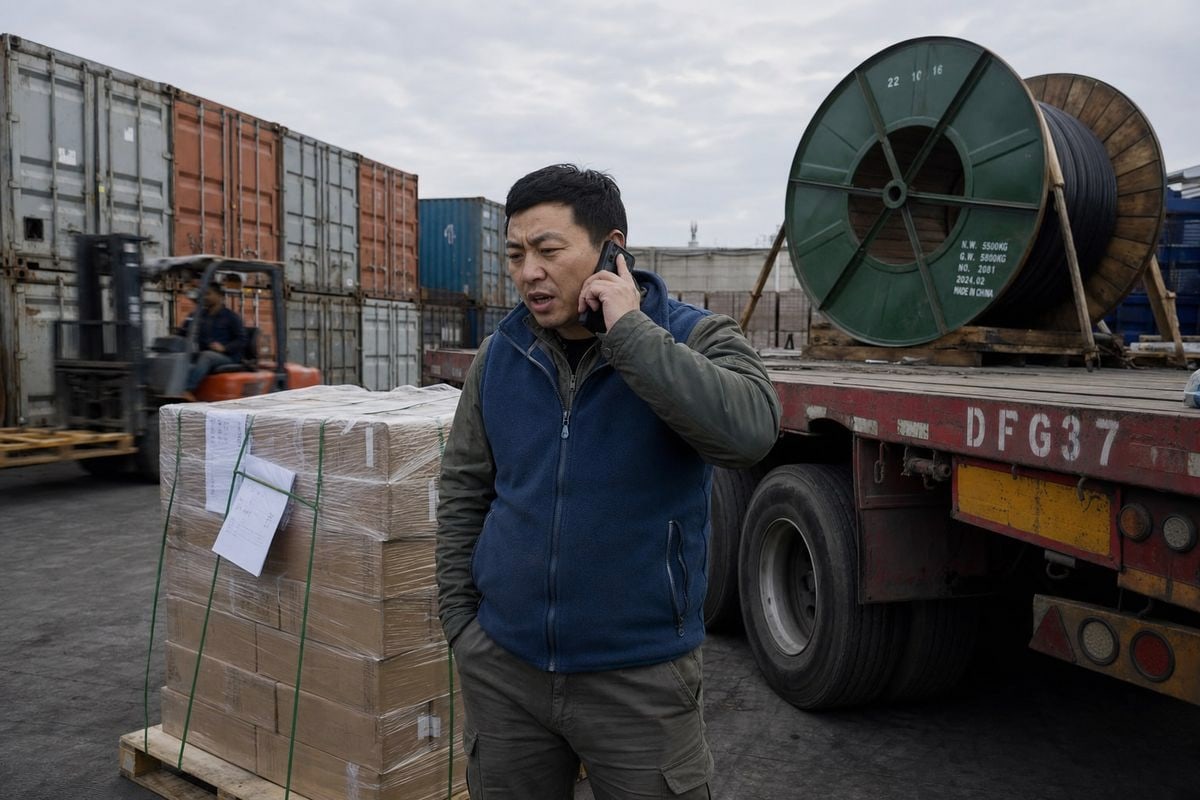
Here is the workflow we follow at MBMLOG for every China-to-USA DDP shipment. It is boring on purpose. Boring workflows do not miss vessels.
Our five-step inspection workflow
- Verify the HS code at booking. The moment the factory sends the booking sheet, we check the 10-digit code and its regulatory conditions through the China Single Window system. This is how we caught the composite-wood cabinet case before it became a crisis.
- Confirm with the factory in writing. Factories do not always volunteer inspection requirements. We ask directly and get written confirmation. Never assume the supplier has handled it.
- Schedule inspection before loading. The inspection must happen while goods are accessible at the factory or warehouse. We coordinate the date so the report lands before the container is stuffed.
- Collect the full document set. Inspection report, clearance certificate, and for special goods the MSDS, dangerous packaging certificate, or medical device export filing. For destination-side needs, we also arrange a CIQ certificate when the buyer's contract requires one.
- File the declaration early. With documents in hand, the GACC customs declaration 7 goes through cleanly, and our US customs broker partners prepare the American side in parallel.
Because our DDP service covers both Chinese export clearance and US import clearance under one tax-included quote, one gap on the China side would break the whole chain. That is why we front-load the inspection check. Our clients keep their 18–25 day transit window, and their FBA inventory arrives on schedule. If you are unsure about your own product, send the HS code to your forwarder before you confirm the production deadline — not after.
บทสรุป
Commodity inspection when exported from China comes down to one check: the HS code B condition. Verify it early, inspect before loading, and your shipment sails on time.
เชิงอรรถ
1. Explains the global classification system underlying China's export inspection triggers. ↩︎
2. Background on single window platforms used to verify customs and trade data. ↩︎
3. Defines the trade finance instrument mentioned as a contractual inspection trigger. ↩︎
4. Clarifies the fulfillment program affected by inspection-related shipping delays. ↩︎
5. OSHA's authoritative guidance on safety data sheets required for chemical exports. ↩︎
6. FDA oversight page relevant to medical device export and registration requirements. ↩︎
7. WTO trade facilitation resource explaining customs declaration procedures in global trade. ↩︎




