
- +8618603825129
- [email protected]
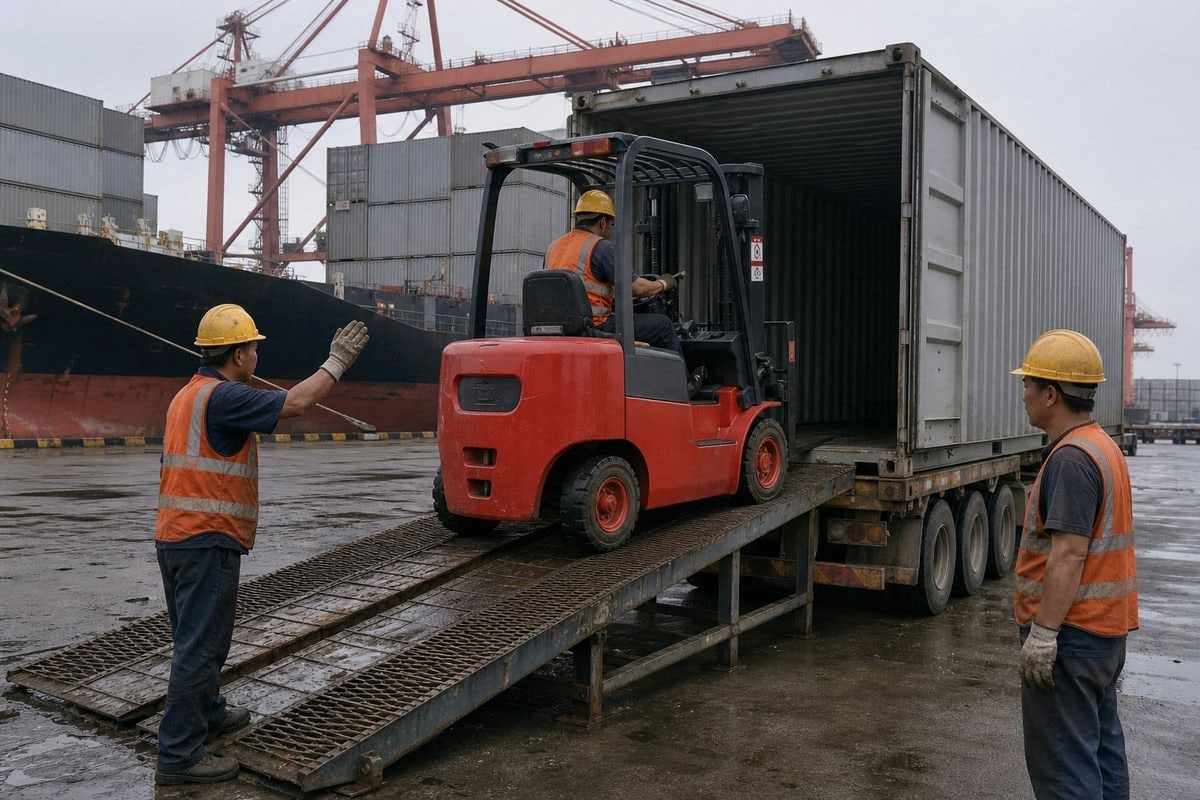
Many e-commerce sellers feel confused when their freight forwarder asks them to deliver cargo to the warehouse one week before vessel departure. The ship hasn’t left yet, so why the rush? In reality, that one week is critical to avoid rolled cargo, customs delays, and missed sailings.
E-commerce sellers need to deliver international shipments to the warehouse one week before departure because sea freight requires time to confirm vessel space, complete export customs clearance, coordinate warehouse and port operations, and handle unexpected risks. Shipping lines lock loading plans 3–5 days before departure, customs inspections are unpredictable, and missing warehouse or port cutoff times can cause cargo to be rolled to the next vessel.
Now let me break this down step by step, so you can clearly see why this one-week window is not optional in ocean freight shipping.
One of the biggest misunderstandings among e-commerce sellers is thinking that booking space means guaranteed loading. In ocean freight, that is not how it works.
When a freight forwarder books space with a shipping line, the booking is based on declared cargo weight and volume. Once the cargo actually arrives at the warehouse, the real figures are measured and confirmed.
If the actual cargo exceeds the declared data:
Shipping lines usually lock their vessel loading plans 3–5 days before departure. Cargo that is not physically received and verified by then is often excluded.
Delivering cargo one week early allows freight forwarders to:
Late delivery to the warehouse often leads to consequences that sellers underestimate.
Common outcomes include:
During peak seasons, shipping lines prioritize cargo that is already:
For e-commerce sellers, a delay is not just a schedule issue. It can result in inventory shortages, lost sales opportunities, and poor customer experience.
Export customs clearance is another major reason why early delivery is required.
The standard process includes:
Customs declaration can only begin after the cargo is physically in the warehouse.
In normal cases, clearance may take one to two working days. However, customs inspections are random and cannot be predicted.
If cargo is selected for inspection:
Yes, and this happens more often than many sellers expect.
If cargo arrives too close to the vessel departure date:
Customs operates based on risk control, not seller urgency. Delivering cargo one week early provides enough time to handle inspections, document issues, and unexpected delays.
สำหรับ LCL (สินค้าปริมาณน้อยกว่าหนึ่งตู้คอนเทนเนอร์) shipments, timing is even more critical.
After arriving at the warehouse, LCL cargo still needs:
Only after consolidation can the container be sealed and transported to the port. This process depends on multiple shippers, not just one seller.
สำหรับ FCL (Full Container Load) shipments:
Both shipping methods require sufficient lead time.
Port cutoff time is the final deadline for containers to enter the terminal.
Typically:
Ports plan yard operations, crane usage, and vessel loading schedules in advance. Missing the port terminal cutoff means the container must wait for the next sailing.
The final reason for early delivery is risk management.
Buffer time helps absorb:
In international shipping, small issues happen every day. Without buffer time, small problems quickly turn into major delays.
Early delivery is not inefficiency. It is professional supply chain risk control.
Delivering cargo to the warehouse one week before departure is not about creating pressure for sellers. It ensures vessel space, customs clearance, port cutoff compliance, and risk management. If your shipment must sail on time, that one-week window is essential.

สวัสดีครับ ผมเป็นผู้เขียนโพสต์นี้ และผมอยู่ในวงการนี้มานานกว่า 10 ปีแล้ว หากคุณต้องการขนส่งสินค้าจากจีน โปรดอย่าลังเลที่จะสอบถามผมได้เลยครับ



ผู้เชี่ยวชาญที่พูดภาษาอังกฤษได้อย่างคล่องแคล่วของเราจะติดต่อกลับคุณภายใน 6 ชั่วโมง
سيقوم كبيرنا الودود الذي يتحد, الإنجليزية بالرد عليك كلال 6 ساعات.