- +8618603825129
- [email protected]

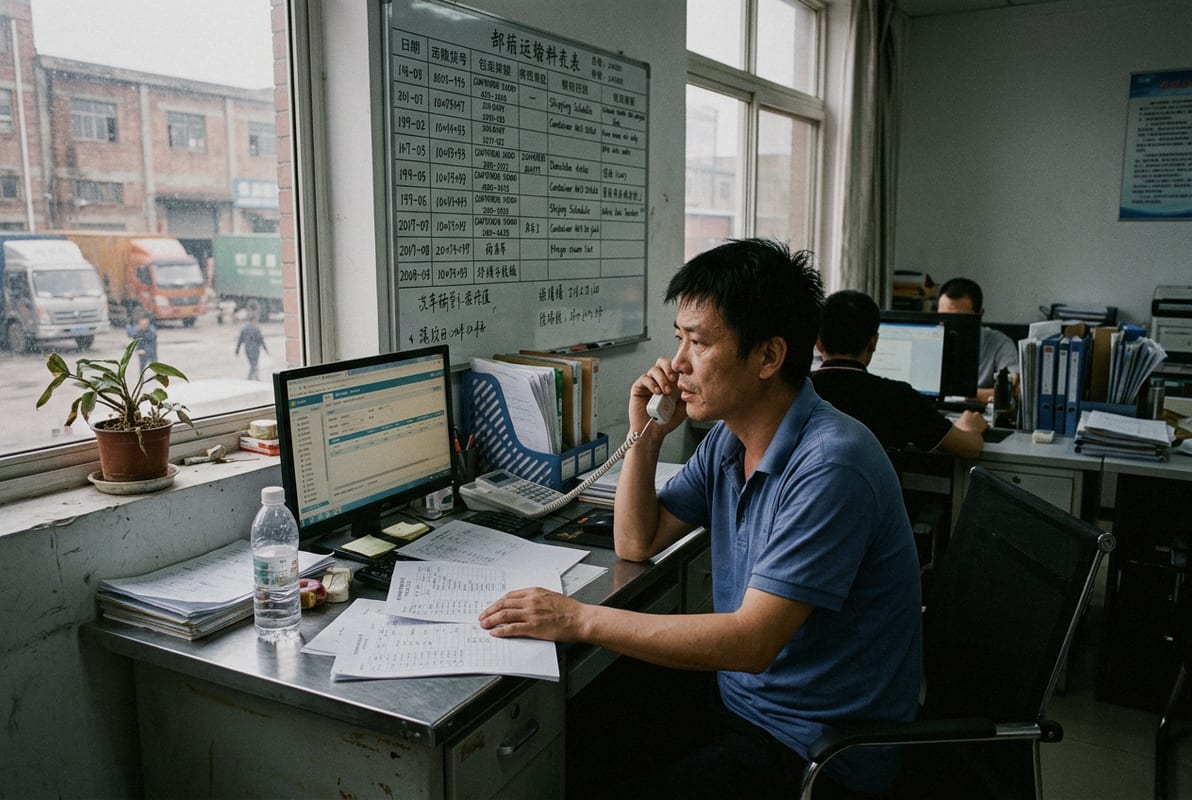
I have seen the term "DEM" confuse dozens of importers who reach out to our logistics team in Zhengzhou every month.
DEM stands for demurrage — the daily fee a shipping line charges when an importer holds a container at port beyond the free days. B2B wholesalers sourcing from China must evaluate DEM exposure alongside landed cost, MOQ, lead time, and quality control to protect profit margins and keep goods moving on schedule.
The confusion is understandable. DEM looks like an acronym for something exotic. In reality, it is one of the most overlooked cost drivers in international trade compliance 1. Let me walk you through exactly what it means, why it matters, and how to evaluate it before you sign your next purchase order with a wholesale manufacturer in China.
A buyer once told me his "great deal" from a Guangdong factory turned into a loss — all because of seven extra days of demurrage at Long Beach FOB or CIF quote 2. That single charge wiped out his per-unit savings.
DEM directly erodes profit margins by adding daily port storage fees — often $150–$350 per container per day — that inflate your landed cost beyond the original FOB or CIF quote. Every extra day at port shrinks the gap between your wholesale price and your retail markup.
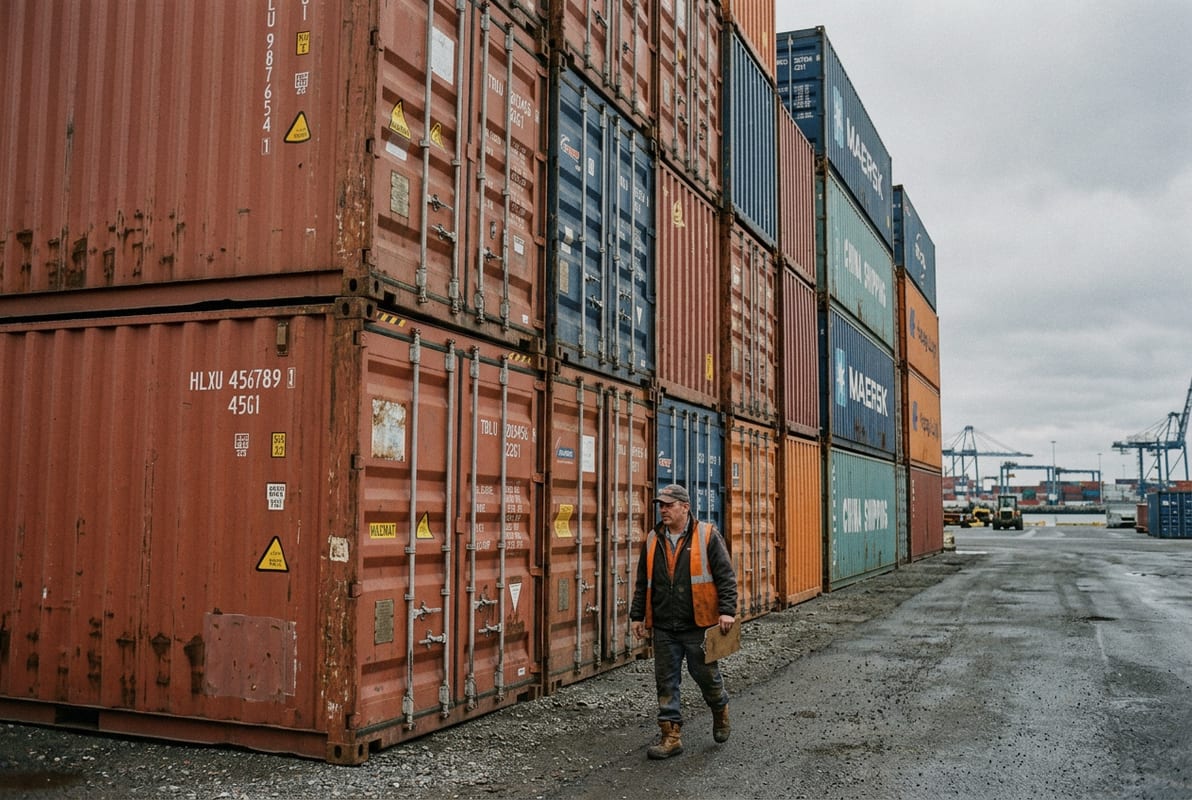
Demurrage is a penalty, not a service fee. Shipping lines grant a set number of "free days" — typically four to seven — for you to pick up your container after a vessel arrives. After that window closes, a daily charge kicks in. The rate escalates the longer the container sits.
Here is what a typical demurrage fee schedule looks like at a major US port:
| Days Beyond Free Time | Daily DEM Rate (20ft) | Daily DEM Rate (40ft) |
|---|---|---|
| Day 1–4 | $150 | $200 |
| Day 5–7 | $225 | $300 |
| Day 8+ | $350 | $450 |
Those numbers add up fast. If your Gümrük işlemleri 3 stalls for ten days on a 40ft container, you could face $3,000 or more in charges that never appeared in your original cost calculation.
Most B2B wholesalers calculate landed cost as the sum of product cost, shipping, insurance, duties, and handling. But they forget DEM. When I prepare DDP quotes for our clients, I always flag the demurrage risk upfront. Our team has seen shipments where the DEM charge exceeded the ocean freight itself.
Consider this simplified landed cost comparison for a 40ft container of consumer goods valued at $30,000 FOB:
| Maliyet Bileşeni | Without DEM Issues | With 8 Extra DEM Days |
|---|---|---|
| FOB Product Cost | $30,000 | $30,000 |
| Deniz Taşımacılığı | $2,800 | $2,800 |
| Sigorta | $150 | $150 |
| Customs Duties (7%) | $2,100 | $2,100 |
| Handling & Drayage | $600 | $600 |
| Demurrage (DEM) | $0 | $2,800 |
| Toplam Teslimat Maliyeti | $35,650 | $38,450 |
That extra $2,800 represents a 7.9% increase in total landed cost. For a wholesaler operating on 15–20% margins, this is devastating. Retailers typically double the wholesale price to sell to end customers, which means every dollar you lose to DEM is a dollar that cannot contribute to your markup.
DEM charges rarely happen in isolation. They are usually symptoms of deeper supply chain risks:
When I coordinate shipments from our Zhengzhou warehouse, we build buffer time into every schedule. But even with careful planning, a single document error from the factory can trigger a cascade of delays.
Last quarter, one of our regular Amazon sellers in Texas pulled off something impressive — zero DEM charges across twelve consecutive shipments. The secret was not luck. It was process.
To avoid unexpected demurrage, pre-clear customs paperwork before vessel arrival, confirm free-day allowances with your carrier in writing, arrange drayage trucks in advance, and partner with a freight forwarder who manages document handoffs proactively across every leg of the journey.
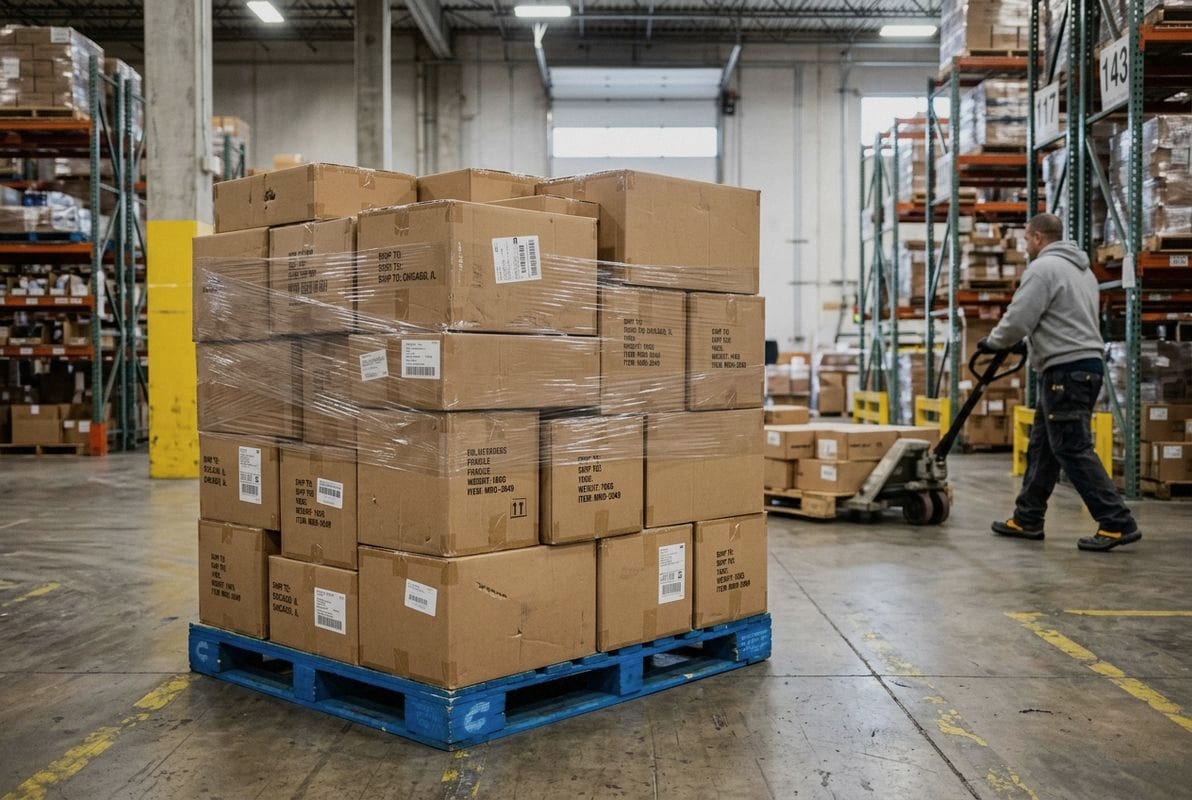
Avoiding DEM is about eliminating the gaps where delays breed. Here is the process we recommend to every B2B wholesaler who ships through our service:
Step 1: Get the documents right at origin. Before the container even loads onto a vessel in Shenzhen or Ningbo, every document — commercial invoice, packing list, konşimento 6, certificate of origin, and any required compliance certificates — must be finalized and shared with your US customs broker. Due diligence on suppliers means verifying they can produce accurate paperwork every time.
Step 2: Negotiate free days upfront. Most carriers offer four to seven free days by default. You can negotiate for more. We routinely secure seven to ten free days for clients who commit to volume contracts. Put this in writing in your booking confirmation.
Step 3: Pre-file ISF (Importer Security Filing). US Customs requires ISF filing at least 24 hours before the vessel departs the foreign port. Importer Security Filing 7 Late filing triggers holds. Our operations team files ISF within hours of booking confirmation.
Step 4: Schedule drayage before the vessel arrives. Do not wait for the arrival notice to book a truck. Line up your drayage carrier at least five days before the ETA. Port congestion can delay truck availability by two to three days during peak season.
Step 5: Use real-time tracking tools. Digital tools that provide vessel tracking, port congestion data, and customs status updates let you react before delays escalate. We provide real-time cargo tracking for exactly this reason.
| DEM Trigger | Root Cause | Prevention Strategy |
|---|---|---|
| Customs hold | Incorrect HS code or missing documents | Factory audit of export docs + pre-filing with broker |
| Port congestion | Seasonal volume spikes | Ship during off-peak windows; negotiate extra free days |
| Late truck pickup | No advance drayage booking | Book drayage 5–7 days before vessel ETA |
| Exam or inspection | Random CBP selection or flagged shipment | Maintain clean import history; use a trusted customs broker |
| Supplier delay in sending BL | Poor communication with factory | Require BL copy within 48 hours of vessel departure |
If you use China sourcing agents, make sure they understand the downstream impact of document delays. A sourcing agent who sends you the bill of lading three days late is effectively costing you three days of demurrage risk. Establish clear timelines in your payment terms and supplier agreements. The best agents coordinate directly with your freight forwarder to hand off documents the same day the vessel sails.
During a factory audit in Yiwu last year, I noticed something telling: the supplier's shipping department had only one person handling export documentation for forty overseas clients. That was a red flag for every importer relying on timely paperwork.
You should include DEM terms in supplier evaluation because a supplier's ability to produce accurate documents on time directly determines whether your container clears customs quickly or racks up daily port charges — making document reliability as critical as product quality or MOQ flexibility.
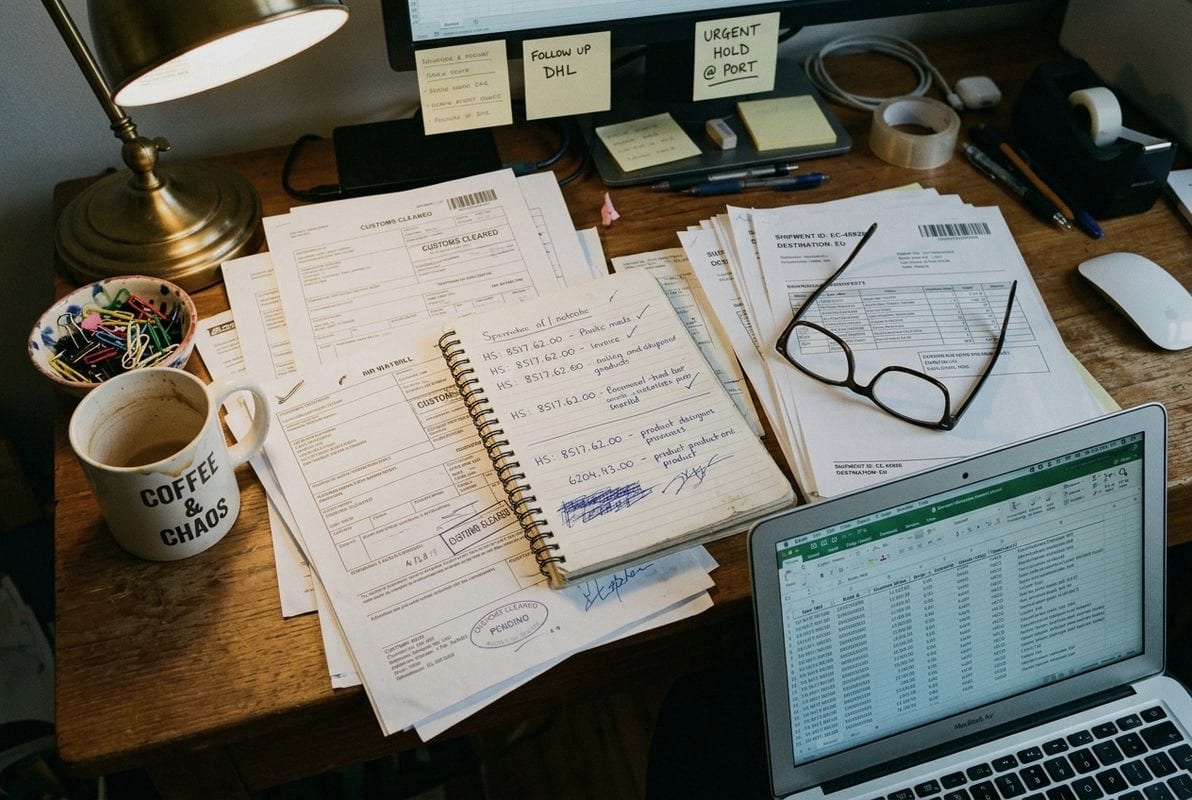
Most wholesalers evaluate Chinese suppliers on price, MOQ, product quality, and lead time. That is a good start. But logistics and shipping performance deserves its own column in your scorecard. Here is a framework that integrates DEM risk into the broader evaluation:
| Evaluation Category | Key Metrics | DEM Relevance |
|---|---|---|
| Product Quality | AQL defect rate, third-party inspection pass rate | Low — but quality failures cause returns and reshipping |
| Pricing & MOQ | FOB/CIF unit cost, minimum order quantity | Medium — cheap pricing means nothing if DEM eats the savings |
| Lead Time | Production days, booking-to-shipment window | High — late production pushes shipments into congested windows |
| Document Accuracy | BL turnaround time, HS code accuracy, certificate completeness | Very High — directly triggers or prevents customs holds |
| İletişim | Response time, English proficiency, proactive updates | High — slow communication delays document handoffs |
| Ödeme Koşulları | Deposit %, balance timing, escrow availability | Medium — payment disputes can delay BL release |
When we coordinate FCL and LCL shipments from China to the US, the number-one cause of downstream delays is paperwork from the supplier side. A wrong weight on the packing list, a missing MSDS for a chemical product, or a certificate of origin 8 that does not match the commercial invoice — any of these can trigger a customs exam.
Quality control at the factory level is well understood. Most importers now use third-party inspections and AQL sampling. But "document quality control" is just as important. I recommend requesting a complete document package from your supplier at least five business days before the vessel's estimated departure. Review it line by line. Compare it against your customs broker's checklist.
When you visit a factory or conduct a virtual audit, add these questions to your supplier evaluation criteria:
These questions shift the conversation from product-only evaluation to end-to-end supply chain competence. Wholesale manufacturers in China who take these questions seriously are the ones who will save you money on DEM — and on every other hidden cost in your logistics chain.
A lesson I learned early in our Amazon FBA 9 shipping operations: the gap between a good freight forwarder and a mediocre one is not the rate — it is what happens when something goes wrong at port.
Your freight forwarder should proactively manage DEM by negotiating extended free days, pre-clearing customs documents, coordinating drayage timing, monitoring vessel schedules in real time, and flagging potential delays before they become costly — especially for time-sensitive Amazon FBA inventory replenishment.
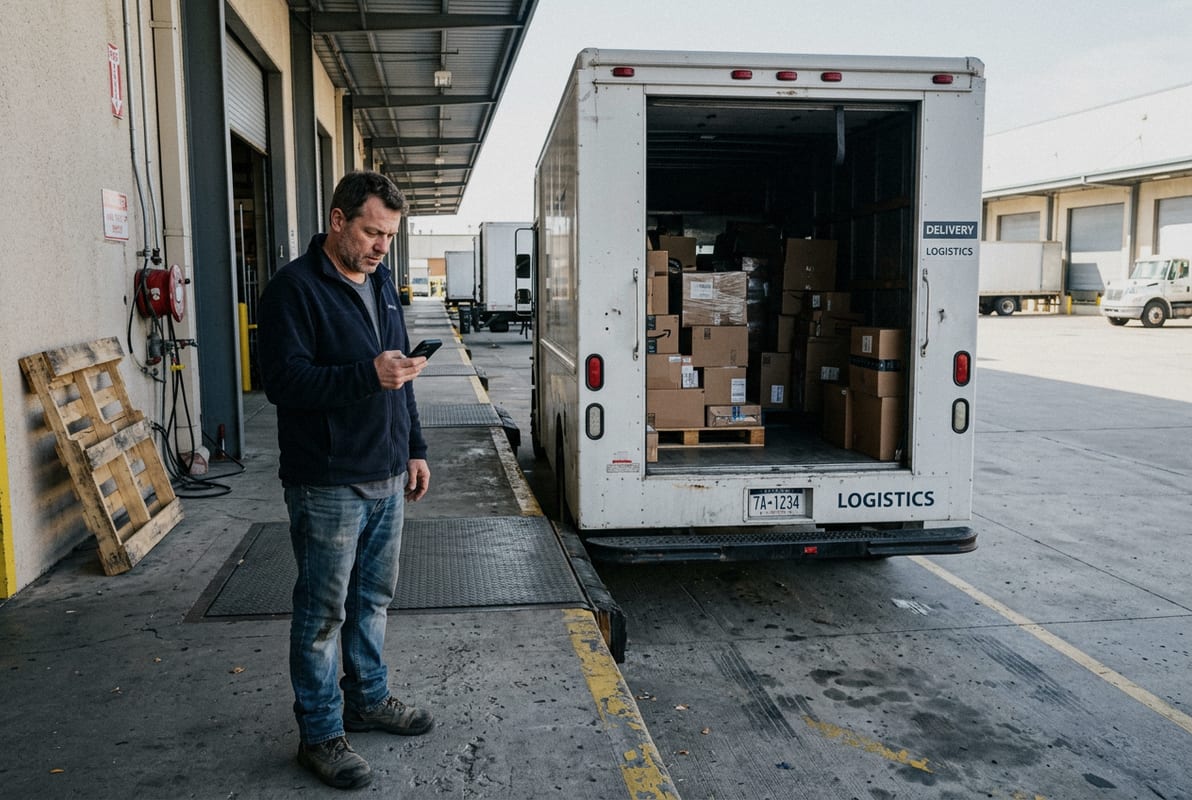
Not all freight forwarders treat DEM as their problem. Some simply pass the charges through to you. The right partner — and this is exactly how we operate at MBMLOG — takes ownership of the entire clearance timeline from vessel arrival to final delivery at the Amazon fulfillment center.
Here is what that looks like in practice:
Pre-arrival coordination. We file ISF and submit all customs entry documents before the vessel reaches US waters. Our US customs broker partners review everything for accuracy while the container is still on the ocean. By the time the ship docks, clearance is either complete or nearly so.
Carrier relationship leverage. Because we move volume across multiple clients, we negotiate favorable free-day terms that individual importers cannot get on their own. For our regular FBA shippers, we often secure seven to ten free days as standard.
Contingency planning. If a vessel is delayed or a port is congested, we reroute drayage bookings and adjust delivery appointments at Amazon warehouses. FBA warehouses have strict receiving windows. Missing your appointment because of a DEM-related delay means rebooking — and potentially another week of storage charges.
Amazon FBA adds a layer of complexity to DEM management. Unlike a private warehouse where you control the schedule, FBA warehouses require advance delivery appointments. If your container clears customs late because of DEM delays, you miss your appointment window. Here is the cascade effect:
For Amazon sellers, the cost of DEM goes far beyond the port fee. It affects your listing's organic visibility and your ability to compete during peak seasons.
When evaluating a freight forwarder, ask these questions:
The right answers will tell you whether the forwarder treats logistics and shipping as a transactional task or as a strategic service. For B2B wholesalers who depend on consistent FBA inventory flow, the difference is measured in thousands of dollars per quarter.
DEM is a hidden margin killer that every B2B wholesaler sourcing from China must plan for — not react to. Evaluate suppliers on document reliability, partner with a proactive freight forwarder, and treat demurrage prevention as a core part of your sourcing strategy.
1. Official US government resource for international trade and compliance information. ↩︎
2. Authoritative source for Incoterms rules, defining international trade terms like FOB and CIF. ↩︎
3. Comprehensive guide for U.S. customs clearance, explicitly mentioning CBP processes and documentation, suitable for B2B context. ↩︎
4. World Customs Organization (WCO) explanation of the Harmonized System (HS) codes. ↩︎
5. Wikipedia provides a clear definition and context for Container Freight Stations. ↩︎
6. Wikipedia offers a comprehensive overview of the bill of lading document and its functions. ↩︎
7. Official US Customs and Border Protection (CBP) information on ISF requirements. ↩︎
8. Direct .gov link from International Trade Administration (trade.gov), the same domain as the original failed link, and specifically addresses 'FTA Certificates of Origin', highly authoritative and relevant. ↩︎
9. Official Amazon page detailing their Fulfillment by Amazon (FBA) service for sellers. ↩︎