
Dịch vụ chuyển phát hàng từ Trung Quốc đến Pháp
Tìm một người chuyển phát hàng từ Trung Quốc đến Pháp? Mbmlog là đối tác đáng tin cậy của bạn cho các giải pháp logistics liền mạch và hiệu quả. Với hơn hai mươi năm kinh nghiệm, chúng tôi chuyên về vận chuyển tận nơi, đảm bảo hàng hóa của bạn đến Pháp đúng thời gian và trong tình trạng hoàn hảo. Chúng tôi cung cấp giá cả cạnh tranh, theo dõi toàn diện và xử lý chuyên nghiệp thủ tục hải quan và tài liệu. Cho dù bạn đang vận chuyển bưu kiện nhỏ hay hàng hóa lớn, các giải pháp tùy chỉnh của chúng tôi được thiết kế để tiết kiệm thời gian và tiền bạc cho bạn. Chọn Mbmlog để vận chuyển không phiền phức từ Trung Quốc đến Pháp.
Dù bạn đang vận chuyển hàng đến Vancouver, Montreal, Toronto hay bất kỳ thành phố nào khác của Canada, Mbmforwarding luôn sẵn sàng cung cấp cho bạn những giải pháp vận chuyển tốt nhất. Mục tiêu của chúng tôi là giúp bạn đạt được hiệu quả chi phí vận chuyển tiết kiệm nhất từ Trung Quốc đến Canada, dù bằng đường biển hay đường hàng không. Hãy liên hệ với chúng tôi ngay hôm nay để nhận được mức giá tốt nhất!
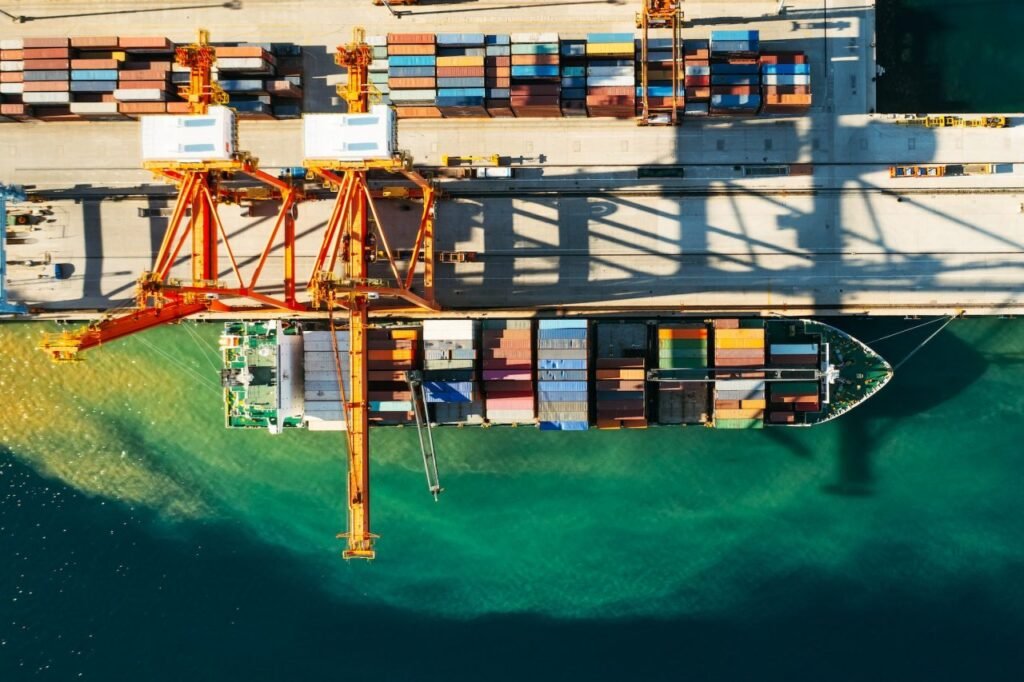
Vận chuyển hàng hóa bằng đường biển từ Trung Quốc đến Pháp
Tận hưởng ưu đãi tiết kiệm chi phí với các lựa chọn vận tải đường biển công suất lớn của chúng tôi, lý tưởng cho các lô hàng lớn mà không cần vận chuyển gấp.
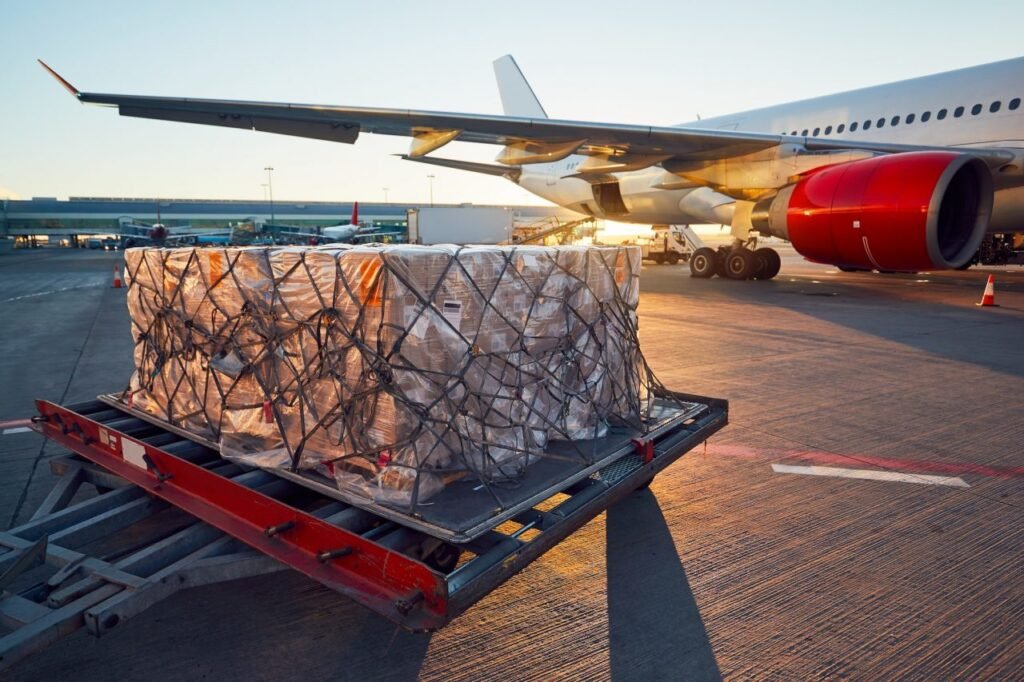
Vận chuyển hàng không từ Trung Quốc đến Pháp
Vận chuyển hàng hóa khẩn cấp của bạn nhanh chóng với dịch vụ vận tải hàng không của chúng tôi, đảm bảo hoạt động kinh doanh của bạn luôn đúng tiến độ.

Vận chuyển tận cửa từ Trung Quốc đến Pháp
Trải nghiệm dịch vụ vận chuyển dễ dàng, không rắc rối với dịch vụ giao hàng tận nhà của chúng tôi, bao gồm toàn bộ quy trình từ nhận hàng đến giao hàng.

Vận chuyển hàng từ Trung Quốc đến kho Amazon FBA.
Tận dụng các dịch vụ tùy chỉnh của chúng tôi dành cho Amazon FBA để tối ưu hóa chuỗi cung ứng và nâng cao hiệu quả kinh doanh của bạn.
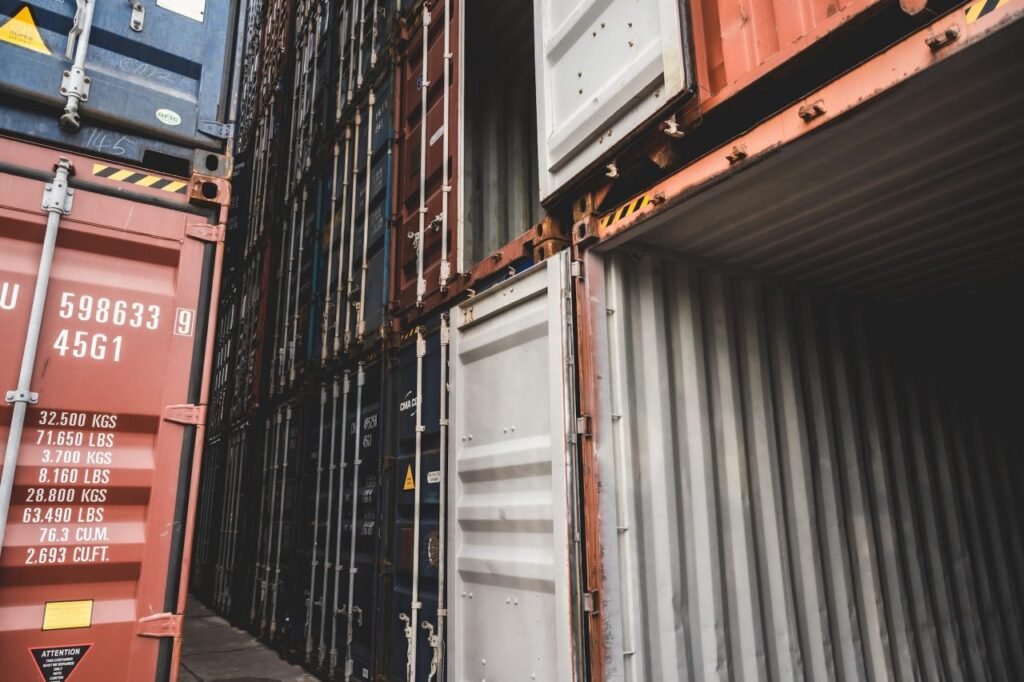
Vận chuyển rẻ nhất từ Trung Quốc đến Pháp
Tối ưu hóa ngân sách của bạn với các giải pháp vận chuyển giá cả phải chăng của chúng tôi, được thiết kế để mang lại dịch vụ vận chuyển tiết kiệm chi phí và đáng tin cậy.
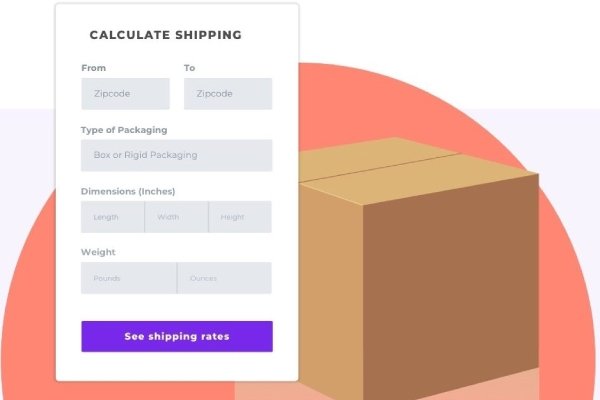
Thời gian/tốn bao nhiêu cho việc vận chuyển từ Trung Quốc đến Pháp
Lập kế hoạch hiệu quả với thông tin rõ ràng và minh bạch của chúng tôi về thời gian và chi phí, giúp bạn đưa ra quyết định kinh doanh sáng suốt hơn.
Vận chuyển FCL từ Trung Quốc đến Pháp
Dịch vụ vận chuyển FCL của Mbmlog có thể đảm bảo an toàn cho các lô hàng lớn của bạn bằng phương thức vận chuyển nguyên container (FCL), đảm bảo hàng hóa được vận chuyển cùng nhau mà không bị gián đoạn, rất phù hợp cho hàng hóa số lượng lớn cần được bảo vệ chắc chắn.
Vận chuyển LCL từ Trung Quốc đến Pháp
Tận dụng sự linh hoạt của hình thức vận chuyển hàng lẻ (LCL), cho phép bạn gửi các lô hàng nhỏ hơn thường xuyên hơn, giúp quản lý hàng tồn kho hiệu quả mà không cần phải lấp đầy toàn bộ container.
Các dịch vụ bổ sung cho việc vận chuyển từ Trung Quốc đến Pháp
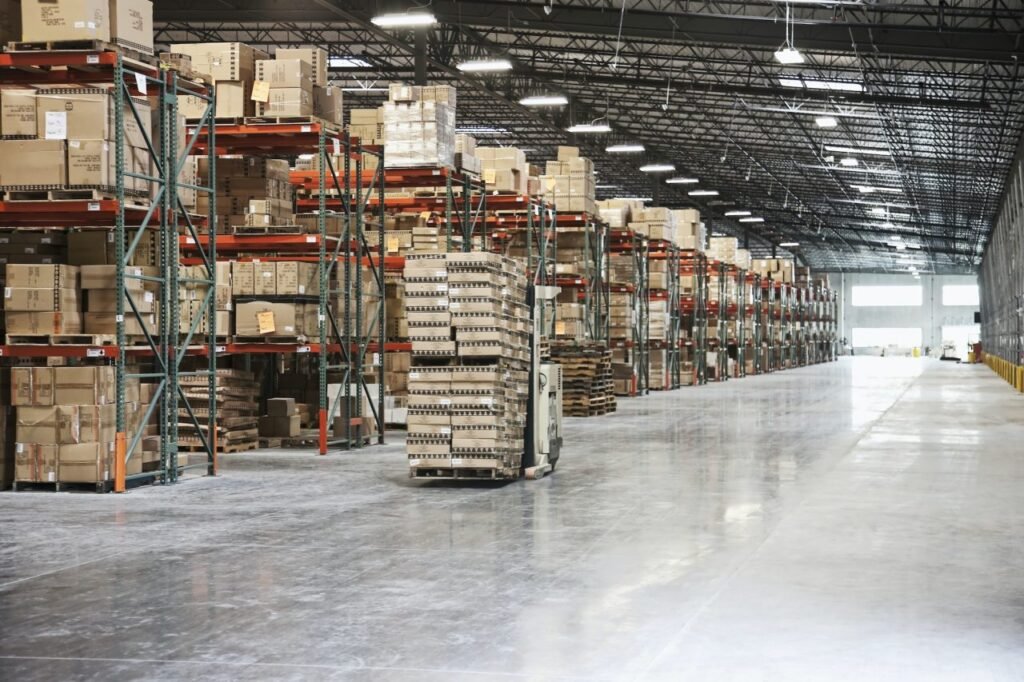
Nhận và giao hàng
Tối ưu hóa quy trình hậu cần của bạn với dịch vụ nhận và giao hàng đáng tin cậy của chúng tôi, đảm bảo vận chuyển kịp thời và hiệu quả từ tận nhà đến điểm đến, nâng cao tốc độ và độ tin cậy trong hoạt động.

Kho
Hãy tận dụng các giải pháp kho bãi an toàn và có khả năng mở rộng của chúng tôi để lưu trữ hàng hóa của bạn một cách an toàn, cung cấp các tùy chọn lưu trữ linh hoạt phù hợp với nhu cầu kinh doanh của bạn, giúp tối ưu hóa việc quản lý hàng tồn kho và khả năng tiếp cận.
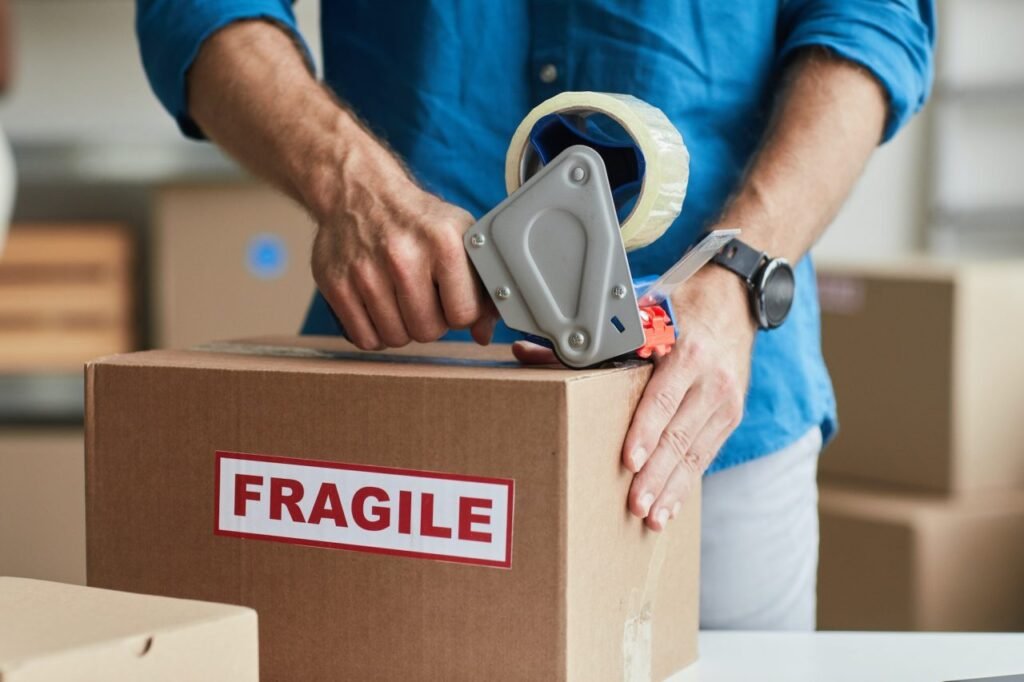
Bảo hiểm hàng hóa
Bảo vệ các khoản đầu tư của bạn với bảo hiểm hàng hóa toàn diện, mang lại sự an toàn về tài chính và sự an tâm trước những thiệt hại hoặc mất mát tiềm tàng trong quá trình vận chuyển, đảm bảo hoạt động vận chuyển diễn ra suôn sẻ và không rủi ro.
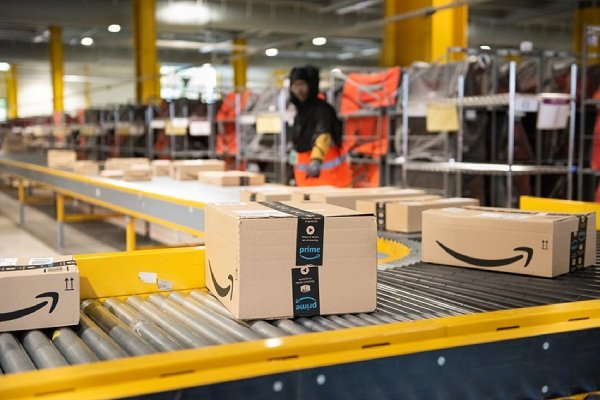
Vận chuyển đến kho FBA
Tạo điều kiện thuận lợi cho việc tích hợp liền mạch với mạng lưới của Amazon thông qua các dịch vụ vận chuyển chuyên biệt của chúng tôi đến các kho FBA, tối ưu hóa chiến lược hoàn đơn của bạn, giảm thời gian xử lý và tăng tiềm năng bán hàng.

Thủ tục hải quan
Đẩy nhanh quá trình vận chuyển quốc tế của bạn với dịch vụ thông quan chuyên nghiệp của chúng tôi, giảm thiểu sự chậm trễ và đảm bảo tuân thủ tất cả các quy định thương mại toàn cầu, đơn giản hóa quy trình xuất nhập khẩu của bạn.
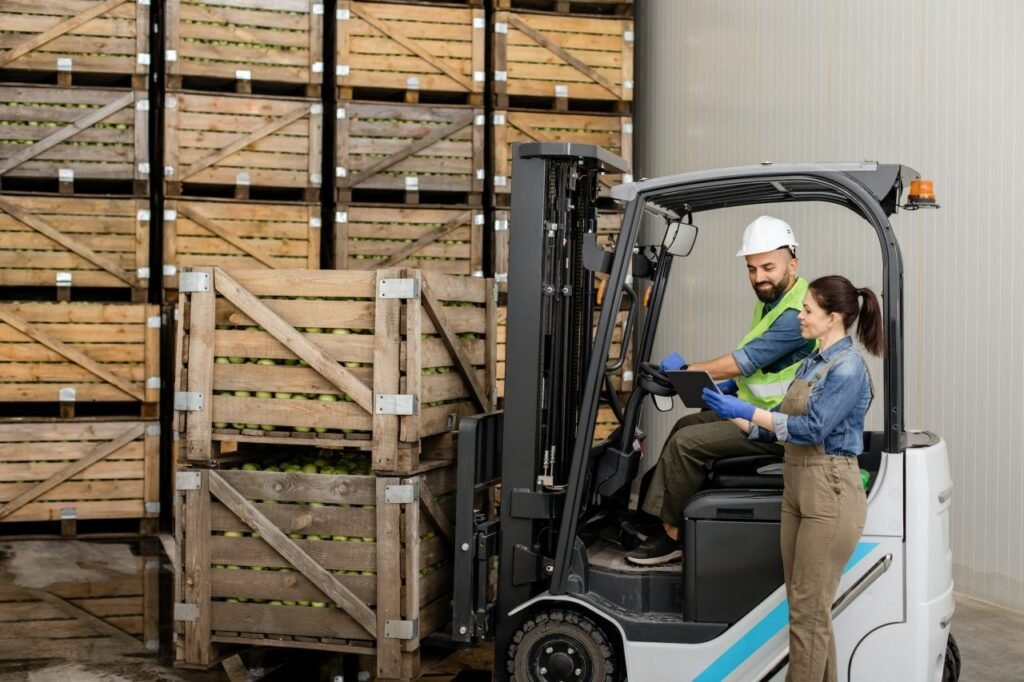
Kiểm tra xếp dỡ
Hãy đảm bảo chất lượng và tình trạng hàng hóa của bạn với quy trình kiểm tra xếp dỡ kỹ lưỡng của chúng tôi, bảo đảm tính toàn vẹn của lô hàng và nâng cao sự hài lòng của khách hàng bằng cách ngăn ngừa các vấn đề tiềm ẩn trong quá trình vận chuyển.

Vận chuyển nhanh
Tăng tốc thời gian giao hàng với các tùy chọn vận chuyển nhanh của chúng tôi, lý tưởng cho các lô hàng khẩn cấp yêu cầu dịch vụ nhanh chóng và đáng tin cậy, giúp bạn đáp ứng thời hạn gấp rút và vượt quá sự mong đợi của khách hàng.
Tại sao nên chọn MBM?
Trải nghiệm những lợi ích của việc di chuyển êm ái.
Chọn mbmforwarding, bạn sẽ được hưởng mức giá cạnh tranh, giao hàng đáng tin cậy và đúng giờ, cùng với hỗ trợ chuyên nghiệp 24/7. Tận dụng 20 năm kinh nghiệm của chúng tôi, thủ tục hải quan suôn sẻ và kho bãi miễn phí, đảm bảo hoạt động hậu cần của bạn hiệu quả, tiết kiệm chi phí và không lo lắng.
20 năm kinh nghiệm
Mbmlog cung cấp các giải pháp hậu cần vượt trội. Kinh nghiệm dày dặn của chúng tôi đảm bảo dịch vụ hiệu quả, đáng tin cậy, được thiết kế riêng để đáp ứng nhu cầu vận chuyển đa dạng của bạn.
Kho hàng miễn phí
Tận hưởng đến 30 ngày lưu trữ kho miễn phí với mbmforwarding. Cơ sở vật chất an toàn, được tổ chức tốt của chúng tôi đảm bảo hàng hóa của bạn được lưu trữ an toàn.
Hỗ trợ chuyên gia nói tiếng Anh 24/7
Chúng tôi cung cấp dịch vụ hỗ trợ chuyên gia nói tiếng Anh 24/7, đảm bảo liên lạc liền mạch, hiệu quả và hỗ trợ tức thì cho mọi nhu cầu hậu cần của bạn.
Đảm bảo hàng hóa
Công ty chúng tôi cung cấp dịch vụ bảo hiểm hàng hóa toàn diện, bảo vệ các lô hàng của bạn bằng các tùy chọn bảo hiểm phù hợp, đảm bảo an toàn và sự an tâm trong suốt quá trình vận chuyển.
Về dịch vụ theo dõi
Dịch vụ theo dõi của Mbmlog cung cấp thông tin cập nhật theo thời gian thực về các lô hàng của bạn, đảm bảo bạn luôn có thông tin chính xác về tình trạng hàng hóa của mình.
Dịch vụ thông quan chuyên nghiệp
Dịch vụ thông quan chuyên nghiệp của chúng tôi đảm bảo quy trình diễn ra suôn sẻ và hiệu quả. Đội ngũ chuyên gia của chúng tôi xử lý tất cả các thủ tục giấy tờ, đảm bảo tuân thủ các quy định.
Hướng dẫn tối ưu
Hướng dẫn Vận chuyển Tối ưu từ Trung Quốc đến Pháp: Tiết kiệm Thời gian, Tiền bạc và Phiền phức
Mục lục
Giới thiệu
Vận chuyển hàng hóa từ Trung Quốc đến Pháp có thể là một quá trình phức tạp với nhiều thách thức và cạm bẫy tiềm ẩn. Là một khách hàng mua sắm, hiểu biết về các khía cạnh tinh vi của vận chuyển quốc tế là rất quan trọng để tránh những sai lầm tốn kém, chậm trễ và chi phí bất ngờ. Hướng dẫn toàn diện này được thiết kế để giúp bạn điều hướng quá trình vận chuyển từ Trung Quốc đến Pháp, cung cấp cái nhìn về xu hướng thị trường hiện tại, các tùy chọn vận tải, chiến lược tiết kiệm chi phí và nhiều hơn nữa. Cho dù bạn đang vận chuyển các gói nhỏ hay những lô hàng lớn, hướng dẫn này sẽ trang bị cho bạn kiến thức cần thiết để đưa ra quyết định thông minh, tối ưu hóa chuỗi cung ứng của bạn và đảm bảo hàng hóa của bạn đến đích an toàn và đúng hạn.
Cập nhật phí vận chuyển tháng 8 năm 2024: Từ Trung Quốc đến Pháp
Trong thế giới logistics quốc tế đang phát triển nhanh chóng, việc cập nhật những xu hướng và chuyển biến thị trường mới nhất là vô cùng cần thiết. Những tháng vừa qua đã chứng kiến những thay đổi đáng kể trong bối cảnh vận tải, đặc biệt giữa Trung Quốc và Pháp, liên quan đến vận chuyển hàng không và vận tải biển. Phần này cung cấp cái nhìn tổng quan về những xu hướng gần đây, giúp bạn hiểu rõ hơn về điều kiện thị trường hiện tại.
Xu hướng Vận chuyển Hàng không:
Trong ba tháng qua, mức giá vận chuyển hàng không đã trải qua những biến động do nhiều yếu tố khác nhau, bao gồm sự thay đổi giá nhiên liệu, sự gia tăng nhu cầu và các hạn chế về công suất. Vào tháng 6 năm 2024, mức giá vận chuyển hàng không trung bình từ các sân bay lớn ở Trung Quốc đến Pháp dao động quanh mức $6 mỗi kg. Đến tháng 7, giá đã có sự tăng nhẹ, đạt $6.50 mỗi kg, nhờ vào sự gia tăng nhu cầu thương mại điện tử và sự giảm bớt không gian vận chuyển do các chuyến bay chở hành khách được ưu tiên hơn. Vào tháng 8, giá đã ổn định quanh mức $6.20 mỗi kg khi các hãng hàng không điều chỉnh lịch trình của mình để tiếp nhận nhiều hàng hóa hơn.
Thời gian vận chuyển hàng không vẫn giữ ổn định, thường dao động từ 5 đến 10 ngày, tùy thuộc vào tuyến đường cụ thể và bất kỳ sự chậm trễ nào trong thông quan. Tuy nhiên, mùa cao điểm mùa hè thường dẫn đến một số sự chậm trễ, đặc biệt là ở các trung tâm lớn như Sân bay Charles de Gaulle ở Paris.
Xu hướng Vận tải Biển:
Giá cước vận chuyển đường biển cũng đã có sự thay đổi trong vài tháng qua. Vào tháng 6 năm 2024, chi phí cho một container 40 foot từ Thượng Hải đến cảng Marseille khoảng $4,000. Tháng 7 chứng kiến sự giảm xuống còn khoảng $3,800, khi nhiều tàu được triển khai trên tuyến đường châu Á - châu Âu, tăng khả năng cung cấp. Tuy nhiên, đến tháng 8, giá cước tăng trở lại $4,200 do tình trạng ùn tắc tại các cảng chính và nhu cầu tăng cao về không gian vận chuyển trước mùa lễ.
Thời gian vận chuyển bằng đường biển thay đổi đáng kể dựa trên lộ trình cụ thể và bất kỳ sự chậm trễ nào tại các cảng. Thông thường, hàng hóa từ Trung Quốc đến Pháp mất từ 25 đến 45 ngày. Thời gian vận chuyển dài hơn thường do tình trạng ùn tắc tại các cảng lớn ở châu Âu, thời gian xử lý hải quan và các thách thức liên tục liên quan đến sự gián đoạn của chuỗi cung ứng toàn cầu.
Bảng tóm tắt: Xu hướng gần đây của hàng không và vận chuyển đường biển (Tháng 6 – Tháng 8 năm 2024)
| Tháng | Giá cước hàng không (mỗi kg) | Thời gian vận chuyển hàng không | Giá cước vận chuyển đường biển (container 40ft) | Thời gian vận chuyển đường biển |
|---|---|---|---|---|
| Tháng 6 năm 2024 | $6.00 | 5-10 ngày | $4,000 | 25-45 ngày |
| Tháng 7 năm 2024 | $6.50 | 5-10 ngày | $3,800 | 25-45 ngày |
| Tháng 8 năm 2024 | $6.20 | 5-10 ngày | $4,200 | 25-45 ngày |
Cập nhật này mang đến cho bạn cái nhìn rõ ràng về bức tranh vận chuyển hiện tại giữa Trung Quốc và Pháp, giúp bạn dự đoán các thay đổi về chi phí tiềm năng và sự biến động thời gian vận chuyển. Việc nắm bắt thông tin về những xu hướng này cho phép bạn lập kế hoạch cho các lô hàng của mình hiệu quả hơn và tránh những chi phí hoặc sự chậm trễ không mong muốn.
Các phương thức vận chuyển hàng hóa từ Trung Quốc đến Pháp
Khi vận chuyển hàng hóa từ Trung Quốc đến Pháp, việc chọn phương thức vận chuyển đúng là rất quan trọng để đảm bảo quá trình giao hàng diễn ra suôn sẻ và tiết kiệm chi phí. Các phương thức khác nhau cung cấp những lợi thế khác nhau về chi phí, tốc độ và độ tin cậy, tùy thuộc vào tính chất hàng hóa của bạn, ngân sách của bạn và thời gian giao hàng. Phần này khám phá các phương pháp vận chuyển chính có sẵn và cung cấp hướng dẫn về khi nào mỗi phương pháp có thể phù hợp nhất với nhu cầu của bạn.
Vận tải hàng không:
Tổng quan: Vận chuyển hàng không là phương thức vận chuyển nhanh nhất có sẵn, làm cho nó lý tưởng cho hàng hóa có giá trị cao và nhạy cảm với thời gian. Nó thường được sử dụng cho điện tử, hàng thời trang, và hàng hóa dễ hỏng cần giao nhanh. Các sân bay chính ở Trung Quốc cho vận chuyển hàng không đến Pháp bao gồm Sân bay Quốc tế Pudong Thượng Hải (PVG), Sân bay Quốc tế Thủ đô Bắc Kinh (PEK), và Sân bay Quốc tế Bạch Vân Quảng Châu (CAN). Về phía Pháp, Sân bay Charles de Gaulle Paris (CDG) và Sân bay Lyon-Saint Exupéry (LYS) là những trung tâm chính.
Chi phí: Vận chuyển hàng không thường là lựa chọn đắt đỏ nhất, với chi phí được tính dựa trên trọng lượng và thể tích của hàng hóa. Như đã đề cập trước đó, mức giá gần đây nằm trong khoảng $6 đến $6.50 mỗi kilogram. Mặc dù chi phí cao hơn, tốc độ và độ tin cậy của vận chuyển hàng không thường có thể biện minh cho chi phí cho một số loại lô hàng.
Khi nào nên sử dụng: Chọn vận chuyển đường hàng không khi tốc độ là ưu tiên, chẳng hạn như để bổ sung hàng tồn kho khẩn cấp, hàng hóa có giá trị cao, hoặc các mặt hàng có thời gian sử dụng ngắn. Đây cũng là lựa chọn ưu tiên khi vận chuyển hàng hóa cần xử lý đặc biệt hoặc kiểm soát nhiệt độ.
Vận tải đường biển:
Tổng quan: Vận tải đường biển là phương thức vận chuyển tiết kiệm chi phí nhất, đặc biệt đối với khối lượng hàng hóa lớn. Nó liên quan đến việc vận chuyển hàng hóa trong các container, có thể là container đầy (FCL) hoặc container không đầy (LCL). Các cảng biển lớn ở Trung Quốc cho các lô hàng đến Pháp bao gồm Thượng Hải, Ningbo và Thâm Quyến, trong khi các cảng chính của Pháp là Marseille, Le Havre và Dunkirk.
Chi phí: Vận tải đường biển rẻ hơn rất nhiều so với vận chuyển hàng không, đặc biệt đối với các lô hàng số lượng lớn. Chi phí cho một container 40-foot gần đây dao động từ $3,800 đến $4,200. Tuy nhiên, điều quan trọng là phải tính đến các chi phí bổ sung như phí cảng, thông quan và vận chuyển nội địa.
Khi nào nên sử dụng: Vận tải đường biển là lý tưởng cho các lô hàng lớn, nặng hoặc không gấp, chẳng hạn như nguyên liệu thô, máy móc hoặc hàng tiêu dùng số lượng lớn. Nó cũng phù hợp cho các mặt hàng không nhạy cảm với thời gian, cho phép thời gian vận chuyển lâu hơn.
Vận tải đường sắt (Nếu có):
Tổng quan: Vận tải đường sắt đã nổi lên như một lựa chọn khả thi để vận chuyển hàng hóa từ Trung Quốc đến châu Âu, cung cấp sự cân bằng giữa tốc độ và chi phí. Tuyến đường sắt Trung Quốc - Châu Âu cung cấp một liên kết đường sắt trực tiếp, kết nối các thành phố lớn của Trung Quốc như Trùng Khánh và Nghĩa Ô với các điểm đến ở châu Âu, bao gồm Pháp. Mặc dù không nhanh như vận tải hàng không, nhưng nó nhanh hơn vận tải đường biển, với thời gian vận chuyển thường từ 15 đến 20 ngày.
Chi phí: Vận tải đường sắt đắt hơn vận tải đường biển nhưng lại rẻ hơn vận tải hàng không. Giá cả được xác định dựa trên trọng lượng và thể tích của hàng hóa, với phí bổ sung cho thủ tục hải quan và xử lý tại các ga đường sắt.
Khi nào nên sử dụng: Vận tải đường sắt phù hợp cho các lô hàng có thời gian cần thiết vừa phải mà hiệu quả chi phí vẫn quan trọng. Nó thường được sử dụng cho các bộ phận ô tô, điện tử và hàng thời trang, cung cấp một sự thỏa hiệp tốt giữa tốc độ và chi phí.
Vận chuyển nhanh:
Tổng quan: Vận chuyển nhanh là một dịch vụ cao cấp được cung cấp bởi các công ty chuyển phát lớn như DHL, FedEx và UPS. Đây là lựa chọn nhanh nhất có sẵn, thường được sử dụng cho các bưu kiện nhỏ hoặc tài liệu khẩn cấp cần đến trong vài ngày. Các lô hàng nhanh được xử lý thông qua các mạng lưới hàng không chuyên dụng, đảm bảo giao hàng nhanh chóng và đáng tin cậy.
Chi phí: Vận chuyển nhanh là lựa chọn đắt nhất tính theo kilogram, nhưng nó cung cấp tốc độ vượt trội và dịch vụ tận nơi. Chi phí được xác định dựa trên trọng lượng, kích thước và tốc độ giao hàng, với các khoản phí bổ sung cho các dịch vụ đặc biệt như bảo hiểm hoặc xử lý hải quan.
Khi nào nên sử dụng: Chọn vận chuyển nhanh khi bạn cần giao hàng nhanh nhất có thể, thường trong vòng 3 đến 7 ngày. Nó phù hợp nhất cho các mặt hàng nhỏ có giá trị cao, tài liệu khẩn cấp hoặc hàng hóa cần giao gấp.
Bảng: So sánh các phương thức vận chuyển hàng hóa (Chế độ, Chi phí, Thời gian vận chuyển)
| Phương thức vận chuyển | Chi phí trung bình | Thời gian vận chuyển điển hình | Khi nào nên sử dụng |
|---|---|---|---|
| Vận tải hàng không | $6.00 – $6.50 mỗi kg | 5-10 ngày | High-value, time-sensitive goods, urgent stock replenishment |
| Vận tải đường biển | $3,800 – $4,200 per 40ft container | 25-45 ngày | Large, heavy, or non-urgent shipments, cost-effective bulk shipping |
| Vận tải đường sắt | Moderate (between sea and air) | 15-20 ngày | Moderately time-sensitive goods, balancing speed and cost |
| Vận chuyển nhanh | High (varies by weight/size) | 3-7 ngày | Small, urgent, or high-value items, time-critical shipments |
Understanding these options allows you to choose the most appropriate shipping method based on your specific needs, balancing cost, speed, and reliability.
Freight Transit Times from China to France
Transit time is a critical factor in international shipping, especially when managing inventory levels, coordinating product launches, or fulfilling customer orders. The time it takes for goods to travel from China to France varies significantly depending on the chosen freight method. Here, we break down the typical transit times for each method to help you plan your shipments more effectively.
Vận tải hàng không:
- Air freight offers the quickest transit times, typically ranging from 5 to 10 days. This includes the time taken for the goods to be loaded, flown to France, cleared through customs, and delivered to the final destination. Air freight’s speed makes it the preferred choice for urgent shipments, especially when dealing with perishable goods, high-value items, or time-sensitive deliveries. However, transit times can be affected by factors such as weather conditions, airport congestion, and customs clearance processes.
Vận tải đường biển:
- Sea freight has the longest transit times, typically ranging from 25 to 45 days. The exact duration depends on several factors, including the specific shipping route, the port of origin and destination, and the level of congestion at ports. For example, a shipment from Shanghai to Marseille might take around 30 days under normal conditions, but this can extend if there are delays at the ports or if the vessel has to make multiple stops along the way. The longer transit time is a trade-off for the cost savings that sea freight offers, making it suitable for non-urgent, bulk shipments.
Vận tải đường sắt:
- If applicable, rail freight provides a middle ground between air and sea freight, with transit times typically ranging from 15 to 20 days. The China-Europe Railway Express, which connects major Chinese cities to various European destinations, including France, offers a faster alternative to sea freight while still being more economical than air freight. Rail freight is increasingly popular for shipments that require a balance of speed and cost, particularly for goods that need to be delivered within a few weeks but are not as urgent as air freight demands.
Vận chuyển nhanh:
- Express shipping is the fastest option, with transit times typically ranging from 3 to 7 days. This service is provided by major courier companies that operate their own dedicated air networks, ensuring rapid delivery times. Express shipping is ideal for small parcels, urgent documents, or high-value items that need to reach their destination as quickly as possible. However, the speed and convenience come at a premium cost.
By understanding the transit times associated with each shipping method, you can better plan your logistics, manage customer expectations, and ensure timely deliveries. Whether you’re prioritizing speed, cost, or a balance of both, knowing the typical transit durations helps you make informed decisions and optimize your supply chain.
Bảo hiểm hàng hóa và quản lý rủi ro
When shipping goods internationally, especially over long distances like from China to France, the risks involved can be significant. These risks include potential damage, loss, theft, or delays, all of which can have a substantial financial impact on your business. Cargo insurance is a crucial tool to mitigate these risks, providing peace of mind and financial protection against unforeseen circumstances.
Why Cargo Insurance is Essential:
Shipping goods across international borders involves multiple touchpoints—loading, unloading, transshipment, and customs clearance—each introducing potential risks. Even with the best logistics providers, accidents can happen. Cargo insurance ensures that if something goes wrong, you are financially covered. For example, if a container falls overboard during sea transit or if your goods are damaged during handling at a port, insurance can cover the cost of the loss or repairs.
Additionally, insurance can protect against less common but more severe risks such as natural disasters (storms, earthquakes) and piracy, which are risks particularly relevant in certain global shipping lanes. Without insurance, such events could lead to significant financial losses that could severely impact your business operations.
Các loại bảo hiểm hàng hóa:
Bảo hiểm mọi rủi ro: This is the most comprehensive type of cargo insurance, covering all risks of physical loss or damage from any external cause. It is ideal for high-value or fragile goods where the stakes of damage are high. However, it is also the most expensive option.
Free of Particular Average (FPA): This coverage is more limited, typically excluding coverage for partial losses unless they result from specific causes like sinking, fire, or collision. FPA is more affordable but involves greater risk, making it suitable for less valuable goods or shipments where full coverage may not be necessary.
Bảo hiểm rủi ro được nêu tên: This type of insurance covers only the risks explicitly mentioned in the policy, such as theft, water damage, or fire. It is a middle-ground option, offering protection against common risks while keeping premiums lower than all-risk coverage.
Common Risks and How to Mitigate Them:
Damage: Damage can occur due to mishandling, poor packaging, or accidents during transit. To mitigate this risk, ensure that your goods are packaged securely and labeled properly, with clear handling instructions. Using reinforced containers or pallets can also help protect against damage.
Theft: Theft is a concern, particularly for high-value goods. To reduce the risk of theft, consider using tamper-evident seals, tracking devices, and choosing reputable carriers with strong security measures. Insuring high-value items separately and monitoring shipments through tracking tools can also deter theft.
Delay: Delays can result from port congestion, customs clearance issues, or transportation disruptions. While insurance can cover some financial losses due to delays, proactive management is key. Work closely with your freight forwarder to plan for potential delays and build buffer time into your delivery schedule.
Loss: Loss of goods can occur due to accidents, incorrect documentation, or shipping to the wrong address. Ensure all shipping documents are accurate and complete, and verify the consignee details before dispatching goods. Cargo insurance will cover the financial impact if a shipment is lost in transit.
By selecting the right type of cargo insurance and understanding the risks involved, you can protect your investment and ensure that your business remains resilient in the face of unforeseen challenges.
Customs Clearance and Compliance
Navigating the customs clearance process is one of the most critical aspects of international shipping. Any errors in documentation or missteps in compliance can lead to costly delays, fines, or even the seizure of goods. Understanding the customs requirements and ensuring full compliance is essential for a smooth and efficient shipping process from China to France.
Key Documents for Smooth Customs Clearance:
Hóa đơn thương mại: The commercial invoice is a vital document that details the transaction between the buyer and seller, including the description of goods, value, and terms of sale. It serves as the primary document for determining the duties and taxes owed. Ensure that all information is accurate and matches the shipment details.
Danh sách đồ cần mang theo: The packing list provides a detailed breakdown of the contents of each package within the shipment. It includes information such as the weight, dimensions, and quantity of items. This document is crucial for customs officials to verify the contents of the shipment and ensure that it matches the declared information.
Vận đơn (BOL): The BOL is a legal document issued by the carrier to acknowledge receipt of the goods for shipment. It serves as a contract between the shipper and the carrier and details the terms of the shipment, including the destination and consignee. It is required for customs clearance and to release the goods upon arrival.
Giấy chứng nhận xuất xứ: This document certifies the country in which the goods were manufactured. It is often required to determine the applicable tariffs and trade agreements. For goods shipped from China to France, the certificate of origin may affect the duty rates applied to the shipment.
Import License (if applicable): Some goods require an import license to enter France. This applies to certain regulated items such as pharmaceuticals, chemicals, and high-tech equipment. Ensure that you check the specific requirements for your goods and obtain any necessary licenses before shipping.
Common Customs Issues and How to Avoid Them:
Incorrect Tariff Classification: Misclassification of goods can result in incorrect duty payments, leading to fines or shipment delays. Ensure that you use the correct Harmonized System (HS) codes when declaring your goods. If in doubt, consult a customs expert or your freight forwarder for assistance.
Undervaluation: Deliberately or accidentally undervaluing goods to reduce duty payments is a serious offense and can lead to penalties, fines, and seizure of goods. Always declare the true market value of your goods on the commercial invoice.
Missing or Incomplete Documentation: Missing or incomplete documents are a common cause of customs delays. Double-check that all required documents are included with the shipment and that they are fully completed. Working with a knowledgeable freight forwarder can help ensure all paperwork is in order.
Failure to Comply with Regulations: Different goods are subject to different regulations, and failing to comply can lead to significant issues. For example, certain electronic goods may need to meet specific safety standards, and textiles might be subject to quotas. Research the regulations that apply to your goods and ensure full compliance.
Working with Customs Brokers:
Customs brokers are professionals who specialize in clearing goods through customs. They are familiar with the complex regulations and documentation requirements, and they can facilitate a smoother customs clearance process. By working with a reputable customs broker, you can reduce the risk of delays, fines, or other issues arising during customs clearance.
Benefits of Using a Customs Broker:
- Expertise: Brokers have in-depth knowledge of customs regulations and can help you navigate the complexities of international trade.
- Time Savings: By handling the paperwork and communication with customs authorities, brokers free up your time to focus on other aspects of your business.
- Quản lý rủi ro: A customs broker can help you avoid common pitfalls and ensure compliance with all regulations, reducing the risk of costly delays or penalties.
Ensuring smooth customs clearance is critical for maintaining the efficiency and reliability of your supply chain. By understanding the requirements and working with experienced professionals, you can avoid common issues and ensure your goods arrive on time and in compliance with all regulations.
Environmental Impact and Sustainable Shipping
As global awareness of environmental issues continues to rise, businesses are increasingly scrutinized for their carbon footprints and overall impact on the planet. Shipping goods internationally, particularly over long distances like from China to France, can contribute significantly to carbon emissions. As a responsible procurement client, it’s important to consider the environmental impact of your shipping choices and explore more sustainable options.
Carbon Footprint of Shipping Methods:
Vận tải hàng không: Air freight is the most carbon-intensive shipping method due to the high fuel consumption of aircraft. On a per-kilogram basis, air freight can produce up to 500 grams of CO2 per kilometer, making it the least environmentally friendly option. However, for small, high-value goods that require quick delivery, air freight is often necessary despite its environmental impact.
Vận tải đường biển: Sea freight, while slower, is much more fuel-efficient and thus has a significantly lower carbon footprint. Shipping by sea can produce as little as 10-40 grams of CO2 per ton-kilometer. However, the emissions can vary depending on the type of ship, the fuel used, and the efficiency of the shipping route. For large, heavy shipments, sea freight is often the most sustainable choice.
Vận tải đường sắt: Rail freight offers a middle ground between air and sea freight in terms of both speed and environmental impact. Trains are generally more fuel-efficient than trucks and planes, with emissions ranging from 20 to 30 grams of CO2 per ton-kilometer. This makes rail freight a viable option for reducing carbon emissions while maintaining relatively fast transit times.
Vận chuyển nhanh: Express shipping, often handled by air, is typically the least sustainable option due to the high carbon emissions associated with rapid air transport. However, some courier companies are beginning to offer carbon offset options or green delivery services to mitigate the environmental impact.
Choosing Eco-Friendly Shipping Options:
Optimize Load Capacity: One way to reduce the environmental impact of shipping is to ensure that containers and vehicles are fully loaded to maximize efficiency. By consolidating shipments and reducing the number of trips required, you can lower the overall carbon footprint.
Choose Slower Shipping Methods: Where possible, opt for slower but more sustainable shipping methods like sea or rail freight. Although transit times are longer, the reduction in carbon emissions can be substantial, making it a better choice for less time-sensitive goods.
Carbon Offsetting: Some logistics providers offer carbon offset programs that allow businesses to compensate for their shipping emissions by investing in environmental projects such as reforestation or renewable energy initiatives. While this doesn’t eliminate emissions, it helps to balance the environmental impact of your shipping activities.
Work with Green Logistics Providers: Look for logistics companies that are committed to sustainability, whether through the use of more efficient vehicles, renewable energy, or other green practices. Partnering with such providers can help you reduce your supply chain’s environmental footprint.
Sustainable Packaging: Beyond the mode of transport, consider the sustainability of your packaging materials. Using recyclable, biodegradable, or reduced packaging can significantly lower the environmental impact of your shipments. Additionally, lighter and more compact packaging reduces the overall weight and volume of shipments, which can further decrease fuel consumption and emissions.
By making conscious choices about your shipping methods and working with partners committed to sustainability, you can reduce your business’s environmental impact while still meeting your logistical needs.
Tracking and Visibility Tools
In today’s fast-paced and highly connected world, having real-time visibility into your supply chain is no longer a luxury—it’s a necessity. Tracking and visibility tools provide you with the information needed to monitor shipments, anticipate delays, and keep customers informed. These tools are essential for optimizing logistics, reducing risks, and improving overall supply chain efficiency.
Real-Time Shipment Tracking:
Tổng quan: Real-time tracking allows you to monitor the location and status of your goods as they move through the supply chain. This is particularly important for international shipments, where delays and disruptions can occur at various stages. Most modern logistics providers offer tracking services that provide updates at key milestones, such as when goods are loaded, when they arrive at a port, and when they clear customs.
Benefits of Real-Time Tracking:
- Proactive Problem Solving: With real-time tracking, you can quickly identify and address issues such as delays, missed connections, or customs hold-ups. This allows you to take corrective action, such as rerouting shipments or notifying customers of potential delays.
- Improved Customer Satisfaction: Providing customers with accurate, real-time updates on the status of their shipments enhances transparency and trust. Customers are more likely to be satisfied when they know exactly where their goods are and when they can expect delivery.
- Inventory Management: Real-time visibility helps you manage inventory more effectively by allowing you to track incoming shipments and adjust stock levels accordingly. This is particularly useful for just-in-time (JIT) manufacturing or inventory systems, where timing is critical.
Benefits of Visibility in the Supply Chain:
Risk Reduction: Visibility tools help you anticipate and mitigate risks, such as supply chain disruptions, natural disasters, or geopolitical events that could affect shipping routes. By having a clear view of your supply chain, you can develop contingency plans and respond quickly to unforeseen events.
Data-Driven Decision Making: With access to real-time data, you can make informed decisions about your supply chain operations. For example, you can analyze trends in transit times, identify bottlenecks, and optimize routes to improve efficiency and reduce costs.
Enhanced Collaboration: Visibility tools facilitate better communication and collaboration between all parties involved in the supply chain, including suppliers, logistics providers, and customers. This leads to more efficient and coordinated operations, reducing the likelihood of errors or delays.
Advanced Tracking Technologies:
GPS Tracking: Global Positioning System (GPS) technology is widely used for tracking shipments in real time. GPS devices can be attached to containers, vehicles, or individual packages, providing precise location data that is accessible through web portals or mobile apps.
RFID Tags: Radio Frequency Identification (RFID) tags are another common tracking tool. RFID tags can store information about the shipment and be scanned at various points in the supply chain to provide updates on its status. This technology is particularly useful for tracking large volumes of goods in warehouses or during transport.
IoT Devices: The Internet of Things (IoT) has revolutionized supply chain visibility by enabling the use of smart sensors that monitor conditions such as temperature, humidity, and shock. These devices can alert you to any deviations from acceptable conditions, ensuring that sensitive goods like pharmaceuticals or perishables are transported safely.
Blockchain for Transparency: Blockchain technology is increasingly being used to enhance transparency in supply chains. By recording every transaction or movement of goods on a decentralized ledger, blockchain provides an immutable record that can be accessed by all parties involved. This technology helps prevent fraud, reduce disputes, and improve traceability.
By leveraging these tracking and visibility tools, you can gain greater control over your supply chain, reduce risks, and improve operational efficiency. Whether you’re managing a complex international logistics network or simply trying to keep customers informed, these tools are essential for modern supply chain management.
Flexible and Customizable Shipping Solutions
Every business has unique shipping needs, which is why flexibility and customization in shipping solutions are crucial. Whether you’re dealing with specific product requirements, tight deadlines, or complex logistics, having the ability to tailor shipping services to your needs can make a significant difference in efficiency and customer satisfaction.
Tailoring Services to Specific Needs:
Temperature-Controlled Shipping: Some goods, such as pharmaceuticals, food, or certain chemicals, require strict temperature control during transit. Flexible shipping solutions include refrigerated containers (reefers) and insulated packaging that can maintain specific temperature ranges throughout the journey, ensuring product integrity.
Fragile and High-Value Items: Shipping fragile or high-value items requires special handling and protection. Customized solutions might include reinforced packaging, dedicated handling teams, or additional security measures. For example, high-value electronics may require anti-static packaging and tamper-evident seals, while artwork or antiques might be packed in custom crates.
Oversized or Heavy Cargo: Shipping oversized or heavy items presents unique challenges, such as the need for special permits, equipment, and routes. Flexible shipping providers can offer services like flat-rack containers, heavy-lift equipment, and route planning to ensure safe and compliant transport of large machinery, vehicles, or construction materials.
Hazardous Materials: Transporting hazardous materials requires compliance with strict regulations to ensure safety. Customized solutions for hazardous goods include specialized containers, labeling, documentation, and trained personnel to handle and transport these items according to international standards.
Time-Critical Shipments: When time is of the essence, flexible shipping solutions can include expedited services, dedicated transport, or chartered flights to meet tight deadlines. This is particularly important for industries like automotive, where delays in parts delivery can halt production lines, or for events where specific items are needed by a certain date.
Working with Freight Forwarders for Custom Solutions:
Consultative Approach: A good freight forwarder will take the time to understand your business and logistics needs, offering a consultative approach to developing customized shipping solutions. This might involve assessing your supply chain, identifying bottlenecks, and proposing strategies to improve efficiency and reduce costs.
Multi-Modal Solutions: Sometimes, the best shipping solution involves combining different modes of transport. For example, a shipment might start by sea, transfer to rail, and finish with road delivery. Multi-modal solutions offer flexibility in routing, cost savings, and time management, especially for complex logistics networks.
Dịch vụ giá trị gia tăng: Many freight forwarders offer additional services that can be customized to your needs, such as warehousing, inventory management, packaging, and customs brokerage. By integrating these services into your shipping plan, you can streamline operations and focus on your core business activities.
Scalable Solutions: As your business grows, so do your logistics needs. Flexible shipping solutions should be scalable, allowing you to adjust capacity, routes, and services as your demand increases. This ensures that your logistics operations can grow alongside your business without disruption.
Real-World Example: Consider a company that manufactures electronic components in China and supplies them to multiple locations across France. The company might require temperature-controlled shipping for sensitive components, expedited services for urgent deliveries, and special handling for fragile items. A flexible shipping solution might involve a combination of air freight for urgent deliveries, sea freight for bulk shipments, and warehousing services in France to manage inventory and distribution.
By working with a freight forwarder that offers customizable solutions, the company can ensure that all its logistics needs are met efficiently and cost-effectively, while also being able to scale operations as needed.
How to Choose the Best Shipping Method from China to France
Choosing the right shipping method is a critical decision that affects your costs, delivery times, and overall supply chain efficiency. To make the best choice, you need to consider several factors, including the nature of your goods, your budget, and your delivery deadlines. This section will guide you through the key considerations to help you select the most appropriate shipping method for your needs.
Các yếu tố cần xem xét:
Hiệu quả chi phí: Cost is often the primary factor when choosing a shipping method. Air freight, while fast, is the most expensive option, making it suitable only for high-value, time-sensitive goods. Sea freight is the most cost-effective for large, heavy shipments but comes with longer transit times. Rail freight offers a middle ground, balancing cost and speed. Evaluate your budget and the value of your goods to determine which method offers the best return on investment.
Speed and Urgency: The urgency of your shipment will heavily influence your choice. If you need to deliver goods quickly, air freight or express shipping is the best option, despite the higher costs. For non-urgent shipments, sea freight or rail freight is more economical. Consider the lead times in your supply chain and how they align with your customers’ expectations when deciding on the shipping method.
Type and Volume of Goods: The nature of your goods—whether they are perishable, fragile, oversized, or hazardous—will dictate the most suitable shipping method. Perishable goods require fast, temperature-controlled transport, while large or heavy items might be better suited to sea freight. Additionally, the volume of your shipment matters; larger volumes generally benefit from the cost savings of sea freight, while smaller shipments might be more economical to send via air or consolidated freight services.
Quản lý rủi ro: Each shipping method comes with its own set of risks, from damage and theft to delays and loss. Assess the potential risks associated with each option and consider the availability of insurance and other protective measures. For high-value or fragile goods, you might opt for air freight with comprehensive insurance coverage, whereas for bulk commodities, sea freight with appropriate risk mitigation strategies might be sufficient.
Environmental Impact: As discussed earlier, the environmental impact of shipping is an increasingly important consideration for businesses. If sustainability is a priority for your company, you might choose sea or rail freight over air freight to reduce your carbon footprint. Additionally, look for logistics providers that offer carbon offset programs or other green shipping options.
Geopolitical Considerations: International shipping routes can be affected by geopolitical events, such as trade disputes, sanctions, or changes in trade agreements. Stay informed about the political climate in both the origin and destination countries and consider how it might impact your shipping choices. For example, trade tensions could lead to delays or increased costs for certain shipping routes.
Decision-Making Process:
Assess Your Needs: Start by analyzing your shipment requirements, including the type of goods, volume, budget, and delivery timeline. Determine which factors are most important for your business—whether it’s cost, speed, or risk mitigation.
Compare Shipping Methods: Evaluate the pros and cons of each shipping method in the context of your needs. Consider using a decision matrix to weigh the different factors and make a balanced choice. For example, if speed is your top priority, air freight might score higher, while if cost is more critical, sea freight might be the preferred option.
Consult with Experts: If you’re unsure which method to choose, consult with logistics experts or freight forwarders. They can provide insights based on their experience and help you understand the nuances of each shipping method, including potential hidden costs or risks.
Plan for Contingencies: No matter which shipping method you choose, it’s important to plan for potential disruptions. Have contingency plans in place, such as alternative routes, backup logistics providers, or additional insurance coverage, to mitigate the impact of unforeseen events.
Make an Informed Decision: Once you’ve gathered all the necessary information and evaluated your options, make a decision that aligns with your business goals and customer expectations. Remember that the best shipping method is one that meets your specific needs while balancing cost, speed, and risk.
By carefully considering these factors and following a structured decision-making process, you can select the most suitable shipping method for your business, ensuring that your goods arrive in France safely, on time, and within budget.
Understanding Import Tax and Duties from China to France
One of the key aspects of international shipping that procurement clients must manage is import taxes and duties. When goods arrive in France from China, they are subject to various import taxes, duties, and fees, which must be paid before the goods can be released. Understanding these costs upfront allows you to better plan your budget and avoid unexpected expenses. This section will help you navigate the complexities of import tax and duties, providing clarity on the costs involved and how they are calculated.
Types of Import Taxes and Duties:
Thuế hải quan:
- Customs duties, also known as import tariffs, are a tax imposed on goods when they enter France from outside the European Union (EU), such as China. The rate of customs duties varies depending on the type of goods and is based on the Harmonized System (HS) code, which classifies products for international trade.
- Customs duties are typically calculated as a percentage of the goods’ value, plus shipping and insurance costs (known as the CIF value). For example, if you are importing electronic goods from China valued at €10,000 with shipping costs of €1,000 and insurance of €200, the CIF value would be €11,200. If the customs duty rate for your goods is 5%, the customs duties payable would be €560.
Thuế giá trị gia tăng (VAT):
- In addition to customs duties, imported goods are subject to VAT, which in France is currently set at 20%. VAT is calculated on the total value of the goods, including customs duties, shipping, and insurance.
- For example, using the same CIF value of €11,200 and adding €560 in customs duties, the total taxable amount would be €11,760. With a VAT rate of 20%, the VAT payable would be €2,352.
Anti-Dumping Duties (if applicable):
- In some cases, anti-dumping duties may apply to certain goods that are considered to be unfairly priced or subsidized by the exporting country. For example, anti-dumping duties have been imposed on certain steel products imported from China. These duties are meant to protect domestic industries in the EU from unfair competition.
- The rate for anti-dumping duties varies depending on the specific product and can significantly increase the total cost of importing certain goods.
Table: Summary of Import Taxes and Duties for Common Goods
| Type of Duty | Tỷ lệ | How It’s Calculated |
|---|---|---|
| Thuế hải quan | Varies by product (typically 2-8%) | Percentage of the CIF value (cost + insurance + freight) |
| VAT | 20% | Calculated on the total value of goods, customs duties, and shipping costs |
| Thuế chống bán phá giá | Varies by product (e.g., 10-50%) | Applies to specific goods (e.g., steel) that are subject to anti-dumping measures |
Understanding HS Codes:
- The Harmonized System (HS) code is an internationally standardized system for classifying goods. It’s crucial to correctly classify your goods using the appropriate HS code, as this determines the customs duties you will pay. Incorrect classification can result in delays, fines, or incorrect duty payments.
- If you are unsure about the correct HS code for your goods, consult a customs broker or your freight forwarder for assistance.
How to Pay Import Taxes and Duties:
- Import taxes and duties must be paid before your goods are cleared for release by French customs. You can pay these directly or have your customs broker handle the payment on your behalf. Most importers opt to use a customs broker to manage this process and ensure compliance with all regulations.
Customs Declarations and Compliance:
- When your goods arrive in France, you must submit a customs declaration to the French customs authorities. This declaration includes details about the goods, their value, and the applicable taxes and duties. It’s important that all information is accurate and complete to avoid delays or penalties.
- French customs authorities may also require additional documentation, such as certificates of origin, product licenses, or quality certificates, depending on the nature of the goods being imported.
Understanding the import tax and duty landscape will allow you to budget appropriately and ensure that your goods clear customs smoothly, avoiding unnecessary delays or financial penalties.
How to Reduce Your Shipping Costs from China to France
Shipping costs can significantly impact your business’s profitability, especially when importing goods from long distances such as China. However, there are several strategies you can use to reduce shipping costs and optimize your logistics budget. This section provides practical tips to help you lower your shipping expenses without compromising on service quality.
1. Consolidate Shipments:
- One of the most effective ways to reduce shipping costs is to consolidate your shipments. Instead of shipping multiple small batches, aim to combine orders into larger shipments. This allows you to take advantage of economies of scale, reducing the per-unit cost of shipping. For example, booking a full container load (FCL) is often more cost-effective than shipping multiple less-than-container load (LCL) shipments.
- Additionally, many logistics providers offer discounts for bulk shipments, so consolidating your orders can help you qualify for lower rates.
2. Optimize Packaging:
- Efficient packaging can help reduce shipping costs in two ways: by lowering the total weight of the shipment and by maximizing the use of available space. Choose lightweight, durable packaging materials that provide adequate protection without adding unnecessary weight.
- Avoid over-packing and use space-efficient designs to fit more products into a single container or pallet. Reducing the amount of unused space in your packaging can also lower the dimensional weight (volumetric weight) charged by freight companies, particularly for air freight.
3. Negotiate with Freight Forwarders:
- Freight rates are not always fixed, and there is often room for negotiation, especially if you are shipping regularly or in large volumes. Work with your freight forwarder to negotiate better rates based on your shipping volume, frequency, and commitment to long-term business. Many forwarders are willing to offer discounts or flexible pricing plans to retain high-value clients.
- Consider obtaining quotes from multiple forwarders to compare prices and services, giving you more leverage during negotiations.
4. Use Economical Shipping Routes:
- The route your goods take from China to France can significantly affect shipping costs. Some routes are faster but more expensive, while others may take longer but offer substantial cost savings. By selecting the most economical route that still meets your delivery timeline, you can save money without sacrificing service quality.
- For example, choosing a direct sea route to a less congested French port can reduce port handling fees and speed up customs clearance, ultimately lowering the overall shipping cost.
5. Plan Ahead and Avoid Peak Seasons:
- Shipping costs often spike during peak seasons, such as around major holidays or shopping events (e.g., Chinese New Year or Black Friday). To avoid paying inflated rates, plan your shipments well in advance and schedule them during off-peak periods when demand for shipping services is lower.
- By shipping during non-peak times, you may be able to secure lower freight rates and faster transit times, as there is less competition for space on ships, planes, or trucks.
6. Optimize Incoterms:
- Incoterms (International Commercial Terms) define the responsibilities of buyers and sellers in international transactions. Choosing the right Incoterms can help you reduce shipping costs by clarifying which party is responsible for freight charges, insurance, and duties.
- For example, opting for FOB (Giao hàng trên tàu) terms allows you to take control of the shipment as soon as the goods are loaded onto the ship in China. This can give you more control over freight costs and allow you to choose the most cost-effective shipping options from that point onward.
7. Leverage Technology for Cost Savings:
- Using logistics management software and real-time tracking tools can help you streamline your shipping operations and reduce unnecessary costs. For example, automated shipping calculators can help you choose the most cost-effective shipping method based on weight, size, and destination.
- Additionally, using route optimization tools and warehouse management systems can improve operational efficiency and reduce lead times, leading to cost savings across your supply chain.
By implementing these strategies, you can effectively reduce your shipping costs from China to France, improving your profit margins and overall logistics efficiency.
How to Choose the Best Forwarder from China to France
Choosing the right freight forwarder is critical to ensuring that your goods are shipped efficiently, cost-effectively, and safely from China to France. A reliable forwarder can help you navigate the complexities of international shipping, manage risks, and ensure that your shipments arrive on time and in good condition. Here are the key factors to consider when selecting a freight forwarder for your business.
Key Criteria:
Uy tín và đánh giá:
- The reputation of a freight forwarder is a strong indicator of their reliability and service quality. Look for forwarders with a proven track record of successfully handling shipments between China and France. Check online reviews, testimonials, and ratings from other businesses to get an idea of the forwarder’s performance, customer service, and problem-solving capabilities.
- Don’t hesitate to ask for references from the forwarder’s past clients. Speaking directly with other businesses that have used their services can provide valuable insights into the forwarder’s strengths and weaknesses.
Service Offerings:
- A good freight forwarder should offer a comprehensive range of services to meet your specific shipping needs. This includes arranging transportation, managing customs clearance, providing warehousing solutions, and offering cargo insurance.
- Consider whether the forwarder has experience handling the type of goods you are shipping. For example, if you are shipping perishable goods, you’ll want a forwarder with expertise in refrigerated transport. If you’re dealing with hazardous materials, ensure that the forwarder is knowledgeable about the regulations and safety protocols for such shipments.
Minh bạch chi phí:
- Shipping costs can be complex, with many variables influencing the final price. A trustworthy forwarder should provide clear and transparent pricing, breaking down all costs associated with the shipment, including freight charges, customs fees, and additional services.
- Beware of hidden fees or vague cost estimates. Ensure that the forwarder provides a detailed quote upfront and that you understand all potential costs before proceeding with the shipment.
Network and Coverage:
- The forwarder’s global network and local coverage are crucial factors to consider. A forwarder with a strong presence in both China and France can offer more reliable and faster services, as they are familiar with the local regulations, customs procedures, and transportation infrastructure.
- Additionally, a forwarder with a wide network of carriers, ports, and logistics partners can offer more flexible shipping options and better pricing.
Hỗ trợ khách hàng:
- Excellent customer support is essential, especially when dealing with complex international shipments. Choose a forwarder that offers responsive, 24/7 customer service to address any issues or concerns that may arise during the shipping process.
- Good communication is key to avoiding misunderstandings and ensuring that your shipment proceeds smoothly. Make sure the forwarder provides regular updates on the status of your shipment and is available to answer questions or provide assistance at any time.
Real-World Example: Imagine you are a company importing industrial machinery from China to France. The machinery is high-value, requires special handling, and is time-sensitive. You need a forwarder who can not only provide competitive pricing but also ensure that the machinery is transported safely, clears customs without delays, and arrives on time. In this case, you would prioritize a forwarder with experience in handling similar shipments, a strong network in both countries, and excellent customer support to manage any potential issues.
By carefully evaluating these criteria, you can select a freight forwarder that aligns with your business needs, ensuring a successful and stress-free shipping experience.
10 Things You Need to Avoid When Shipping from China to France
Shipping goods internationally can be fraught with challenges, especially if you are not fully aware of potential pitfalls. To ensure a smooth and cost-effective shipping process, it’s essential to avoid common mistakes that can lead to delays, increased costs, and even legal issues. Here are ten things you need to avoid when shipping from China to France.
1. Not Researching Freight Forwarders:
- Choosing the wrong freight forwarder can lead to numerous problems, including delays, unexpected costs, and poor customer service. Always conduct thorough research before selecting a forwarder. Look for a company with a solid reputation, transparent pricing, and a strong network in both China and France.
2. Ignoring Import Regulations:
- Failing to comply with France’s import regulations can result in delays, fines, or even the seizure of your goods. Ensure that you are fully aware of the customs duties, VAT, and any specific regulations related to the products you are importing. Work with a knowledgeable customs broker to avoid any compliance issues.
3. Underestimating Transit Times:
- Transit times can vary widely depending on the shipping method and route. Underestimating the time it takes for goods to travel from China to France can disrupt your supply chain and disappoint customers. Always plan ahead and allow for potential delays, especially during peak shipping seasons.
4. Poor Packaging Choices:
- Inadequate packaging can lead to damaged goods, which can be costly and time-consuming to replace. Ensure that your goods are packaged securely and appropriately for the mode of transport. Use durable materials, proper cushioning, and clear labeling to protect your shipment during transit.
5. Neglecting Insurance:
- Shipping without insurance is a significant risk, especially for high-value or fragile goods. Without insurance, you could face substantial financial losses if your shipment is damaged, lost, or delayed. Always opt for comprehensive cargo insurance to protect your investment.
6. Overlooking Incoterms:
- Incoterms define the responsibilities of buyers and sellers in international transactions. Misunderstanding or overlooking Incoterms can lead to confusion, disputes, and unexpected costs. Make sure you and your supplier are clear on the Incoterms being used and understand who is responsible for each part of the shipping process.
7. Failing to Consolidate Shipments:
- Shipping multiple small batches instead of consolidating shipments can lead to higher costs and increased complexity. Whenever possible, consolidate your shipments into larger loads to take advantage of lower per-unit shipping costs and reduce the frequency of customs clearance procedures.
8. Not Considering Customs Clearance Delays:
- Customs clearance can be a time-consuming process, especially if there are issues with documentation or if your goods are subject to inspection. Failing to account for potential customs delays can disrupt your supply chain. Work with a reliable customs broker and ensure all paperwork is in order to minimize delays.
9. Choosing the Wrong Shipping Method:
- Selecting the wrong shipping method can lead to unnecessary costs and delays. For example, opting for air freight for non-urgent, heavy goods is likely to be far more expensive than necessary. Carefully assess your needs and choose the shipping method that best balances cost, speed, and reliability.
10. Ignoring Seasonal Shipping Fluctuations:
- Shipping rates and transit times can fluctuate significantly during peak seasons, such as Chinese New Year or the holiday season. Failing to account for these fluctuations can lead to higher costs and delays. Plan your shipments well in advance and consider avoiding peak seasons whenever possible.
Real-World Example: Consider a business importing fashion goods from China to France. During the peak holiday season, they underestimate the transit time and fail to consolidate their shipments, leading to delays and higher shipping costs. Additionally, they neglect to secure adequate insurance, resulting in financial losses when some goods are damaged in transit. By avoiding these common mistakes, the business could have saved time, money, and stress.
By being aware of these common pitfalls and taking proactive steps to avoid them, you can ensure a smoother, more efficient shipping process and protect your business from unnecessary risks.
Why Choose Mbmlog
When it comes to shipping goods from China to France, selecting the right logistics partner is crucial for ensuring a smooth and successful process. Mbmlog stands out as a top choice for businesses seeking reliable, cost-effective, and efficient shipping solutions. Here’s why choosing Mbmlog can make a significant difference in your international shipping operations.
Extensive Experience and Expertise:
- Mbmlog has extensive experience in managing international shipments, particularly between China and France. With years of industry knowledge and a deep understanding of the intricacies involved in cross-border logistics, Mbmlog is well-equipped to handle the unique challenges that arise during international shipping.
- The team at Mbmlog consists of seasoned professionals who are experts in customs regulations, freight forwarding, and supply chain management. Their expertise ensures that your goods are handled with the utmost care and precision, minimizing the risk of delays, errors, or unexpected costs.
Giá cả cạnh tranh:
- One of the key advantages of working with Mbmlog is their ability to offer competitive pricing without compromising on service quality. Through strategic partnerships with carriers and a well-established network, Mbmlog is able to negotiate favorable rates, passing the savings on to you.
- Mbmlog’s transparent pricing structure means that there are no hidden fees or unexpected charges. You’ll receive a detailed quote upfront, allowing you to plan your budget with confidence.
Reliable and Timely Deliveries:
- Timeliness is a critical factor in international shipping, and Mbmlog is committed to ensuring that your goods arrive on schedule. With a strong focus on punctuality and reliability, Mbmlog monitors your shipments closely from the moment they leave China until they reach their destination in France.
- In addition to standard shipping services, Mbmlog offers expedited and time-critical solutions for shipments that require urgent delivery. Whether you need your goods delivered within a specific timeframe or require a flexible shipping schedule, Mbmlog has the resources and expertise to meet your needs.
Comprehensive Customer Support:
- Mbmlog prides itself on providing exceptional customer service. Their support team is available 24/7 to assist you with any questions or concerns you may have throughout the shipping process. From initial inquiries to post-delivery follow-ups, Mbmlog’s customer support team is dedicated to ensuring a positive experience for every client.
- Regular updates and real-time tracking are part of Mbmlog’s commitment to transparency and communication. You’ll always be informed about the status of your shipment, allowing you to manage your supply chain with greater efficiency.
Strong Network in Both China and France:
- Mbmlog’s strong presence in both China and France ensures seamless coordination and execution of your shipments. With local offices, warehouses, and a network of trusted partners in both countries, Mbmlog can manage every aspect of your shipment, from pick-up to final delivery.
- This extensive network also allows Mbmlog to offer a wide range of services, including customs clearance, warehousing, and distribution. By handling all aspects of the logistics process, Mbmlog provides a one-stop solution for all your shipping needs.
Commitment to Sustainability:
- Mbmlog is dedicated to reducing the environmental impact of its operations. By offering eco-friendly shipping options, carbon offset programs, and sustainable packaging solutions, Mbmlog helps you make more environmentally conscious choices in your logistics operations.
- Whether you’re looking to minimize your carbon footprint or adopt more sustainable business practices, Mbmlog can provide the tools and resources to help you achieve your sustainability goals.
Real-World Example: Consider a company that regularly imports electronic components from China to France. By partnering with Mbmlog, the company benefits from competitive rates, timely deliveries, and comprehensive customer support. Mbmlog’s expertise in handling customs clearance and managing complex shipments ensures that the company’s supply chain remains efficient and reliable, allowing them to focus on their core business activities.
Choosing Mbmlog as your logistics partner means entrusting your shipments to a company that values reliability, efficiency, and customer satisfaction. With a proven track record and a commitment to excellence, Mbmlog is the ideal choice for businesses looking to optimize their international shipping operations.
Phần kết luận
Shipping from China to France involves complex logistics, but with the right knowledge and a reliable partner like Mbmlog, you can navigate it smoothly. This guide has outlined key considerations, from choosing the best shipping method to understanding import taxes and avoiding common pitfalls. By making informed decisions, you can optimize your supply chain, reduce costs, and ensure timely, safe delivery of your goods. Trust Mbmlog for competitive pricing, reliable service, and exceptional customer support, so you can focus on growing your business with confidence