
China to Argentina Freight Forwarder
Hướng dẫn tối ưu
Shipping From China to Argentina: The Ultimate Guide 2024
Mục lục
Shipping goods from China to Argentina has become an integral aspect of international trade. Both countries enjoy robust trade relations, with China exporting a wide array of goods ranging from electronics to textiles and machinery. However, like all international trade routes, shipping from China to Argentina comes with its own set of challenges—high costs, unpredictable delays, and complex customs regulations.
But there’s good news. With proper planning, knowledge of logistics, and choosing the right shipping partners, businesses can minimize these challenges and optimize their shipping process. In this comprehensive guide, we’ll cover everything from shipping rates, methods, and customs clearance to practical tips on reducing costs and selecting the right freight forwarder. By the end of this guide, you will have a clear roadmap for efficiently shipping goods from China to Argentina, minimizing risks and maximizing savings.
September 2024 Shipping Rate Update: From China to Argentina
Shipping rates have been highly volatile over the past few years due to fluctuating fuel prices, global supply chain disruptions, and seasonal changes in demand. For businesses that ship regularly, staying updated on the latest rates is crucial to budgeting and keeping shipping costs under control.
Air Freight Rates
Air freight is the fastest option but also the most expensive. In September 2024, rates range from $3 to $5 per kilogram for standard air cargo, depending on the volume and specific routes used. For businesses that need urgent deliveries or have high-value, lightweight goods, air freight is ideal. However, for bulky shipments, the costs can escalate quickly.
- Vận chuyển nhanh: This service is often required for critical shipments, such as medical equipment or electronics. It costs significantly more—$30 to $50 per kilogram, but the delivery is usually within 1-3 days, depending on the final destination
Sea Freight Rates
Sea freight is the most economical option for shipping large volumes of goods. In September 2024, the cost of a Container 20 feet dao động từ $1,500 to $2,200trong khi một Container 40 feet is priced between $2,500 and $3,800. For smaller shipments, Hàng lẻ (LCL) rates hover around $200 to $300 per cubic meter
While sea freight is slower, the cost savings make it the preferred choice for most businesses shipping large quantities of goods. The significant price differences between FCL (Full Container Load) and LCL mean that careful planning can result in substantial savings.
Key Factors Influencing Shipping Rates:
Several factors influence the final cost of shipping from China to Argentina:
Volume of Cargo: Full containers are cheaper per unit of weight/volume compared to smaller shipments. Consolidating shipments into full containers can reduce costs significantly.
Phụ phí nhiên liệu: These surcharges fluctuate based on global oil prices. Higher fuel prices directly impact the cost of both sea and air freight.
Thuế hải quan: Customs duties, tariffs, and taxes in Argentina can add significantly to the total shipping cost, particularly for certain categories of goods.
Peak Shipping Seasons: Shipping rates are higher during peak seasons (August to October), when global demand for freight services surges in preparation for the holiday season.
Here’s a table summarizing current rates:
| Phương thức vận chuyển | Chi phí (USD) | Thời gian di chuyển |
|---|---|---|
| Vận tải Hàng không (Tiêu chuẩn) | $3 – $5 per kg | 3 – 7 days |
| Vận chuyển nhanh | $30 – $50 per kg | 1 – 3 days |
| Sea Freight (20ft) | $1,500 – $2,200 per container | 30 – 45 days |
| Sea Freight (40ft) | $2,500 – $3,800 per container | 30 – 45 days |
| LCL (Less than Container) | $200 – $300 per cubic meter | 30 – 45 days |
Freight Transit Times from China to Argentina
Shipping times vary considerably depending on the shipping method. While air freight is the fastest, sea freight remains the most commonly used method for transporting large, bulky goods. Below is a detailed analysis of transit times for both air and sea freight.
Vận tải hàng không
For businesses that need speed, air freight offers a significant advantage with deliveries taking anywhere from 3 to 7 days. However, due to the distance between China and Argentina, most air cargo must transit through intermediary hubs in Europe or the United States, which can add 1-2 days to the overall transit time.
Here are some typical air freight transit times:
- Shanghai to Buenos Aires: 5-7 ngày
- Beijing to Mar del Plata: 6-8 days (with one stop)
- Shenzhen to Córdoba: 5-6 days
Vận tải đường biển
Sea freight is the most economical choice but significantly slower. It takes between 30 to 45 days for goods to arrive in Argentina from major Chinese ports such as Shanghai, Ningbo, or Shenzhen. The transit time depends on factors such as port congestion, shipping route, and weather conditions.
The table below highlights typical sea freight transit times:
| Tuyến đường | Thời gian di chuyển |
|---|---|
| Shanghai to Buenos Aires | 40 – 45 days |
| Ningbo to Buenos Aires | 35 – 40 days |
| Shenzhen to Buenos Aires | 35 – 40 days |
| Qingdao to Buenos Aires | 45 ngày |
Sea freight is the best option for businesses shipping large volumes or bulky items that are not time-sensitive.
How to Choose the Best Shipping Method from China to Argentina
Choosing the most suitable shipping method depends on several factors:
Cost Sensitivity: If keeping costs down is the priority, sea freight is the best option, particularly for large and heavy shipments. FCL offers the best cost per unit, while LCL is ideal for smaller shipments where a full container is not justified.
Độ nhạy thời gian: If time is of the essence, air freight should be your choice, despite its higher cost. For high-value goods, the faster transit times can be well worth the extra expense.
Loại Hàng Hóa: Fragile, high-value, or perishable goods such as electronics or pharmaceuticals should be sent by air to minimize handling and reduce the risk of damage. On the other hand, non-perishable and durable goods like textiles, machinery, or construction materials can be shipped by sea to save costs.
Here’s a comprehensive pros and cons comparison table to help you decide:
| Phương thức vận chuyển | Ưu điểm | Nhược điểm |
|---|---|---|
| Vận tải hàng không | Fast (3-7 days), Secure | Expensive |
| Vận tải đường biển (FCL) | Cost-effective for large shipments | Slow (30-45 days) |
| Vận tải đường biển (hàng lẻ) | Affordable for small volumes | Longer transit time, delays due to shared container handling |
Case Study: Electronics Importer
An electronics importer in Buenos Aires needed to ship a small quantity of high-value smart devices from Shenzhen. Due to the time-sensitive nature of their order (holiday season release), they opted for air freight, which ensured their goods arrived within 5 days. The additional cost of air freight was offset by their ability to release the products to market on time, thus generating substantial sales【12†source】.
Case Study: Textile Manufacturer
A textile company in Argentina regularly imports fabric from suppliers in China. Since fabric is non-perishable and the company has the flexibility to plan shipments in advance, they use sea freight, shipping a full 40-foot container every 6 months. By choosing FCL, the company saves significantly on freight costs, allowing them to maintain competitive prices.
Understanding Import Taxes and Duties from China to Argentina
Understanding the tax and duty obligations is essential for anyone importing goods into Argentina. Failure to account for these costs can result in financial losses and shipping delays.
Import Tariffs
Argentina imposes import tariffs on almost all goods coming into the country, ranging from 10% to 20% of the goods’ value. For example, electronics and consumer goods tend to attract higher tariffs, while industrial machinery and raw materials may fall into lower tariff brackets.
Thuế giá trị gia tăng (VAT)
On top of import tariffs, Argentina levies a 21% VAT on all imports. VAT is calculated on the CIF (Cost, Insurance, and Freight) value of the goods, meaning it includes the cost of shipping and insurance.
Customs Handling Fees
In addition to tariffs and VAT, customs handling fees are also applied. These fees cover the cost of customs inspection, processing, and any administrative duties. They are typically a small percentage of the shipment’sfees, but they can add up depending on the volume and complexity of the shipment.
Here’s an example breakdown of import costs for a shipment worth $10,000:
| Danh mục chi phí | Tỷ lệ | Calculation Example |
|---|---|---|
| Import Tariff | 10 – 20% | 15% of $10,000 = $1,500 |
| VAT (on goods + tariff) | 21% | 21% of $11,500 = $2,415 |
| Customs Handling Fee | Varies (usually 1-3%) | Estimated $150 – $300 |
| Total Import Costs | $3,915 – $4,215 |
By preparing in advance and understanding these costs, businesses can avoid financial surprises when shipping goods into Argentina. This makes accurate forecasting and budgeting critical for maintaining profitability.
Bảo hiểm hàng hóa và quản lý rủi ro
Shipping goods internationally carries inherent risks, particularly with sea freight where shipments are subject to rough handling, long transit times, and the possibility of delays. Therefore, cargo insurance is not only recommended—it’s often essential for safeguarding your business interests.
Các loại bảo hiểm hàng hóa
Bảo hiểm mọi rủi ro: This offers the most comprehensive protection, covering any physical loss or damage from external causes. It’s the safest option, especially for high-value goods like electronics or perishable items.
Bảo hiểm rủi ro được nêu tên: This is more limited and covers specific events such as fire, theft, or damage caused by a ship’s sinking. It is less expensive but carries a higher risk.
Cost of Insurance
The cost of cargo insurance generally ranges from 0.5% to 1% of the goods’ value. The insurance premium depends on several factors, including the value of the cargo, the nature of the goods, the mode of transport, and the shipping route.
Mẹo quản lý rủi ro
- Proper Packaging: Ensuring that your goods are packaged securely is essential to prevent damage during transit, especially for fragile or high-value items.
- Work with Reputable Freight Forwarders: Choose freight forwarders who have experience shipping to Argentina and can offer reliable insurance and tracking services.
By securing proper insurance and employing sound risk management practices, you can significantly mitigate potential financial losses during the shipping process.
How to Reduce Shipping Costs from China to Argentina
Reducing shipping costs doesn’t have to mean cutting corners on quality or reliability. There are practical strategies that businesses can use to minimize expenses while still ensuring timely delivery of goods.
1. Consolidate Shipments
For smaller shipments, using LCL (Less than Container Load) services allows you to share container space with other businesses, reducing the cost of shipping. By consolidating shipments, you avoid paying for unused container space
2. Ship During Off-Peak Seasons
Shipping during off-peak seasons can save businesses up to 20% on shipping costs. Peak seasons—August to October—typically see a surge in demand, leading to higher prices due to limited availability of shipping slots. Planning your shipments for slower months can result in significant savings.
3. Negotiate Long-Term Contracts
If you regularly ship goods from China to Argentina, building a long-term relationship with a freight forwarder can lead to better rates. Forwarders are often willing to offer discounted rates to repeat customers or those who ship in large volumes.
4. Optimize Packaging
Make sure your goods are packed as efficiently as possible. Avoid excess packaging that adds unnecessary weight or volume, which could increase shipping costs. Additionally, ensure that packaging is sturdy to avoid damage that could lead to costly claims.
5. Choose the Right Shipping Method
While air freight is faster, it’s significantly more expensive. For non-urgent shipments, sea freight offers a much lower cost per kilogram. LCL is ideal for smaller loads, while FCL (Full Container Load) provides better rates per unit for larger volumes.
By employing these strategies, businesses can better manage their shipping budgets and reduce unnecessary expenses.
How to Choose the Best Freight Forwarder from China to Argentina
Selecting the right freight forwarder is crucial for ensuring a smooth and cost-effective shipping process. A reliable freight forwarder acts as a critical link between your business and the complex logistics of international shipping.
1. Experience with Argentina’s Customs Regulations
Choose a forwarder with extensive experience in handling shipments to Argentina. Argentina’s customs regulations can be tricky to navigate, and an experienced forwarder can help you avoid delays by ensuring all paperwork is filed correctly and on time.
2. Range of Services
Look for a forwarder that offers comprehensive services, including door-to-door shipping, thủ tục hải quan, Và cargo insurance. End-to-end services minimize the chances of delays and miscommunication between multiple vendors.
3. Transparent Pricing
Freight forwarding can involve a lot of hidden costs, such as fuel surcharges, port fees, and customs duties. Choose a forwarder who offers transparent pricing and breaks down all costs upfront so you know exactly what you’re paying for.
4. Real-Time Tracking
In today’s fast-paced world, staying informed about your shipment’s progress is essential. Ensure your freight forwarder offers theo dõi thời gian thực tools that allow you to monitor your shipment at every stage of the journey.
5. Customer Support
Excellent customer support can make all the difference. Choose a forwarder that provides responsive customer service, especially if any issues arise with your shipment, such as delays or documentation problems.
By carefully vetting potential freight forwarders, you can choose a partner who will not only ensure smooth delivery but also help optimize your overall shipping strategy.
How to Handle Customs Clearance from China to Argentina
Customs clearance is one of the most critical steps in the shipping process. Delays, fines, and even shipment seizures can occur if customs regulations aren’t followed to the letter. Here’s how to handle customs clearance efficiently.
Các tài liệu cần thiết
The following documents are typically required for shipping goods from China to Argentina:
Hóa đơn thương mại: This document provides details about the goods being shipped, including their value, quantity, and description.
Danh sách đồ cần đóng gói: This includes information about the packaging of the goods, including dimensions, weight, and contents.
Vận đơn: This is a receipt issued by the carrier to confirm that the goods have been loaded onto the vessel.
Giấy chứng nhận xuất xứ: Some goods require a certificate of origin to prove where they were manufactured.
Những lỗi thường gặp
Many businesses encounter delays at customs due to incomplete or incorrect documentation. Misclassifying goods, underreporting values, or failing to provide necessary certificates can lead to fines and delays.
Thuê một nhà môi giới hải quan
To ensure a smooth customs clearance process, many businesses opt to hire a customs broker. A good broker will handle all the necessary paperwork and ensure that your goods comply with Argentine customs regulations
How to Track Your Cargo from China to Argentina
Tracking your cargo allows you to monitor its movement in real time and helps you address any unexpected delays. Today’s freight forwarders typically offer online tracking tools that enable businesses to stay informed throughout the shipping process. Here’s how you can efficiently track your cargo:
Online Tracking Tools
Most freight forwarders provide real-time tracking portals where you can log in, input your shipment’s tracking number, and monitor its journey step by step. These systems typically provide information on when the goods are loaded onto the vessel, when they arrive at the port of discharge, and when they clear customs.
Key details to monitor include:
Departure Date: This is when the goods leave the port in China, marking the official start of the transit period.
Transit Updates: Many systems provide updates as your shipment passes through transit points, including transshipment hubs, and notifies you of any delays.
Thủ tục hải quan: One of the most crucial stages, tracking updates can show when your cargo enters and clears customs in Argentina.
Giao hàng cuối cùng: Once your cargo is cleared, tracking tools often provide real-time updates as the goods are moved to their final destination, whether it’s a warehouse, fulfillment center, or your business.
Third-Party Tracking Solutions
If your forwarder doesn’t offer advanced tracking systems, you can also use third-party tracking platforms. These platforms aggregate data from multiple shipping lines, airlines, and freight forwarders, providing a unified interface for monitoring multiple shipments.
One example is SeaRates’ Distances & Time tool, which calculates estimated transit times and allows for global freight tracking.
By staying on top of tracking, you’ll be able to identify potential delays early and work with your logistics provider to mitigate any disruptions.
Restricted & Prohibited Items for Shipping from China to Argentina
Before shipping goods to Argentina, it’s essential to be aware of the country’s restrictions and prohibited items. Shipping goods that fall under these categories without proper documentation can lead to fines, delays, and even confiscation of your shipment.
Các mặt hàng bị cấm
Argentina has strict regulations on certain products. Some items are entirely prohibited from being imported, including:
Súng và đạn dược: These items cannot be imported unless you have special authorization from the Argentine government.
Drugs and Narcotics: Strictly prohibited, and attempting to import these items can lead to severe legal consequences.
Hóa chất nguy hiểm: Certain chemicals and substances classified as hazardous under international guidelines are banned without specific permits.
Các mặt hàng bị hạn chế
Some goods can be imported but require special permits, licenses, or documentation, including:
Điện tử: Certain electronics, especially communication devices and items that use specific radio frequencies, need approval from Argentine authorities.
Hóa chất: While some chemicals are banned outright, others require special handling permits or adherence to strict regulations.
Dược phẩm: These require approval from the Argentine Ministry of Health before importation is allowed.
Here’s a quick reference table of prohibited and restricted items:
| Các mặt hàng bị cấm | Các mặt hàng bị hạn chế |
|---|---|
| Firearms, ammunition, narcotics | Electronics, chemicals (require permits) |
| Hóa chất nguy hiểm | Pharmaceuticals (require Ministry approval) |
Ensuring that your goods comply with Argentine import regulations is essential to avoid penalties and ensure smooth customs clearance.
Shipping From China to Argentina: Main Routes
Shipping from China to Argentina follows several major sea and air routes, depending on the method you choose. Understanding the key ports and routes will help you estimate transit times more accurately and plan your shipments effectively.
Các tuyến vận tải đường biển
For sea freight, the majority of shipments to Argentina pass through one of China’s major ports, such as Thượng Hải, Ninh Ba, hoặc Thâm Quyến. The most common destination port in Argentina is Buenos Aires, which handles the bulk of the country’s container traffic.
Other key ports in Argentina include:
- Rosario: Located on the Paraná River, this port is a key hub for agricultural imports and exports.
- Bahía Blanca: Situated in the southern part of Buenos Aires province, this port handles bulk cargo, including petroleum and grains.
- Mar del Plata: Mainly serving the fishing industry, this port is also used for specific shipments to coastal regions.
For instance, shipping from Shanghai to Buenos Aires can take anywhere from 40 to 45 days, while shipments from Ningbo or Shenzhen might be slightly faster, around 35 to 40 days.
Các tuyến vận tải hàng không
When shipping by air, the primary entry point into Argentina is Buenos Aires (Ezeiza International Airport). While there are no direct flights from China to Argentina, most shipments are routed through hubs in Europe or the United States before arriving in Buenos Aires.
Here’s a quick overview of typical routes and transit times:
| Tuyến đường | Thời gian di chuyển |
|---|---|
| Shanghai to Buenos Aires | 40 – 45 days (sea freight) |
| Ningbo to Buenos Aires | 35 – 40 days (sea freight) |
| Shenzhen to Buenos Aires | 3 – 7 days (air freight) |
| Shanghai to Córdoba | 5 – 6 days (air freight) |
Understanding the major routes will help you manage shipping timelines and coordinate deliveries more efficiently.
10 Things You Need to Avoid When Shipping from China to Argentina
Avoiding common mistakes in the shipping process can save you time, money, and hassle. Here are ten things to avoid when shipping from China to Argentina:
Bỏ qua các yêu cầu về tài liệu: Incorrect or missing documents are the number one cause of customs delays. Make sure you have everything in order—commercial invoices, packing lists, bills of lading, and any required permits.
Underestimating Transit Times: Don’t assume sea freight will always take 30 days. Depending on the route, it can take 45 days or more, so plan your inventory and deliveries accordingly.
Failing to Insure High-Value Goods: Skipping cargo insurance can be a costly mistake. Protect your investment, especially when shipping high-value items over long distances.
Choosing the Wrong Freight Forwarder: Not all freight forwarders are experienced in shipping to Argentina. Work with a forwarder that knows the local customs and regulations.
Not Factoring in Peak Season Pricing: Shipping costs surge during peak seasons, especially August to October. If possible, plan your shipments outside of these months.
Using Air Freight for Bulky Items: Air freight is excellent for small, high-value goods, but using it for large, bulky items will drastically increase your shipping costs. Opt for sea freight whenever possible.
Vi phạm quy định hải quan: Argentina has strict rules on certain products. If you’re shipping electronics, chemicals, or pharmaceuticals, ensure you have the necessary licenses and permits.
Failing to Consolidate Shipments: If you’re shipping small loads, use LCL services to save money by consolidating your cargo with other shipments.
Skipping Tracking: Always use tracking tools to stay updated on your shipment’s status. This can help you anticipate delays and proactively manage logistics.
Not Preparing for Delays: Weather, port congestion, and even strikes can cause delays. Build extra time into your schedule to account for potential hold-ups.
How to Ship Cargo from China to Argentina: Step-by-Step Guide
Shipping cargo from China to Argentina is a multi-step process that requires careful planning and execution. Here’s a step-by-step guide to ensure a smooth shipping experience:
1. Select a Reliable Supplier in China
Start by finding a supplier you can trust. Vet potential suppliers carefully, considering factors such as product quality, production capacity, and reliability in meeting deadlines.
2. Choose the Right Shipping Method
Evaluate your shipping options based on the volume and urgency of your shipment. For small, urgent shipments, air freight is ideal, while sea freight is more economical for large, non-urgent shipments.
3. Secure Cargo Insurance
Ensure your shipment is insured, especially if you’re shipping high-value or fragile goods. Work with your freight forwarder to select the best insurance option.
4. Prepare the Required Documentation
Make sure all your paperwork is in order, including:
- Hóa đơn thương mại
- Danh sách đồ cần đóng gói
- Vận đơn
- Giấy chứng nhận xuất xứ
Having the correct documentation is crucial for smooth customs clearance.
5. Track Your Shipment
Use the tracking tools provided by your freight forwarder to monitor your shipment’s progress and ensure it stays on schedule.
6. Clear Customs in Argentina
Work with a customs broker to ensure your goods pass through customs without delays. Be prepared to pay import duties, VAT, and any other applicable fees.
7. Arrange Final Delivery
Once your goods have cleared customs, coordinate with your forwarder or a local logistics provider to arrange the final delivery to your warehouse or distribution center.
Phần kết luận:
When shipping goods from China to Argentina, choosing the right logistics provider can make all the difference. At Mbmlog, we offer a comprehensive range of services that streamline the entire shipping process—from the moment your goods leave the factory in China to when they arrive at your door in Argentina. Here’s why you should consider working with us:
End-to-End Service
We provide door-to-door shipping solutions, taking care of everything, including freight forwarding, thủ tục hải quan, Và final delivery. Our all-in-one approach ensures that you don’t have to juggle multiple service providers, reducing the chances of miscommunication and delays.
Chuyên môn về hải quan
Navigating customs clearance in Argentina can be tricky, but with our expertise, you can avoid common pitfalls. We handle all necessary documentation, ensure compliance with local laws, and make sure your goods clear customs smoothly.
Giá cả cạnh tranh
Thanks to our long-standing partnerships with shipping lines and airlines, we can offer some of the most competitive rates in the market for both air and sea freight. Whether you’re shipping high-value electronics via air freight or large containers via sea freight, we’ve got you covered.
Theo dõi thời gian thực
With our advanced real-time tracking tools, you’ll always know where your shipment is at any given time. Our system provides continuous updates, so you can plan your inventory and production schedules without worrying about unexpected delays.
Tailored Solutions
We understand that every business is different, which is why we offer customizable shipping solutions. Whether you need LCL shipping for smaller loads or full container loads (FCL) for large shipments, we’ll work with you to find the best shipping method that fits your budget and timelines.
Mbmlog offers a reliable, cost-effective, and comprehensive solution for all your shipping needs between China and Argentina. With our 15+ years of experience in the logistics industry, we’re confident we can help you navigate the complexities of international shipping, ensuring your goods arrive on time, every time.
Gửi yêu cầu của bạn ngay bây giờ
Dịch vụ của chúng tôi
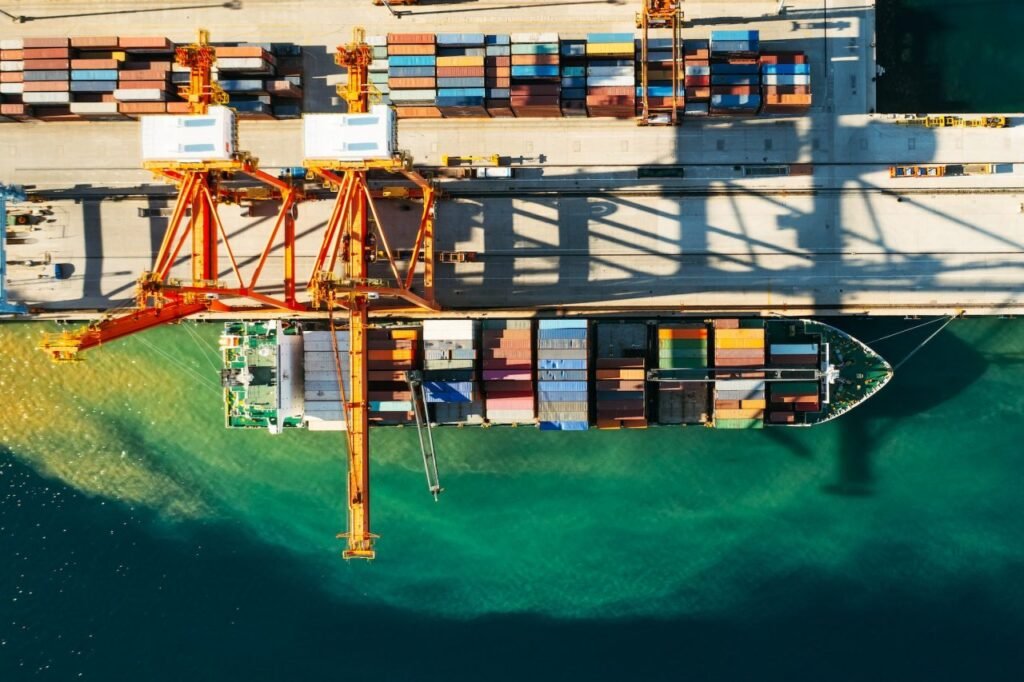
Sea Freight Shipping from China to Argentina
Tận hưởng ưu đãi tiết kiệm chi phí với các lựa chọn vận tải đường biển công suất lớn của chúng tôi, lý tưởng cho các lô hàng lớn mà không cần vận chuyển gấp.
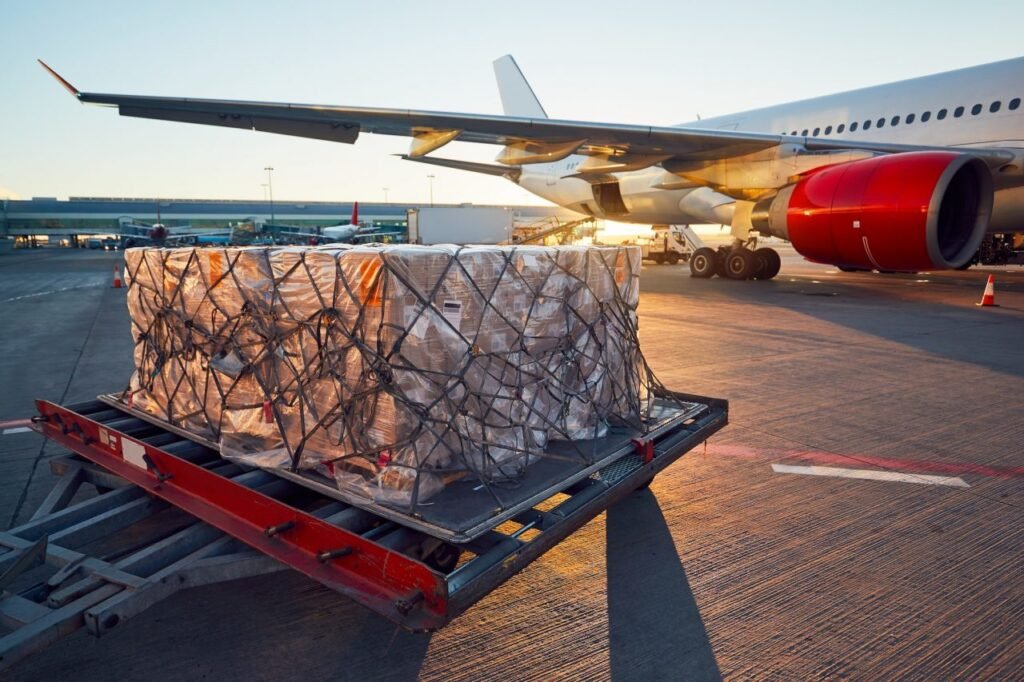
Air Freight Shipping from China to Argentina
Vận chuyển hàng hóa khẩn cấp của bạn nhanh chóng với dịch vụ vận tải hàng không của chúng tôi, đảm bảo hoạt động kinh doanh của bạn luôn đúng tiến độ.

Door to Door Shipping from China to Argentina
Trải nghiệm dịch vụ vận chuyển dễ dàng, không rắc rối với dịch vụ giao hàng tận nhà của chúng tôi, bao gồm toàn bộ quy trình từ nhận hàng đến giao hàng.
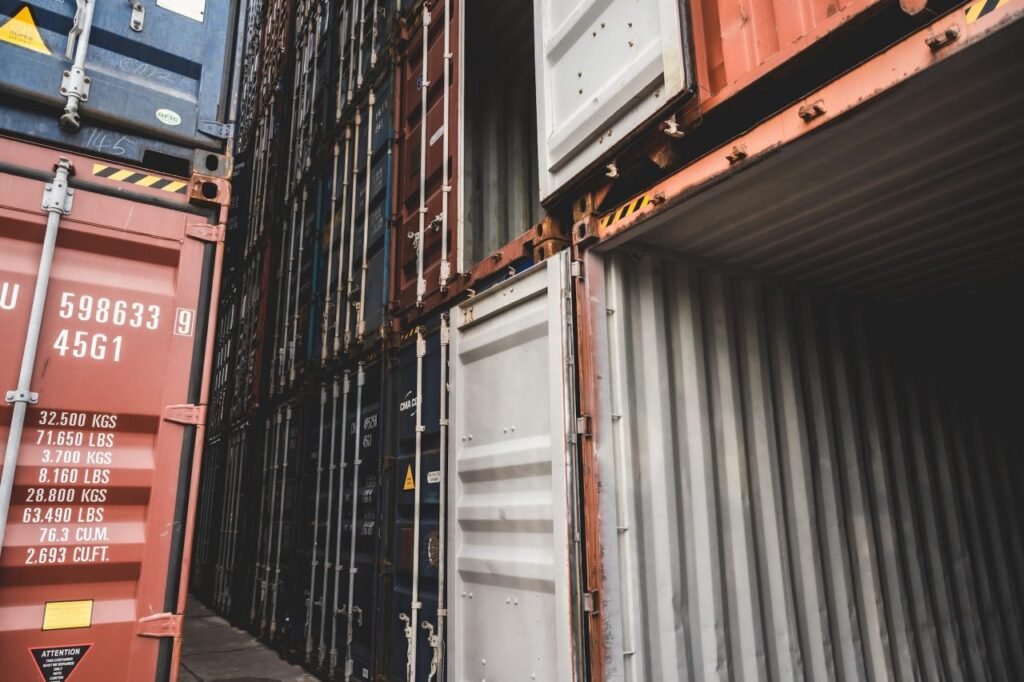
Cheapest Shipping From China to Argentina
Tối ưu hóa ngân sách của bạn với các giải pháp vận chuyển giá cả phải chăng của chúng tôi, được thiết kế để mang lại dịch vụ vận chuyển tiết kiệm chi phí và đáng tin cậy.
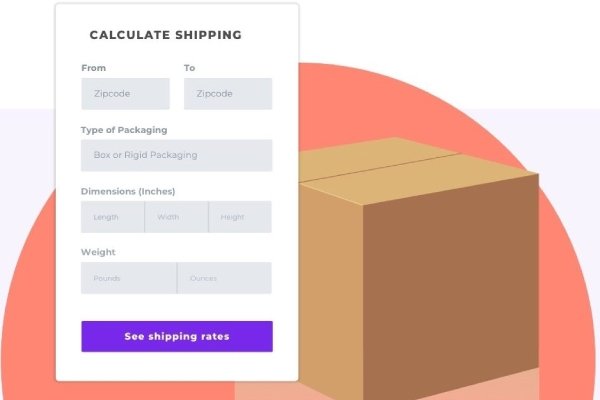
How long/much Shipping from China to Argentina
Lập kế hoạch hiệu quả với thông tin rõ ràng và minh bạch của chúng tôi về thời gian và chi phí, giúp bạn đưa ra quyết định kinh doanh sáng suốt hơn.
FCL Shipping From China to Argentina
Dịch vụ vận chuyển FCL của Mbmlog có thể đảm bảo an toàn cho các lô hàng lớn của bạn bằng phương thức vận chuyển nguyên container (FCL), đảm bảo hàng hóa được vận chuyển cùng nhau mà không bị gián đoạn, rất phù hợp cho hàng hóa số lượng lớn cần được bảo vệ chắc chắn.
LCL Shipping From China to Argentina
Tận dụng sự linh hoạt của hình thức vận chuyển hàng lẻ (LCL), cho phép bạn gửi các lô hàng nhỏ hơn thường xuyên hơn, giúp quản lý hàng tồn kho hiệu quả mà không cần phải lấp đầy toàn bộ container.
Additional services for shipping from China to Argentina
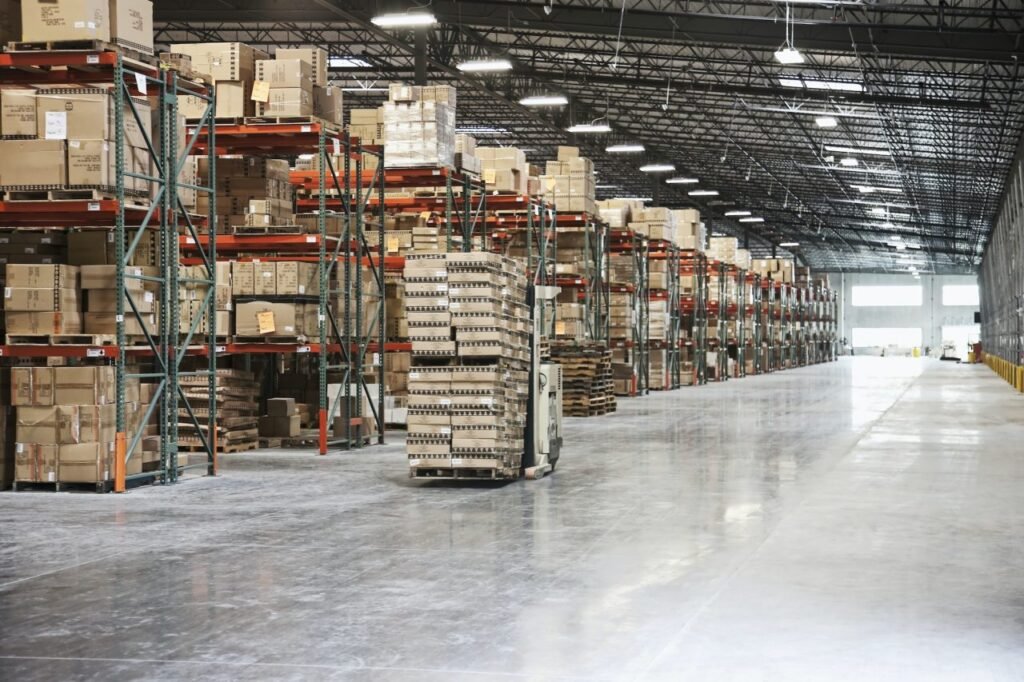
Nhận và giao hàng
Tối ưu hóa quy trình hậu cần của bạn với dịch vụ nhận và giao hàng đáng tin cậy của chúng tôi, đảm bảo vận chuyển kịp thời và hiệu quả từ tận nhà đến điểm đến, nâng cao tốc độ và độ tin cậy trong hoạt động.

Kho
Hãy tận dụng các giải pháp kho bãi an toàn và có khả năng mở rộng của chúng tôi để lưu trữ hàng hóa của bạn một cách an toàn, cung cấp các tùy chọn lưu trữ linh hoạt phù hợp với nhu cầu kinh doanh của bạn, giúp tối ưu hóa việc quản lý hàng tồn kho và khả năng tiếp cận.

Bảo hiểm hàng hóa
Bảo vệ các khoản đầu tư của bạn với bảo hiểm hàng hóa toàn diện, mang lại sự an toàn về tài chính và sự an tâm trước những thiệt hại hoặc mất mát tiềm tàng trong quá trình vận chuyển, đảm bảo hoạt động vận chuyển diễn ra suôn sẻ và không rủi ro.
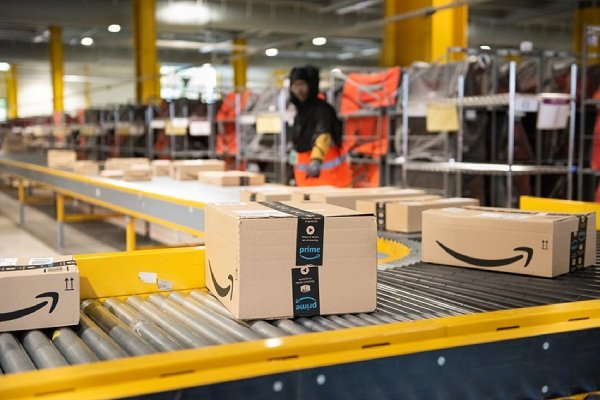
Vận chuyển đến kho FBA
Tạo điều kiện thuận lợi cho việc tích hợp liền mạch với mạng lưới của Amazon thông qua các dịch vụ vận chuyển chuyên biệt của chúng tôi đến các kho FBA, tối ưu hóa chiến lược hoàn đơn của bạn, giảm thời gian xử lý và tăng tiềm năng bán hàng.

Thủ tục hải quan
Đẩy nhanh quá trình vận chuyển quốc tế của bạn với dịch vụ thông quan chuyên nghiệp của chúng tôi, giảm thiểu sự chậm trễ và đảm bảo tuân thủ tất cả các quy định thương mại toàn cầu, đơn giản hóa quy trình xuất nhập khẩu của bạn.
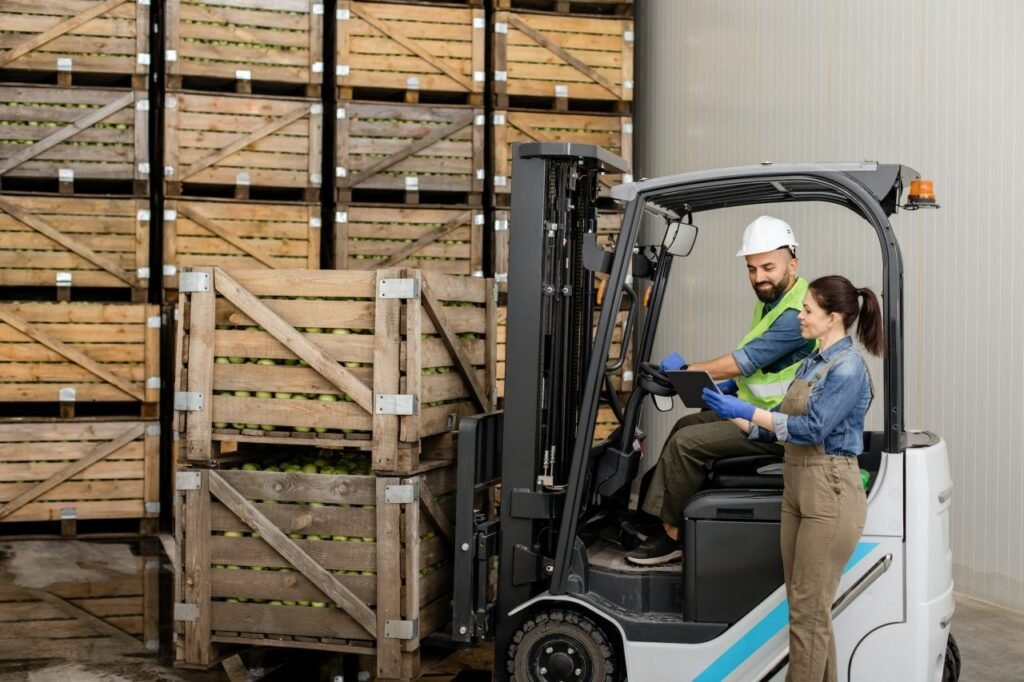
Kiểm tra xếp dỡ
Hãy đảm bảo chất lượng và tình trạng hàng hóa của bạn với quy trình kiểm tra xếp dỡ kỹ lưỡng của chúng tôi, bảo đảm tính toàn vẹn của lô hàng và nâng cao sự hài lòng của khách hàng bằng cách ngăn ngừa các vấn đề tiềm ẩn trong quá trình vận chuyển.

Vận chuyển nhanh
Tăng tốc thời gian giao hàng với các tùy chọn vận chuyển nhanh của chúng tôi, lý tưởng cho các lô hàng khẩn cấp yêu cầu dịch vụ nhanh chóng và đáng tin cậy, giúp bạn đáp ứng thời hạn gấp rút và vượt quá sự mong đợi của khách hàng.
Tại sao nên chọn MBM?
Trải nghiệm những lợi ích của việc di chuyển êm ái.
Chọn mbmlog, bạn sẽ được hưởng mức giá cạnh tranh, giao hàng đáng tin cậy và đúng giờ, cùng với hỗ trợ chuyên gia 24/7. Tận dụng 20 năm kinh nghiệm của chúng tôi, thủ tục hải quan suôn sẻ và kho bãi miễn phí, đảm bảo hoạt động hậu cần của bạn hiệu quả, tiết kiệm chi phí và không lo lắng.
20 năm kinh nghiệm
Mbmlog cung cấp các giải pháp hậu cần vượt trội. Kinh nghiệm dày dặn của chúng tôi đảm bảo dịch vụ hiệu quả, đáng tin cậy, được thiết kế riêng để đáp ứng nhu cầu vận chuyển đa dạng của bạn.
Kho hàng miễn phí
Tận hưởng đến 30 ngày lưu trữ kho miễn phí với mbmforwarding. Cơ sở vật chất an toàn, được tổ chức tốt của chúng tôi đảm bảo hàng hóa của bạn được lưu trữ an toàn.
Hỗ trợ chuyên gia nói tiếng Anh 24/7
Chúng tôi cung cấp dịch vụ hỗ trợ chuyên gia nói tiếng Anh 24/7, đảm bảo liên lạc liền mạch, hiệu quả và hỗ trợ tức thì cho mọi nhu cầu hậu cần của bạn.
Bảo hiểm hàng hóa
Công ty chúng tôi cung cấp dịch vụ bảo hiểm hàng hóa toàn diện, bảo vệ các lô hàng của bạn bằng các tùy chọn bảo hiểm phù hợp, đảm bảo an toàn và sự an tâm trong suốt quá trình vận chuyển.
Về dịch vụ theo dõi
Dịch vụ theo dõi của mbmforwarding cung cấp thông tin cập nhật theo thời gian thực về các lô hàng của bạn, đảm bảo bạn luôn có thông tin chính xác về tình trạng hàng hóa của mình.
Dịch vụ thông quan chuyên nghiệp
Dịch vụ thông quan chuyên nghiệp của chúng tôi đảm bảo quy trình diễn ra suôn sẻ và hiệu quả. Đội ngũ chuyên gia của chúng tôi xử lý tất cả các thủ tục giấy tờ, đảm bảo tuân thủ các quy định.