- +8618603825129
- [email protected]

China to Italy Freight Forwarder
Hướng dẫn tối ưu
Shipping from China to Italy : The Ultimate Guide 2024 September (Updated)
Mục lục
Italy has long been one of China’s significant trading partners in Europe, with a trade volume that has seen steady growth over the last decade. As of 2022, trade between the two countries exceeded €70 billion, with Italy importing a wide variety of products from China, including electronics, textiles, machinery, and furniture. The relationship has been particularly strong in sectors such as industrial equipment, fashion, and automotive parts, with Italy importing large quantities of finished goods and raw materials to support its manufacturing industries.
In the last five years, China’s status as a global manufacturing hub has further cemented its role in Italy’s supply chain, especially as Italian companies seek cost-effective and high-quality products. This strong trade relationship, driven by competitive pricing and diversified production capacities in China, makes it essential for Italian importers to understand the complexities of international shipping.
Shipping from China to Italy, however, involves numerous factors that can influence the speed, cost, and security of the process. Whether you are an experienced importer or new to international trade, this guide will provide you with everything you need to know about shipping from China to Italy in 2024. From selecting the best shipping method to navigating customs duties and optimizing shipping costs, this comprehensive guide will help you avoid common pitfalls, streamline your operations, and ensure timely deliveries.
September 2024 Shipping Update: From China to Italy
In the global shipping landscape, the last few years have seen drastic fluctuations in freight costs and transit times. Supply chain disruptions, port congestion, the global pandemic, and geopolitical events have all played a part in altering the dynamics of international logistics. To ensure your shipments from China to Italy are handled efficiently, it’s crucial to stay updated on the latest shipping rates and industry trends.
Here’s an in-depth look at shipping prices and trends over the past three months (June 2024 to August 2024):
Shipping Cost Comparison (June – August 2024)
| Phương thức vận chuyển | Chi phí vận chuyển (USD) | Ngày |
|---|---|---|
| Sea Freight (FCL) 20ft | $2,200 – $2,700 | June – August 2024 |
| Sea Freight (FCL) 40ft | $3,200 – $3,800 | June – August 2024 |
| LCL (Less-than-Container Load) | $150 – $250 per CBM | June – August 2024 |
| Air Freight (1000kgs+) | $6,500 – $7,200 | June – August 2024 |
| Rail Freight (LCL) 1 CBM | $700 – $900 | June – August 2024 |
Recent Trends and Recommendations for Italian Importers
1. Fluctuating Costs
The last few months have seen stabilization in freight costs, but prices remain significantly higher than pre-pandemic levels. Sea freight continues to be the most affordable option for larger shipments, especially FCL (Full Container Load), which offers economies of scale. However, air freight rates have remained elevated due to limited capacity and high fuel costs, making it suitable only for urgent or high-value goods.
For importers looking to cut costs, consolidating shipments through LCL (Less-than-Container Load) services or exploring rail freight options (particularly for northern Italy) may provide a middle ground between cost savings and faster transit times.
2. Transit Times
While transit times have improved compared to the peak of the global supply chain crisis, they are still subject to occasional delays. Sea freight from China to Italy typically takes 30-40 ngày, depending on the port of origin and destination. Air freight offers delivery within 5-7 ngày, but it comes with a higher price tag. Rail freight, which has gained popularity as a hybrid solution, takes around 20-25 days.
3. Factors Affecting Shipping Time
Several factors can influence shipping times between China and Italy, including port congestion, customs clearance issues, weather conditions, and peak shipping seasons. European ports, particularly in Rotterdam and Antwerp, have been plagued by congestion, which occasionally impacts shipping routes to Italy’s major ports, such as Genoa and Venice. The geopolitical situation, especially regarding trade with Russia and Ukraine, also has an indirect impact on global shipping lanes.
4. 2024 Shipping Outlook
The shipping industry has entered a phase of recovery after facing several years of disruptions. Global freight rates are expected to remain stable, barring any major geopolitical shifts. Fuel prices will continue to be a significant factor in determining shipping costs, and businesses should budget accordingly.
5. Recommendations for Italian Importers
To maximize efficiency, Italian importers should:
- Lên kế hoạch trước: Booking shipments in advance helps lock in lower rates and ensures timely deliveries.
- Consider Rail Freight: For goods that need faster transit than sea freight but are not urgent enough for air, rail offers a cost-effective middle ground.
- Leverage Consolidation: Smaller shipments can benefit from LCL services, where multiple consignments share container space, helping reduce overall shipping costs.
Freight Shipping Costs from China to Italy for September 2024
Tổng quan về chi phí theo phương thức vận chuyển
Understanding the cost differences between shipping modes is essential for businesses aiming to optimize their logistics. Here’s a detailed breakdown of costs by shipping method, based on the latest data from September 2024:
| Chế độ vận chuyển | Chi phí vận chuyển (USD) | Đặc trưng |
|---|---|---|
| Container FCL (hàng nguyên container) 20 feet | $2,200 – $2,700 | Ideal for larger shipments, lower cost per unit, secure. |
| Container FCL (hàng nguyên container) 40 feet | $3,200 – $3,800 | Best for high-volume shipments, offers cost advantages. |
| LCL (Less-than-Container Load) 20ft container | $150 – $250 per CBM | Cost-effective for smaller consignments, shared container space. |
| Air Freight (1000kgs+) to Milan or Rome | $6,500 – $7,200 | Fastest option, higher cost, suitable for high-value goods. |
| Rail Freight (LCL 1 CBM) | $700 – $900 | Faster than sea, more cost-effective than air, suitable for Europe-bound goods. |
Freight Cost Summary and Recommendations
As of September 2024, the cost of shipping from China to Italy remains competitive for sea freight, with FCL being the most economical choice for large-volume shipments. For smaller businesses or those with less frequent shipments, LCL offers flexibility, allowing goods to be consolidated with others, thus reducing the overall cost.
Air freight, while significantly more expensive, provides a reliable option for high-value or urgent shipments, while rail freight is emerging as an attractive option for importers who require faster delivery than sea freight but want to avoid the high costs of air shipping.
Understanding Import Taxes, Duties, and VAT
When importing goods from China to Italy, it is essential to account for various customs duties, import taxes, and VAT (Value Added Tax) that are applicable based on the nature of the goods. Properly calculating these costs in advance can help businesses avoid unexpected expenses and ensure smooth customs clearance.
Below is a breakdown of the import duties and VAT for some of the most common products shipped from China to Italy:
| Product | Customs Duty (%) | VAT (%) |
|---|---|---|
| Điện tử | 2.5% | 22% |
| Máy móc | 1.7% | 22% |
| Dệt may | 12% | 22% |
| Nội thất | 4.5% | 22% |
| Đồ chơi | 4.7% | 22% |
| Giày dép | 8.5% | 22% |
| Clothing | 12% | 22% |
| Phụ tùng ô tô | 3.7% | 22% |
| Thiết bị y tế | 0% | 22% |
| Nhựa | 6.5% | 22% |
| Glassware | 9% | 22% |
| Food Products (non-perishable) | 5.5% | 10% |
| Mỹ phẩm | 6.5% | 22% |
| Thiết bị gia dụng | 2% | 22% |
| Thiết bị thể thao | 2.7% | 22% |
Key Considerations
Thuế hải quan: These are applied on the cost, insurance, and freight (CIF) value of the imported goods. Customs duty rates depend on the product classification, which can be checked through Italy’s Harmonized System (HS) code.
VAT: Italy’s VAT on imported goods is generally 22%, though certain essential goods such as food products may fall under a reduced VAT rate of 10%. VAT is calculated on the total value of the goods plus any applicable customs duties.
Tariff Variations: For specific product categories like electronics or machinery, customs duty rates are relatively low, making them attractive for importers. However, highly regulated products such as textiles and clothing have higher tariffs to protect local industries.
Đảm bảo tuân thủ pháp luật trong vận chuyển quốc tế
Shipping goods internationally requires compliance with various legal and regulatory frameworks. Italian importers must be aware of both Chinese and Italian regulations to ensure that their shipments clear customs without delays or penalties.
Key Compliance Areas:
Accurate Documentation: Importers must provide accurate and complete documentation, including a commercial invoice, packing list, and certificates of origin. Mistakes in these documents can lead to delays or fines.
Chứng nhận sản phẩm: Certain goods, such as electronics, machinery, and medical equipment, require certifications to meet Italian and EU standards, such as CE marking for safety compliance. Failing to comply with these standards can result in goods being denied entry or confiscated.
Trade Agreements and Restrictions: While China and Italy benefit from favorable trade relations, importers should be aware of potential trade restrictions, anti-dumping duties, or sanctions that might apply to specific goods.
Customs Broker Services: Working with a licensed customs broker can simplify the customs clearance process, particularly for businesses new to international shipping. Customs brokers have in-depth knowledge of regulations and can help ensure that all duties, taxes, and paperwork are handled properly.
Shipping From China to Italy: Transit Time Overview
The transit time for shipping between China and Italy varies significantly depending on the mode of transportation. Understanding these timelines can help businesses plan shipments more effectively.
So sánh thời gian vận chuyển giữa các phương thức vận tải khác nhau
| Chế độ vận chuyển | Thời gian di chuyển |
|---|---|
| Sea Freight (FCL/LCL) | 30-40 ngày |
| Vận tải hàng không | 5-7 ngày |
| Rail Freight (LCL) | 20-25 days |
| Vận chuyển nhanh | 2-5 days |
Các yếu tố ảnh hưởng đến thời gian di chuyển
Tắc nghẽn cảng: Congestion at ports in both China and Europe can significantly impact shipping times, particularly during peak seasons or due to global supply chain disruptions.
Thủ tục hải quan: Delays in clearing customs can add extra time to the overall transit, particularly if the necessary documentation is incomplete or incorrect.
Seasonal Demand: During high-demand periods, such as the holiday season, transit times may increase due to high volumes of shipments.
Điều kiện thời tiết: Bad weather, particularly during typhoon season in China or winter storms in Europe, can delay both sea and air freight.
Các chiến lược giảm thiểu
- Work with experienced freight forwarders: They can help you navigate potential delays and manage the paperwork required for smooth customs clearance.
- Plan ahead: To avoid delays during peak seasons, book shipments well in advance.
- Monitor global conditions: Stay updated on weather forecasts and geopolitical events that could disrupt shipping routes.
Door-to-door shipping from China to Italy
What is Door-to-Door Shipping?
Door-to-door shipping is a comprehensive service where the logistics provider manages the entire shipping process from the supplier’s warehouse in China to the final delivery destination in Italy. This means the forwarder will handle everything, including pickup, transportation, customs clearance, and last-mile delivery.
Ưu điểm của dịch vụ giao hàng tận nhà
Sự tiện lợi: Door-to-door services simplify the process for importers, as they only need to deal with a single service provider rather than coordinating with multiple parties across different countries.
Khả năng dự đoán chi phí: Since all costs are included in the service, from customs fees to inland transport, you know the total cost upfront. This makes budgeting easier.
Reduced Risk of Delays: Since the logistics provider handles every aspect of the shipment, including customs clearance and local delivery, there is a reduced risk of delays caused by miscommunication between different parties.
Theo dõi thời gian thực: Door-to-door services often come with complete tracking solutions, allowing you to monitor your shipment at every stage of the journey.
Cách chọn dịch vụ giao hàng tận nhà phù hợp
Experience and Reputation: Choose a provider with a strong track record in handling shipments between China and Italy. Look for companies with a good reputation in customer service and reliability.
Comprehensive Solutions: Ensure that the provider offers full-service solutions, including customs clearance and last-mile delivery, so you won’t have to manage any part of the logistics yourself.
Giá cả cạnh tranh: Get quotes from several door-to-door service providers to compare pricing, but make sure the quality of service is also factored into your decision.
Chuyên môn về hải quan: A strong understanding of both Chinese and Italian customs regulations is crucial for avoiding delays and unexpected fees.
Tracking and Support: Look for a provider that offers robust tracking solutions and excellent customer support, so you can get real-time updates and resolve any issues promptly.
Sea Freight from China to Italy (September 2024)
Sea freight remains the most cost-effective option for shipping large volumes of goods from China to Italy. Depending on the size of your shipment, you can opt for Full Container Load (FCL) or Less-than-Container Load (LCL).
Sea Freight Cost Overview
| Chế độ vận chuyển | Đơn vị đo lường | Khoảng giá (USD) | Thời gian di chuyển |
|---|---|---|---|
| FCL (20-foot container) | Per Container | $2,200 – $2,700 | 30-40 ngày |
| FCL (40-foot container) | Per Container | $3,200 – $3,800 | 30-40 ngày |
| LCL (Less-than-Container Load) 20-foot container | Per CBM | $150 – $250 per CBM | 35-45 ngày |
| LCL (Less-than-Container Load) 40-foot container | Per CBM | $200 – $350 per CBM | 35-45 ngày |
Lợi ích của vận chuyển hàng lẻ (LCL) và hàng nguyên container (FCL)
Both LCL and FCL shipping options have their advantages depending on the size of your shipment and the urgency of the delivery. Here’s a detailed look at the benefits:
Cost Efficiency (LCL): For smaller shipments that don’t require a full container, LCL allows you to share space with other importers, reducing overall shipping costs.
Lower Per-Unit Cost (FCL): For larger shipments, FCL offers lower per-unit shipping costs since the entire container is dedicated to your goods, making it ideal for bulk shipments.
Flexibility (LCL): LCL allows smaller businesses or those with less frequent shipments to still benefit from sea freight services without having to fill an entire container.
Security (FCL): With FCL, your goods are the only ones in the container, reducing the risk of damage or theft since the container is sealed at the point of origin and only opened upon arrival.
Faster Processing (FCL): FCL shipments typically move faster since there is no need to consolidate or deconsolidate goods with other importers, which can add extra time for LCL shipments.
Lựa chọn công ty giao nhận vận tải đường biển và các tuyến vận chuyển hàng đầu
Choosing the right freight forwarder is essential for a smooth shipping experience. Here are the criteria for selecting the best sea freight forwarder and the most commonly used shipping routes between China and Italy.
How to Select the Right Sea Freight Forwarder
Expertise in China-Italy Shipping: Look for a forwarder with extensive experience in handling shipments between China and Italy. Their familiarity with the specific routes and regulations will ensure a more seamless process.
Mạng lưới toàn cầu: A forwarder with a large global network and strong partnerships with carriers in both China and Italy can offer better rates and more reliable service.
Phạm vi dịch vụ: Choose a forwarder that provides end-to-end services, including customs clearance, warehousing, and insurance, to minimize the need for dealing with multiple providers.
Giá cả cạnh tranh: Compare quotes from different forwarders to ensure you’re getting the best rate without sacrificing quality of service.
Strong Customer Support: Ensure the forwarder offers excellent customer service, including real-time tracking and support for any issues that arise during shipping.
Top Shipping Routes from China to Italy
Shanghai to Genoa: As China’s largest port and one of Europe’s most important hubs, the Shanghai to Genoa route is heavily trafficked and offers reliable service. Transit time is typically 30-40 ngày.
Shenzhen to Venice: This route is ideal for shipments from southern China to northern Italy. Venice is well-connected to Europe’s rail and road networks, making it a strategic destination. Transit time is 35-45 ngày.
Ningbo to Naples: Ningbo, one of China’s busiest ports, connects to Naples, a key gateway for southern Italy and the Mediterranean region. Transit time is 30-40 ngày.
Route Comparison
| Tuyến đường | Thuận lợi | Nhược điểm |
|---|---|---|
| Shanghai to Genoa | Frequent sailings, central to Italy’s industry | Can face congestion during peak seasons |
| Shenzhen to Venice | Ideal for northern Italy, well-connected | Longer transit time compared to Genoa |
| Ningbo to Naples | Serves southern Italy, less congestion | Fewer sailings compared to Genoa or Venice |
Air Freight from China to Italy (September 2024)
For time-sensitive or high-value shipments, air freight is the fastest option. Goods can be shipped from China to Italy within a week, but the higher cost makes this option more suitable for urgent deliveries or luxury goods.
Air Freight Cost Overview
| Chế độ vận chuyển | Đơn vị đo lường | Khoảng giá (USD) | Thời gian di chuyển |
|---|---|---|---|
| Air Freight (1000kgs+) to Rome or Milan | Per Kilogram | $6.50 – $7.20 per kg | 5-7 ngày |
| Vận chuyển hàng hóa nhanh bằng đường hàng không | Per Kilogram | $7.50 – $8.50 per kg | 2-3 days |
Ưu điểm và những điều cần cân nhắc khi vận chuyển hàng hóa bằng đường hàng không
Giao hàng nhanh: Air freight is by far the fastest shipping method, with goods typically arriving within 5-7 ngày. This makes it ideal for perishable goods, electronics, or high-value items that need to be delivered quickly.
Reliable Scheduling: Airfreight operates on fixed schedules, so there is less variability in delivery times compared to sea or rail freight. Airlines typically adhere to tight schedules, reducing the likelihood of delays.
Secure Transport: Goods shipped via air are handled less often, and airports tend to have stricter security measures compared to seaports, reducing the risk of theft or damage.
Giảm chi phí đóng gói: Since air freight is subject to less rough handling than sea freight, businesses can save on packaging costs while ensuring that their goods arrive intact.
Customs Clearance Efficiency: Customs procedures for air freight are generally faster than those for sea freight, further reducing transit times.
Lựa chọn công ty giao nhận vận tải hàng không phù hợp
When selecting an air freight forwarder, it’s essential to ensure that they can offer the right balance between cost, speed, and reliability. Here are some factors to consider:
Global Airline Partnerships: Choose a forwarder with strong relationships with major airlines to ensure that your shipments are prioritized and that you get competitive rates.
Chuyên môn về hải quan: Air freight often requires fast customs clearance, so ensure your forwarder is experienced with Italian customs regulations to prevent delays.
Theo dõi thời gian thực: Select a forwarder that provides real-time tracking and transparency so you can monitor your shipment from the moment it leaves China to when it arrives in Italy.
Capacity and Flexibility: The forwarder should be able to handle both small, urgent shipments and larger consignments, giving you flexibility as your business grows.
Phạm vi dịch vụ: A comprehensive air freight forwarder will not only handle transportation but also offer services like packing, documentation, and last-mile delivery to ensure a smooth process.
Express Shipping from China to Italy
Express shipping offers the fastest possible delivery times and is ideal for smaller, urgent shipments. Providers like DHL, FedEx, and UPS dominate this space, offering door-to-door delivery from China to Italy within 2-5 days.
Express Shipping Cost Overview
| Phương thức vận chuyển | Đơn vị đo lường | Khoảng giá (USD) | Thời gian di chuyển |
|---|---|---|---|
| DHL Express | Per Kilogram | $7.50 – $9.00 per kg | 2-5 days |
| FedEx International Priority | Per Kilogram | $8.00 – $10.00 per kg | 2-5 days |
| UPS Worldwide Express | Per Kilogram | $7.00 – $9.50 per kg | 3-5 ngày |
Lợi ích và các trường hợp sử dụng dịch vụ vận chuyển nhanh.
Urgent Deliveries: Express shipping is ideal for time-critical deliveries, ensuring goods arrive in as little as 2-5 days.
Small Shipments: For shipments weighing under 100 kilograms, express shipping provides excellent speed and convenience without the need to fill an entire container.
E-commerce Fulfillment: Express services are widely used in the e-commerce industry, particularly for high-value items or for customers who expect fast delivery.
Document Shipping: Express shipping is also suitable for sending important documents, samples, or prototypes, ensuring they arrive safely and quickly.
Understanding Express Shipping Rates and Transit Times, Including DDP Options
For businesses looking to simplify the shipping process, Delivered Duty Paid (DDP) options offered by express couriers are an excellent choice. With DDP, the shipper handles all import duties and taxes, ensuring that the recipient doesn’t have to pay additional fees upon delivery.
Key Ports in China and Italy for Shipping
Selecting the right ports for your shipment can significantly impact both the transit time and cost. Here’s an overview of the major ports in China and Italy that are commonly used for shipping.
Major Chinese Ports for Exports to Italy
| Quốc gia | Cảng | Thuận lợi | Tầm quan trọng chiến lược |
|---|---|---|---|
| Trung Quốc | Thượng Hải | Largest port in the world, well-connected globally | Handles a significant portion of Italy-bound cargo |
| Trung Quốc | Thâm Quyến | Key export hub for southern China | Close proximity to manufacturing hubs in Guangdong |
| Trung Quốc | Ninh Ba | Less congested, highly efficient operations | Growing in importance as a major export port |
Major Italian Ports for Imports from China
| Quốc gia | Cảng | Thuận lợi | Tầm quan trọng chiến lược |
|---|---|---|---|
| Ý | Genoa | Italy’s largest port, proximity to industrial regions | Central hub for imports from Asia |
| Ý | Venice | Strategic for northern Italy, modern infrastructure | Key entry point for goods headed to Northern Europe |
| Ý | Naples | Major port for southern Italy | Ideal for Mediterranean distribution |
Major Routes from China to Italy
When shipping from China to Italy, several major sea and air routes are available, each with its advantages and disadvantages depending on your business needs.
Route Overview
Shipping routes between China and Italy primarily cover the Mediterranean and Northern European markets, with both direct and transshipment options. Sea routes typically pass through the Suez Canal, making ports like Genoa and Venice crucial hubs for Italy’s trade with Asia.
Key Shipping Routes:
Shanghai – Genoa: One of the most frequently used routes, providing fast and direct service between China’s largest port and Italy’s primary port.
Shenzhen – Venice: This route is ideal for northern Italy, particularly for goods destined for the Veneto region.
Ningbo – Naples: A southern route that serves Italy’s southern regions and provides excellent access to Mediterranean markets.
Route Comparison
| Tuyến đường | Thuận lợi | Nhược điểm |
|---|---|---|
| Shanghai to Genoa | High frequency, major hub for Italian trade | Can be congested during peak seasons |
| Shenzhen to Venice | Ideal for northern Italy | Longer transit time compared to Genoa |
| Ningbo to Naples | Strategic for southern Italy | Fewer sailings, less frequent |
Freight Forwarders from China to Italy
Freight forwarders are a vital part of the logistics process, ensuring that goods move smoothly from point A to point B. Choosing the right freight forwarder can make a significant difference in the efficiency and cost-effectiveness of your supply chain.
Vai trò của các công ty giao nhận vận tải trong quá trình vận chuyển hàng hóa
Freight forwarders manage the logistics of shipping goods internationally. They coordinate with carriers, handle documentation, assist with customs clearance, and arrange for the transportation of goods to their final destination. Working with a reliable forwarder can save you time, reduce costs, and minimize the risk of delays.
Lựa chọn công ty giao nhận vận tải phù hợp với nhu cầu của bạn
Here are some key factors to consider when choosing a freight forwarder:
Experience in China-Italy Trade: Look for a forwarder with a strong track record in handling shipments between China and Italy. They should have in-depth knowledge of the logistics, regulations, and specific challenges of the route.
Mạng lưới toàn cầu: A freight forwarder with a global network can offer better rates and more reliable service. They should have partnerships with carriers, customs authorities, and logistics providers in both China and Italy.
Dịch vụ toàn diện: The right forwarder will offer end-to-end services, including customs clearance, warehousing, and delivery, so you don’t need to coordinate with multiple providers.
Cost and Transparency: Make sure the forwarder provides a detailed breakdown of costs, including any potential surcharges or additional fees. This will help you avoid unexpected expenses.
Tracking and Support: A good forwarder will offer real-time tracking of your shipment and provide excellent customer service to resolve any issues that arise during the shipping process.
How to Ship from China to Italy: A Step-by-Step Guide
Shipping from China to Italy involves several critical steps that, if followed carefully, can ensure a smooth and efficient process. Here’s a detailed step-by-step guide to help you navigate the complexities of international shipping.
Step 1: Prepare Your Shipment
Before shipping, make sure your goods are properly prepared. This includes ensuring that the packaging is appropriate for international transit and that all necessary documentation is in place.
- Tài liệu: Ensure you have all the required paperwork, including the commercial invoice, packing list, and certificates of origin.
- Bao bì: Use high-quality packaging materials to protect your goods during transit. For fragile or high-value items, consider additional protective measures such as cushioning or custom crates.
- Ghi nhãn: Make sure all boxes are clearly labeled with the destination address, contact details, and any necessary handling instructions.
Step 2: Choose the Right Shipping Mode
- Sea Freight (FCL or LCL): Ideal for bulk shipments that are not time-sensitive.
- Vận tải hàng không: Suitable for urgent or high-value goods that need to arrive quickly.
- Vận tải đường sắt: A middle-ground option, offering faster delivery than sea freight but at a lower cost than air freight.
- Vận chuyển nhanh: Best for small, urgent shipments that need to be delivered in a matter of days.
Step 3: Arrange Customs Clearance
Work with a customs broker or freight forwarder to ensure all customs documentation is completed and that any import duties or taxes are paid. Customs clearance can take time, so having all the paperwork ready in advance will help avoid delays.
Step 4: Track Your Shipment
Once your goods are in transit, use the tracking services provided by your freight forwarder to monitor the progress of your shipment. This allows you to stay informed and address any potential delays before they become a significant issue.
Step 5: Final Delivery
Upon arrival in Italy, your freight forwarder or local logistics provider will arrange for the final delivery to your destination. Make sure to coordinate with them to ensure the delivery process goes smoothly.
Hướng dẫn thủ tục hải quan và theo dõi lô hàng của bạn
Customs clearance is one of the most important aspects of international shipping. Ensuring that your goods pass through customs without delays requires careful planning and compliance with both Chinese and Italian regulations.
Key Documents Required for Customs Clearance:
Hóa đơn thương mại: This document details the value and description of the goods being shipped.
Danh sách đồ cần đóng gói: This provides a detailed breakdown of the shipment, including the weight, dimensions, and quantity of each item.
Giấy chứng nhận xuất xứ: This document certifies where the goods were manufactured and is required for customs clearance in many countries.
Vận đơn (BOL): This is the document provided by the carrier that confirms the goods have been shipped.
Import Licenses (if applicable): Certain goods require specific import licenses before they can enter the country.
Theo dõi lô hàng của bạn
Most freight forwarders offer online tracking tools that allow you to monitor your shipment in real-time. This can help you anticipate any delays and make the necessary arrangements with your logistics provider.
Restricted & Prohibited Items for Shipping from China to Italy
Shipping certain items from China to Italy is either restricted or prohibited due to Italian or EU regulations. Businesses must ensure that their goods comply with these restrictions to avoid penalties or shipment seizures.
List of Restricted and Prohibited Items
| Product/Category | Restriction Type |
|---|---|
| Dược phẩm | Requires special licensing |
| Súng và đạn dược | Bị cấm |
| Hóa chất | Restricted, depending on classification |
| Perishable Foods | Prohibited without proper certification |
| Động vật sống | Prohibited or restricted |
| Chất nổ | Bị cấm |
| Sản phẩm của các loài nguy cấp | Bị cấm |
| Hàng giả | Bị cấm |
| Tài liệu khiêu dâm | Bị cấm |
| Di vật văn hóa | Restricted or prohibited |
| Vật liệu nguy hiểm | Requires special packaging and permits |
| Chất lỏng dễ cháy | Requires special handling |
| Currency and Negotiable Items | Bị cấm |
| Pin Lithium | Restricted, requires specific packaging |
| Vật liệu phóng xạ | Bị cấm |
FAQ: Shipping from China to Italy
How long does shipping from China to Italy take?
The transit time depends on the shipping method. Sea freight typically takes 30-40 ngày, air freight takes 5-7 ngày, and express services can deliver in 2-5 days.
What are the main shipping options from China to Italy?
The main shipping methods are sea freight (FCL and LCL), air freight, rail freight, and express services. Each has its advantages depending on the size of your shipment and how quickly you need the goods to arrive.
Làm thế nào để chọn được công ty giao nhận vận tải phù hợp với nhu cầu vận chuyển hàng hóa của tôi?
Select a freight forwarder with experience in China-Italy trade, a global network, and a range of services that match your specific needs. It’s also important to compare rates and check customer reviews to ensure reliability.
What documents are required for shipping goods from China to Italy?
The key documents required include a commercial invoice, packing list, bill of lading, certificate of origin, and any necessary import licenses.
What is the importance of packaging and labeling when shipping from China to Italy?
Proper packaging and labeling ensure that your goods are protected during transit and that they clear customs smoothly. Labels must be accurate and include essential information such as the destination address and handling instructions.
How does customs clearance work when importing from China to Italy?
Customs clearance involves submitting the required documentation, paying any applicable duties and taxes, and ensuring that the goods comply with Italian regulations. Working with a customs broker can simplify this process.
Dịch vụ giao hàng tận nhà có những ưu điểm gì?
Door-to-door services offer convenience, cost predictability, and reduced risk of delays by handling every aspect of the shipping process, from pickup to final delivery.
How can I track my shipment from China to Italy?
Most freight forwarders and express shipping providers offer real-time tracking services, allowing you to monitor the progress of your shipment and ensure timely delivery.
Phần kết luận
Shipping from China to Italy can be a complex process, but with the right guidance and support, businesses can navigate the challenges and ensure smooth, cost-effective operations. This guide has covered every aspect of international shipping, from selecting the right freight forwarder to understanding customs regulations, transit times, and shipping methods.
Tại MBMlog, we specialize in providing a one-stop solution for all your shipping needs. With our experienced team and extensive network, we can help you streamline your supply chain and ensure that your goods arrive on time and at the best possible price. Whether you need FCL, LCL, or door-to-door services, we offer competitive rates and a hassle-free experience.
Contact us today for a custom shipping quote, and let us help you simplify your international logistics!
Facebook
Twitter
LinkedIn
Gửi yêu cầu của bạn ngay bây giờ
Dịch vụ của chúng tôi
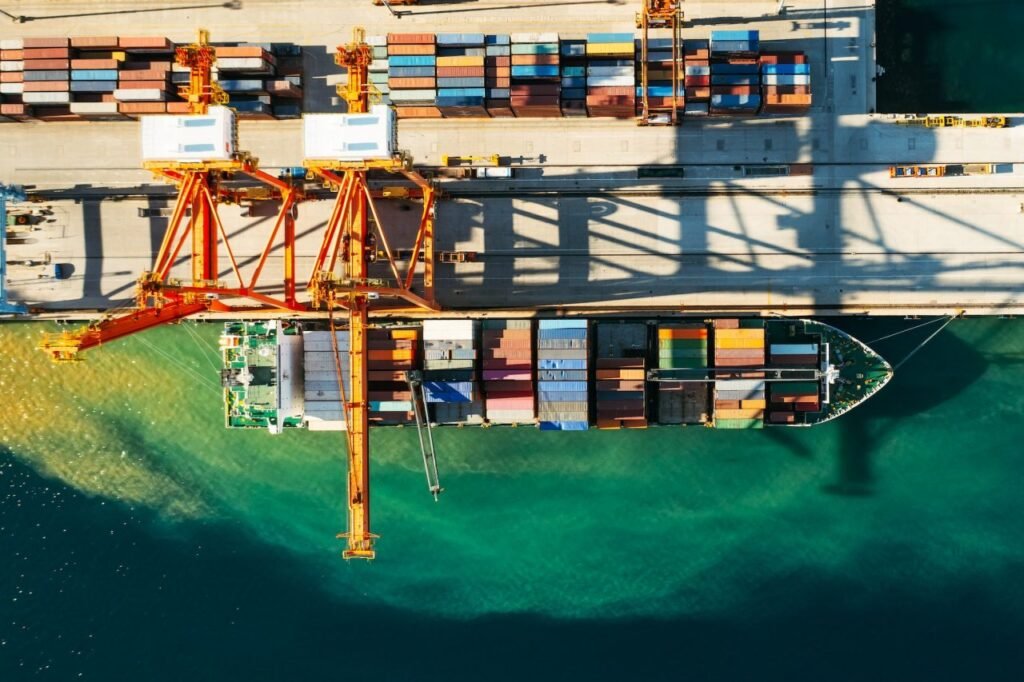
Sea Freight Shipping from China to Italy
Tận hưởng ưu đãi tiết kiệm chi phí với các lựa chọn vận tải đường biển công suất lớn của chúng tôi, lý tưởng cho các lô hàng lớn mà không cần vận chuyển gấp.
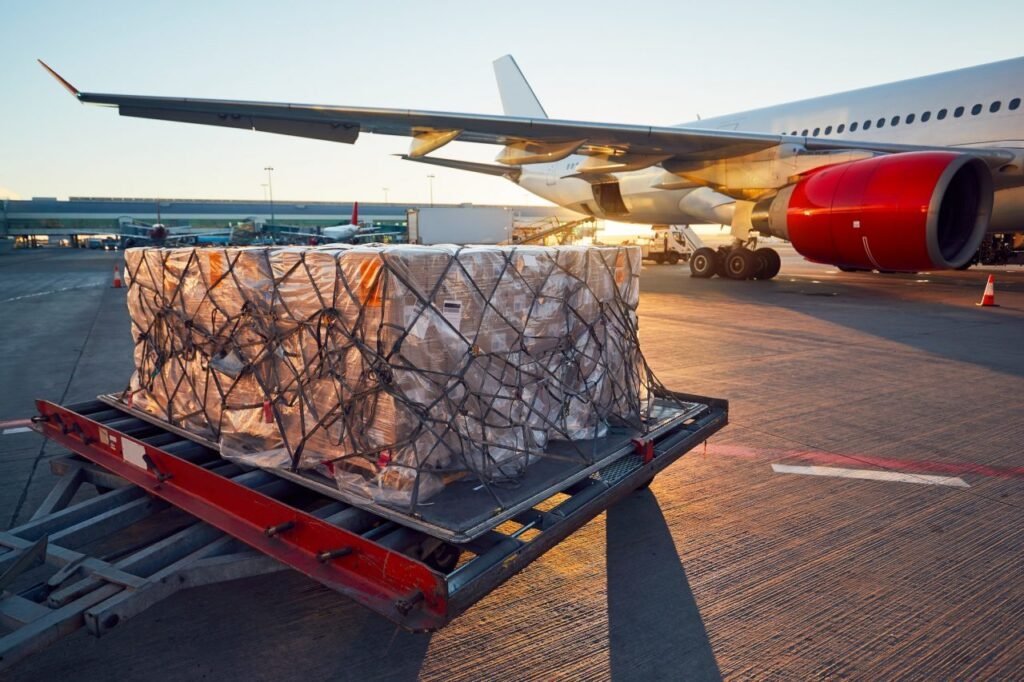
Air Freight Shipping from China to Italy
Vận chuyển hàng hóa khẩn cấp của bạn nhanh chóng với dịch vụ vận tải hàng không của chúng tôi, đảm bảo hoạt động kinh doanh của bạn luôn đúng tiến độ.

Door to Door Shipping from China to Italy
Trải nghiệm dịch vụ vận chuyển dễ dàng, không rắc rối với dịch vụ giao hàng tận nhà của chúng tôi, bao gồm toàn bộ quy trình từ nhận hàng đến giao hàng.
Cheapest Shipping From China to Italy
Tối ưu hóa ngân sách của bạn với các giải pháp vận chuyển giá cả phải chăng của chúng tôi, được thiết kế để mang lại dịch vụ vận chuyển tiết kiệm chi phí và đáng tin cậy.
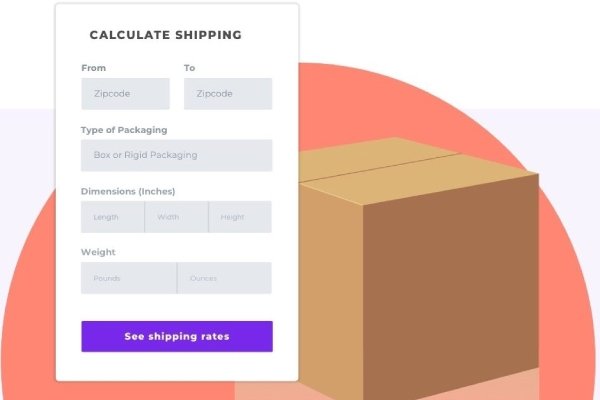
How long/much Shipping from China to Italy
Lập kế hoạch hiệu quả với thông tin rõ ràng và minh bạch của chúng tôi về thời gian và chi phí, giúp bạn đưa ra quyết định kinh doanh sáng suốt hơn.
FCL Shipping From China to Italy
Dịch vụ vận chuyển FCL của Mbmlog có thể đảm bảo an toàn cho các lô hàng lớn của bạn bằng phương thức vận chuyển nguyên container (FCL), đảm bảo hàng hóa được vận chuyển cùng nhau mà không bị gián đoạn, rất phù hợp cho hàng hóa số lượng lớn cần được bảo vệ chắc chắn.
LCL Shipping From China to Italy
Tận dụng sự linh hoạt của hình thức vận chuyển hàng lẻ (LCL), cho phép bạn gửi các lô hàng nhỏ hơn thường xuyên hơn, giúp quản lý hàng tồn kho hiệu quả mà không cần phải lấp đầy toàn bộ container.
Additional services for shipping from China to Italy
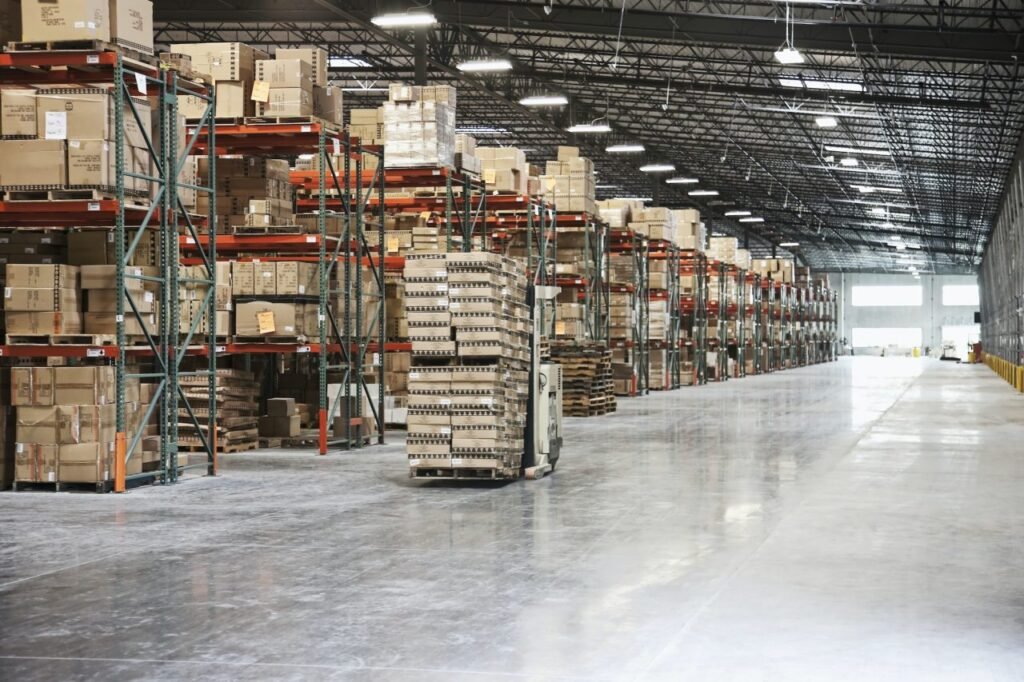
Nhận và giao hàng
Tối ưu hóa quy trình hậu cần của bạn với dịch vụ nhận và giao hàng đáng tin cậy của chúng tôi, đảm bảo vận chuyển kịp thời và hiệu quả từ tận nhà đến điểm đến, nâng cao tốc độ và độ tin cậy trong hoạt động.

Kho
Hãy tận dụng các giải pháp kho bãi an toàn và có khả năng mở rộng của chúng tôi để lưu trữ hàng hóa của bạn một cách an toàn, cung cấp các tùy chọn lưu trữ linh hoạt phù hợp với nhu cầu kinh doanh của bạn, giúp tối ưu hóa việc quản lý hàng tồn kho và khả năng tiếp cận.

Bảo hiểm hàng hóa
Bảo vệ các khoản đầu tư của bạn với bảo hiểm hàng hóa toàn diện, mang lại sự an toàn về tài chính và sự an tâm trước những thiệt hại hoặc mất mát tiềm tàng trong quá trình vận chuyển, đảm bảo hoạt động vận chuyển diễn ra suôn sẻ và không rủi ro.
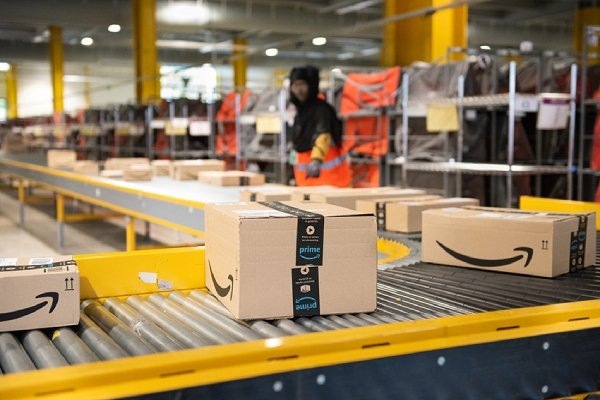
Vận chuyển đến kho FBA
Tạo điều kiện thuận lợi cho việc tích hợp liền mạch với mạng lưới của Amazon thông qua các dịch vụ vận chuyển chuyên biệt của chúng tôi đến các kho FBA, tối ưu hóa chiến lược hoàn đơn của bạn, giảm thời gian xử lý và tăng tiềm năng bán hàng.

Thủ tục hải quan
Đẩy nhanh quá trình vận chuyển quốc tế của bạn với dịch vụ thông quan chuyên nghiệp của chúng tôi, giảm thiểu sự chậm trễ và đảm bảo tuân thủ tất cả các quy định thương mại toàn cầu, đơn giản hóa quy trình xuất nhập khẩu của bạn.
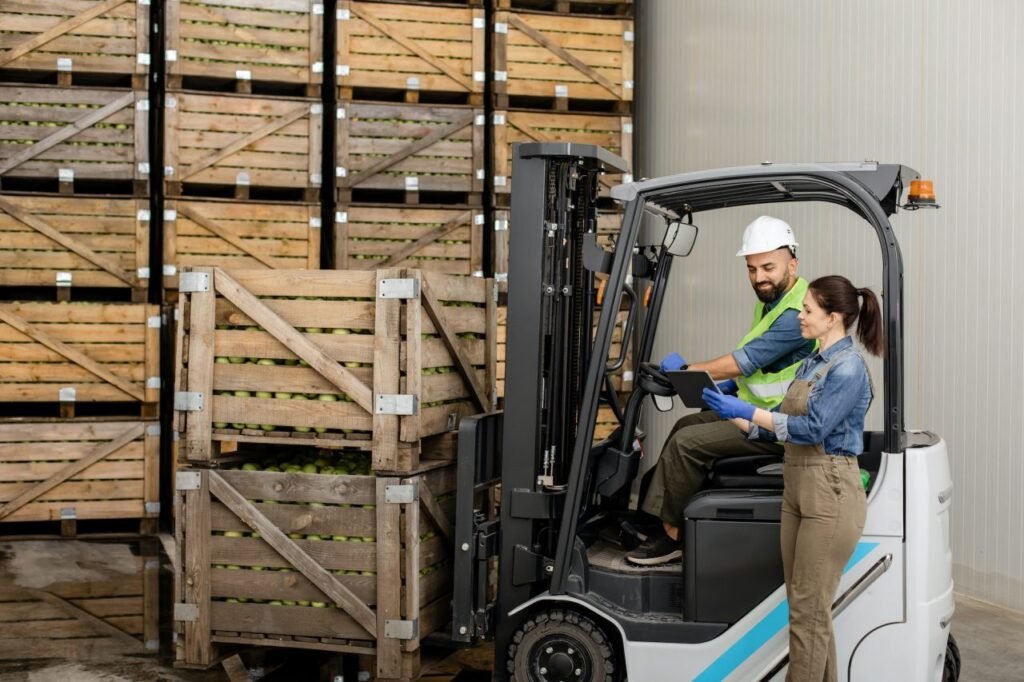
Kiểm tra xếp dỡ
Hãy đảm bảo chất lượng và tình trạng hàng hóa của bạn với quy trình kiểm tra xếp dỡ kỹ lưỡng của chúng tôi, bảo đảm tính toàn vẹn của lô hàng và nâng cao sự hài lòng của khách hàng bằng cách ngăn ngừa các vấn đề tiềm ẩn trong quá trình vận chuyển.

Vận chuyển nhanh
Tăng tốc thời gian giao hàng với các tùy chọn vận chuyển nhanh của chúng tôi, lý tưởng cho các lô hàng khẩn cấp yêu cầu dịch vụ nhanh chóng và đáng tin cậy, giúp bạn đáp ứng thời hạn gấp rút và vượt quá sự mong đợi của khách hàng.
Tại sao nên chọn MBM?
Trải nghiệm những lợi ích của việc di chuyển êm ái.
Chọn Mbmlog, bạn sẽ được hưởng mức giá cạnh tranh, giao hàng đáng tin cậy và đúng thời hạn, cùng với hỗ trợ chuyên gia 24/7. Tận dụng 20 năm kinh nghiệm của chúng tôi, thủ tục hải quan suôn sẻ và kho bãi miễn phí, đảm bảo hoạt động hậu cần của bạn hiệu quả, tiết kiệm chi phí và không lo lắng.
20 năm kinh nghiệm
Mbmlog cung cấp các giải pháp hậu cần vượt trội. Kinh nghiệm dày dặn của chúng tôi đảm bảo dịch vụ hiệu quả, đáng tin cậy, được thiết kế riêng để đáp ứng nhu cầu vận chuyển đa dạng của bạn.
Kho hàng miễn phí
Tận hưởng đến 30 ngày lưu trữ kho miễn phí với mbmlog. Cơ sở vật chất an toàn, được tổ chức tốt của chúng tôi đảm bảo hàng hóa của bạn được lưu trữ an toàn.
Hỗ trợ chuyên gia nói tiếng Anh 24/7
Chúng tôi cung cấp dịch vụ hỗ trợ chuyên gia nói tiếng Anh 24/7, đảm bảo liên lạc liền mạch, hiệu quả và hỗ trợ tức thì cho mọi nhu cầu hậu cần của bạn.
Bảo hiểm hàng hóa
Công ty chúng tôi cung cấp dịch vụ bảo hiểm hàng hóa toàn diện, bảo vệ các lô hàng của bạn bằng các tùy chọn bảo hiểm phù hợp, đảm bảo an toàn và sự an tâm trong suốt quá trình vận chuyển.
Về dịch vụ theo dõi
Dịch vụ theo dõi của Mbmlog cung cấp thông tin cập nhật theo thời gian thực về các lô hàng của bạn, đảm bảo bạn luôn có thông tin chính xác về tình trạng hàng hóa của mình.
Dịch vụ thông quan chuyên nghiệp
Dịch vụ thông quan chuyên nghiệp của chúng tôi đảm bảo quy trình diễn ra suôn sẻ và hiệu quả. Đội ngũ chuyên gia của chúng tôi xử lý tất cả các thủ tục giấy tờ, đảm bảo tuân thủ các quy định.