- +8618603825129
- [email protected]


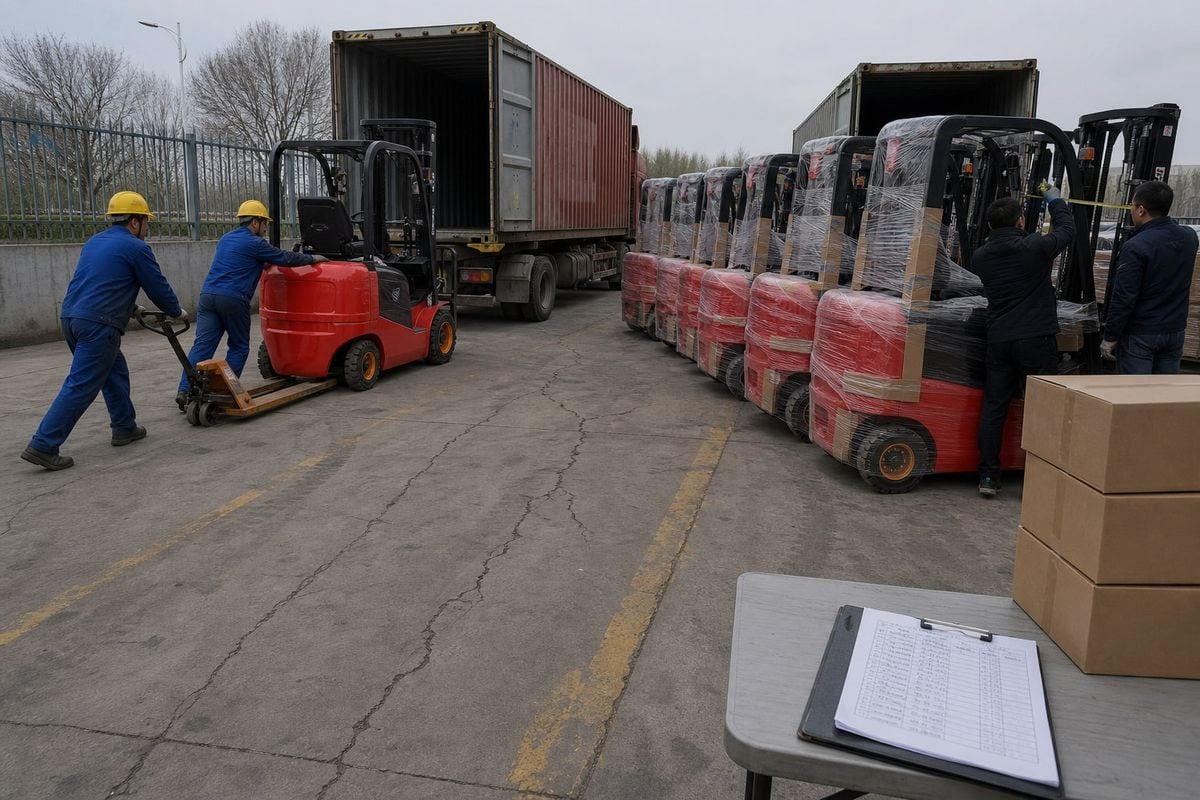
Last quarter, our team at MBMLOG saw a [lithium battery forklift](https://mbmlog.com/?p=11547) shipment nearly rejected at port over one wrong UN number. UN 3556 confused the shipper — and it could confuse you too.
UN 3556 is the dangerous goods classification for a vehicle powered by lithium-ion batteries, shipped with the battery installed. It falls under Hazard Class 9 and replaces the older UN 3171 entry for electric forklifts under the 2025–2026 IMDG, ADR, and IATA regulatory updates.
That short answer hides a lot of practical detail. Let me walk you through what this code changes for your documents, costs, carriers, and packaging.
During a recent booking for a US forklift distributor, our documentation team caught a Dangerous Goods Declaration still showing UN 3171. The carrier would have bounced it. Details like this matter more than ever.
UN 3556 requires updating your Dangerous Goods Declaration, booking data, and shipping marks with the new number and the Proper Shipping Name "Vehicle, lithium ion battery powered." You must also keep the UN 38.3 test summary and Safety Data Sheet consistent with the declared classification.
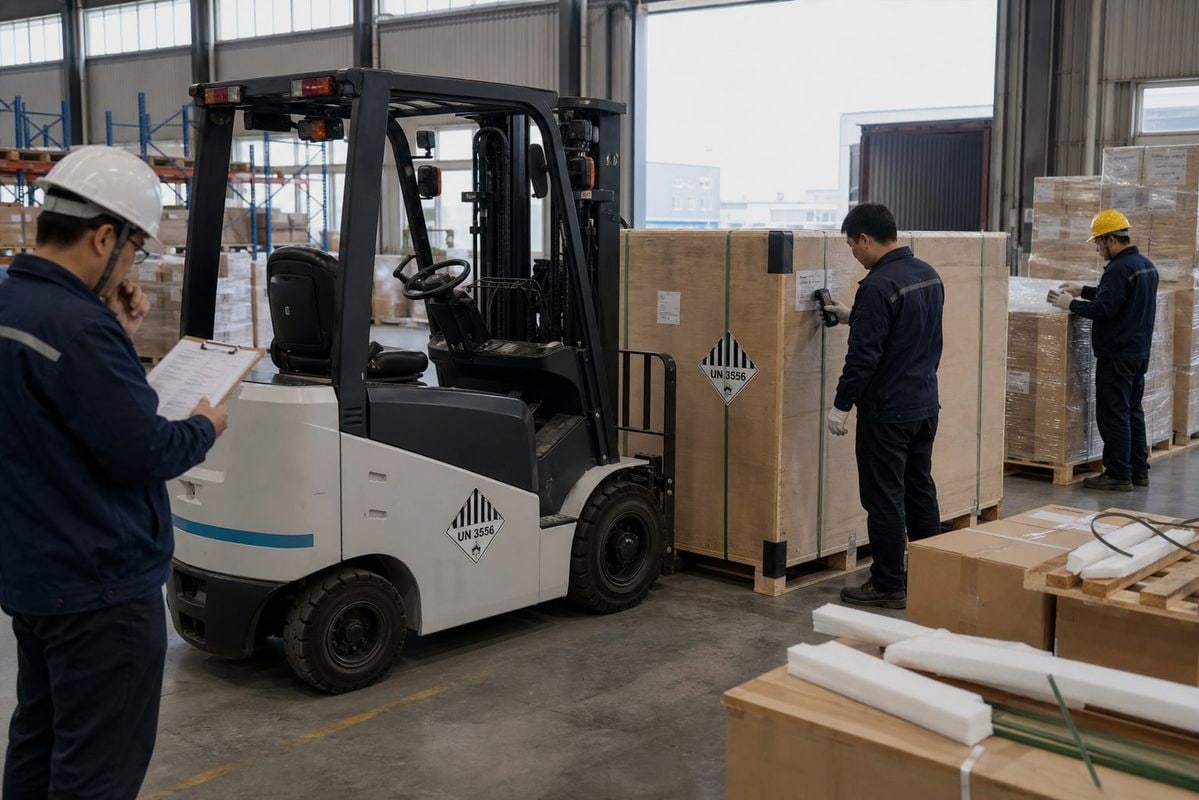
The document changes are not complicated. But they must be consistent across every paper in the file. In our experience shipping electric forklifts from Zhengzhou factories to US and European buyers, one mismatched code between the booking, the declaration, and the packing list is the most common cause of carrier rejection.
Here is what we check on every lithium battery forklift file before it leaves China:
| Document | Old Entry (UN 3171) | New Entry (UN 3556) |
|---|---|---|
| Dangerous Goods Declaration | Battery-powered vehicle | Vehicle, lithium ion battery powered |
| Carrier booking | UN 3171, Class 9 | UN 3556, Class 9 |
| UN 38.3 test summary | Required | Still required, must match installed battery |
| Safety Data Sheet | References battery chemistry | Must align with declared lithium-ion classification |
| Shipping marks | Class 9 label | Class 9A lithium battery label |
The transition dates are not the same everywhere. UN 3556 could be applied from 1 January 2025 under the new international frameworks 1, with a transition period allowing UN 3171. From 1 January 2026, IMDG Amendment 42-24 becomes mandatory for sea freight, and IATA and ADR frameworks align on the same date. So a container booked in late 2025 might sail into a stricter 2026 regime.
There is one big exception. PHMSA has not yet formally adopted UN 3556 into the US Hazardous Materials Regulations 2, so domestic US moves may still use UN 3171. Canada, by contrast, already references UN 3556 in its guidance and states that using it does not by itself require an equivalency certificate. We prepare our export documents for the international leg, then flag the US domestic difference to our customers' brokers.
Not every forklift shipment falls under UN 3556. The code applies when the lithium-ion battery is installed and the forklift ships as a complete powered unit. A forklift shipped without its battery, or with removed or spare batteries, follows different lithium battery safety regulations 3 and different entries. We always confirm battery configuration with the factory before classifying.
One question we hear constantly from importers like David, a forklift dealer we support in the US: "Will this new code slow down my container?" The honest answer depends entirely on preparation.
Correctly declared UN 3556 cargo should not cause extra customs delays or major cost increases. However, misclassification or missing declarations can trigger shipment rejection, administrative fines, storage charges, or even mandatory re-export or destruction of the forklift at the destination port.

The classification itself is not a tax or duty trigger. Customs authorities care about safety compliance, and dangerous goods surcharges 4 from carriers are modest compared to the cost of getting it wrong. Let me break down where money actually leaks in these shipments.
In our years handling battery-powered equipment shipping, the expensive problems are never the DG surcharge. They are the downstream failures:
| Cost Type | Typical Impact | Avoidable? |
|---|---|---|
| Carrier DG surcharge | Small, predictable fee per unit | No, but it is budgetable |
| Document correction at port | Storage and demurrage while papers are fixed | Yes, with pre-departure checks |
| Misclassification penalty | Heavy administrative fines | Yes, with correct UN 3556 declaration |
| Shipment rejection | Re-booking, re-export, or cargo destruction | Yes, with proper classification |
| Second-life battery reassessment | Higher risk-tier handling costs | Partly, with early battery evaluation |
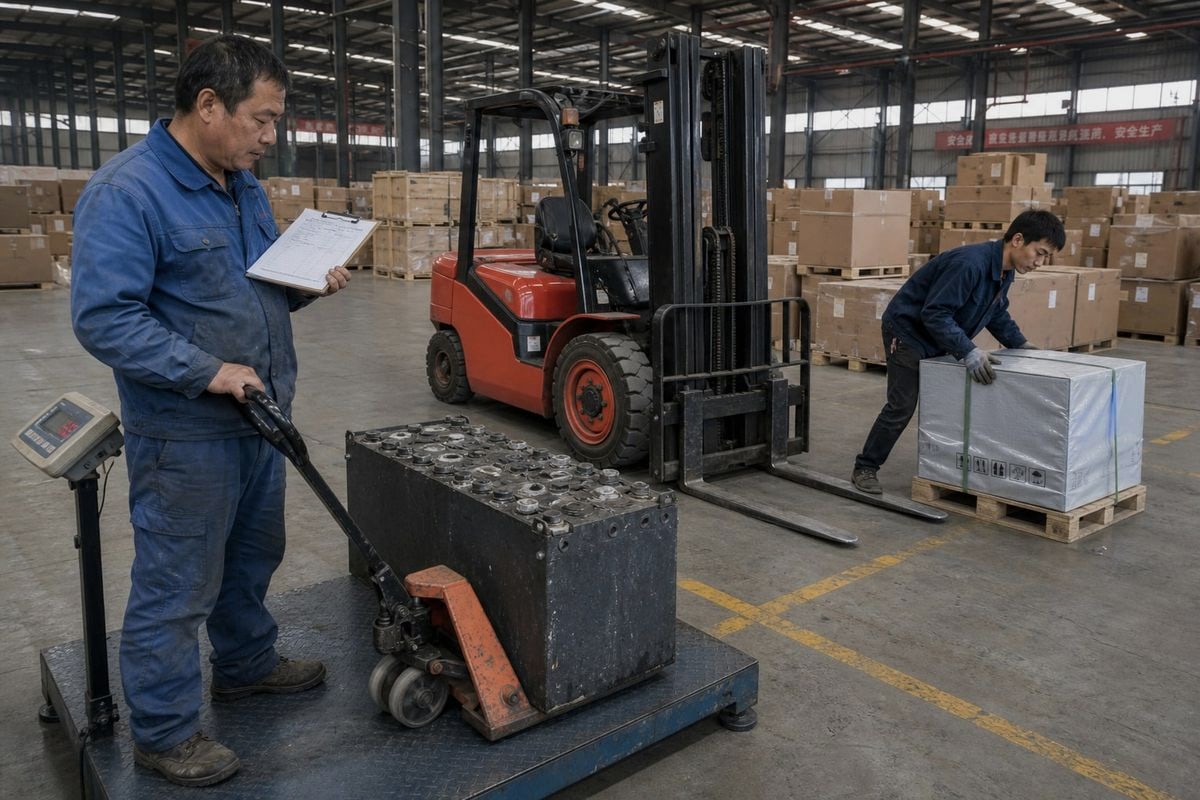
One point many importers miss: shipping refurbished or second-life electric forklifts under UN 3556 requires a higher tier of risk assessment. Aged batteries may need Damaged/Defective (DDR) protocols even when the forklift runs perfectly. We ask factories for battery age, cycle history, and condition reports before quoting refurbished units, because a DDR classification changes the entire shipping plan and cost.
Cross-border buyers should note the jurisdictional gap. A forklift arriving in Canada under UN 3556 aligns with Transport Canada's current guidance. A forklift entering the US arrives under international rules but may move domestically under UN 3171 until PHMSA formally adopts the new number. This divergence rarely causes delays if your broker knows about it in advance. It causes real delays when nobody flagged it. We brief the destination broker on every lithium battery forklift file for exactly this reason.
A trade-off we weigh on every quotation: the cheapest vessel is not always the one that accepts Class 9 lithium-ion battery powered vehicle cargo without friction. Carrier acceptance policies vary more than most importers expect.
Major ocean carriers on China routes accept UN 3556 cargo as Class 9 dangerous goods, subject to DG booking approval, correct declarations, and UN 38.3 tested batteries. Air carriers under IATA DGR impose stricter limits, including a 30% state of charge cap for larger batteries.
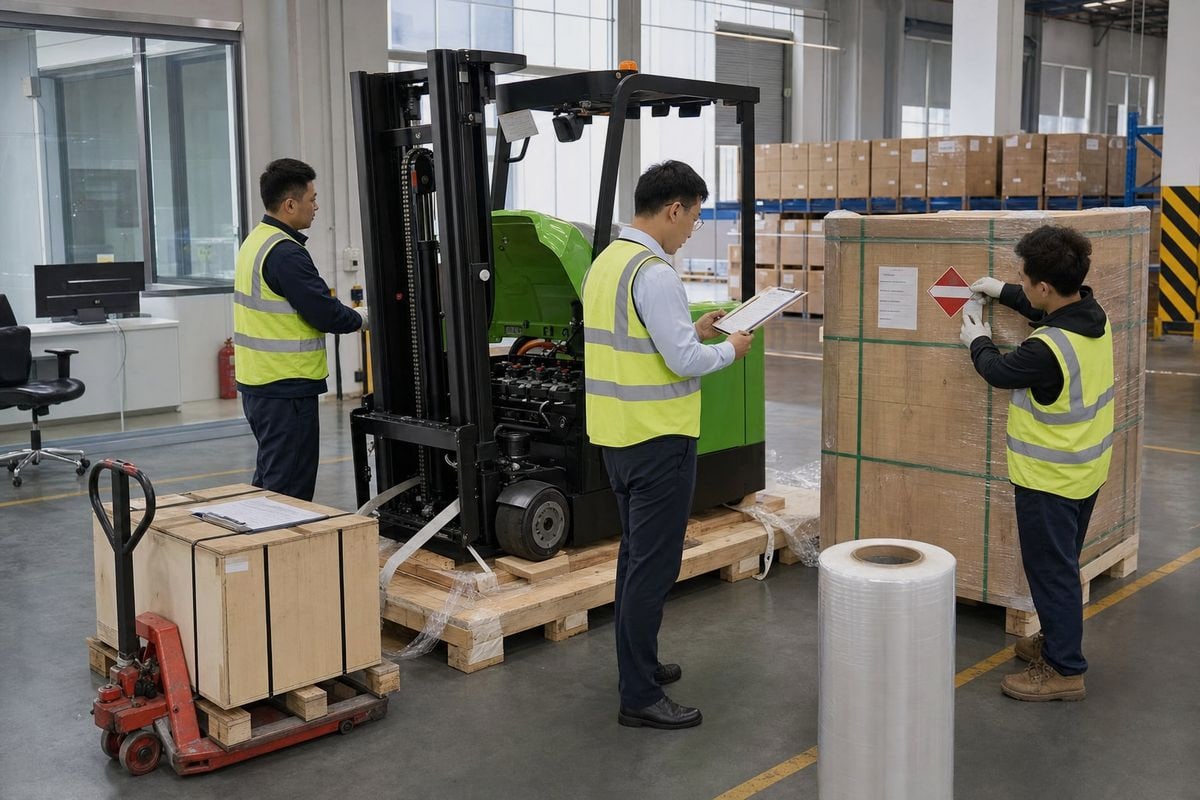
Acceptance is not a yes-or-no question. It is a process question. Every dangerous goods booking goes through the carrier's DG desk for approval before space is confirmed. Here is how the modes compare in practice.
| Transport Mode | Governing Rules | Key Acceptance Conditions | Best Use for Forklifts |
|---|---|---|---|
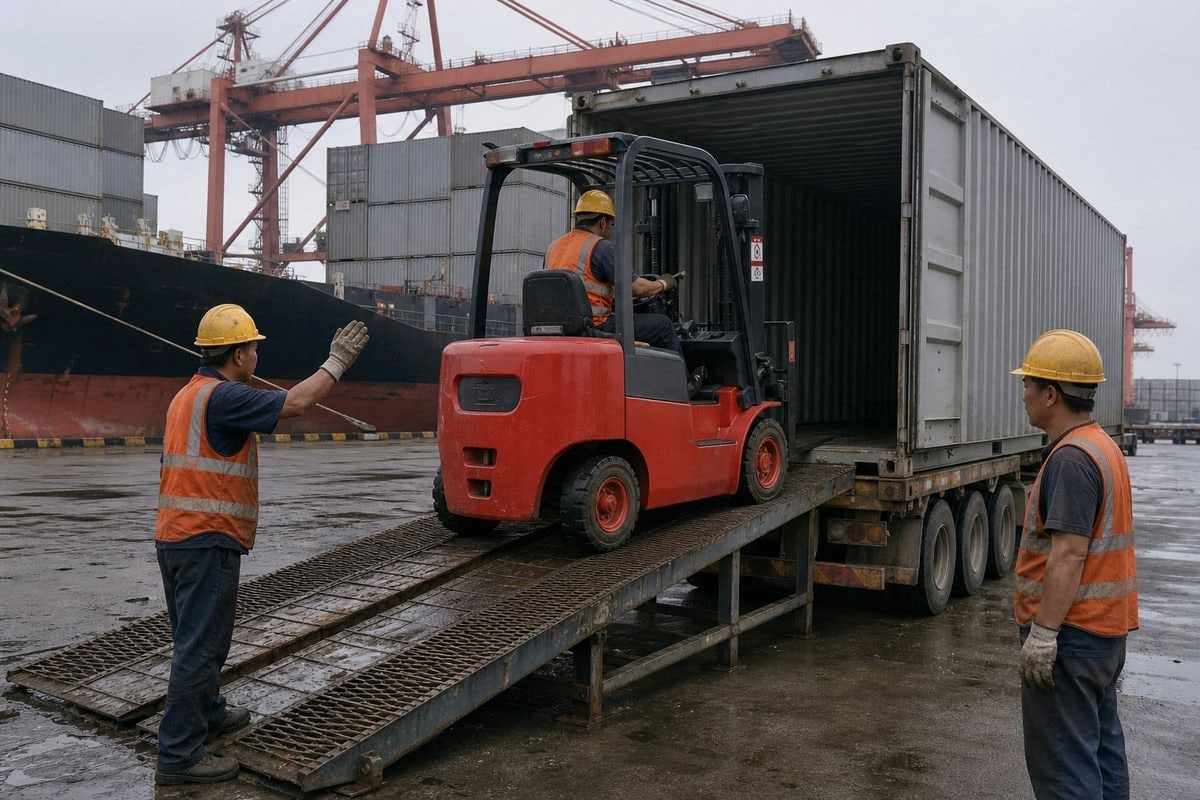
| Ocean (FCL/LCL) | IMDG Code, Amendment 42-24 | DG booking approval, packing instruction P912 references, correct Class 9 labeling | Complete forklifts, the standard route from China |
| Air freight | IATA DGR | 30% state of charge limit for batteries over 100 Wh unless a special permit is obtained | Urgent spare parts, chargers, small batteries |
| Road (Europe) | ADR road transport rules | UN 3556 entry with applicable special provisions | Final delivery legs within Europe |
When we submit a DG booking from Shanghai, Ningbo, or Qingdao, the carrier's desk reviews the UN number, Proper Shipping Name, Class 9 designation, battery watt-hour rating, and the UN 38.3 test summary. Bookings with clean, consistent data get approved in one pass. Bookings with gaps sit in a queue while the vessel fills up.
The IATA DGR 30% state of charge rule makes air transport impractical for most complete electric forklifts, since their traction batteries far exceed 100 Wh. Factories would need to discharge batteries to 30% SoC and document it, and special permits add cost and time. This is why we route complete forklifts by sea and reserve air freight for parts and accessories. Looking ahead, some carriers are exploring BMS data logs attached to manifests as continuous proof of SoC compliance, and Digital Battery Passports with chassis-mounted QR codes may soon let carriers verify UN 3556 compliance instantly. Preferred shipper programs for Ro-Ro ocean freight may eventually favor forklifts with chassis-integrated fire suppression targeting the battery compartment.
A lesson we learned early: a perfectly documented forklift can still be refused at the container yard if the label on the unit itself is wrong. Physical compliance matters as much as paperwork.
Label the forklift with the Class 9A lithium battery hazard label, mark it with UN 3556 and the Proper Shipping Name, secure the battery against short circuit and activation, protect the terminals, and follow the applicable packing instruction for your transport mode, such as P912 under IMDG guidance.
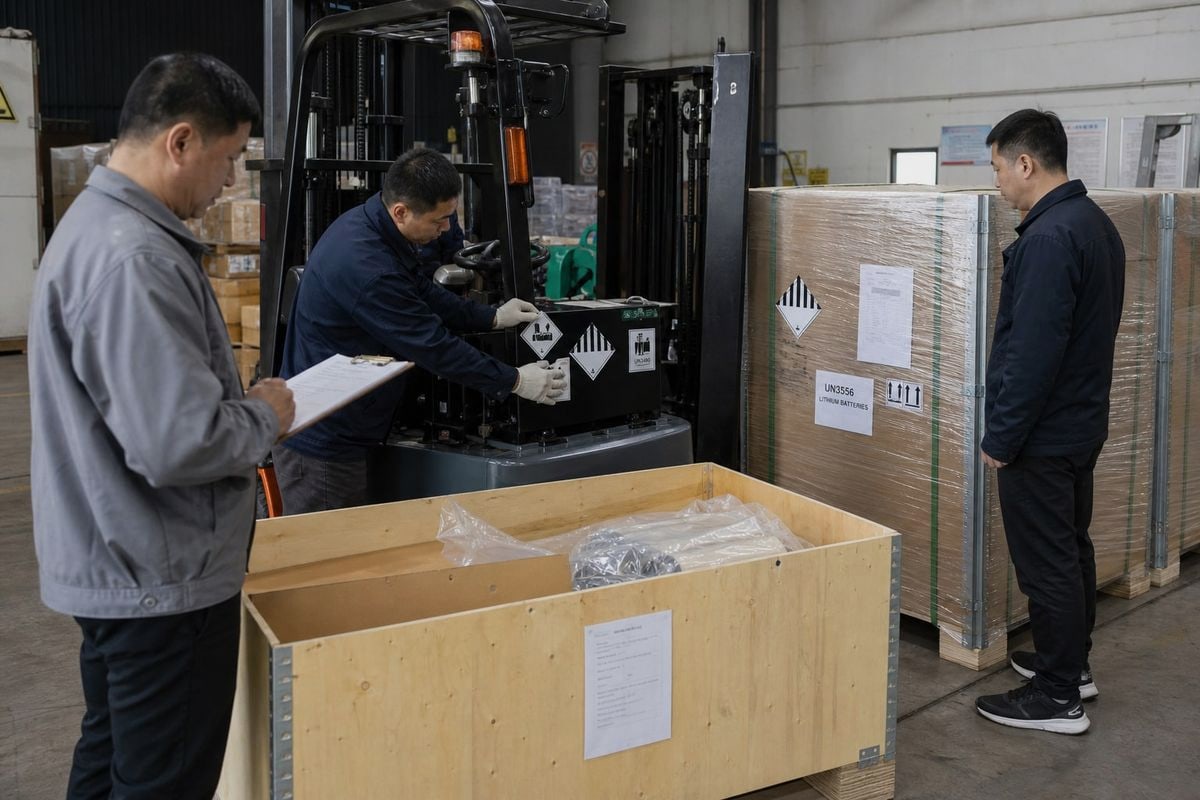
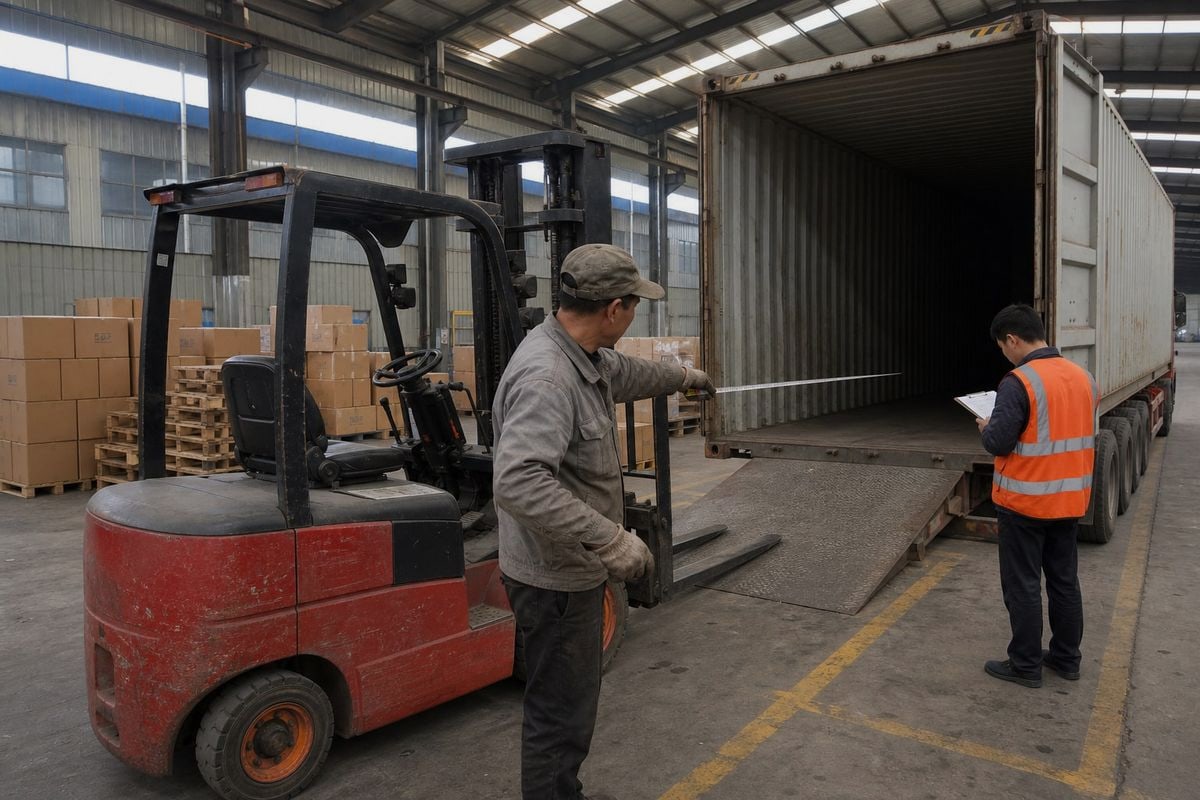
Packaging a forklift is different from packaging loose batteries. The vehicle itself acts as the "package" in most cases, so the rules focus on securing, protecting, and marking the unit correctly. Here is the process we follow when coordinating loading with Chinese factories.
The most frequent error is using the generic Class 9 label instead of Class 9A. The second is marking UN 3171 on the unit while the documents say UN 3556. The third is missing terminal protection on the installed battery. Each one is a five-minute fix at the factory and a five-day problem at the port. Because packing instructions differ between IMDG, ADR, and IATA editions, we always confirm the current code for the specific mode before the factory packs anything.
UN 3556 is now the core classification for lithium battery forklifts shipped as complete vehicles. Get the documents, labels, and carrier bookings right, and shipping from China stays smooth.
1. The IMO oversees the IMDG Code, the primary international framework for maritime dangerous goods transport. ↩︎
2. PHMSA is the authoritative US agency responsible for the Hazardous Materials Regulations mentioned in the text. ↩︎
3. Official IATA resource for international air transport regulations and safety standards for lithium batteries. ↩︎
4. The World Customs Organization provides global standards for customs compliance and safety protocols for international trade. ↩︎