- +8618603825129
- [email protected]

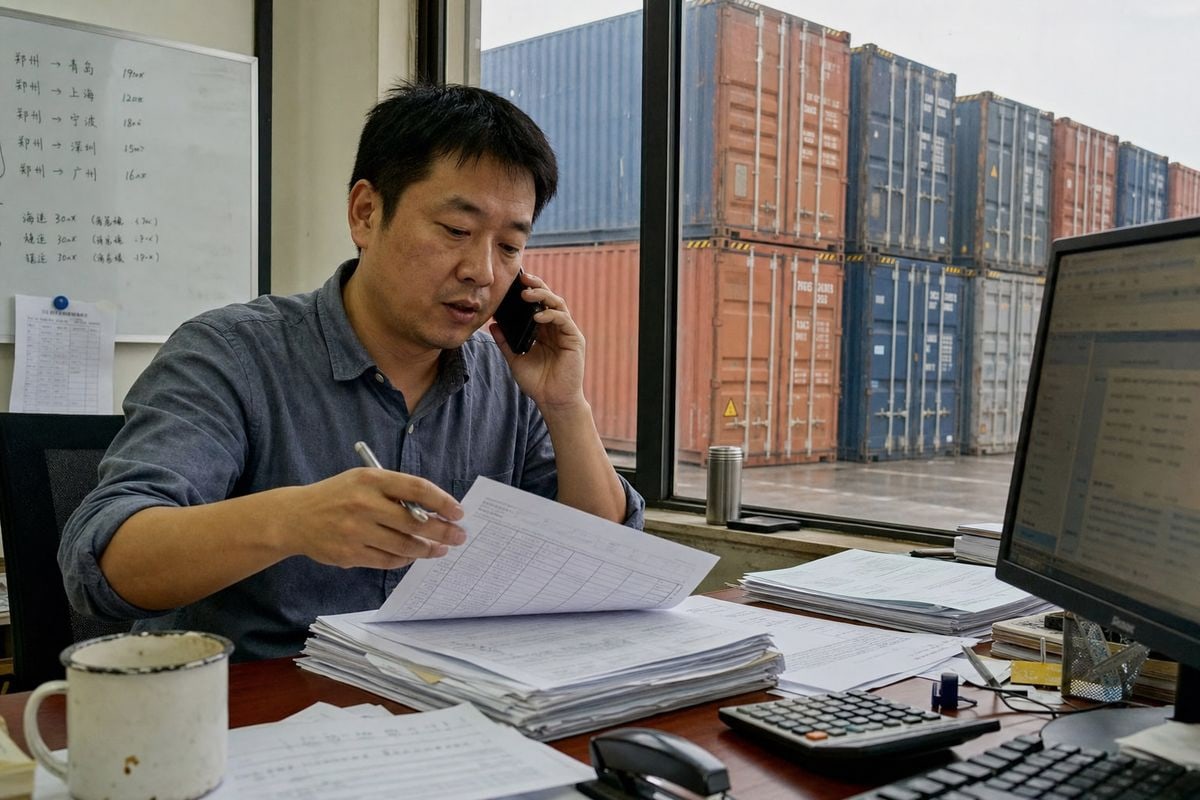
Last month, one of our clients panicked when his container got flagged with a US 9H inspection code Automated Commercial Environment 1. He imagined agents unpacking his cartons. Our clearance team knew better — and calmed him down fast.
A US 9H inspection is not a physical cargo exam. It is an ACE disposition code known as an Invalid Consignee Hold, placed by CBP when consignee or Importer of Record data is missing, invalid, or inconsistent. The shipment is frozen until the data is corrected.
So the name is misleading. Nobody opens your container under a 9H. But your cargo still stops moving. Let me walk you through what triggers it, how long it lasts, what it costs, and how to prevent it.
A buyer once asked me why his goods were held when his products were fully compliant machine-learning 2. I told him the truth: CBP was not checking his goods at all. It was checking him.
A shipment gets a 9H hold when CBP's Automated Commercial Environment cannot verify the consignee or importer data on the manifest. Common triggers include a mismatched consignee name, an invalid or missing EIN, incomplete Form 5106 records, or contradictory bill of lading details.

The key idea is simple. A 9H is a data problem, not a cargo problem. CBP's system compares the consignee information on your manifest against federal business records. If the match fails, the system places an Invalid Consignee Hold automatically. No officer decides this by hand. The software does it in seconds.
In our clearance work on China to USA lanes, the same mistakes come up again and again:
| Trigger | What Goes Wrong | Who Usually Causes It |
|---|---|---|
| Name mismatch | Consignee name on the bill of lading differs from CBP-registered business records | Supplier or forwarder typing errors |
| EIN Verification failure | Tax ID is missing, expired, or does not match the entity name | Importer of Record 3 with outdated records |
| Incomplete Form 5106 | Importer identity file at CBP is missing address or contact data | New importers who never filed properly |
| Customs Bond 4 issues | Bond is inactive, insufficient, or tied to the wrong entity | Importers who let bonds lapse |
| Manifest Discrepancy | ISF Filing data conflicts with the carrier manifest | Poor coordination between parties |
CBP enforcement has shifted. Industry commentary and recent CSMS Notices point to a wave of "entity scrutiny" aimed at removing shell companies and ghost consignees from the supply chain. This matters especially for e-commerce. Some bad actors used fake consignees to split shipments and dodge duties under Section 321 5. CBP now uses machine-learning "fuzzy matching" to catch name and address variations that older manual checks missed.
One important caution. Most descriptions of 9H come from logistics industry sources rather than a single official CBP glossary page. So treat "Invalid Consignee Hold Placed" as the widely reported industry expansion of the code. Either way, the practical effect is the same: your entry stops at the Port of Entry until someone fixes the data.
Timing is everything for FBA sellers. We once helped a seller clear a 9H hold two days before Prime Day restocking closed — a close call I never want to repeat.
A 9H hold typically delays a shipment from two days to two weeks. Resolution speed depends on how fast the importer or broker files a manifest amendment or corrects Form 5106 data. Once verified, the status usually updates to 9I for release.
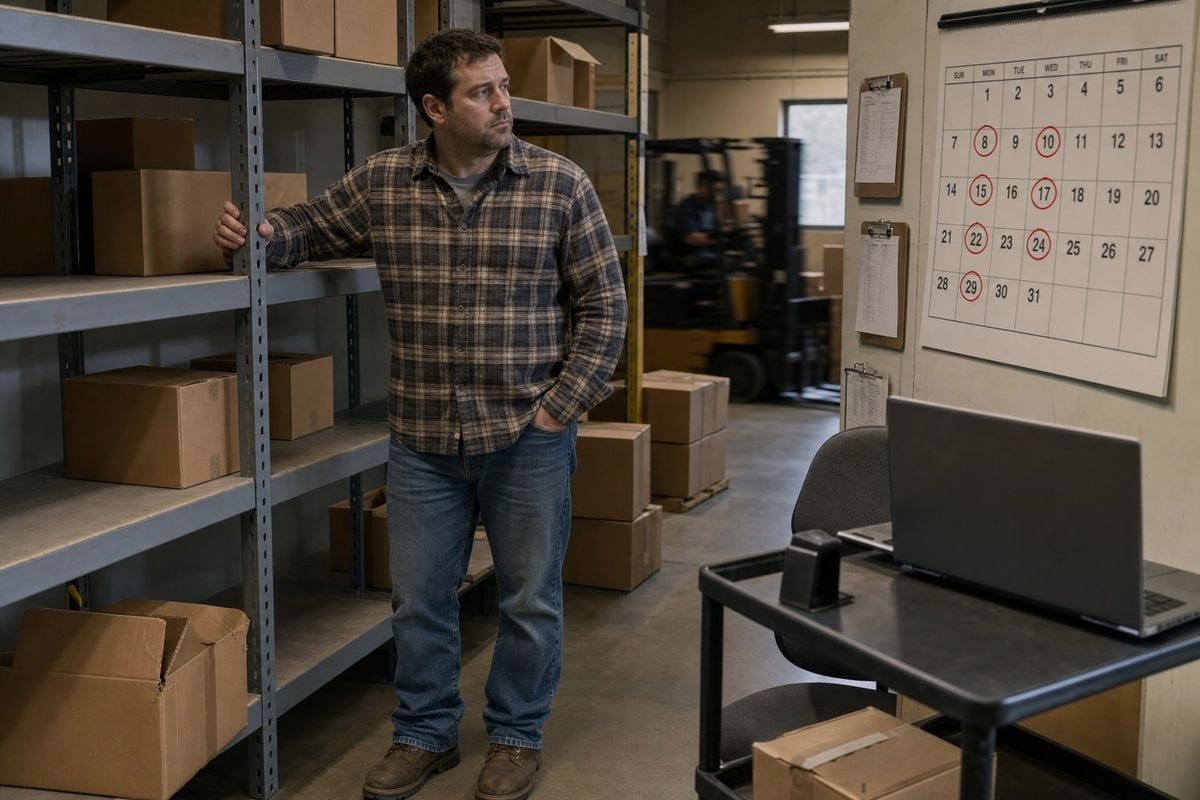
The delay from a 9H is variable because the fix depends on people, not on CBP queue times. A physical exam has a schedule. A documentation hold moves only as fast as your response. In our experience shipping FBA cargo from Zhengzhou to US ports, the timeline breaks down into three phases.
Amazon FBA adds pressure that a normal importer does not face. Missed check-in windows can cancel your FBA appointment. Late inventory means stockouts. Stockouts hurt your organic ranking, and rankings take weeks to recover. So a one-week customs delay can cost a month of sales momentum.
This is why we push our FBA clients toward proactive monitoring. Our team watches ACE Disposition Codes daily on every active bill of lading. When a hold appears, we act within hours, not days. The single biggest factor in 9H delay length is simply how fast someone notices and responds.
Here is a trade-off I explain to clients weekly: a 9H itself is free, but the clock it starts is not. Ports charge for time, and time is exactly what a hold consumes.
CBP does not charge a fee for the 9H hold itself. However, you may face indirect costs including demurrage, container detention, warehouse storage, broker amendment fees, and chassis charges if the hold outlasts your free time at the port of entry.
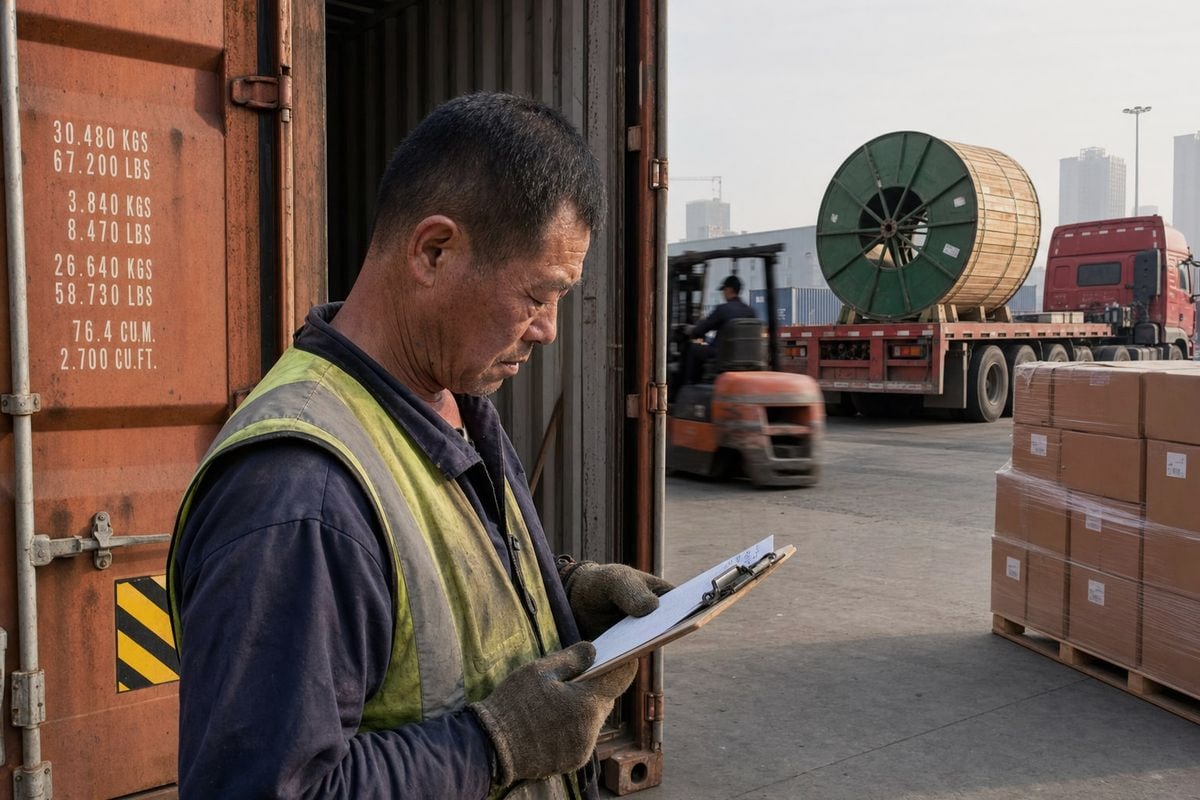
Unlike a physical exam, there is no exam fee, no devanning charge, and no Centralized Examination Station bill. That is the good news. The bad news is that ports and carriers charge for occupied space and equipment regardless of why your container sits there.
| Cost Type | When It Starts | Typical Range | Can You Avoid It? |
|---|---|---|---|
| Demurrage 6 | After free days at the terminal expire | Per day, escalating | Yes, if the hold clears within free time |
| Detention | When the container stays out past its return date | Per day | Usually, since the box often stays at port |
| Broker amendment fee | When a manifest correction is filed | One-time, modest | No, but it is small |
| Storage | If cargo moves to a bonded warehouse | Per day or per week | Depends on hold length |
| FBA re-booking costs | If the delivery appointment is missed | Varies | Yes, with fast resolution |
There is a bigger risk that most sellers never think about. Surety companies now watch hold patterns as a risk metric. Repeated 9H triggers can mark you as a high-risk Importer of Record. The surety may then demand higher collateral or cancel your Customs Bond entirely. Without an active bond, you cannot import at all. One hold is a nuisance. A pattern of holds threatens your import privilege.
Under our DDP tax-included model, we absorb the clearance complexity for our clients. But even then, clean consignee data on their side keeps everyone's costs down. Prevention is always cheaper than the daily meter at the terminal.
Years of clearing containers taught us one lesson above all: customs problems are usually created weeks before the vessel sails World Trade Organization 7, at the moment someone types a name into a document.
Prevent 9H holds by keeping consignee data identical across all documents, verifying your EIN and Form 5106 records before shipping, maintaining an active customs bond, filing the ISF accurately, and using one logistics partner to control manifest consistency end to end.
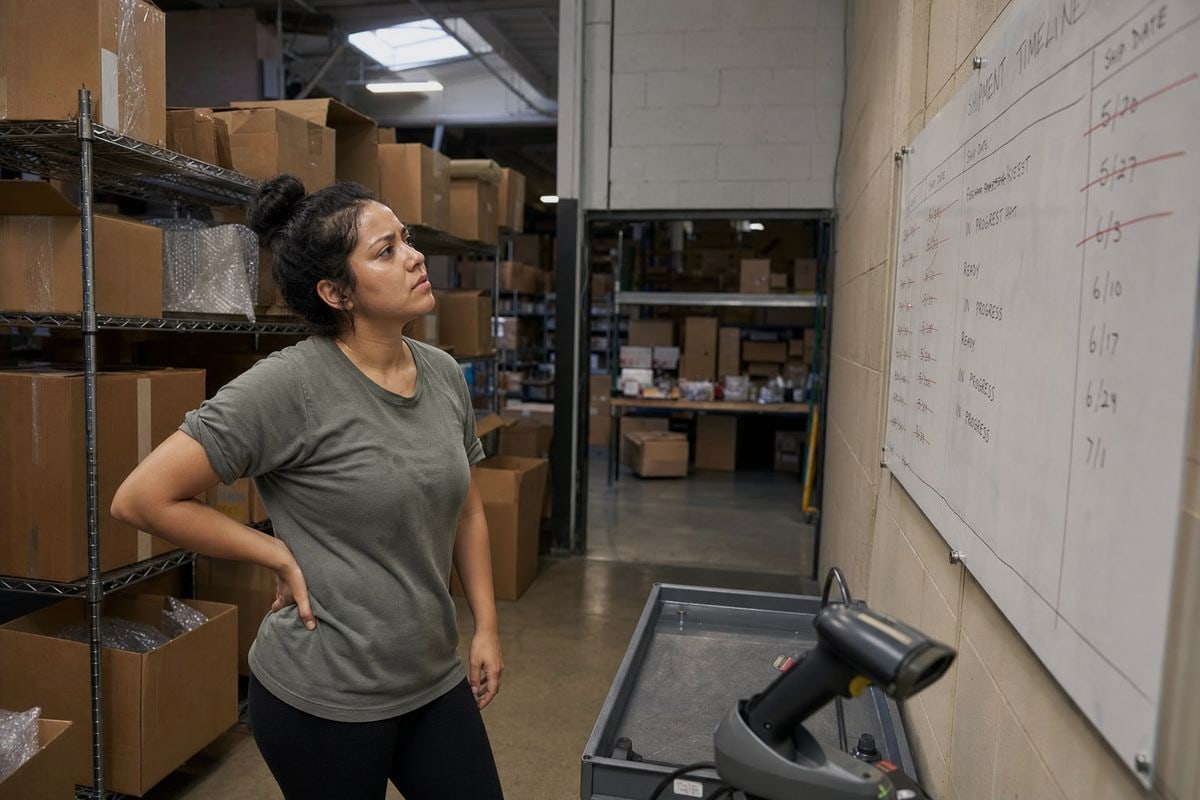
Prevention comes down to data hygiene. CBP's fuzzy-matching algorithms now flag small variations that humans used to overlook. "ABC Trading LLC" and "ABC Trading, L.L.C." might look identical to you. To an algorithm hunting for shell entities, the mismatch can be enough to trigger an Invalid Consignee Hold.
| Check | What to Verify | When to Do It |
|---|---|---|
| Entity name | Exact legal name matches CBP records on every document | Before booking |
| EIN | Active, matches the entity name, no typos | Before booking |
| Form 5106 | Address and contact details current with CBP | Quarterly |
| Customs Bond | Active, sufficient, tied to the correct entity | Before each season |
| ISF Filing | Consignee data matches the carrier manifest exactly | At least 24 hours before loading |
| Bill of lading | Consignee block mirrors the ISF and commercial invoice | Before vessel departure |
Most 9H triggers trace back to fragmented coordination. The supplier types the consignee name one way. The forwarder's ISF Filing spells it another way. The carrier's manifest shows a third version. Each party is careless in a small way, and the algorithm catches the sum of it.
The fix is structural. Keep one master data sheet for your importer identity. Share it with every party in the chain. Better yet, consolidate the chain. When one partner handles pickup, consolidation, export, and US customs clearance, there is only one hand typing your data. That is exactly why our door-to-door DDP clients see far fewer holds — the ISF, manifest, and entry all come from the same verified record.
Looking ahead, the industry is discussing blockchain-based digital identity wallets for consignees. Instant, tamper-proof verification would make automated 9H screening nearly obsolete. Until that arrives, disciplined data consistency is your best defense.
A US 9H inspection is a data hold, not a cargo exam. Bad consignee records freeze good cargo. Clean, consistent importer data — managed by one experienced partner — keeps your shipments moving.
1. Official CBP source explaining the ACE system that generates the 9H disposition code. ↩︎
2. Background concept explaining the fuzzy-matching algorithms CBP uses for entity checks. ↩︎
3. Background concept defining the importer of record role central to 9H holds. ↩︎
4. CBP resource on bonds and import security filing relevant to bond risk discussion. ↩︎
5. Official CBP page on de minimis Section 321 rules referenced regarding shell consignees. ↩︎
6. Background definition for shipping demurrage charges discussed as a cost risk. ↩︎
7. Authoritative trade facilitation reference supporting discussion of customs compliance procedures. ↩︎