- +8618603825129
- [email protected]

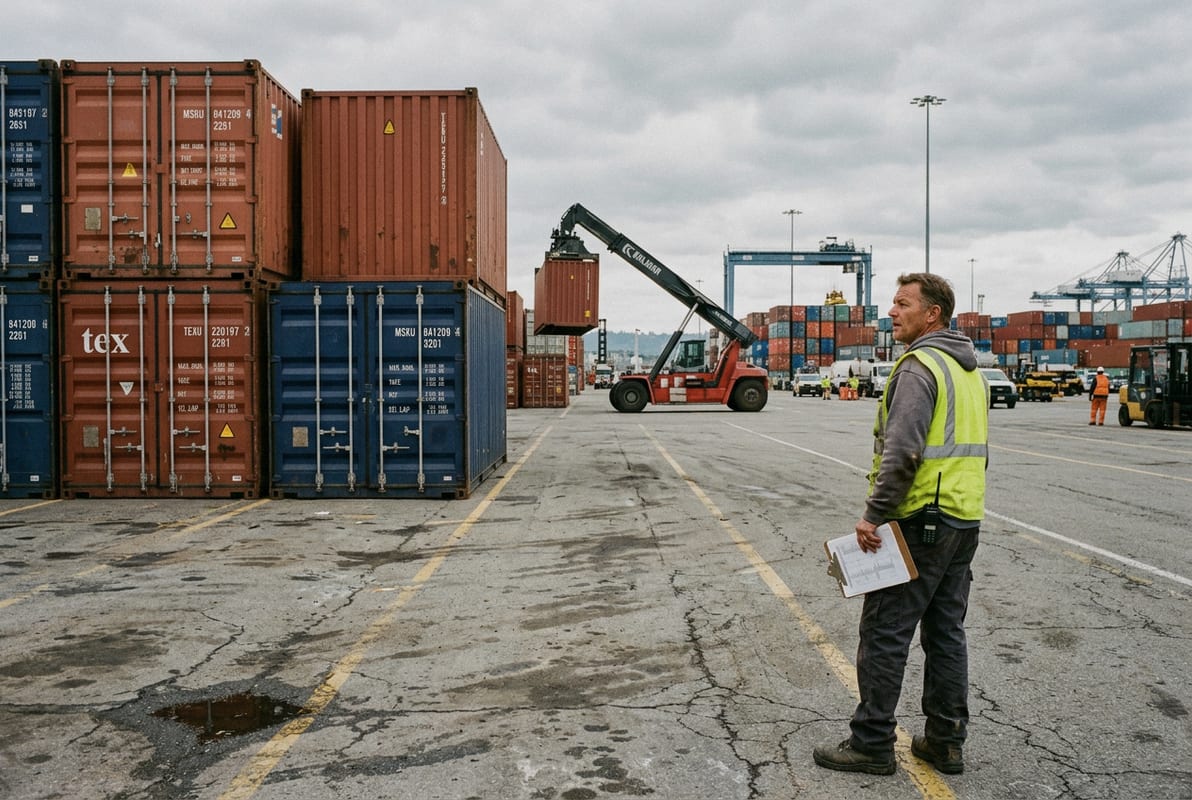
Last month, a client called me in a panic — $4,800 in detention fees on a single container because nobody told him about the carrier's return deadline supply chain flexibility 1. That costly surprise could have been avoided with one simple decision made before booking.
The difference between SOC and COC containers comes down to ownership. SOC (Shipper Owned Container) is purchased or leased by the cargo owner, while COC (Carrier Owned Container) belongs to the shipping line. This ownership distinction determines cost structure, flexibility, detention risk, and operational responsibility throughout the entire shipment.
Understanding these two container types is not optional if you ship goods internationally 2. The wrong choice can drain your budget or delay your cargo. Let me walk you through exactly what each type means, what they cost, and which pitfalls to avoid.
A few weeks ago, a Canadian client reached out with a large volume of goods to import from China. We helped them purchase two brand-new containers, registered and filed them with the shipping line, and got everything loaded, gated in, and shipped without a hitch. That experience reminded me how much the SOC vs COC decision depends on context.
Choose COC if you ship occasionally and want simplicity — the carrier handles the container. Choose SOC if you ship frequently, need long-term storage overseas, or want to avoid demurrage and detention fees. Your shipping volume, route, and storage needs at the destination should drive the decision.

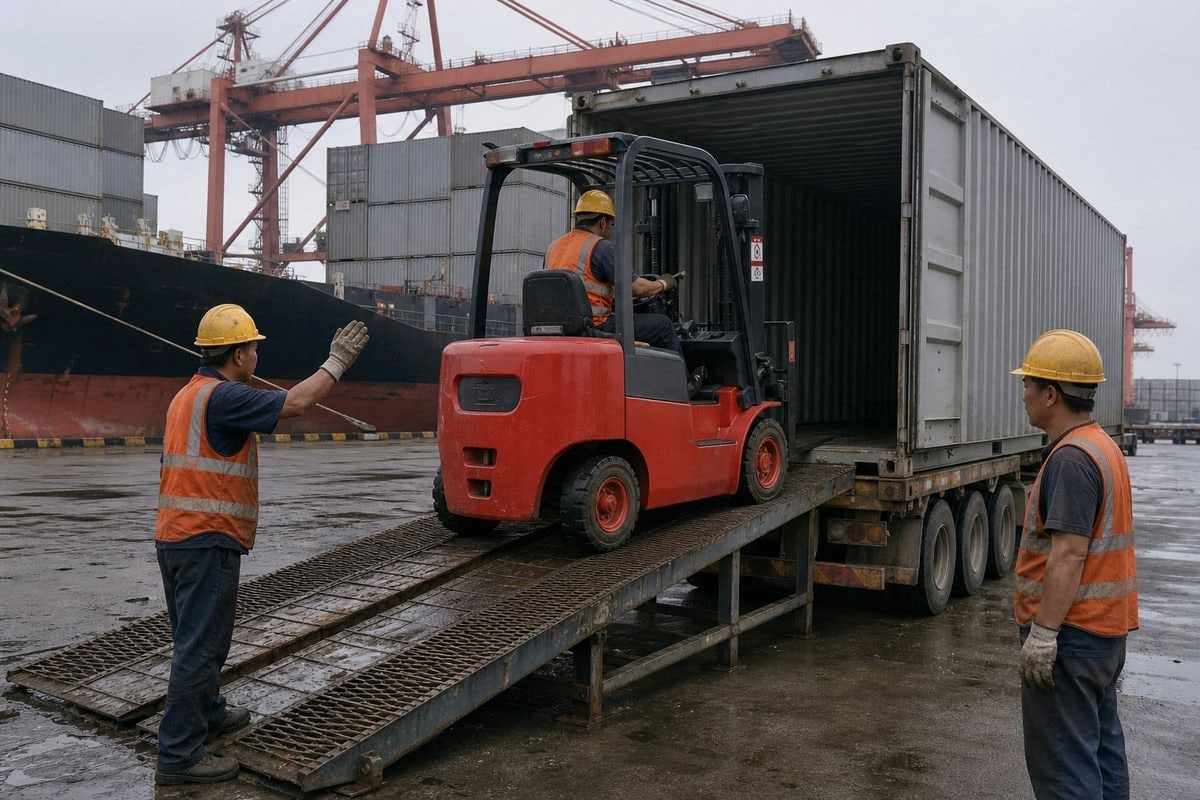
COC stands for Carrier Owned Container 3. The shipping line owns it. When you book freight, the carrier provides the container as part of the service. You pick it up at their designated yard, load your cargo, and return the empty box to the carrier's yard at the destination. The freight rate usually includes the container usage fee. It is simple. It is the default for most shipments.
SOC stands for Shipper Owned Container 4. The shipper, freight forwarder, or a container leasing company owns or leases the box. The shipping line does not own it. You bring your own container to the port, and after arrival, you control what happens to it — keep it, sell it, or use it inland for as long as you want.
| 特点 | COC (Carrier Owned) | SOC (Shipper Owned) |
|---|---|---|
| 所有权 | Shipping line | Shipper, 货运代理 5, or leasing company |
| Container provision | Included with freight booking | Shipper sources independently |
| Demurrage/Detention risk | Yes — strict return deadlines | No carrier demurrage fees |
| Maintenance responsibility | 承运人 | Shipper |
| Flexibility at destination | Must return to carrier yard | Keep, sell, or reuse freely |
| Upfront cost | Low (bundled in freight) | Higher (purchase or lease) |
| 最适合 | Occasional, standard shipments | High-volume, long-term, or special cargo |
If you ship a container once every few months, COC is the easier path. You do not need to buy or lease a box. You do not worry about maintenance or empty repositioning costs. The carrier handles logistics operations around the container itself. For standard port-to-port moves on busy trade lanes, container availability is rarely an issue with COC.
From our experience arranging shipments to the US and Canada, SOC has become increasingly popular — and for good reason. When you own the container, you eliminate the biggest hidden cost in international shipping: demurrage and detention 6. You also gain supply chain flexibility. If your goods need to sit at the destination warehouse or a distribution center for weeks, nobody is charging you daily fees for keeping the box.
SOC is ideal for:
I have seen this firsthand: for goods going to basic ports in the US and Canada, SOC ocean freight rates have recently been more cost-effective than COC rates. The savings add up fast on repeated shipments.
If you are a cargo owner shipping full containers (FCL) 7 from China to the US every month, the math usually favors SOC. If you are a smaller seller sending one container a quarter, COC keeps things simple. The decision also depends on what happens at the destination. Do you have your own warehouse? Can you store an empty container? Or do you need to return it quickly and move on?
One lesson we learned early in our logistics operations was this: the freight rate on the quote is never the full cost. The real expense hides in the days after the container arrives at the destination port.
With COC containers, hidden costs include demurrage (port storage fees) and detention (late container return fees), which can reach $100–$300 per day after free time expires. With SOC containers, you avoid those carrier fees but face purchase or lease costs, maintenance, repair liability, and empty container return logistics.
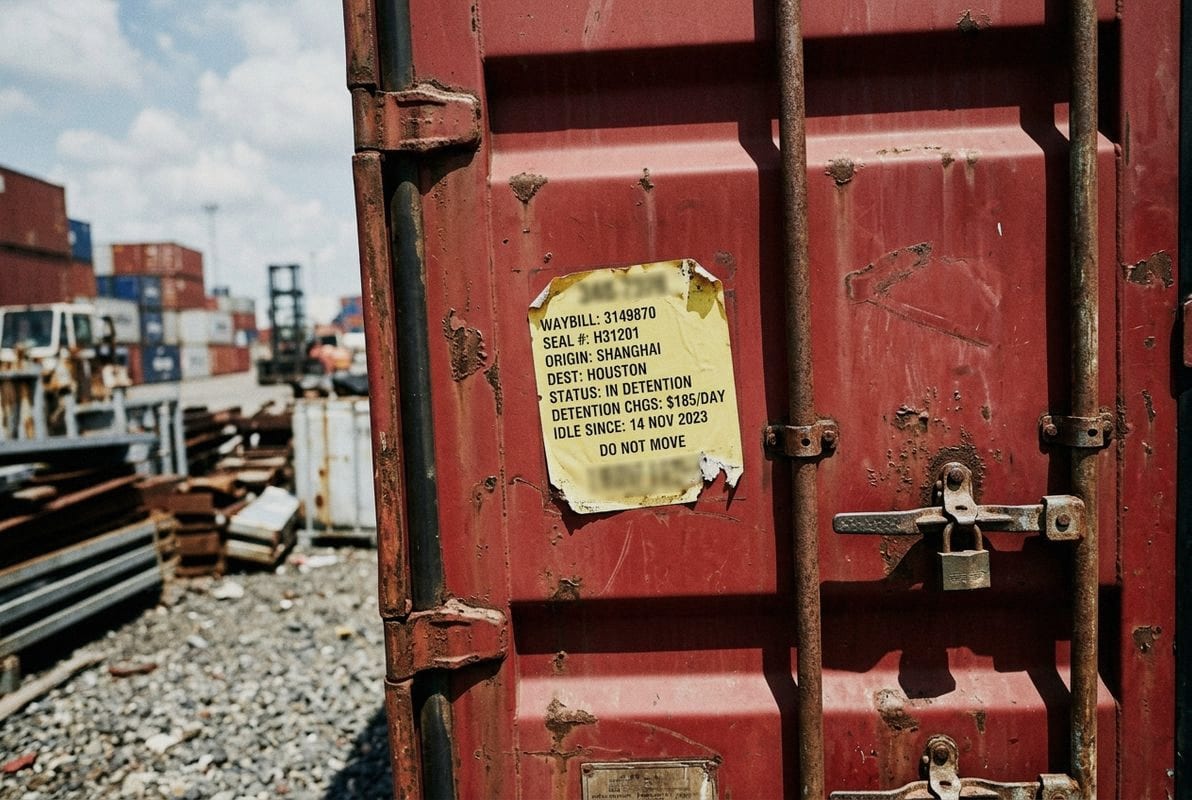
When you use a COC container, the carrier gives you a set number of "free days" — typically 4 to 7 days at the port (demurrage) and 4 to 7 days for inland use (detention). After that, the clock starts ticking.
| Cost Type | COC Container | SOC Container |
|---|---|---|
| Demurrage (port storage) | Charged daily after free time | Only port/terminal charges apply |
| Detention (late return) | Charged daily after free time | Not applicable — you own the box |
| Per diem fees | Varies by carrier, $75–$300/day | None from carrier |
| Container usage fee | Included in freight rate | 不适用 |
| SOC handling fee | 不适用 | $50–$200 per move (carrier charges) |
| Container purchase/lease | 不适用 | $2,000–$5,500 per unit |
| Maintenance and repair | Carrier's responsibility | Shipper's responsibility |
| Empty repositioning | Carrier handles | Shipper arranges and pays |
Here is where it gets painful. Suppose your container arrives at a US port on Monday. 海关清关 8 takes 3 days. Delivery to your warehouse takes 2 more. Unloading takes a day. Now you need to return the empty container to the carrier's yard, but the trucking company is booked for 3 more days. That is 9 days — and if your free time was only 5 days, you are already paying daily detention fees.
During peak seasons, these delays compound. Congested ports, backed-up trucking, slow customs clearance — all of these eat into your free days. I have seen clients lose thousands of dollars simply because they did not plan for the return window.
With SOC, the shipping line does not charge you demurrage or detention. But you still pay terminal handling charges at the port. And the carrier often charges an SOC handling fee for accepting a non-carrier box.
The bigger costs with SOC are upfront. You either buy a container (new 20ft boxes run around $2,500–$3,500; 40ft around $3,500–$5,500) or lease one from a container leasing company. You are also responsible for repairs, inspections, and getting the container where it needs to go after unloading.
For our clients shipping regularly from China to the US, cost optimization often tips toward SOC. When you amortize the container purchase over 10 or 20 shipments — or if you sell the container at the destination — the per-trip cost drops well below the demurrage risk of COC. But for a one-time shipment, the upfront investment makes less sense.
The key is to calculate your total landed cost, not just the freight rate. Factor in free time, likely delays, detention risk, and what you will do with the container after arrival. You should also understand the various ORC and THC shipping fees that apply at origin and destination ports, as these affect both COC and SOC shipments.
When we helped our Canadian client purchase two brand-new containers for their regular China imports, one of the first things we did was submit the container certificates to the shipping line for approval. That step alone — if missed — can stop your shipment cold.
When using your own SOC container, key risks include the shipping line rejecting your container due to missing documentation, sea-worthiness failures during inspection, limited space allocation on certain routes, unexpected empty return costs, and full liability for any damage to the container or cargo during transit.
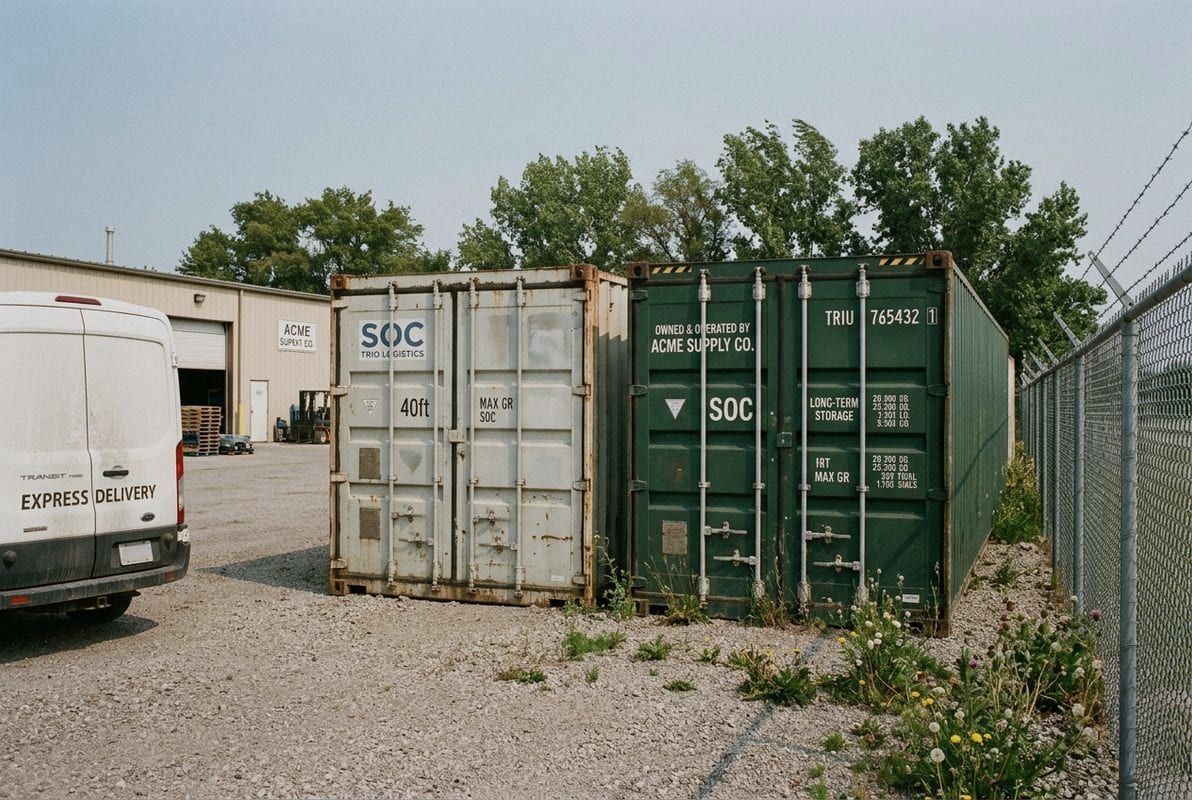
Not every shipping line accepts SOC containers on every route. Some carriers restrict SOC bookings during peak seasons or on high-demand lanes. Before you commit, you must confirm that the carrier accepts SOC on your specific route.
You also need to provide the container's CSC plate 9 details, ownership documents, and insurance information. The carrier will inspect and verify that the box meets international standards. If your paperwork is incomplete, the container will not be allowed to gate in at the port.
With a COC container, the carrier guarantees the box is fit for ocean transport. With SOC, that burden falls on you. If your container has structural damage, worn door seals, or holes, it can fail the pre-trip inspection. Worse, if it passes inspection but leaks during transit, you bear the cargo loss.
Some shipping lines limit how many SOC containers they accept per vessel. This is sometimes called "limited cabin space" for SOC. On popular routes from China to the US West Coast, this is generally not a problem. But on secondary ports or less common trade lanes, you may face restrictions.
| 风险类别 | SOC Container | COC Container |
|---|---|---|
| Container rejection at port | Possible if docs are incomplete | Very rare — carrier provides own box |
| Sea-worthiness liability | Shipper's full responsibility | Carrier's responsibility |
| Cargo damage liability | Shipper bears most risk | Carrier shares liability |
| Route/space restrictions | Some lines limit SOC slots | Generally unrestricted |
| Empty return logistics | Shipper must arrange | Carrier handles through network |
| Detention/demurrage risk | Minimal | Significant |
| Maintenance between trips | Shipper pays | Carrier pays |
After your goods are unloaded, you have an empty container. What do you do with it? If you need to ship it back to China for reuse, you pay for the empty repositioning — and that is not cheap. Some businesses sell the container locally or repurpose it for storage. Others work with a container leasing company that has a return network in the destination country. Planning this before you ship is critical.
With COC, the carrier typically assumes some liability for the container and its contents during ocean transit. With SOC, that liability shifts heavily to you. Make sure your 货运保险 10 covers the container itself, not just the goods inside. Review your policy carefully and discuss coverage with your freight forwarder before departure.
From what we have seen, the biggest mistakes happen when shippers treat SOC like COC — assuming everything will just work. Here is what we recommend:
A recurring challenge we help Amazon sellers navigate is this: getting a full container from China into an FBA warehouse without delays, extra fees, or compliance issues. The container type you choose plays a bigger role in that process than most sellers realize.
For Amazon FBA shipments, COC containers offer simpler logistics since the carrier manages the box, but detention risks increase if FBA appointments are delayed. SOC containers give you more time flexibility at the destination, which is critical when Amazon reschedules delivery appointments, but require more advance planning and documentation for customs clearance.

Amazon FBA warehouses are notorious for rescheduling delivery appointments. You book a slot, your container arrives on time, and then Amazon pushes your appointment back by five days. With a COC container, those five days eat directly into your free time — or worse, you are already past it. Every extra day is a detention charge.
With an SOC container, this is not a crisis. You own the box. You can park it at your transload warehouse, wait for the appointment, and deliver when Amazon is ready. No daily fees from the carrier.
Customs clearance itself does not change based on container type. The documentation — commercial invoice, packing list, HS codes, ISF filing — is the same whether you use SOC or COC. However, the practical impact differs.
With COC, any customs delay burns through your free days. If US Customs holds your container for examination, that time counts. You are paying detention while you wait. With SOC, a customs hold is frustrating but not financially devastating from the container side.
That said, SOC containers require additional documentation at the port of origin. The container's registration, CSC plate, and ownership proof must be on file with the shipping line. If there is any discrepancy, it can cause delays before the container even leaves China.
For our DDP (Delivered Duty Paid) service from China to the US, we handle customs clearance, duties, taxes, and final delivery. When we combine DDP with SOC, our clients get the best of both worlds: complete cost transparency and zero detention risk. The container arrives, clears customs, gets transloaded or delivered to FBA, and the client keeps the box or arranges resale. No surprise fees.
Here is what the process looks like step by step:
COC Process:
SOC Process:
For sellers shipping one or two containers a year, COC is simpler and the detention risk is manageable with good planning. For sellers shipping monthly or dealing with unpredictable FBA appointment windows, SOC provides a significant advantage. The flexibility alone can save thousands per year.
Digital platforms are also making SOC more accessible. Container marketplaces now let you source, lease, and track containers online, reducing the traditional complexity that kept smaller shippers away from SOC.
If you are sourcing goods from multiple suppliers, you may also want to explore whether you can consolidate shipments from multiple factories into one FCL container — a strategy that works well with both SOC and COC depending on your volume.
Choosing between SOC and COC containers shapes your shipping costs, flexibility, and risk exposure. COC works for simple, occasional shipments. SOC rewards frequent shippers with cost savings and freedom from detention. Know your volume, plan your timeline, and pick the option that protects your bottom line.
1. Discusses the importance and benefits of flexibility within a supply chain. ↩︎
2. Provides a comprehensive guide on the process of shipping goods internationally. ↩︎
3. Defines what a Carrier Owned Container (COC) is in the context of shipping. ↩︎
4. Explains the concept, types, and benefits of a Shipper Owned Container (SOC). ↩︎
5. Replaced with a working and detailed explanation of a freight forwarder's role from a logistics company. ↩︎
6. Clarifies the definitions and differences between demurrage and detention fees. ↩︎
7. Provides a clear definition and meaning of Full Container Load (FCL) shipping. ↩︎
8. Offers a guide to the customs clearance process for international shipments. ↩︎
9. Replaced with a comprehensive article explaining CSC plates for shipping containers. ↩︎
10. Provides information on the necessity and types of cargo insurance for international shipping. ↩︎