
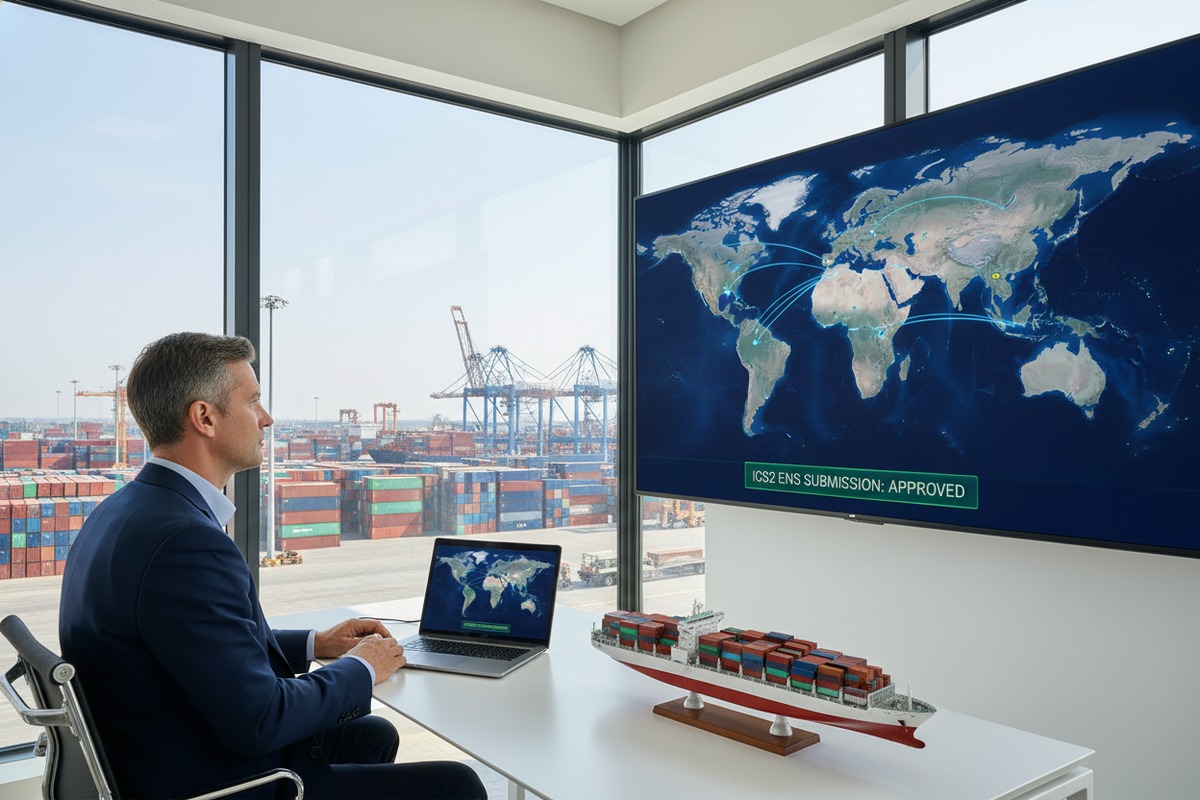
كل أسبوع، يتولى فريق اللوجستيات لدينا في تشنغتشو التعامل مع العشرات من الشحنات المتجهة إلى الموانئ الأوروبية - ومنذ بدء تنفيذ ICS2، تغيرت القواعد بسرعة.
ICS2 (نظام التحكم في الواردات 2) هو البرنامج الإلزامي لمراجعة أمان الشحنات مسبقًا في الاتحاد الأوروبي. يجب أن يتم الإعلان عن جميع السلع التي تدخل أو تمر عبر الاتحاد الأوروبي عن طريق الجو أو البحر أو البر أو السكك الحديدية مسبقًا من خلال إعلان ملخص الدخول (ENS). لا توجد رسوم تقديم رسمية من الحكومة الأوروبية، ولكن عادةً ما تفرض شركات النقل والشحن رسوم خدمات تجارية للتعامل مع التقديم.
فيما يلي، نفصل بالضبط كيف يؤثر ICS2 على شحناتك، وما البيانات التي تحتاجها، ومن يدفع ماذا، وكيف تبقى متوافقًا بدون تأخير أو غرامات.
كيف ستؤثر اللوائح الجديدة لـ ICS2 على عملية الشحن الخاصة بي إلى الاتحاد الأوروبي؟
عند التنسيق لحجز الحاويات من الصين إلى روتردام أو هامبورغ، تتضمن سير العمل قبل المغادرة الآن خطوة تقديم بيانات إلزامية لم تكن موجودة في النظام القديم.
يتطلب ICS2 من شركات النقل ووسطاء الشحن تقديم بيانات مفصلة عن إعلان الملخص للدخول (ENS) قبل تحميل البضائع أو وصولها إلى الاتحاد الأوروبي. يعني هذا أن الشاحنين يجب عليهم تقديم معلومات دقيقة عن البضائع في وقت مبكر من سلسلة الإمداد، مما يغير مواعيد الحجز، وسير العمل في الوثائق، ومواعيد الانتهاء لكل شحنة متجهة إلى الاتحاد الأوروبي.
ما الذي تغير من ICS1 إلى ICS2
القديمة نظام مراقبة الواردات 1 (ICS1) جمع بيانات الأمان والسلامة الأساسية، لكنه كان محدودًا. قام ICS2 بتوسيع مجموعة البيانات بشكل كبير. الآن، تريد السلطات الجمركية تفاصيل مفصلة — رمز مكون من 6 أرقام رمز HS 2, عناوين الشاحن والمستلم بالكامل، عدد الطرود، الأوزان الإجمالية، وأوصاف واضحة للبضائع. المصطلحات الغامضة مثل "البضائع العامة" أو "البضائع الاستهلاكية" لم تعد مقبولة.
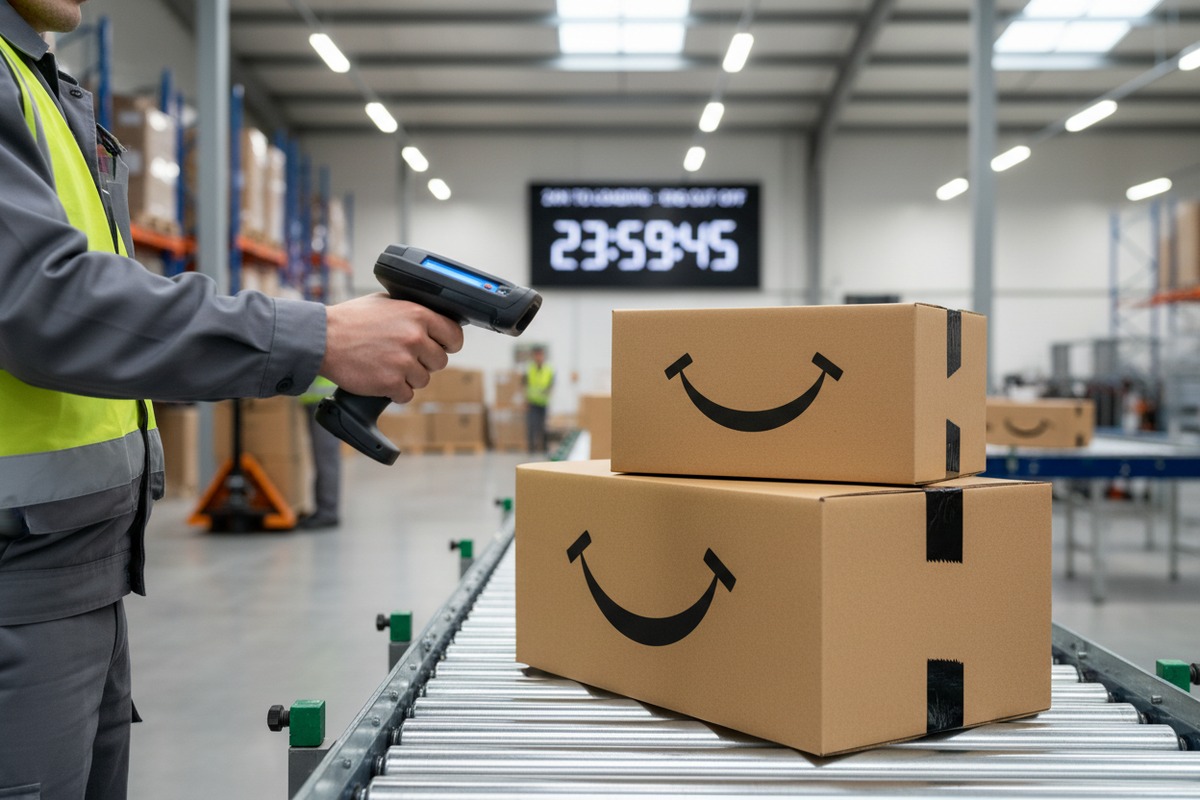
بالنسبة لعملائنا في الشحن البحري الذين يشحنون FCL أو LCL إلى الاتحاد الأوروبي، فإن أكبر تغيير هو موعد تقديم الملفات. وفقًا لـ ICS2، يجب تقديم ENS للحاويات البحرية قبل 24 ساعة على الأقل من التحميل في ميناء المنشأ. هذه نقطة قطع صارمة. إذا فاتتك، فلن يتم تحميل الحاوية على السفينة.
كيف يتغير جدول حجزك
قبل ICS2، كان العديد من الشاحنين قادرين على إنهاء تفاصيل الشحن بالقرب من موعد مغادرة السفينة. الآن، تحتاج إلى بيانات كاملة ودقيقة في وقت سابق بكثير. إليك مقارنة:
| أسبكت | قبل ICS2 | بعد ICS2 |
|---|---|---|
| موعد تقديم البيانات | عند مغادرة السفينة أو بالقرب منها | 24 ساعة قبل التحميل (بحري) |
| وصف البضائع | الشروط العامة مقبولة | مطلوبة أوصاف محددة ومفصلة |
| متطلبات الرمز الجمركي | غالبًا ما تكون اختيارية أو مكوّنة من 4 أرقام | الرمز الجمركي مكون من 6 أرقام إجباري |
| EORI المستلم | ليس دائماً مطلوباً | مطلوب للكيانات المنشأة في الاتحاد الأوروبي |
| مرونة التعديل | نسبيًا سهل بعد التقديم | مكلف ومقيد بعد الموعد النهائي |
الأثر على أوضاع النقل المختلفة
ICS2 لا تؤثر فقط على شحنات البحر. إنها تغطي أيضًا الشحنات الجوية والسكك الحديدية والطرق. تمت تغطيته على مراحل. تم إدخال شحنات الطيران أولاً، ثم تبعتها الشحنات البحرية والسكك الحديدية. بحلول أوائل عام 2026، ستكون جميع أوضاع النقل مغطاة في معظم دول الاتحاد الأوروبي.
بالنسبة لعملائنا في أمازون FBA الذين يستخدمون أحيانًا الشحن السريع لإعادة تخزين المنتجات السريعة الحركة في مراكز الوفاء الأوروبية، فهذا يعني أن شركة الشحن السريع (DHL، FedEx، UPS) تتولى الآن تقديم ملف ICS2 نيابة عنك. لكن لا تزال بحاجة لتزويدهم ببيانات كاملة. إذا كانت البيانات خاطئة أو مفقودة، فلا يمكن لشركة النقل تقديم الطلب، وستظل طردك في مستودع.
الأثر العملي بسيط: ابدأ وثائقك في وقت مبكر، حافظ على بيانات منتجك نظيفة، وتواصل مع موفر الخدمات اللوجستية قبل فترة كافية من الموعد النهائي.
هل متطلبات وإجراءات التسجيل المسبق والرسوم إلزامية لعملي؟
يحصل فريق العمليات لدينا على هذا السؤال يوميًا من العملاء الذين يشحنون DDP إلى أوروبا - هم يريدون معرفة ما إذا كان هذا اختياريًا أو قاعدة صارمة.
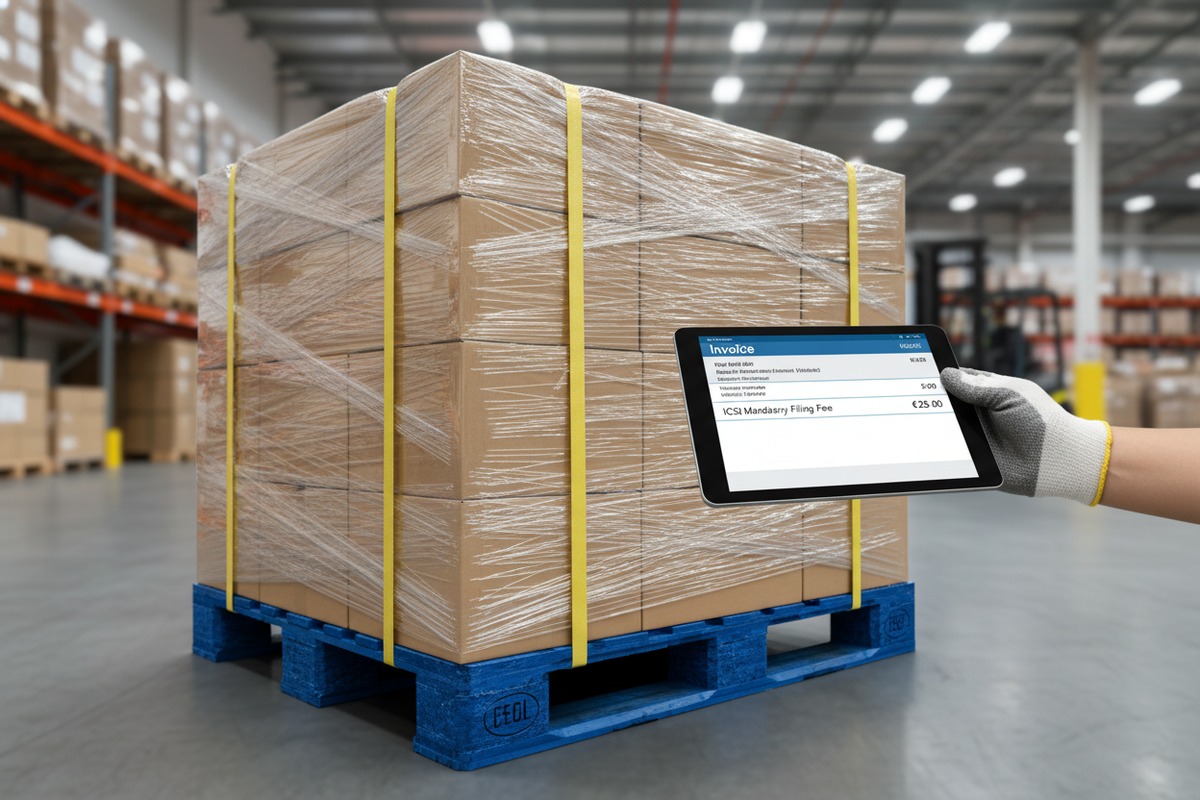
نعم، تقديم ENS مسبقًا إلزامي لجميع البضائع التي تدخل أو تمر عبر الاتحاد الأوروبي. لا توجد رسوم رسمية من الحكومة الأوروبية لتقديم ICS2 نفسها. ومع ذلك، فإن شركات النقل ووكلاء الشحن يفرضون رسوم خدمة تجارية - عادة ما تكون 30-35 دولارًا أمريكيًا لكل بوليصة شحن للشحن البحري - لتغطية التكلفة الإدارية لإعداد وتقديم الإعلان.
إن واجب الإبلاغ ليس خيارًا
المفوضية الأوروبية واضحة: يجب على جميع المشغلين الاقتصاديين الذين يقومون بإدخال أو عبور البضائع عبر الاتحاد الأوروبي الإعلان عن بيانات السلامة والأمان 3 عبر ICS2. هذه ليست توصية. إنها متطلبات قانونية. تنطبق سواء كانت الوجهة النهائية لشحنتك هي ألمانيا، أو كانت تمر عبر ميناء بلجيكي في طريقها إلى سويسرا، أو كانت طردًا واحدًا أو حاوية كاملة.
لا يوجد حد أدنى للقيمة أيضًا. سواء كنت تقوم بشحن عينة $5 أو $50,000 منصة من الإلكترونيات، يجب تقديم ENS.
فهم هيكل الرسوم
ICS2 itself does not come with a government tax or filing fee. The European Commission does not charge shippers or carriers a per-declaration fee. But that does not mean the process is free. Carriers, shipping lines, and freight forwarders invest in systems, staff, and software to handle these filings. They pass those costs along as service fees.
Here is what we typically see in the market:
| نوع الرسوم | التكلفة النموذجية | الملاحظات |
|---|---|---|
| Ocean freight ICS2 filing fee | USD 30–35 / bill of lading | Charged by the carrier or forwarder |
| Air freight ICS2 filing fee | Usually waived | Bundled into existing air waybill processing |
| Post-cut-off amendment fee | USD 40–60 / amendment | Charged when data changes after ENS submission |
| Late data submission surcharge | USD 30–50 / bill of lading | Applies when documentation arrives within 24 hours of cut-off |
| Non-compliance penalty (EU customs) | EUR 500–5,000 / shipment | For missed, late, or inaccurate filings |
Who Pays Under Different Trade Terms
This is where it gets practical. Under FOB (Free on Board) terms 4, the shipper — typically the Chinese supplier or exporter — is responsible for costs up to the point the goods are loaded on the vessel. Since the ICS2 filing happens before loading, the filing fee is considered a China-side origin cost. So under FOB, the seller usually pays.
تحت CIF or CFR terms 5, the seller covers freight and often rolls the ICS2 fee into the overall ocean freight charge. The buyer may not see it as a separate line item, but it is built into the price.
For our DDP clients, we include ICS2 filing as part of our all-inclusive service. There are no surprises. The filing fee is bundled into the total door-to-door cost we quote.
ما هي البيانات المحددة التي أحتاج إلى تقديمها للامتثال لإجراءات تسجيل ICS2؟
When we prepare shipment documents for our clients, we now request a much more detailed data package than we did two years ago — and missing even one field can block the entire filing.
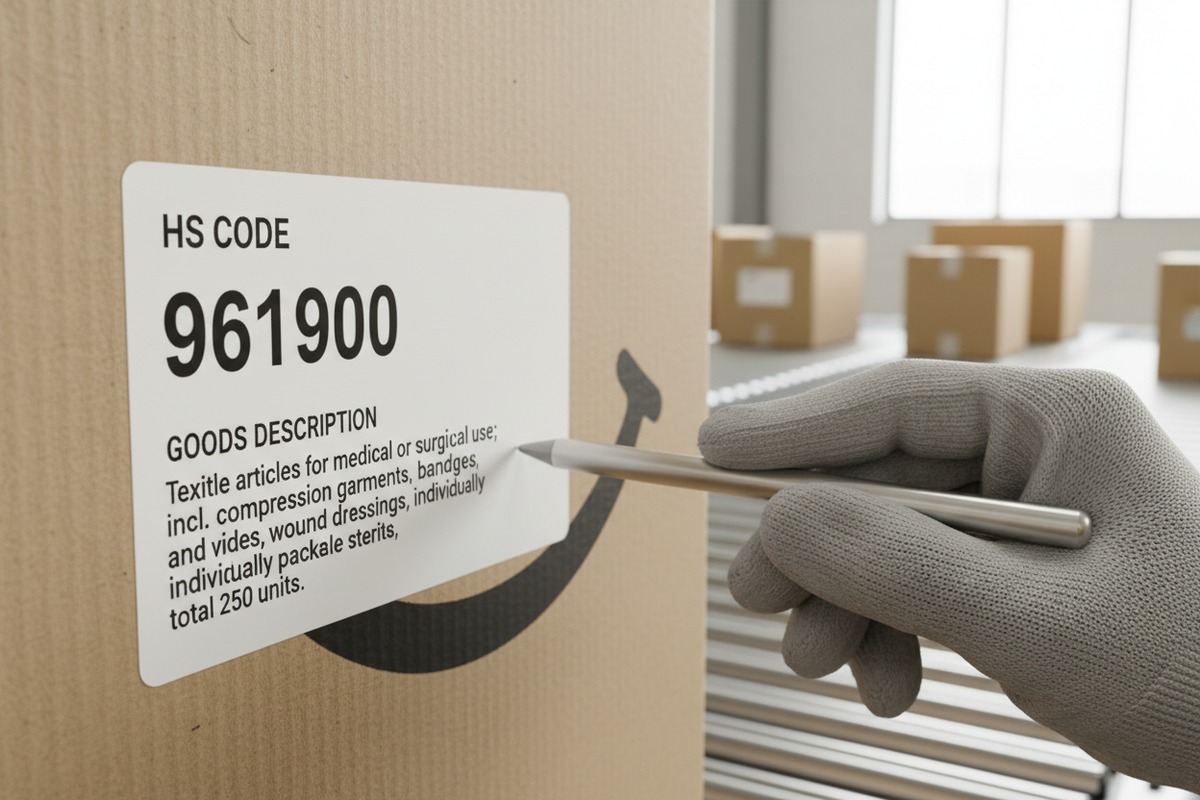
To comply with ICS2, you must provide the shipper's full name and address, the consignee's full name, address, and EORI number (if EU-established), a 6-digit HS code, a precise goods description, the number of packages, gross weight, and additional transport-specific information. All data must be accurate and submitted before the filing deadline.
The Core ENS Data Fields
The Entry Summary Declaration is your ticket to getting goods through EU customs without delays. Entry Summary Declaration (ENS) 6 Every field matters. Here is a breakdown of the key data elements:
| Data Field | الوصف | مثال على ذلك |
|---|---|---|
| Shipper name and address | Full legal name and physical address of the sender | Zhengzhou MBMLOG Co., Ltd., 88 Logistics Road, Zhengzhou, China |
| اسم وعنوان المُستلِم | Full legal name and physical address of the EU receiver | ABC GmbH, Musterstraße 12, 10115 Berlin, Germany |
| Consignee رقم EORI 7 | رقم تسجيل وتحديد المشغلين الاقتصاديين | DE123456789012345 |
| HS code (6-digit minimum) | Harmonized System code for goods classification | 940360 (wooden furniture) |
| وصف البضائع | Clear, specific text describing the cargo | "Flat-pack wooden bookshelves, unassembled, pine wood" |
| Number of packages | Total count of individual packages | 120 cartons |
| Gross weight | Total weight including packaging, in kilograms | 2,400 kg |
| رقم الحاوية | For ocean FCL shipments | MSCU1234567 |
| Bill of lading / AWB number | Transport document reference | MAEU123456789 |
Why Vague Descriptions Get Rejected
One of the most common problems we see is shippers providing lazy goods descriptions. Under the old system, you could sometimes get away with "household items" or "electronics." Under ICS2, that will trigger a rejection or a "do not load" instruction.
EU customs authorities 8 use the ENS data for automated risk screening. The algorithm needs specific language to classify risk. A description like "plastic items" tells the system nothing. A description like "injection-molded ABS plastic phone cases, assorted colors, retail packaging" tells the system exactly what it needs.
Our advice to clients is always the same: describe your goods as if the customs officer has never seen your product. Be specific about the material, the function, and the form.
The EORI Number Challenge
The EORI number is a frequent pain point, especially for e-commerce sellers. If your EU consignee is an established business entity, they must have an EORI number, and it must be included in the ENS. Without it, the filing is incomplete.
For Amazon FBA shipments to EU warehouses, Amazon's EORI number is typically used. But if you are shipping to your own EU warehouse or a third-party fulfillment center, you need the consignee's EORI. Many smaller businesses do not realize they need one until their shipment is already in transit. Get this sorted before you book.
HS Code Accuracy Matters
A wrong HS code does not just cause customs delays — it can trigger additional inspections, higher duties, or even fines. We always recommend double-checking your HS codes against the EU's TARIC database 9. The first 6 digits must match the Harmonized System. The EU may require additional digits for tariff classification, but for ICS2 purposes, the 6-digit code is the minimum.
If you are unsure about your HS codes, ask your freight forwarder or customs broker. We help our clients verify codes before filing to prevent downstream problems.
كيف يمكنني تجنب تأخيرات الجمارك والعقوبات بموجب قواعد ICS2 الجديدة؟
In the first month after ICS2 enforcement tightened for ocean freight, our team saw a spike in amendment requests — most caused by clients sending us incomplete packing lists at the last minute.
To avoid ICS2-related delays and penalties, submit complete and accurate ENS data well before the filing deadline, verify HS codes and EORI numbers in advance, maintain clean master data for all products, and work with a logistics partner experienced in EU customs compliance. Proactive preparation eliminates the most common causes of holds and fines.
The Real Cost of Non-Compliance
Getting ICS2 wrong is expensive. EU customs authorities can issue fines ranging from EUR 500 to EUR 5,000 per shipment for missed, late, or inaccurate filings. But the fines are only part of the story. The real damage comes from operational disruption.
A "do not load" instruction means your container sits at the origin port. You miss your vessel. You pay storage fees. Your inventory does not arrive on time. For Amazon sellers, this can mean stockouts, lost Buy Box eligibility, and a hit to your seller ranking that takes weeks to recover from.
Then there are amendment fees. If you need to change data after the ENS is filed, carriers charge USD 40–60 per amendment. If you submit your documentation within 24 hours of the filing cut-off, expect a late submission surcharge of USD 30–50 on top of the standard filing fee.
A Practical Compliance Checklist
Here is the process we follow at MBMLOG to keep our clients' EU shipments clean:
1. Collect data early. We request complete packing lists, commercial invoices, and HS codes at least 3 days before the vessel booking cut-off. This gives us time to review and correct errors.
2. Validate EORI numbers. We check every consignee EORI against the European Commission's EORI validation tool before filing. Invalid or expired numbers are the number one cause of ENS rejections we see.
3. Use precise goods descriptions. We train our clients on what "precise" means. Material, function, form, and intended use — all in plain language.
4. Cross-check HS codes. We verify codes against the TARIC database. If a product is new or unusual, we consult with our customs broker partners in the destination country.
5. File early. We aim to submit the ENS at least 48 hours before loading, not 24. The extra buffer gives us time to handle any system errors or data queries from customs.
Common Mistakes and How to Fix Them
Here are the top errors we encounter and practical fixes:
- Incomplete addresses. A city name without a postal code or street is not enough. Always provide full addresses for both shipper and consignee.
- Missing package counts. The ENS needs the exact number of packages. "1 pallet" is not a package count. If the pallet holds 40 cartons, the count is 40.
- Copy-paste errors in HS codes. A single wrong digit changes the product classification entirely. Always verify codes against the actual goods.
- Last-minute booking changes. Changing the consignee or destination after the ENS is filed triggers amendments and fees. Lock down your logistics plan before filing.
Building Long-Term Compliance
ICS2 is not a one-time hurdle. It is the new normal for EU trade. Businesses that invest in clean product master data, reliable logistics partnerships, and early documentation workflows will find that compliance becomes routine. The EU has signaled that "trusted traders 10" — those with strong compliance records — may eventually benefit from streamlined processes and fewer inspections. Getting ICS2 right now positions your business for those advantages later.
We also see AI-powered validation tools entering the market. These tools can automatically check HS codes, flag vague descriptions, and validate EORI numbers before the ENS is submitted. If you ship to the EU regularly, investing in or working with a forwarder who uses these tools is worth considering.
الخاتمة
ICS2 is here to stay. The filing is mandatory, the data requirements are strict, and the penalties for non-compliance are real — but with early preparation and the right logistics partner, staying compliant is straightforward.
`
الملاحظات
1. Official EU source explaining ICS2, the successor to ICS1. ↩︎
2. Official European Commission page detailing the Harmonized System (HS). ↩︎
3. Official EU source explaining the requirement for safety and security data in ICS2. ↩︎
4. Official International Chamber of Commerce (ICC) page for Incoterms 2020, which includes FOB. ↩︎
5. Official International Chamber of Commerce (ICC) page for Incoterms 2020, which includes CIF and CFR. ↩︎
6. Official European Commission page detailing customs clearance documents, including a section on Entry Summary Declarations (ENS). ↩︎
7. Official EU source stating EORI number is needed to connect to ICS2. ↩︎
8. Official European Commission Directorate-General for Taxation and Customs Union page. ↩︎
9. Official European Commission page for the TARIC database. ↩︎
10. U.S. government site explaining AEO status and its benefits for trusted traders in the EU. ↩︎




