- +8618603825129
- [email protected]

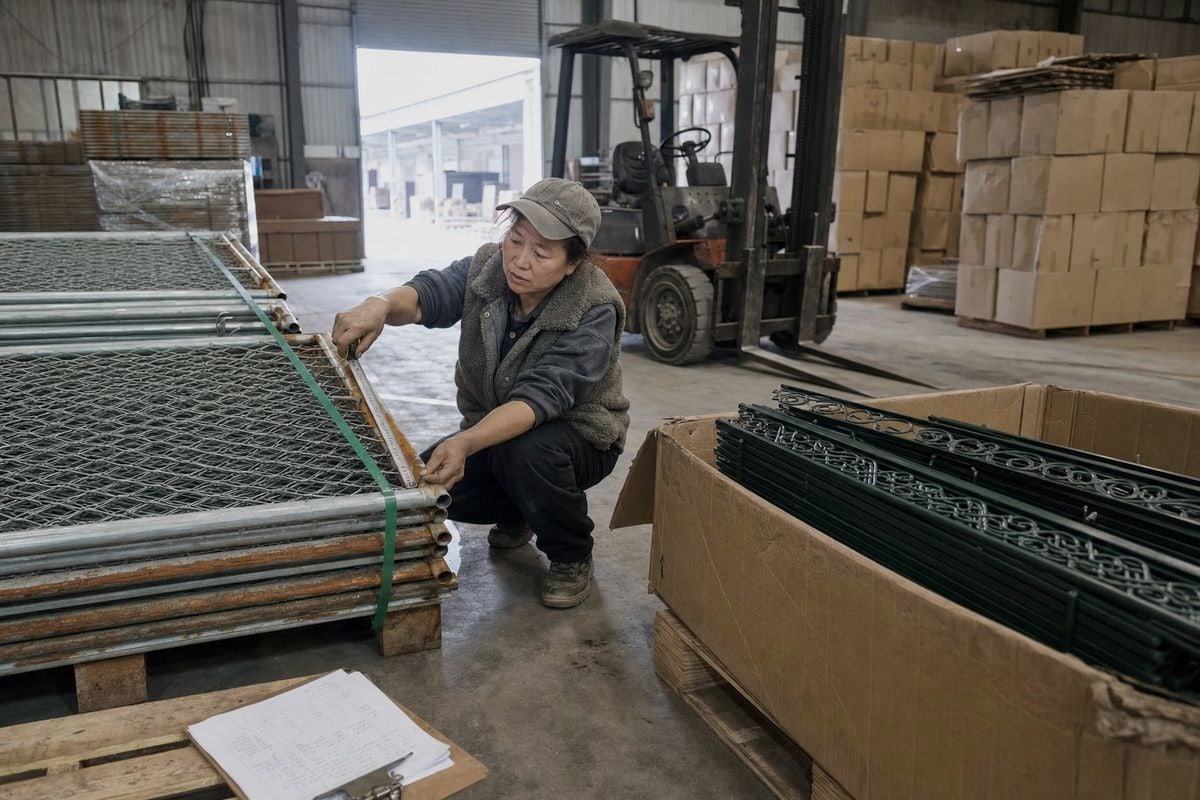
China's fencing export to the US does involve anti-dumping issues, and I have watched importers get blindsided at our clearance desk. One wrong HS code can turn a profitable shipment into a six-figure loss. The good news? The risk is entirely avoidable once you understand which fencing products are actually covered.
Yes, but only partially. Temporary steel fencing from China faces US anti-dumping duties up to 184.27% and countervailing duties up to 178.97% under the May 13, 2026 final order. Permanent decorative garden fencing is explicitly excluded and pays only Section 301 and Section 232 tariffs.
That distinction between temporary and permanent fencing decides everything. Below, I break down how to check your product, verify the rates, and clear US customs without paying duties you never owed.
Last quarter, a shipment of garden fencing nearly got hit with a 233% duty bill at the Port of Los Angeles because of a wrong code. Our team at MBMLOG caught it just before arrival, and that experience taught me exactly where the line sits.
Your fencing is subject to anti-dumping duties if it is temporary steel fencing: movable panels with diamond, square, or hexagonal steel mesh used for construction sites, roads, or events. Permanent decorative garden fencing installed at residential homes is excluded from the AD/CVD orders.
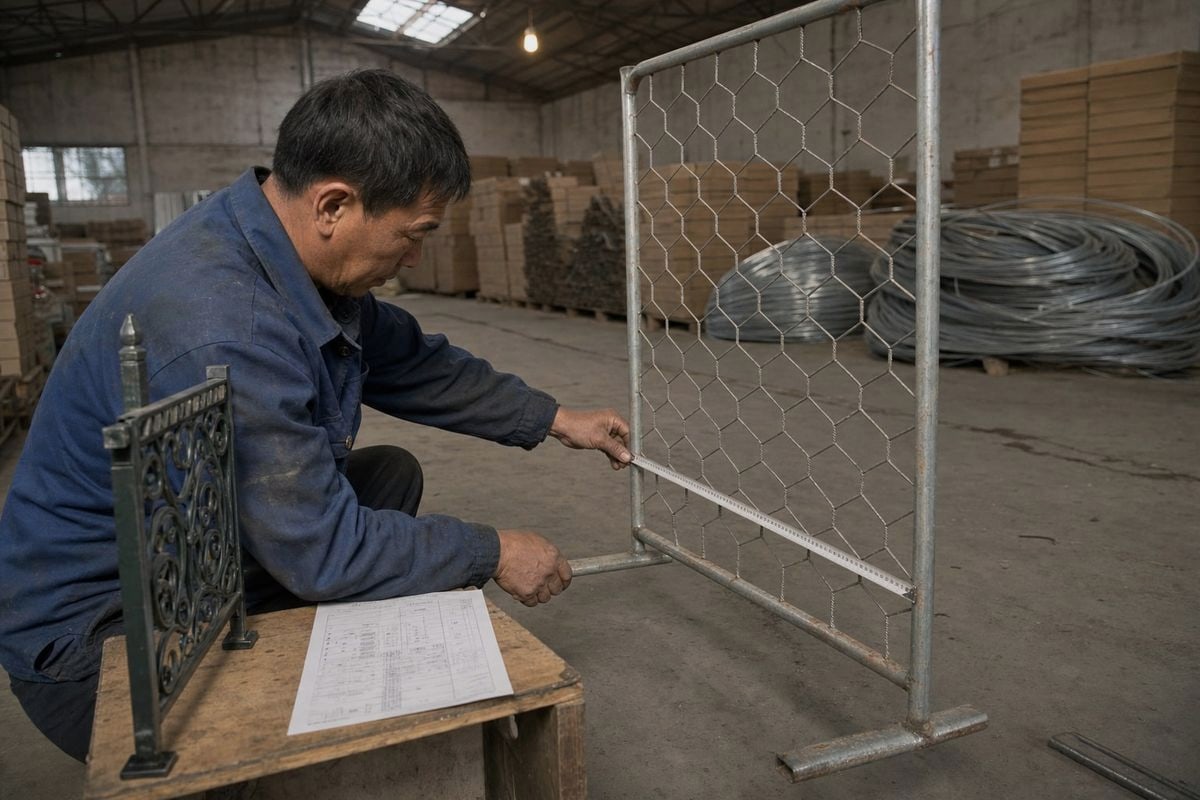
The US Department of Commerce did not target all fencing from China. It targeted one specific category: temporary steel fencing. The trade remedy investigations began on February 5, 2025, after US producers alleged that Chinese panels were sold at less than fair value and benefited from unfair government subsidies. The US International Trade Commission then issued an affirmative determination of material injury, and the final orders were published on May 13, 2026.
In our daily clearance work, we sort every fencing shipment into one of two buckets before it leaves China. Here is how they compare:
| Factor | Temporary Steel Fencing | Decorative Garden Fencing |
|---|---|---|
| Covered by AD/CVD orders? | Yes, long-term order effective May 13, 2026 | No, explicitly excluded |
| Core HS code | 7308.90.9590 | Various subheadings under 7308 and 7326 |
| Typical use | Construction sites, road barriers, event isolation | Permanent home yard and landscape installation |
| Mesh pattern | Diamond, square, or hexagonal grid | Decorative patterns, non-grid |
| Mobility | Movable, freestanding panels | Fixed, permanently installed |
| AD rate (cooperating exporters) | 129.70% | Not applicable |
| AD rate (non-cooperating, China-wide) | 184.27% | Not applicable |
| CVD rate | 49.19% to 178.97% | Not applicable |
To qualify for the exclusion, a decorative fence panel must meet all five conditions at the same time:
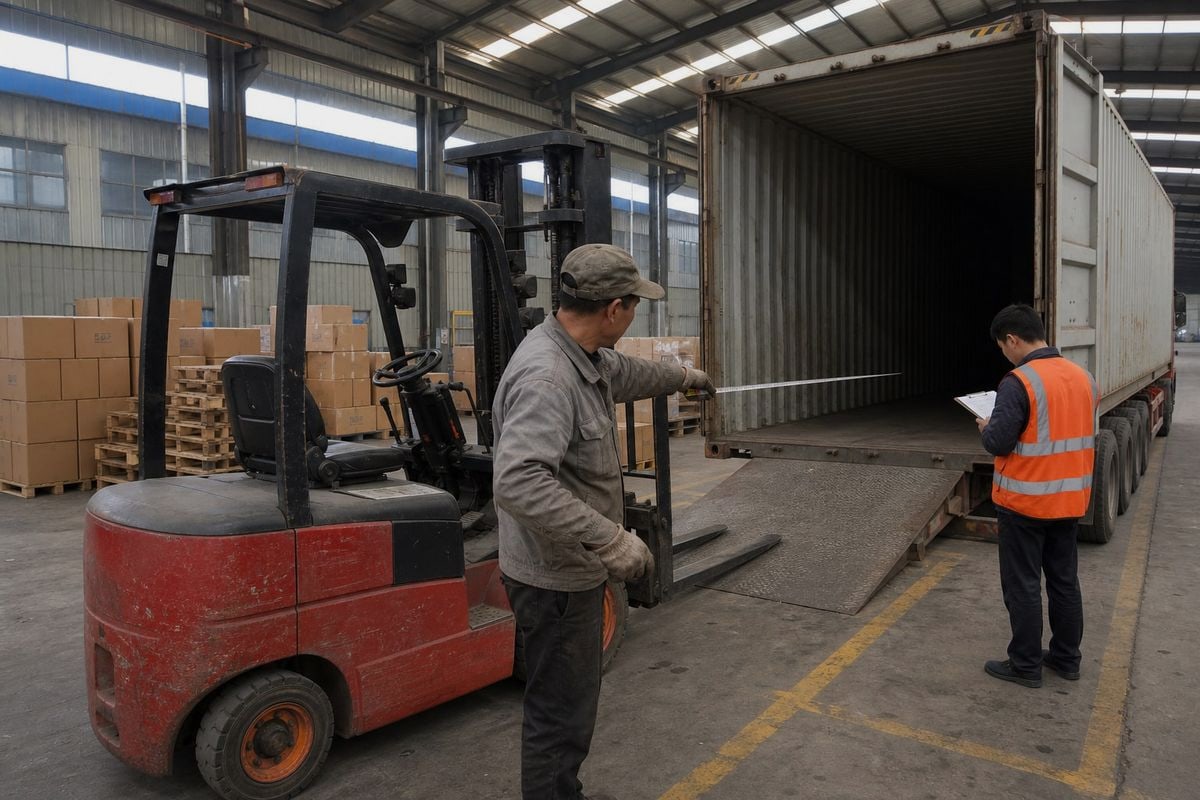
Miss even one condition, and US Customs and Border Protection 1 can classify the goods as covered merchandise. If that happens after entry, CBP will collect the full anti-dumping and countervailing duties retroactively. That is why we photograph, measure, and weigh sample panels before booking any fencing shipment.
A buyer once asked me why two suppliers quoted him wildly different landed costs for the same fence panel. The answer sat in the cash deposit rates: one factory had cooperated with the Department of Commerce investigation, and the other had not.
Verify rates by confirming your product's Harmonized Tariff Schedule code, checking the Commerce Department's AD/CVD order scope for case coverage, identifying whether your supplier received a cooperating-exporter rate or the China-wide rate, then adding Section 301 and Section 232 tariffs to calculate total landed cost.

Rate verification is not guesswork. It follows a fixed sequence, and skipping any step invites surprise bills at the port. Here is the process we run at MBMLOG before we issue any DDP quote for fencing.
| Duty Type | Cooperating Exporters | Non-Cooperating (China-wide) |
|---|---|---|
| Anti-dumping (AD) | 129.70% | 184.27% |
| Countervailing (CVD) | 49.19% | 178.97% |
| Maximum combined deposit | — | 233.46% |
| Plus Section 301 tariffs | Applies | Applies |
| Plus Section 232 steel tariffs | Applies | Applies |
Remember why the numbers run so high. The US still treats China as a non-market economy, so Commerce uses surrogate values from third countries to calculate dumping margins. Preliminary AD margins in this case ranged from 136.57% to 187.69%, and preliminary CVD rates 6 from 33.27% to 301.83%, before the final determinations locked in the numbers above. Some importers have shifted to alternatives like wood plastic composite fencing under HS 3925.90 to sidestep the metal duties entirely. That is a legitimate strategy, but only if the product genuinely matches the new classification.
Not long ago, a destination-port agent alerted us that a client's fencing shipment was flagged for anti-dumping duties before the vessel even docked. That single notification set off the most valuable clearance work our team did all month.
Yes. A qualified DDP provider verifies HS classification before departure, prepares exemption documentation for excluded decorative fencing, coordinates with US customs brokers on scope questions, and locks all duties into one tax-included price, removing the risk of surprise AD/CVD bills at the port.
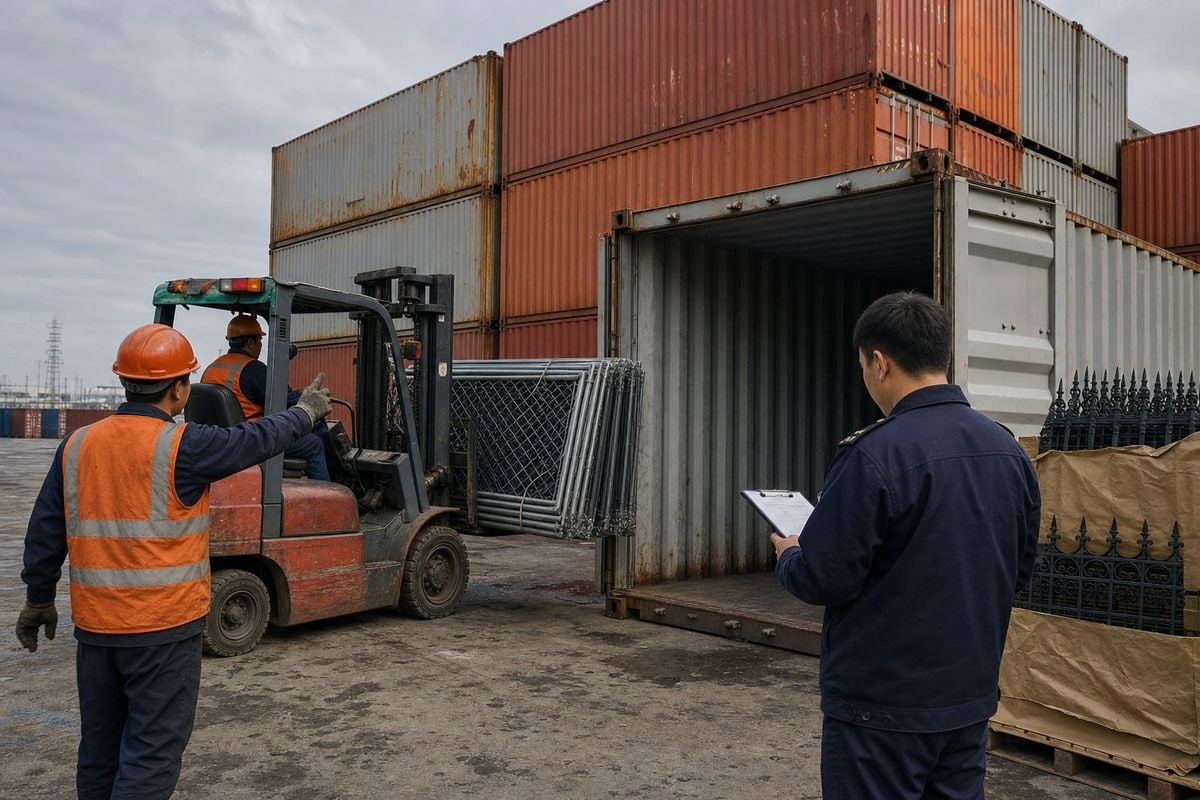
Let me share the real case, because it shows exactly what a DDP partner does when anti-dumping risk appears. A US customer imported a batch of fencing from China. The product was decorative garden fencing, not temporary site barriers. Before the goods arrived at port, our destination agent notified us that the shipment was flagged as involving anti-dumping and would owe the high AD/CVD deposit.
We dug into the paperwork. The problem was the HS code the customer's supplier had provided. It was wrong, and the wrong code placed the goods squarely inside the covered scope. Our team reviewed the classification with our US clearance broker multiple times, confirmed the correct code, and assembled product photos, dimensions, weights, and end-use evidence proving the goods met the decorative-fencing exclusion. We then helped the customer file the exemption application.
The approval came through within one working day. The shipment cleared customs that same day, we delivered on schedule, and the customer paid zero extra fees. Just as important, that verified classification file now clears every similar order smoothly.
One honest caveat: if your product genuinely is covered temporary steel fencing, DDP cannot make the duties disappear. Some traders route such goods through Mexico or Vietnam, but CBP has ramped up anti-circumvention audits 7 on fencing shipments from exactly those countries to detect transshipped Chinese-origin steel. We advise clients on lawful options; we do not gamble their businesses on illegal transshipment.
Every peak season, I weigh the same trade-off with FBA sellers: ship fast and hope customs waves the goods through, or spend three extra days on classification review before departure. After handling flagged fencing shipments, I always choose the review.
Avoid unexpected costs by confirming the exemption status before shipping, matching declared descriptions with photos and measurements, using a DDP tax-included service so duties are fixed upfront, building AD/CVD screening into supplier selection, and keeping verified classification files for repeat FBA replenishment orders.

Amazon sellers face a special version of this risk. A customs hold does not just cost duty money. It causes stockouts, tanks your listing rank, and can trigger FBA appointment penalties. So prevention has to happen in China, weeks before your inventory is due at the fulfillment center.
| Risk Scenario | What It Costs You | How to Prevent It |
|---|---|---|
| Wrong HS code triggers AD/CVD deposit | Up to 233.46% of cargo value plus storage fees | Pre-shipment classification review with a US broker |
| Description does not match physical inspection | Full retroactive duty collection and possible penalties | Align declared name, photos, and specs with exemption conditions |
| Customs hold during peak season | Stockout, lost Buy Box, ranking damage | Build buffer time and use a provider with clearance expertise |
| Underestimating 301 and 232 tariffs | Margin erosion on every unit | Get a true landed-cost quote, not just freight rates |
| Supplier is non-cooperating exporter | China-wide 184.27% AD rate if goods are covered | Screen supplier status before purchase orders |
First, treat classification as a purchasing decision, not a shipping afterthought. Ask suppliers for panel dimensions, single-panel weight, frame tube width, and pattern coverage before you sign the PO. Second, remember that even fully exempt decorative fencing still pays Section 301 tariffs on Chinese goods and Section 232 steel tariffs. Your landed cost calculation 8 must include both, plus any newer surcharges layered onto building materials. Third, keep your exemption file alive. Once we verified the correct code for our client's decorative fencing, every subsequent replenishment order cleared without friction. That file is a business asset.
Finally, choose a logistics partner who knows both FBA rules and AD/CVD compliance. In our experience running China-to-USA lanes with 18-25 day transit times, the shipments that arrive on schedule are the ones screened properly on day one.
China's fencing export to the US involves anti-dumping duties only for temporary steel fencing. Verify classification, document the exemption, and use DDP tax-included shipping to import safely.
1