

Η αποστολή μεικτού εξοπλισμού αποθήκης σε ένα κοντέινερ ακούγεται απλή μέχρι να έρθουν οι προσφορές. Στο κέντρο logistics μας στη Zhengzhou, βλέπω αγοραστές να πληρώνουν υπερβολικά εβδομαδιαίως για ξεχωριστές αποστολές που θα μπορούσαν να ταξιδέψουν μαζί.
Για να αποστείλετε μεικτό εξοπλισμό αποθήκης σε ένα κοντέινερ, συγκεντρώστε όλα τα φορτία σε μία αποθήκη προσωρινής αποθήκευσης, κατασκευάστε ένα σχέδιο φόρτωσης που τοποθετεί βαριά μηχανήματα χαμηλά και στο κέντρο, ασφαλίστε τα πάντα με μπλοκαρίσματα και στήριξη, διαχωρίστε τις μπαταρίες σύμφωνα με τους κανονισμούς και καταγράψτε κάθε SKU με τους σωστούς κωδικούς HS για την εκκαθάριση τελωνείων.
Αυτή είναι η σύντομη απάντηση. Η πλήρης διαδικασία έχει περισσότερα κινούμενα μέρη. Αφήστε με να σας καθοδηγήσω μέσα από κάθε στάδιο, από την παραλαβή του προμηθευτή μέχρι το σφραγισμένο κοντέινερ.
Πώς μπορώ να συγκεντρώσω εξοπλισμό από πολλούς Κινέζους προμηθευτές σε ένα κοντέινερ;
Στο τελευταίο τρίμηνο, ένας έμπορος ανυψωτικών μηχανημάτων από τις ΗΠΑ ζήτησε από την ομάδα μας να συλλέξει φορτίο από πέντε διαφορετικά εργοστάσια σε τρεις επαρχίες. Είχε ανυψωτικά μηχανήματα, φορτιστές, μπαταρίες και μέρη ραφιών. Ένα κοντέινερ τα μετέφερε όλα.
Για να ενοποιήσετε τον εξοπλισμό από πολλούς Κινέζους προμηθευτές, διορίστε έναν μεταφορέα να οργανώσει τις παραλαβές από τα εργοστάσια, να κατευθύνει όλα τα φορτία σε μία κεντρική αποθήκη προετοιμασίας, να ελέγξει και να φωτογραφίσει κάθε αντικείμενο κατά την άφιξη, να ξανατυλίξει τα αδύναμα κουτιά και στη συνέχεια να φορτώσει τα πάντα σε ένα πλήρες κοντέινερ (FCL) κάτω από ένα ενιαίο έγγραφο αποστολής.
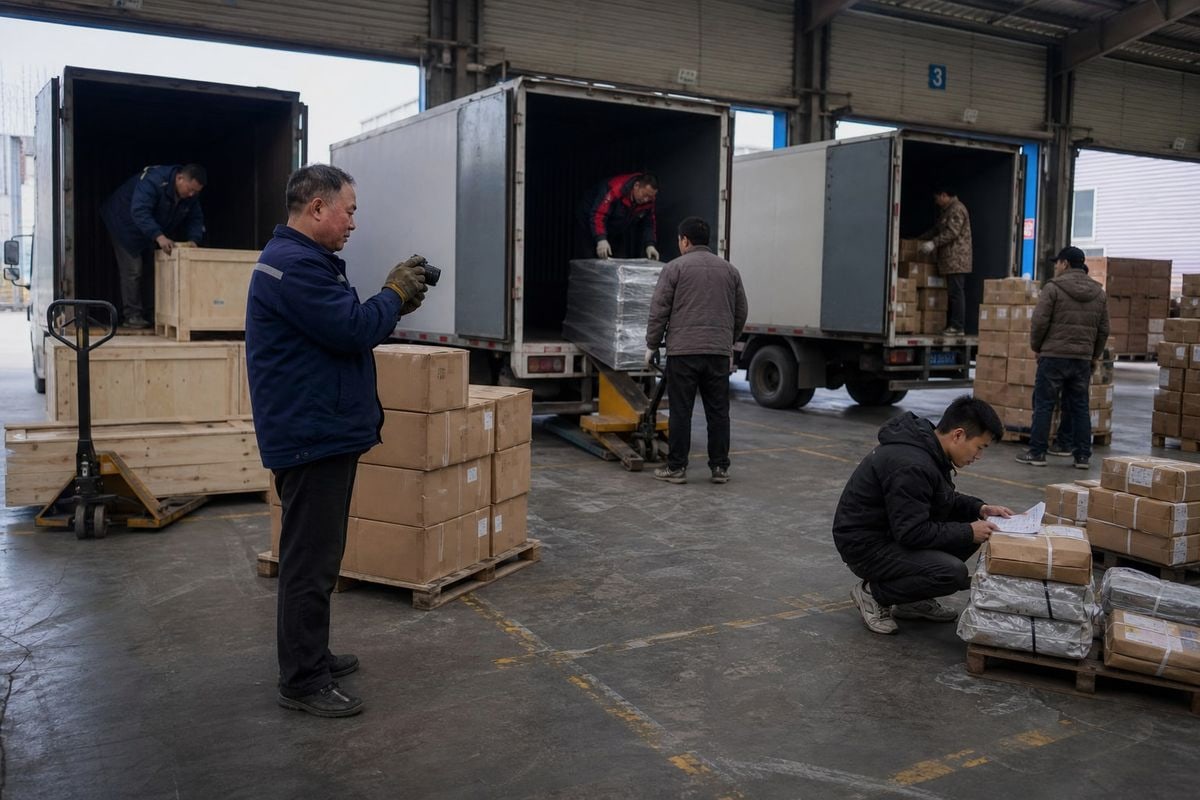
Το μεγαλύτερο λάθος που βλέπω είναι οι αγοραστές να προσπαθούν να συντονίσουν πέντε προμηθευτές μόνοι τους από άλλη ζώνη ώρας. Το εργοστάσιο A τελειώνει νωρίς. Το εργοστάσιο B καθυστερεί δύο εβδομάδες. Κανείς δεν μιλάει σε κανέναν. Η κράτηση του κοντέινερ λήγει και οι χρεώσεις αποθήκευσης συσσωρεύονται. Ένας συνεργάτης συγκέντρωσης που έχει έδρα την Κίνα λύνει αυτό το πρόβλημα, καθώς παρακολουθούμε την ετοιμότητα φορτίου απευθείας, στα μανδαρίνικα, κατά τις ώρες εργασίας στην Κίνα.
Η Ροή Εργασίας Συγκέντρωσης που Χρησιμοποιούμε
Ακολουθούμε την εξής ακολουθία για κάθε αποστολή με πολλούς προμηθευτές:
- Επιβεβαίωση ημερομηνιών ετοιμότητας φορτίου με κάθε εργοστάσιο.
- Διοργάνωση παραλαβής φορτηγού από κάθε προμηθευτή.
- Λάβετε όλα τα φορτία στην αποθήκη μας.
- Ελέγξτε, μετρήστε και φωτογραφίστε κάθε κομμάτι.
- Ελέγξτε τη συσκευασία και επαναπακετάρετε τα αδύναμα αντικείμενα.
- Επανακαταθέστε τις ετικέτες των φορτίων ώστε να ταιριάζουν με μία κύρια λίστα συσκευασίας.
- Δημιουργήστε το σχέδιο φόρτωσης της контейνέρ.
- Βάζετε, ασφαλίζετε και σφραγίζετε το δοχείο.
Γιατί έχει σημασία μια Αποθήκη Στάθμευσης
Ένα κεντρικό σημείο στάθμευσης είναι ο ποιοτικός έλεγχος, όχι απλώς αποθήκευση. Ανιχνεύουμε κατεστραμμένα κιβώτια, λανθασμένες ποσότητες και ελλιπή έγγραφα μπαταρίας πριν κλείσει η πόρτα του δοχείου. Η επίλυση ενός προβλήματος στην αποθήκη κοστίζει ώρες. Η επίλυσή του στο λιμάνι προορισμού κοστίζει εβδομάδες και χρέωση ακέραιου χρόνου.
| Προσέγγιση | Σημεία Χειρισμού | Κίνδυνος Κόστους | Βάρος Συντονισμού |
|---|---|---|---|
| Αποστολή κάθε προμηθευτή ξεχωριστά (LCL) | Υψηλό, πολλές μεταφορές εμπορευμάτων | Υψηλότερες τιμές ανά CBM | Ο αγοραστής διαχειρίζεται κάθε αποστολή |
| Αυτοσυντονισμένη συγκέντρωση | Μέσον | Καθυστέρηση και χρεώσεις αποθήκευσης | Ο αγοραστής παρακολουθεί κάθε εργοστάσιο |
| Συγκέντρωση FCL διαχειριζόμενη από τον μεταφορέα | Χαμηλό, ένα γεγονός φόρτωσης | Χαμηλότερο κόστος ανά μονάδα | Ένα σημείο επαφής |
Η ενοποίηση πολλαπλών SKU σε μια μόνο επιταγή μεγιστοποιεί επίσης την βελτιστοποίηση χώρου του κοντέινερ και μειώνει τα συνολικά σας έξοδα μεταφοράς. Λιγότερες μεταφορές σημαίνουν επίσης λιγότερες ζημιές από χειρισμούς. Από την εμπειρία μας στην εξαγωγή προς τις ΗΠΑ, όλα τα προϊόντα που φτάνουν μαζί απλοποιούν επίσης τη τελική παράδοση σε έναν μόνο αποθηκευτικό σταθμό.
Ποιους τύπους εξοπλισμού αποθήκης μπορώ να συνδυάσω με ασφάλεια σε μία αποστολή;
Μια ερώτηση που ζυγίζω με κάθε αγοραστή είναι η συμβατότητα. Δεν ανήκουν όλα στο ίδιο κουτί. Η ομάδα μας μια φορά αρνήθηκε να φορτώσει ανοιχτούς τυχώνες υδραυλικού λαδιού δίπλα σε περιτυλιγμένα μεμβράνης ελεγκτικά πάνελ, και ο πελάτης μας ευχαρίστησε αργότερα.
Μπορείτε να συνδυάσετε με ασφάλεια ηλεκτρικούς ανυψωτήρες, παλετοφόρους, στοίβες, στοιχεία ραφιών και ραφιών, φορτιστές, ανταλλακτικά, εργαλεία και μη επικίνδυνα καταναλωτικά αγαθά σε ένα κοντέινερ. Αποφύγετε τον συνδυασμό ευαίσθητων ηλεκτρονικών με μηχανήματα αιχμών ή λαδιού χωρίς προστασία, και διαχωρίζετε τυχόν επικίνδυνα αντικείμενα μετά από πλήρη αναθεώρηση SDS.
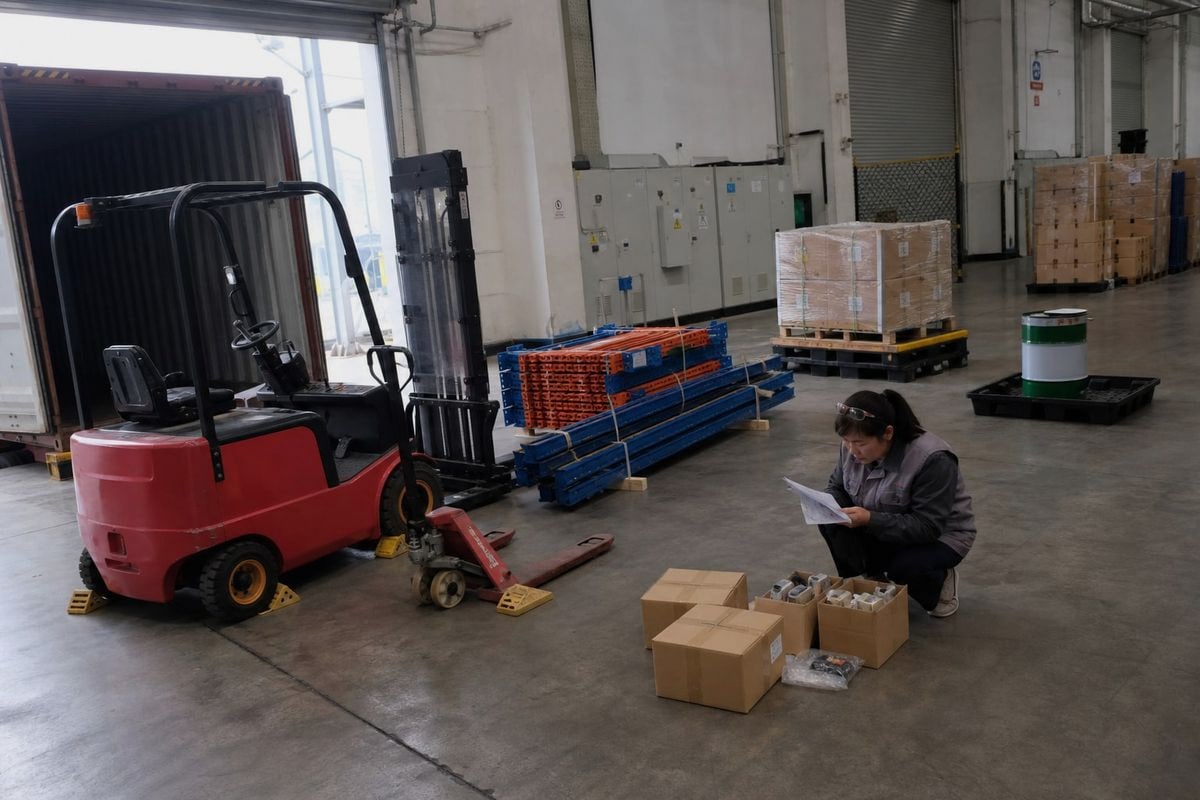
Ο κανόνας είναι αυτός: το φορτίο μπορεί να μοιραστεί ένα κοντέινερ εάν τα αντικείμενα δεν μπορούν να βλάψουν, μολύνουν ή αποσταθεροποιήσουν το ένα το άλλο. Ας το αναλύσουμε ανά κατηγορία.
Γρήγορη Αναφορά Συμβατότητας
| Τύπος Εξοπλισμού | Μπορούν να συνδυαστούν ελεύθερα; | Βασική προειδοποίηση |
|---|---|---|
| Ηλεκτρικές ανυψωτικές μηχανές | Ναί | Drain or secure fluids, lock the mast, chock wheels |
| Pallet trucks and stackers | Ναί | Palletize or brace against sliding |
| Racking uprights and beams | Ναί | Bundle and strap; may need a High Cube 1 container for tall frames |
| Forklift chargers | Ναί | Crate separately, keep dry and elevated |
| Μπαταρίες λιθίου | Conditional | Requires UN38.3 documents, correct labels, carrier acceptance |
| Spare parts and tools | Ναί | Box small items; never leave loose |
| Oils, paints, aerosols | Περιορισμένος | Hazard class review; often better shipped separately |
| Sensitive automation (AGVs) | Conditional | Use vibration-damped or rubber-cushioned pallet bases |
Size and Height Considerations
Tall racking frames and forklift masts are the usual troublemakers. A standard 40FT container gives you roughly 2.39 meters of internal height. A 40HQ High Cube adds about 30 centimeters of vertical clearance, which often decides whether racking uprights ship whole or must be cut down. For oversized machinery, strategic disassembly helps: we routinely remove forklift masts or fold overhead guards so units clear the container door.
Contamination and Fragility Zones
Think in zones. Oily, dusty, or sharp-edged machinery goes in one zone with heavy dunnage and padding around it. Clean, fragile cargo like control electronics or charger displays goes in a protected zone, ideally elevated on pallets and wrapped. Sensitive automation equipment shipped beside heavy machinery deserves rubber-dampened pallet bases to absorb transit vibration. Some combinations should simply travel apart. If a hazard review flags incompatible materials, splitting the load costs less than one contaminated shipment.
Πώς μπορώ να διασφαλίσω σωστό φόρτωμα και κατανομή βάρους για μεικτό φορτίο;
Watching our loading crew work taught me that stuffing a mixed container is engineering, not Tetris. One badly placed three-ton forklift can tilt a chassis, fail a roadside weigh check, or crush everything beneath it at sea.
Ensure proper load distribution by placing the heaviest, most durable items on the container floor along the centerline, spreading weight evenly front to back, stacking lighter cargo above, filling every void with dunnage or air bags, and locking the load with blocking and bracing plus lashing straps.
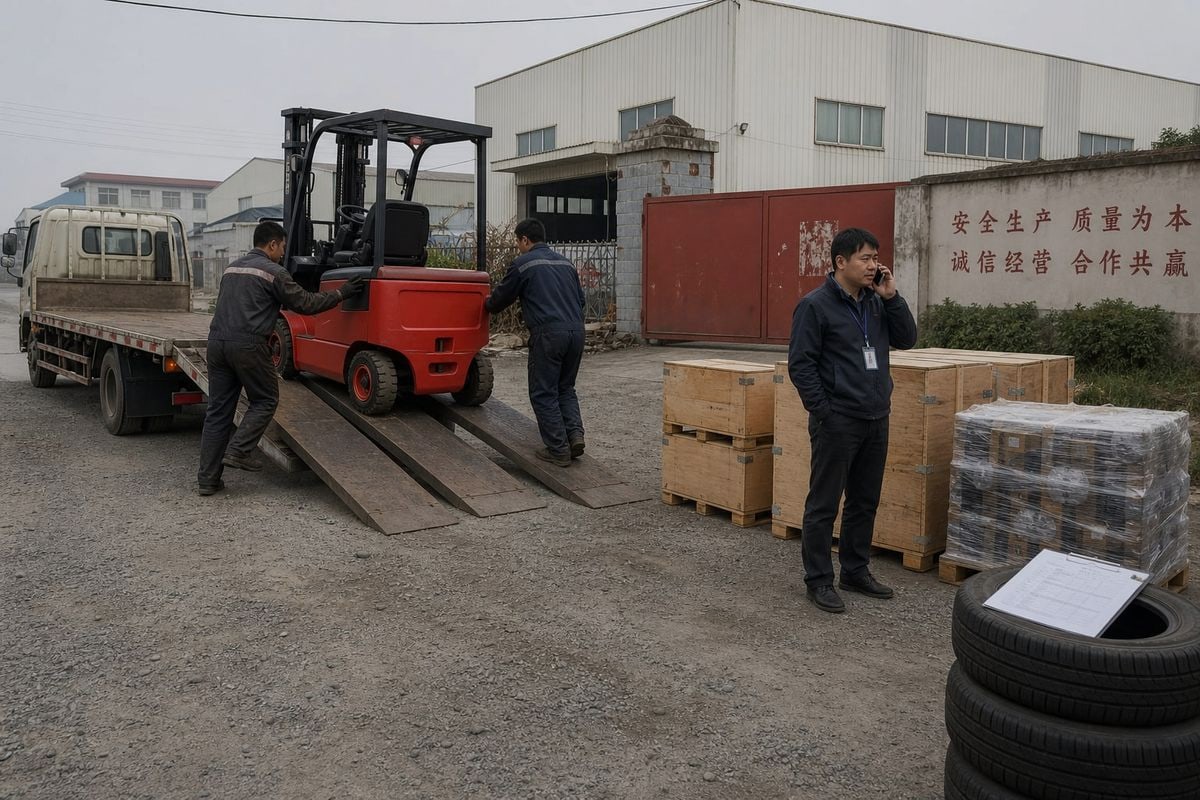
Weight placement is the foundation of a safe mixed load. Get it wrong, and no amount of strapping saves you. Get it right, and the cargo almost secures itself.
The Load Map Comes First
Before anything moves, we build a load map. It sequences cargo by three factors: weight, fragility, and unloading priority. Cargo needed first at the destination loads last. Heavy items claim floor positions. Fragile items claim protected upper zones. Increasingly, we model this in 3D container-loading software so the client sees the stowage plan before loading day, and some operations now use AR overlays so loading teams execute complex mixed configurations exactly as simulated.
Core Placement Rules
| Rule | Γιατί είναι σημαντικό |
|---|---|
| Heavy items low and centered | Keeps the center of gravity low; prevents tipping and roll stress |
| Spread weight across the floor | Avoids point-loading the container floor and axle overweight fines |
| Structural foundation mapping | Heavy steel like rack beams forms a stable sub-floor for lighter crates |
| Fragile cargo up and padded | High-density items below, light accessories in upper cubic space |
| No trapped cargo | Load in reverse unloading order so nothing blocks priority items |
| Zero free space around cargo | Voids let cargo build momentum and smash into neighbors |
Securing the Load
Once placed, cargo must not move a centimeter. Our standard toolkit includes lashing straps anchored to container lashing points, timber blocking and bracing nailed against wheels and pallet edges, industrial dunnage bags inflated into irregular gaps between mixed-shape equipment, anti-slip mats under machinery, and load bars across the door end. One critical detail: all timber used for bracing must comply with ISPM 15 2 wood standards. Untreated wood can get your container rejected at customs, and that fine hurts far more than the cost of certified lumber.
Before sealing, we do a final balance check and photograph the finished stow. Those photos become your evidence if a cargo insurance claim ever arises.
Μπορώ να στείλω ανυψωτικά μηχανήματα, μπαταρίες και ανταλλακτικά μαζί στο ίδιο κοντέινερ;
The lesson that shaped how we handle this came early in our heavy equipment logistics work: a buyer's battery documents arrived after his cargo reached the port, and the carrier refused the booking. Now we verify battery paperwork before trucks even roll.
Yes, forklifts, batteries, and spare parts can ship together in one container. Lithium batteries need UN38.3 test summaries, correct classification, hazard labels, and advance carrier approval. Secure forklifts with chocks and lashing, crate batteries separately, and box spare parts to fill remaining space efficiently.
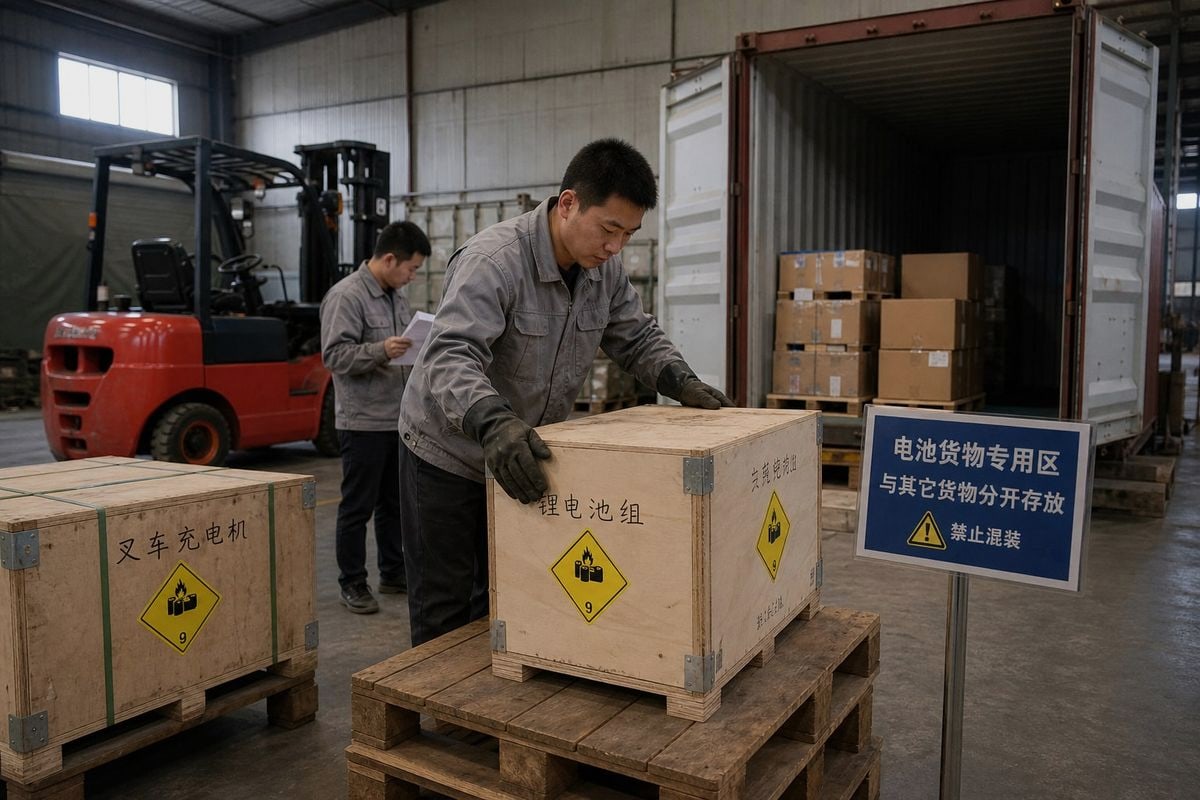
This combination is actually the most common mixed load we handle for US-bound clients. It makes commercial sense. A forklift rarely fills a container's full volume, so chargers, batteries, and spare parts turn wasted cubic space into revenue-generating cargo. Done right, it drives down the landed cost per forklift significantly.
Battery Handling Is the Critical Path
Lithium batteries are the item that can stop the whole shipment. Batteries installed in the forklift, batteries packed with the equipment, and batteries shipped standalone each face different classification and documentation requirements. We review the battery specification sheet 3, confirm the UN number and hazard class, check the SDS, and get carrier acceptance in writing before booking. Regulations may also restrict where battery cargo sits in the stow, so we plan segregation and clearance into the load map from day one.
Filling Space Intelligently
Spare parts are the perfect void filler, but never loose. Small parts go in labeled cartons, cartons go on pallets, and pallets slot into gaps the forklifts leave. Chargers ride crated and elevated, away from any moisture path. This is container space optimization working in your favor: every cubic meter you fill lowers your average freight cost per unit.
Documentation for a Mixed Load
Customs treats a mixed container as many products, not one. Your packing list must itemize every SKU with quantity, value, weight, Κωδικός HS 4, and origin. Vague descriptions like "forklift accessories" invite inspection delays. In some cases, mixed equipment shipped as a functional set can be classified under a single heading using General Interpretative Rule 3(b), which can simplify entry and sometimes optimize duty rates, but that decision needs a broker's review, not guesswork. Our documentation support team cross-checks the invoice, packing list, and battery certificates before departure, because one inconsistency between documents is the most common cause of customs holds we see. Pair clean paperwork with proper cargo insurance, and a mixed shipment carries no more risk than a single-product one.
Συμπέρασμα
Mixed warehouse equipment ships safely in one container when you consolidate smartly, engineer the load, secure everything, and document each SKU. Contact our team for a consolidation quote.
Υποσημειώσεις
1. High Cube containers provide extra vertical space for tall warehouse equipment like racking frames. ↩︎
2. ISPM 15 standards regulate wood packaging to prevent the international spread of forest pests. ↩︎
3. Battery specification sheets provide technical data required to comply with international lithium battery shipping regulations. ↩︎
4. The Harmonized System (HS) code is used globally to classify products for customs and tariff purposes. ↩︎




