Valor en aduana 1 para las carretillas elevadoras importadas confunde a muchos compradores con los que trabajo comisiones de venta 2. El mes pasado, un envío de un cliente estuvo parado en el Puerto de Long Beach porque su valor declarado no coincidía con su factura de flete. Perdió una semana y pagó tarifas de almacenamiento. En nuestra oficina de Zhengzhou, revisamos los documentos de valoración antes de que cada contenedor de carretillas elevadoras salga de China, porque una pequeña falta de documentación puede convertirse en un costoso retraso en el puerto.
El valor en aduana para las carretillas elevadoras importadas se calcula utilizando el método del valor de transacción: el precio realmente pagado por la carretilla elevadora, más el flete internacional, el seguro, el embalaje de exportación, las comisiones, los asistencias y las regalías donde sea necesario. Luego, se evalúan los aranceles e impuestos de importación sobre este total, no solo sobre el precio de la factura.
That short answer hides a lot of detail. The way you build the customs value depends on your Incoterms, your country's rules, and what your invoice includes. Let me walk you through each part, step by step, using real forklift shipping scenarios from our work [moving electric forklifts from China to the United States](https://mbmlog.com/?p=11621).
¿Cómo Determinan los Funcionarios de Aduanas de EE. UU. el Valor Declarado de Mi Carretilla Elevadora Importada?
Un distribuidor de carretillas elevadoras en Texas una vez me preguntó por qué CBP cuestionó su entrada cuando su factura comercial 3 parecía limpio. La respuesta era sencilla: el precio en su factura no coincidía con sus registros de transferencia bancaria.
La Aduana de EE.UU. determina el valor declarado de una carretilla elevadora importada principalmente a través del método del valor de transacción: el precio efectivamente pagado o que se pagará cuando se venda para exportación a EE.UU. Si ese precio no es confiable o las partes están relacionadas, CBP aplica una estricta jerarquía de valoración de la OMC de métodos alternativos.

El método del valor de transacción es el punto de partida para casi cada entrada de carretilla elevadora que ayudamos a despachar. CBP revisa su factura comercial, pero no se detiene ahí. Los oficiales pueden solicitar su contrato de compra, prueba de pago, factura de flete y certificado de seguro. Si los números no coinciden, pueden rechazar su valor declarado y revaluar el envío.
La Jerarquía de Valoración de la OMC en Seis Pasos
Cuando no se puede utilizar el valor de la transacción, las autoridades aduaneras siguen una secuencia fija. No pueden saltar libremente alrededor de ella.
| Orden | Método | Cómo Funciona para Montacargas |
|---|---|---|
| 1 | Valor de la transacción | Precio pagado o pagadero por su montacargas, más las adiciones requeridas |
| 2 | Bienes idénticos | Valor de montacargas idénticos vendidos para exportación alrededor del mismo tiempo |
| 3 | Bienes similares | Valor de montacargas comparables con especificaciones y características similares |
| 4 | Método del valor deductivo | Precio de reventa en EE. UU. de la carretilla elevadora, menos costos posteriores a la importación y beneficio |
| 5 | Método del valor computado | Costo de producción del fabricante más beneficio y gastos generales |
| 6 | Método alternativo | Un ajuste razonable de los métodos anteriores |
Cuando CBP Rechaza el Valor de la Transacción
En nuestra experiencia enviando montacargas desde China a los EE. UU., tres situaciones suelen activar un examen de valoración con más frecuencia. Primero, ventas entre partes relacionadas. Si el comprador y la fábrica china comparten propiedad, CBP puede comprobar si la relación influyó en el precio. Segundo, precios muy por debajo del mercado. Un montacargas eléctrico de 3 toneladas declarado a un valor sospechosamente bajo genera preguntas, especialmente con los derechos antidumping activos en algunas categorías de equipos chinos. Tercero, documentos inconsistentes. Si tu lista de empaque, factura y conocimiento de embarque cuentan historias diferentes, espera retrasos.
La clasificación también importa. Los montacargas se clasifican bajo el Código HS 8427 4, y el subencabezado depende del tipo de propulsión: motor eléctrico frente a motor de combustión interna. El país de origen, combinado con ese código, determina tu tasa de derechos. Siempre verificamos ambos antes de la exportación, porque un código incorrecto más un valor cuestionado es la forma más rápida de llegar a una retención de examen.
¿Qué Costos Se Incluyen al Calcular el Valor en Aduana para Mi Envío de Carretilla Elevadora Eléctrica?
Cuando cotizamos el envío de puerta a puerta para carretillas elevadoras eléctricas, los compradores a menudo suponen que el arancel solo se aplica al precio de fábrica. Luego ven la entrada de aduanas y el número base es más alto.
El valor en aduana para un envío de un montacargas eléctrico incluye típicamente el precio del montacargas, los costos de flete internacional y seguros hasta el puerto de entrada, el embalaje de exportación, comisiones de venta, asistencias y regalías gravables. Muchos países siguen un cálculo de valor CIF, por lo que los términos de envío cambian directamente su base gravable.
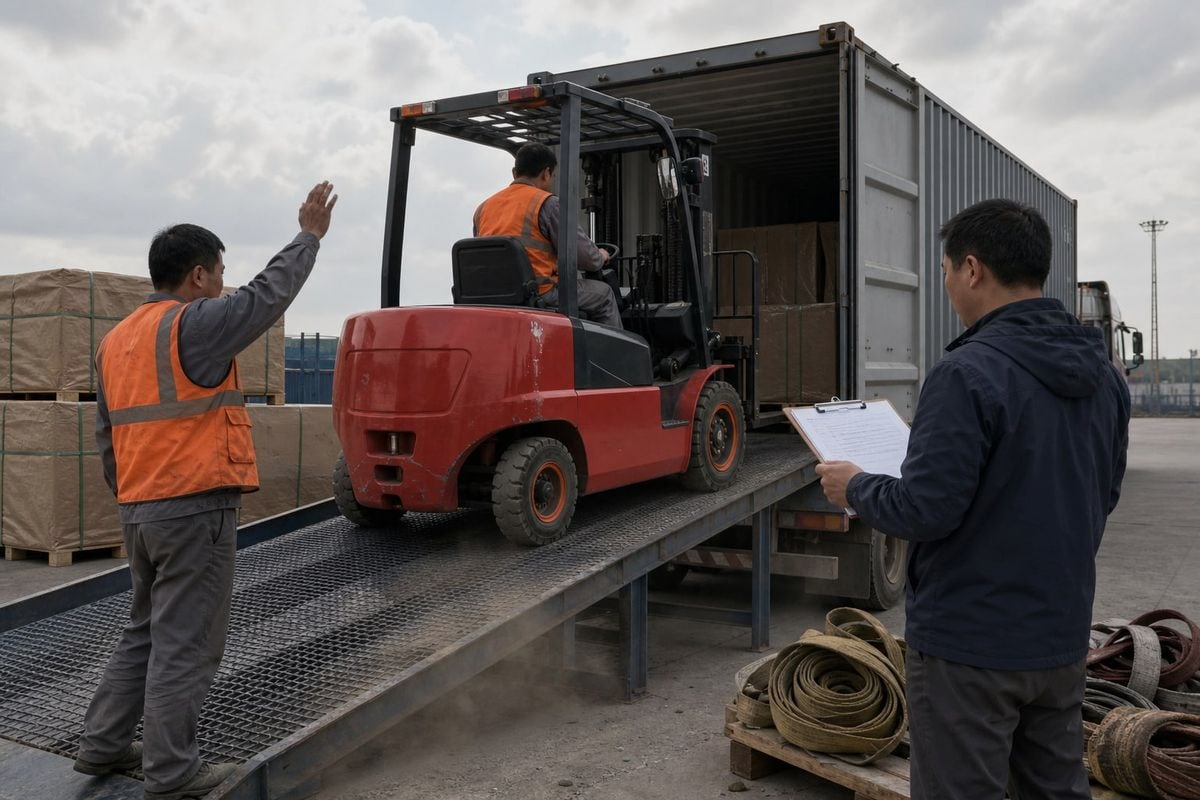
La lección principal aquí es que los Incoterms determinan su valor gravable. Dos compradores pueden adquirir montacargas idénticos al mismo precio de fábrica y terminar con diferentes valores en aduana, simplemente porque uno compró EXW y el otro compró CIF. Si su factura está en base ex-works, generalmente debe incrementar el valor en aduana hasta el punto de importación. La factura neta del proveedor por sí sola no es suficiente.
Un Ejemplo Practico para Un Montacargas Eléctrico
Aquí hay un desglose de costos de desembarco simplificado modelo basado en envíos lo manejamos regularmente.
| Artículo de Costo | Monto (USD) | ¿Incluido en el valor aduanero? |
|---|---|---|
| Precio de la factura de montacargas (EXW fábrica) | $12,000 | Sí |
| Transporte terrestre al puerto chino | $350 | Sí, en la mayoría de los sistemas basados en CIF |
| Export packing and crating | $200 | Sí |
| Ocean freight to destination port | $1,800 | Yes, where CIF rules apply |
| Marine cargo insurance | $80 | Yes, where CIF rules apply |
| Customs value (CIF basis) | $14,430 | - |
| Duty at applicable HS Code 8427 rate | Calculated on $14,430 | - |
| Post-import trucking to warehouse | $600 | No |
Note that the US actually appraises on an FOB-style basis, excluding international ocean freight, while the EU and many other markets use CIF. This is one of the biggest points of confusion I resolve for buyers. Do not assume CIF automatically equals customs value everywhere.
Do Not Forget Assists and Royalties
Assists are easy to miss. If you supply the Chinese factory with tooling, dies, molds, or components for free or at reduced cost, that value must be added to the customs value. The same goes for royalties or license fees paid as a condition of the sale. We ask clients about these items during our pre-shipment document review, because customs auditors ask about them too.
The Distinction That Saves You Money
Keep four numbers separate in your head: customs value, import duty and taxes, VAT or GST, and landed cost. Customs value is only the starting point. Duty applies to it, taxes often apply on top of duty, and landed cost adds everything else. Treating them as one number is how importers misjudge profitability.
How Can I Avoid Underpaying or Overpaying Duties Based on My Forklift's Customs Value?
Here is a trade-off I weigh with clients constantly: declare aggressively low and risk penalties, or declare carelessly high and give away margin. Neither extreme is smart, and both are avoidable.
Avoid duty errors by declaring the true transaction value with complete documentation, correctly applying your country's freight and insurance rules, deducting legally excludable costs like post-import assembly, and separating non-dutiable items such as software licenses from the forklift invoice.
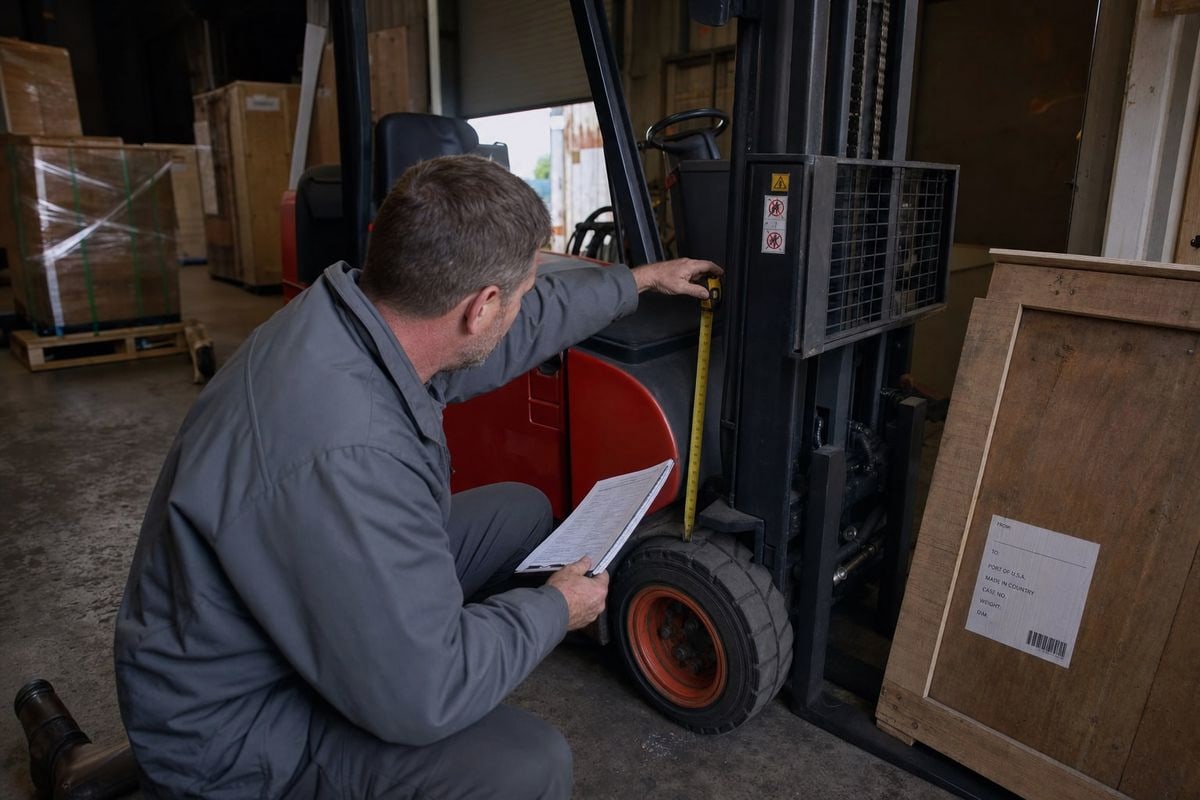
Underpaying is dangerous. Customs authorities worldwide are tightening valuation compliance because underdeclared values reduce duty and tax collections. Penalties, back-duty assessments, and shipment holds are real risks. But overpaying is also common, and almost nobody audits for it. I have reviewed entries where importers included charges that were legally excludable and paid duty on money they never needed to.
Legal Ways to Reduce Your Dutiable Base
These strategies are compliant when documented properly:
- Itemize post-import assembly. Costs for mounting the mast or installing specialized attachments after the forklift clears the port can be deducted if separately identified on your invoice.
- Unbundle software and telematics. Recurring fleet management or telematics subscription fees are often non-dutiable intangibles. Do not let the factory lump them into the forklift price.
- Consider Battery-as-a-Service models. Under BaaS arrangements, some importers declare only the chassis value because the lithium-ion battery is leased rather than purchased. This needs careful legal structuring, so get professional advice first.
- Separate regulatory surcharges. Mandatory environmental compliance fees or carbon offset surcharges billed by the manufacturer can sometimes be excluded if they qualify as regulatory taxes rather than production costs.
- Exclude post-arrival domestic transport. Trucking from the destination port to your warehouse is generally outside the customs value when separately identified.
Documentation Checklist
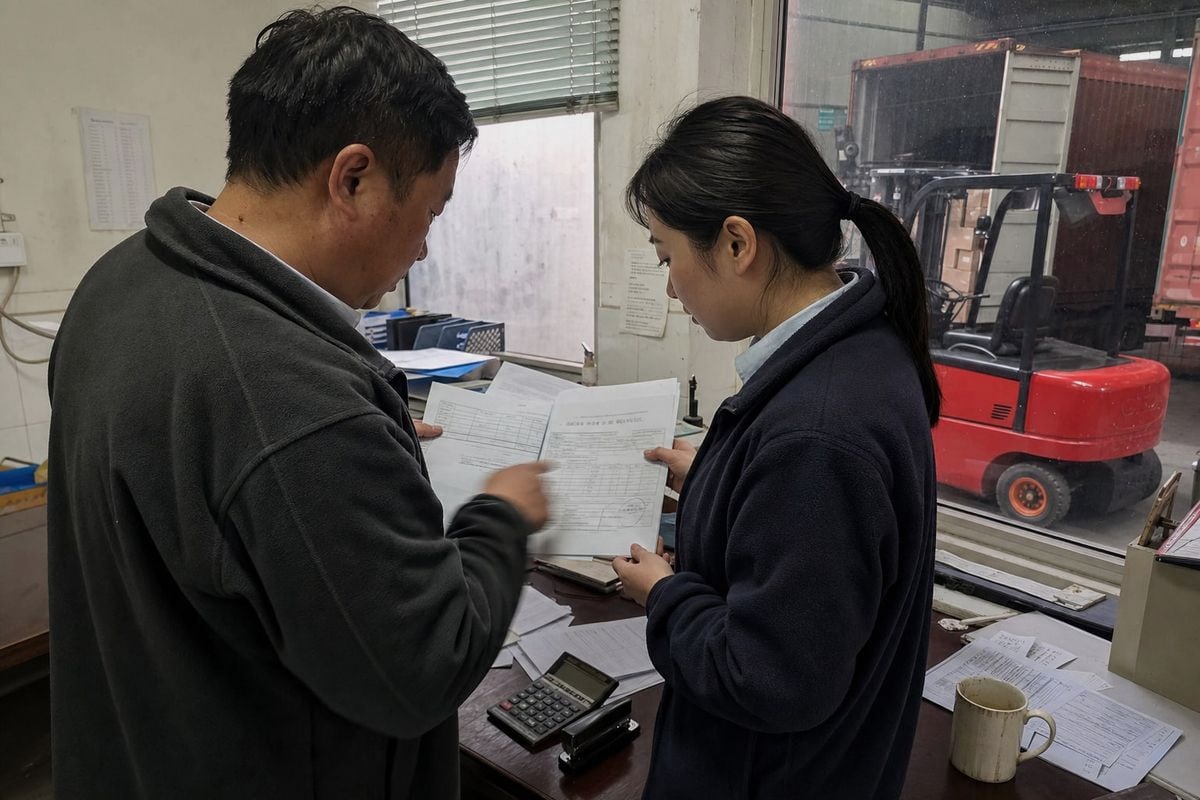
Before any forklift container leaves our consolidation warehouse, we check for a consistent commercial invoice, purchase contract, freight bill, insurance certificate, packing list, proof of payment, and any royalty or assist records. Consistency across these documents is what customs officers actually look for. A clean file clears fast. A contradictory file gets flagged, and heavy equipment sitting in exam storage burns money daily.
¿Afecta el Valor de las Baterías de Litio la Valoración Aduanera de Mi Importación de Carretilla Elevadora?
Lithium battery forklifts are the bulk of what we ship from China now, and the battery question comes up on nearly every quotation call.
Yes. When a lithium battery ships installed in or sold with the forklift, its value is part of the customs value under the transaction value method. Separately purchased batteries are valued and classified on their own, and leased batteries under BaaS models may be excluded from the chassis declaration.
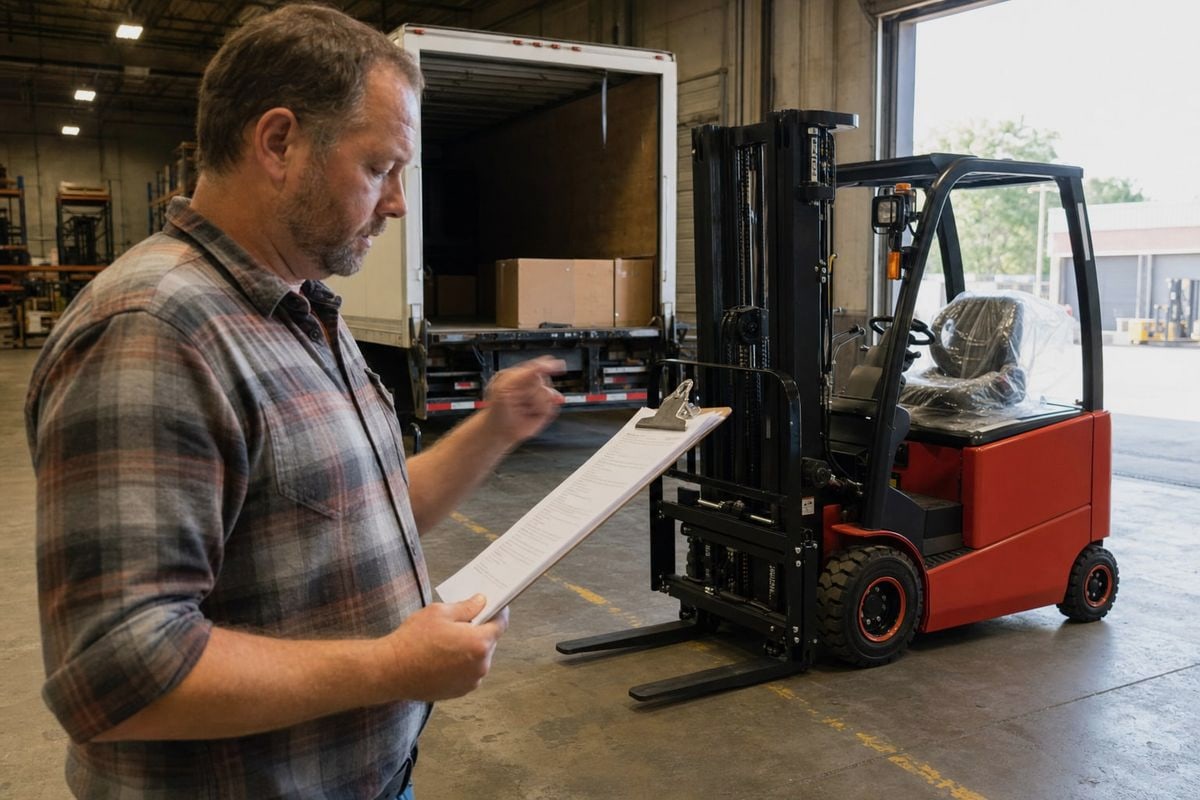
The battery can represent a large share of an electric forklift's total price, so how you buy it changes your numbers materially. Through our multi-supplier consolidation service, we often ship forklifts from Factory A and batteries from Factory B in the same container. That purchasing structure has valuation consequences that buyers should understand before ordering, not after.
Three Battery Scenarios Compared
| Escenario | How Customs Values It | Practical Notes |
|---|---|---|
| Battery installed, one invoice | Full price including battery is the customs value | Simplest entry; battery follows the forklift under HS Code 8427 |
| Battery bought separately from another supplier | Battery valued and classified on its own line, on its own invoice | Requires clean, separate documentation; consolidation in one container is still fine |
| Battery leased under BaaS | Chassis value declared; leased battery treated differently | Emerging model; needs legal review and clear contracts to withstand audit |
Why Battery Documentation Matters Twice
Baterías de litio 5 affect your shipment in two separate ways, and importers often mix them up. First, valuation: the battery's price feeds into your dutiable base as described above. Second, dangerous goods compliance: lithium batteries require correct UN classification, test summaries, and carrier acceptance before the cargo reaches the port. These are different problems. A perfect valuation file will not save a shipment rejected by the carrier for missing battery documents, and perfect DG paperwork will not fix an underdeclared value.
We coordinate both streams before loading. Our team confirms battery specifications with the factory, checks that the commercial invoice reflects the true battery value, and verifies the freight and insurance charges are documented for the customs entry. Two forklifts with the same chassis price can produce very different customs values depending on battery capacity, chemistry, and purchase structure, so we treat the battery as its own line item in every landed-cost estimate.
Conclusión
Customs value for imported forklifts starts with the transaction value, then adds freight, insurance, packing, and assists per your country's rules. Get the documents right, and clearance stays predictable.
Notas al pie
1. Official U.S. Customs and Border Protection (CBP) page explaining customs valuation methods. ↩︎
2. Official WTO technical information on dutiable additions like selling commissions in customs valuation. ↩︎
3. Primary resource for understanding US import requirements and basic documentation for commercial entries. ↩︎
4. Official US government database for determining tariff classifications and duty rates for imported products. ↩︎
5. Safety regulations and compliance requirements for the international transport of lithium battery products. ↩︎