- +8618603825129
- [email protected]

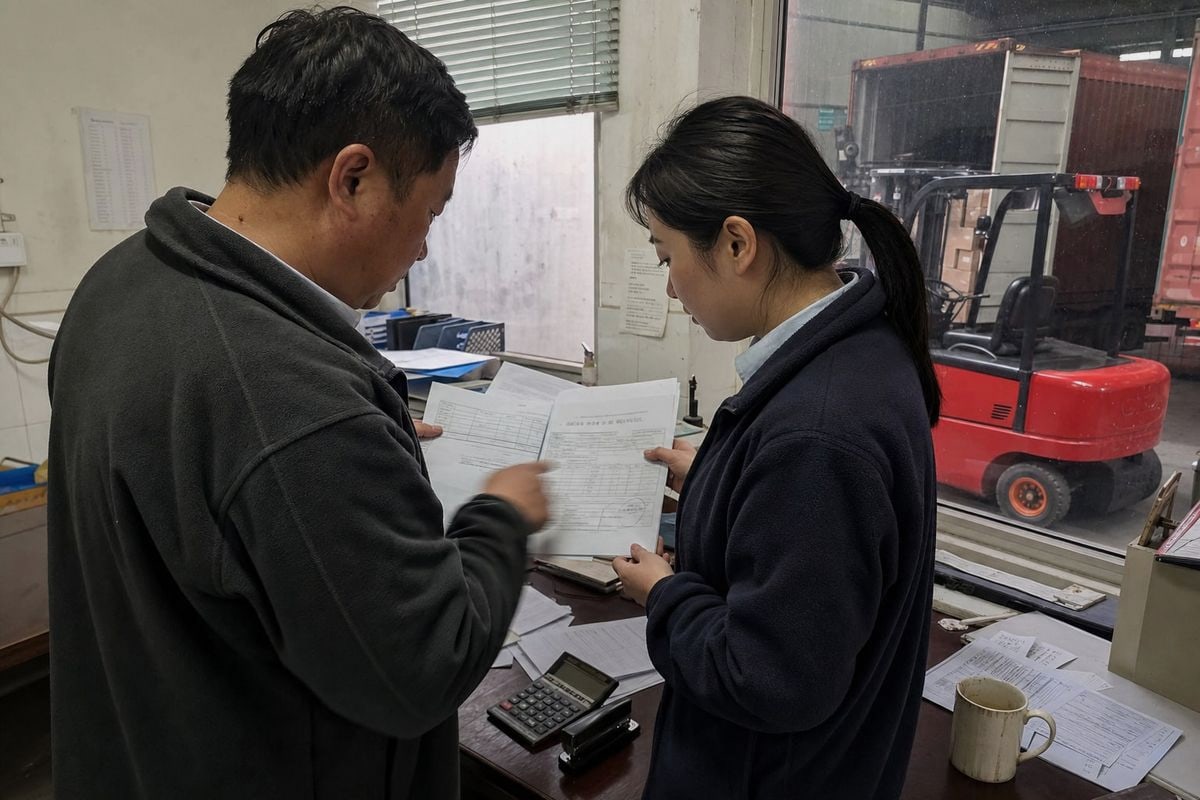
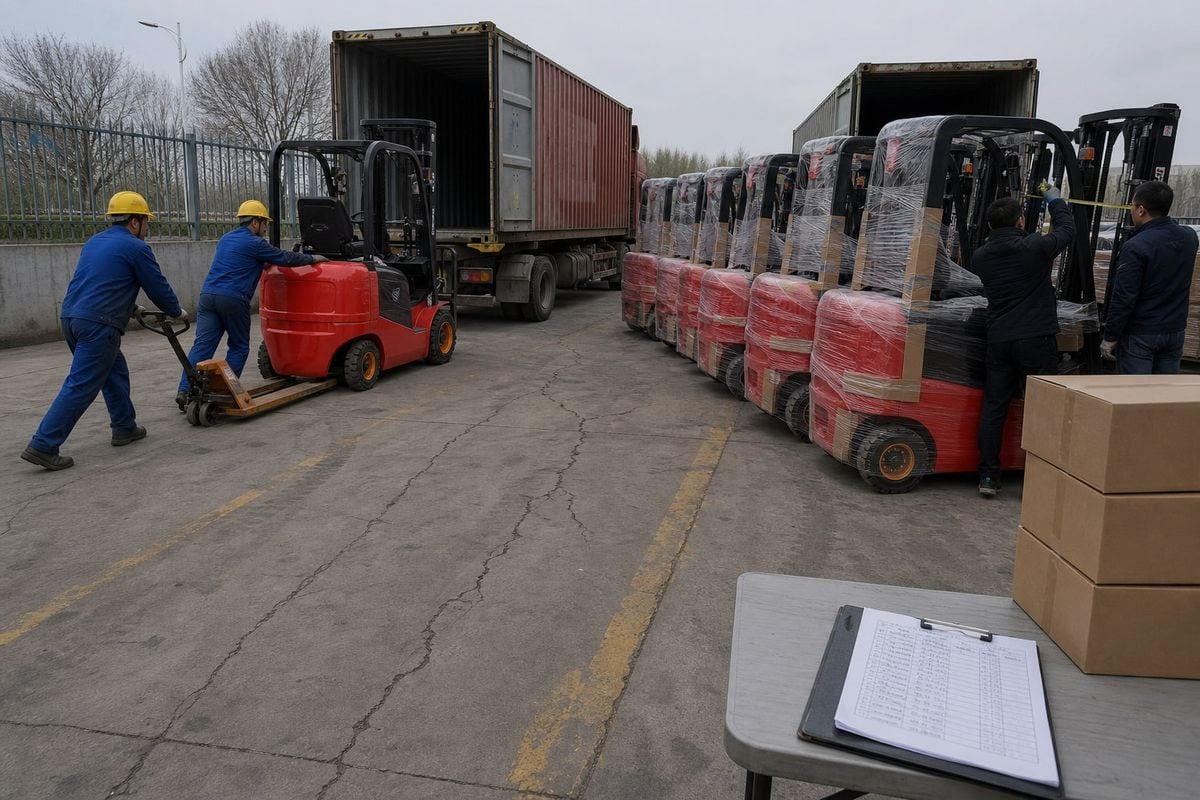
Customs value 1 for imported forklifts confuses many buyers I work with selling commissions 2. Last month, a client's shipment sat at the Port of Long Beach because his declared value did not match his freight bill. He lost a week and paid storage fees. At our Zhengzhou office, we review valuation documents before every forklift container leaves China, because a small paperwork gap can turn into a costly port delay.
Customs value for imported forklifts is calculated using the transaction value method: the price actually paid for the forklift, plus international freight, insurance, export packing, commissions, assists, and royalties where required. Duty and import taxes are then assessed on this total, not just the invoice price.
That short answer hides a lot of detail. The way you build the customs value depends on your Incoterms, your country's rules, and what your invoice includes. Let me walk you through each part, step by step, using real forklift shipping scenarios from our work [moving electric forklifts from China to the United States](https://mbmlog.com/?p=11621).
A forklift dealer in Texas once asked me why CBP questioned his entry when his fattura commerciale 3 looked clean. The answer was simple: his invoice price did not match his wire transfer records.
US Customs determines the declared value of an imported forklift primarily through the transaction value method — the price actually paid or payable when sold for export to the US. If that price is unreliable or the parties are related, CBP applies a strict WTO valuation hierarchy of alternative methods.

The transaction value method is the starting point for almost every forklift entry we help clear. CBP looks at your commercial invoice, but it does not stop there. Officers can request your purchase contract, proof of payment, freight bill, and insurance certificate. If the numbers do not line up, they can reject your declared value and re-appraise the shipment.
When the transaction value cannot be used, customs authorities follow a fixed sequence. They cannot skip around it freely.
| Order | Metodo | How It Works for Forklifts |
|---|---|---|
| 1 | Transaction value | Price paid or payable for your forklift, plus required additions |
| 2 | Identical goods | Value of identical forklifts sold for export around the same time |
| 3 | Similar goods | Value of comparable forklifts with similar specs and features |
| 4 | Deductive value method | US resale price of the forklift, minus post-import costs and profit |
| 5 | Computed value method | Manufacturer's production cost plus profit and general expenses |
| 6 | Fallback method | A reasonable adjustment of the earlier methods |
In our experience shipping forklifts from China to the US, three situations trigger valuation scrutiny most often. First, related-party sales. If the buyer and the Chinese factory share ownership, CBP may test whether the relationship influenced the price. Second, prices far below market. A 3-ton electric forklift declared at a suspiciously low value invites questions, especially with anti-dumping duties active on some Chinese equipment categories. Third, inconsistent documents. If your packing list, invoice, and bill of lading tell different stories, expect delays.
Classification matters too. Forklifts fall under HS Code 8427 4, and the sub-heading depends on the propulsion type — electric motor versus internal combustion engine. The country of origin, combined with that code, determines your duty rate. We always verify both before export, because a wrong code plus a questioned value is the fastest route to an exam hold.
When we quote door-to-door shipping for electric forklifts, buyers often assume duty applies only to the factory price. Then they see the customs entry and the base number is higher.
Customs value for an electric forklift shipment typically includes the forklift price, international freight and insurance charges to the port of entry, export packing, selling commissions, assists, and dutiable royalties. Many countries follow a CIF value calculation, so shipping terms directly change your dutiable base.
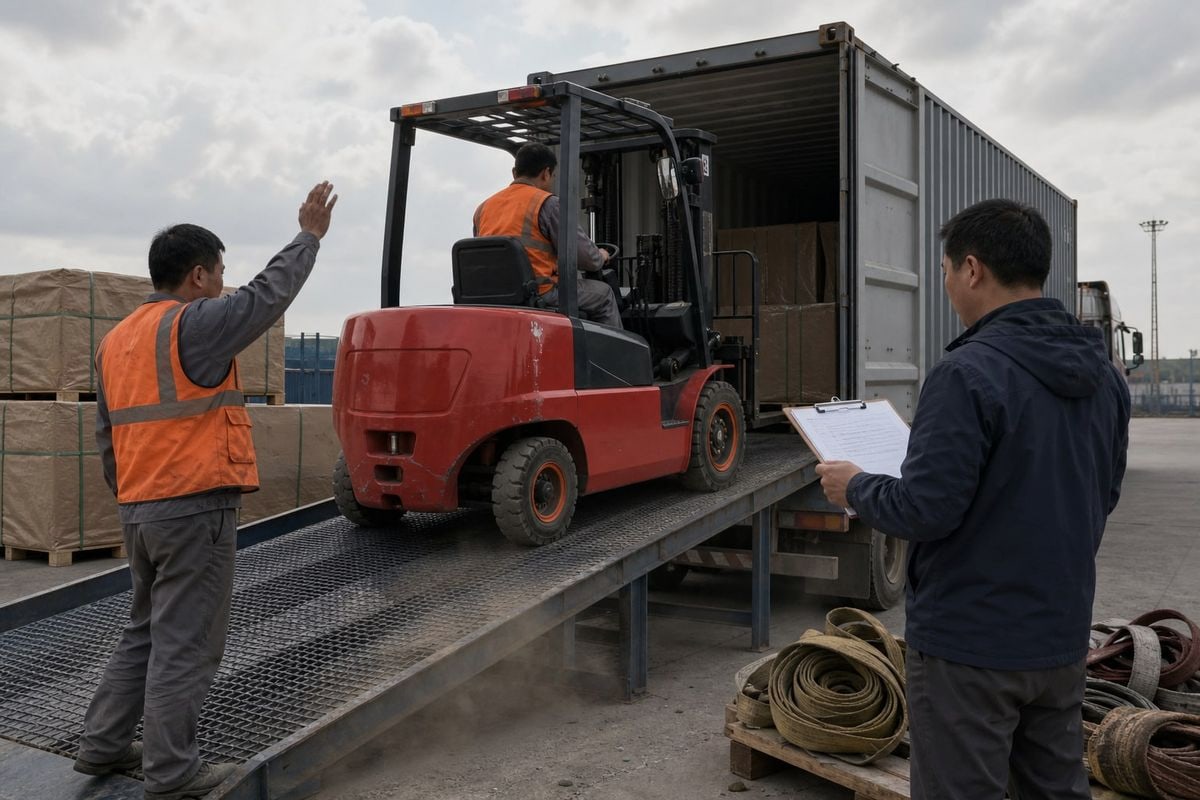
The core lesson here is that Incoterms drive your dutiable value. Two buyers can purchase identical forklifts at the same factory price and end up with different customs values, simply because one bought EXW and the other bought CIF. If your invoice is on an ex-works basis, you generally must build the customs value up to the point of import. The supplier's net invoice alone is not enough.
Here is a simplified landed-cost breakdown modeled on shipments we handle regularly.
| Cost Item | Importo (USD) | Included in Customs Value? |
|---|---|---|
| Forklift invoice price (EXW factory) | $12,000 | SÌ |
| Inland trucking to Chinese port | $350 | Yes, in most CIF-based systems |
| Export packing and crating | $200 | SÌ |
| Ocean freight to destination port | $1,800 | Yes, where CIF rules apply |
| Marine cargo insurance | $80 | Yes, where CIF rules apply |
| Customs value (CIF basis) | $14,430 | - |
| Duty at applicable HS Code 8427 rate | Calculated on $14,430 | - |
| Post-import trucking to warehouse | $600 | NO |
Note that the US actually appraises on an FOB-style basis, excluding international ocean freight, while the EU and many other markets use CIF. This is one of the biggest points of confusion I resolve for buyers. Do not assume CIF automatically equals customs value everywhere.
Assists are easy to miss. If you supply the Chinese factory with tooling, dies, molds, or components for free or at reduced cost, that value must be added to the customs value. The same goes for royalties or license fees paid as a condition of the sale. We ask clients about these items during our pre-shipment document review, because customs auditors ask about them too.
Keep four numbers separate in your head: customs value, import duty and taxes, VAT or GST, and landed cost. Customs value is only the starting point. Duty applies to it, taxes often apply on top of duty, and landed cost adds everything else. Treating them as one number is how importers misjudge profitability.
Here is a trade-off I weigh with clients constantly: declare aggressively low and risk penalties, or declare carelessly high and give away margin. Neither extreme is smart, and both are avoidable.
Avoid duty errors by declaring the true transaction value with complete documentation, correctly applying your country's freight and insurance rules, deducting legally excludable costs like post-import assembly, and separating non-dutiable items such as software licenses from the forklift invoice.
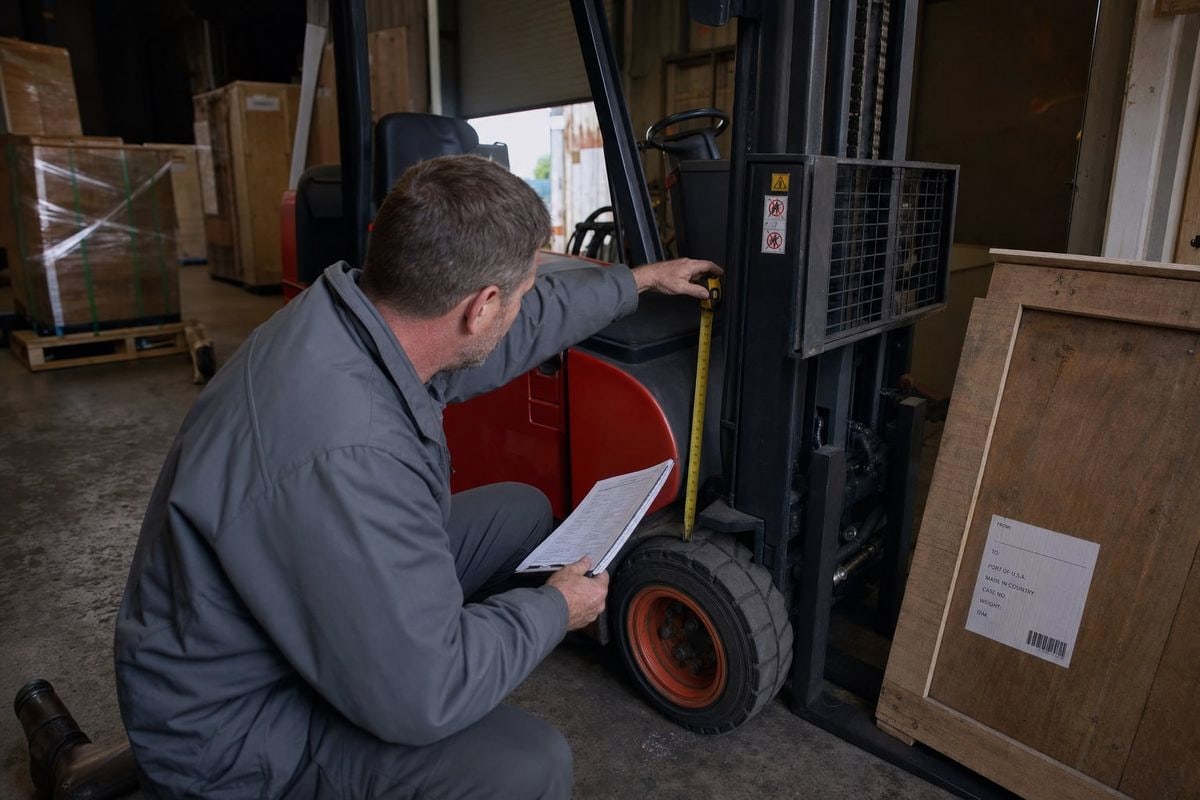
Underpaying is dangerous. Customs authorities worldwide are tightening valuation compliance because underdeclared values reduce duty and tax collections. Penalties, back-duty assessments, and shipment holds are real risks. But overpaying is also common, and almost nobody audits for it. I have reviewed entries where importers included charges that were legally excludable and paid duty on money they never needed to.
These strategies are compliant when documented properly:
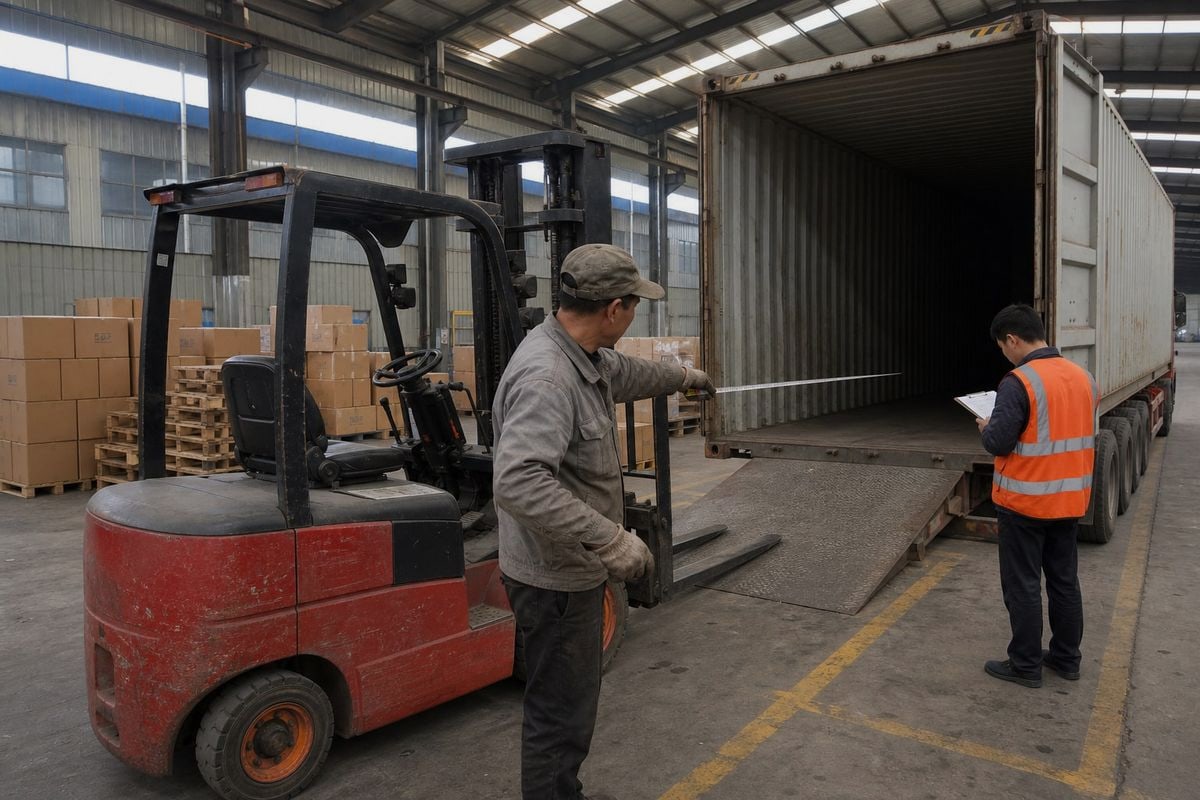
Before any forklift container leaves our consolidation warehouse, we check for a consistent commercial invoice, purchase contract, freight bill, insurance certificate, packing list, proof of payment, and any royalty or assist records. Consistency across these documents is what customs officers actually look for. A clean file clears fast. A contradictory file gets flagged, and heavy equipment sitting in exam storage burns money daily.
Lithium battery forklifts are the bulk of what we ship from China now, and the battery question comes up on nearly every quotation call.
Yes. When a lithium battery ships installed in or sold with the forklift, its value is part of the customs value under the transaction value method. Separately purchased batteries are valued and classified on their own, and leased batteries under BaaS models may be excluded from the chassis declaration.
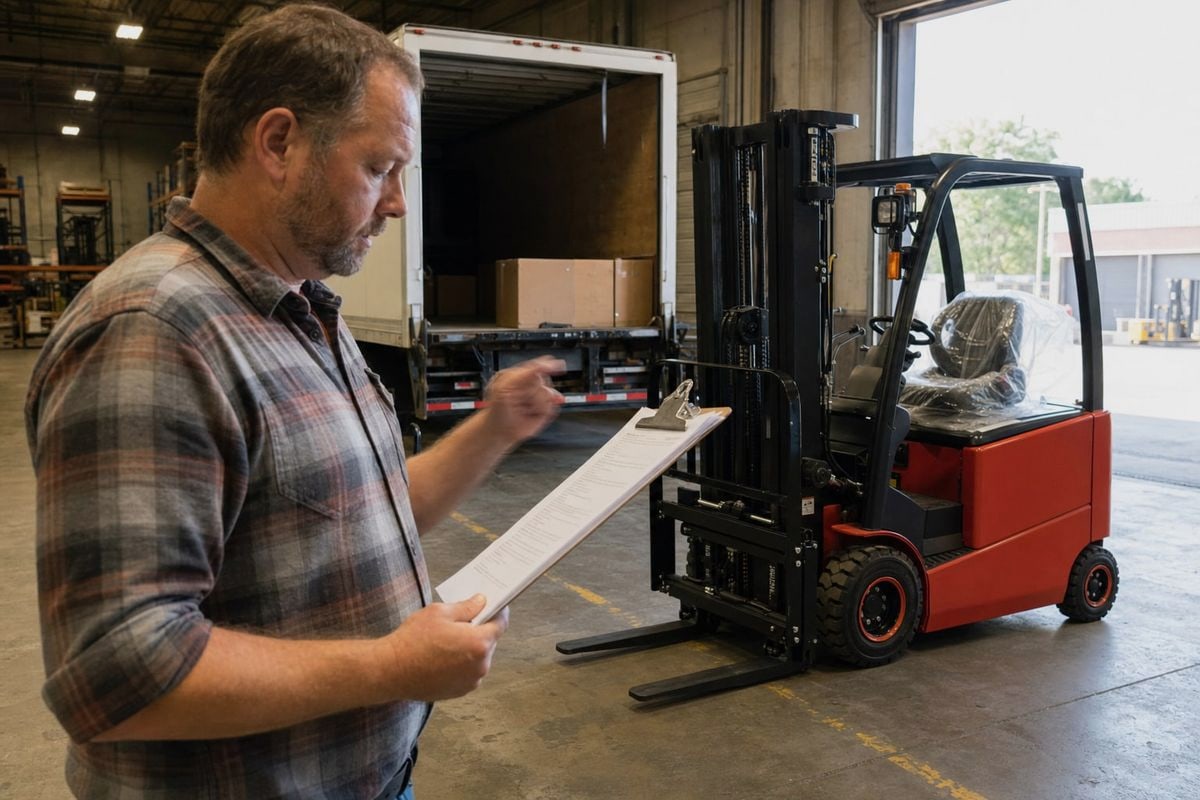
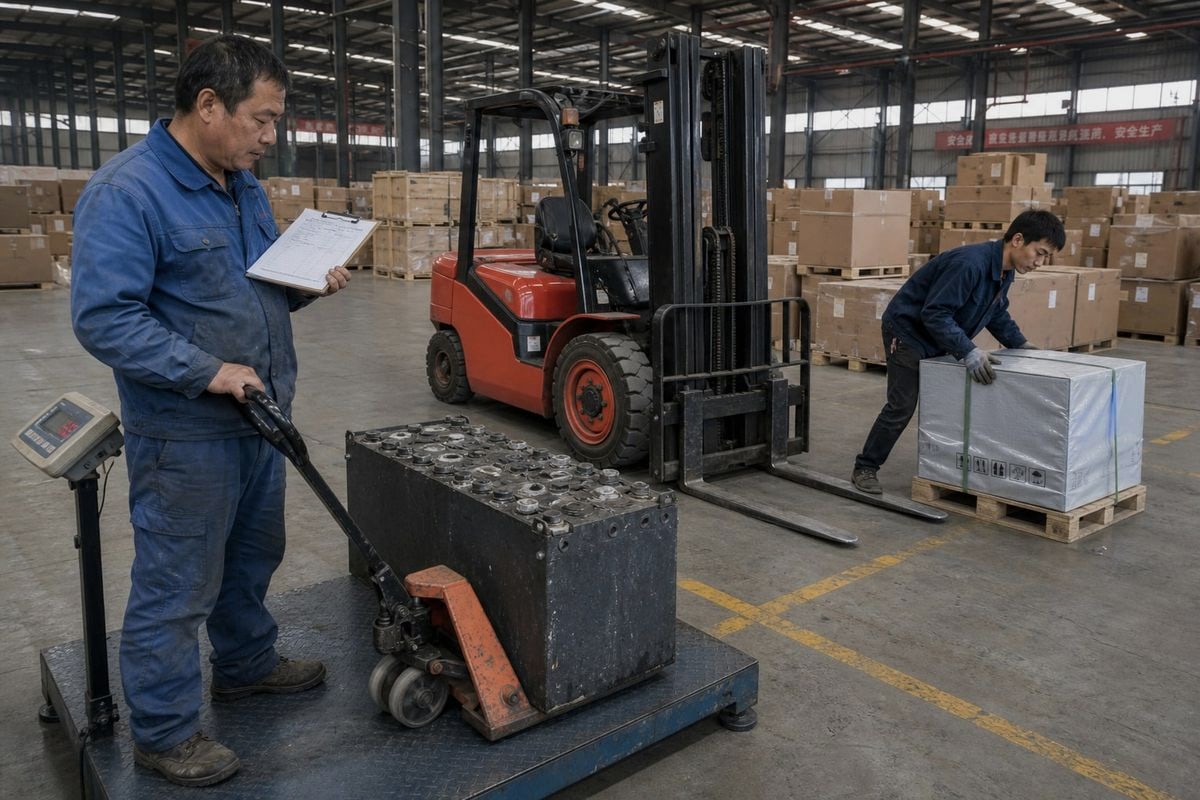
The battery can represent a large share of an electric forklift's total price, so how you buy it changes your numbers materially. Through our multi-supplier consolidation service, we often ship forklifts from Factory A and batteries from Factory B in the same container. That purchasing structure has valuation consequences that buyers should understand before ordering, not after.
| Scenario | How Customs Values It | Practical Notes |
|---|---|---|
| Battery installed, one invoice | Full price including battery is the customs value | Simplest entry; battery follows the forklift under HS Code 8427 |
| Battery bought separately from another supplier | Battery valued and classified on its own line, on its own invoice | Requires clean, separate documentation; consolidation in one container is still fine |
| Battery leased under BaaS | Chassis value declared; leased battery treated differently | Emerging model; needs legal review and clear contracts to withstand audit |
Batterie al litio 5 affect your shipment in two separate ways, and importers often mix them up. First, valuation: the battery's price feeds into your dutiable base as described above. Second, dangerous goods compliance: lithium batteries require correct UN classification, test summaries, and carrier acceptance before the cargo reaches the port. These are different problems. A perfect valuation file will not save a shipment rejected by the carrier for missing battery documents, and perfect DG paperwork will not fix an underdeclared value.
We coordinate both streams before loading. Our team confirms battery specifications with the factory, checks that the commercial invoice reflects the true battery value, and verifies the freight and insurance charges are documented for the customs entry. Two forklifts with the same chassis price can produce very different customs values depending on battery capacity, chemistry, and purchase structure, so we treat the battery as its own line item in every landed-cost estimate.
Customs value for imported forklifts starts with the transaction value, then adds freight, insurance, packing, and assists per your country's rules. Get the documents right, and clearance stays predictable.
1. Official U.S. Customs and Border Protection (CBP) page explaining customs valuation methods. ↩︎
2. Official WTO technical information on dutiable additions like selling commissions in customs valuation. ↩︎
3. Primary resource for understanding US import requirements and basic documentation for commercial entries. ↩︎
4. Official US government database for determining tariff classifications and duty rates for imported products. ↩︎
5. Safety regulations and compliance requirements for the international transport of lithium battery products. ↩︎