Blogi ja uutiset

Kaikenlaisten rahtien ymmärtäminen (FAK): Kattava opas

Freight All Kinds on lyhenne sanoista FAK, ja se on hinnoittelu- ja luokittelustrategia, jota käytetään merenkulkualalla, erityisesti osakuormien (LTL) kuljetuksissa. Pohjimmiltaan FAK on yksinkertaistettu rahtiluokitusjärjestelmä, joka ryhmittelee erityyppiset lastit laajempiin luokkiin, mikä mahdollistaa virtaviivaisemman hinnoittelurakenteen.

Lue lisää »

Mikä on DAT (Delivered at Terminal)? Määritelmät ja miten se toimii

Toimitettu terminaaliin (DAT) tarkoittaa, että myyjä on vastuussa tavaroiden toimittamisesta nimettyyn terminaaliin ostajan määränpäässä. Tämä voi olla satama, lentokenttä tai varasto. Myyjä hoitaa kaikki kuljetuskustannukset ja -riskit siihen asti, mukaan lukien tavaroiden purkamisen. Kun tavarat on purettu terminaalissa, ostaja ottaa ne haltuunsa.

Lue lisää »

What Is Carriage and Insurance Paid To (CIP) in Incoterms

Carriage and Insurance Paid To (CIP) is an international commercial term (Incoterm) where the seller is responsible for delivering goods to a specified destination in the buyer’s country, covering both carriage and insurance costs up to the point of delivery. The buyer takes responsibility for risks once the goods are handed over to the first carrier at the origin.

Lue lisää »

Best Practices: Shipping OOG Cargo from China to USA

shipping solutions for OOG cargo are varied and depend on the nature of the cargo. The primary options include flat racks, open-top containers, and breakbulk shipping. Bulk cargo shipping methods, such as lift-on/lift-off (LOLO) and roll-on/roll-off (RORO), are also commonly used as complementary solutions when standard containerized shipping isn’t feasible.

Lue lisää »

What is Delivered At Place (DAP) ?

Delivered At Place (DAP) is a shipping term under Incoterms® 2020 that defines the seller’s responsibility to deliver goods to a named destination, ready for unloading. The seller is accountable for all risks and costs associated with transporting the goods to that location, but not for unloading. This term can be used across all modes of transport.

Lue lisää »

Mitä eroa on 40GP- ja 40HC-konteilla?

The primary difference between 40GP and 40HC containers is their height. A 40GP container is 8 feet 6 inches tall, while a 40HC container stands at 9 feet 6 inches, giving it an extra foot of vertical space. This additional height increases the internal volume of the 40HC, providing approximately 10-15% more cargo capacity.

Lue lisää »

11 Types of Shipping Containers & Applications (Ultimate Guide)

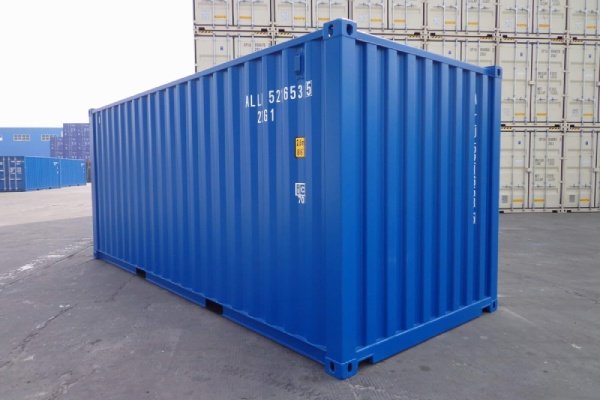
Standard containers, also known as dry containers, are the most commonly used type of container. They are typically made from steel or aluminum and designed for general-purpose shipping and storage. These containers are weatherproof, protecting goods from external elements like rain, dust, and wind.

Lue lisää »

What is an Airway Bill (AWB) and How to Fill in Step by Steps

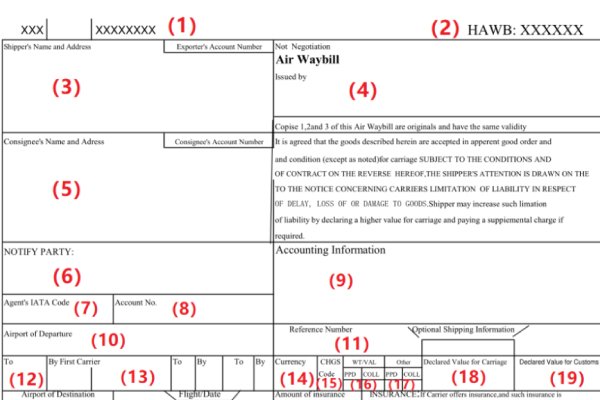
An Airway Bill (AWB) is a legally binding transport document that provides detailed information about goods shipped by air. It acts as a contract between the shipper and carrier and serves as a receipt of goods. AWBs ensure that the shipment follows regulations and reaches the destination securely

Lue lisää »

Suositut uutiset

Luokat

Uuden aikakauden logistiikka

Lorem ipsum dolor sit amet consectetur adipiscing elit dolor

احصل على عرض أسعار مجاني

سيقوم خبيرنا الودود الذي يتحدث الإنجليزية بالرد علي6كلرد علي ساعات.

Pyydä ilmainen tarjous

Ystävällinen englantia puhuva asiantuntijamme ottaa sinuun yhteyttä 6 tunnin kuluessa.