- +8618603825129
- [email protected]

Lithium vs lead-acid forklift shipping costs confuse many importers UN 38.3 test summaries 1. Last month, our Zhengzhou team saw two identical quotes diverge by thousands once battery type entered the calculation.
Lead-acid forklifts usually cost more in raw freight because their batteries weigh 800–4,000 lbs versus 500–2,500 lbs for lithium. However, lithium forklifts add Class 9 dangerous goods documentation fees, UN-certified packaging costs, and rising carrier battery surcharges, narrowing the gap.
So neither battery type wins on every line item. The real answer depends on weight, paperwork, container planning, and destination charges. Let me break each one down.
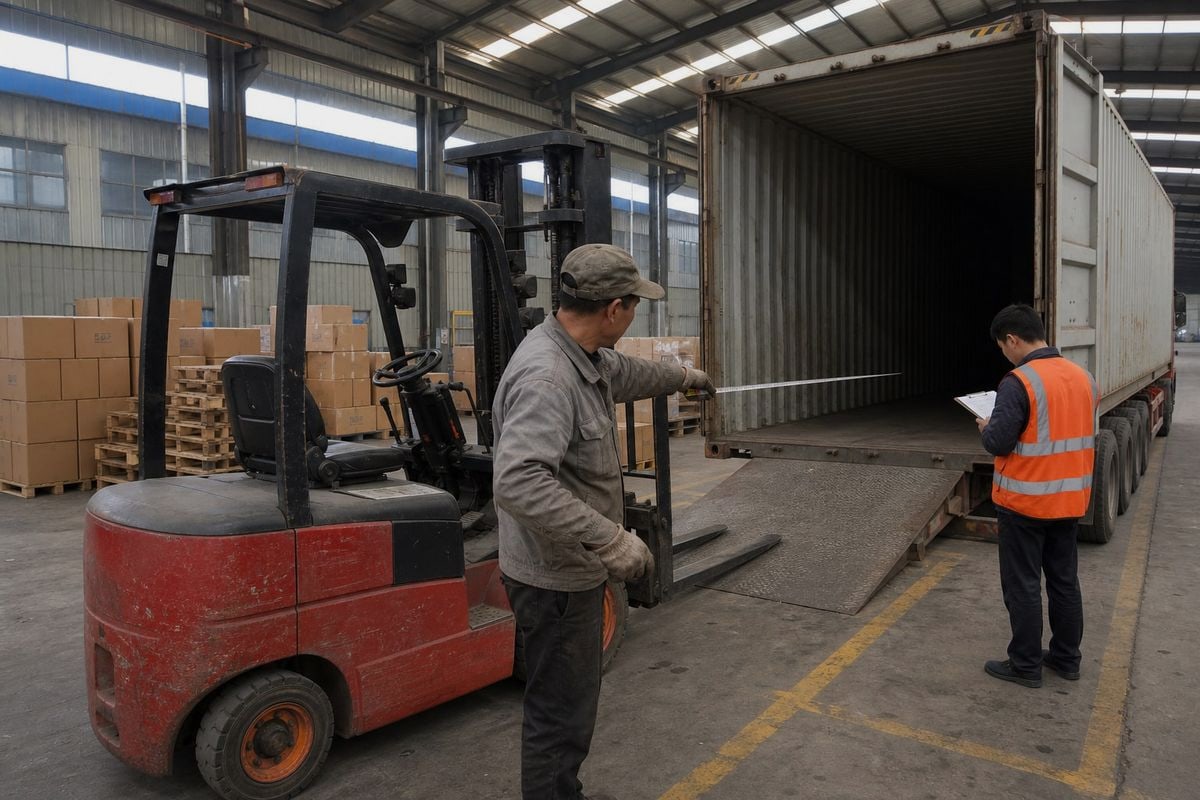
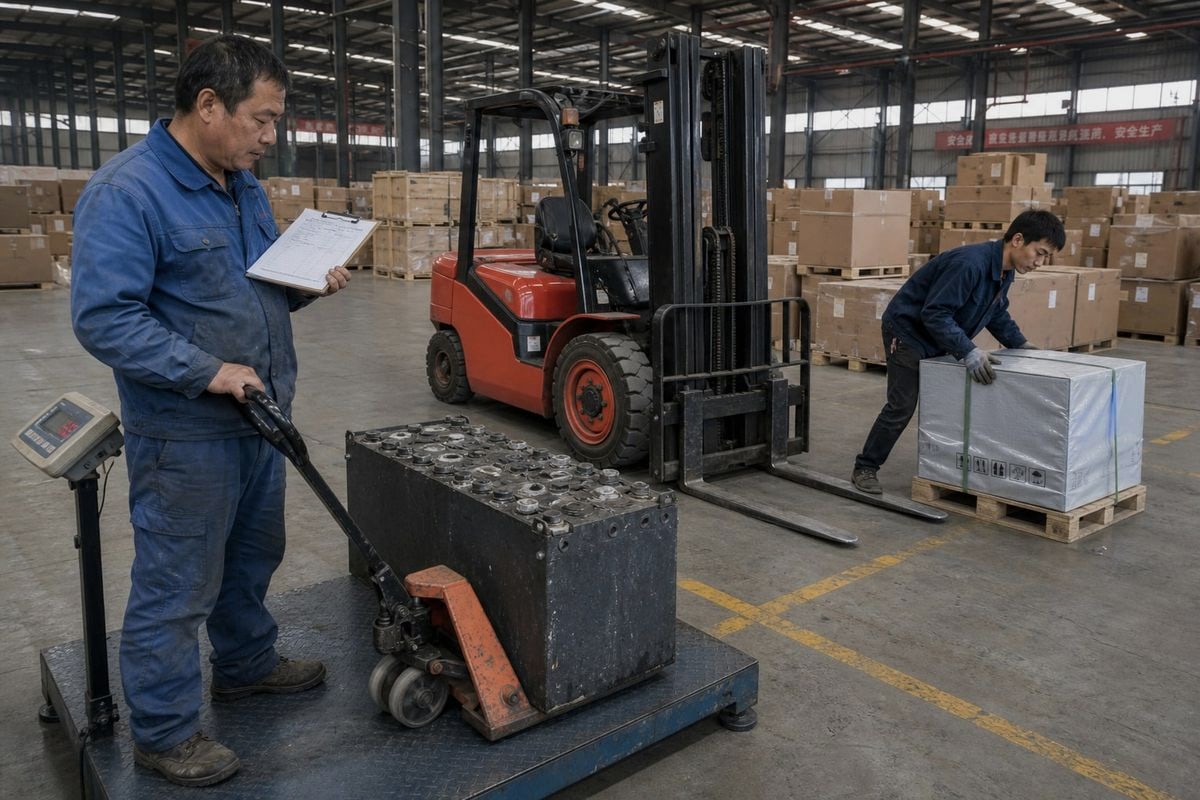
When our loading team weighs forklifts at our consolidation warehouse before export, the battery type changes almost every number on the booking sheet — chargeable weight, freight class, and stowage plan.
Battery type affects shipping cost through weight, classification, and volume. Lead-acid batteries weigh 800–4,000 lbs each, raising per-unit freight. Lithium units weigh 500–2,500 lbs but carry hazmat handling premiums. Multi-shift lead-acid fleets also need two batteries per forklift, doubling shipped weight.
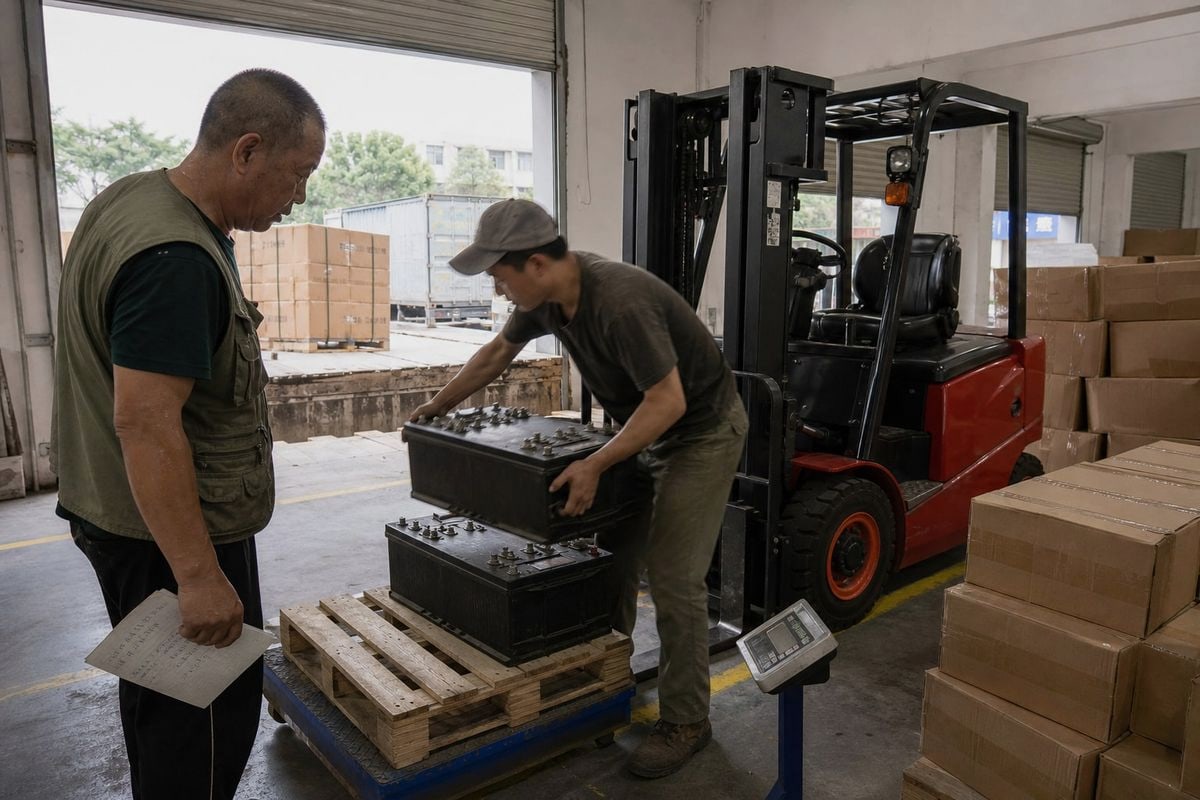
The first thing I check on any forklift booking is the total shipping weight, because ocean carriers 2 and truckers price heavy machinery differently once you cross certain thresholds. Lead-acid batteries are dense blocks of lead and acid. A single battery can weigh as much as a small car. Lithium packs deliver the same usable energy at roughly half the weight or less.
Here is a quick side-by-side based on typical counterbalance forklifts we handle:
| Tekijä | Lead-Acid Forklift | Lithium Forklift |
|---|---|---|
| Battery weight | 800–4,000 lbs | 500–2,500 lbs |
| Batteries per truck (multi-shift) | 2 (one charging, one working) | 1 (opportunity charging) |
| Hazmat class | Class 8 (corrosive) | Class 9 dangerous goods |
| Replacement shipments over 10 years | 2–3 cycles of batteries | Often none |
This is the point most buyers miss. If your customer runs multi-shift operations 3, a lead-acid forklift needs a spare battery to swap in during charging downtime. That means you ship two heavy batteries per truck. On a 40HQ container carrying six forklifts, that extra weight can push you against the container's payload limit before you run out of floor space.
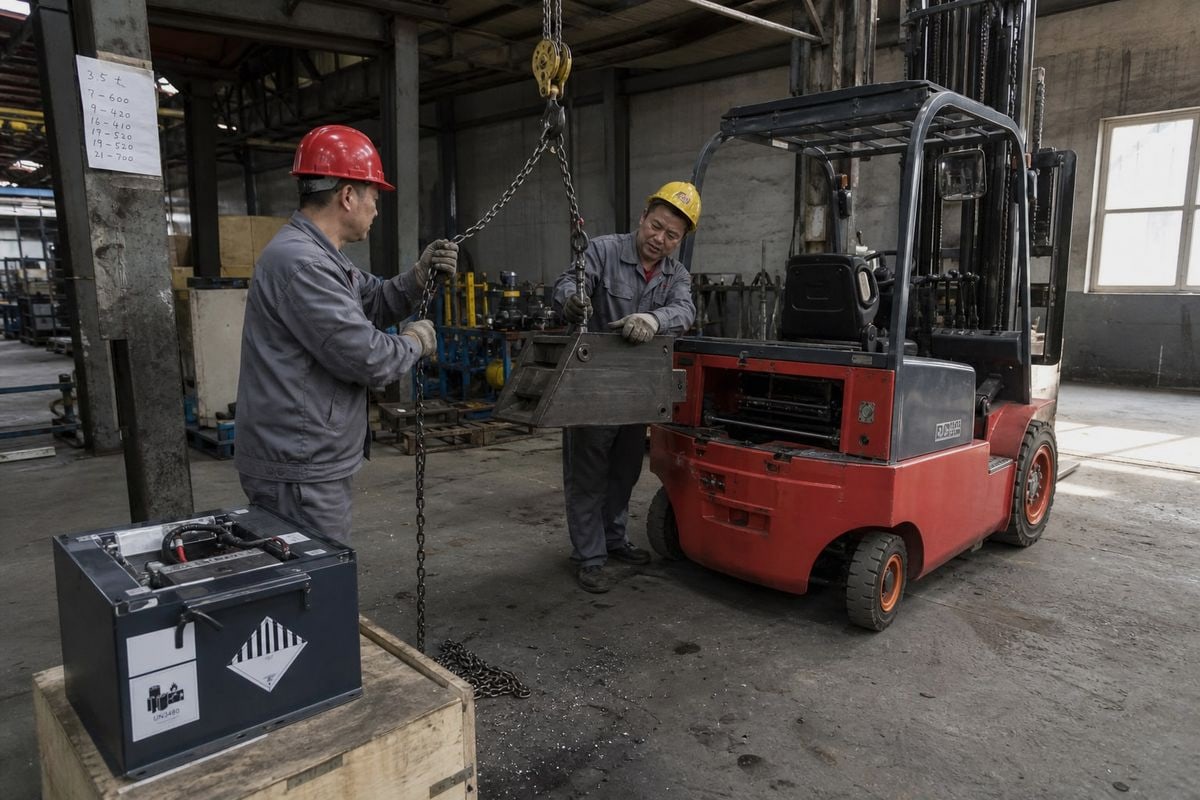
One more wrinkle: lead-acid batteries often double as the forklift's counterbalance. When a buyer converts a fleet to lithium, the factory sometimes adds steel ballast weights. Those weights ship as separate heavy cargo 4, adding crating and rigging fees you did not budget for. We always confirm ballast arrangements with the factory before quoting.
A US dealer once sent us a lithium forklift booking rejected by two carriers before it reached our desk. The missing item was not money — it was one test summary document.
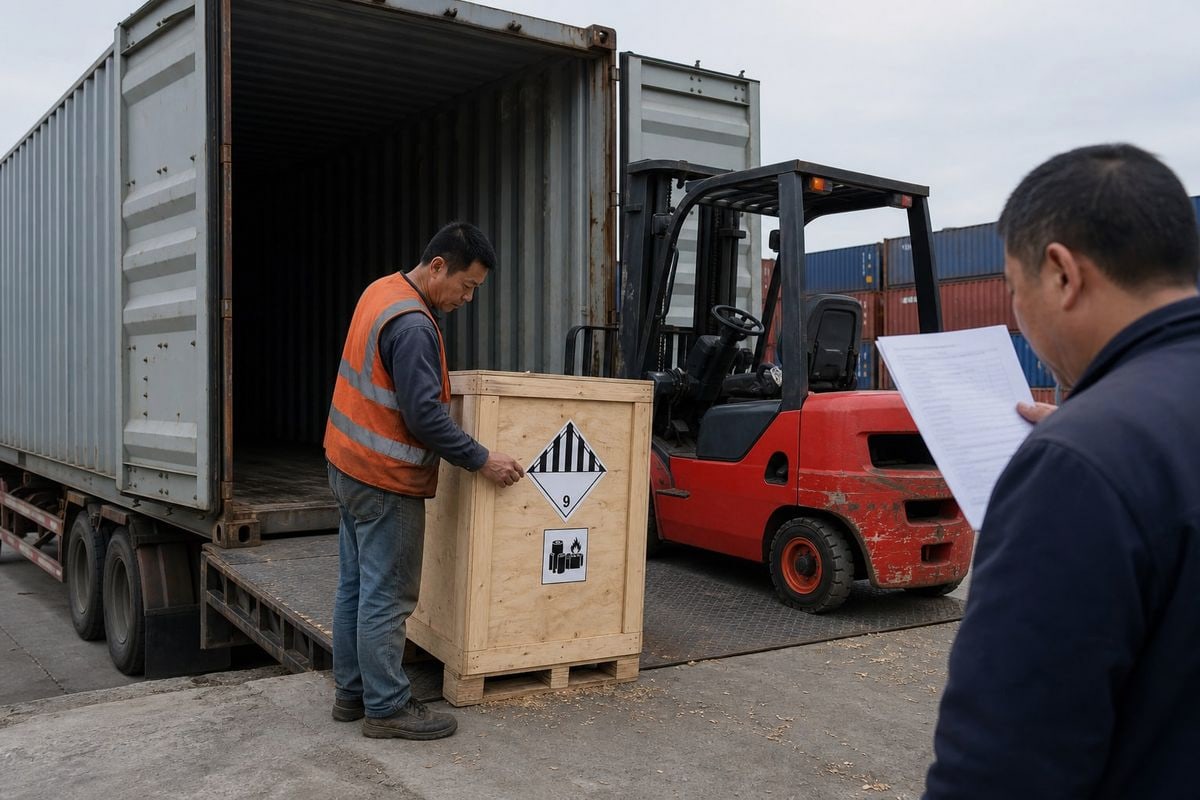
Yes, lithium forklifts carry higher documentation costs. As Class 9 dangerous goods under UN3480 certification rules, they require UN 38.3 test summaries, dangerous goods declarations, a Material Safety Data Sheet, and certified packaging. These add fixed fees of several hundred dollars per shipment versus lead-acid paperwork.

Documentation is where lithium genuinely costs more, and I want to be honest about that because we handle these files every week. Lithium-ion batteries fall under hazardous materials regulations as Class 9 dangerous goods. Lead-acid batteries are also regulated — they sit in Class 8 as corrosive materials — but the logistics networks for Class 8 are mature, standardized, and cheaper to navigate.
For a typical lithium forklift ocean shipment from China to the USA, we prepare or verify:
Miss any one of these, and the carrier can roll your booking or the port can hold your container. I have seen a one-page document gap cost a client two weeks and storage charges.
If you ever air-freight a spare lithium battery, regulations cap the state of charge at 30% SoC. Factories rarely ship batteries that low by default, so you may pay for a specialized discharging service at origin. Lead-acid spares avoid this rule entirely. For US inland legs, DOT compliance also requires hazmat-endorsed trucking for both battery types, but carrier availability for Class 8 is broader.
Mixed-fleet orders land on my desk constantly — a dealer buys lithium counterbalance trucks from one factory and lead-acid pallet trucks from another, then asks if one container can carry both.
Yes, lead-acid and lithium forklifts can usually share one FCL container if both battery types are properly declared, labeled, and segregated. The dangerous goods declaration must list both Class 8 and Class 9 cargo, and loading must include secure blocking, bracing, and spill containment.
Consolidation is actually one of the best ways to cut your per-unit cost, and we arrange mixed loads often through our multi-supplier consolidation service. But mixing two hazmat classes in one box requires planning, so let me walk through how we do it.
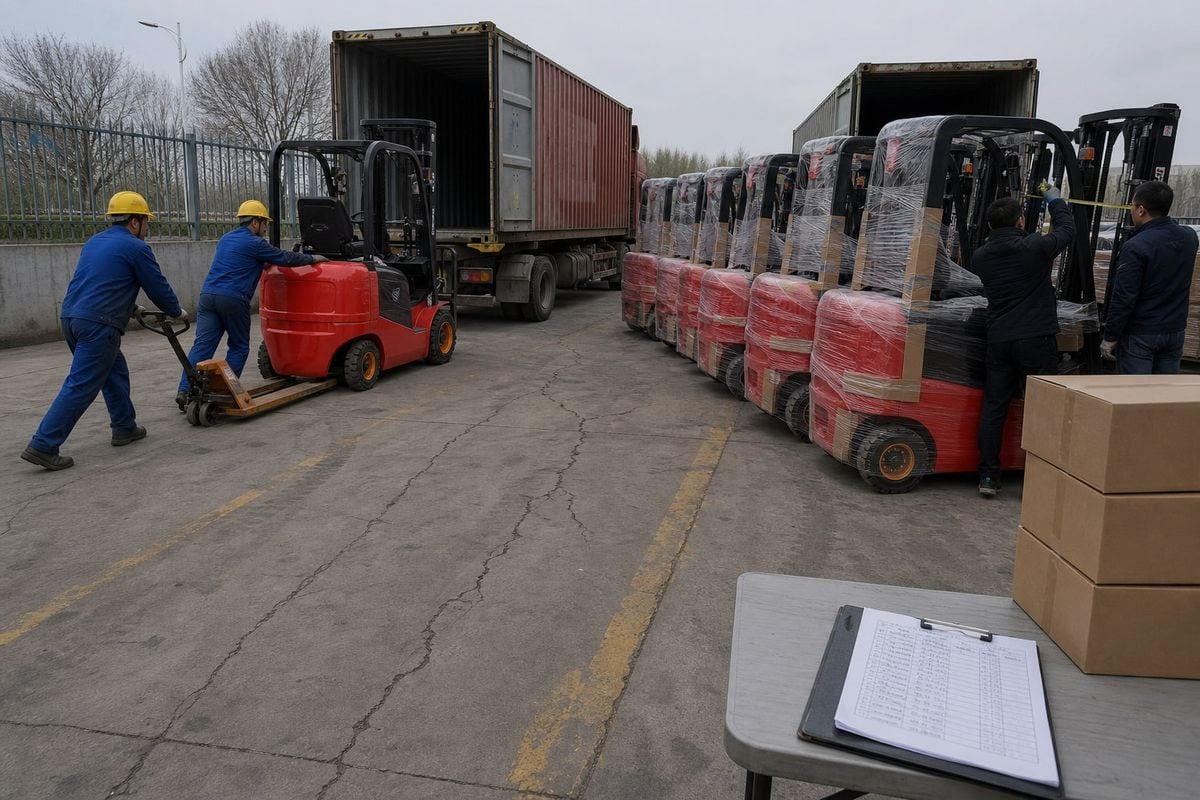
First, we collect battery specifications from every factory involved — chemistry, watt-hours, weight, and whether batteries ship installed or separately. Second, we prepare a combined dangerous goods declaration covering both classes. Third, we design the loading plan. Lead-acid units go where weight distribution favors the container floor structure, with spill containment trays or absorbent material positioned under vented batteries. Lithium units get clear Class 9 markings and secure separation from anything that could crush a pack during rough seas.
| Container | Typical Forklift Capacity | Best Use Case |
|---|---|---|
| 20FT | 2–3 compact forklifts | Small mixed orders, heavy lead-acid units |
| 40FT | 4–6 forklifts | Balanced mixed fleets |
| 40HQ | 5–7 forklifts plus parts | Lithium-heavy loads with chargers and spares |
One caution on weight: a 20FT container hits its payload ceiling fast with lead-acid trucks. We often recommend placing the heavier lead-acid units in one 20FT and filling a 40HQ with lighter lithium trucks, chargers, and spare parts. Chargers and accessories can ride in the same container as the forklifts, which is exactly how we fill dead space and lower the average freight class cost per unit.
The lesson that shaped how we quote today came from an early shipment where a "cheap" ocean rate ballooned at the US port. Now we itemize everything before booking.
Expect lithium-specific fees like carrier battery surcharges, hazmat documentation charges, and higher cargo insurance premiums. Lead-acid shipments face weight-driven fees instead: liftgate surcharges above 2,500 lbs, higher LTL freight rates, and doubled volume for spare batteries. Both need hazmat trucking at destination.
Hidden fees are where landed cost quietly grows, and the fee profile differs sharply by battery type. Here is the comparison table I share with US buyers before they confirm an order:
| Hidden Fee | Lithium Forklift | Lead-Acid Forklift |
|---|---|---|
| Carrier battery surcharge | Increasingly common on ocean freight | Not applied |
| Hazmat documentation fee | Class 9 premium | Class 8 standard fee |
| Cargo insurance | Higher premium (fire-risk rating) | Standard machinery rate |
| Liftgate/last-mile delivery | Usually within liftgate limits | Batteries over 2,500 lbs trigger heavy-equipment delivery surcharges |
| LTL freight rates | Lower class due to lighter weight | Higher class due to density and hazmat |
| Replacement shipments | Rare within 10 years (3,000+ cycles) | 2–3 replacement imports (1,200–1,500 cycles each) |
| Core return logistics | Fragmented, expensive return shipping | Subsidized by mature recycling networks |
International maritime carriers have started applying battery surcharges specifically to lithium-ion cargo. These offset rising fire-safety insurance premiums after several high-profile vessel fires. Lead-acid cargo does not attract this surcharge. We flag it on every lithium quotation now, because a rate that excludes it is not a real rate.
Lead-acid looks cheaper per shipment, but count the shipments. A lead-acid battery lasting 1,200–1,500 cycles needs replacing two or three times over a decade, and each replacement is a fresh heavy hazmat import. A lithium pack rated for 3,000+ cycles may never need a replacement shipment. On the other hand, lead-acid core returns benefit from a well-subsidized recycling industry, so return freight is cheap — lithium returns remain fragmented and costly. Your total logistics bill depends on which of these fee streams your operation triggers.
Neither battery type is universally cheaper to ship. Lead-acid costs more in weight and replacements; lithium costs more in paperwork and surcharges. Get an itemized quote before you commit.
1. The UNECE provides the global standards for the transport of dangerous goods, including lithium battery testing requirements. ↩︎
2. The World Shipping Council represents the global liner shipping industry, providing insights into ocean freight operations and regulations. ↩︎
3. OSHA safety standards for powered industrial trucks, including battery handling and operational requirements for multi-shift environments. ↩︎
4. Official IMO guidelines regarding the safe handling and transport of various cargo types in international maritime shipping. ↩︎