- +8618603825129
- [email protected]

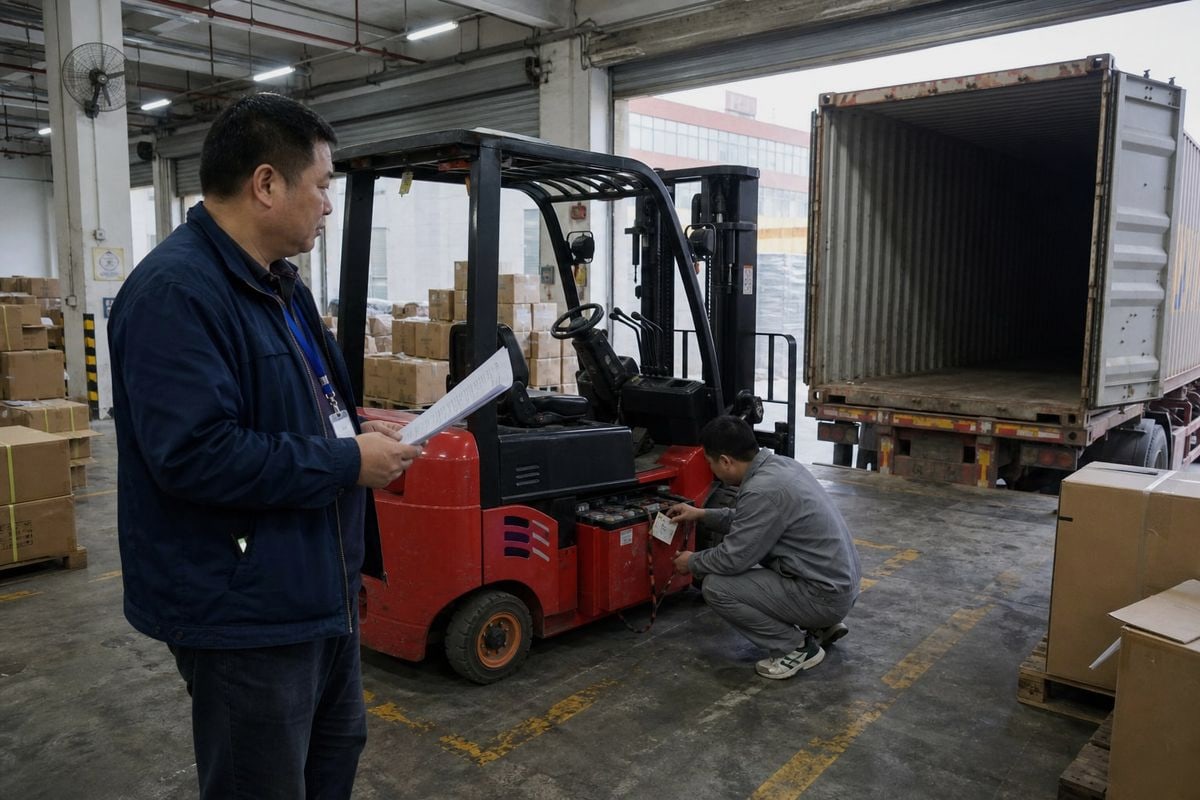
When buyers ask me how to [import electric forklifts from China](https://mbmlog.com/?p=11529), I always warn them first: one missing battery document can hold a whole container at port. I have seen it happen.
To import electric forklifts from China, you need a commercial invoice, packing list, Bill of Lading, Certificate of Origin, UN38.3 test report, MSDS for the battery, dangerous goods declaration when lithium batteries apply, plus destination-specific customs filings such as a customs bond or EPA Form 3520-21.
That is the short answer. The full picture depends on your battery type, your destination country, and your Incoterms. Let me walk you through each stage, step by step.
Last month, our Zhengzhou team held a booking for two days because a factory sent a UN38.3 report from the forklift assembler, not the battery maker. Carriers reject that.
You need two document sets: trade documents (commercial invoice, packing list, Bill of Lading, Certificate of Origin) and compliance documents (UN38.3 test report, lithium battery MSDS, dangerous goods declaration, and destination certifications like CE for Europe or charger documentation for the United States).

Think of the paperwork as two projects running at the same time. One is a normal machinery purchase. The other is a battery-compliant shipment. Most delays I see come from buyers who only prepare the first set.
These four documents form the backbone of every customs clearance process. Customs officers use them to verify the transaction value and classify the goods.
| Document | But | Qui le fournit | When Needed |
|---|---|---|---|
| Facture commerciale | Customs valuation and classification | Fournisseur | Before shipment |
| Liste de colisage | Matches physical cargo to the invoice | Fournisseur | Before shipment |
| Lettre de voiture | Transport contract and proof of shipment | Carrier / freight forwarder | At export |
| Certificat d'origine | Proves manufacturing country; may support tariff treatment | Supplier / chamber of commerce | At import clearance |
The commercial invoice must show the machine model, quantity, unit price, total value, and shipper and consignee details. The packing list should show dimensions, gross and net weight, crate count, and serial numbers. If spare parts ship in the same container, list them separately. Customs compares these documents line by line. Any mismatch invites inspection.
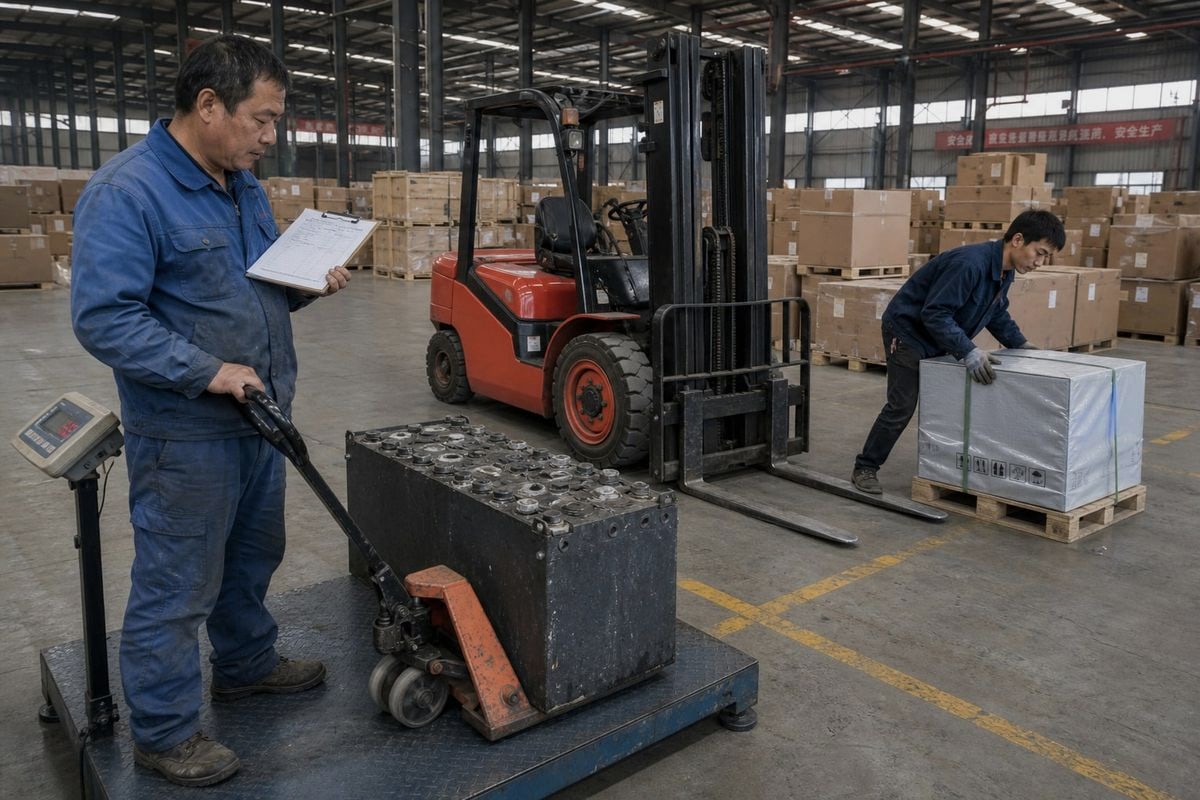
Electric forklifts with lithium batteries 1 are classified as Class 9 Dangerous Goods. That triggers extra paperwork:
For Europe-bound units, add the CE certification and Declaration of Conformity. Note that many jurisdictions now expect importers to keep a Technical Construction File for 10 years after import. For US-bound units, confirm UL-related charger documentation and voltage compatibility before the factory ships.
A US distributor once told me his previous forwarder treated his lithium forklifts like ordinary machinery. The container sat at port for eleven days. That call is why he works with us now.
Handle lithium battery forklift clearance by declaring the cargo as Class 9 Dangerous Goods, securing carrier acceptance before booking, filing the UN38.3 report and MSDS with your entry documents, and confirming destination requirements such as a customs bond, ISF filing, and EPA Form 3520-21 for the US.
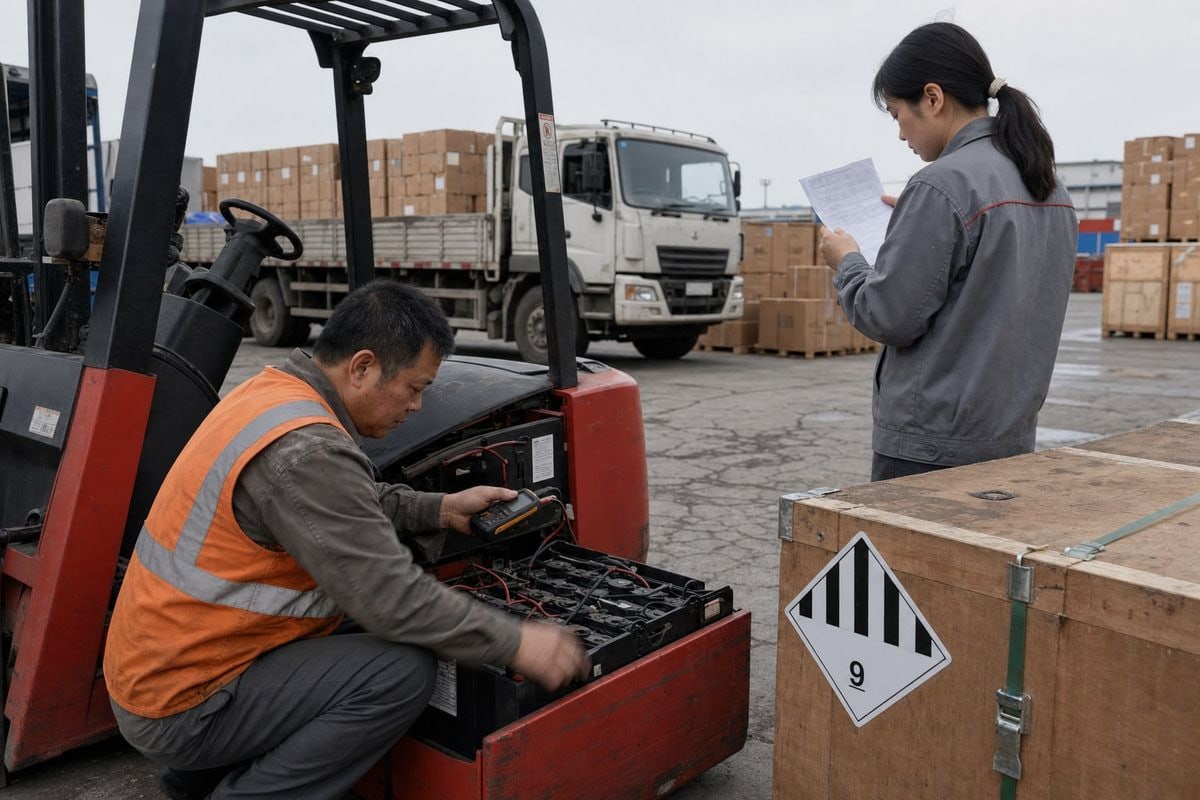
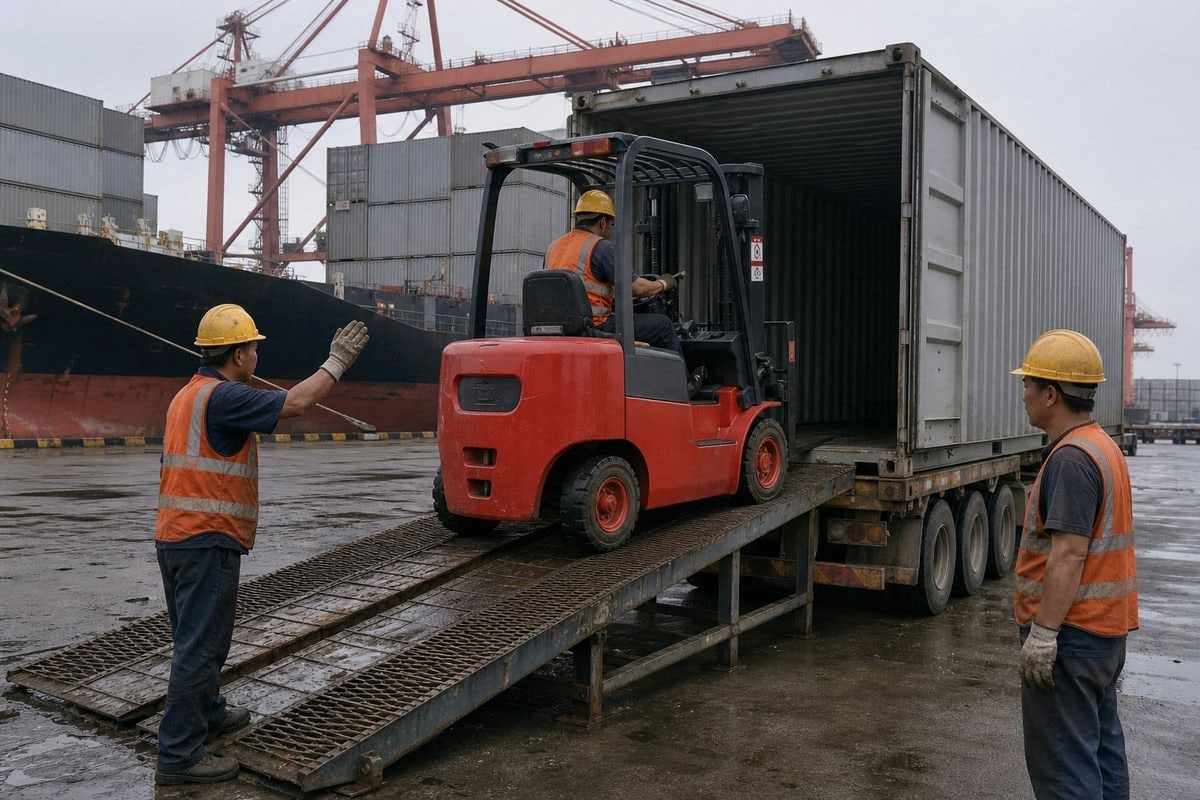
The battery changes everything about the shipment profile. A lead-acid forklift is heavy cargo. A lithium forklift is heavy cargo plus regulated dangerous goods. Your freight forwarder must confirm DG acceptance with the carrier before the cargo ever moves toward the port.
Here is the order we follow on every lithium battery shipment:
Electric forklifts are exempt from EPA engine emissions rules that apply to diesel units. But some electric forklifts still require EPA Form 3520-21 at entry. Importers also face UFLPA supply chain scrutiny now. US Customs may ask for traceability documentation on battery raw materials like lithium, cobalt, and nickel to prove compliance with the Uyghur Forced Labor Prevention Act. We advise buyers to request supply chain mapping documents from the battery supplier before ordering, not after the container is on the water.
Cost surprises kill deals. Our team quotes landed cost estimates before booking because too many buyers budget only for the factory price and the ocean freight.
Expect duty based on HS Code 8427.10 for self-propelled electric forklifts, plus possible Section 301 tariffs on Chinese-origin goods for US imports, merchandise processing and harbor fees, and VAT or import taxes in the EU. Your Incoterms decide who pays each charge.
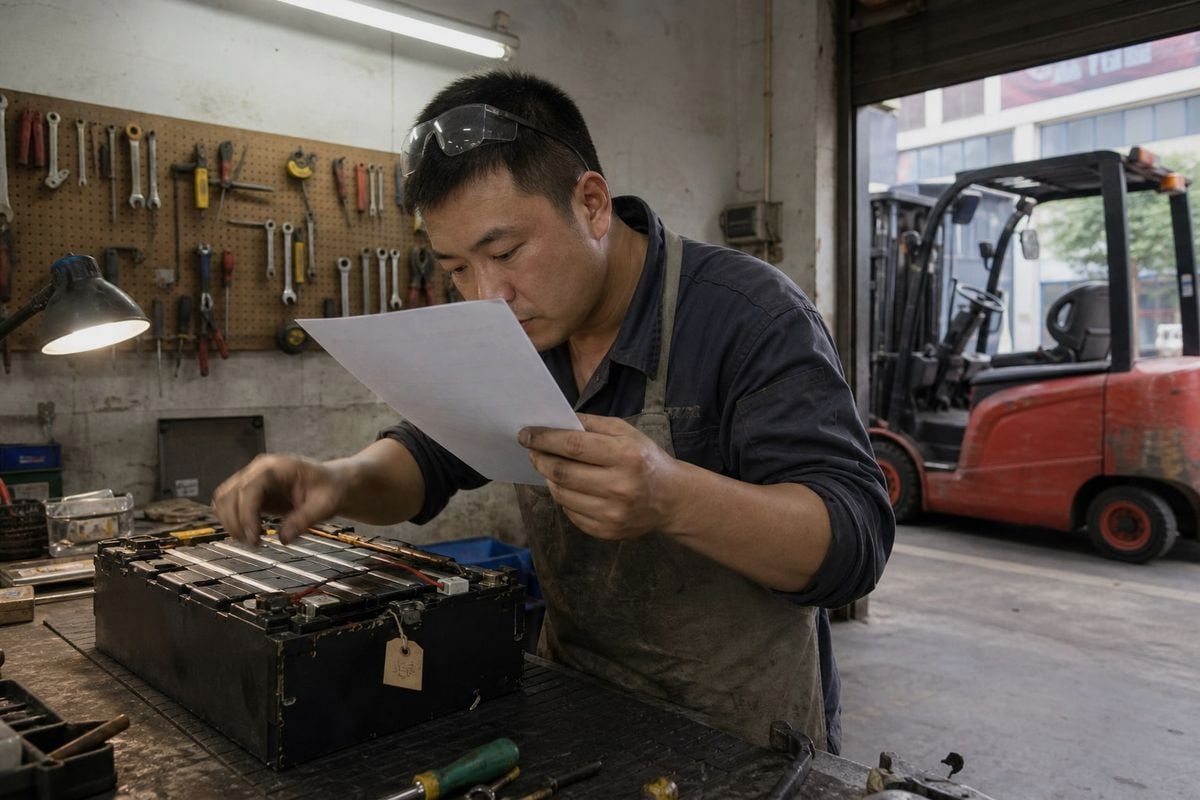
Accurate classification comes first. Electric forklifts fall under HS Code for forklifts 8427.10 3, which covers self-propelled works trucks powered by an electric motor. The HS code determines your base duty rate and flags whether trade remedies like Section 301 tariffs apply. Get the code wrong and you either overpay or invite a customs penalty later.
Import duties and tariffs are only part of the landed cost. Here is the typical stack we walk buyers through:
| Composante de coût | Applies To | Who Typically Pays |
|---|---|---|
| Base import duty (HS 8427.10) | All destinations | Importer |
| Tarifs de l'article 301 | US imports of Chinese-origin goods | Importer |
| Merchandise processing / harbor fees | US ocean imports | Importer |
| VAT / import tax | EU and many other markets | Importer |
| Destination port and handling charges | All destinations | Depends on Incoterms |
| Customs bond and broker fees | US imports | Importer |
Les Incoterms on your purchase contract 4 decide who arranges export clearance, freight, insurance, and parts of the document chain. Under EXW, you handle everything from the factory gate. Under FOB, the supplier clears export and you take over at the Chinese port. Under CIF, freight and insurance are included but destination charges and clearance are still yours. Under DDP, the seller or forwarder delivers with duties paid.
One objection I hear often: "My supplier said they can handle everything." Be careful. Even under DDP, the importer of record remains legally responsible for compliance, correct HS classification, and entry accuracy in most markets. We offer DDP shipping to the US precisely because buyers want one accountable party, but we still verify classification with the buyer before filing. Never assume the paperwork problem disappears because someone else booked the freight.
The most expensive lesson I have watched buyers learn: a container earning demurrage charges at port costs far more than the document check that would have prevented it.
Avoid delays by verifying supplier credentials before paying, cross-checking the invoice, packing list, and Bill of Lading for consistency, confirming battery documents and DG acceptance before booking, using the correct HS code, and having your freight forwarder audit the full document set before departure.

Most forklift import delays trace back to five repeat offenders. I see the same mistakes every quarter, so let me name them plainly.
| Error | Consequence | Prévention |
|---|---|---|
| Wrong HS code | Wrong duty, penalties, customs holds | Classify under 8427.10 and verify with your broker |
| Missing battery paperwork | Carrier rejection, port storage fees | Collect UN38.3 and MSDS during production, not after |
| Invoice and packing list mismatch | Customs inspection and delay | Cross-check all documents line by line before departure |
| Assuming the assembler supplies battery certificates | Rejected DG booking | Request documents directly from the battery manufacturer |
| Wrong Incoterm choice | Unexpected destination charges | Map every cost to a responsible party before ordering |
Supplier due diligence prevents the errors that documents cannot fix. Ask for the factory's business license, export records, and real certificate numbers. Do not trust logos on a website. Check CE certificate numbers against the issuing body. Where the order value justifies it, book a third-party inspection before shipment. In our experience coordinating pickups from forklift factories across China, the suppliers who respond quickly with complete documents are almost always the ones whose cargo clears smoothly.
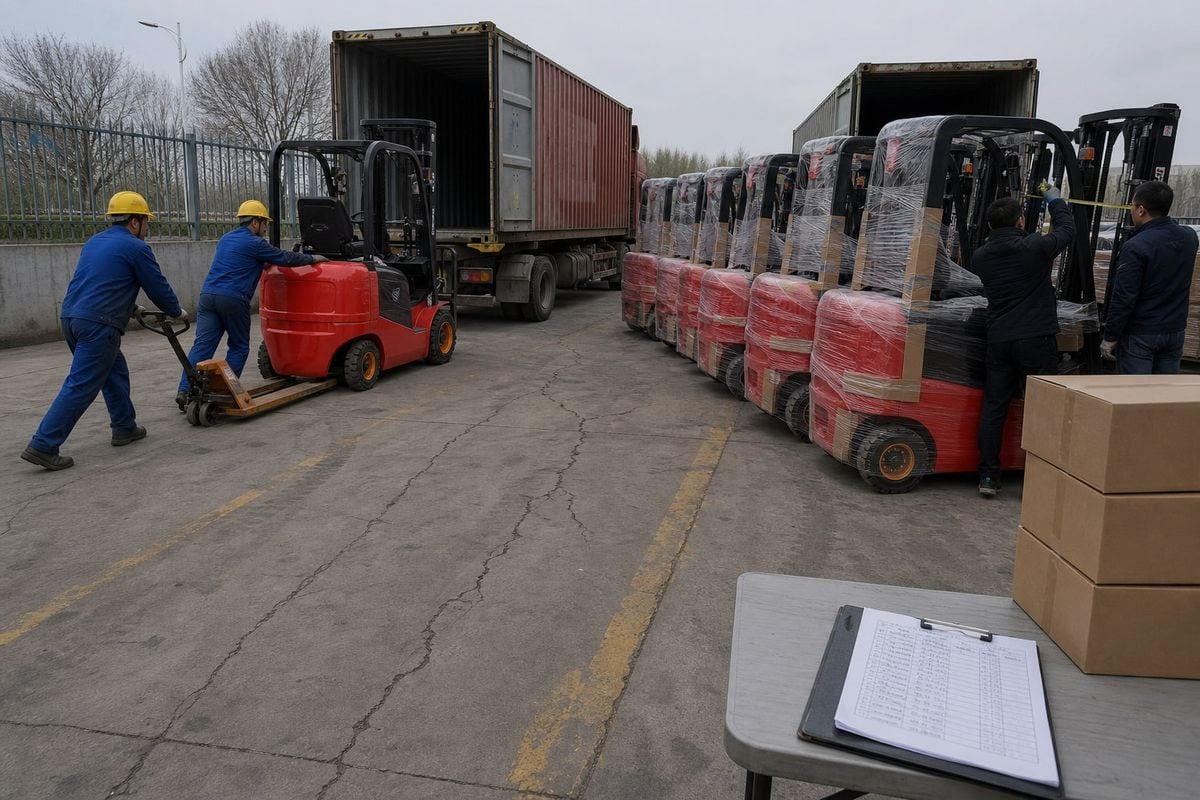
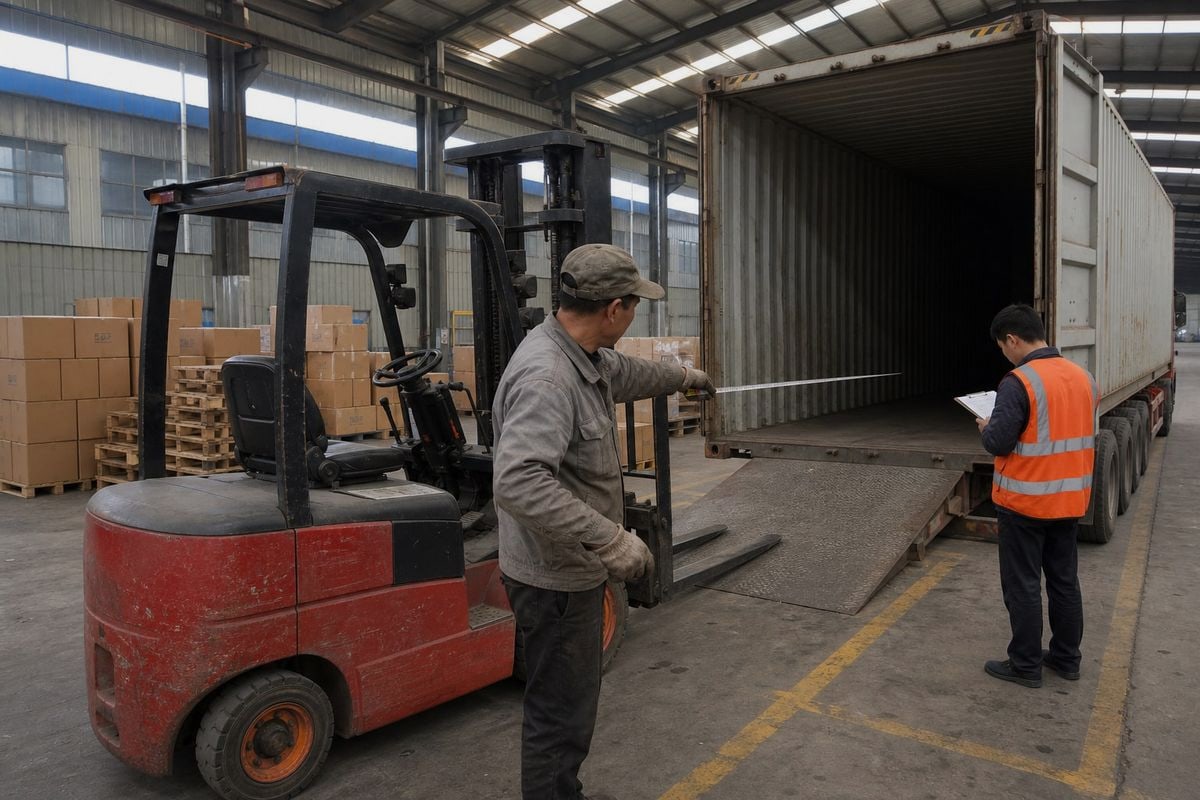
Full Container Load is the industry standard for forklifts. It lowers per-unit cost and lets the loading team apply proper lashing and blocking. Forklifts often need partial disassembly of the mast or overhead guard to fit efficiently. Plan container selection early: quantity, dimensions, and weight decide whether a 20FT, 40FT, or 40HQ works best. Also plan ahead for newer requirements. EU-bound shipments will need a digital battery passport tracking the battery's carbon footprint, recycled content, and technical specifications. If your forklift carries onboard telematics, confirm the data transmission complies with GDPR or CCPA. Building these checks into your pre-shipment routine now saves painful retrofits later.
Importing electric forklifts from China means running two projects at once: a machinery purchase and a battery-compliant shipment. Verify the supplier, gather documents early, and clear customs confidently.
1. Authoritative source for international maritime regulations regarding the transport of dangerous goods, including lithium batteries. ↩︎
2. Official EPA resource for the required documentation when importing vehicles and engines into the United States. ↩︎
3. Official U.S. government portal for trade information and tariff classification guidance. ↩︎
4. Official International Chamber of Commerce (ICC) page for the Incoterms rules governing international trade. ↩︎