
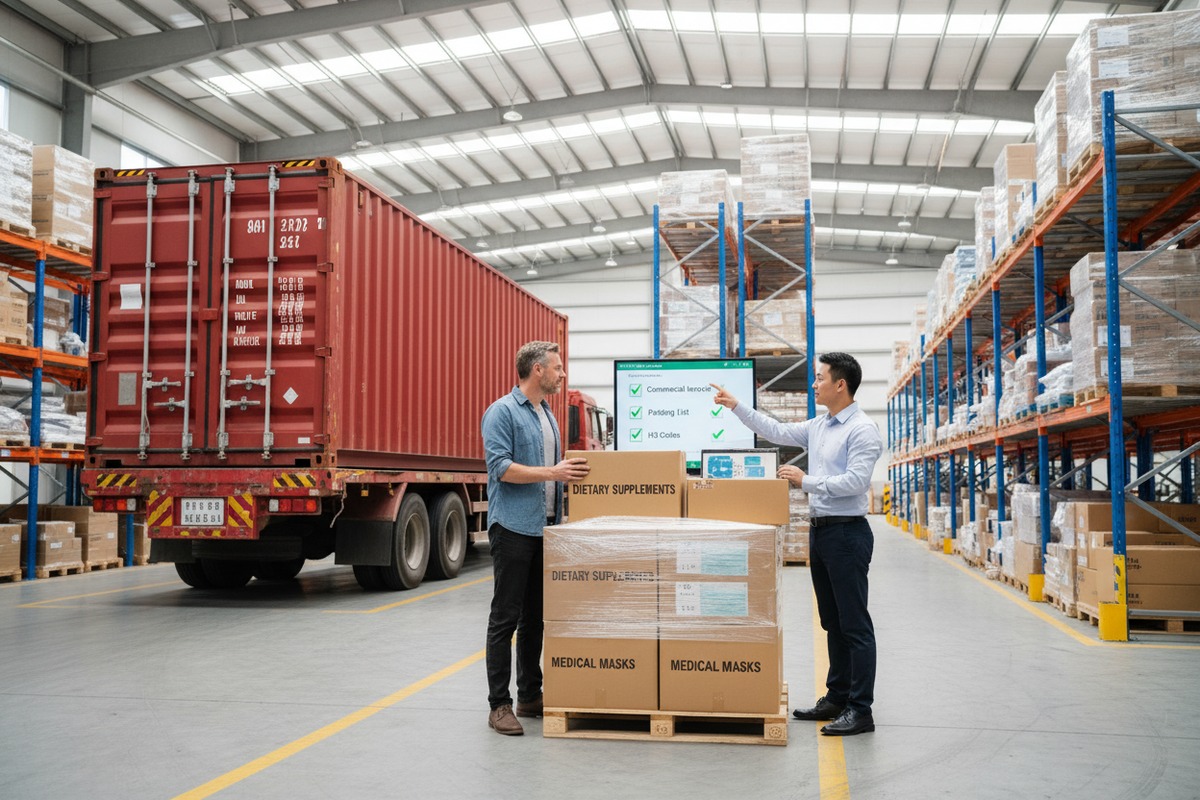
Chaque semaine, notre équipe logistique gère des expéditions retenues dans les ports américains parce que les vendeurs ont raté une étape cruciale : l'enregistrement auprès de la FDA 1. La frustration est réelle. Les cargaisons restent inactives, les frais de stockage s'accumulent, et les plans d'inventaire Amazon s'effondrent—tout cela parce qu'une catégorie de produit a été négligée avant son départ de Chine.
Les produits nécessitant un enregistrement auprès de la FDA pour le dédouanement aux États-Unis incluent les aliments humains et animaux, les compléments alimentaires, les dispositifs médicaux (Classe I–III), les produits pharmaceutiques, les biologiques, les cosmétiques, les produits électroniques émettant des radiations et les produits du tabac. Chaque catégorie a des exigences distinctes en matière d'enregistrement, de liste et de documentation qui doivent être complétées avant l'exportation.
La conformité à la FDA n'est pas un certificat unique. C'est un système d'enregistrement des installations, de liste de produits, avis préalable 2 déclarations et inspections des aliments humains et animaux 3. Comprendre lesquels de vos produits relèvent de la juridiction de la FDA est la première—et la plus importante—étape avant d'expédier quoi que ce soit vers les États-Unis. Décomposons cela catégorie par catégorie.
Comment puis-je déterminer si mes produits spécifiques nécessitent un enregistrement auprès de la FDA avant d'être expédiés depuis la Chine ?
Notre entrepôt à Zhengzhou traite des milliers de références chaque mois à destination des États-Unis, et la question la plus fréquente que nous entendons des vendeurs est : "Mon produit a-t-il vraiment besoin d'un enregistrement auprès de la FDA ?" La réponse n'est pas toujours évidente, et se tromper peut coûter très cher. produits électroniques émettant des radiations 4.
Pour déterminer si vos produits nécessitent une inscription auprès de la FDA, vérifiez s'ils appartiennent à l'une des six catégories réglementées : aliments et suppléments alimentaires, dispositifs médicaux, médicaments et biologiques, cosmétiques, électroniques émettant des radiations ou produits du tabac. Chaque catégorie a des exigences spécifiques d'inscription et de listing dans le système FURLS de la FDA.
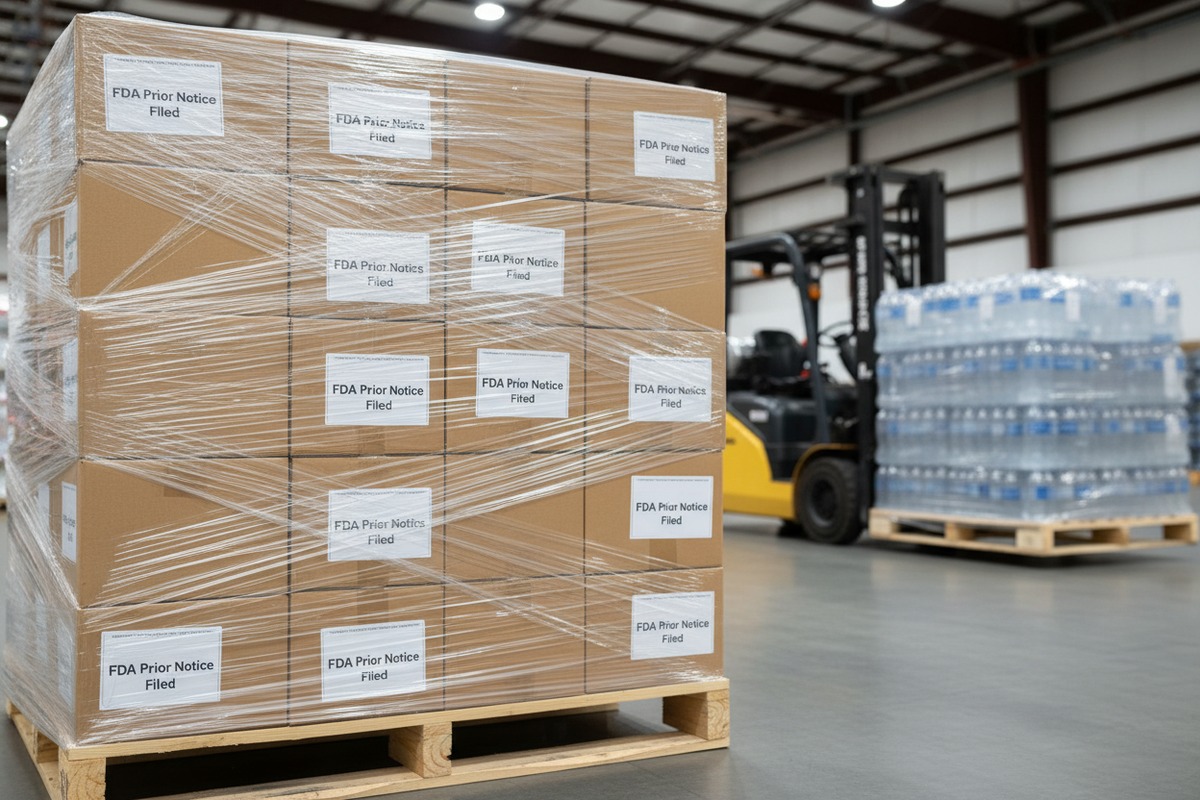
Les Six Catégories de Produits Réglementés par la FDA
La FDA est l'organisme de réglementation du Département de la santé et des services humains des États-Unis. Elle n'émet pas de "certificat FDA" universel. Au lieu de cela, elle gère un système de conformité qui couvre l'enregistrement, les tests, l'approbation et le dépôt. Voici une répartition claire de chaque type de produit qui relève de la juridiction de la FDA.
1. Aliments et Suppléments Alimentaires
C'est la catégorie la plus large. Elle comprend tous les produits destinés à la consommation humaine, à la consommation animale, et même les matériaux qui touchent à la nourriture.
| Sous-catégorie | Exemples | Notes spéciales |
|---|---|---|
| Alimentation humaine | Collations, boissons, produits en conserve, articles de boulangerie, eau en bouteille, lait maternel, condiments, additifs alimentaires | Tout nécessite l'enregistrement de l'établissement + Notification préalable |
| Suppléments alimentaires 5 | Vitamines, minéraux, produits à base de plantes, poudre de protéine, huile de poisson, probiotiques | Enregistrement de l'établissement requis ; pas d'approbation préalable à la mise sur le marché, mais des règles d'étiquetage s'appliquent |
| Aliments pour animaux | Aliments pour animaux, friandises pour animaux, aliments pour bétail | Inscription de la même installation que pour les aliments humains |
| Aliments spéciaux | Aliments en conserve à faible acidité (pH > 4.6), aliments acidifiés | Nécessite une inscription FCE/SID supplémentaire |
| Matériaux en contact avec les aliments | Ustensiles, emballages, articles de cuisine, contenants alimentaires | Doit répondre aux normes alimentaires de la FDA |
2. Dispositifs médicaux
Tout instrument utilisé pour le diagnostic, le traitement, la prévention ou l'atténuation des maladies doit être enregistré. La FDA classifie les dispositifs en trois niveaux de risque.
| Classe | Niveau de risque | Exemples | Voie réglementaire |
|---|---|---|---|
| Classe I | Faible | Bandages, dépressteurs de langue, gants médicaux, instruments chirurgicaux manuels, thermomètres, fauteuils roulants, masques non médicaux | Contrôles généraux ; la plupart exonérés de 510(k) |
| Classe II | Moyen | Glucomètres, tensiomètres, équipements à ultrasons, fauteuils roulants motorisés, tests de grossesse, instruments dentaires | Notification de pré-commercialisation 510(k) requise |
| Classe III | Haut | Pacemakers, artificial joints, implantable devices, large imaging equipment | Premarket Approval (PMA) required |
All three classes require facility registration and device listing on the FDA system. Foreign manufacturers must also designate a US Agent 6.
3. Drugs and Biologics
This category includes prescription drugs, OTC drugs, active pharmaceutical ingredients, generic drugs, vaccines, blood products, cell and gene therapies, tissue transplant products, and veterinary drugs. A critical point many sellers miss: cosmetics that make drug claims—like anti-acne or hair growth products—are regulated as drugs, not cosmetics.
4. Cosmetics
Skincare, makeup, perfume, shampoo, hair care, nail products, sunscreen, and oral care products all fall under FDA cosmetics regulation. Under the Modernization of Cosmetics Regulation Act 7 (MoCRA), facility registration and product listing are now mandatory for cosmetic companies.
5. Radiation-Emitting Electronic Products
Laser pointers, laser beauty devices, laser printers, laser medical equipment, X-ray machines, CT scanners, security screening devices, microwave ovens, UV lamps, sun lamps, and ultrasonic therapy devices all require FDA registration and compliance reporting.
6. Tobacco Products
Cigarettes, cigars, e-cigarettes, and smokeless tobacco products must be registered with the FDA's Center for Tobacco Products 8.
Idées reçues
There is no single "FDA certificate." Compliance is verified through registration numbers, approval numbers, listing numbers, and FDA database records. A US Agent is legally required for all foreign facilities—this person serves as the FDA's point of contact. And registration alone does not guarantee customs clearance. Customs officers still verify labels, test reports, and filing information.
When sourcing from Chinese suppliers, buyers should confirm FDA compliance status before the order ships—not after it arrives in the US.
Comment la conformité à la FDA impactera-t-elle mes coûts d'expédition DDP et les délais de dédouanement ?
Our DDP pricing models for US-bound shipments always account for regulatory complexity, and FDA-regulated goods are consistently the most time-sensitive category we handle. Sellers who skip the compliance step upfront almost always pay more later.
FDA compliance adds cost through US Agent fees, facility registration fees, lab testing, labeling adjustments, and Prior Notice filings. It also extends customs clearance timelines by 1–5 business days compared to non-regulated goods, and non-compliance can add weeks of delays plus storage penalties at US ports.

Direct Cost Impacts
FDA compliance introduces several line items that non-regulated products do not carry. Here is a realistic cost breakdown for common product types.
| Composante de coût | Estimated Range (USD) | S'applique à |
|---|---|---|
| US Agent Fee | $200–$800/year | All foreign facilities |
| FDA Facility Registration | $0 (food) – $7,653 (medical devices 9, FY2025) | Varies by category |
| Lab Testing / Reports | $500–$5,000+ per product | Devices, drugs, food additives |
| Labeling Compliance Review | $200–$1,000 | Food, supplements, cosmetics |
| Prior Notice Filing | Often included in broker fee | All food products |
| Customs Broker FDA Surcharge | $50–$200 per entry | FDA-regulated shipments |
These costs stack. A seller importing dietary supplements from China needs a US Agent, facility registration, compliant labeling, and a Prior Notice filing for every shipment. That can add $1,000–$3,000 in annual compliance overhead before a single carton ships.
Timeline Impacts
Standard non-regulated goods clear US customs in 1–3 business days through our DDP service. FDA-regulated goods typically require 2–5 business days, sometimes longer. Here is why:
- Prior Notice: Food shipments require electronic Prior Notice submitted to FDA before arrival. The FDA needs time to review and may flag shipments for examination.
- FDA Hold / Exam: If the FDA selects your shipment for inspection, expect 3–10 additional business days. The shipment stays at the port, and storage fees accumulate.
- Document Deficiency: Missing registration numbers, incorrect product codes, or incomplete labeling triggers an automatic hold. Resolving this remotely from China adds days.
How This Affects DDP Quotes
When we quote DDP pricing for FDA-regulated goods, we factor in the broker's FDA handling fee, potential port storage buffer, and any testing or documentation prep. Sellers who come to us with all FDA documents ready—registration number, product listing, US Agent details, test reports—get faster clearance and lower total costs. Sellers who arrive without these documents often face rush fees and delays that erode their profit margins.
The takeaway is simple: FDA compliance is a cost of doing business in the US. Budget for it early, and it becomes manageable. Ignore it, and it becomes your most expensive line item.
Quels documents dois-je fournir pour garantir que mes biens réglementés par la FDA atteignent les entrepôts Amazon FBA sans retard ?
In our experience shipping thousands of FDA-regulated consignments to Amazon FBA, the single biggest cause of delay is incomplete paperwork. The goods are fine. The product is compliant. But one missing document at customs stops everything.
You must provide your FDA facility registration number, product listing or NDC number, US Agent contact details, Prior Notice confirmation (for food), lab test reports, compliant product labels, commercial invoice, packing list, and bill of lading. All documents must be prepared and verified before the shipment leaves China.

The Complete Documentation Checklist
Getting goods into Amazon FBA already requires precise labeling and packaging compliance. Adding FDA requirements means extra layers of documentation. Here is the full list, organized by when you need each document.
Before Shipment Leaves China
- FDA Facility Registration Number: Your Chinese manufacturing facility must be registered in FDA's FURLS system. Keep your registration number and PIN accessible.
- Product Listing / Device Listing: Medical devices require listing in the FDA database. Food facilities need registration, but individual product listing is not required.
- US Agent Information: Your designated US Agent's name, address, phone, and email must be on file with FDA and included in your shipping documents.
- Lab Test Reports: Depending on the product, you may need microbiological testing (food), biocompatibility testing (devices), or stability testing (drugs).
- Compliant Labels: All labels must meet FDA requirements for the specific product category. This includes Nutrition Facts panels for food, Drug Facts labels for OTC drugs, and device labeling per 21 CFR 801.
During Transit / Before Arrival
- Prior Notice (Food Only): Must be submitted electronically to FDA no more than 15 days and no less than a few hours before arrival, depending on transport mode. For ocean freight, submit at least 8 hours before arrival.
- Facture commerciale: Must list product descriptions, HS codes, quantities, values, and the FDA registration number.
- Liste de colisage: Detailed breakdown of carton contents, weights, and dimensions.
- Bill of Lading / Airway Bill: Standard shipping document linking the shipment to the carrier.
At Customs Entry
- ISF Filing (Importer Security Filing): Required 24 hours before vessel loading for ocean shipments.
- Customs Entry Documents: Your customs broker files these, but they need all FDA-related data to avoid holds.
Amazon FBA-Specific Requirements
Beyond FDA, Amazon has its own requirements. Your shipment must meet FBA labeling standards (FNSKU labels on each unit), packaging standards (poly-bagged if required), and delivery appointment windows. A shipment that clears customs but arrives at the FBA warehouse with incorrect labels will be rejected—adding another layer of delay.
Pro Tip: Prepare Before You Order
The most efficient workflow we have seen is this: buyers confirm FDA registration status with their Chinese supplier at the time of placing the purchase order. The supplier prepares all labels, test reports, and registration documents before production is complete. When the goods arrive at our warehouse for consolidation, everything is ready. No last-minute scrambles. No port delays.
Quelles sont les conséquences potentielles pour mon entreprise si mon envoi arrive à la douane américaine sans les dépôts nécessaires auprès de la FDA ?
We have watched sellers lose entire peak seasons because a single shipment was detained at port for missing FDA documentation. The financial damage goes far beyond the shipping costs—it hits your Amazon rankings, your customer reviews, and your cash flow all at once.
If your shipment arrives without proper FDA filings, US Customs and Border Protection can detain, refuse entry, or destroy the goods. You face storage fees of $100–$500+ per day, re-export costs, potential import alerts on future shipments, Amazon stockout losses, and possible FDA warning letters that can blacklist your facility from future US imports.
Immediate Consequences at the Port
When CBP flags an FDA-regulated shipment that lacks proper registration, Prior Notice, or documentation, several things happen in rapid sequence:
- Détention: The shipment is held at the port. You cannot access it. Storage fees begin immediately.
- FDA Examination: FDA may physically inspect or sample the goods. This can take 5–15 business days.
- Refusal of Admission: If the product cannot be brought into compliance, FDA issues a refusal. The goods must be re-exported or destroyed at the importer's expense.
Financial Impact
The costs compound quickly. Here is a realistic scenario for a mid-size Amazon seller.
| Article de coût | Estimated Amount |
|---|---|
| Port storage (14 days) | $1,400–$7,000 |
| Demurrage / container detention | $150–$400/day |
| Re-export shipping cost | $2,000–$8,000 |
| Destruction / disposal fee | $500–$3,000 |
| Lost Amazon sales (2–4 weeks stockout) | $5,000–$50,000+ |
| Amazon ranking recovery (PPC spend) | $1,000–$10,000 |
| Total potential loss | $10,000–$78,000+ |
Long-Term Consequences
The damage does not stop at one shipment. FDA maintains an Import Alert system 10. If your facility or product is placed on an Import Alert list, future shipments are automatically detained without physical examination (DWPE). This means every shipment you send gets held until you prove compliance—effectively blacklisting your supply chain.
FDA can also issue Warning Letters to your facility. These are public records. Any buyer or competitor can search the FDA database and see that your facility received a warning. This damages business relationships and credibility.
Impact on Amazon Business
Amazon sellers face unique pain. A 2–4 week stockout tanks your Best Seller Rank. Competitors capture your buy box. Customers leave negative reviews when orders are delayed. Rebuilding momentum costs significant PPC advertising spend. Some sellers never fully recover their ranking position after a major stockout caused by customs detention.
How to Protect Yourself
The solution is prevention. Complete all FDA registrations and filings before the goods leave China. Work with a logistics partner who understands FDA documentation requirements. Verify your Chinese supplier's FDA registration status independently on the FDA website. And never assume that "it will be fine"—because at the US border, it usually is not.
Our team at MBMLOG reviews FDA documentation for every regulated shipment before it leaves our warehouse. We flag missing items before they become port problems. This pre-shipment verification is the single most effective way to protect your business from FDA-related customs disasters.
Conclusion
FDA registration is not optional—it is the gateway to the US market. Identify your product category early, complete all registrations before shipping, and prepare every document in advance. Your Amazon business depends on it.
Notes de bas de page
1. Explains mandatory FDA registration for various product categories and renewal requirements. ↩︎
2. Explains the requirement and process for submitting Prior Notice for imported food products. ↩︎
3. Provides a comprehensive overview of the FDA's regulation of human and animal food products. ↩︎
4. Explains the FDA's authority and regulations concerning radiation-emitting electronic products. ↩︎
5. Offers information on how the FDA regulates dietary supplements and related guidance. ↩︎
6. Details the requirements and responsibilities for foreign establishments to designate a U.S. Agent. ↩︎
7. Outlines the provisions and impact of the Modernization of Cosmetics Regulation Act (MoCRA). ↩︎
8. Provides information on the FDA's Center for Tobacco Products and its regulatory mission. ↩︎
9. Details the FDA's classification system and regulatory controls for medical devices. ↩︎
10. Describes the FDA's Import Alert system for detaining products with a history of violations. ↩︎




