- +8618603825129
- [email protected]

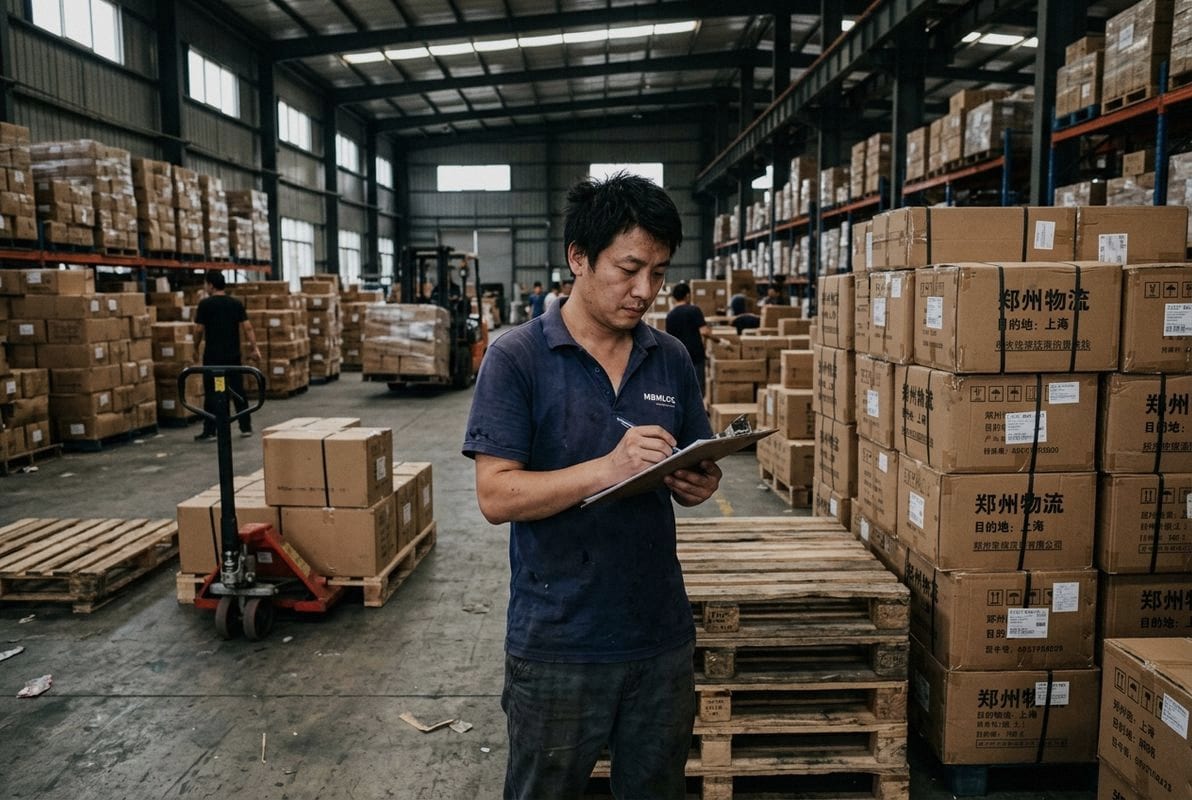
Every week at our Zhengzhou consolidation warehouse, I field calls from Amazon sellers blindsided by mysterious fuel surcharges on their freight invoices — charges that quietly eat into margins and turn a profitable product into a losing one.
BAF (Bunker Adjustment Factor) is a standard, scheduled fuel surcharge adjusted quarterly to reflect normal bunker fuel prices, while EBS (Emergency Bunker Surcharge) is a temporary, reactive fee applied only during sudden, extreme fuel price spikes that exceed what the regular BAF covers.
Both charges show up as separate line items on your ocean freight invoice cleaner VLSFO 1. Both affect your landed cost. But understanding the difference between them can save you hundreds of dollars per container and protect your Amazon FBA business from nasty surprises. Let me walk you through exactly how they work.
A lesson I learned early on coordinating DDP shipments 2 from China to the USA: not every fuel surcharge on an invoice behaves the same way, and confusing the two can wreck your cost projections for an entire quarter.
To distinguish BAF from EBS on your shipping quote, look at timing and labeling: BAF appears as a recurring, scheduled line item adjusted quarterly, while EBS appears as a separate, temporary charge triggered by sudden fuel price spikes — and it is always charged on top of the existing BAF.
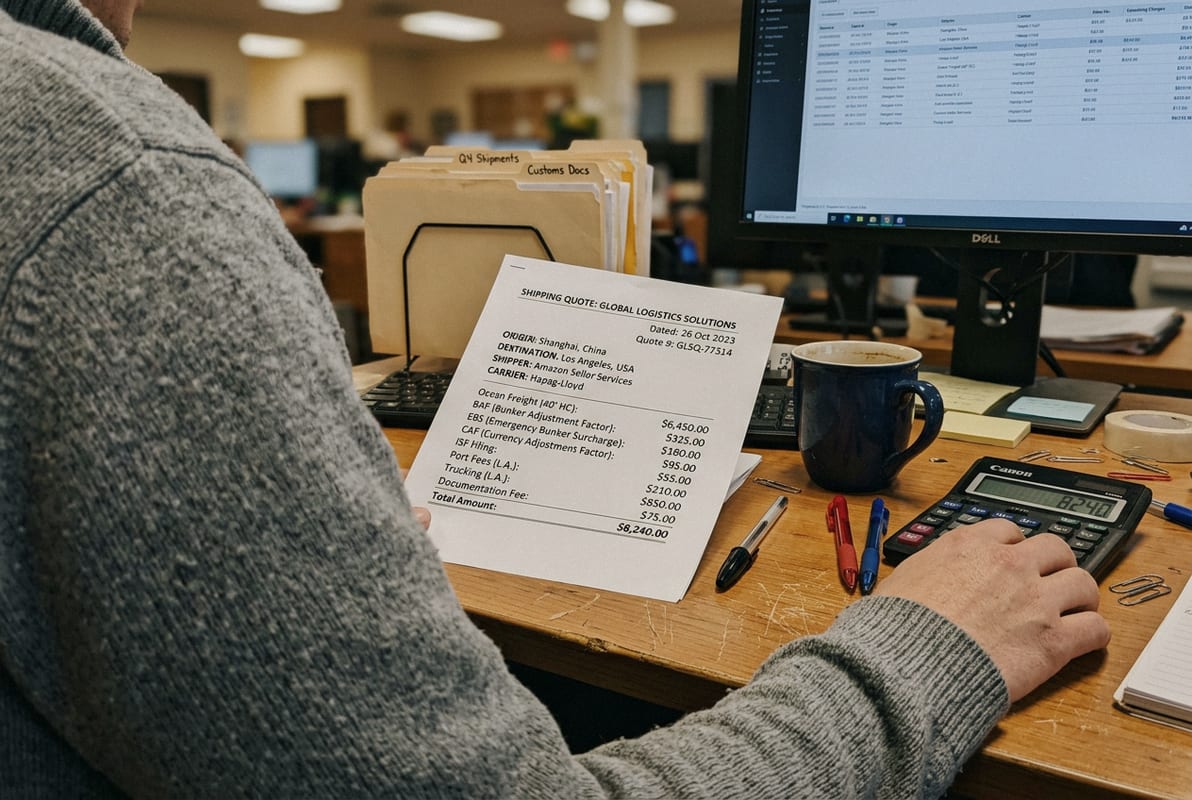
BAF is the fuel surcharge you see on virtually every ocean freight quote Geopolitical events 3. It reflects the ongoing cost of bunker fuel 4 — the heavy fuel oil that powers container vessels. Since the IMO 2020 regulation 5 pushed carriers toward cleaner VLSFO (Very Low Sulfur Fuel Oil), the baseline cost of marine fuel has gone up. BAF captures that cost.
Carriers update BAF on a set schedule. Most adjust it monthly or quarterly. They reference published fuel price indexes, apply their own formula, and announce the new rate well in advance. When you sign a long-term freight agreement, BAF is usually built right in.
EBS is different. It is a temporary surcharge that appears only when fuel prices spike beyond what the standard BAF can cover. Think of it as an emergency top-up. It shows up as a separate line item — often with very little advance notice.
Here is a quick reference I share with our clients:
| תכונה | BAF (Bunker Adjustment Factor) | EBS (Emergency Bunker Surcharge) |
|---|---|---|
| Nature | Standard, recurring | Emergency, temporary |
| Adjustment Cycle | Monthly or quarterly | Introduced outside regular cycles |
| Advance Notice | Weeks to months | Sometimes 30 days, often less |
| Trigger | Regular fuel price movement | Extreme, unexpected fuel price spikes |
| Duration | Ongoing | Temporary — removed when crisis passes |
| Relationship | Baseline fuel cost coverage | Additional charge on top of BAF |
When I review quotes for our clients, I check three things. First, is the BAF rate consistent with the carrier's published schedule? Second, is there an EBS line item, and if so, what is the effective date? Third, does the quote state that EBS is subject to change without notice?
If you see both BAF and EBS on the same invoice, that is normal. EBS does not replace BAF. It stacks on top of it. The total fuel-related cost on your shipment is BAF plus EBS combined.
Understanding this distinction matters because BAF is something you can plan around. EBS is not. And when you are calculating your DDP price for an Amazon FBA shipment, every unexpected dollar counts.
One of our regular clients — an Amazon seller moving about four containers a month from Shenzhen to Los Angeles — called me last spring, frustrated. His freight rate hadn't changed, his BAF looked normal, but a new $180 EBS charge appeared on every 40-foot dry container. He wanted to know why.
You are being charged EBS because bunker fuel prices spiked beyond what your standard BAF covers, often triggered by geopolitical events, supply chain disruptions, or sudden fuel shortages — and carriers impose this temporary surcharge to recover unexpected costs and maintain operational stability.
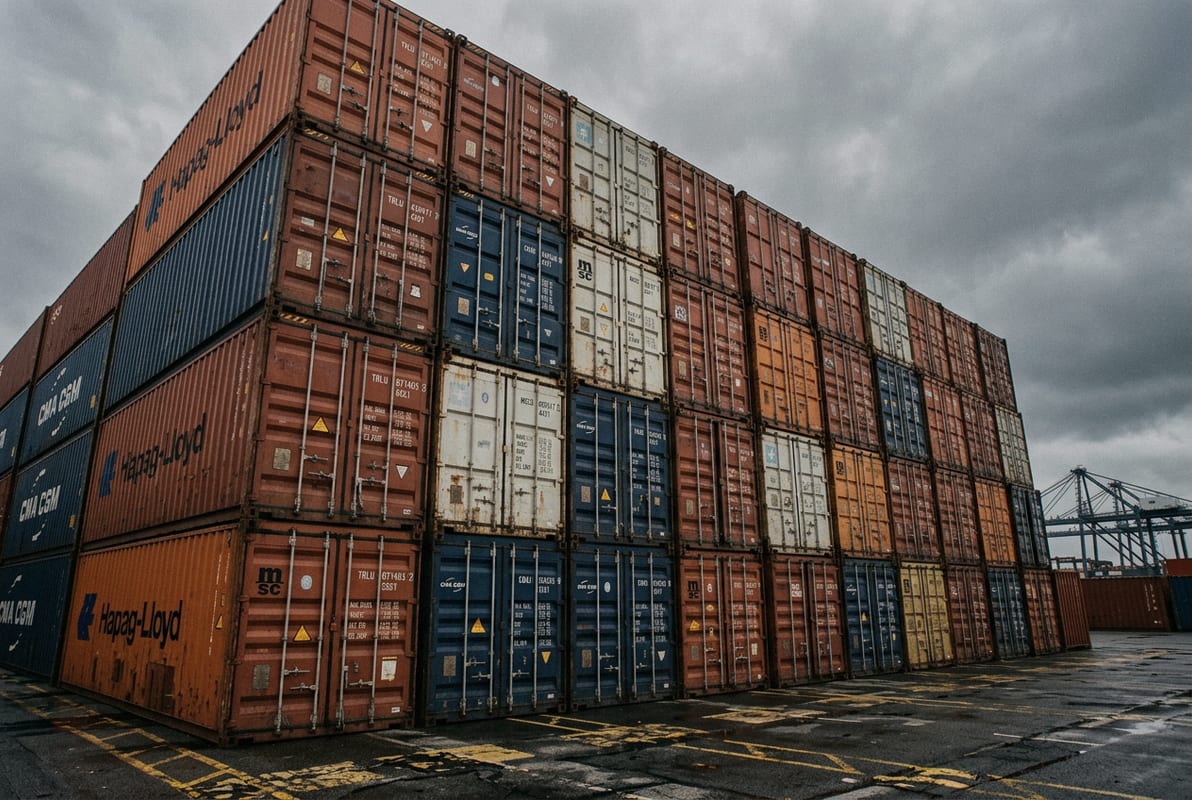
EBS does not appear randomly. It is triggered by specific, measurable conditions. When the price of marine fuel jumps past a threshold that the carrier's BAF formula cannot absorb, EBS kicks in. Here are the most common triggers:
The maritime industry has seen a notable increase in EBS announcements recently. Maersk implemented a global EBS effective March 25, 2026, citing excessive fuel price volatility that exceeded what their standard Fossil Fuel Fee could cover. Suires Shipping announced an EBS effective March 24, 2026, for all containerized cargo, with progressive phases and adjustments tied to fuel conditions.
These are not isolated cases. Rising energy market volatility has made EBS a more frequent reality for shippers.
| Container Type | EBS Range (USD) |
|---|---|
| 20′ Dry | $50 – $60 |
| 40′ Dry | $90 – $180 |
| 20′ Reefer | $85 – $250 |
| 40′ Reefer | $180 – $250 |
| Asia–South Pacific (per container) | $485 – $1,160 |
These numbers add up fast. If you are shipping ten 40-foot dry containers per month, an EBS of $180 per container means $1,800 in unexpected costs. That is money directly off your bottom line.
From the carrier perspective, EBS is a risk management tool. Fuel is one of the largest operating costs in container shipping. When bunker fuel prices surge by 20% or more in a matter of weeks, the scheduled BAF cannot keep pace. Without EBS, carriers argue they would be forced to absorb losses that threaten operational stability.
From our side — coordinating DDP shipments daily — I understand the frustration. But I also know that carriers will not move your cargo at a loss. The practical question is not whether EBS is fair, but how to manage it.
A trade-off I weigh constantly when quoting DDP shipments: do I lock in a rate today and risk absorbing a surprise EBS, or do I quote with a fuel surcharge buffer and risk losing the client to a competitor with a lower headline number?
BAF and EBS directly increase your DDP landed cost because they are added on top of the base ocean freight rate, and for a typical 40-foot container from China to the USA, combined fuel surcharges can add $200–$500 or more to your total shipping costs per shipment.
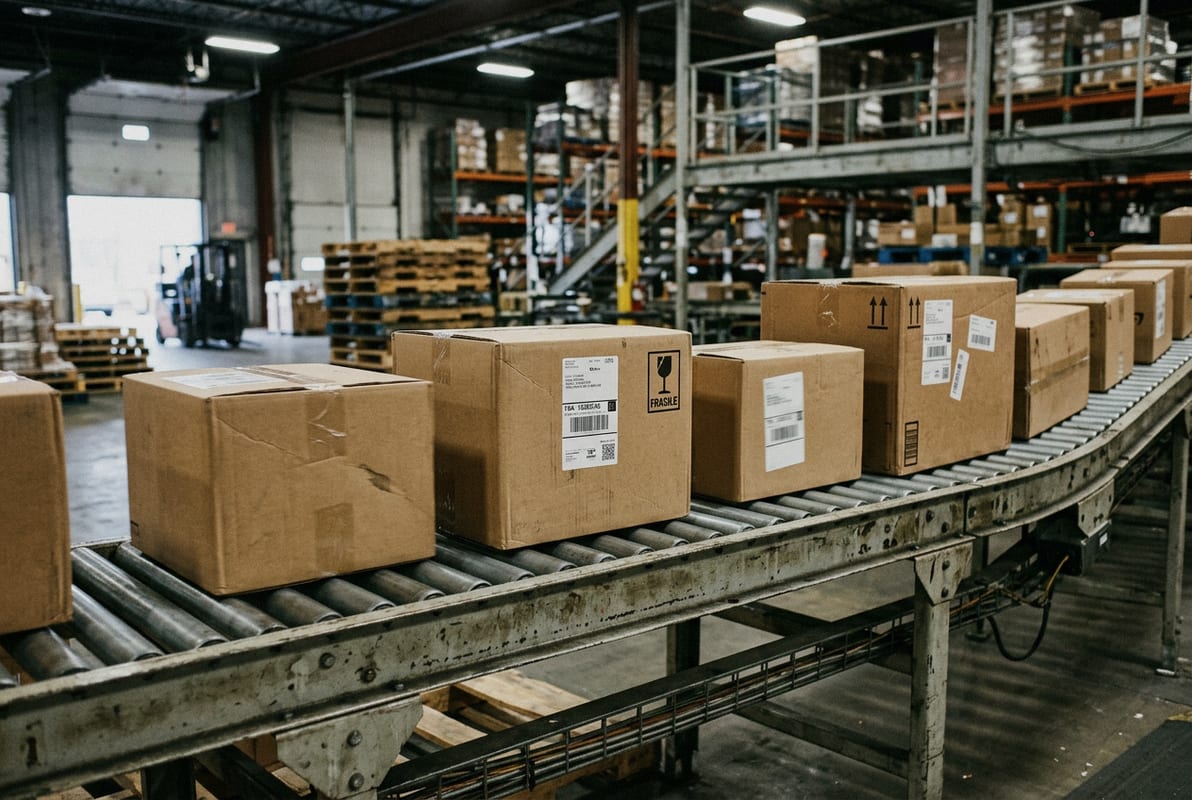
When we quote a DDP price at MBMLOG, we include everything: ocean freight, customs clearance in China and the USA, duties, taxes, and last-mile delivery to your Amazon FBA warehouse. Fuel surcharges — both BAF and EBS — are embedded in that total.
Here is the problem. BAF is predictable. We can build it into a quarterly quote with reasonable confidence. EBS is not. When EBS hits mid-shipment or mid-contract, someone has to absorb it. Either the logistics provider eats the cost, or it gets passed through to you.
Let me show you how fuel surcharges fit into a typical DDP shipment from Shenzhen to a US Amazon FBA warehouse:
| Cost Component | Estimated Range (40′ Dry Container) |
|---|---|
| Base Ocean Freight Rate | $2,500 – $4,500 |
| BAF (Bunker Adjustment Factor) | $150 – $350 |
| EBS (if applicable) | $90 – $180 |
| Origin Handling & Documentation | $100 – $200 |
| US Customs Clearance & Duties | Varies by product |
| Last-Mile Delivery to FBA Warehouse | $300 – $800 |
| Total DDP Estimate | $3,140 – $6,030+ |
Notice that BAF and EBS together can represent 5–10% of your total ocean freight cost. That percentage climbs higher on specific trade lanes — especially Asia to South Pacific routes, where EBS alone can exceed $1,000 per container.
For Amazon sellers, every dollar of shipping cost gets divided across the units in that container. If you are shipping 2,000 units per 40-foot container and your combined fuel surcharges jump by $250, that is an extra $0.125 per unit. It sounds small, but multiply it across thousands of units and several shipments per month, and it adds up to real money.
The bigger risk is not the cost itself — it is the unpredictability. If you have already set your Amazon listing price based on a DDP quote that did not include EBS, your margin shrinks without warning.
In our DDP quotes, we flag the current BAF level and note whether any carrier has announced an upcoming EBS. We also build in a small fuel contingency buffer on longer-term agreements. This way, our clients — mostly Amazon sellers and e-commerce importers — can set their product pricing with confidence.
I always recommend reviewing your freight rates at least quarterly. Fuel surcharges shift, and so should your pricing strategy.
A client interaction last quarter taught me something important. A mid-sized Amazon seller asked me to lock his DDP rate for six months. I explained that while we could stabilize the base freight and BAF, no honest logistics provider can guarantee zero EBS exposure over half a year — not in today's volatile energy market. But there are concrete steps to minimize the damage.
To protect your Amazon FBA margins from sudden EBS hikes, monitor carrier fuel surcharge announcements weekly, negotiate contracts with fuel cost caps or adjustment clauses, use a DDP logistics partner with transparent pricing, and maintain a 5–8% contingency buffer in your product cost calculations.

The simplest protection is a buffer. I tell every Amazon seller I work with to add 5–8% on top of their current shipping cost estimate when calculating landed cost 7. If EBS does not materialize, that buffer becomes extra margin. If it does, you are covered.
Major carriers like Maersk, MSC, CMA CGM, and Hapag-Lloyd publish surcharge updates on their websites. Some announce EBS 30 days in advance. Others give less notice. Set up alerts or ask your logistics partner — that is part of what we do at MBMLOG — to flag any announced changes immediately.
Sophisticated shippers are increasingly using financial hedging strategies or negotiating long-term contracts that include fuel cost caps or collars. A cap sets a maximum surcharge you will pay. A collar sets both a floor and a ceiling. These tools shift some of the fuel price volatility risk back to the carrier.
Here is a comparison of contract strategies:
| אִסטרָטֶגִיָה | איך זה עובד | הטוב ביותר עבור |
|---|---|---|
| Spot Market Booking | Book each shipment at current rates | Low-volume or irregular shippers |
| Quarterly Contract with BAF Pass-Through | Locked base rate; BAF adjusts quarterly | Mid-volume shippers wanting some stability |
| Long-Term Contract with Fuel Cap | Locked base rate; fuel surcharges capped at a maximum | High-volume shippers prioritizing budget certainty |
| Fuel Collar Agreement | Floor and ceiling on fuel surcharges | Shippers willing to share risk with carrier |
| DDP All-Inclusive with Contingency | Provider quotes total DDP with built-in buffer | Amazon FBA sellers wanting simplicity |
Digital logistics platforms and experienced freight forwarders 8 can optimize your routing and timing. At our operation, we track fuel price trends and carrier surcharge schedules daily. When we see an EBS announcement coming, we alert our clients and, when possible, adjust shipment timing to avoid peak surcharge windows.
Instead of shipping all your inventory in one large batch, consider spreading shipments across multiple weeks. This reduces your exposure to a single EBS announcement. If an EBS takes effect on March 25, cargo that shipped on March 20 may avoid it entirely. Choosing between fast and slow international shipping methods also plays a role in how you time your shipments relative to surcharge windows.
Your Amazon listing price should reflect your real landed cost — not the cost from six months ago. I recommend a quarterly review cycle that aligns with BAF adjustment periods. When fuel surcharges go up, adjust your FBA pricing. When they come down, you can either lower prices for competitiveness or pocket the margin.
The broader trend in the maritime industry is clear: fuel price volatility is increasing, emissions standards are tightening, and supply chain disruptions 9 are more frequent. EBS is not going away. The shippers who thrive are the ones who plan for it rather than react to it.
BAF and EBS are both fuel surcharges, but they behave very differently. Understanding their triggers, timing, and impact on your DDP costs is essential for protecting your Amazon FBA margins in an increasingly volatile shipping environment. When preparing your next shipment, also consider how to choose the right cardboard boxes for international shipping — proper packaging decisions can further help you control costs and avoid damage-related losses.
1. Explains Very Low Sulfur Fuel Oil, a key compliant marine fuel. ↩︎
2. Explains Delivered Duty Paid (DDP) Incoterm in international shipping. ↩︎
3. Academic source discussing the impact of geopolitical risks on the global economy, replacing a broken PDF link. ↩︎
4. Provides information on bunker fuel, the primary fuel for ships. ↩︎
5. Official IMO page on the 2020 sulphur limit, replacing a broken link on the same domain. ↩︎
6. Explains contractual mechanisms to limit fuel surcharge exposure. ↩︎
7. Defines landed cost, a critical metric in international trade. ↩︎
8. Explains the role of freight forwarders in logistics and shipping. ↩︎
9. Explains the causes and impacts of disruptions in global supply chains. ↩︎