- +8618603825129
- [email protected]


Choosing a freight forwarder for forklift shipping worries many importers I talk with weekly. Our Zhengzhou team has watched cheap quotes turn into stranded containers, battery rejections, and surprise port bills.
Choose a freight forwarder for forklift shipping by verifying heavy machinery experience, lithium battery handling knowledge, itemized all-inclusive quotes, correct FCL or LCL container planning, in-house customs brokerage services, cargo insurance coverage, and proven door-to-door delivery on your specific route before booking.
That is the short answer. Below, I break each factor down using the questions our own forklift-importing customers ask us most often.
A US dealer once came to us after another forwarder booked his lithium battery forklifts 1 as ordinary cargo. The carrier refused the container at the port. He lost three weeks.
Your forwarder needs documented experience shipping electric forklifts with lithium batteries, including battery classification, UN38.3 documentation coordination, carrier acceptance procedures, safe container loading of heavy machinery, and route-specific references. Generic parcel or garment forwarders usually lack this specialized knowledge and cause avoidable delays.
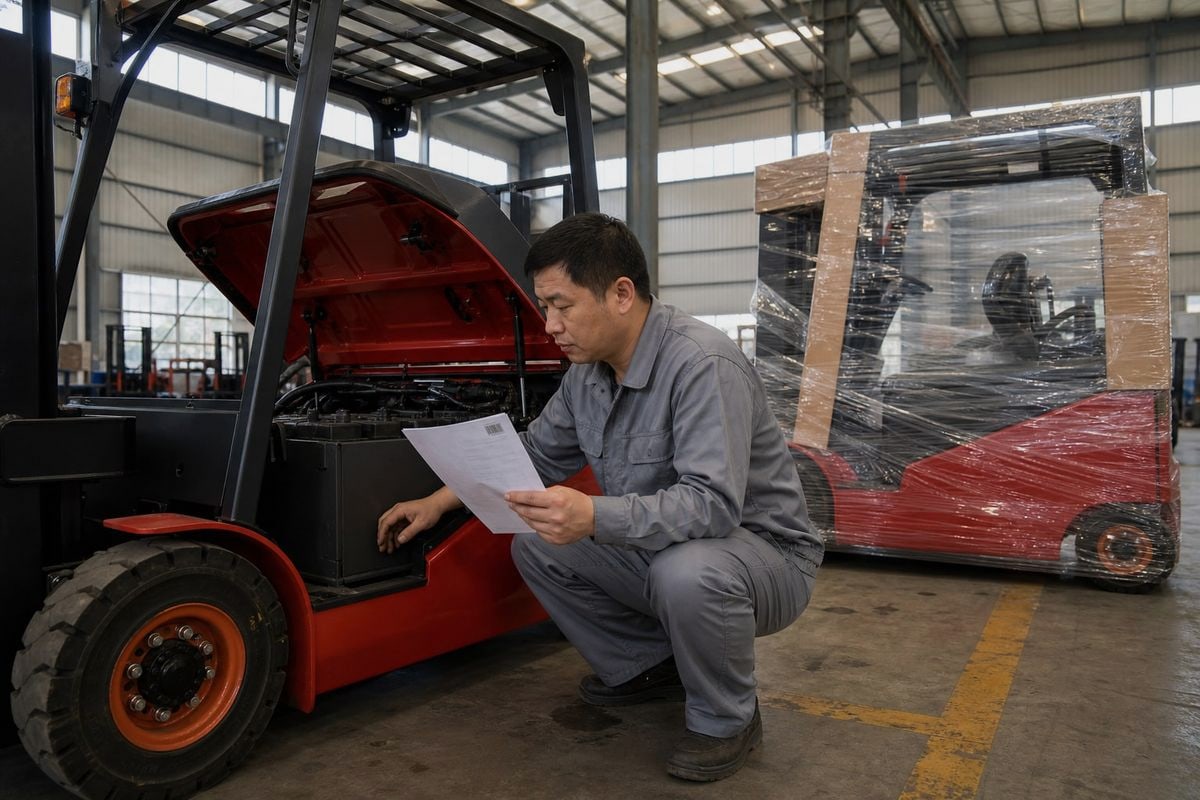
Forklift shipping is not a generic freight move. That is the single most important idea in this article. An electric forklift combines three complications in one shipment: it is heavy, it is awkwardly shaped, and it often contains a lithium battery. Each complication alone changes how cargo must be booked. Together, they demand a specialist.
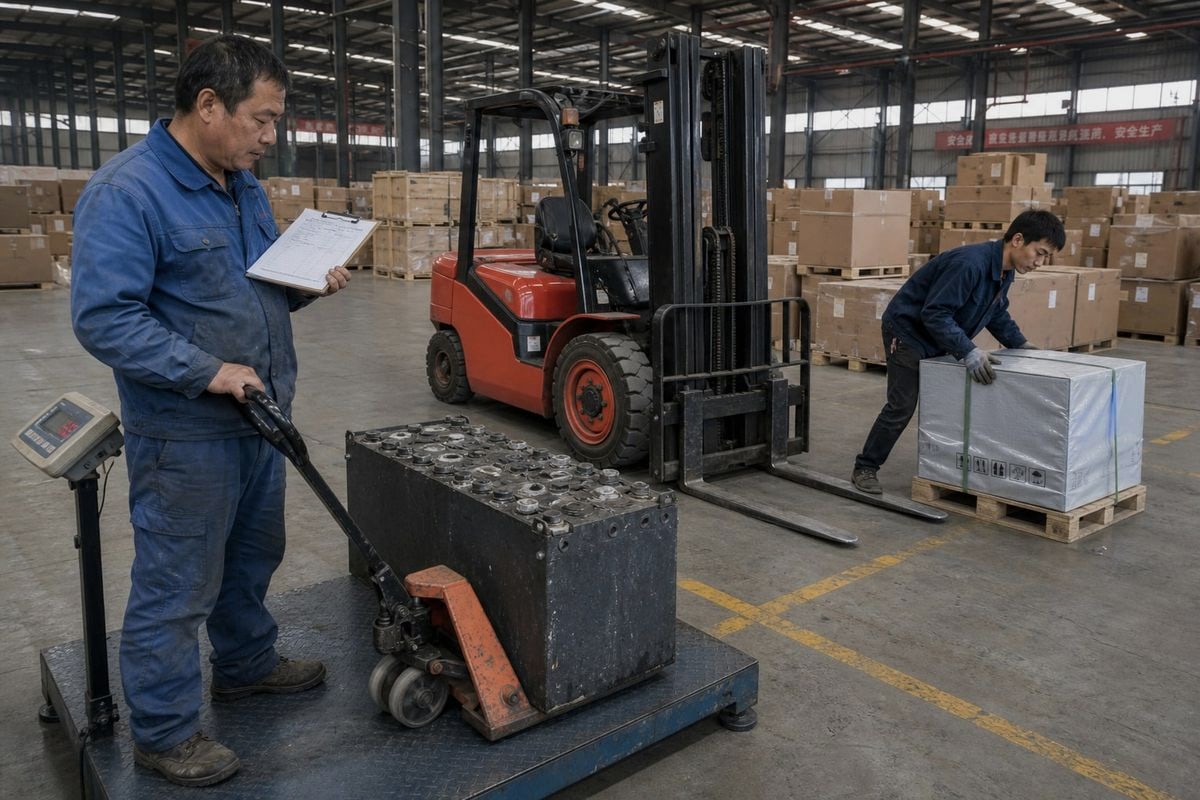
Lithium battery forklifts fall under dangerous goods rules for many carriers. The battery specification, watt-hour rating, and documentation affect whether a shipping line will even accept the container. In our work, we collect battery data sheets from the factory before booking. We confirm carrier acceptance in advance. Forwarders who skip this step discover the problem at the port, when it is most expensive to fix.
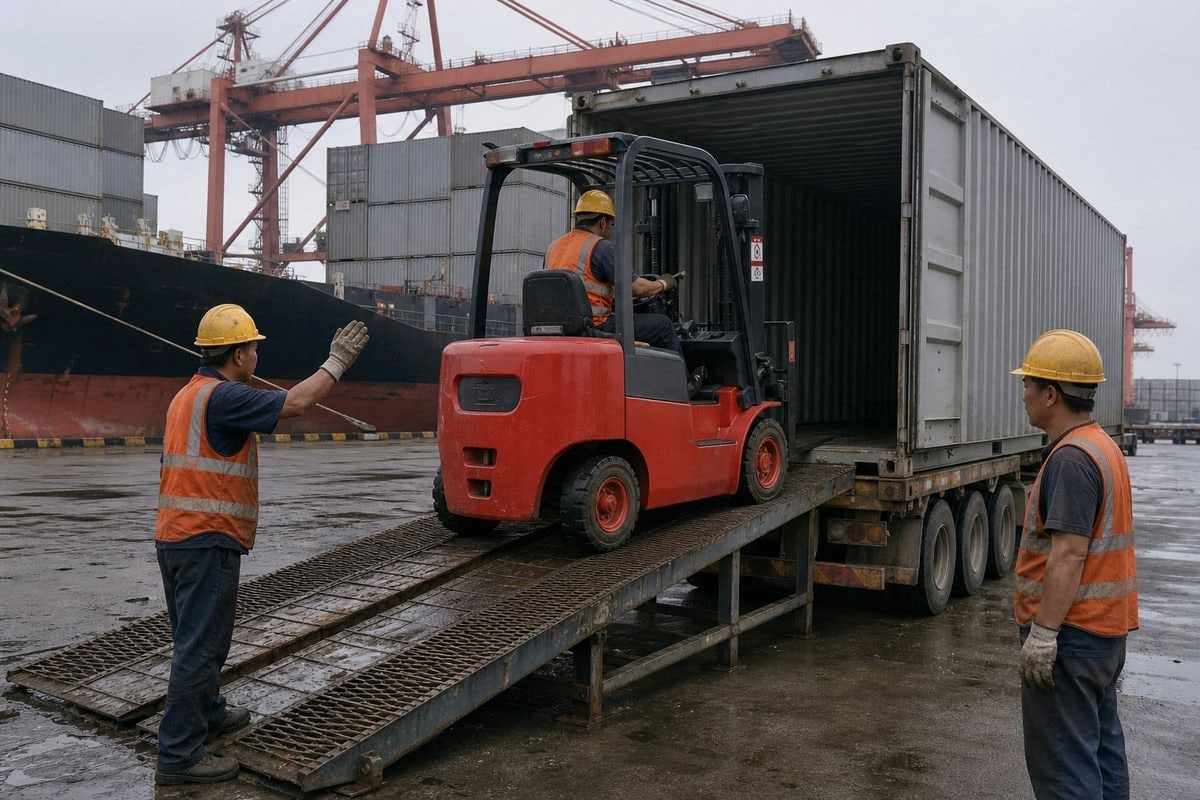
Beyond batteries, ask whether the forwarder understands material handling equipment physically. A counterbalance forklift concentrates enormous weight on a small footprint. Loading it wrong cracks container floors or shifts cargo at sea. Some oversized models need flat rack containers or even RORO shipping 2 instead of standard boxes. A forwarder with real heavy machinery transport experience will ask you about mast height, service weight, and whether the unit is operational before quoting. If they do not ask, that silence tells you something.
| Question to Ask | What a Good Answer Sounds Like | Warning Sign |
|---|---|---|
| How many forklift shipments have you handled on this route? | Specific numbers, recent examples, references | Vague claims of "lots of experience" |
| How do you handle lithium battery documentation? | Mentions battery specs, carrier pre-approval | "The factory handles that" |
| What if my forklift exceeds standard container height? | Discusses flat rack containers, RORO shipping, mast lowering | No alternative plan offered |
| Do you inspect loading? | Describes securing, lashing, weight distribution | Only books ocean space |
I recommend shortlisting three to five forwarders and asking every one of them these same questions. The differences become obvious fast.
The hardest conversation I have with new customers starts the same way: their "cheap" quote grew by thousands of dollars after the container reached the US port.
Compare forklift shipping quotes by requesting fully itemized quotations from three to five forwarders using one standardized shipment profile, then normalize all lines in a spreadsheet. Confirm in writing which destination charges, customs fees, duties, and delivery costs are included, and judge total landed cost, not base freight.
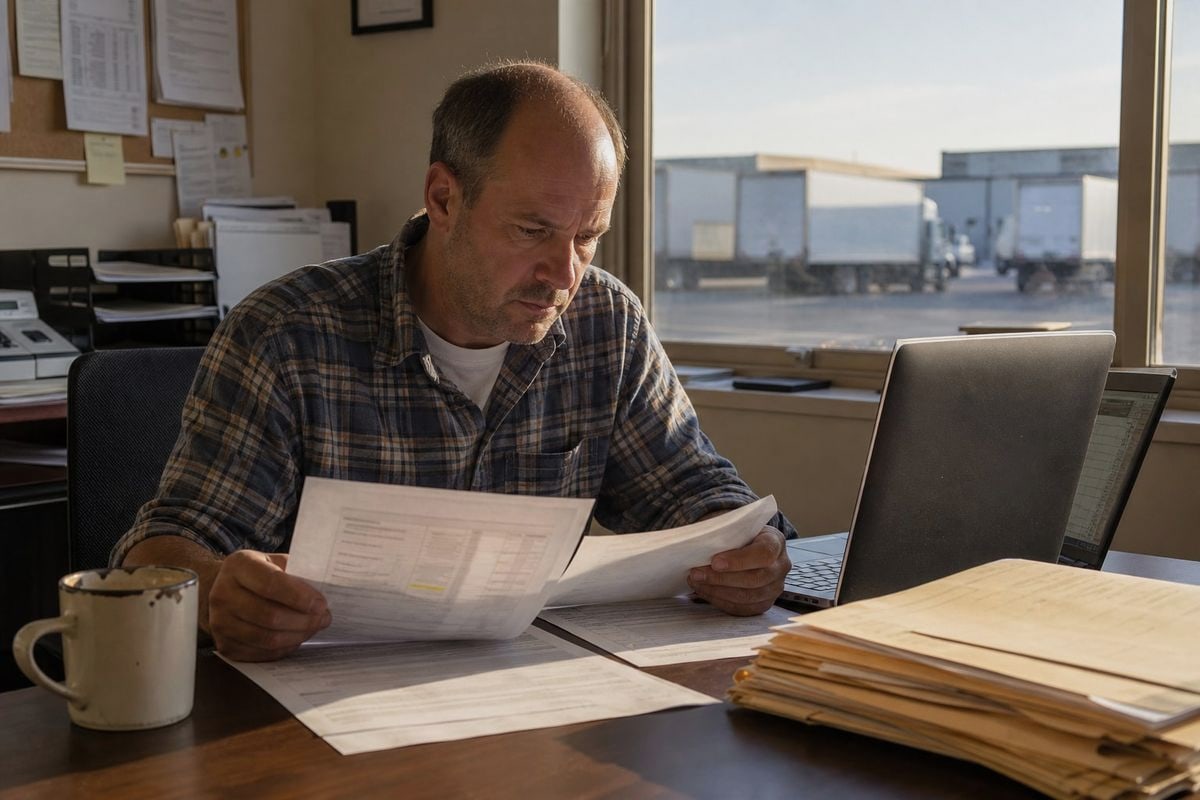
A low headline rate means nothing by itself. Some forwarders quote only the ocean leg. They know the destination charges will surprise you later, after you are committed. The fix is simple but requires discipline: standardize your request and demand itemization.
Send every forwarder the exact same shipment profile. Include forklift model, service weight, dimensions with mast lowered, battery type, quantity, origin factory city, destination address, and your preferred Incoterms. When quotes describe identical shipments, freight rate comparison becomes honest. When each forwarder guesses at different specs, the numbers are meaningless.
| Cost Category | Often Included? | What to Verify |
|---|---|---|
| Ocean freight | Yes | Validity period of the rate |
| Origin pickup and loading | Sometimes | Factory pickup, container loading, securing |
| Export declaration | Sometimes | Documentation fees |
| Destination terminal handling | Frequently excluded | Exact amount in writing |
| Customs clearance and duties | Frequently excluded | Who pays, who files, HS code used |
| Final trucking | Frequently excluded | Liftgate or forklift unloading needs |
| Storage and demurrage | Almost never | Free days, daily rates after |
Some buyers argue the cheapest quote always wins because freight is a commodity. I understand the logic, but forklift shipping punishes that thinking. A quote that is $400 cheaper but excludes destination handling, misses a battery document, or triggers demurrage can end up $2,000 more expensive. When we quote DDP shipments 3, we include duties and final delivery precisely so the landed cost is known before the order is placed. Judge value on the complete number, and get every exclusion listed in writing.
Container planning is where we save customers the most money. Last year we fit two forklifts plus chargers and a full spare parts order into one 40HQ that another plan split across two boxes.
Ask your forwarder how many forklifts fit in a 20FT, 40FT, or 40HQ container, whether FCL or LCL suits your volume, how units will be secured and weight-distributed, and whether batteries, chargers, and multi-supplier spare parts can be consolidated to fill unused space.

The right container strategy directly cuts your cost per forklift. But it also protects the cargo. Forklifts are high-value machines, and poor loading is the most common cause of transit damage I see. Here is how I break the decision down for customers.
| Option | Best For | Trade-Off |
|---|---|---|
| FCL 20FT | 1–2 compact forklifts, heavy dense cargo | Weight limits reached before space fills |
| FCL 40FT / 40HQ | 2–4 forklifts plus accessories | Needs enough volume to justify |
| LCL consolidation | Single small unit, pallet trucks, stackers | Extra handling, per-CBM pricing, slower |
| Flat rack containers | Oversized units too tall or wide for standard boxes | Higher cost, exposure to weather |
| RORO shipping | Operational, drivable heavy machinery | Limited ports, unit must run |
For most electric warehouse forklifts, FCL wins once you ship two or more units. LCL makes sense for a single electric stacker or a pallet truck order. Very large reach trucks may need rigging and dismantling of the mast, or a flat rack, and your forwarder should raise that before booking, not after.
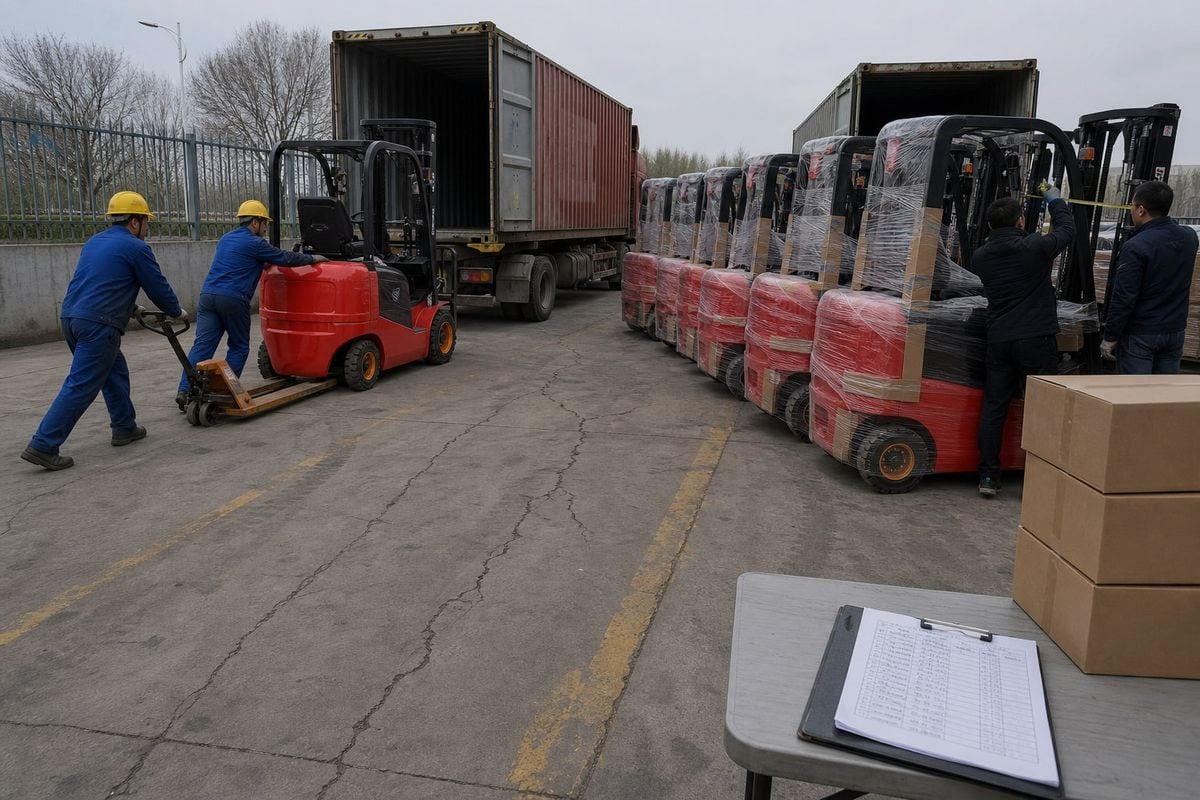
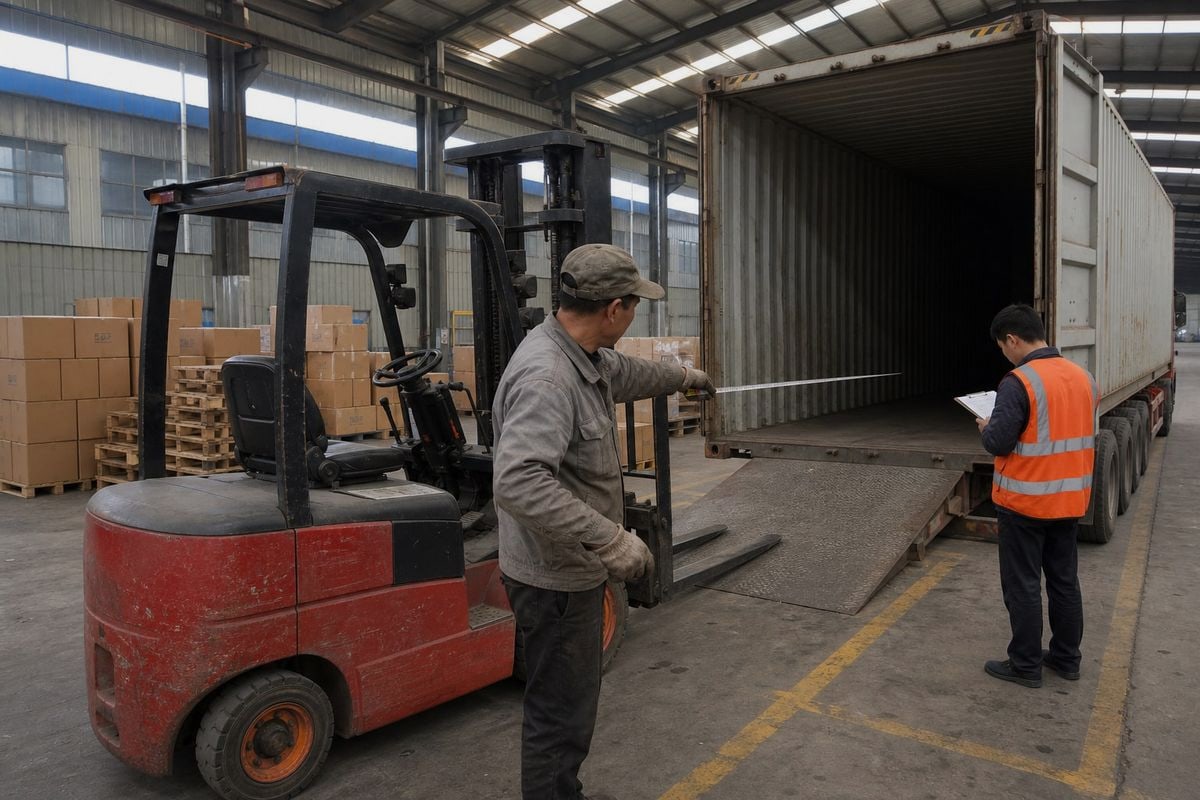
Ask these specifics: How will each unit be blocked and lashed? How is axle weight distributed across the container floor? Will masts be lowered or removed? Who supervises loading at the factory or warehouse? We coordinate loading directly with Chinese factories because a photo of a properly secured forklift before the doors close prevents most damage claims later.
If you buy forklifts from Factory A, batteries from Factory B, and chargers from Factory C, ask whether the forwarder can pick up from all three and consolidate at one warehouse. Spare parts filling dead space above and around the forklifts can travel at near-zero marginal cost. That is container optimization working for your margin.
Early in my career, one misclassified HS code taught me an expensive lesson. The container sat at a US port for eleven days while storage charges climbed daily.
Confirm the forwarder offers in-house customs brokerage services or a named brokerage partner, verifies HS codes and battery documents before departure, quotes duties under clear Incoterms like DDP or DAP, provides cargo insurance coverage, offers shipment tracking, and assigns one dedicated contact through final delivery.
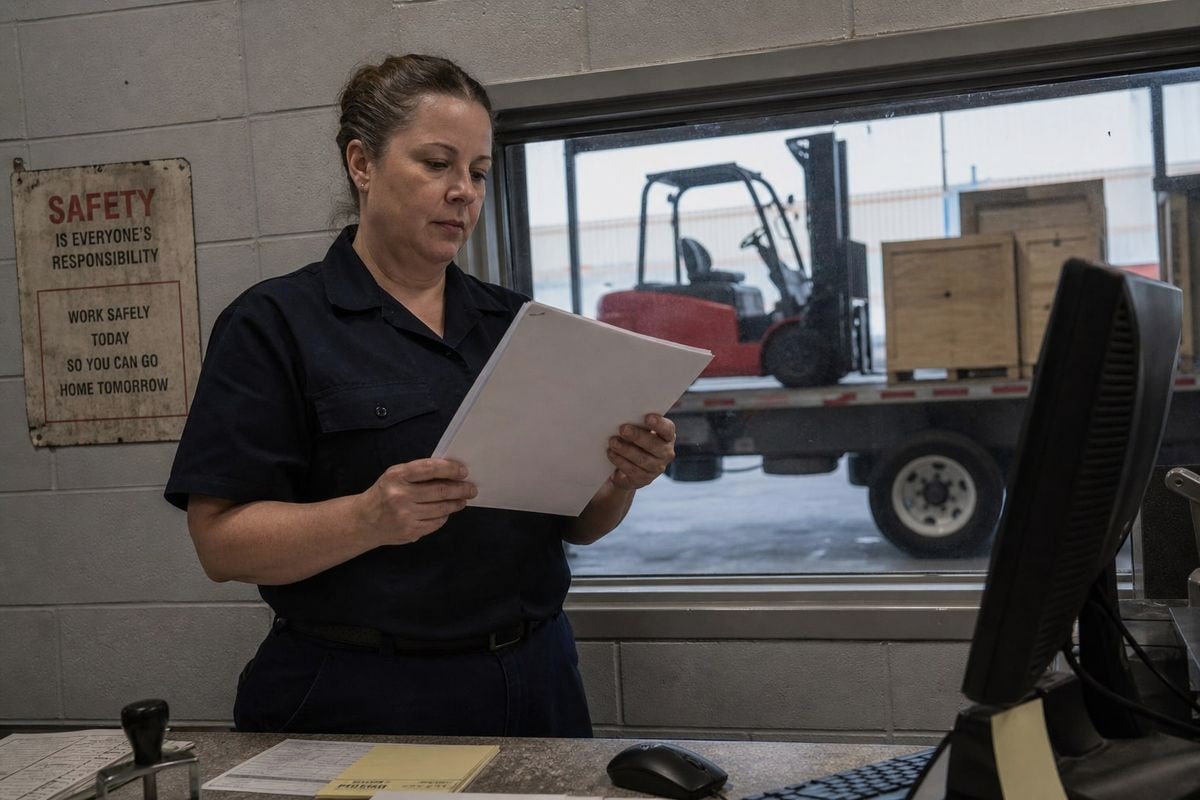
Reliability at destination is built at origin. That is the core insight most importers learn too late. By the time a customs problem appears at a US port, the mistake was usually made weeks earlier in China, in a document nobody double-checked.
A serious forwarder reviews the commercial invoice, packing list, HS code classification 4, and battery paperwork before the vessel sails. Machinery HS codes affect import duties directly, so classification errors cost real money in both directions: overpaying duty or triggering an exam. We check documents against the physical cargo details the factory gives us, because inconsistency between paperwork and cargo is the top trigger for clearance delays.
Get crystal clear on who does what. Under DDP, your forwarder handles duties, clearance, and delivery to your door. Under DAP, you or your broker handles import clearance. Under FOB, everything after the origin port is your problem. Some buyers prefer self-managed coordination to save fees, and that can work if you have an established broker and trucker. But for forklift shipments, one accountable party from factory pickup to final delivery removes the handoff gaps where delays breed.
Cargo insurance coverage matters more for forklifts than for most cargo, because a single damaged unit can erase the profit on the whole order. Ask what the policy covers, how claims are filed, and how long claims take. Ask for tracking updates at every major milestone: loaded, departed, arrived, cleared, delivered. And ask who answers when something goes wrong at 2 a.m. your time. Finally, for recurring volume, run a pilot: several guides suggest giving a shortlisted forwarder roughly 5–10% of your volume for 60–90 days before committing everything. One test container tells you more than any sales presentation.
Choosing a freight forwarder for forklift shipping means verifying battery expertise, demanding itemized quotes, planning containers smartly, and confirming customs reliability. Pick a partner, not just a rate — your landed cost depends on it.
1. Official US government safety guidelines for transporting lithium batteries by various modes of transport. ↩︎
2. Explains the Roll-on/roll-off shipping method used for transporting wheeled cargo like forklifts. ↩︎
3. Official rules from the International Chamber of Commerce defining buyer and seller responsibilities in global trade. ↩︎
4. The global authority on the Harmonized System used for classifying products for customs and duty purposes. ↩︎