- +8618603825129
- [email protected]


Door-to-door shipping for electric forklifts from China sounds simple until a shipment stalls at port. In our Zhengzhou logistics office, I see stranded cargo cases every month.
Door-to-door shipping for electric forklifts from China means one freight forwarder manages factory pickup, export customs, ocean freight, import clearance, duties and taxes, and final truck delivery to your warehouse. You sign one contract, receive one quote, and track one responsible party from start to finish.
That is the short answer. But the details matter, especially with lithium batteries 1 involved. Let me walk you through the full process, the costs, and the risks step by step.
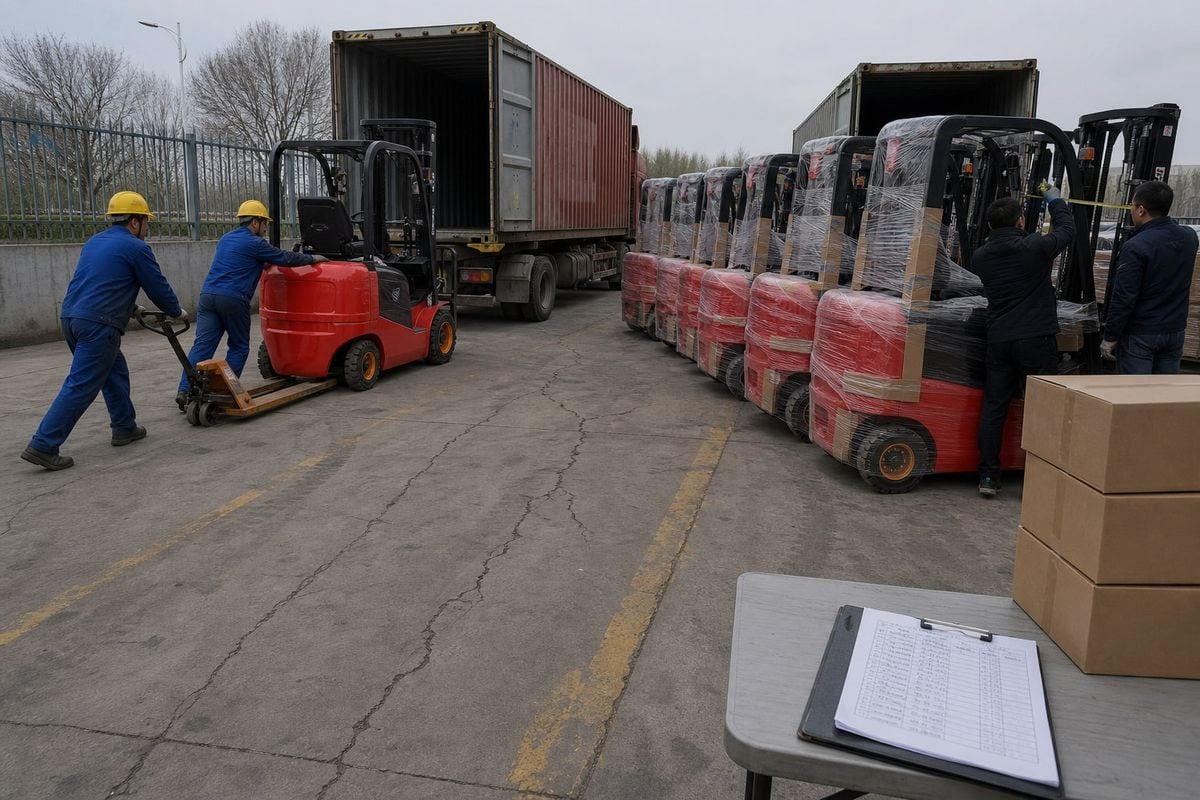
Last quarter, our team coordinated a shipment of six electric forklifts from a factory in Anhui to a distributor's warehouse in Texas. Every stage followed a fixed sequence, and skipping any step creates delays.
Door-to-door shipping follows six main steps: confirm forklift specs and battery documents, agree on the Incoterm and quote, arrange factory pickup and container loading, complete China export declaration, ship by ocean freight, then handle destination customs clearance and last-mile delivery to your site.
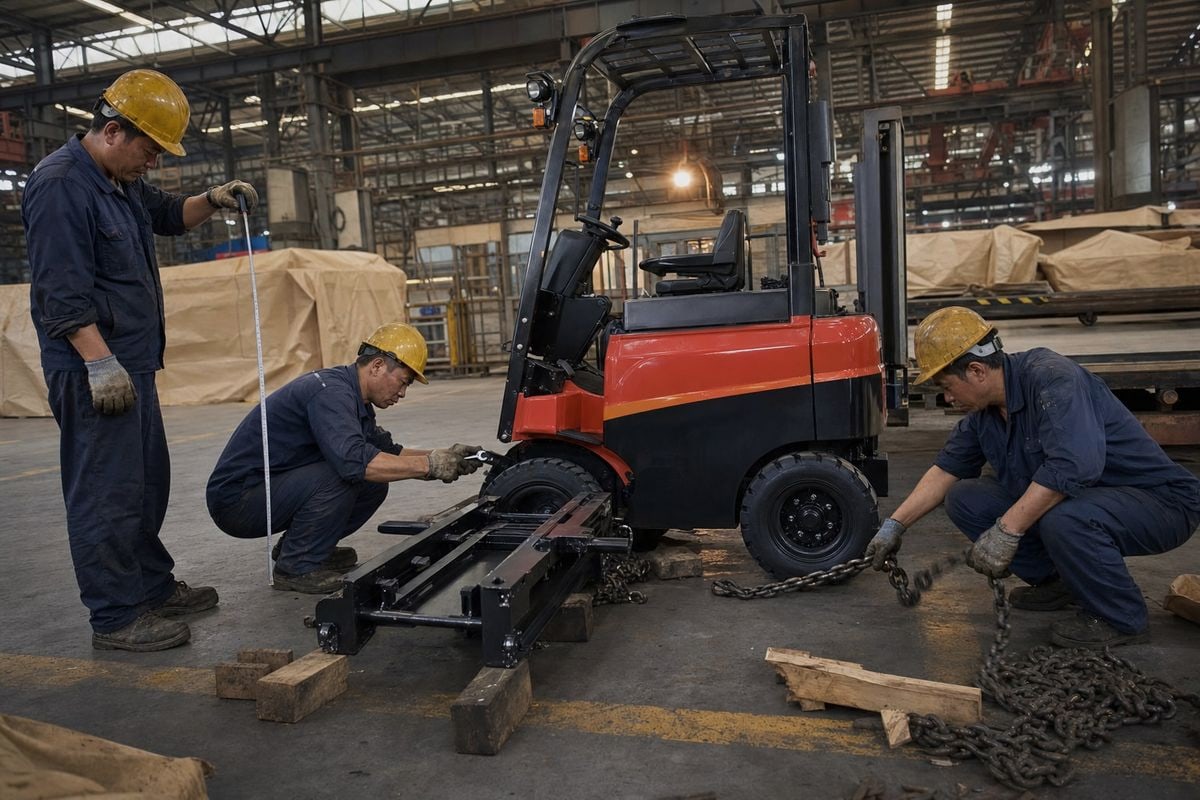
The workflow starts before any truck moves. First, we confirm the forklift model, dimensions, weight, and lifting capacity. A 3-ton electric forklift with the mast raised will not fit a standard container, so we check heights early. Then we verify the battery type, capacity, charger voltage, and required paperwork such as the UN38.3 test summary and SDS/MSDS sheets.
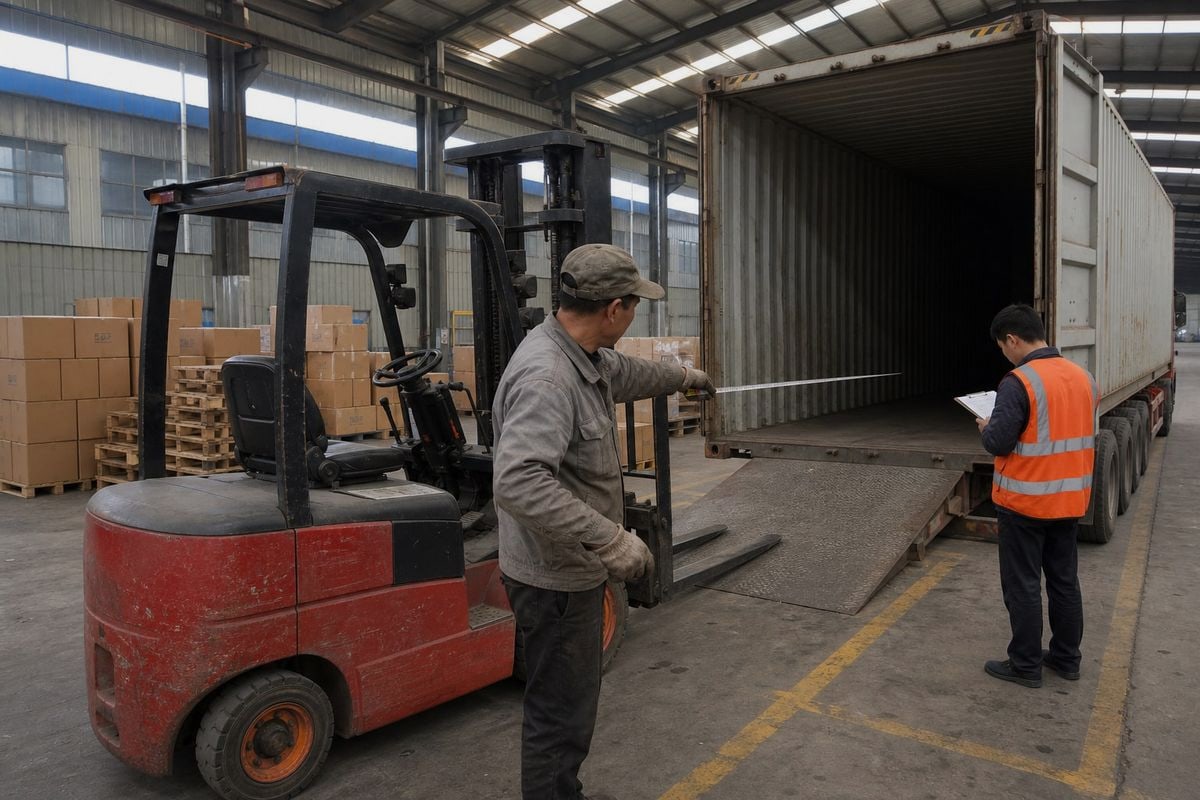
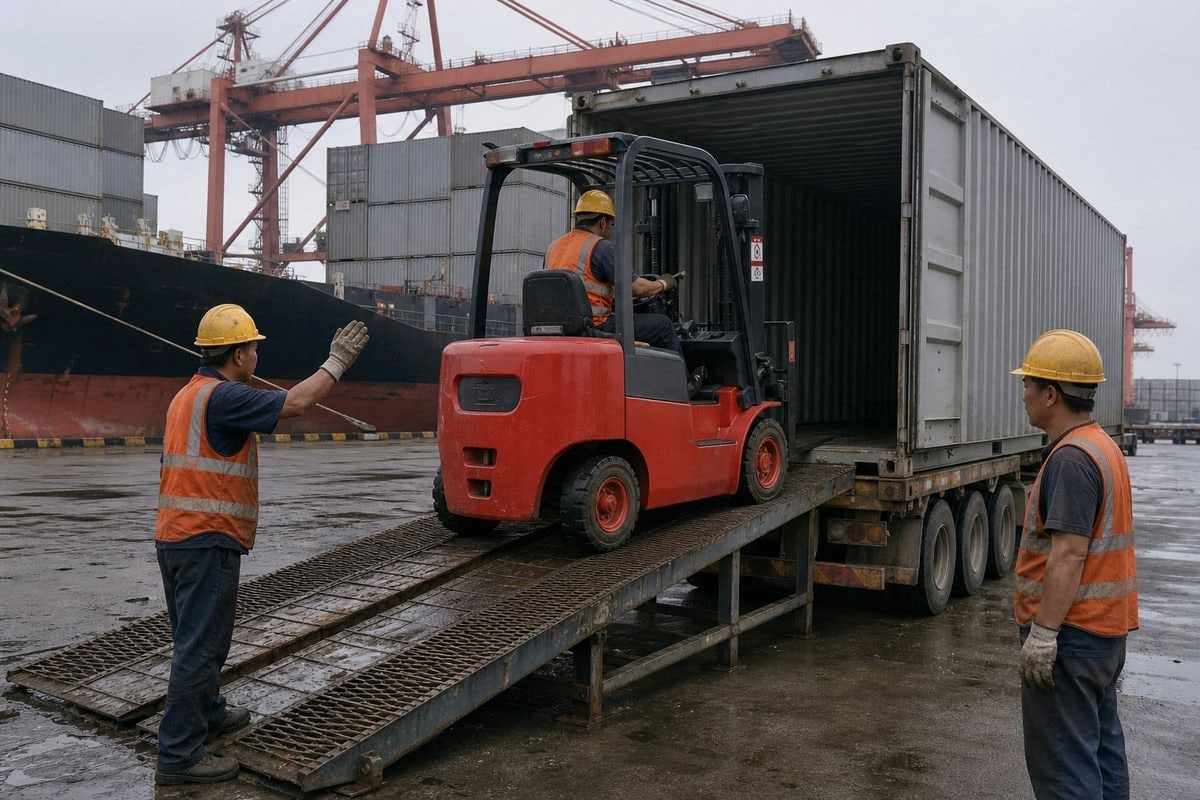
Next, we agree on the trade term. For true door-to-door service, that usually means DAP or DDP Incoterms 2. Once confirmed, we schedule pickup from the Chinese factory and coordinate loading with blocking, bracing, chains, and dunnage. Heavy-duty lashing matters here. The counterweight and mast must be secured against the G-forces of ocean transit, or the unit will shift and get damaged.
| Stage | What Happens | Who Handles It |
|---|---|---|
| 1. Pre-quote check | Confirm dimensions, weight, battery specs, UN38.3, SDS | Forwarder + factory |
| 2. Quote and Incoterm | Agree DAP or DDP scope, itemize charges | Forwarder + buyer |
| 3. Pickup and loading | Factory pickup, mast folding if needed, container securing | Forwarder |
| 4. Export declaration | China customs filing, Bill of Lading issued | Forwarder |
| 5. Ocean transit | FCL sea freight to destination port | Carrier |
| 6. Import and delivery | Customs clearance, duties, heavy-haul trucking to your door | Forwarder + broker |
One practical tip from our loading experience: a Semi-Knocked Down (SKD) approach, where we detach or fold the mast and overhead guard, often lets a forklift fit a standard container instead of a costlier high-cube or flat rack. That single decision can save real money.
After loading, we file the China export declaration. Electric-powered industrial vehicles can also benefit from China's "Green Channel" export priority under the national "New Three" export initiatives, which fast-tracks customs processing. Then the container sails, we clear destination customs, and a heavy-haul truck completes the last-mile delivery.
A buyer once told me his forklift quote looked great until destination charges doubled his budget. That conversation is why we itemize every cost bucket before a customer confirms an order with the factory.
Door-to-door cost combines factory pickup, export handling, ocean freight, port charges, customs clearance, import duties and taxes, insurance, and final trucking. Total landed cost depends on forklift size, battery type, container choice, route, and destination tariffs, so always request an itemized DDP quotation.
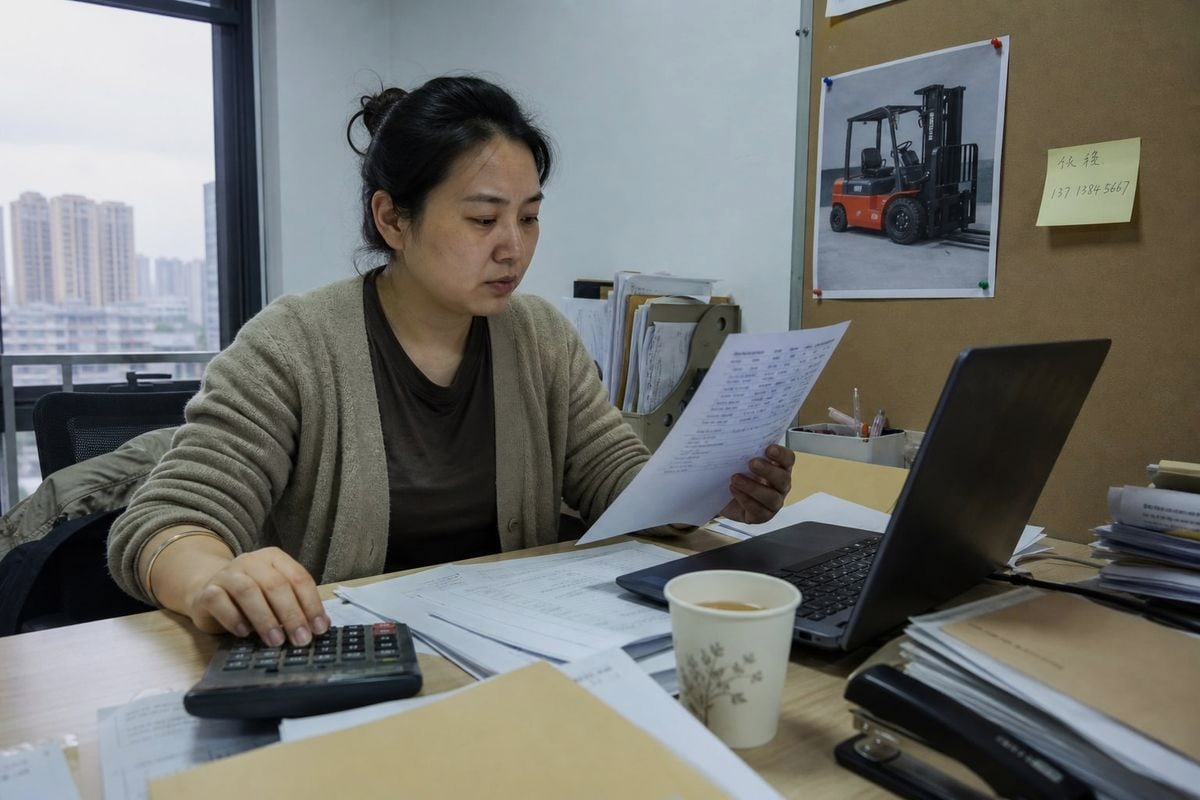
There is no single global price, and anyone quoting one number without asking your forklift's specs is guessing. What I can give you is the full cost structure so nothing surprises you later.
| Cost Component | Description | Typical Impact |
|---|---|---|
| Inland pickup in China | Trucking from factory to loading warehouse or port | Low to moderate |
| Export handling | Documentation, export declaration, terminal fees | Low |
| Ocean freight | FCL container rate on your route | Largest single item |
| Destination port charges | Terminal handling, container release fees | Moderate |
| Customs clearance services | Broker filing and entry processing | Low |
| Import duties and taxes | Based on HS Code 3 and origin | Can be significant |
| Marine insurance coverage | Protects high-value cargo in transit | Small, worth it |
| Last-mile delivery | Heavy-haul trucking to your warehouse | Moderate |
Duty calculation starts with correct classification. The HS Code for forklifts is typically 8427.10 for self-propelled electric units. For US-bound shipments, that code also determines whether Section 301 tariffs 4 apply, which can materially raise the landed cost. Getting the code wrong risks both overpayment and customs penalties.
Container utilization is the other big lever. When we plan loadings, we compare 20FT, 40FT, and 40HQ options against the forklift count and dimensions. Filling unused space with chargers, batteries, and spare parts from other suppliers through multi-supplier consolidation drops the per-unit freight cost noticeably. FCL and LCL shipping both exist as options, but for complete forklifts, FCL is almost always safer and often cheaper per unit once you ship two or more machines.
Finally, watch quote scope. A "door-to-door" quote is not automatically DDP. Some quotes exclude duties, port surcharges, or delivery fees. Ask directly: does this price include import duties and taxes, or not?
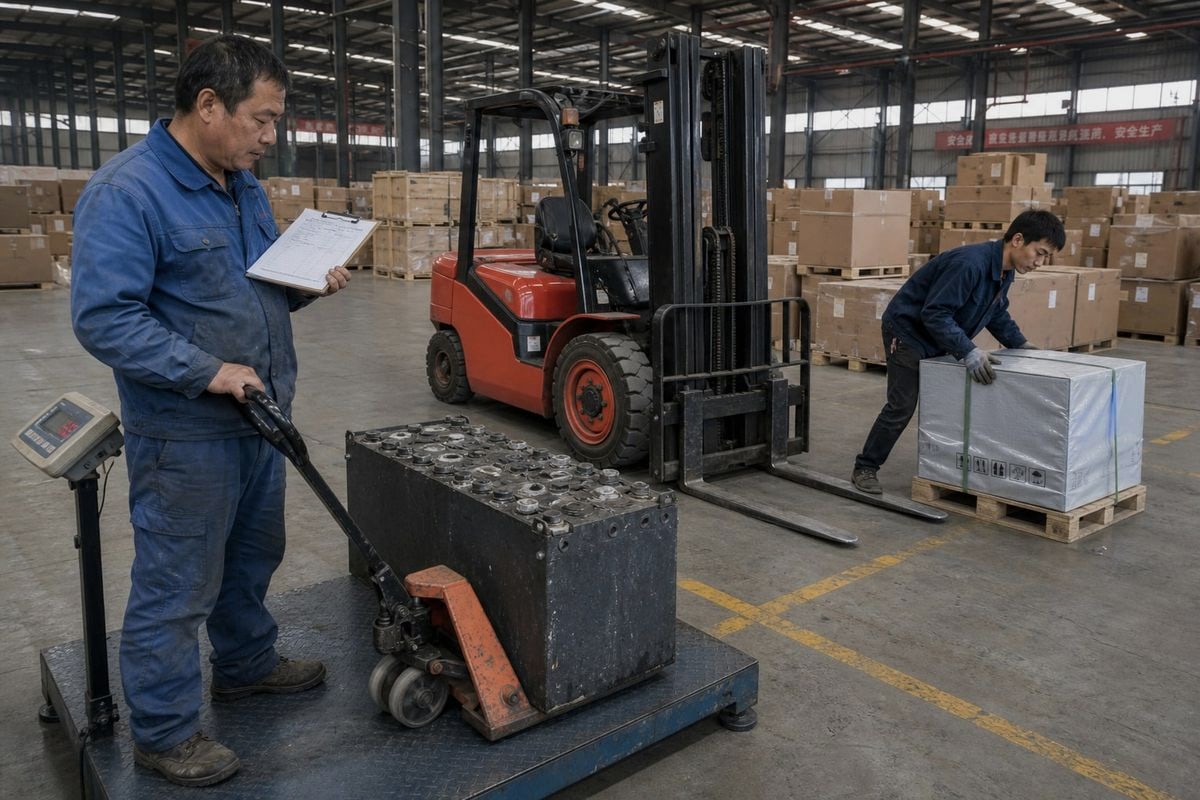
Battery paperwork is where I see the most shipments go wrong. Before we book any lithium battery forklift, our team collects the battery documents from the factory and confirms carrier acceptance in writing, because a rejected container at port is expensive for everyone.
Yes, lithium battery forklifts ship legally door-to-door when handled correctly. The battery needs a UN38.3 test summary and SDS/MSDS documents, possible Class 9 dangerous goods procedures, written carrier acceptance before loading, and often a maximum 30% state of charge for transit.
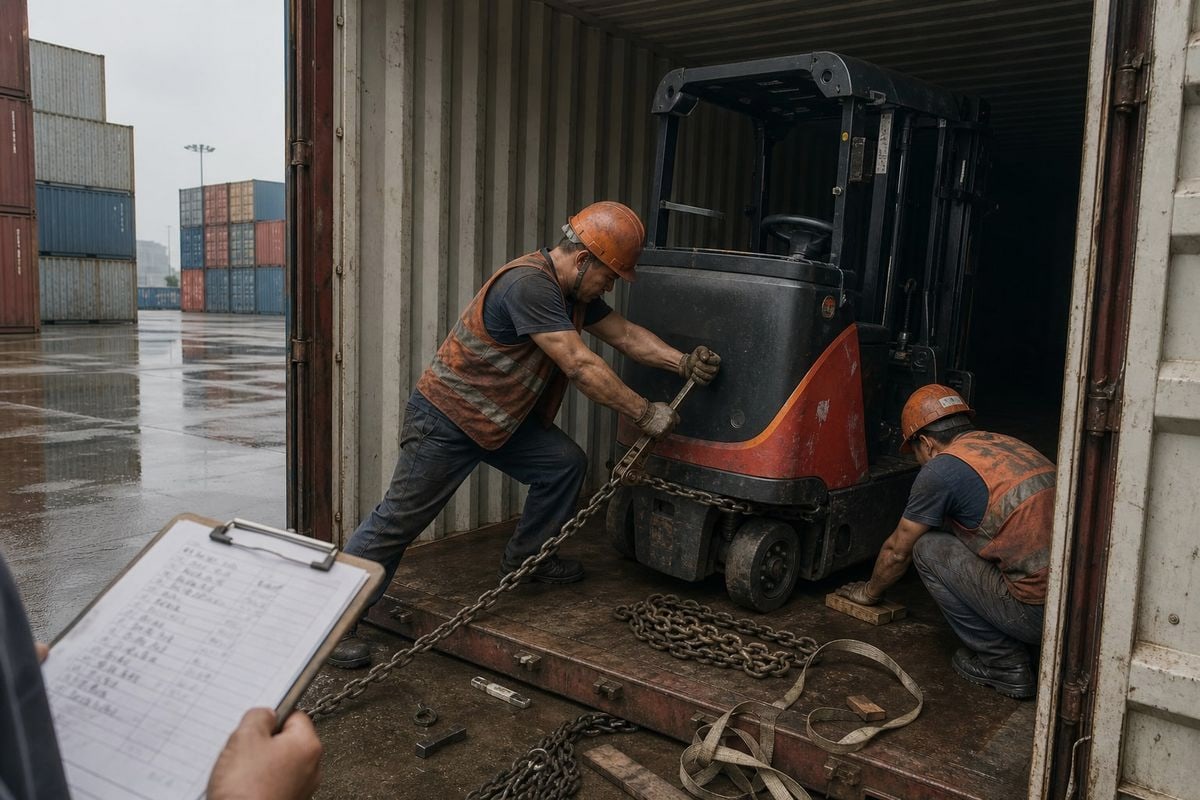
Lithium battery shipping regulations exist because these batteries carry fire risk under international maritime rules. An electric forklift with an integrated lithium pack may be treated as Class 9 dangerous goods, which triggers extra declarations, labeling, and carrier checks. Not every vessel or route accepts DG cargo, so we secure written confirmation from the carrier that the specific vessel and route accept the shipment before the container is loaded. Skipping this step is how containers get rolled at port.
State of charge matters. Shipping safety protocols often mandate a maximum 30% SoC for lithium batteries during ocean transit. Plan for this: the forklift will arrive with a low battery, so you need industrial-grade charging infrastructure ready at your warehouse on delivery day. We also confirm charger voltage matches your local grid before shipment, because a mismatched charger makes the forklift unusable on arrival, and replacing it later by air freight is costly.
Lead-acid battery forklifts follow a simpler path, but they still need proper securing and electrolyte-safety checks. Either way, a freight forwarder China buyers can rely on should raise every battery question before cargo leaves the factory, not after it reaches the port.
The trade-off I discuss most often with US forklift dealers is control versus convenience. Managing FOB freight yourself gives cost visibility. Handing the whole chain to one forwarder gives simplicity. Which one wins depends on your experience and your team.
Door-to-door shipping consolidates six or more logistics parties into one accountable provider, reducing coordination burden, customs risk, and timeline surprises. First-time and small-team importers usually benefit most, while experienced importers with established brokers may prefer FOB and their own forwarder.
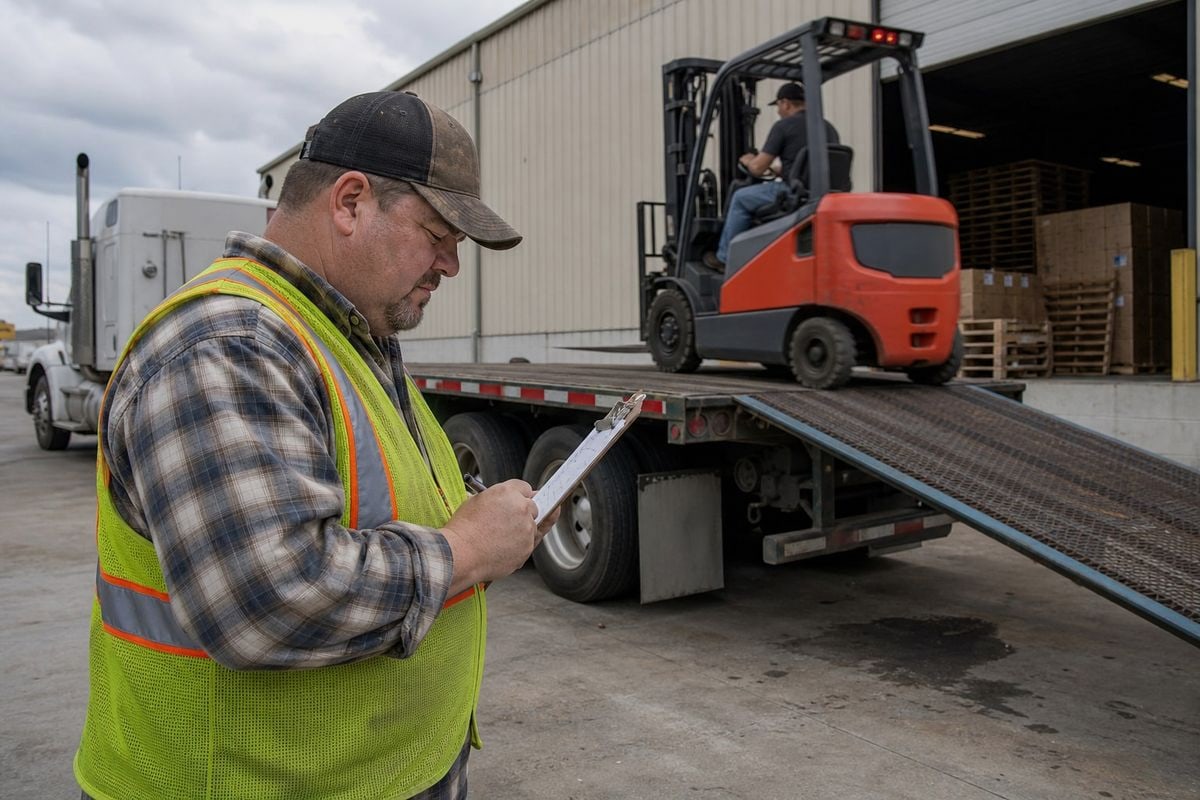
Managing freight yourself under EXW or FOB means you separately coordinate a Chinese trucker, a loading warehouse, an ocean carrier or forwarder, a customs broker, and a destination trucking company. Each handoff is a gap where things get dropped. If your forklift sits at port because the broker never received the Bill of Lading or the battery documents, storage and demurrage charges accumulate daily, and every party points at the other.
| Incoterm | Seller/Forwarder Covers | Buyer Covers |
|---|---|---|
| EXW | Nothing beyond factory gate | Everything, including China pickup and export |
| FOB | Delivery to Chinese port, export clearance | Ocean freight, insurance, import, delivery |
| CIF | Freight and insurance to destination port | Import clearance, duties, local trucking |
| DAP | Everything to your named address | Import duties and taxes only |
| DDP | Everything, including duties and taxes | Unloading at your dock |
DDP Incoterms come closest to a genuinely hands-off import. You receive one quote, and the forwarder absorbs the compliance work: export declaration, DG handling, customs clearance services at destination, duty payment, and delivery scheduling. The honest trade-off is visibility. A bundled price can hide individual cost components, so I always advise buyers to demand an itemized quote even on DDP terms. A forwarder that refuses to itemize is telling you something.
There is also a market context worth noting. More buyers now import electric forklifts factory-direct from China, driven by sustainability demand and price pressure. That trend pulls in first-time importers without logistics teams, and it is exactly where end-to-end coordination adds the most value. Our own door-to-door customers are often dealers buying forklifts from Factory A, batteries from Factory B, and chargers from Factory C; consolidating everything into one container through one provider is far simpler than juggling three shipments.
One last step matters after delivery. Ocean transit exposes the machine to salt air for weeks. Before first operation, have a technician inspect the electronic contactors and hydraulic seals as part of post-delivery commissioning. It takes an hour and prevents warranty disputes later.
Door-to-door shipping turns a complex forklift import into one managed project. Verify battery documents, demand itemized DDP quotes, and choose a forwarder experienced with heavy, battery-powered equipment.
1. Official UN body regulating the international transport of dangerous goods, including lithium battery safety standards. ↩︎
2. The International Chamber of Commerce is the official authority defining global Incoterms for international trade. ↩︎
3. The World Customs Organization manages the Harmonized System used globally for product classification and duty calculation. ↩︎
4. Official USTR resource regarding trade enforcement and tariffs applied to goods imported from China. ↩︎