- +8618603825129
- [email protected]

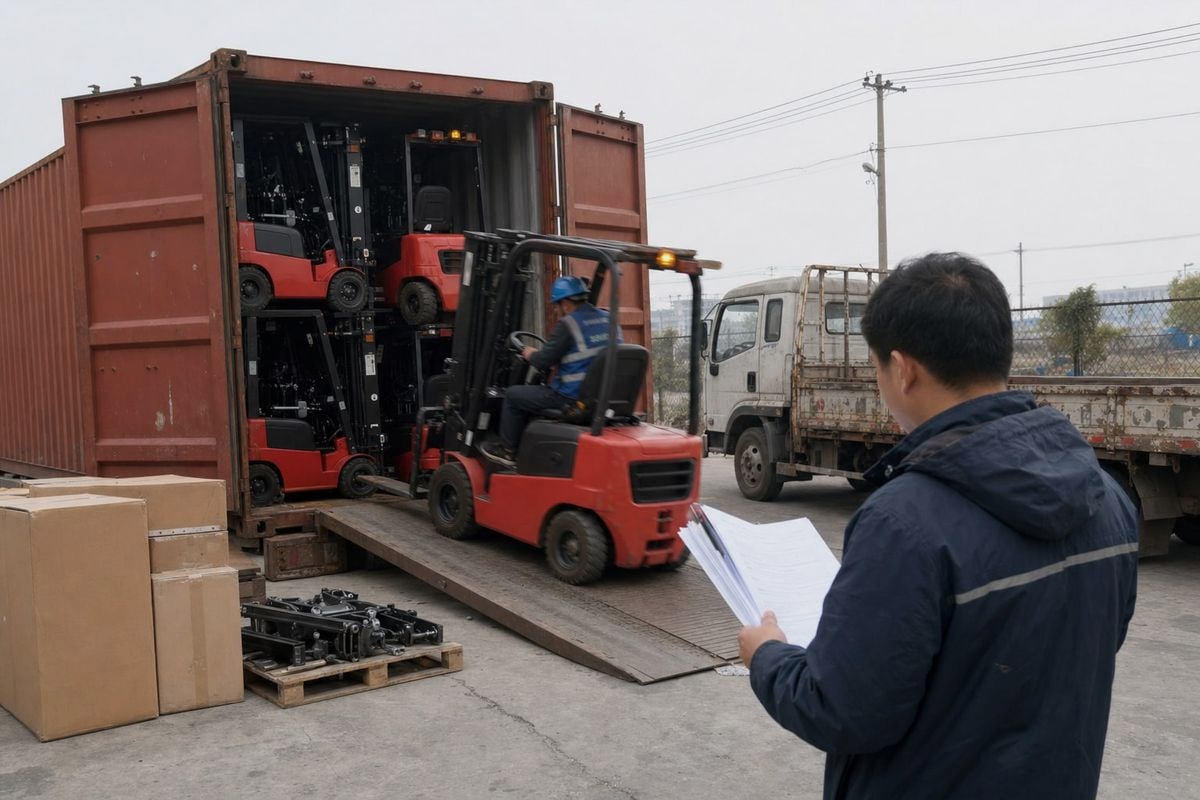
The cost to ship electric forklifts in a 40ft container confuses many buyers. I see it weekly at our Zhengzhou office: quotes look cheap until battery surcharges, port fees, and trucking pile on. Suddenly your landed cost destroys your resale margin. That is exactly why we built our forklift shipping service around full-cost transparency.
Shipping electric forklifts in a 40ft container from China typically costs $1,800–$5,800 in base ocean freight, plus a $200–$500 dangerous goods surcharge for lithium batteries, $150–$350 in terminal handling, and $400–$1,200 for inland drayage, bringing all-in costs to roughly $2,800–$7,500.
That is the short answer. But the real cost depends on how many units you load, your route, and your battery type. Let me break each piece down so you can budget accurately.
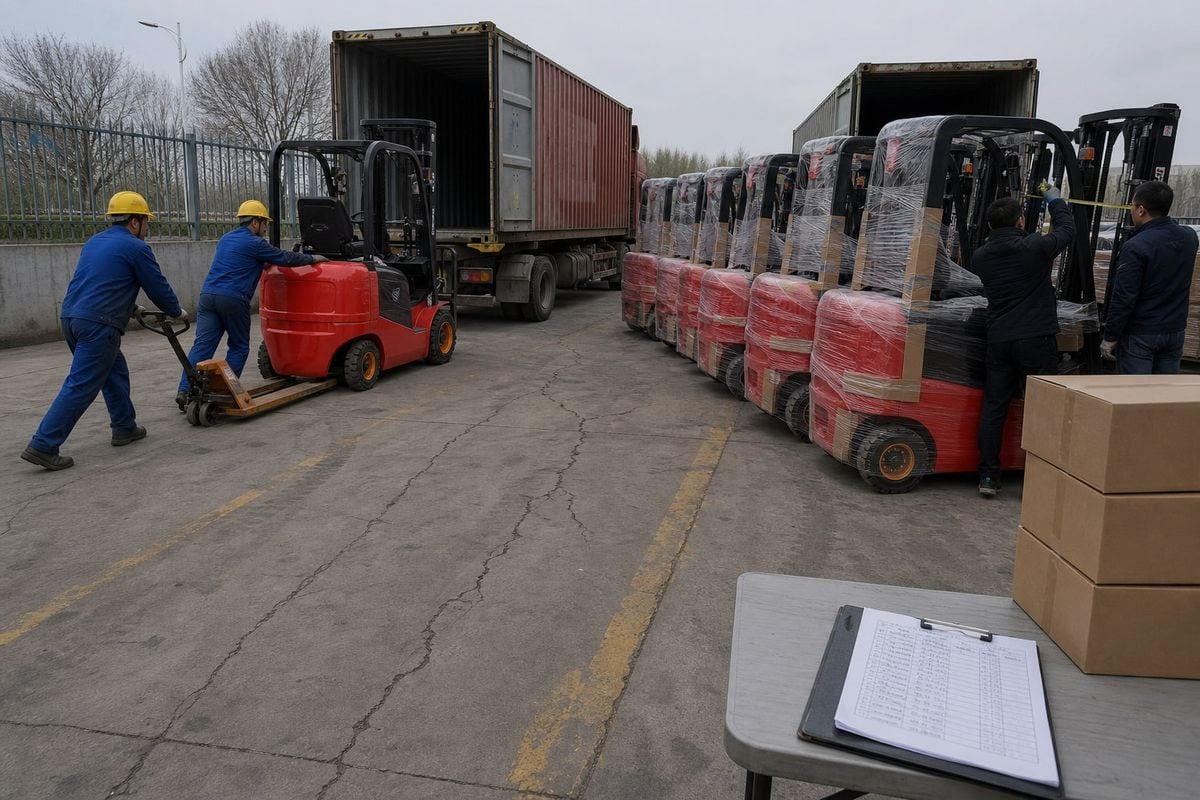
Last month, our loading team fit eight 2-tonne counterbalance forklifts into a single 40HQ by lowering the masts and interlocking the units. The buyer had budgeted for two containers.
A standard 40ft container fits 4–6 electric counterbalance forklifts with fixed masts, or 6–10 units after partial disassembly of masts and overhead guards. Compact equipment such as electric pallet trucks and walkie stackers can fit 15–25 units per container.
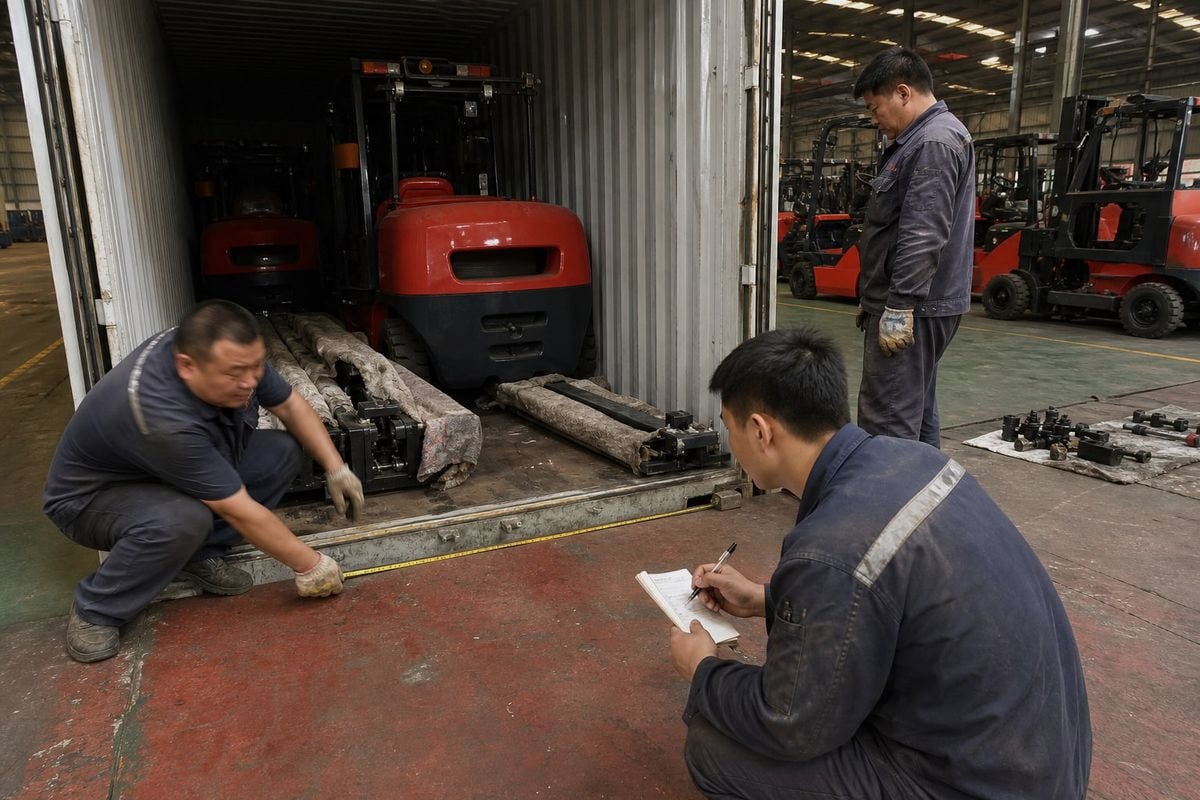
Container loading capacity is the single biggest lever on your cost per forklift. The ocean freight rate for the container stays roughly the same whether you load four units or eight. So every extra forklift you fit cuts your average shipping cost sharply.
Three things decide your loading count. First, forklift dimensions and weight. A 1.5–2.5 tonne counterbalance forklift is usually 2.2–3.5 meters long with the forks on. Second, the mast configuration. A "container-spec" collapsed mast height under 2.2 meters lets units roll straight into a standard box. Taller masts must be removed and laid flat, which takes space but allows tighter packing. Third, weight limits. A 40ft container fully loaded with heavy-duty electric forklifts can exceed standard road weight limits at the destination, which forces overweight permits or a lighter load plan.
Here is the benchmark table we use when quoting:
| Equipment Type | Typical Units per 40ft | Notes |
|---|---|---|
| Counterbalance forklift (1.5–2.5T), fixed mast | 4–6 | Container-spec mast height required |
| Counterbalance forklift, mast removed | 6–10 | Reassembly needed at destination |
| Electric reach truck | 5–8 | Mast usually laid flat |
| Walkie stacker | 12–18 | Can be stacked with cradles |
| Electric pallet truck | 15–25 | Compact, often double-stacked |
In our experience, mixing cargo works well too. If your forklifts fill the floor but leave upper space, we fill it with chargers, spare parts, or batteries from other suppliers. That consolidation is free container space you have already paid for.
A distributor in Texas once asked me why his quote jumped $900 between June and September. The answer was not the container. It was peak season, battery class, and drayage.
Your 40ft container cost is driven by six factors: the trade lane and destination port, spot-market ocean freight rates, lithium battery classification and hazardous materials surcharge, cargo weight, seasonal demand, and destination charges including customs clearance fees and trucking.

The headline ocean freight number is never the full number. When we prepare quotes for electric forklift shipments, we break the cost into layers so buyers can see exactly where their money goes.
Base ocean freight rates 1 for a 40ft or 40HQ container from China generally run $1,800–$5,800 depending on the lane. Recent spot rates from China to the US West Coast have landed around $2,100–$2,805, with broader estimates for that lane at $3,000–$5,500. China to Europe typically runs $2,200–$4,500. Some sources cite ranges up to $7,000 on volatile transpacific routes, largely due to Red Sea diversions and geopolitical shifts.
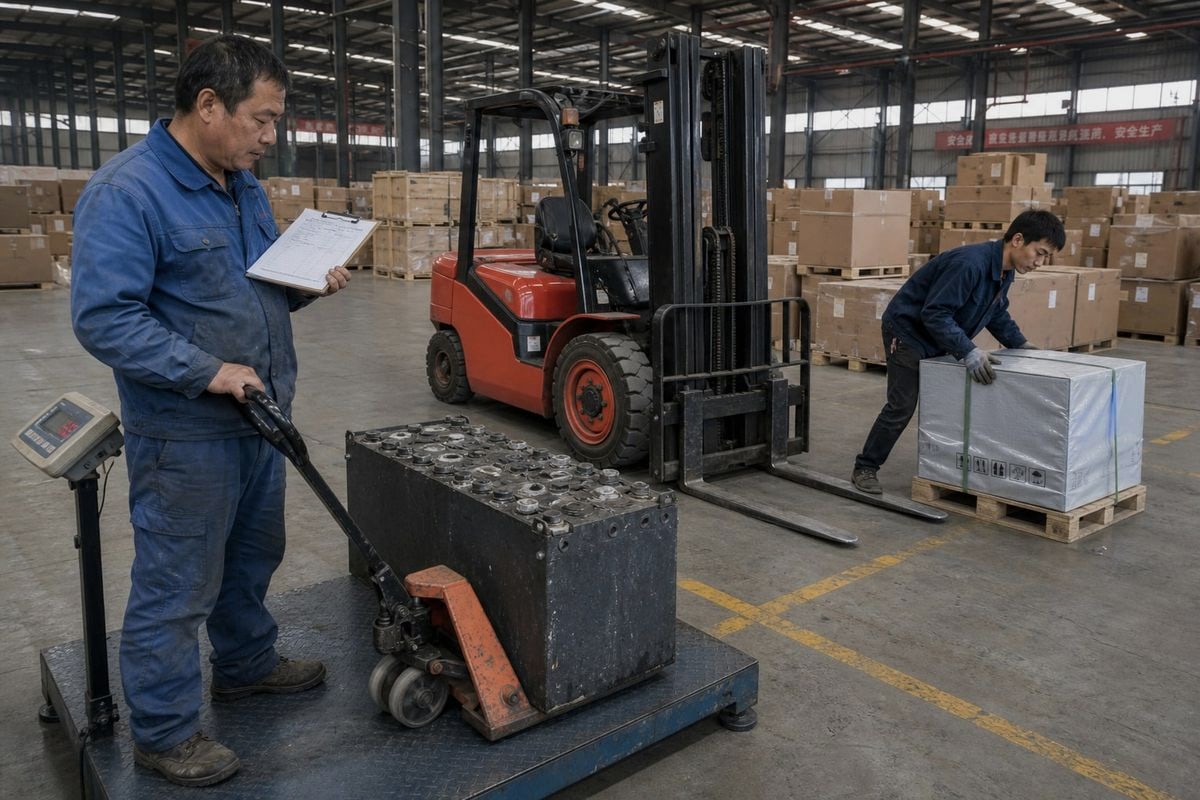
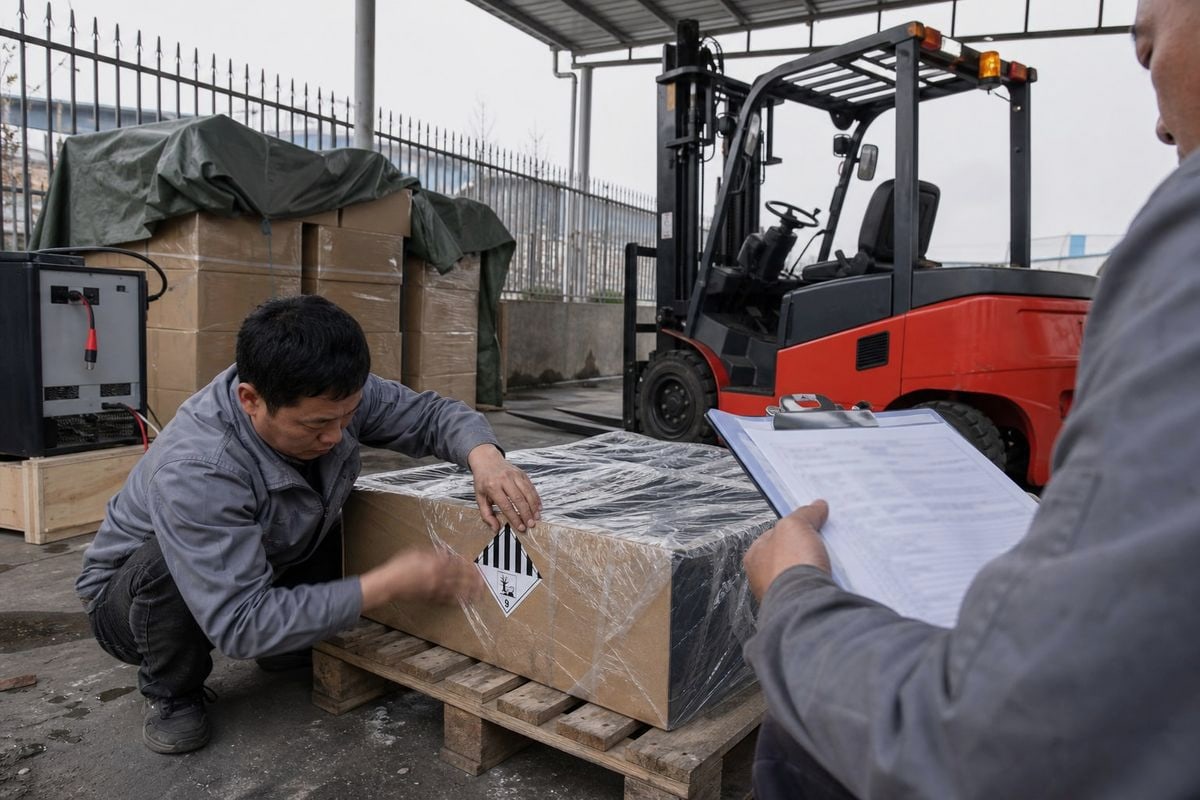
On top of that, electric forklifts with lithium batteries are classified as Class 9 dangerous goods under lithium-ion battery regulations. That triggers UN38.3 certification 2 requirements and a hazardous materials surcharge of $200–$500 per container. Many carriers also enforce a 30% maximum State of Charge during transit, which may mean budgeting for recharge and prep services at the destination port.
| Cost Component | Typical Range (China to US) |
|---|---|
| Base ocean freight (40ft/40HQ) | $1,800–$5,800 |
| DG / battery surcharge | $200–$500 |
| Terminal handling charges (THC) | $150–$350 |
| Export documentation and port handling charges | $100–$300 |
| Destination customs clearance fees | $150–$400 |
| Drayage and trucking costs (final mile) | $400–$1,200 |
| Marine cargo insurance | 0.3%–0.5% of cargo value |
Seasonality matters too. Peak demand from August to October can inflate base rates by 40%–80% compared to the quieter window after Chinese New Year. And do not forget import duties and taxes 3, which sit outside the freight quote but hit your landed cost hard. Some carriers now also apply "Green Lane" premiums of 5%–15% for biofuel-powered vessels. In the EU, emerging Battery Passport rules add administrative documentation covering battery origin and material composition.
There is a trade-off I weigh on almost every booking: disassembly labor at the factory versus extra units in the box. Nine times out of ten, the extra units win.
Reduce your cost per forklift by maximizing container loading capacity through mast disassembly, consolidating cargo from multiple suppliers, booking outside the August–October peak season, confirming battery documentation early to avoid delays, and comparing spot rates against contract rates through an experienced forwarder.
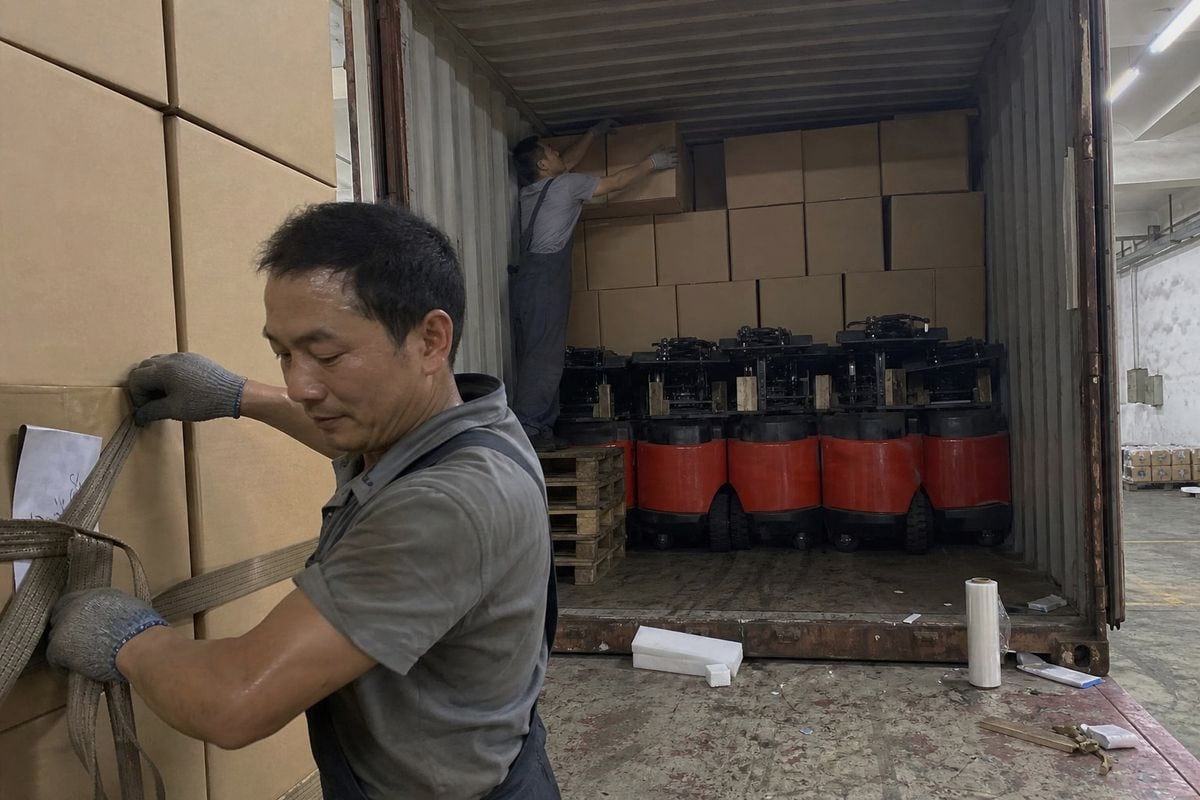
The math here is simple but powerful. If your all-in cost for a 40ft container is $5,000 and you load five forklifts, each unit carries $1,000 in freight. Load eight units, and that drops to $625. Same container, same route, 37% lower cost per unit.
| Scenario | Units Loaded | Estimated All-In Cost | Cost per Forklift |
|---|---|---|---|
| Fixed-mast load, peak season | 5 | $6,800 | $1,360 |
| Disassembled load, peak season | 8 | $7,000 | $875 |
| Disassembled load, off-peak | 8 | $4,800 | $600 |
| Disassembled + parts consolidation | 8 + parts | $5,000 | Under $600 effective |
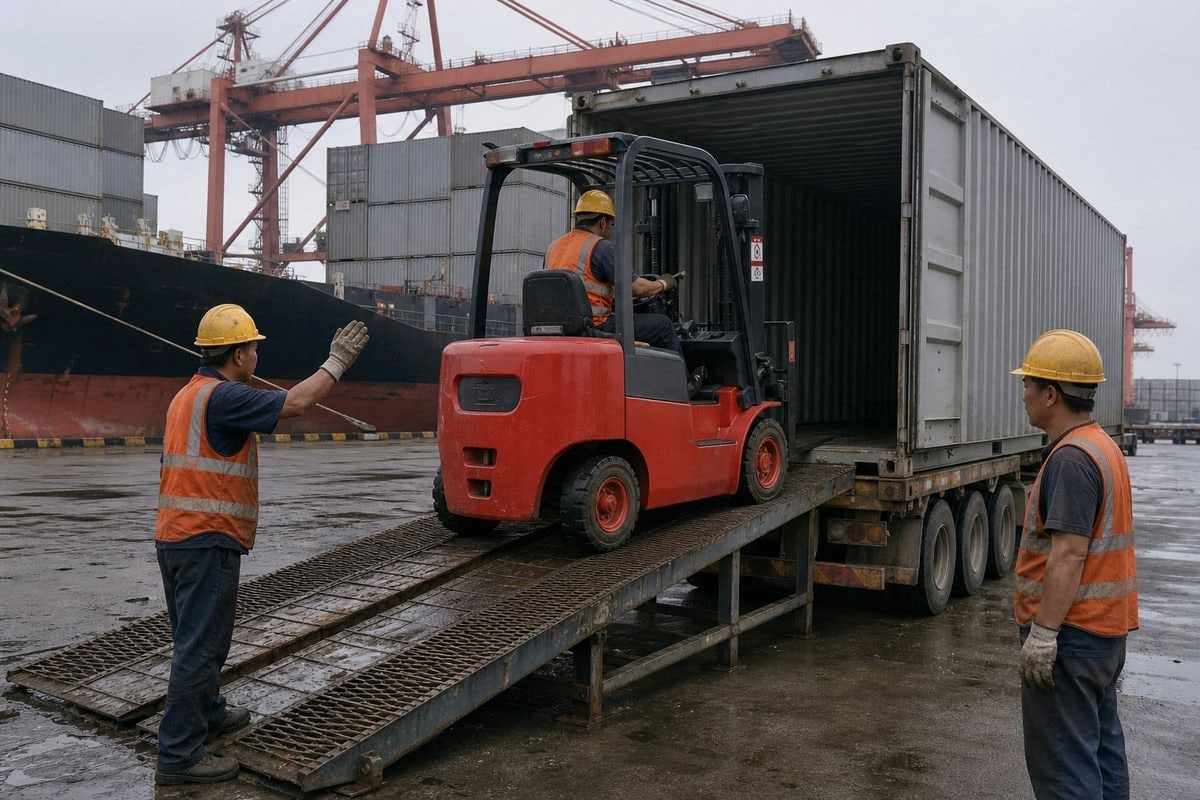
One more tip from years of loading heavy equipment: never sacrifice securing quality to squeeze in one more unit. A shifted forklift can damage every machine in the box, and repair costs erase any freight savings instantly.
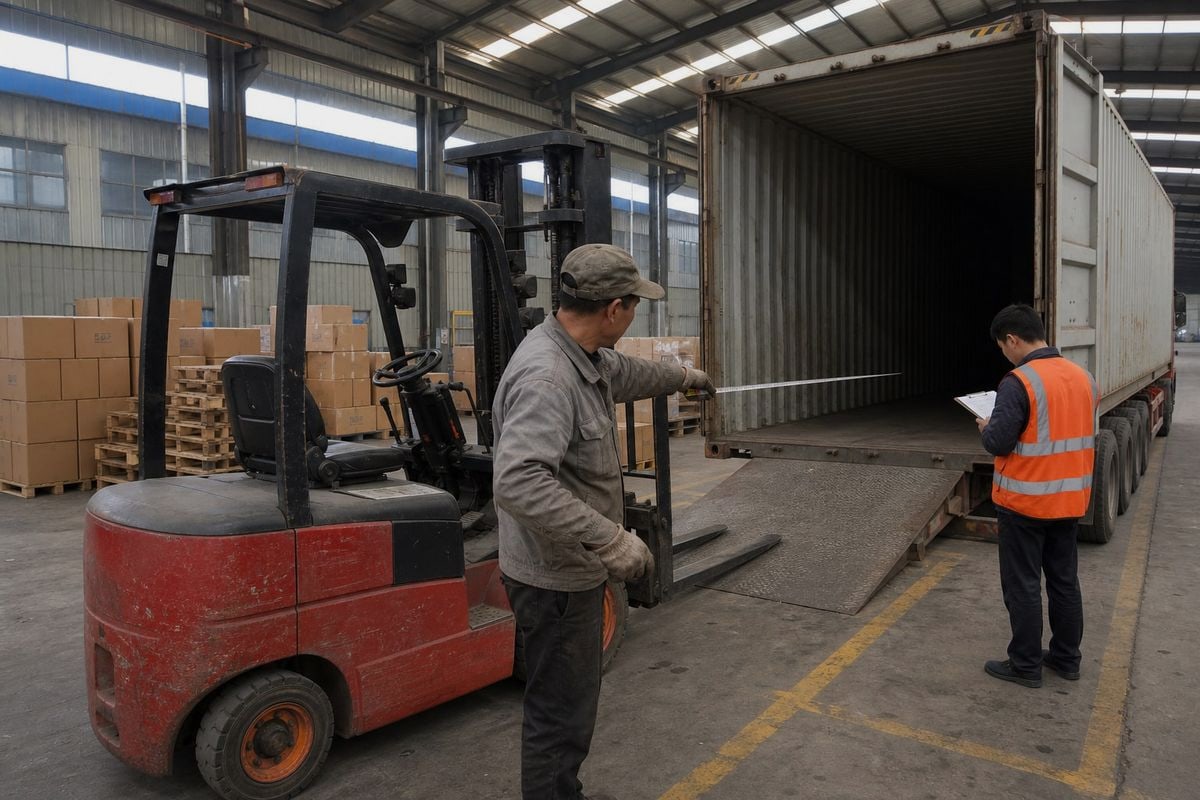
A lesson we learned early: a client's reach trucks cleared a standard 40ft door by two centimeters on paper, then failed at loading because of packaging blocks. We now default to 40HQ for tall masts.
Choose a 40HQ container when your forklift mast height exceeds 2.28 meters or when you want stacking room for parts, since the 40HQ adds about 30cm of height at nearly the same ocean freight rate. Choose a standard 40ft only for low-mast or disassembled loads.
Here is the quick comparison we walk buyers through:
If your forklift dimensions and weight exceed even the 40HQ door opening, or the unit cannot be safely disassembled, standard containers stop being an option. Oversized or heavy-duty models may need a flat rack or open-top container. These change the economics materially, because special equipment carries higher ocean freight rates and different port handling charges. We flag this early by collecting exact machine specs from the factory before quoting.
For most electric forklift shipments from China to the US or Europe, we recommend the 40HQ. The near-zero price premium buys you flexibility: attached masts, easier loading, safer securing angles, and room for consolidated accessories. We also arrange marine cargo insurance on every high-value forklift load, because a container of eight electric forklifts can easily represent $80,000–$150,000 in cargo value. The insurance premium is small compared to that exposure.
Underestimating forklift shipping costs kills margins. Budget $2,800–$7,500 all-in per 40ft container, maximize loading, verify battery paperwork early, and work with a forwarder who quotes every cost upfront.
1. Authoritative UN resource for global maritime transport trends and containerized trade cost analysis. ↩︎
2. Official US government safety standards and testing requirements for shipping lithium-ion batteries internationally. ↩︎
3. Primary US government resource for understanding customs regulations, entry requirements, and import duty structures. ↩︎
4. Explains UN38.3 testing requirements for lithium battery air and ocean shipments. ↩︎