- +8618603825129
- [email protected]

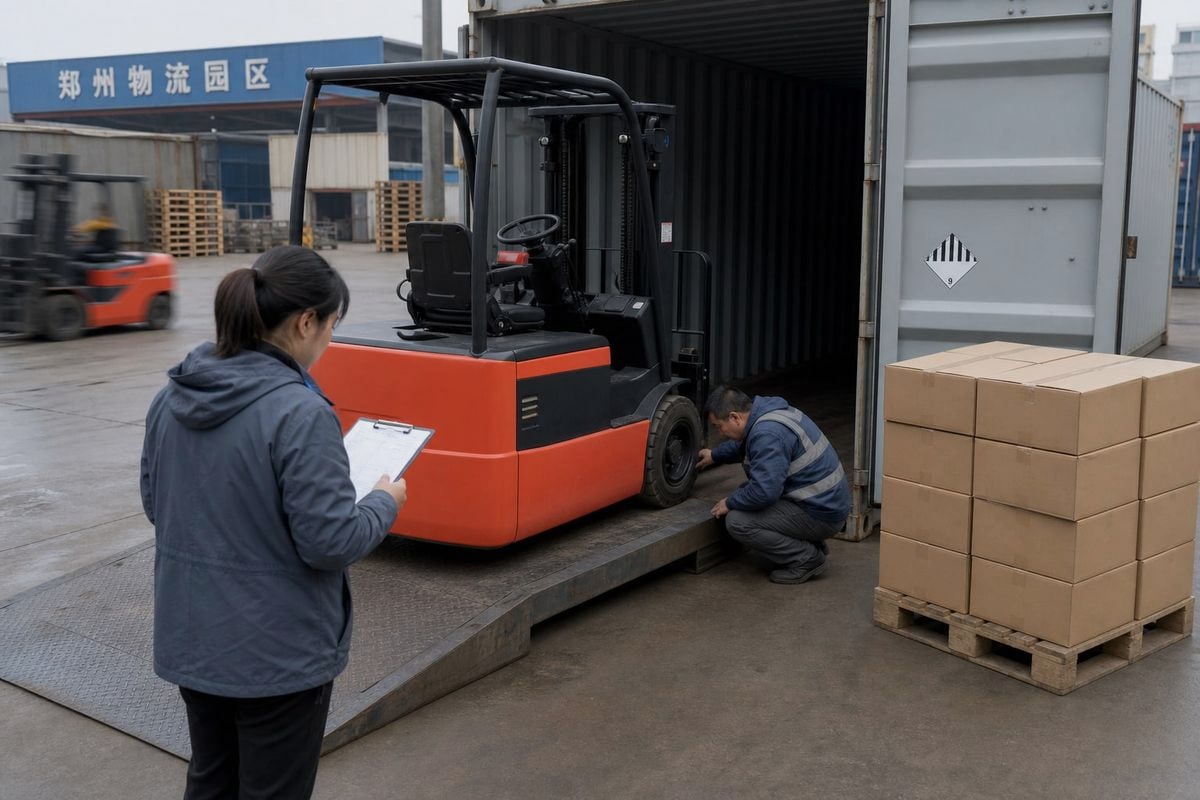
Shipping electric forklifts from China via sea freight looks simple until the lithium battery enters the picture. At our Zhengzhou logistics office, we see carriers reject bookings weekly over missing battery paperwork.
To ship electric forklifts from China via sea freight, book FCL container space with a carrier that accepts Class 9 dangerous goods, prepare UN38.3, MSDS, and a Dangerous Goods Declaration, secure the forklift inside a 20ft or 40HQ container, and clear customs under HS Code 8427.10.
That is the short answer. The details decide whether your forklift arrives on schedule or sits at a Chinese port waiting for rebooking. Let me walk you through each step.
Last quarter, our team held a container at Qingdao for nine days because a factory sent us a UN38.3 report issued for a different battery model. Paperwork is where most shipments fail.
You need a commercial invoice, packing list, Bill of Lading, Certificate of Origin, export customs declaration, plus three battery documents: a UN38.3 test report, a Material Safety Data Sheet (MSDS), and a signed Dangerous Goods Declaration prepared by a qualified DG specialist.

The document set splits into two groups: standard export paperwork and battery compliance paperwork. Most importers already know the first group. The second group is what makes an electric forklift different from a diesel unit.
| Document | Purpose | Common Error |
|---|---|---|
| Commercial invoice | Declares value and HS Code 842710 | Value mismatch with payment records |
| Packing list | Lists dimensions, weight, quantity | Weight differs from actual cargo |
| Bill of Lading | Contract of carriage and title | Consignee name spelled wrong |
| Certificate of Origin | Supports duty treatment at destination | Not requested before departure |
| Export customs declaration | Required for China customs filing | Specs conflict with invoice |
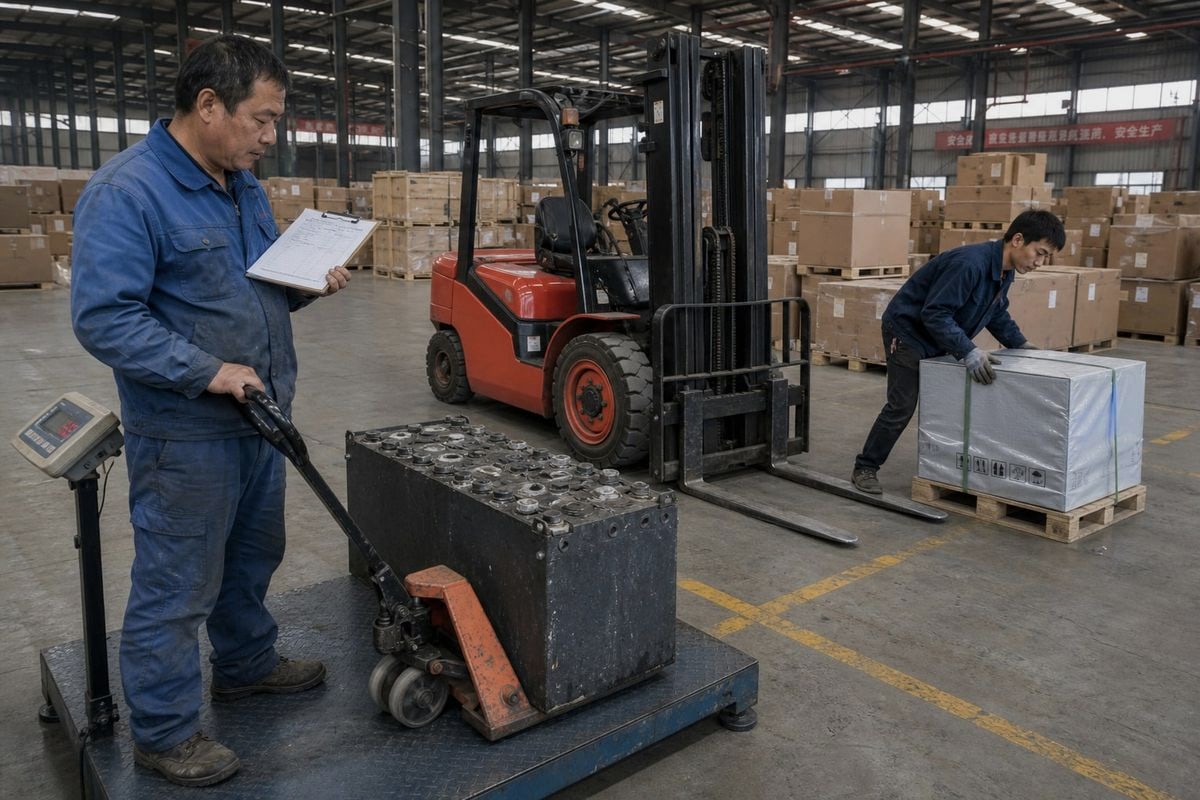
Lithium battery packs on electric forklifts are classified as Class 9 hazardous goods under the IMDG Code regulations 1, typically under UN3480 or UN3481. That classification triggers three mandatory documents. First, the UN38.3 test report proves the battery passed transport safety testing. Here is a critical point we stress with every client: the UN38.3 report must come from the battery manufacturer, not the forklift assembler. Many forklift factories buy battery packs from third parties and cannot legally issue this report themselves. Second, the Material Safety Data Sheet 2 describes the battery chemistry and emergency handling. Third, the Dangerous Goods Declaration must be signed by a certified DG specialist before the carrier will load your container.
For destination compliance, US-bound forklifts often need UL-certified chargers and EPA considerations, while EU-bound units need CE marking. Importers shipping to Europe should also start collecting Battery Passport data, including carbon footprint and recycled content, to comply with EU Regulation 2023/1542. We check charger voltage against the destination country before booking, because a mismatched charger creates problems no shipping document can fix.
One trade-off we weigh with every quote is base ocean rate versus total landed cost. A cheap rate that excludes DG surcharges and destination charges is not a cheap rate — it is an incomplete one.
Ocean freight for a 40HQ container carrying electric forklifts typically runs $1,500–$4,000 depending on route and service level. Add DG surcharges, inland trucking, container loading, customs clearance, and destination charges, so budget the full landed cost rather than the base ocean rate alone.
The base ocean rate is only one line on the final bill. In our experience quoting shipments to the United States and Europe, importers who budget only for the ocean leg are usually surprised by 30–50% in additional charges. Here is how the full picture breaks down.
| Cost Item | Typical Driver | Who Often Forgets It |
|---|---|---|
| Ocean freight (40HQ) | Route, season, carrier ($1,500–$4,000 range) | Rarely forgotten |
| DG surcharge | Class 9 lithium battery classification | First-time importers |
| DG documentation fees | DGD preparation by certified specialist | Buyers using new forwarders |
| Inland trucking in China | Factory location to port distance | Buyers on EXW terms |
| Container loading and securing | Disassembly, lashing, dunnage | Almost everyone |
| Customs clearance procedures | Both export and import sides | Buyers comparing FOB quotes |
| Import duties and taxes | HS Code 842710 rates at destination | DDP-inexperienced buyers |
| Destination handling and delivery | Port fees, drayage, final trucking | Buyers with low CIF quotes |
Your shipping terms decide which of these costs land on your invoice. Under EXW, you carry nearly everything from the factory gate. FOB is the standard choice for experienced importers who use their own freight forwarder China-side; the supplier covers costs to the port, and you control the ocean booking. CIF and DDP look simpler, but they can hide who controls the DG booking and inland handling. For electric forklifts specifically, we usually recommend buyers keep more control, because the battery paperwork and loading process need active coordination. A DDP quote from a supplier who has never handled Class 9 cargo is a risk, not a convenience.
Standard marine insurance coverage 3 often excludes lithium-ion fires under "inherent vice" clauses. We advise clients to request a specific thermal runaway rider so a battery incident is actually covered. The premium difference is small compared to the value of a container of forklifts.
A distributor in Texas once asked me why his diesel forklifts shipped in a week but his electric order needed three weeks of lead time. The answer sat inside the battery compartment.
Lithium batteries classify your forklift as Class 9 dangerous goods under the IMDG Code (UN3480/UN3481), requiring carrier DG acceptance before booking, a battery state of charge at or below 30% at loading, BMS shipping mode activation, and full DG documentation including UN38.3 and MSDS.
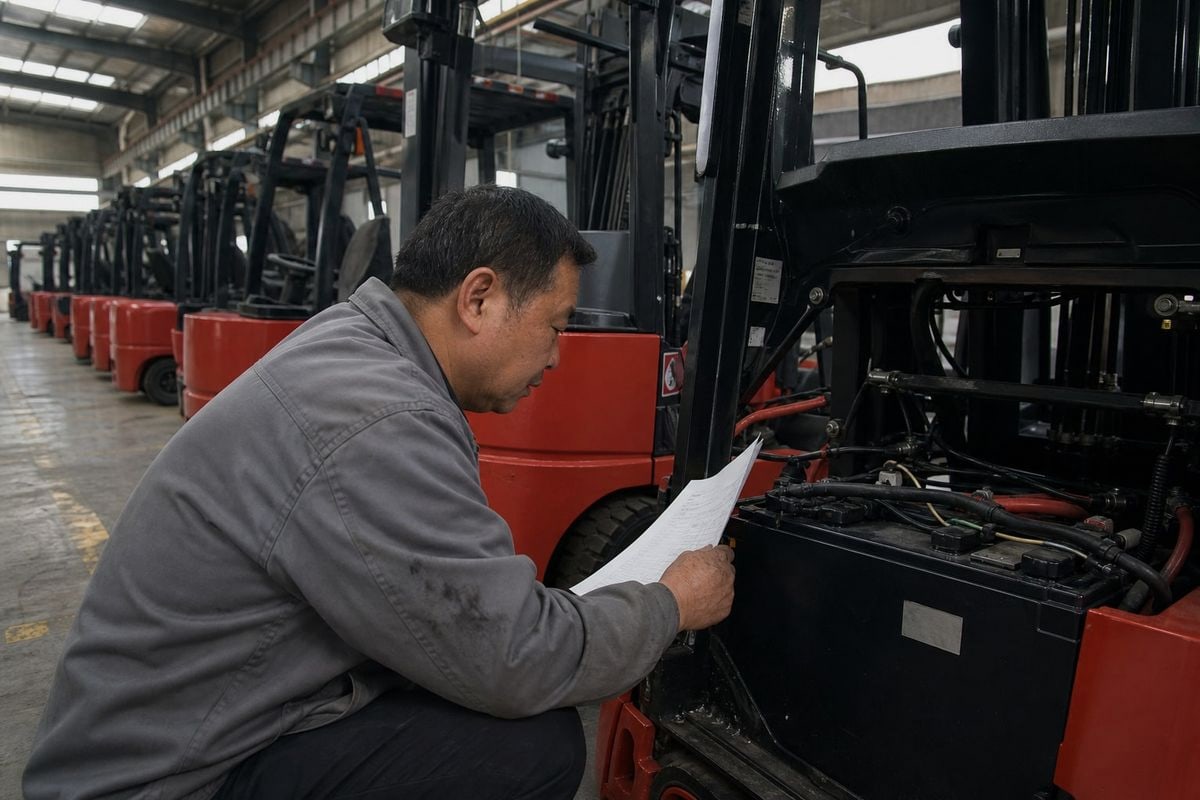
The battery changes almost every step of the process. Shipping an electric forklift is not the same as shipping a normal machine, and treating it like ordinary cargo is the single most common mistake we see.
Carriers must approve Class 9 hazardous goods before space is confirmed. Not every vessel accepts lithium battery cargo, and DG slots are limited. That is why we collect battery chemistry, capacity, state of charge, and charger details before quoting. Booking first and sorting the battery later leads to rollovers and rebooking fees.
Three practical steps protect the battery during a long ocean transit:
Third-party pre-shipment inspections 4 by firms like SGS or Bureau Veritas can verify hydraulic integrity and battery state-of-health before the container is sealed. For first orders from a new factory, we recommend this strongly. A battery problem discovered at your warehouse in the US is expensive; the same problem caught at the factory in China is a supplier issue, not yours.
The lesson I learned early in this business: importers plan around sailing time, but shipments run on total time. Those are very different numbers, and the gap causes missed delivery promises.
Port-to-port sea freight for an electric forklift from China takes roughly 18–40 days depending on the route. Total door-to-door time, including factory pickup, DG document preparation, container loading, customs clearance, and final delivery, typically runs 4–10 weeks.
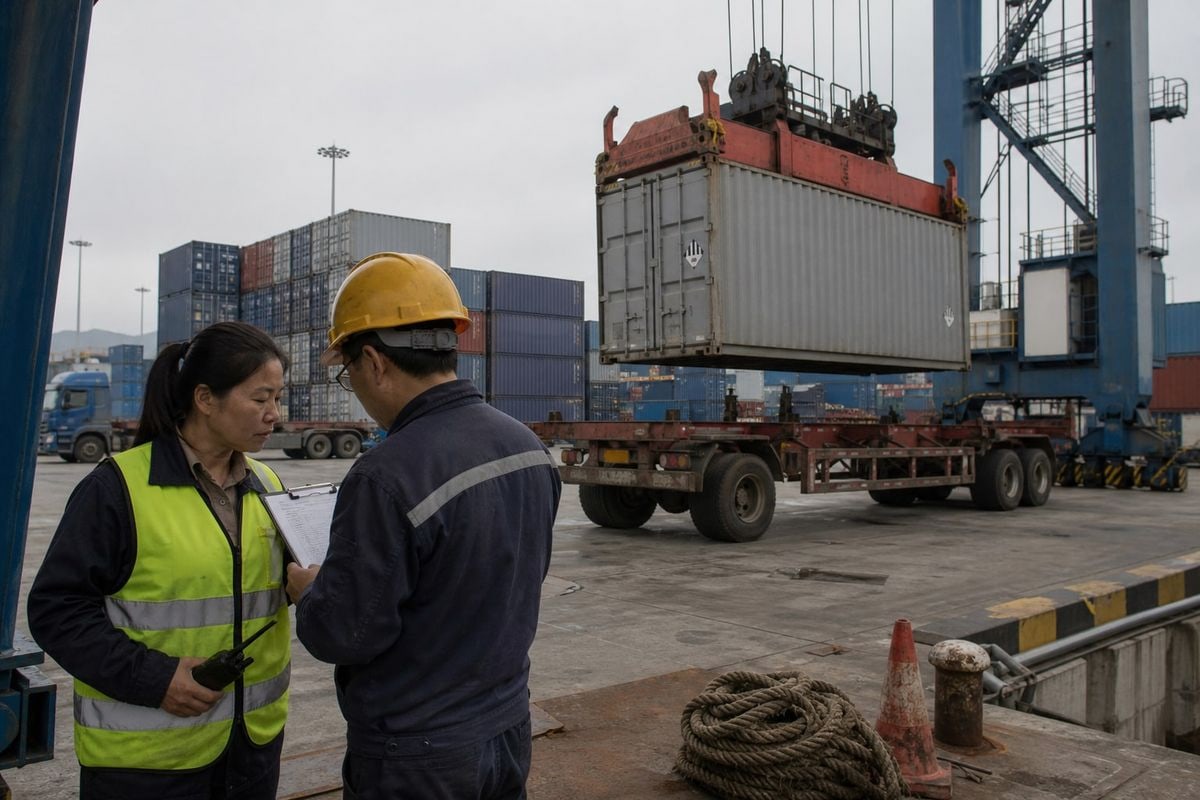
Sailing time is only the middle chapter of the story. Here is how a realistic timeline breaks down for a China-to-US or China-to-Europe shipment.
| Stage | Typical Duration | What Can Delay It |
|---|---|---|
| Battery document collection | 3–10 days | Missing or mismatched UN38.3 report |
| DG booking and carrier acceptance | 3–7 days | Limited Class 9 slots on the route |
| Factory pickup and container loading | 2–5 days | Disassembly needs, ramp or crane access |
| Export customs clearance | 1–3 days | Invoice and declaration mismatches |
| Ocean transit (port to port) | 18–40 days | Route, transshipment, port congestion |
| Import clearance and delivery | 3–14 days | HS code disputes, incomplete DG paperwork |
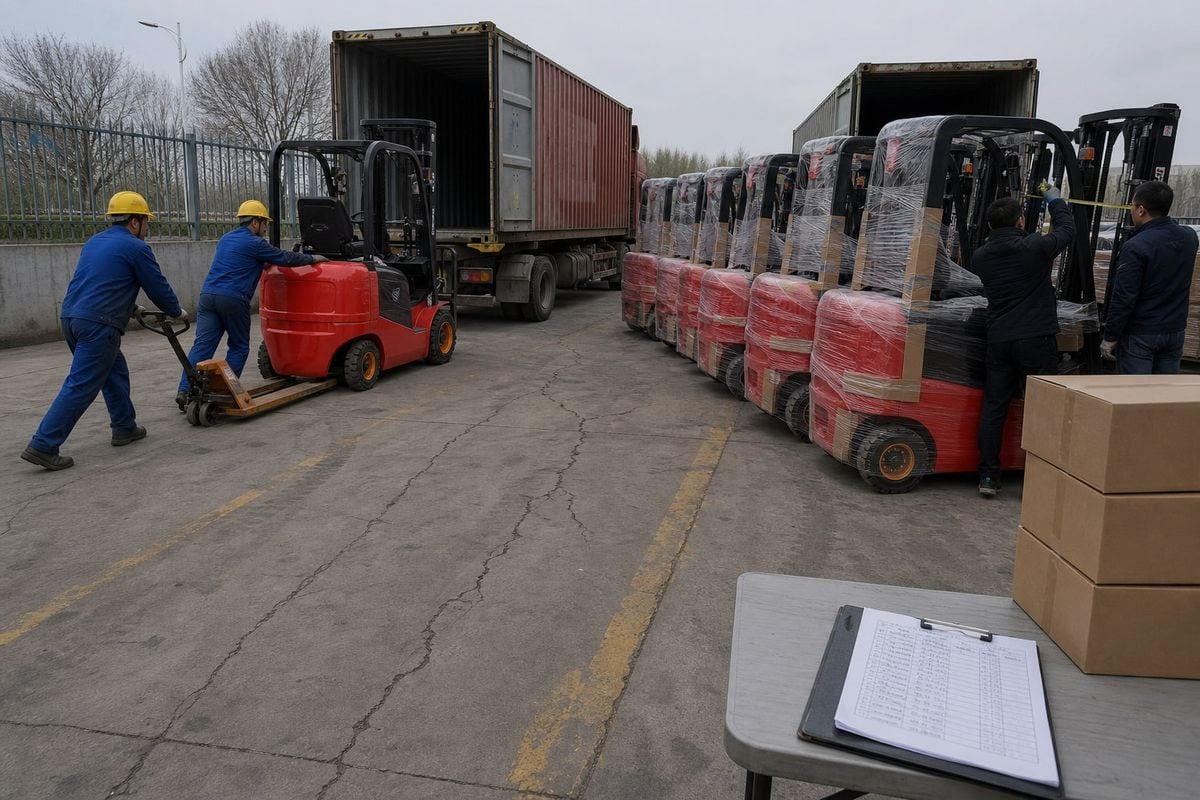
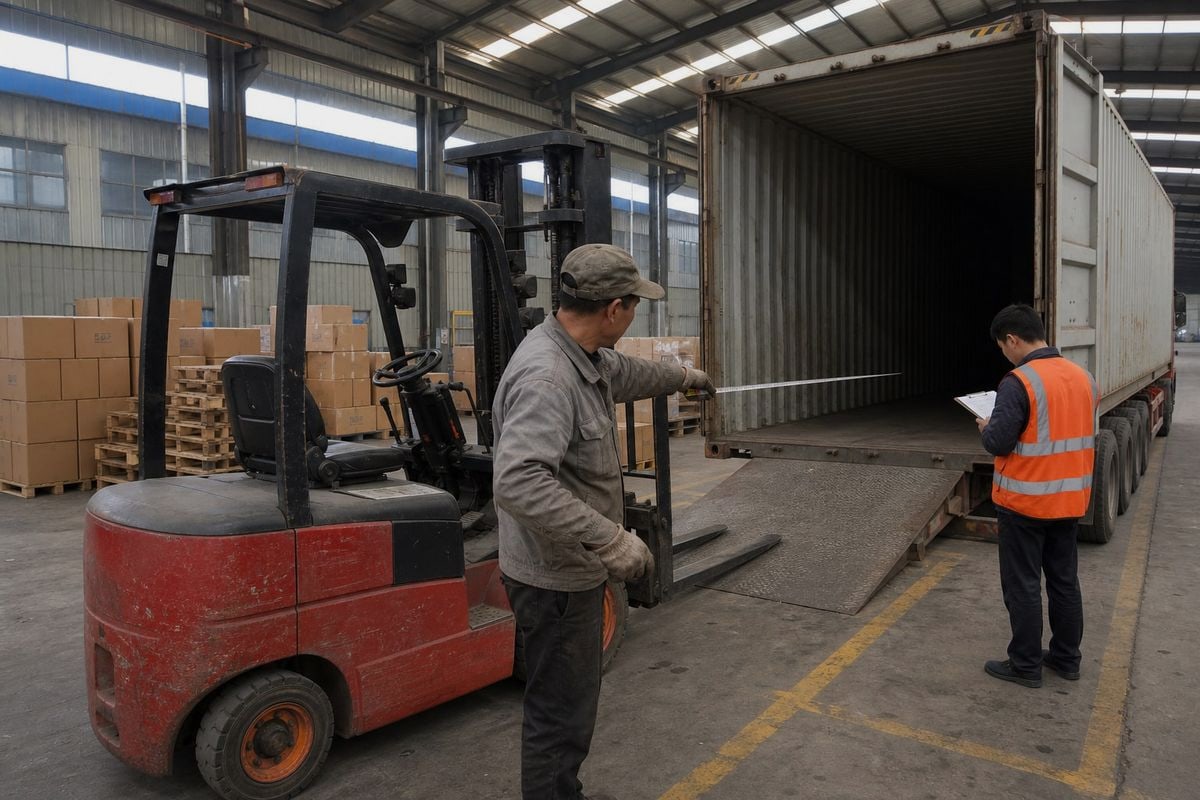
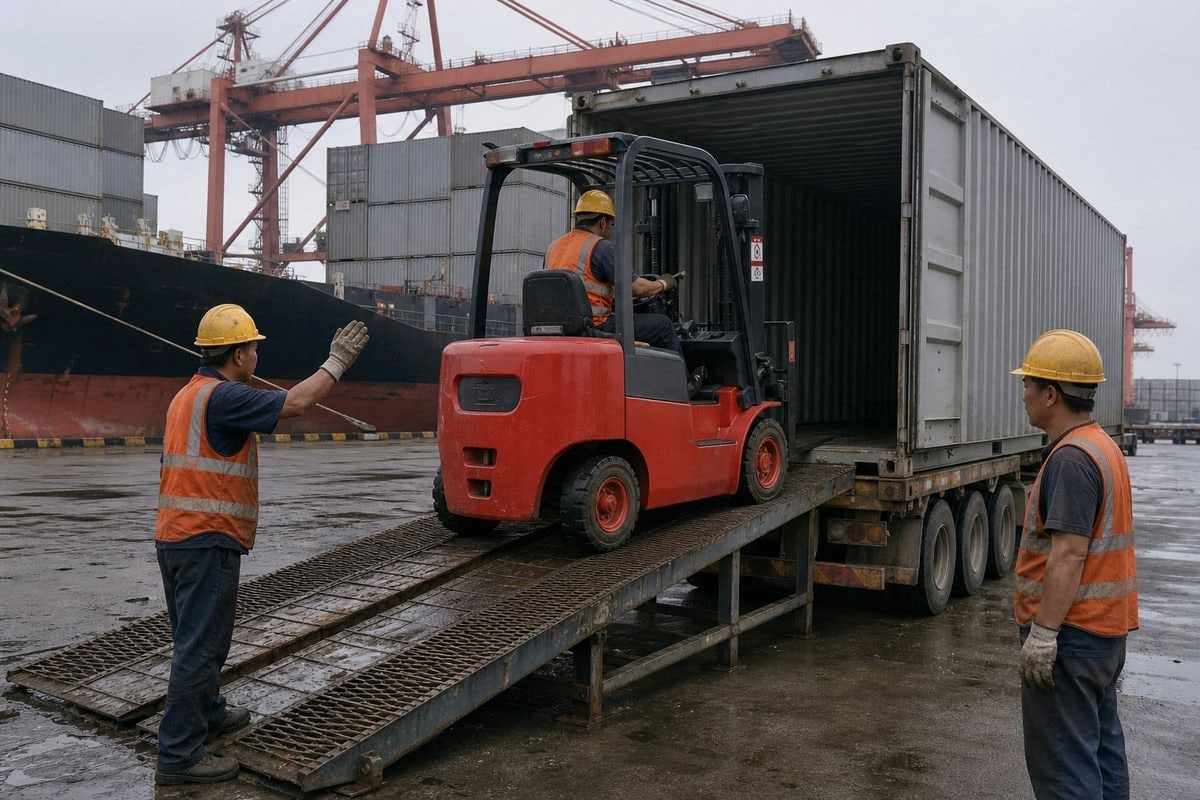
Electric forklifts often need partial disassembly before they fit a standard container. Masts may be removed or tilted, overhead guards folded, and forks detached and laid alongside the machine to save space and reduce risk. The unit is then secured with chains, straps, blocking, and dunnage. We confirm early whether the forklift can drive into the container, needs a ramp, or must be craned in. Oversized units that will not fit a standard box may need a flat rack container, and on some routes Ro-Ro shipping is an option when the port network supports it — though FCL remains the default for control and safety, and it minimizes the battery impact damage risk associated with LCL handling.
The single best way to compress the timeline is parallel work. We collect the UN38.3 report, MSDS, and charger specs while the factory is still building the forklift. When production finishes, DG acceptance is already secured and the container books immediately. Importers who wait until cargo is ready routinely lose one to two weeks to document chasing and rebooking.
Shipping electric forklifts from China via sea freight succeeds on three things: battery compliance, correct documents, and secure container loading. Prepare the DG paperwork early, and the rest follows predictably.
1. Official IMO page detailing the International Maritime Dangerous Goods Code for safe sea transport. ↩︎
2. Authoritative OSHA resource explaining requirements for hazard communication and safety data sheets in the workplace. ↩︎
3. Homepage of the International Union of Marine Insurance, providing global standards and data for marine underwriters. ↩︎
4. Official site of SGS, a leading global provider of inspection, verification, and testing services. ↩︎