- +8618603825129
- [email protected]


Shipping lithium battery forklifts internationally looks simple until a carrier rejects your booking. Our team in Zhengzhou has rescued shipments stuck at port for exactly this reason — and it is always avoidable.
To ship lithium battery forklifts internationally, classify the battery as Class 9 dangerous goods under UN3171 or UN3481, provide a UN38.3 test summary and Dangerous Goods Declaration, secure the battery against short circuits, and book with a carrier approved to accept lithium cargo.
That short answer covers the framework. But each step hides details that decide whether your forklift sails on schedule or sits in a warehouse. Let me walk you through the full process.
A buyer in Texas once sent me a forklift booking with only a commercial invoice attached. We caught the missing battery paperwork three days before the factory pickup — just in time.
Prepare a Dangerous Goods Declaration, a UN38.3 test summary, a Material Safety Data Sheet, a commercial invoice, and a packing list. All documents must state matching UN numbers, battery specifications, and watt-hour ratings before the carrier will accept the shipment.
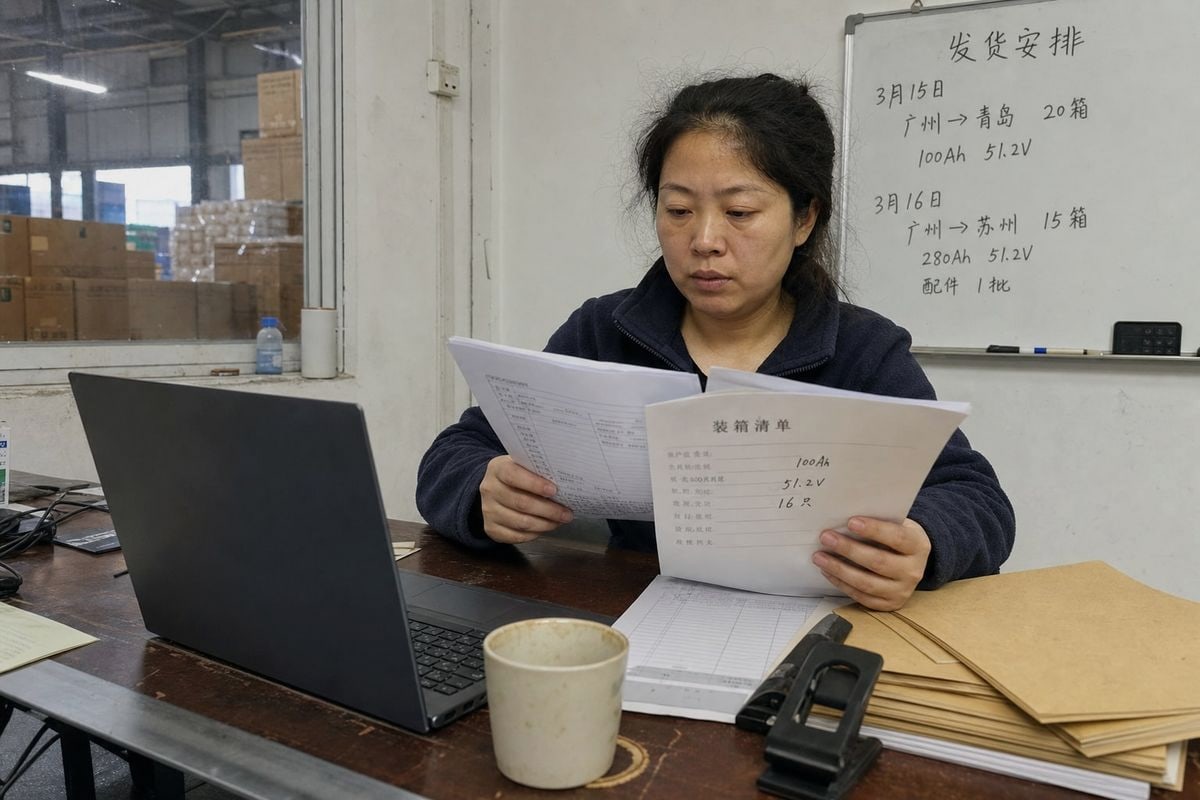
Documentation is the single biggest cause of rejected lithium forklift shipments. In our freight forwarding for machinery work, we check every document against the others before cargo leaves the factory. One mismatched battery voltage between the invoice and the MSDS can trigger a customs hold.
Here is what we collect for every lithium battery forklift shipment from China:
| Document | Who Provides It | Why It Matters |
|---|---|---|
| Dangerous Goods Declaration (DGD) | Shipper / forwarder | Gatekeeper for carrier acceptance of Class 9 hazardous materials |
| UN38.3 test summary | Battery manufacturer | Proves the battery passed vibration, impact, and altitude testing |
| Material Safety Data Sheet | Battery manufacturer | Details chemistry, hazards, and emergency response steps |
| Commercial invoice & packing list | Supplier | Must match DG paperwork exactly for customs clearance procedures |
| Battery specification sheet | Factory | Confirms watt-hour rating and UN number classification |
The UN38.3 test summary proves the battery survived transit stresses 1 like vibration, impact, and altitude changes. Carriers will not accept lithium cargo without it. We ask Chinese forklift factories for this document at the quotation stage, not the booking stage. Some smaller factories buy batteries from third parties and need time to obtain it.
Customs paperwork must align with the dangerous goods documentation. If the DGD says UN3171 but the invoice describes a "battery pack," an inspector may flag the shipment. We review every document set line by line before export declaration. It takes an extra day. It saves weeks.
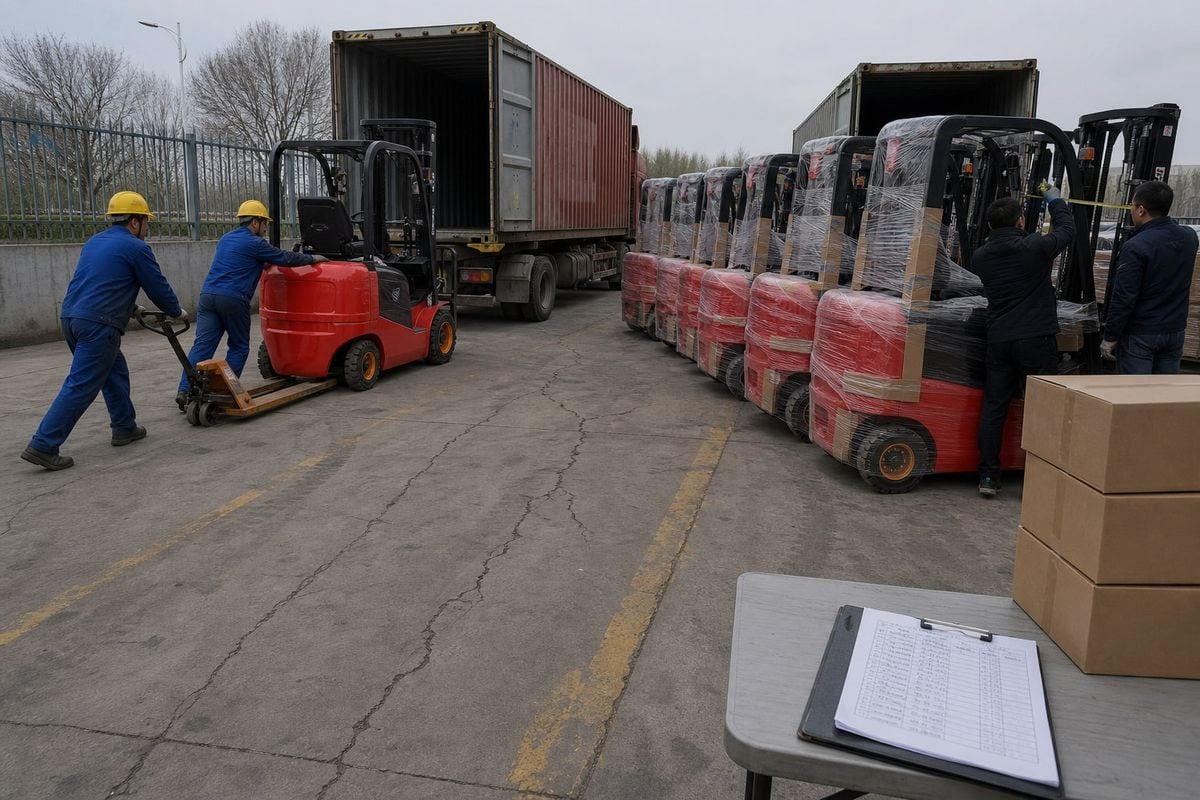
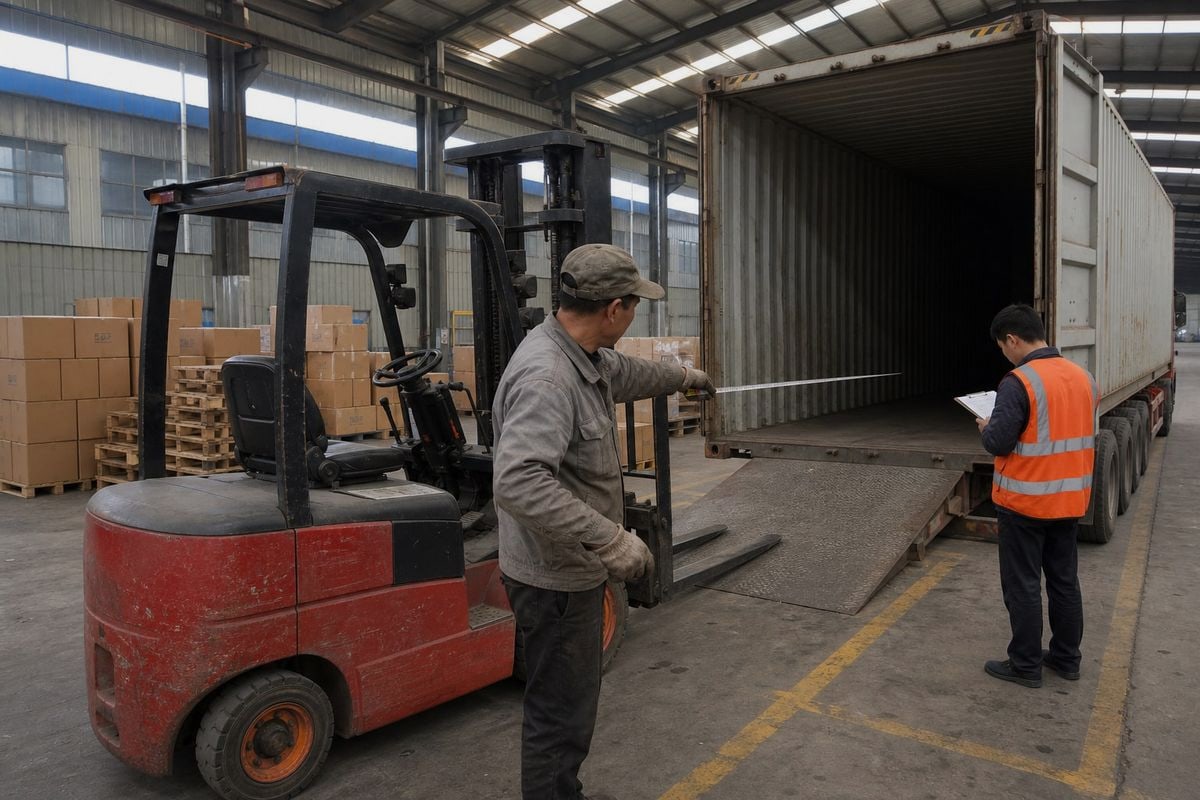
When we load lithium forklifts into containers, our loading team photographs every lashing point and terminal cover. That habit came from seeing what one loose battery cable can do at sea.
Safety requirements include Class 9 labeling, insulated battery terminals, secure bracing to prevent movement, battery isolation via the BMS shipping mode, IMDG Code stowage away from heat sources, and a State of Charge at or below 30% for air transport.
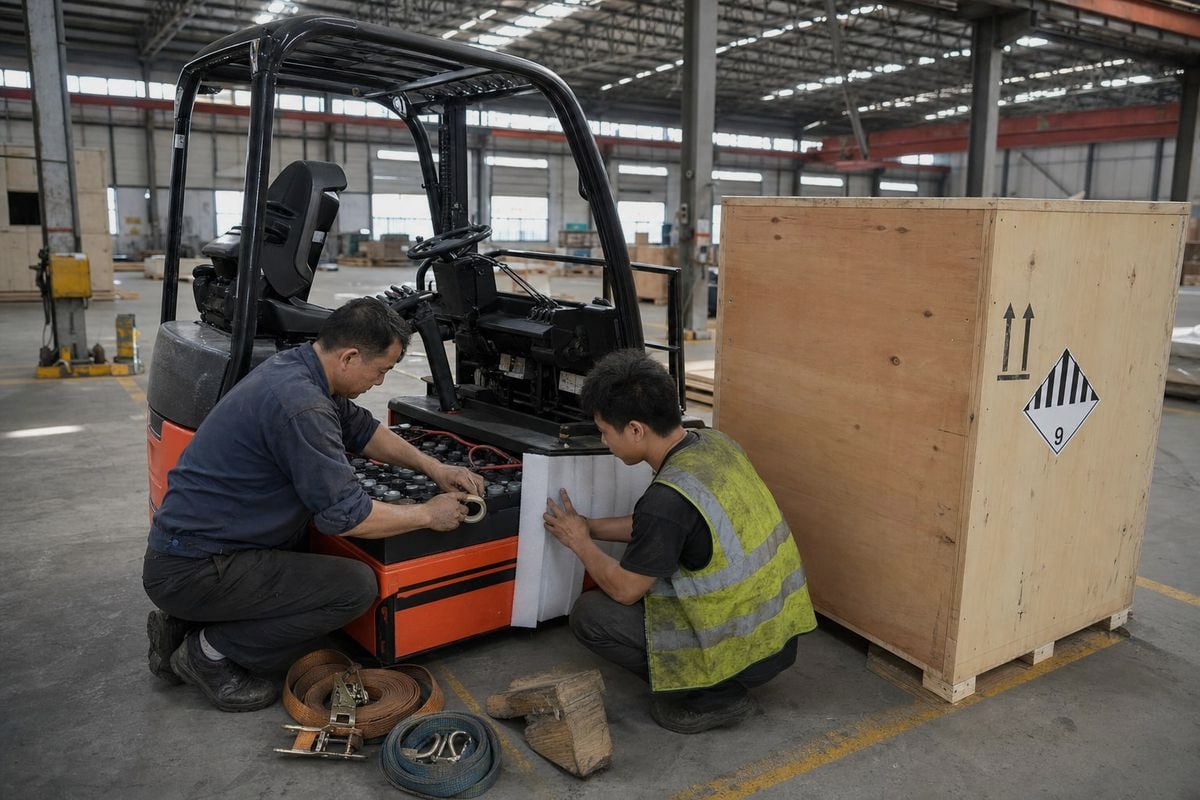
Lithium batteries are regulated because of fire risk and the potential for thermal runaway if mishandled. The rules change depending on how you ship: a forklift with the battery installed falls under UN3171 (battery-powered vehicle), while a battery packed with equipment ships as UN3481, and a standalone battery ships as UN3480. Getting this classification right shapes everything downstream.
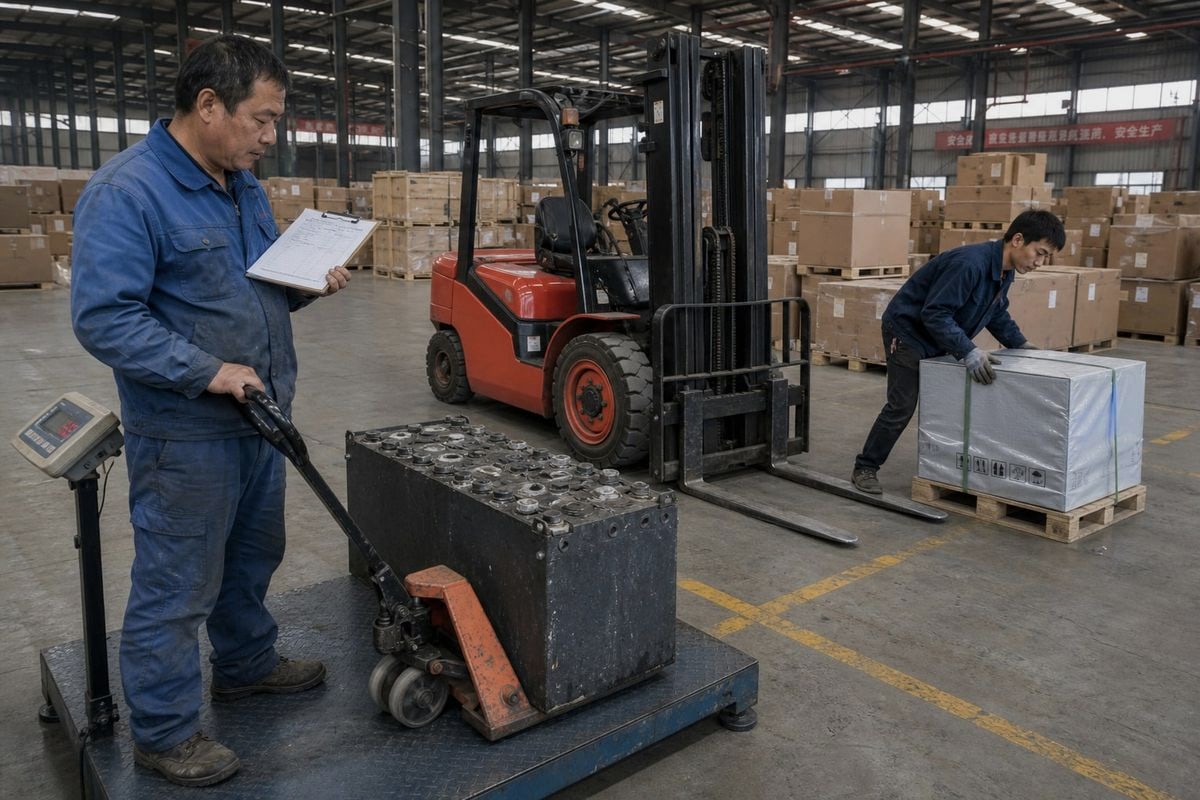
Lithium-ion batteries with a nominal energy above 100 Wh are always treated as fully regulated Class 9 dangerous goods. Forklift batteries far exceed that threshold — most range from several kilowatt-hours upward — so simplified exemptions do not apply. Plan for full regulation from day one.
The packaging and securing standards we apply on every shipment:
For air freight, IATA mandates a State of Charge limit of 30% to minimize the energy available in a thermal event. Sea freight does not impose the same universal limit, but many carriers still prefer reduced SoC. We verify and document the charge level before handoff either way.
Damaged or defective batteries are legally prohibited from standard international shipping lanes. For used forklift exports, a certified State of Health report verifies the battery is not compromised. We ask for this on every second-hand unit we move.
The trade-off I weigh with every client is speed against feasibility. For a complete lithium forklift, that decision is usually shorter than people expect — because air freight often rules itself out.
Choose sea freight for complete lithium battery forklifts; it accepts large batteries under the IMDG Code at far lower cost. Reserve air freight for urgent spare parts, since IATA rules impose a 30% State of Charge limit and ban standalone lithium-ion batteries on passenger aircraft.
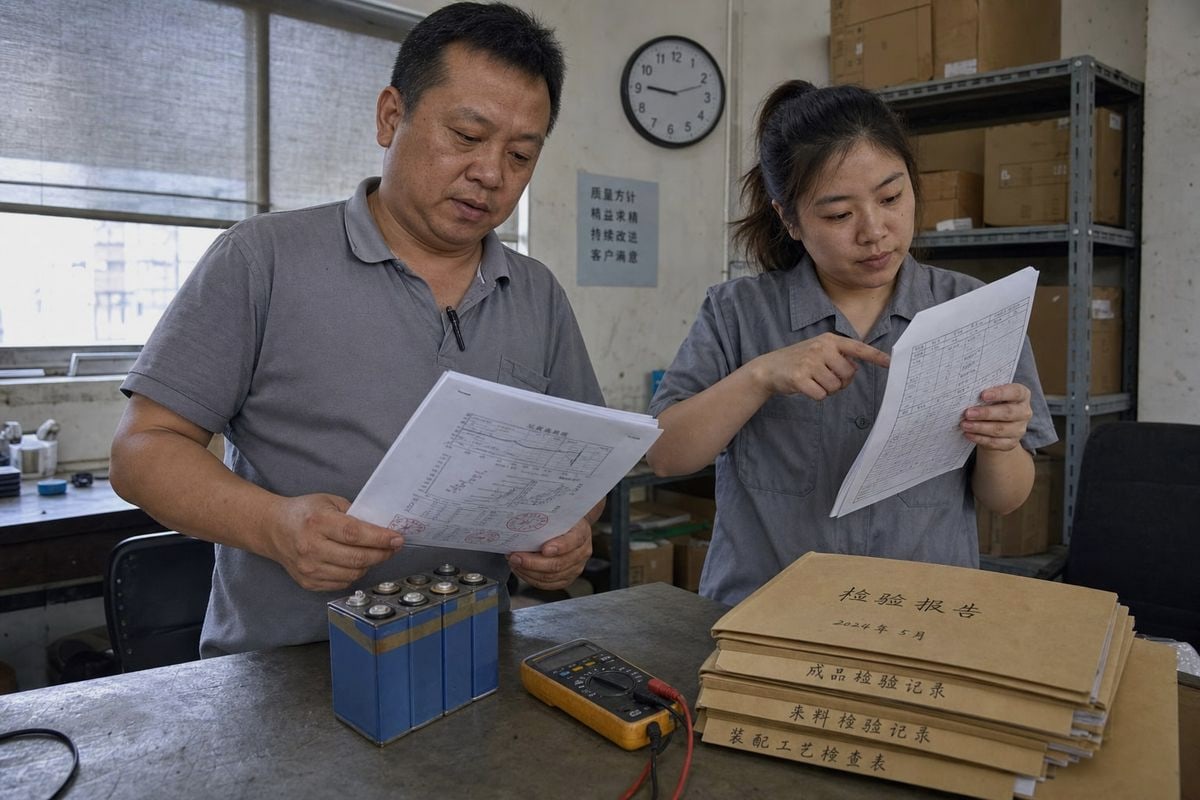
Some guides present air freight as a genuine option for forklifts. In practice, the objection I hear — "air is faster, why not fly it?" — collapses once you see the constraints side by side.
| Factor | Sea Freight (FCL/LCL) | Air Freight |
|---|---|---|
| Governing rules | IMDG Code 3 | IATA Dangerous Goods Regulations, ICAO Technical Instructions |
| Standalone batteries (UN3480) | Accepted with DG compliance | Forbidden as cargo on passenger aircraft |
| State of Charge limit | No universal cap | 30% maximum |
| Cost for a 3-ton forklift | Moderate | Extremely high |
| Typical transit (China–US) | Roughly 3–5 weeks | Days, when accepted |
| Best use | Complete forklifts, multiple units, batteries with equipment | Urgent small spare parts and accessories |
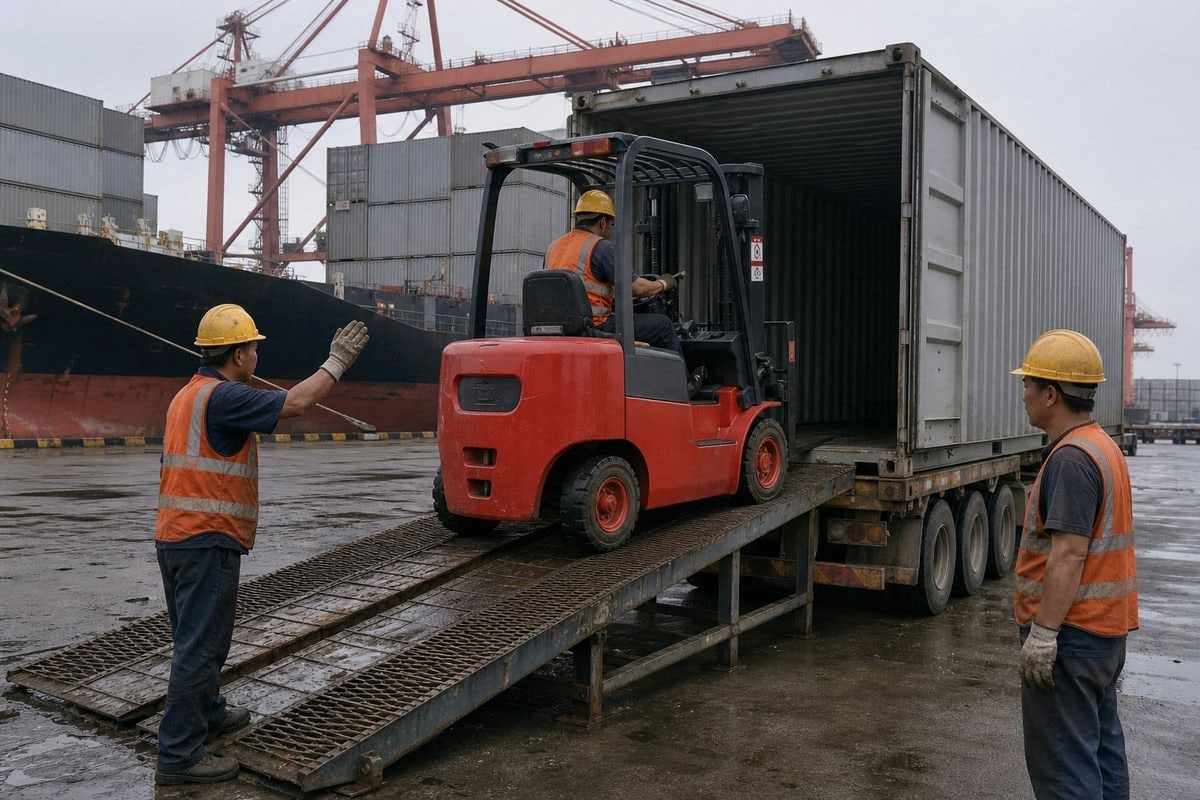
A lithium battery forklift weighs two to five tons. Ocean freight handles that weight economically, and the IMDG Code provides a workable compliance path for UN3171 vehicles. In our containers, we typically fit two to four compact forklifts in a 20FT and more in a 40HQ, which spreads the per-unit logistics cost. RoRo shipping services exist for wheeled machinery too, but containerized shipping gives lithium units better physical protection and simpler securing.
We use air freight for chargers, controllers, and non-battery spare parts when a client's forklift is down and waiting. For anything containing a large lithium battery, the 30% SoC requirement, carrier restrictions, and cost make air a last resort.
Remember that one international move touches several rule sets: road rules for the factory pickup in China, the IMDG Code at sea, and DOT/49 CFR or ADR for final delivery. Your compliance plan must cover the whole chain, not just the ocean leg.
A hard lesson from our early years: a container cleared Chinese export smoothly, then sat at a US port because the HS code 4 did not match the cargo description. Since then, we pre-check destination requirements before every departure.
Avoid customs delays by using the correct HS code, ensuring the invoice, packing list, and Dangerous Goods Declaration all match, providing the UN38.3 test summary and MSDS on request, declaring accurate values, and confirming destination-country battery requirements before the vessel departs.
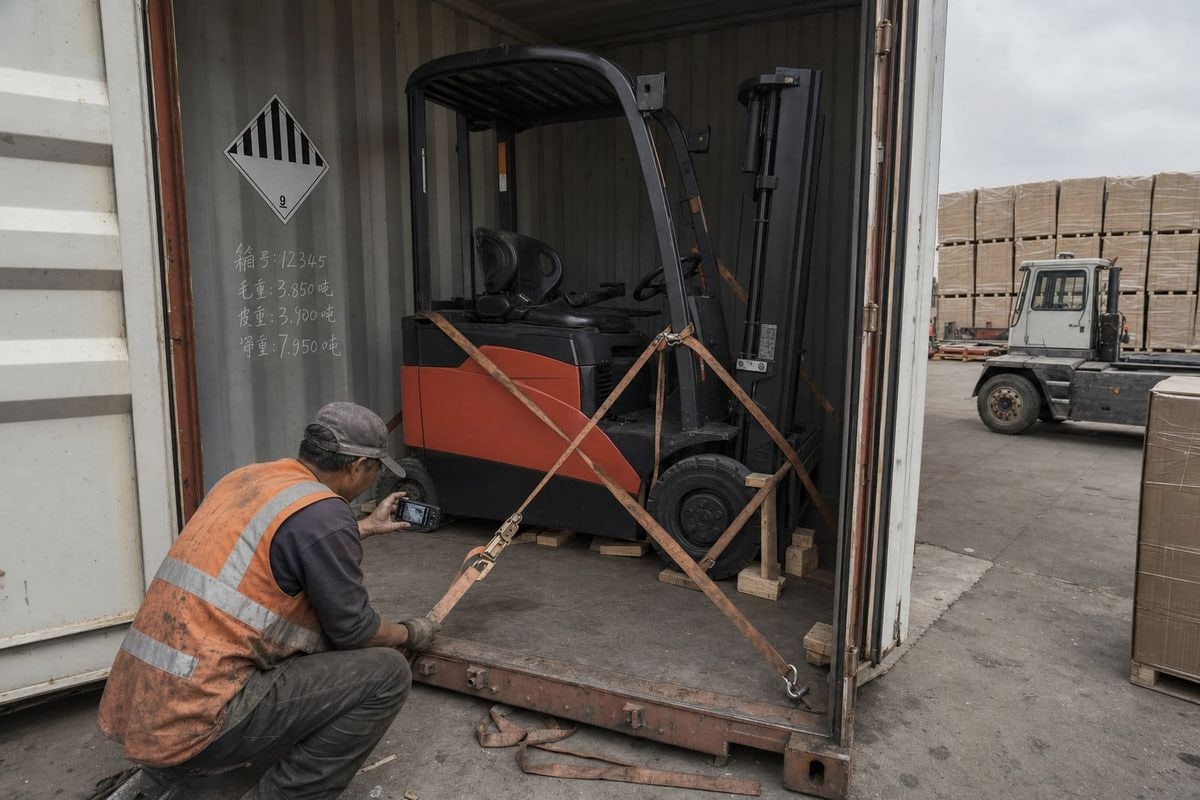
Customs delays cost more than time. Storage and demurrage charges accumulate daily, and a delayed forklift can push back a client's warehouse project or rental commitment. Here is how we structure the clearance side of every shipment.
| Delay Trigger | Consequence | Prevention |
|---|---|---|
| Wrong or vague HS code | Inspection, reclassification, duty disputes | Verify the code for battery-powered forklifts before export |
| Mismatched documents | Customs hold, seizure risk | Cross-check DGD, invoice, and packing list line by line |
| Missing UN38.3 or MSDS | Carrier rejection or border questioning | Keep both documents in the shipment file, ready on request |
| Undeclared batteries | Penalties and cargo detention | Declare battery type, quantity, and watt-hours explicitly |
| Unrealistic declared value | Valuation query and delay | Declare accurate transaction values with supporting invoices |
Fixing a document problem while cargo sits in China costs a day. Fixing the same problem at a destination port costs storage fees, demurrage, and sometimes a formal amendment process. Our customs clearance procedures front-load every check: we confirm the consignee's import registration, verify duty rates, and align the dangerous goods paperwork with the commercial documents before the export declaration is filed.
Importers without their own customs broker often benefit from door-to-door DDP terms. One party then owns the entire chain — pickup, ocean freight, clearance, duties, and delivery — so there is no gap between the export file and the import file. That continuity is itself a delay-prevention tool.
Standard marine cargo policies often exclude or limit coverage for thermal runaway incidents from high-capacity industrial batteries. Ask about a lithium-ion fire rider when insuring the shipment. Some shippers also deploy IoT-enabled data loggers in the battery compartment to track temperature and g-force during transit — useful evidence if a claim ever arises.
Shipping lithium battery forklifts internationally is a compliance project: classify correctly, document completely, secure properly, and choose sea freight wisely. Handle these before departure, and delivery becomes predictable.
1. Wikipedia entry detailing safety testing standards and risks for lithium-ion batteries. ↩︎
2. UN agency responsible for the Model Regulations on the transport of dangerous goods. ↩︎
3. Official IMO resource for the International Maritime Dangerous Goods (IMDG) Code. ↩︎
4. The World Customs Organization (WCO) manages the international Harmonized System (HS) codes. ↩︎