
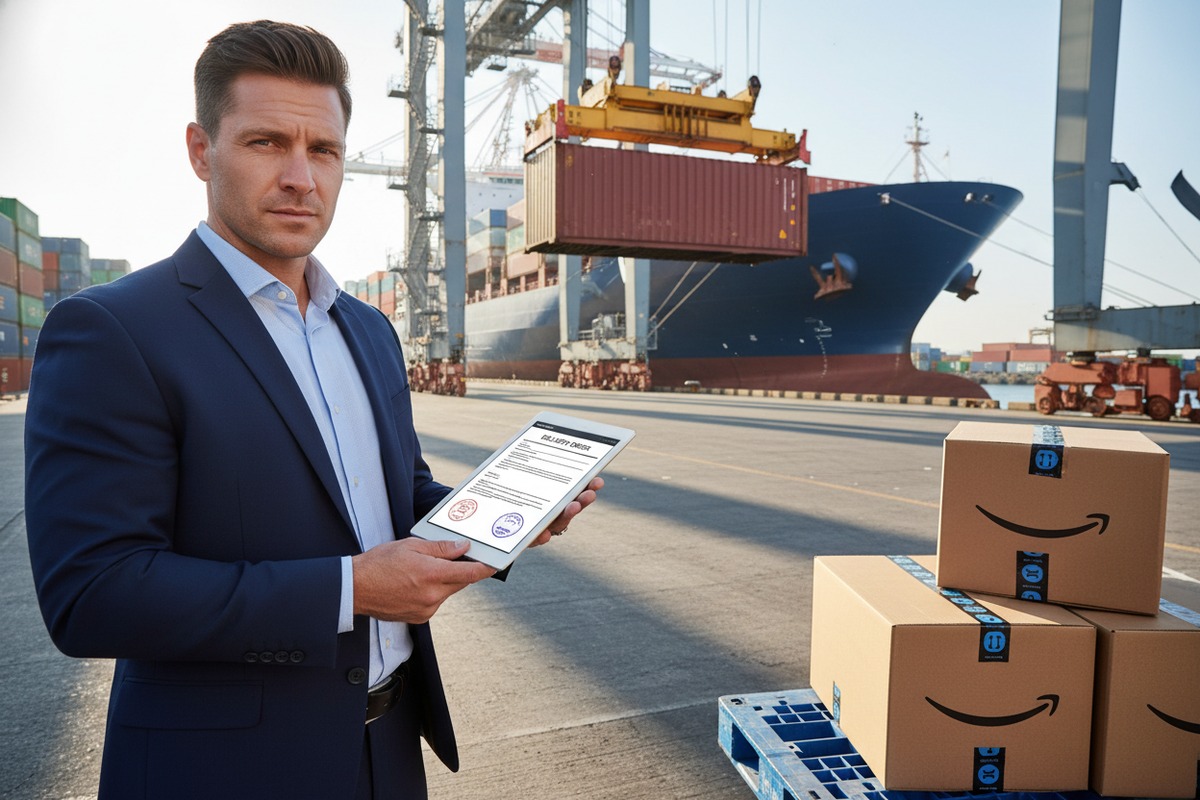
Í hverri viku hjálpar skynjunarteymi okkar innflytjendum að sækja vörur sem sitja fastar í bandarískum höfnum — oft vegna þess að afhendingarpantað ferlið var misskilið eða að því var algerlega hunsað.
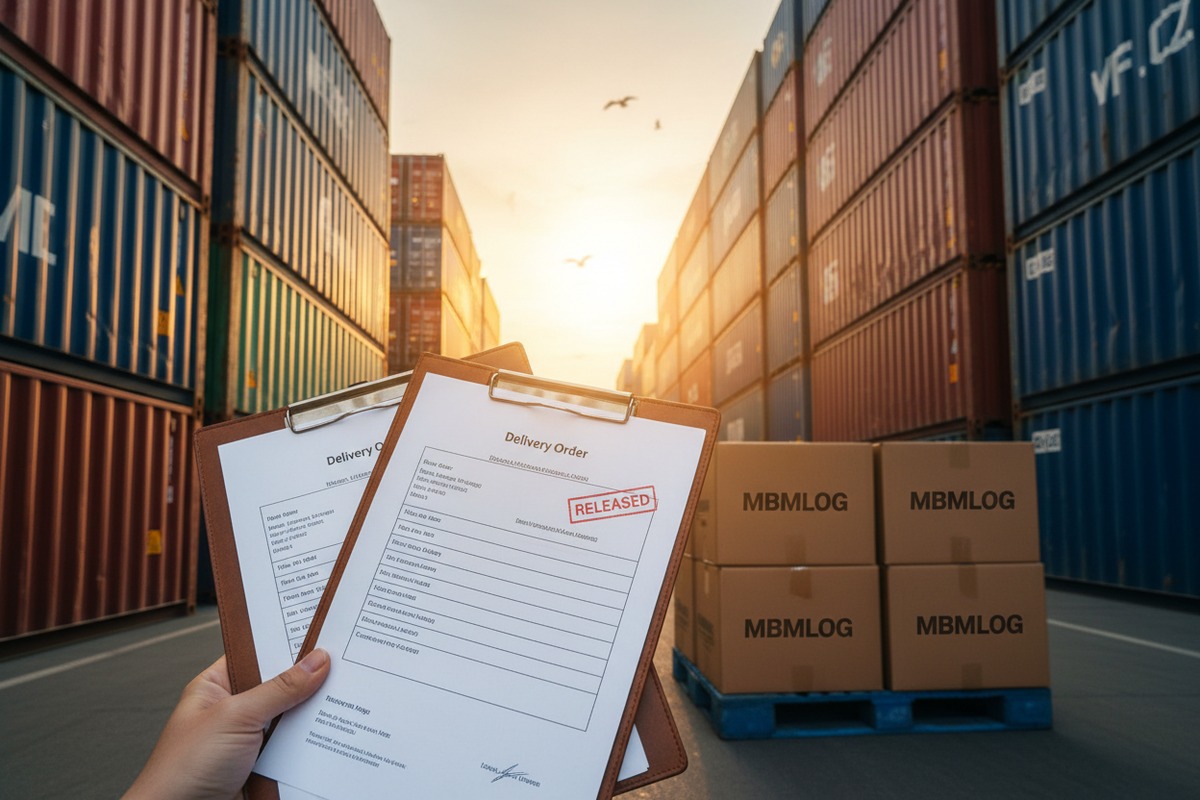
Afhendingarpantað (D/O) er útgáfuheimildarskjalið sem gefið er út af flutningsaðila, flutningsmanni eða umboðsmanni þeirra sem heimilar móttakanda að sækja innflutta vöru frá höfnum, terminalum eða vörugeymslum. D/O gjaldið er gjald frá flutningsaðila eða flutningsmanni — aðskilt frá tollum og sköttum — og er venjulega greitt af móttakanda eða umboðsmanni þeirra við áfangahöfnina.
Hér að neðan skýrum við hvernig D/O ferlið virkar, hver greiðir raunverulega gjöldin, og hvernig skal forðast kostnaðarsamar tafir — sérstaklega ef þú sendir til Amazon FBA vörugeymslna í Bandaríkjunum.
Hvað er eiginlega afhendingarpantað og af hverju er það nauðsynlegt fyrir sendinguna mína?
Þegar við samhæfum sendingar frá vörugeymslu okkar í Zhengzhou til hafna í Bandaríkjunum kemur eitt spurning upp oftar en önnur: af hverju getur móttakandinn ekki bara sýnt sendingaskírteinið 1 og sækja farminn Afhendingarpöntun (D/O) 2?
Pöntun fyrir afhendingu er sá sérstaki fulltrúi sem heimilar viðtakanda eða umboðsmanni þeirra að sækja vörur líkamlega frá vöruflutninga- eða vörugeymslu. Það er nauðsynlegt vegna þess að flutningsskjal einungis er eigandaskjal, ekki skjal fyrir afhendingu — hafnaraðstaðan eða vörugeymslan mun aðeins afhenda vörur gegn framvísun gilt D/O.
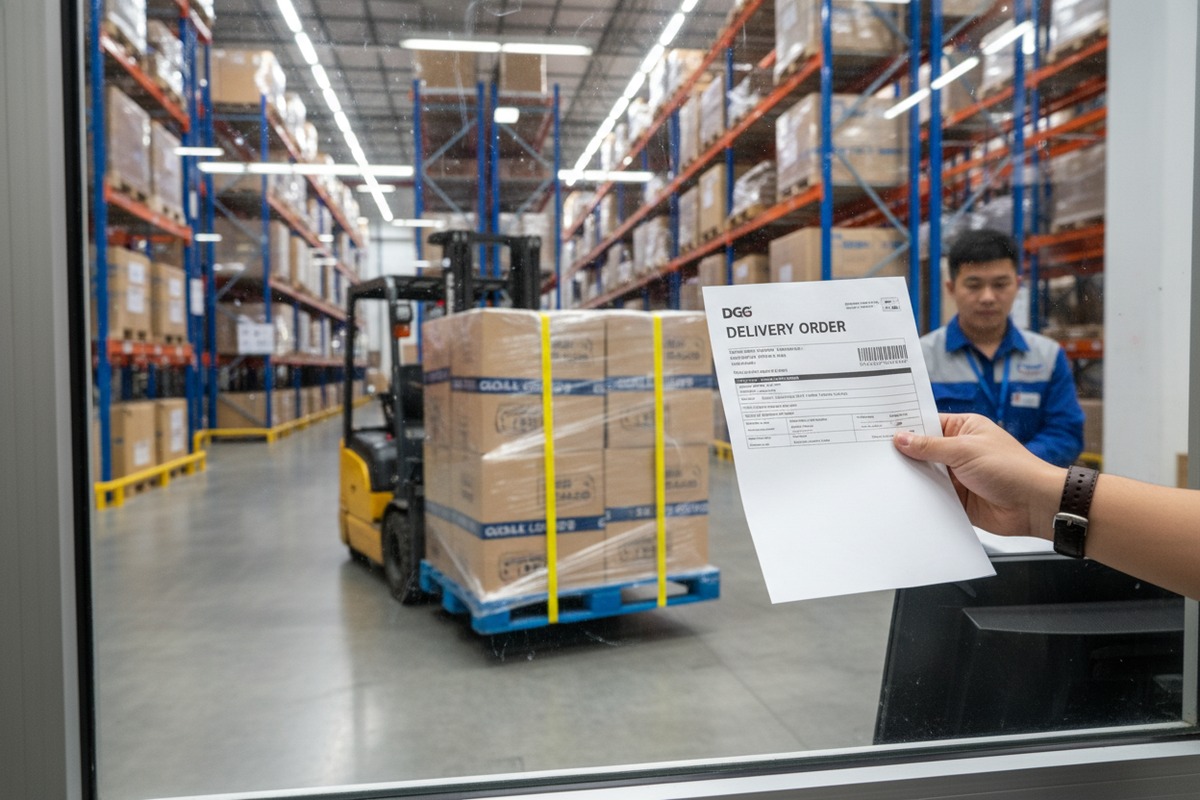
Flutningsskjal gegn afhendingarpöntun
Margir innflutningsmenn rugla sig á flutningsskjalinu (B/L) og afhendingarpöntuninni. tolla og skatter 3. Þeir hafa mismunandi hlutverk. B/L er flutningssamningur 4 og skjal sem staðfestir eignarhaldið. Hugsaðu um það sem sönnun þess að þú eigir vörurnar. D/O, hins vegar, er raunverulega lykillinn sem opnar dyr flutningsgeymslunnar. Án D/O mun flutningsaðilinn ekki afhenda þér gáminn eða farminn — sama hversu marga flutningsvottorð þú sveiflar.
Í daglegum starfsemi okkar sjáum við þessa ruglingu valda raunverulegum töfum. Klientur beið einu sinni fimm auka daga í Los Angeles höfnum vegna þess að þeir gerðu ráð fyrir að B/L væri nóg. Það var ekki. Þeir þurftu fyrst að skiptast á B/L fyrir D/O á skrifstofu staðbundins fulltrúa flutningsaðila.
Hver útgáfu afhendingarskírteinis?
D/O getur verið gefið út af fleiri en einum aðila fer eftir flutningi:
- Sjóflutningsaðila eða flutningslína — fyrir FCL (Full Container Load) sendingar bókaðar beint hjá línunni.
- Flutningaskipuleggjandi eða NVOCC — fyrir LCL (minni en gámaflutninga) sendingar eða þegar flutningsaðilinn stjórnar fraktinu.
- Skrifstofumaður burðarans — á mörgum höfnunum fer skrifstofumaðurinn fram fyrir hönd skipsins.
Hvernig D/O ferlið virkar skref fyrir skref
Hér er einfölduð yfirlit yfir venjulega D/O ferlið:
| Skref | Aðgerð | Hverjir framkvæma það |
|---|---|---|
| 1 | Farmur kemur á áfangastaðarhöfn | Flutningsaðili |
| 2 | Koma tilkynningu send til viðtakanda eða umboðsmaður | Flutningsaðili eða flutningsfyrirtæki |
| 3 | Móttakandi gefur upp upprunalega B/L eða veitir telex losun sönnun | Móttakandi eða tollskipti |
| 4 | Ógreitt flutningsgjald og staðbundin gjöld eru staðfest og greidd | Móttakandi eða fulltrúi |
| 5 | D/O gjald er greitt | Móttakandi eða fulltrúi |
| 6 | D/O er gefið út | Flutningsaðili, miðlari eða fulltrúi |
| 7 | Tollafgreiðsla fer fram og farmur er losaður | Tollumboð |
Helsta niðurstaðan: D/O situr á milli skjala staðfestingar og líkamlegs útgáfu vöru. Það er brúin sem tengir pappírana þína við vöruna þína.
Af hverju er gjald fyrir eitthvað sem virðist stjórnsýslulegt?
D/O gjaldið pokar kostnað flutningsaðila eða milliliðsins við að vinna úr útgáfunni, staðfesta skjöl, samræma við terminalinn og gefa upp heimildina. Það er ekki ríkisgjald. Það er þjónustugjald. Á mörgum bandarískum höfnum er D/O gjald venjulega á bilinu $50 til $150 fyrir sendingu, þó þetta eigi við um flutningsaðila og höfn.
FCL vs. LCL: Er D/O ferlið mismunandi?
Já. Fyrir FCL sendingar er D/O venjulega gefið út af hafnaraðila eða umboðsmanni þeirra. Fyrir LCL sendingar gefur samanlagningaraðili eða NVOCC venjulega út D/O vegna þess að þeir stjórna vöru á Container Freight Station (CFS). LCL sendingar gætu einnig falið í sér frekari afgreiðslugjöld ofan á D/O gjaldið.
Er ég ábyrgur fyrir að greiða sendingarskilmála ef ég nota DDP þjónustu?
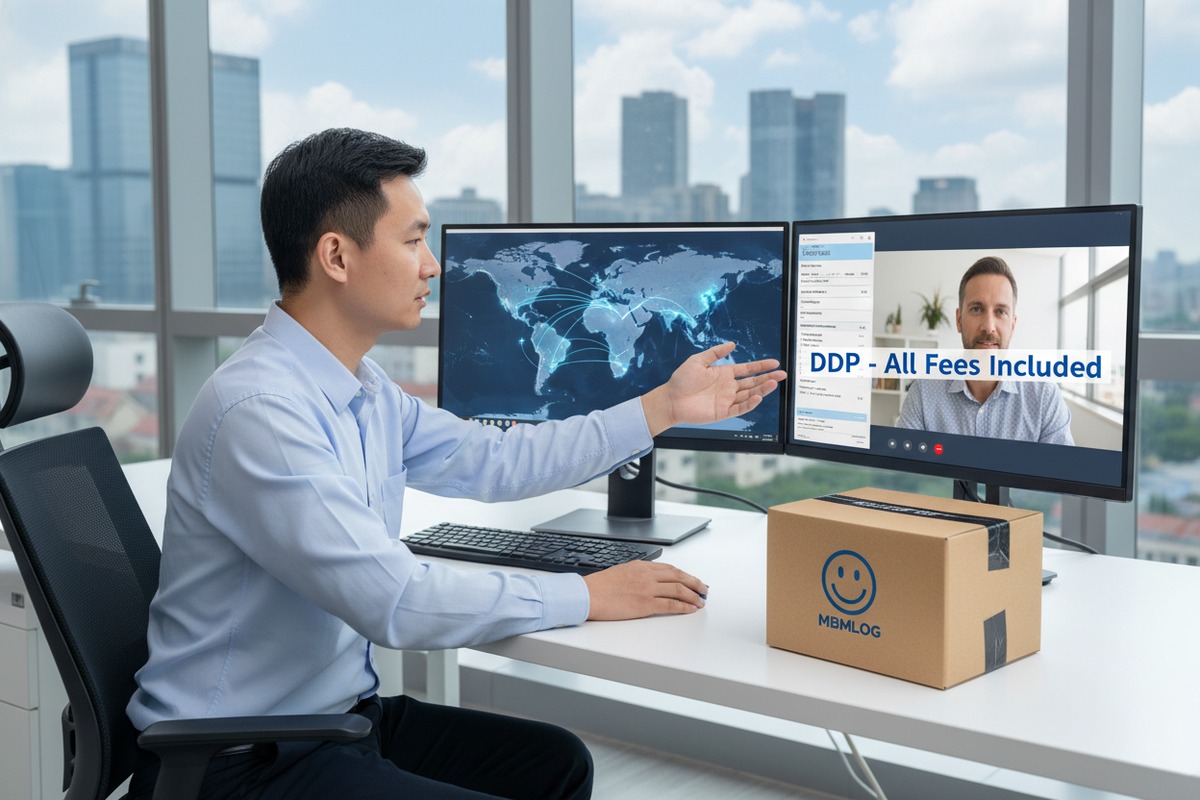
Our DDP (Afhent með greiddum tolli) 5 service from China to the US is designed to remove exactly this kind of confusion — but the answer still depends on what your contract covers.
Under DDP Incoterms, the seller is responsible for all costs including import duties, taxes, and destination charges until goods reach the agreed delivery point. This typically means the D/O fee is covered by the seller or their logistics provider. However, importers should always confirm that the D/O fee is explicitly included in the DDP quote.
Understanding Who Pays Under Different Incoterms
The question of "who pays" is almost always answered by the Incoterms 6 agreed in the sales contract. Here is how common Incoterms affect D/O fee responsibility:
| Incoterm | D/O Fee Paid By | Import Duty Paid By | Customs Clearance Handled By |
|---|---|---|---|
| EXW (Ex Works) | Buyer / Consignee | Kaupendur | Kaupendur |
| FOB (Ókeypis um borð) | Buyer / Consignee | Kaupendur | Kaupendur |
| CIF (Cost, Insurance, Freight) | Buyer / Consignee | Kaupendur | Kaupendur |
| DAP (Delivered at Place) | Buyer / Consignee | Kaupendur | Kaupendur |
| DDP (Afhent með greiddum tolli) | Seller / Seller's Agent | Seljandi | Seljandi |
Notice that under most Incoterms, the D/O fee falls on the buyer. DDP is the exception where the seller takes on virtually all destination costs.
The DDP Promise — and Its Limits
When we quote DDP pricing to our clients, we include the D/O fee, customs brokerage, import duties, and last-mile delivery. That is the whole point of DDP: one price, no surprises. But not every logistics provider defines DDP the same way. Some providers quote "DDP" but exclude certain destination charges like the D/O fee, terminal handling, or chassis fees. Always ask for a detailed breakdown.
D/O Fee vs. Customs Duty vs. Import Tax
This is where many importers get tripped up. They see a charge labeled "D/O fee" and assume it is a government tax. It is not. Here is a clear comparison:
| Charge Type | Charged By | Tilgangur | Typical Amount (US) |
|---|---|---|---|
| D/O Fee | Carrier / Forwarder / Agent | Document release processing | $50 – $150 |
| Import Duty | US Customs (CBP) | Tax on imported goods based on HTS code | Varies by product |
| Gjald fyrir vöruvinnslu (MPF) 7 | US Customs (CBP) | Processing fee for formal entries | 0.3464% of value |
| Hafnarviðhaldsgjald (HMF) 8 | US Customs (CBP) | Port infrastructure funding | 0.125% of value |
| Import Tax / Sales Tax | State or federal authority | Consumption tax (if applicable) | Mismunandi eftir fylkjum |
| Customs Broker Fee | Licensed customs broker | Professional service for filing entries | $150 – $400+ |
These are all separate line items. The D/O fee is a private-sector charge for document handling. Duties and taxes are government-imposed charges. Knowing the difference prevents confusion and helps you budget accurately.
What If My DDP Provider Does Not Cover the D/O Fee?
If you discover your DDP provider excluded the D/O fee, you have two options. First, negotiate to have it added to the DDP quote. Second, pay it directly at the destination through your customs broker. Either way, the fee must be paid before cargo is released. At MBMLOG, we include it in every DDP quote because we believe transparency is non-negotiable.
Hvernig hefur ferlið við sendingarskilmála áhrif á tímann fyrir Amazon FBA birgðina mína?
When we ship goods to Amazon FBA warehouses across the US, timing is everything. A single day of delay at the port can cascade into missed delivery appointments and lost sales.
The delivery order process directly impacts your Amazon FBA timeline because cargo cannot clear customs or be transported to an FBA warehouse until the D/O is issued. Delays in obtaining the D/O — due to missing documents, unpaid charges, or slow carrier processing — can add 2 to 5 business days to your overall transit time, risking stockouts and demurrage fees.
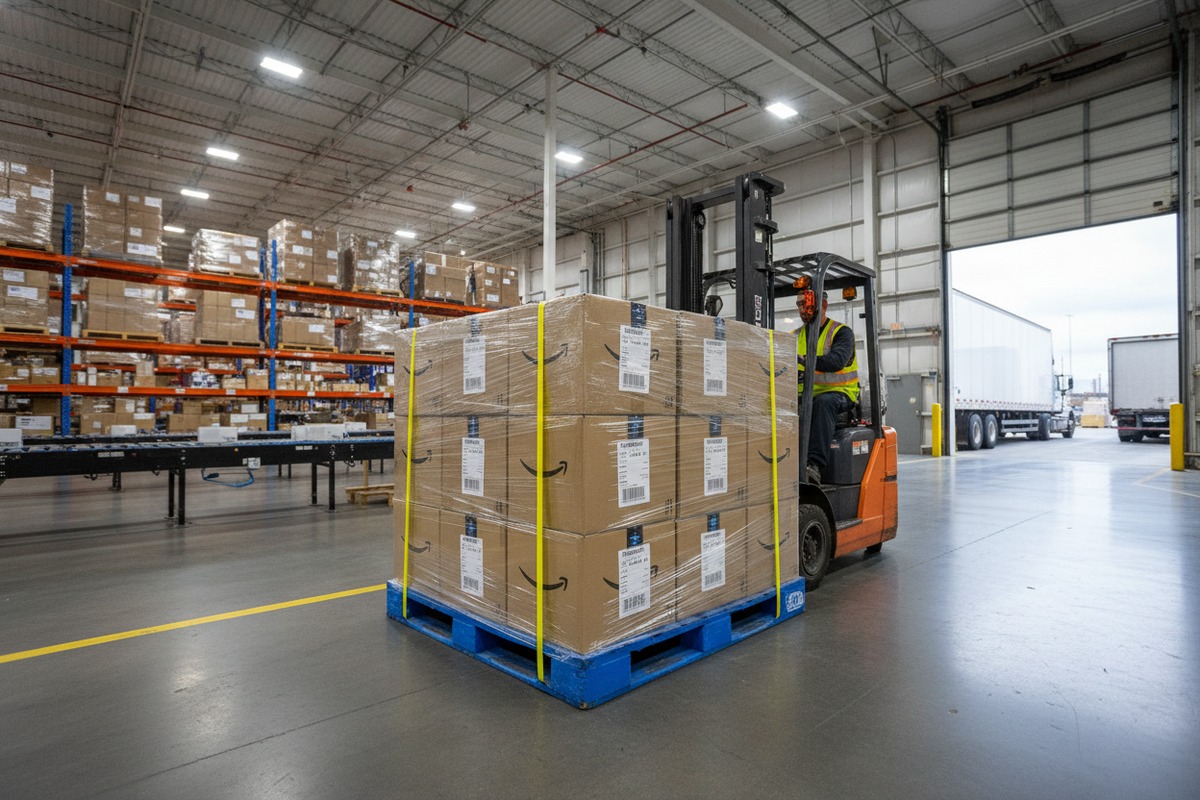
The FBA Clock Is Always Ticking
Amazon FBA sellers operate on tight inventory cycles. If your product runs out of stock, your listing drops in search rankings. Recovering those rankings can take weeks. So every day your cargo sits at the port waiting for a D/O is a day closer to a potential stockout.
Here is a typical timeline breakdown for a China-to-US FBA shipment:
| Phase | Duration | Athugasemdir |
|---|---|---|
| Factory to port (China) | 1–3 dagar | Trucking or rail |
| Sjóflutningur | 14–22 days | Depends on route and port |
| Arrival and D/O issuance | 1–3 dagar | Assumes documents are ready |
| Tollavinnsla | 1–3 dagar | Can be longer with inspections |
| Drayage to FBA warehouse | 1–5 days | Depends on warehouse location |
| Amazon receiving and check-in | 2–7 days | Amazon's own processing time |
| Total | 20–43 days | D/O delays extend this significantly |
Common D/O Delays That Hurt FBA Sellers
From our experience managing hundreds of FBA shipments per month, here are the most common reasons a D/O gets delayed:
- Original B/L not surrendered in time. If the shipper uses original bills of lading instead of telex release or sea waybill, the physical documents must arrive at the destination before the D/O can be issued. This alone can add 3–5 days.
- Unpaid freight charges. If the freight is collect (not prepaid), the carrier will not issue the D/O until payment clears.
- Mismatched consignee information. If the name on the B/L does not match the entity requesting the D/O, the carrier may require additional documentation or authorization letters.
- Carrier processing backlogs. During peak season (August through November), US port carriers and agents may take longer to process D/O requests.
How to Speed Up the D/O for FBA Shipments
We recommend several best practices to our Amazon seller clients:
Use telex release or sea waybill instead of original B/L whenever possible. This eliminates the need to physically transport documents across the ocean. Ensure all freight charges are prepaid so there are no payment holds at destination. Verify that the consignee name on all documents matches exactly. Work with a customs broker who is already familiar with your carrier's D/O process.
The Rise of Electronic Delivery Orders
More carriers are adopting electronic delivery orders (e-D/O or EDO). This is a significant improvement for FBA sellers. Instead of physically visiting the carrier's office or waiting for paper documents, the D/O is issued digitally and shared with the terminal and customs broker electronically. This can shave 1–2 days off the release process. However, not all carriers offer EDO at every port, so check availability with your logistics provider.
Hvað á ég að gera ef sendingarskilmálinn minn seinkar við tollgáttina í Bandaríkjunum?
In our years of managing US-bound shipments, we have seen delivery order delays trigger a chain reaction of costs — demurrage, detention, storage, and even missed Amazon delivery windows.
If your delivery order is delayed during US customs clearance, you should immediately contact your customs broker and freight forwarder to identify the cause, confirm that all required documents are submitted, verify that outstanding carrier charges are paid, and request expedited processing or an electronic D/O if available. Proactive communication is the fastest way to resolve D/O holds.
Step 1: Identify the Root Cause
The first thing to do is find out exactly why the D/O has not been issued. Common causes include:
- The original B/L has not arrived or been surrendered.
- The carrier has outstanding charges that need to be settled.
- There is a discrepancy in the consignee name or other document details.
- The carrier's local office is experiencing processing delays.
- A customs hold has been placed on the shipment, preventing the D/O from being activated.
Your customs broker is usually the best person to diagnose this. They interact with both the carrier's agent and US Customs and Border Protection (CBP) 9 daily.
Step 2: Resolve Document Issues Quickly
If the delay is caused by missing or incorrect documents, act fast. Request a telex release confirmation from the shipper if original B/Ls are lost or delayed. Provide a letter of indemnity if the carrier requires one. Correct any consignee name mismatches by submitting an amendment request to the carrier — though this can take time, so accuracy upfront is critical.
Step 3: Pay Outstanding Charges
Carriers will not release the D/O if there are unpaid freight or local charges. Ask your forwarder or broker for a full list of charges due. Pay them immediately. Even a small unpaid balance can hold up the entire release.
Step 4: Request an Electronic D/O
If the carrier offers electronic delivery orders at your port, ask your broker to request one. EDOs bypass the need for physical document exchange and can be processed in hours rather than days. More US ports are accepting EDOs, and this trend is accelerating.
Step 5: Monitor Demurrage and Detention Free Time
While you are resolving the D/O delay, keep a close eye on your demurrage and detention free time. Most carriers offer 3–5 free days at the terminal after vessel discharge. After that, daily charges apply — and they add up quickly.
What About Customs Holds?
Sometimes the D/O delay is not the carrier's fault at all. CBP may place a hold on your shipment for inspection, document review, or compliance checks. In this case, the D/O may already be issued, but the cargo cannot move until customs releases it. Your broker should be filing any required documentation with CBP and requesting release as soon as the hold condition is satisfied.
Practical Tips to Prevent D/O Delays
Based on our operational experience, here are the top preventive measures:
- Always use telex release or sea waybill for faster document processing.
- Prepay all freight charges to avoid payment-related holds.
- Double-check consignee details on every document before shipment.
- Choose a logistics partner with strong carrier relationships at your destination port.
- Build 3–5 buffer days into your supply chain timeline to account for potential D/O processing time.
- Keep digital copies of all shipping documents readily accessible.
At MBMLOG, we assign a dedicated coordinator to every shipment specifically to monitor the D/O status and intervene the moment any delay appears. Prevention is always cheaper than recovery.
Niðurstaða
The delivery order is a small document with outsized impact on your import timeline and costs. Understanding what it is, who pays for it, and how to avoid delays puts you in control of your supply chain.
Athugasemdir
1. Defines the bill of lading as a legal contract and receipt. ↩︎
2. Defines delivery order and its importance in shipping. ↩︎
3. Explains the definition and types of import duties and taxes. ↩︎
4. Explains the legal agreement between carrier and shipper. ↩︎
5. Details the responsibilities under DDP Incoterms. ↩︎
6. Provides official information on international commercial terms. ↩︎
7. Explains a specific fee charged by US Customs. ↩︎
8. Provides details on the Harbor Maintenance Fee. ↩︎
9. Official source for US Customs and Border Protection. ↩︎
10. Describes the role of a freight forwarder in logistics. ↩︎




