

La scorsa primavera, il nostro team di prenotazione ha visto un carrello elevatore di un concorrente essere rifiutato al porto di Shanghai a causa di un numero UN errato. La questione UN 3171 vs [UN 3556](https://mbmlog.com/?p=11645) non è più solo accademica. Se sbagli, il tuo carico resta in banchina mentre le spese di stoccaggio aumentano. Se hai ragione, i tuoi carrelli elevatori elettrici passano senza intoppi.
UN 3556 è la classificazione obbligatoria per i carrelli elevatori alimentati da batterie agli ioni di litio secondo l'emendamento IMDG 42-24, efficace dal 1 gennaio 2026. UN 3171 si applica ora solo ai veicoli alimentati da batterie acido piombo umide, metallo sodio o leghe di sodio. Gli importatori devono verificare la chimica della batteria prima di effettuare la prenotazione per evitare rifiuti.
Questo cambiamento influisce su ogni carrello elevatore elettrico che si sposta via mare. Di seguito, spiego la classificazione, i costi, la documentazione e i rischi doganali di un errore.
Come posso sapere se il mio carrello elevatore elettrico rientra nella classificazione UN 3171 o UN 3556?
Un acquirente in Texas mi ha recentemente inviato una scheda di specifiche e ha posto una domanda: quale numero UN si applica? Abbiamo controllato prima la chimica della batteria, perché tutto il resto deriva da essa.
Controlla la chimica della batteria nella Scheda di Sicurezza del carrello elevatore. Se il carrello elevatore usa una batteria agli ioni di litio, rientra sotto UN 3556. Se utilizza una batteria al piombo-acido umido, al sodio-metallico o all'alluminio al sodio installata nell'unità, rimane sotto UN 3171.
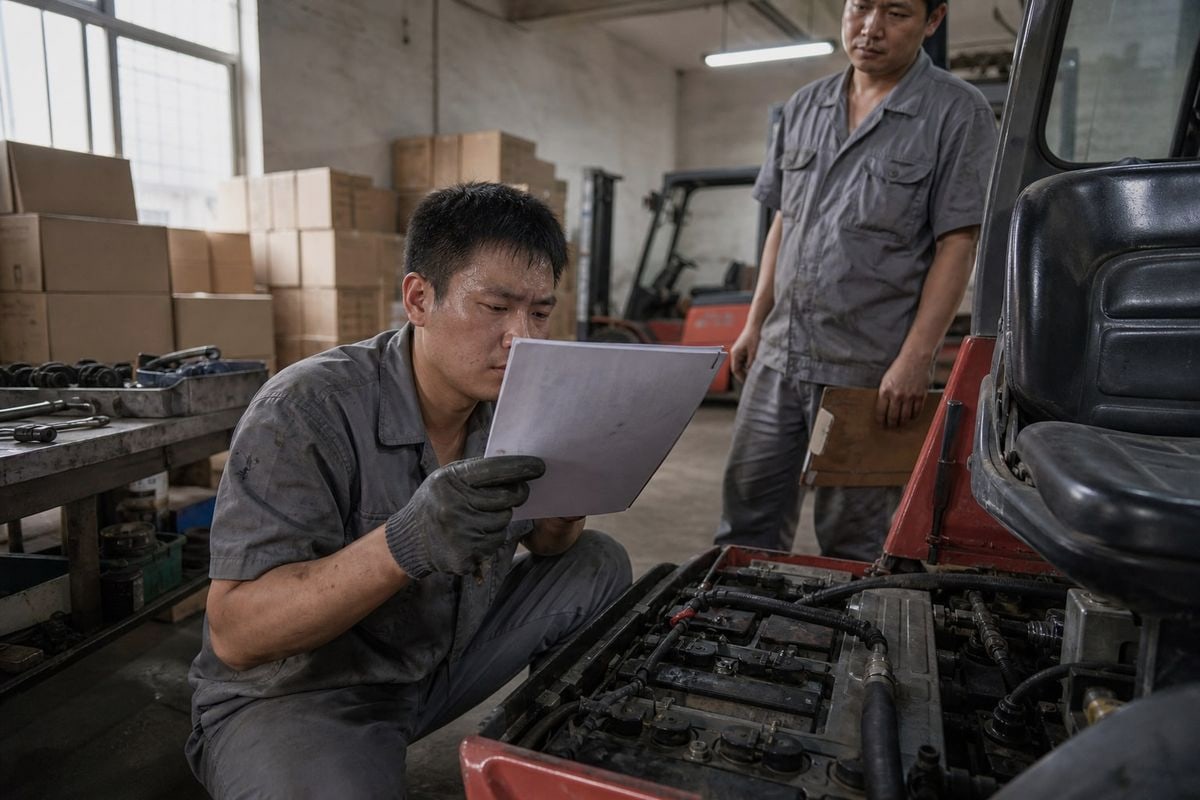
Il vecchio sistema trattava quasi ogni veicolo alimentato a batteria come UN 3171. Quell'era di indiscriminata classificazione è finita. L'emendamento IMDG 42-24 ha suddiviso i veicoli alimentati a batteria in voci separate per chimica, poiché un veicolo alimentato da una batteria agli ioni di litio presenta rischi di incendio diversi rispetto a un'unità al piombo-acido. Ecco il rapido confronto che ogni importatore dovrebbe tenere a portata di mano:
| Fattore | UN 3171 | UN 3556 |
|---|---|---|
| Tipo di batteria | Umida (piombo-acido), sodio-metallo, lega di sodio | Litio-ion |
| Nome di spedizione corretto | Veicolo o attrezzatura a batteria | Veicolo, batteria al litio-ion 1 alimentato |
| Stato dopo il 1 gennaio 2026 | Riservato a chimiche non al litio | Obbligatorio per veicoli al litio-ionico via mare |
| Esempi tipici di carrelli elevatori | Carrelli elevatori elettrici a piombo-acido tradizionali | Carrelli elevatori moderni a litio-ione, transpallet, sollevatori |
| Etichetta di pericolo | Classe standard 9 | Etichetta batteria al litio Classe 9A |
Passaggi per classificare correttamente il tuo carrello elevatore
- Richiedi il Safety Data Sheet della batteria al tuo fornitore cinese prima di firmare l'ordine di acquisto.
- Conferma se la batteria è installata nel carrello elevatore o se viene spedita separatamente.
- Identifica esattamente la chimica: litio-ionico, al piombo, sodio-metallo o altro.
- Conferma la modalità di trasporto, perché i requisiti del Codice IMDG regolano il trasporto marittimo mentre le spedizioni aeree seguono il Regolamenti IATA sulle merci pericolose 2.
- Verifica la classificazione con il tuo vettore o spedizioniere prima di effettuare la prenotazione.
Fai attenzione ai casi limite. Un carrello elevatore ibrido con motore a combustione e batteria al litio-ionico rientra sotto UN 3166, non UN 3556. Una batteria al litio di ricambio non installata spedita insieme al carrello elevatore necessita della propria dichiarazione come UN 3480. Quando consolidiamo carrelli elevatori e batterie di ricambio per clienti diretti verso gli Stati Uniti, separiamo sempre queste dichiarazioni. Un singolo elemento non copre entrambi.
Perché la corretta classificazione della batteria influisce sui costi di spedizione e sull'accettazione del corriere?
Esiste un vero compromesso che valutiamo per ogni prenotazione di carrelli elevatori al litio: il vettore con la tariffa più economica non è sempre il vettore che accetta senza problemi il carico UN 3556.
Una corretta classificazione delle merci pericolose determina quali vettori accetteranno la tua prenotazione, quali sovrattasse DG si applicano e come gli assicuratori valutano il rischio. Le spedizioni UN 3556 affrontano premi specifici per la chimica e regole di accettazione più severe, quindi una errata classificazione può innescare costi di riprenotazione, spese per ripristino delle etichette e spazio perso sulla nave.

I vettori marittimi esaminano merci pericolose prenotazioni prima di confermare lo spazio. Una prenotazione registrata sotto la classe di rischio errata della batteria al litio viene segnalata, messa in discussione o rifiutata. Questo ti costa tempo, e il tempo su un programma di consegna fisso costa denaro. Dalla nostra esperienza nell'esportazione di carrelli elevatori elettrici negli Stati Uniti, l'accettazione DG è una catena, non una singola approvazione. Il vettore di origine, qualsiasi porto di transito e il terminal di destinazione revisionano tutti la classificazione. Un anello debole ferma l'intera spedizione.
Dove i costi colpiscono realmente
| Voce di costo | Registrazione corretta UN 3556 | Misclassified as UN 3171 |
|---|---|---|
| DG surcharge | Quoted upfront, predictable | Requoted after correction, often higher |
| Booking acceptance | Confirmed on first submission | Rejected or held for review |
| Labels and marks | Class 9A applied once at origin | Relabeling fees at port or warehouse |
| Assicurazione | Chemistry-specific premium, transparent | Possible claim disputes over misdeclaration |
| Schedule | Sails as planned | Rolled to a later vessel |
The insurance angle deserves attention. The move to UN 3556 lets maritime insurers 3 apply more granular, chemistry-specific risk premiums. Some importers see this as a pure cost increase, and I understand the objection. But there is an upside: accurate classification means your coverage actually holds up. A misdeclared shipment gives an insurer grounds to dispute a claim, and a disputed claim on a container of forklifts hurts far more than a modest surcharge. When we quote door-to-door DDP shipments, we build the correct DG surcharge into the landed cost from day one, so our clients never discover a surprise fee at destination.
Quale documentazione devo preparare per ogni classificazione quando spedisco dalla Cina?
I learned early in this business that documentation problems rarely surface at origin. They surface three weeks later, at a destination port, where fixing them is slow and expensive.
For UN 3556 you need a dangerous goods declaration citing UN 3556, a UN 38.3 Test Summary for the installed battery, an updated Safety Data Sheet, Class 9A labels, and consistent booking references. UN 3171 shipments need a matching DG declaration, battery specs, and standard Class 9 labeling.
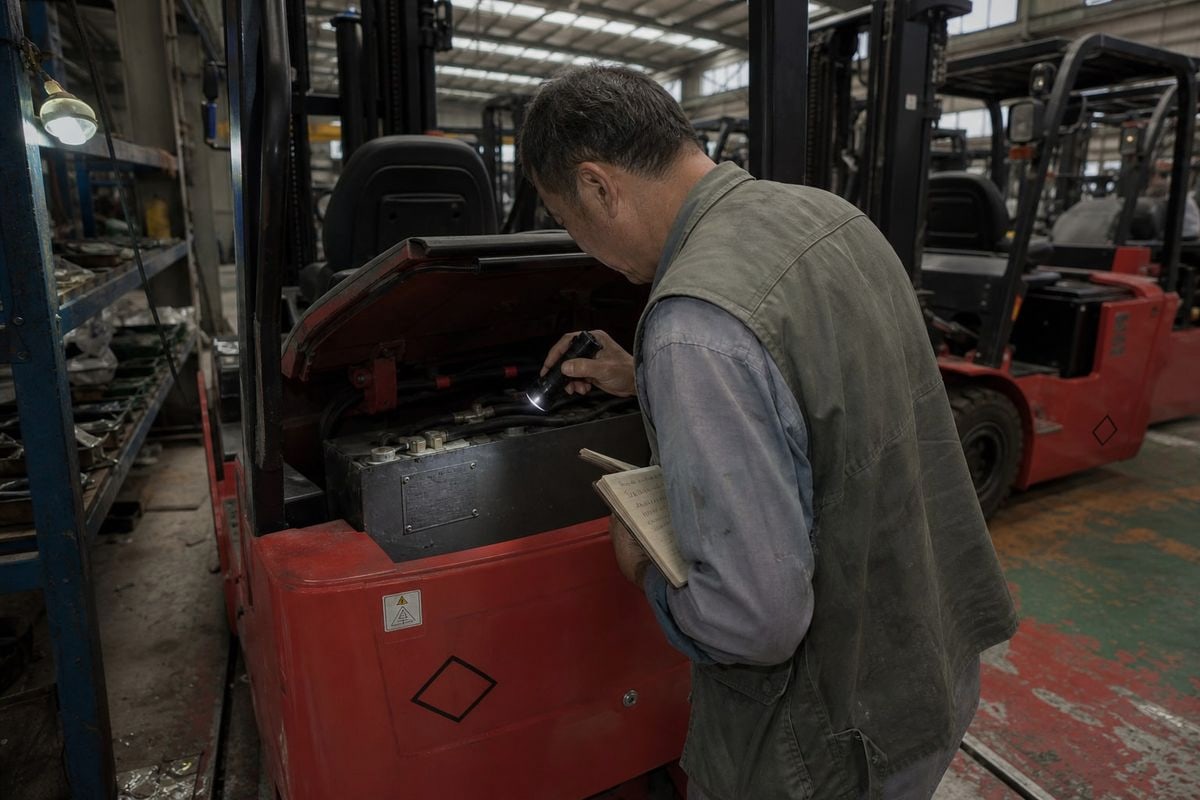
Paperwork is where most classification errors become visible. Every document in the chain must tell the same story. If your commercial invoice says lithium-ion but your DG declaration says UN 3171, someone in the chain will notice, and the shipment stops.
La Checklist dei Documenti Principali
| Documento | UN 3556 (lithium-ion) | UN 3171 (wet/sodium battery) |
|---|---|---|
| Dangerous Goods Declaration | Required, must cite UN 3556 | Required, must cite UN 3171 |
| UN 38.3 Test Summary 4 | Required for the specific battery model | Non applicabile |
| Safety Data Sheet | Must match battery chemistry | Must match battery chemistry |
| Etichetta di pericolo | Class 9A with battery symbol and stripes | Classe standard 9 |
| Booking reference | Updated to UN 3556 wording | UN 3171 wording |
Carriers now expect digital proof of the UN 38.3 Test Summary at booking approval, tied to the exact battery model installed in the forklift. A generic summary for a similar battery does not work. We request this document from the factory during production, not after the forklift arrives at our consolidation warehouse, because chasing it later delays loading.
Two mixed-cargo traps also deserve mention. Retrofit kits shipped in the same container as a forklift frame for destination assembly cannot ride under UN 3556; they must be declared as UN 3481 and packed to Packing Instruction P903. And note that Special Provision 388 governs how vehicle entries align with battery type, which is exactly why chemistry drives the paperwork. Safety Data Sheet compliance ties it all together: if the SDS, the declaration, and the label disagree, expect questions. For our multi-supplier consolidation clients, we cross-check every document set before the container gate-in, so Material Handling Equipment shipping stays predictable.
Can misclassifying my forklift's battery type cause customs delays or shipment rejection?
A distributor once called us in a panic after his previous forwarder declared lithium-ion forklifts under the old catch-all code. His container was held at a transshipment hub for eleven days. That call is why we double-check chemistry on every file.
Yes. Misclassifying a lithium-ion forklift as UN 3171 after January 1, 2026 can trigger immediate cargo rejection at ports, administrative fines, mandatory relabeling or re-export, and extended customs holds. Terminals treat misdeclared dangerous goods as a safety violation, not a clerical error.
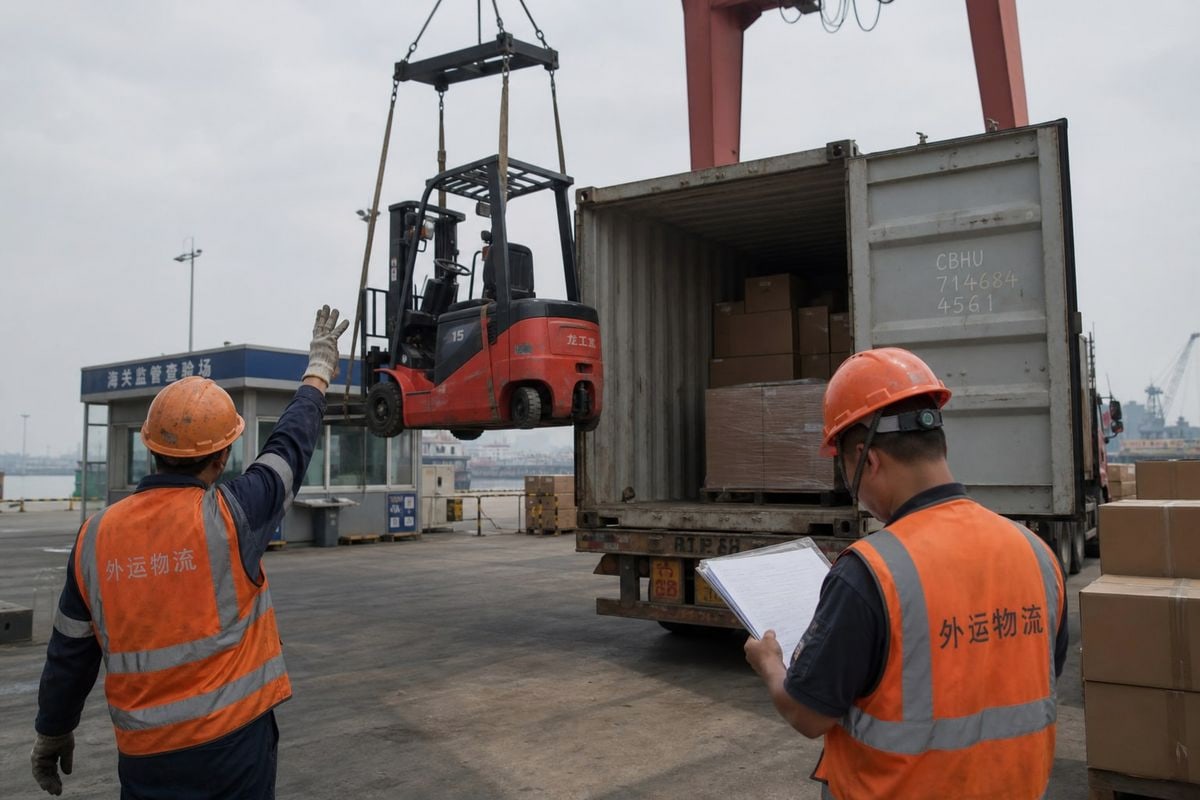
Port authorities and customs officers treat battery misdeclaration seriously because the underlying risk is real. A lithium-ion fire in a container stack behaves differently from a lead-acid incident, and responders rely on the UN number to know what they are dealing with. That is the whole point of splitting the entries.
How a Misclassification Unfolds
- The DG declaration cites UN 3171 for a lithium-ion forklift.
- A carrier audit, terminal scan, or customs document check catches the mismatch against the SDS or invoice.
- The container is placed on hold. Storage and demurrage charges start immediately.
- The importer must file corrected declarations, arrange relabeling with Class 9A marks, or in severe cases re-export the cargo.
- Fines may follow, and the importer's future DG bookings face extra scrutiny.
Some importers push back and say a short grace period still protects them. It does not. The maritime transition period has ended, and UN 3556 is mandatory for applicable lithium-ion shipments from January 1, 2026. Outdated guidance from 2025 still circulates online, which is exactly why mixed advice from agents and datasheets confuses buyers. Electric forklift import regulations at the destination add another layer: US customs brokers cross-reference the DG classification against the entry documents, so an origin error follows the cargo all the way to your warehouse. Air freight raises the bar further. Under the IATA Dangerous Goods Regulations, a UN 3556 vehicle with a battery over 100 Wh must ship at a state of charge no higher than 30%, and sea shipments follow their own stowage rules under Packing Instruction 952. Our pre-departure document review exists precisely to catch these mismatches while they are still cheap to fix.
Conclusione
Wrong UN numbers now mean rejected containers, fines, and blown delivery dates. Confirm your forklift's battery chemistry, file UN 3556 for lithium-ion units, and align every document before sailing.
Note a piè di pagina
1. Comprehensive technical overview of lithium-ion battery chemistry, safety, and common industrial applications. ↩︎
2. Official IATA page for regulations governing the air transport of dangerous goods. ↩︎
3. IMO regulations directly influence how maritime insurers assess and price dangerous goods risks. ↩︎
4. The UN body providing the regulatory framework for the UN 38.3 battery testing standards. ↩︎




