
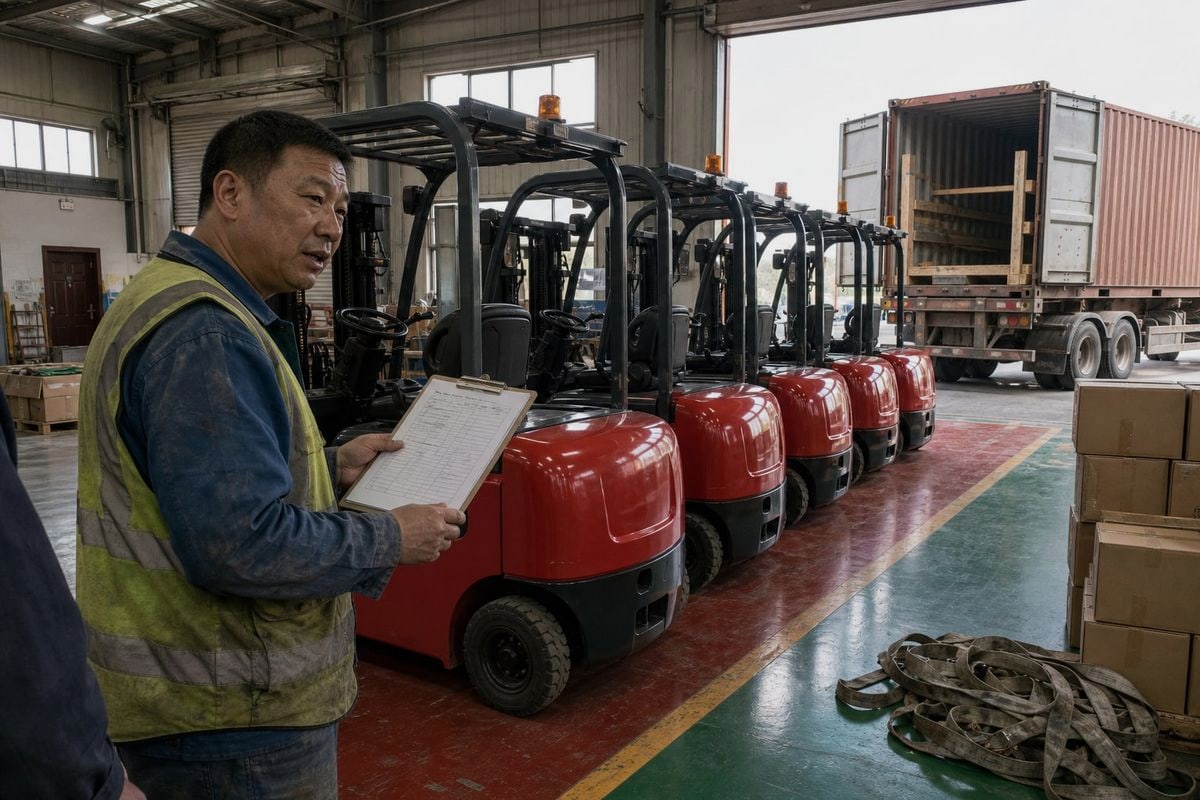
전기 지게차에 대한 화물 솔루션은 종종 트럭이 항구에 도착하기 전에 실패합니다. 저희 정저우 운영에서는 수입업체들이 재예약 수수료, 항구 보유, 배터리 서류 공백으로 인해 수천 달러를 잃는 모습을 보고 있습니다. 하나의 누락된 UN38.3 테스트 요약 1 은 전체 컨테이너를 정지시킬 수 있습니다. 해결책은 화물, 준수, 하역을 공간 예약 전에 함께 계획하는 것입니다.
글로벌 수입업체는 다수의 주문에 대해 FCL을 선택하고, 예약 전에 UN38.3 및 MSDS 배터리 문서를 확보하며, 컨테이너 밀도를 극대화하기 위해 부분 분해를 사용하고, 여러 중국 공급업체로부터 지게차, 배터리, 충전기 및 부품을 하나의 화물로 통합하여 전기 지게차에 대한 화물 솔루션을 최적화합니다.
각 각의 레버는 더 자세히 살펴볼 가치가 있습니다. 아래에서는 모드 선택, 적재 전략, 리튬 배터리 문서화, 다수 공급업체 통합 — 귀하의 토해비 가장 큰 영향을 미치는 네 가지 결정을 분석합니다.
전기 포크리프트 배송에 FCL과 LCL 중 어떤 것을 선택할 수 있나요?
지난 분기에 우리 팀은 동일한 3대의 포크리프트 주문을 FCL과 LCL 두 가지 방법으로 견적을 냈습니다. FCL 옵션은 비용과 위험 모두에서 우세했지만, 항상 그러한 결과가 나오는 것은 아닙니다.
두 대 이상의 전기 포크리프트를 배송하거나 화물이 20FT 컨테이너의 대다수를 채울 때는 FCL을 선택하세요. 이는 취급로 인한 손상을 줄이고 유닛당 비용을 절감합니다. LCL은 하나의 컴팩트 유닛, 팔레트 트럭 또는 전체 컨테이너를 지급하는 것이 낭비되는 예비 부품에만 선택하세요.
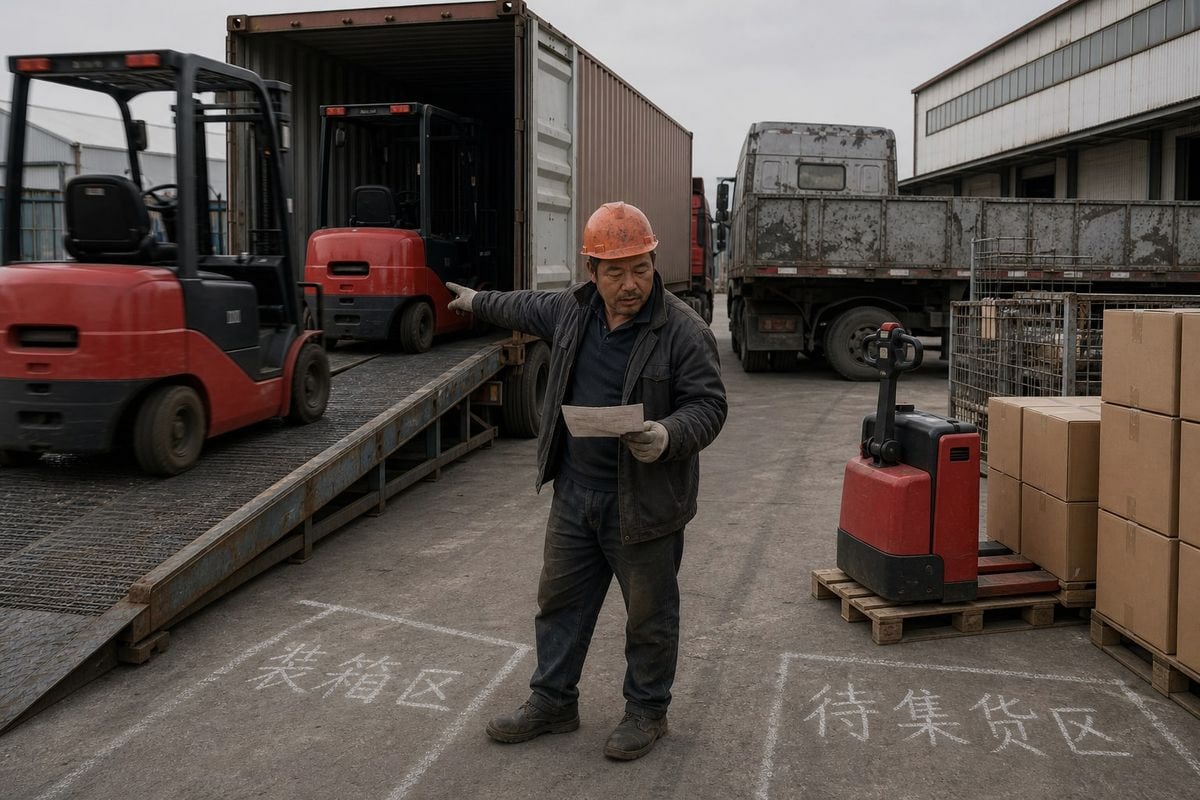
FCL과 LCL 결정은 세 가지 요소로 귀결됩니다: 화물 볼륨 2, 손상 허용 한도, 그리고 총 착륙 비용. 전기 포크리프트는 밀도가 높고 무겁고 상부가 무겁습니다. 이들의 중량 대 부피 비율은 컨테이너 배송을 입방미터당 지급하는 것보다 훨씬 효율적으로 만들어 주므로 FCL은 자재 취급 장비 물류에서 상업적 볼륨의 기본 옵션입니다.
FCL이 이기는 순간
표준 3톤 전기 카운터밸런스 포크리프트는 일반적으로 배터리를 포함하여 4,000kg에서 5,000kg 사이의 무게를 가집니다. 두 대 또는 세 대가 20FT 컨테이너의 적재 한도에 거의 도달하기 전에 바닥 공간을 채울 수 있습니다. 두 대 이상의 유닛을 선적할 경우, FCL은 거의 항상 포크리프트당 비용 측면에서 LCL을 능가합니다. FCL은 또한 귀하의 화물이 공장이나 당사의 창고에서 한 번 적재되고 목적지에서 한 번 하역됨을 의미합니다. LCL 화물은 양쪽 끝에서 통합 창고를 거치며, 모든 추가 접촉은 마스트, 센서 또는 전자 제어 시스템이 손상될 수 있는 기회를 제공합니다.
LCL이 여전히 의미가 있는 경우
LCL은 단일 전기 팔레트 트럭, 스태커, 또는 충전기 및 예비 부품 배치에 적합합니다. 우리는 이러한 경우를 정확하게 위해 중국에서 정기적인 LCL 통합을 운영합니다. 트레이드-오프는 더 긴 운송, 더 많은 처리 및 처음 수입하는 분들을 놀라게 할 수 있는 목적지 분리 비용입니다.
| 요인 | FCL | LCL |
|---|---|---|
| 최상의 대상 | 2대 이상의 포크리프트, 반복 수입 | 단일 소형 유닛, 부품, 충전기 |
| 취급 터치 | 한 번 적재, 한 번 하역 | 다수의 창고 이전 |
| 손상 위험 | 적절한 지지대가 있는 낮은 형태 | 혼합 화물로 인해 더 높음 |
| 비용 구조 | 평면 컨테이너 요금 | CBM당, 해체 수수료 추가 |
| 리튬 배터리 수용 | 더 쉬운 DG 예약 | 일부 통합업체는 클래스 9 화물 수송을 거부합니다 |
| 전송 예측 가능성 | 높음 | 보통 |
수입업체들이 놓치는 또 한 가지: 일부 LCL 통합업체는 위험한 물질의 운송을 완전히 거부합니다. 귀하의 지게차에 리튬 이온 배터리가 장착되어 있다면, 물량에 관계없이 FCL이 유일한 실용적인 선택이 될 수 있습니다.
전기 포크리프트의 공간을 극대화하는 데 도움이 되는 적재 전략은 무엇인가요?
제가 최근에 검토한 적재 계획은 공장이 기둥을 낮추고 오버헤드 가드를 분리하여 배송하는 데 동의했기 때문에 40HQ에 네 대의 포크리프트를 세 대 대신 squeeze 해 넣었습니다.
마스트를 내리거나 제거하고, 오버헤드 가드를 접거나 분리하며, 유닛을 코너에 배치하고, 충전기와 예비 부품으로 빈 공간을 채우고, 모든 것을 지게차의 중량과 무게 중심에 맞춰 고정하는 강력한 차단, 지지 및 고정을 통해 컨테이너 공간을 극대화하십시오.
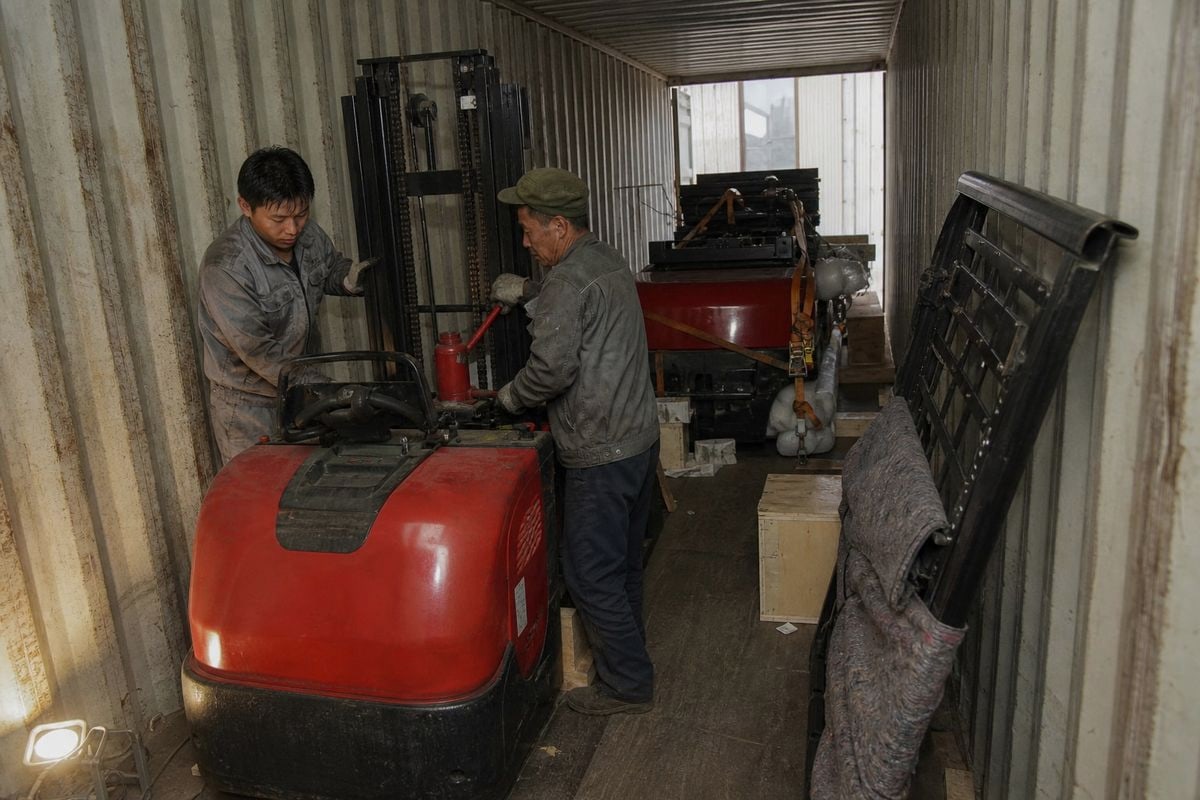
지게차의 컨테이너 적재 최적화는 스프레드시트 작업이 아니라 물리적 엔지니어링 문제입니다. 카운터밸런스 지게차는 뒷쪽의 카운터웨이트에 엄청난 중량을 집중시키므로, 유닛을 배치하는 것만큼 컨테이너 바닥의 중량 분포도 중요합니다. 잘못 처리하면 목적지 트럭에서 축 하중 위반이 발생하거나 바다에서 화물이 이동할 위험이 있습니다.
부분 분해를 통한 밀도 증가
가장 큰 공간 절약 요소는 마스트입니다. 전체 높이의 마스트는 지게차가 컨테이너 문 높이를 초과하도록 할 수 있습니다. 우리는 중국 공장과 협력하여 마스트가 내려가거나 기울어지거나 완전히 분리된 상태로 포장된 유닛을 배송합니다. 같은 모듈식 접근 방식은 오버헤드 가드 및 매우 무거운 유닛의 경우 카운터웨이트에도 적용됩니다. 마스트와 카운터웨이트를 분리하여 포장하면 컨테이너 밀도가 증가하고 단위당 착륙 비용이 직접 절감됩니다.
안전 고정은 절대적으로 필수입니다.
지게차는 밀도가 높고 상부가 무겁습니다. 당사의 적재 작업에서의 표준 관행은 다음과 같습니다:
- 예약 전에 정확한 차원, 총 중량 및 무게 중심을 확인합니다.
- 무거운 유닛을 컨테이너의 가장 강한 바닥 섹션 위에 배치하고 앞뒤로 균형을 맞춥니다.
- 바닥에 못이나 볼트로 고정된 목재 클릿으로 바퀴를 차단합니다.
- 각 유닛을 인증된 체인 또는 스트랩으로 여러 지점에서 고정합니다.
- Filling voids with crated chargers, batteries, and spare parts so nothing can shift.
- Photographing the completed load for insurance and dispute protection.
Typical Loading Capacity Reference
| Container | Typical Capacity | 참고 |
|---|---|---|
| 20FT | 2–3 compact electric forklifts | Payload limit often reached before floor space |
| 40FT | 3–4 standard units | Watch axle weight at destination trucking |
| 40HQ | 4+ units with masts lowered/detached | Extra height helps taller mast assemblies |
| Flat rack | 1–2 oversized units | For dimensions exceeding standard door clearance |
For genuinely oversized forklifts — some heavy models lift up to 36,000 lbs — flat rack or RoRo becomes the fallback. But for standard warehouse units, a well-planned standard container with partial disassembly is the freight forwarding for machinery approach that wins on cost.
중국에서 전기 포크리프트를 배송할 때 리튬 배터리 문서화를 어떻게 처리하나요?
The hardest lesson we teach new importers is this: the battery paperwork decides whether your shipment moves at all. Compliance comes first; freight comes second.
Request the UN38.3 test summary, MSDS/SDS, and battery specification sheet from your supplier before committing to purchase. Lithium-ion forklift batteries typically fall under IMDG Class 9, so your forwarder needs these documents to secure dangerous goods booking acceptance from the carrier.
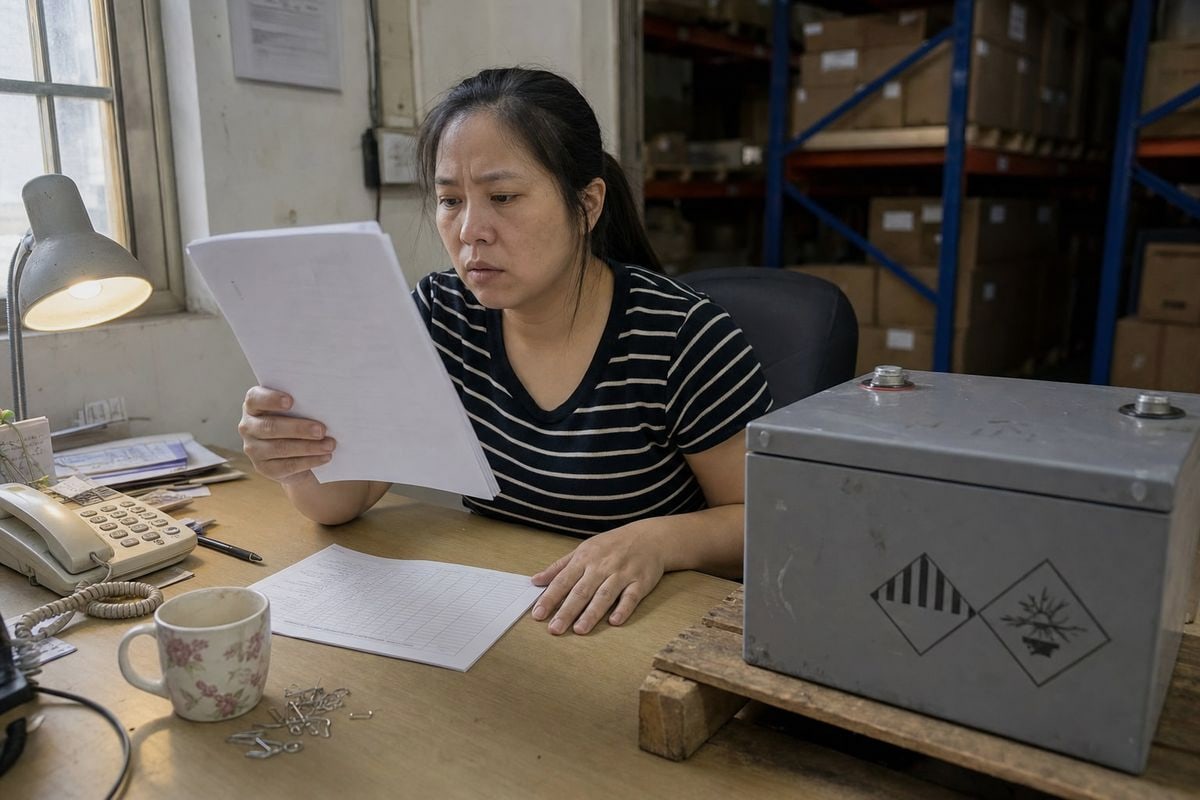
Lithium-ion battery regulations are now a routine decision point in electric forklift shipping, not an edge case. With lithium-ion adoption rising — the global electric forklift market 3 reached USD 49.98 billion in 2025 and is forecast to hit USD 64.15 billion by 2030 — more shipments trigger IMDG Code compliance every year. Compliance failures are far cheaper to fix at the sourcing stage than after your cargo sits at a port under hold.
핵심 문서 세트
Before we book space for any lithium battery forklift, we verify three items with the factory. First, the UN38.3 certification test summary, which proves the battery passed the required transport safety tests. Second, the MSDS (Material Safety Data Sheet), which carriers require for Class 9 hazardous materials shipping acceptance. Third, the battery specification sheet showing chemistry, watt-hours, voltage, and whether the battery ships installed in the equipment.
State of charge matters too. Carriers and DG regulations set state-of-charge expectations, and we confirm battery status with the factory before the container is sealed. An overcharged battery discovered at port inspection can mean rejection.
Destination-Specific Certifications
Documentation does not stop at the battery. For EU-bound units, request the CE declaration of conformity. For US-bound units, confirm UL certification on the charger and verify the charger voltage matches destination power standards. A 380V Chinese charger is useless in a US warehouse, and mismatches like this create expensive after-arrival problems.
Documentation Timeline
| Stage | Action | 왜 중요한가 |
|---|---|---|
| Before purchase | Request UN38.3, MSDS, charger certs | Cheapest point to fix compliance gaps |
| Before booking | Submit DG documents to forwarder | Carrier DG acceptance takes extra lead time |
| Before loading | Confirm battery state of charge | Affects DG acceptance and safety |
| Before vessel arrival | Full document pack with customs broker | Clearance typically takes 3–7 business days; inspections extend it |
We also verify HS classification early. Most electric counterbalance forklifts and reach trucks fall under HS 8427.10 4, and accurate customs clearance and tariffs classification affects duty rates and clearance speed. Some jurisdictions offer favorable treatment for green technology, so precise coding is worth the effort.
여러 중국 공급업체의 전기 포크리프트와 부품을 하나의 배송으로 통합할 수 있나요?
One of our US distributor clients used to run five separate shipments — forklifts from one factory, batteries from another, chargers and attachments from two more. Consolidating them into single containers changed his cost structure completely.
Yes. A China-based forwarder can pick up forklifts, batteries, chargers, attachments, and spare parts from different factories, consolidate them at one warehouse, and load everything into a single container. This fills unused space, cuts per-unit freight cost, and simplifies customs into one entry.
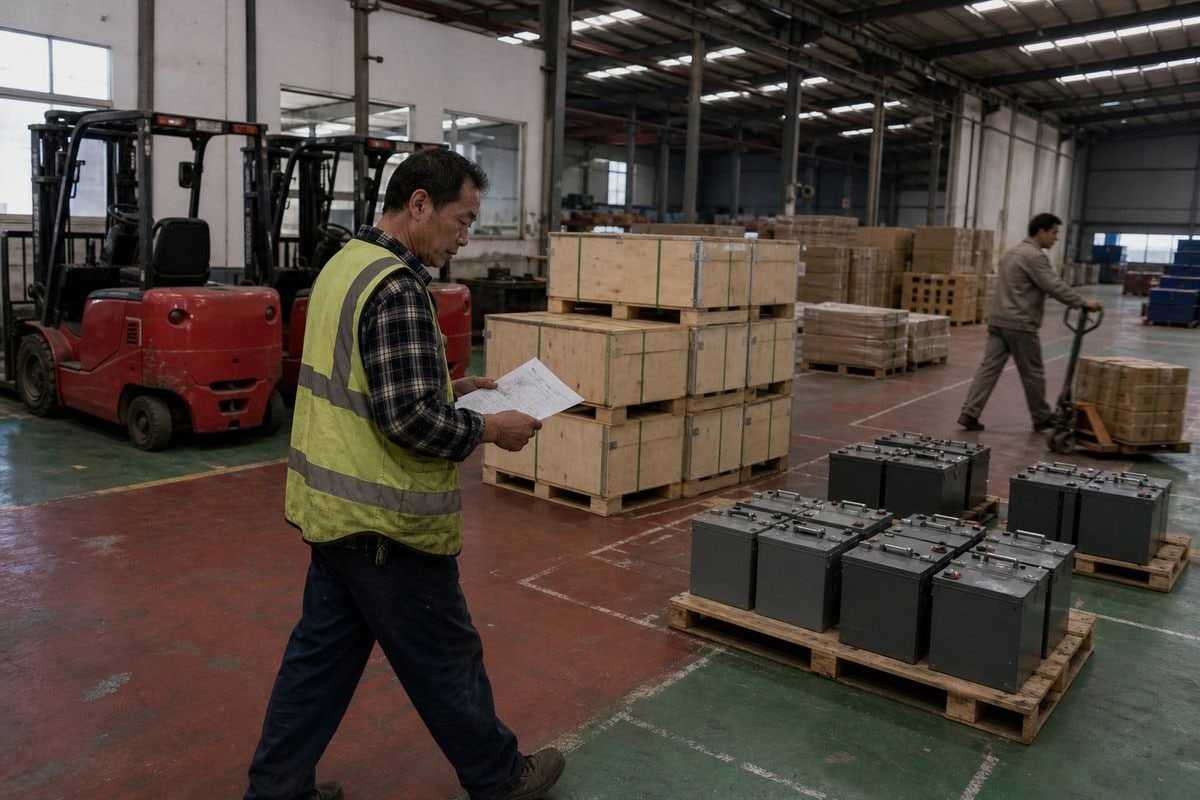
Multi-supplier consolidation is where direct sourcing from China pays off hardest. Buying direct can reduce per-unit cost by 40–60% versus Western distributors, and consolidation protects that saving from being eaten by fragmented logistics. Some buyers worry that direct sourcing means more shipping complexity than buying through a local dealer — and without the right partner, that concern is valid. Distributors do offer simpler compliance and local support. But a forwarder who manages the whole chain closes that gap while preserving the factory-direct price advantage.
How Consolidation Works in Practice
Our process runs in a straightforward sequence:
- We collect cargo readiness dates, dimensions, weights, and battery specifications from every supplier.
- We arrange factory pickup across different Chinese cities and route everything to one consolidation warehouse.
- We build a loading plan that places forklifts first, then fills voids with crated batteries, chargers, and spare parts.
- We align all commercial invoices and packing lists so the customs entry is consistent.
- We load, secure, photograph, and seal one container instead of managing five separate moves.
Why One Entry Beats Five
Every separate shipment carries its own documentation, its own destination handling charges, and its own inspection risk. One consolidated container means one bill of lading, one customs entry, and one delivery appointment at your warehouse. Filling forklift-container voids with parts effectively ships those parts at near-zero marginal ocean cost. It also concentrates your Incoterms for global trade 5 decision: buying FOB from each supplier and controlling the consolidated freight yourself gives you visibility into handling quality and total landed cost that opaque delivered terms hide. And if your buyers care about sustainability, one full, well-utilized container instead of several half-empty moves is a small but real step toward supply chain decarbonization.
결론
Optimizing freight solutions for electric forklifts comes down to four moves: pick FCL wisely, load densely and safely, lock battery documentation early, and consolidate suppliers into one shipment.
The cheapest freight quote is rarely the cheapest landed cost. What actually protects your margin is preparation — dimensions confirmed, UN38.3 and MSDS in hand, HS codes verified, and a loading plan that uses every cubic meter of the container. In our daily work moving electric forklifts from Chinese factories to warehouses in the US and Europe, the shipments that arrive on time and on budget are the ones planned as a single system, from factory pickup through customs clearance to final delivery. Treat freight as a decision you make before booking, not a cost you discover afterward, and every container you import will earn more.
각주
1. Official UN body providing the standards for the UN38.3 lithium battery safety tests. ↩︎
2. Wikipedia entry explaining the concept of cargo and its measurement in international shipping. ↩︎
3. Market data provider tracking the growth and valuation of the global forklift industry. ↩︎
4. The WCO maintains the Harmonized System codes used for global customs classification and trade. ↩︎
5. The ICC publishes the definitive rules for the use of international trade terms. ↩︎




