- +8618603825129
- [email protected]

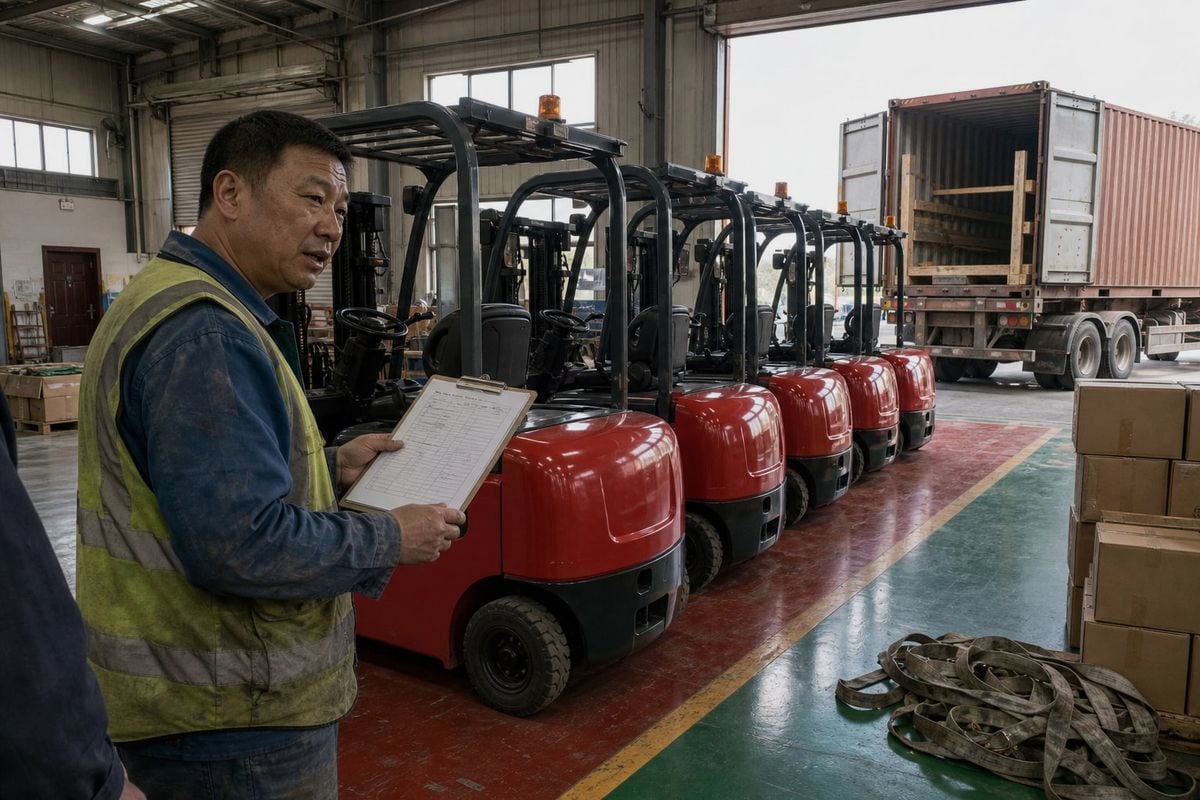
Freight solutions for electric forklifts often fail before the truck reaches the port. In our Zhengzhou operation, we see importers lose thousands to rebooking fees, port holds, and battery paperwork gaps. One missing UN38.3 test summary 1 can stop an entire container. The fix is planning freight, compliance, and loading together — before booking space.
Global importers optimize freight solutions for electric forklifts by choosing FCL for multi-unit orders, securing UN38.3 and MSDS battery documentation before booking, using partial disassembly to maximize container density, and consolidating forklifts, batteries, chargers, and parts from multiple Chinese suppliers into one shipment.
Each of those levers deserves a closer look. Below, I break down mode selection, loading strategy, lithium battery documentation, and multi-supplier consolidation — the four decisions that shape your landed cost the most.
Last quarter, our team quoted the same three-forklift order two ways — FCL and LCL. The FCL option won on both cost and risk, but that is not always the outcome.
Choose FCL when shipping two or more electric forklifts or when cargo fills most of a 20FT container, because it reduces handling damage and per-unit cost. Choose LCL only for a single compact unit, pallet trucks, or spare parts where paying for a full container wastes money.
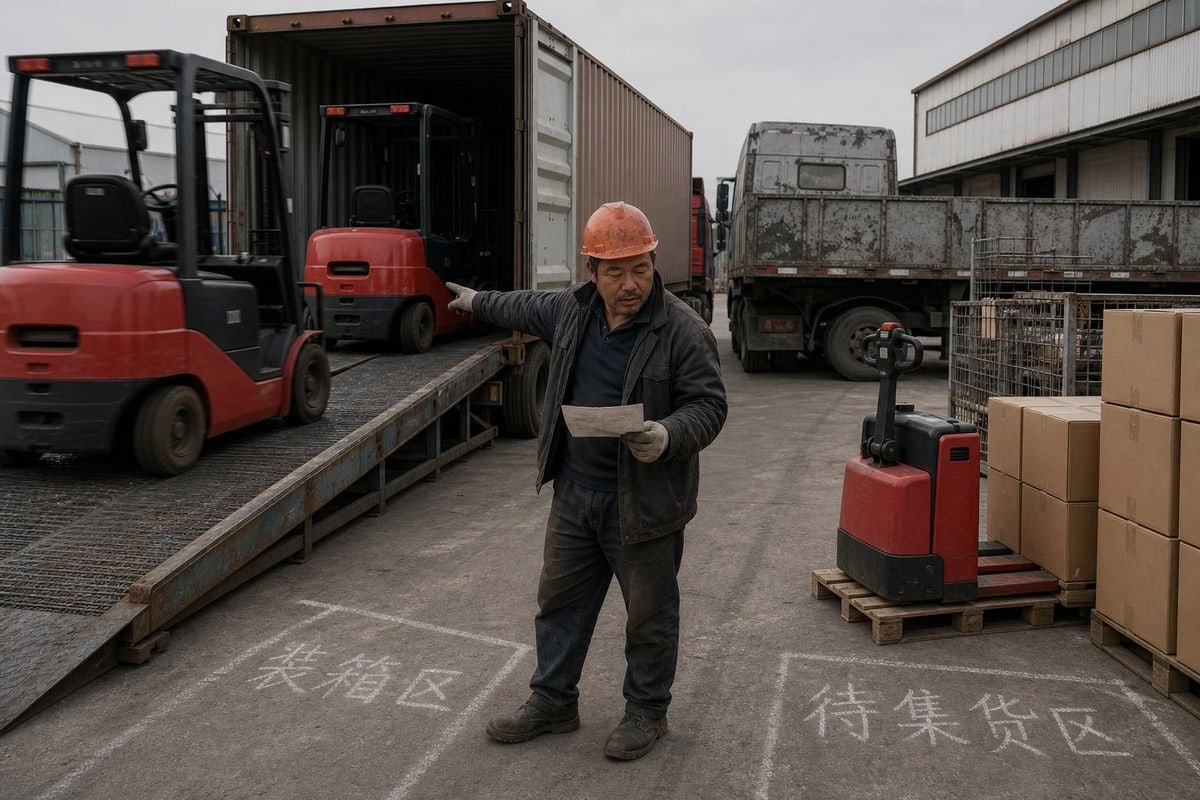
The FCL-versus-LCL decision comes down to three factors: cargo volume 2, damage tolerance, and total landed cost. Electric forklifts are dense, heavy, and top-heavy. Their weight-to-volume ratio makes container shipping far more efficient than paying by cubic meter, which is why FCL is the default for commercial volumes in material handling equipment logistics.
A standard 3-ton electric counterbalance forklift usually weighs 4,000 to 5,000 kg with its battery. Two or three units can approach a 20FT container's payload limit before they fill its floor space. Once you ship two or more units, FCL almost always beats LCL on cost per forklift. FCL also means your cargo is loaded once at the factory or our warehouse and unloaded once at destination. LCL cargo passes through consolidation warehouses at both ends, and every extra touch is a chance to damage a mast, a sensor, or an electronic control system.
LCL works for a single electric pallet truck, a stacker, or a batch of chargers and spare parts. We run regular LCL consolidation from China for exactly these cases. The trade-off is longer transit, more handling, and destination deconsolidation fees that can surprise first-time importers.
| Factor | FCL | LCL |
|---|---|---|
| Best for | 2+ forklifts, repeat imports | Single small unit, parts, chargers |
| Handling touches | Loaded once, unloaded once | Multiple warehouse transfers |
| Damage risk | Low with proper bracing | Higher due to mixed cargo |
| Cost structure | Flat container rate | Per CBM, plus deconsolidation fees |
| Lithium battery acceptance | Easier DG booking | Some consolidators refuse Class 9 cargo |
| Transit predictability | High | Moderate |
One more point importers miss: some LCL consolidators refuse hazardous materials shipping entirely. If your forklift carries a lithium-ion battery, FCL may be your only practical option regardless of volume.
A loading plan I reviewed recently squeezed four forklifts into a 40HQ instead of three — simply because the factory agreed to lower the masts and ship the overhead guards detached.
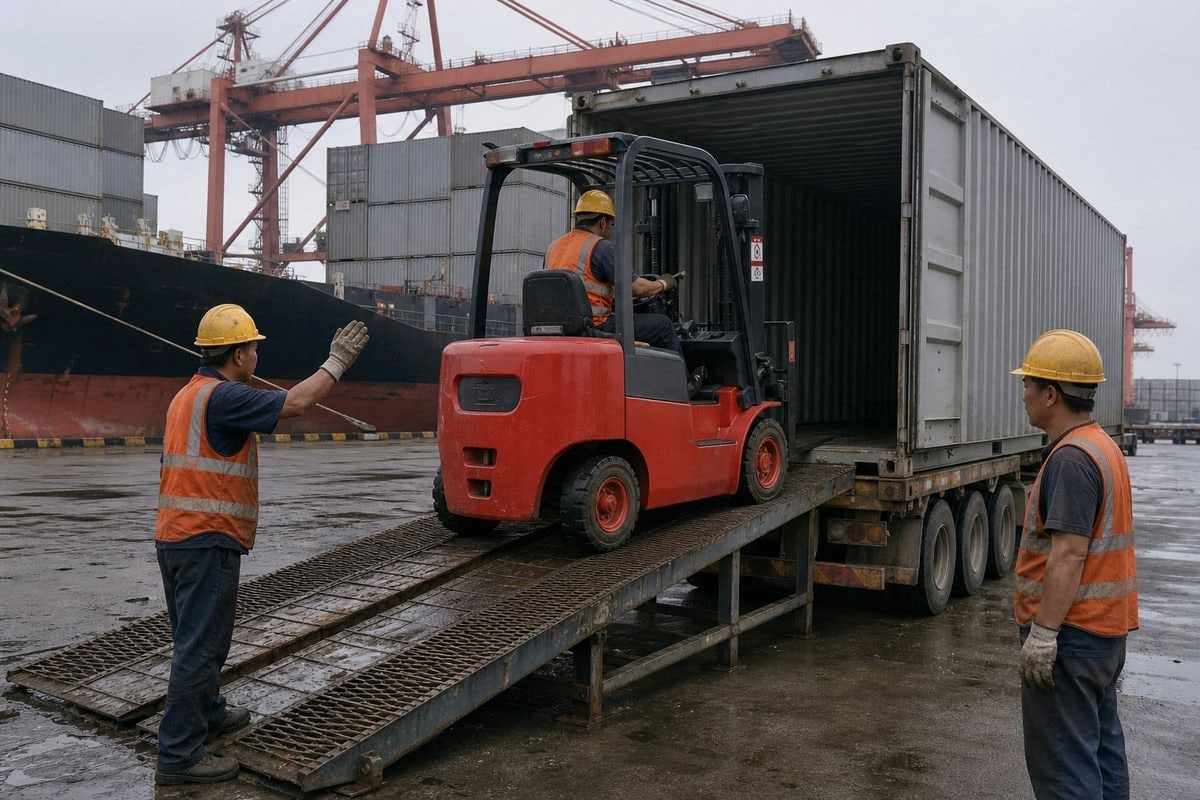
Maximize container space by lowering or removing masts, folding or detaching overhead guards, staggering units nose-to-tail, filling gaps with chargers and spare parts, and securing everything with heavy-duty blocking, bracing, and lashing rated for the forklift's weight and center of gravity.
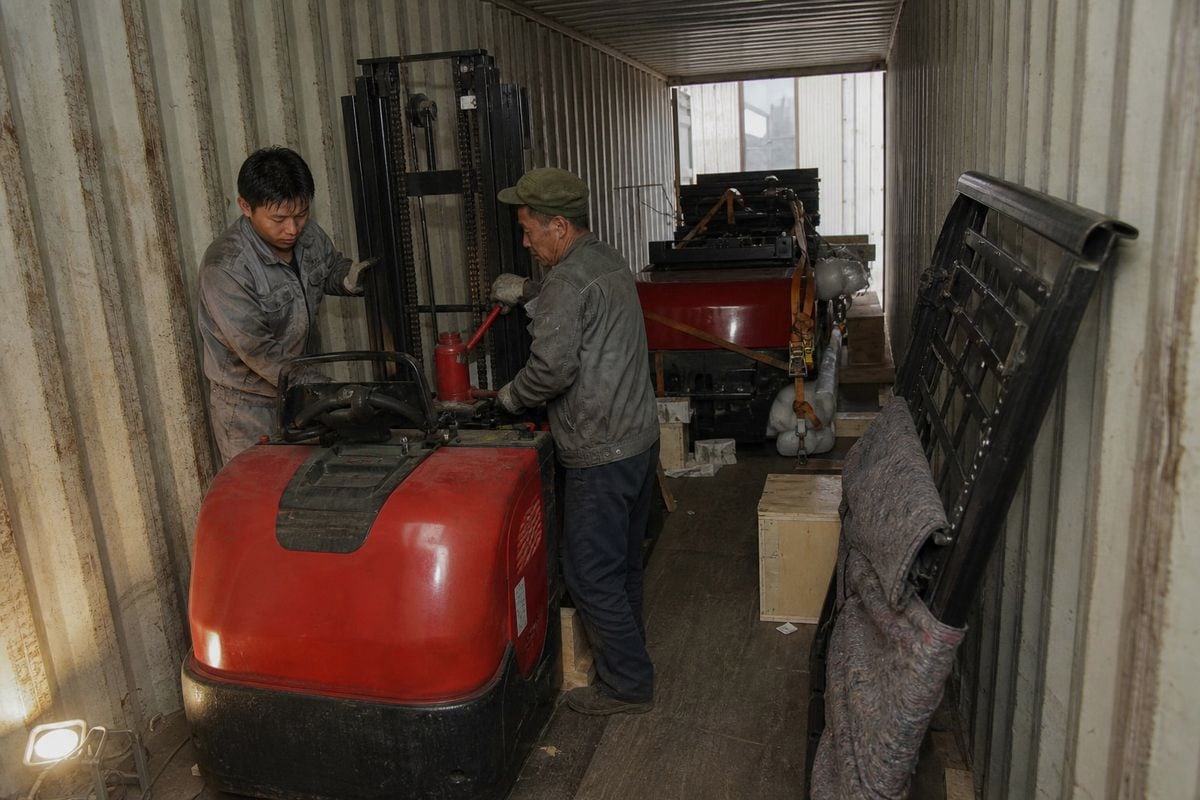
Container load optimization for forklifts is a physical engineering problem, not a spreadsheet exercise. A counterbalance forklift concentrates enormous weight in its rear counterweight, so weight distribution across the container floor matters as much as fitting the units in. Get it wrong and you risk axle-load violations on the destination truck, or cargo shift at sea.
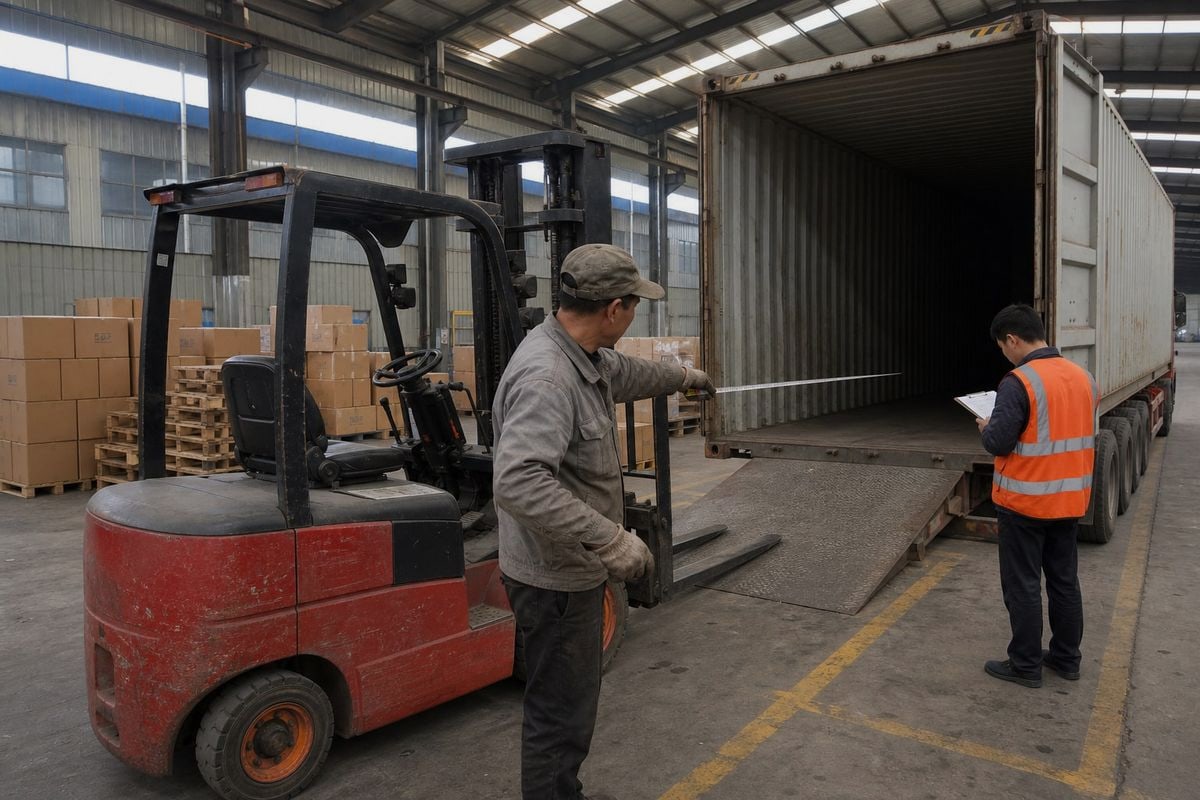
The single biggest space saver is the mast. A full-height mast can push a forklift past container door clearance. We coordinate with Chinese factories to ship units with masts lowered, tilted, or fully detached and crated separately. The same modular approach applies to overhead guards and, for very heavy units, counterweights. Detaching masts and counterweights and packing them separately increases container density and directly cuts the landed cost per unit.
Forklifts are dense and top-heavy. Standard practice in our loading operations includes:
| Container | Typical Capacity | Notes |
|---|---|---|
| 20FT | 2–3 compact electric forklifts | Payload limit often reached before floor space |
| 40FT | 3–4 standard units | Watch axle weight at destination trucking |
| 40HQ | 4+ units with masts lowered/detached | Extra height helps taller mast assemblies |
| Flat rack | 1–2 oversized units | For dimensions exceeding standard door clearance |
For genuinely oversized forklifts — some heavy models lift up to 36,000 lbs — flat rack or RoRo becomes the fallback. But for standard warehouse units, a well-planned standard container with partial disassembly is the freight forwarding for machinery approach that wins on cost.
The hardest lesson we teach new importers is this: the battery paperwork decides whether your shipment moves at all. Compliance comes first; freight comes second.
Request the UN38.3 test summary, MSDS/SDS, and battery specification sheet from your supplier before committing to purchase. Lithium-ion forklift batteries typically fall under IMDG Class 9, so your forwarder needs these documents to secure dangerous goods booking acceptance from the carrier.
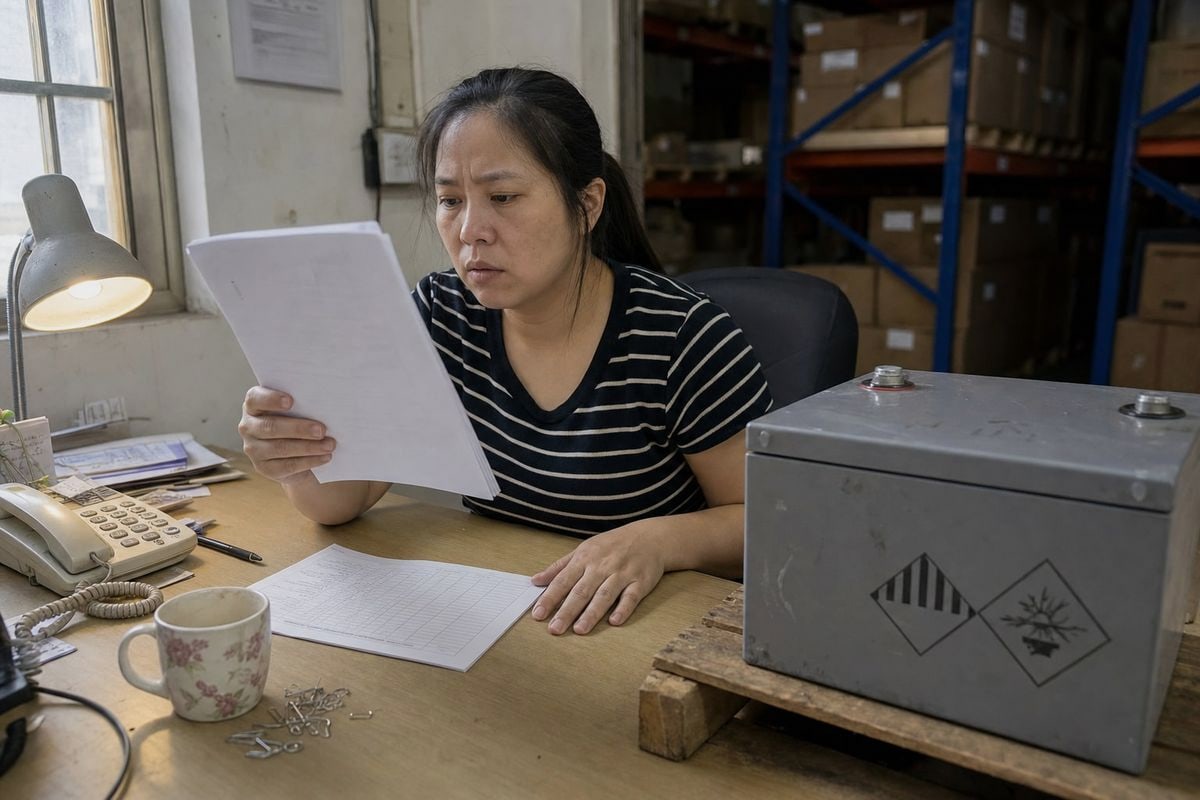
Lithium-ion battery regulations are now a routine decision point in electric forklift shipping, not an edge case. With lithium-ion adoption rising — the global electric forklift market 3 reached USD 49.98 billion in 2025 and is forecast to hit USD 64.15 billion by 2030 — more shipments trigger IMDG Code compliance every year. Compliance failures are far cheaper to fix at the sourcing stage than after your cargo sits at a port under hold.
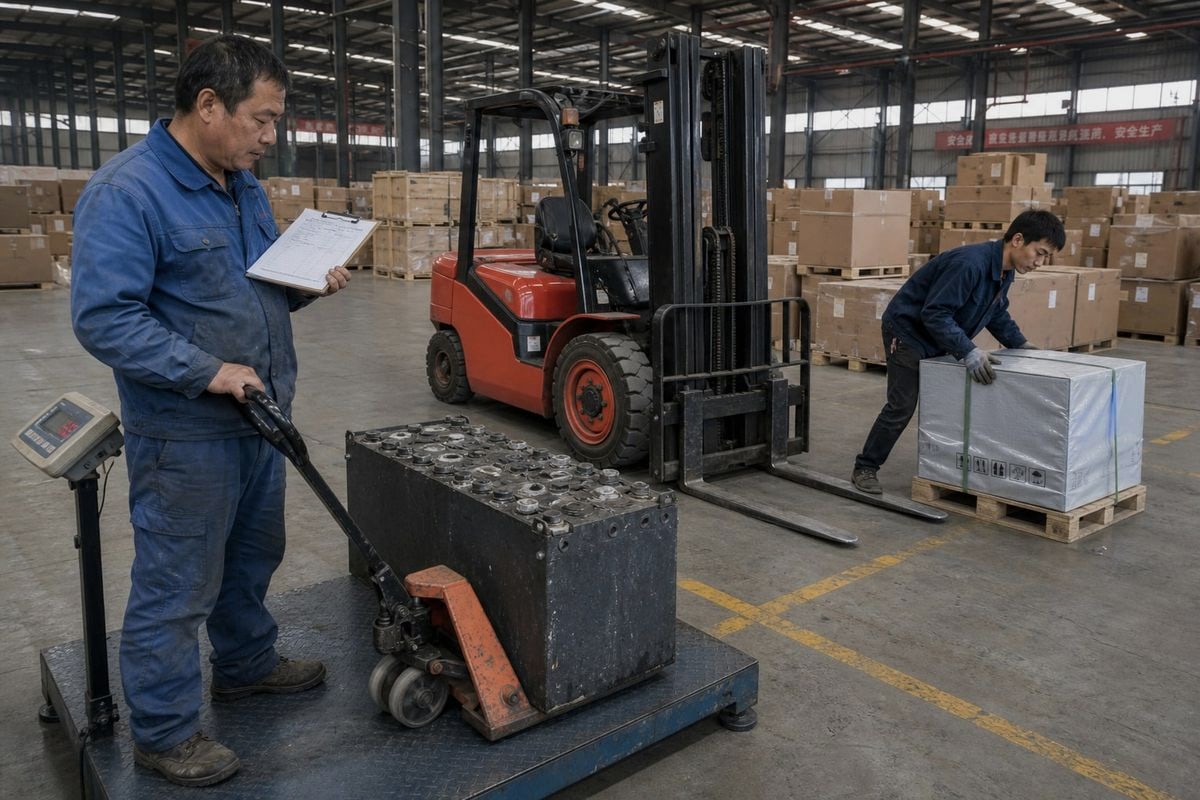
Before we book space for any lithium battery forklift, we verify three items with the factory. First, the UN38.3 certification test summary, which proves the battery passed the required transport safety tests. Second, the MSDS (Material Safety Data Sheet), which carriers require for Class 9 hazardous materials shipping acceptance. Third, the battery specification sheet showing chemistry, watt-hours, voltage, and whether the battery ships installed in the equipment.
State of charge matters too. Carriers and DG regulations set state-of-charge expectations, and we confirm battery status with the factory before the container is sealed. An overcharged battery discovered at port inspection can mean rejection.
Documentation does not stop at the battery. For EU-bound units, request the CE declaration of conformity. For US-bound units, confirm UL certification on the charger and verify the charger voltage matches destination power standards. A 380V Chinese charger is useless in a US warehouse, and mismatches like this create expensive after-arrival problems.
| Stage | Action | Why It Matters |
|---|---|---|
| Before purchase | Request UN38.3, MSDS, charger certs | Cheapest point to fix compliance gaps |
| Before booking | Submit DG documents to forwarder | Carrier DG acceptance takes extra lead time |
| Before loading | Confirm battery state of charge | Affects DG acceptance and safety |
| Before vessel arrival | Full document pack with customs broker | Clearance typically takes 3–7 business days; inspections extend it |
We also verify HS classification early. Most electric counterbalance forklifts and reach trucks fall under HS 8427.10 4, and accurate customs clearance and tariffs classification affects duty rates and clearance speed. Some jurisdictions offer favorable treatment for green technology, so precise coding is worth the effort.
One of our US distributor clients used to run five separate shipments — forklifts from one factory, batteries from another, chargers and attachments from two more. Consolidating them into single containers changed his cost structure completely.
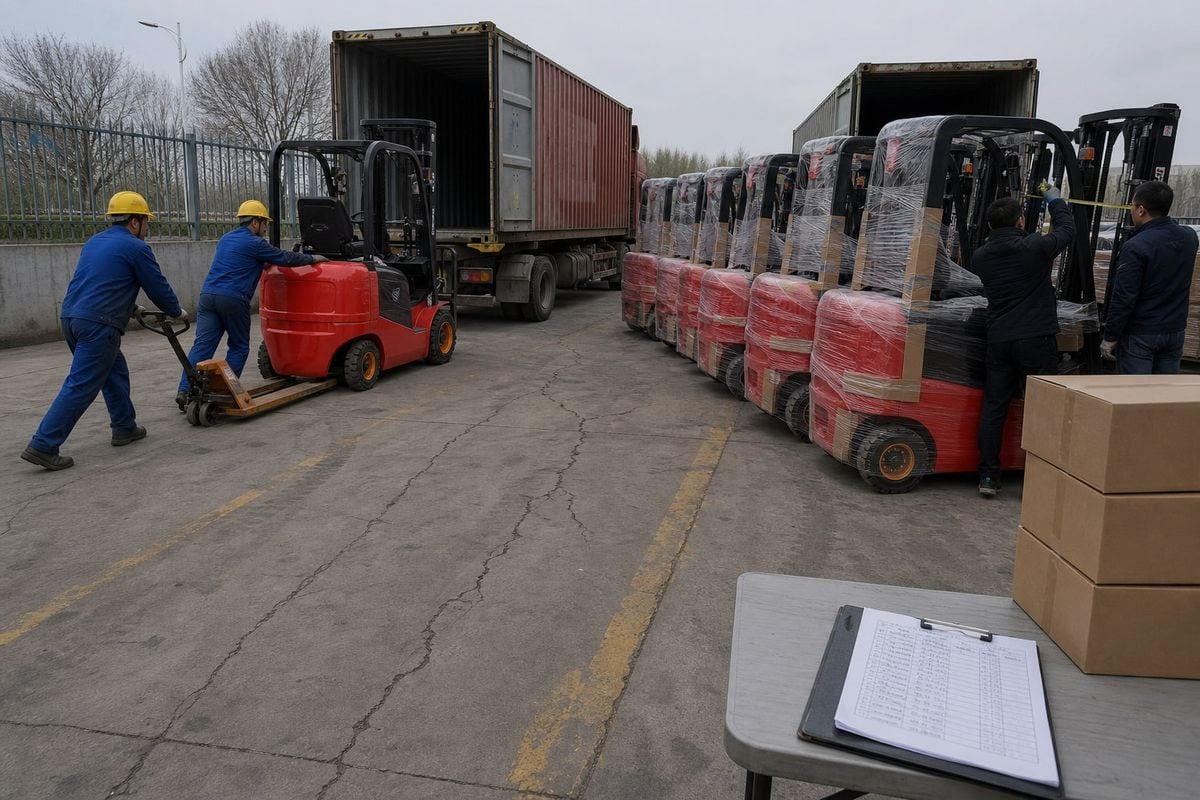
Yes. A China-based forwarder can pick up forklifts, batteries, chargers, attachments, and spare parts from different factories, consolidate them at one warehouse, and load everything into a single container. This fills unused space, cuts per-unit freight cost, and simplifies customs into one entry.
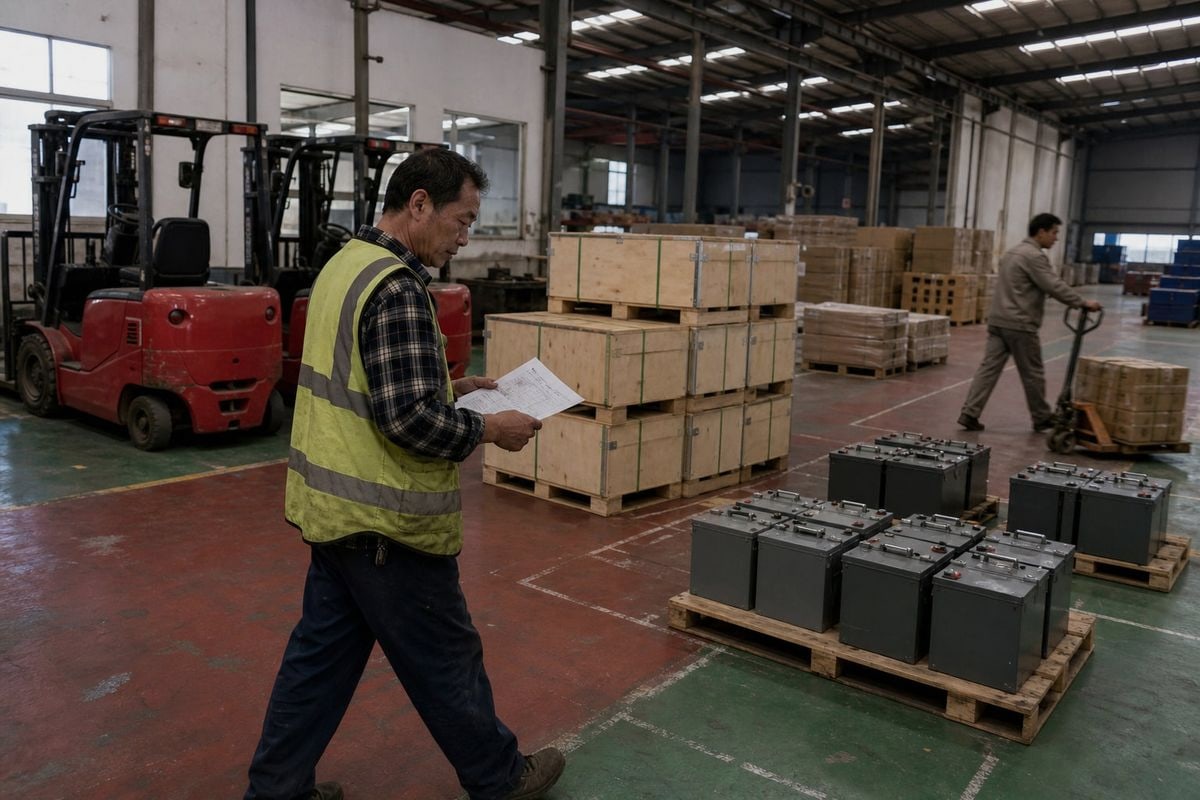
Multi-supplier consolidation is where direct sourcing from China pays off hardest. Buying direct can reduce per-unit cost by 40–60% versus Western distributors, and consolidation protects that saving from being eaten by fragmented logistics. Some buyers worry that direct sourcing means more shipping complexity than buying through a local dealer — and without the right partner, that concern is valid. Distributors do offer simpler compliance and local support. But a forwarder who manages the whole chain closes that gap while preserving the factory-direct price advantage.
Our process runs in a straightforward sequence:
Every separate shipment carries its own documentation, its own destination handling charges, and its own inspection risk. One consolidated container means one bill of lading, one customs entry, and one delivery appointment at your warehouse. Filling forklift-container voids with parts effectively ships those parts at near-zero marginal ocean cost. It also concentrates your Incoterms for global trade 5 decision: buying FOB from each supplier and controlling the consolidated freight yourself gives you visibility into handling quality and total landed cost that opaque delivered terms hide. And if your buyers care about sustainability, one full, well-utilized container instead of several half-empty moves is a small but real step toward supply chain decarbonization.
Optimizing freight solutions for electric forklifts comes down to four moves: pick FCL wisely, load densely and safely, lock battery documentation early, and consolidate suppliers into one shipment.
The cheapest freight quote is rarely the cheapest landed cost. What actually protects your margin is preparation — dimensions confirmed, UN38.3 and MSDS in hand, HS codes verified, and a loading plan that uses every cubic meter of the container. In our daily work moving electric forklifts from Chinese factories to warehouses in the US and Europe, the shipments that arrive on time and on budget are the ones planned as a single system, from factory pickup through customs clearance to final delivery. Treat freight as a decision you make before booking, not a cost you discover afterward, and every container you import will earn more.
1. Official UN body providing the standards for the UN38.3 lithium battery safety tests. ↩︎
2. Wikipedia entry explaining the concept of cargo and its measurement in international shipping. ↩︎
3. Market data provider tracking the growth and valuation of the global forklift industry. ↩︎
4. The WCO maintains the Harmonized System codes used for global customs classification and trade. ↩︎
5. The ICC publishes the definitive rules for the use of international trade terms. ↩︎