Advantages of Door-to-Door Services (continued)
ການເກັບກູ້ພາສີແບບງ່າຍດາຍ: Freight forwarders offering door-to-door services often include customs clearance in their package, reducing the likelihood of delays due to missing or incorrect documentation. This is especially beneficial for businesses that are new to importing from China.
ການຕິດຕາມແບບເວລາຈິງ: Door-to-door services often include real-time tracking, allowing businesses to monitor the shipment from its point of origin in China to its final delivery location in South Korea. This improves transparency and ensures peace of mind for importers.
ຫຼຸດຜ່ອນຄວາມສ່ຽງຂອງຄວາມເສຍຫາຍ: Door-to-door shipping minimizes handling by third parties, which can reduce the risk of damage to goods in transit. This is especially important for fragile or high-value items.
ວິທີການເລືອກການບໍລິການປະຕູຕໍ່ປະຕູທີ່ເໝາະສົມ
Reputation and Experience: When selecting a door-to-door service provider, it’s important to choose one with a proven track record of shipping between China and South Korea. Look for customer reviews and case studies that highlight the provider’s experience with similar shipments.
Comprehensive Coverage: Ensure that the service covers all aspects of the shipping process, including pickup, warehousing, customs clearance, and delivery. A comprehensive service will reduce the need for additional coordination with other logistics providers.
ລາຄາໂປ່ງໃສ: Look for a provider that offers clear and upfront pricing with no hidden fees. This is especially important in door-to-door services, as unexpected costs for customs, taxes, or handling can quickly add up.
Tracking Capabilities: Choose a provider that offers advanced tracking tools so you can monitor the status of your shipment at every stage of its journey. Real-time tracking allows you to anticipate potential delays and address issues proactively.
ການສະໜັບສະໜູນລູກຄ້າ: Strong customer support is essential when issues arise during transit. Make sure the provider offers dedicated customer service teams who can quickly resolve any problems with customs clearance, delivery, or shipment handling.
Sea Freight from China to South Korea (September 2024)
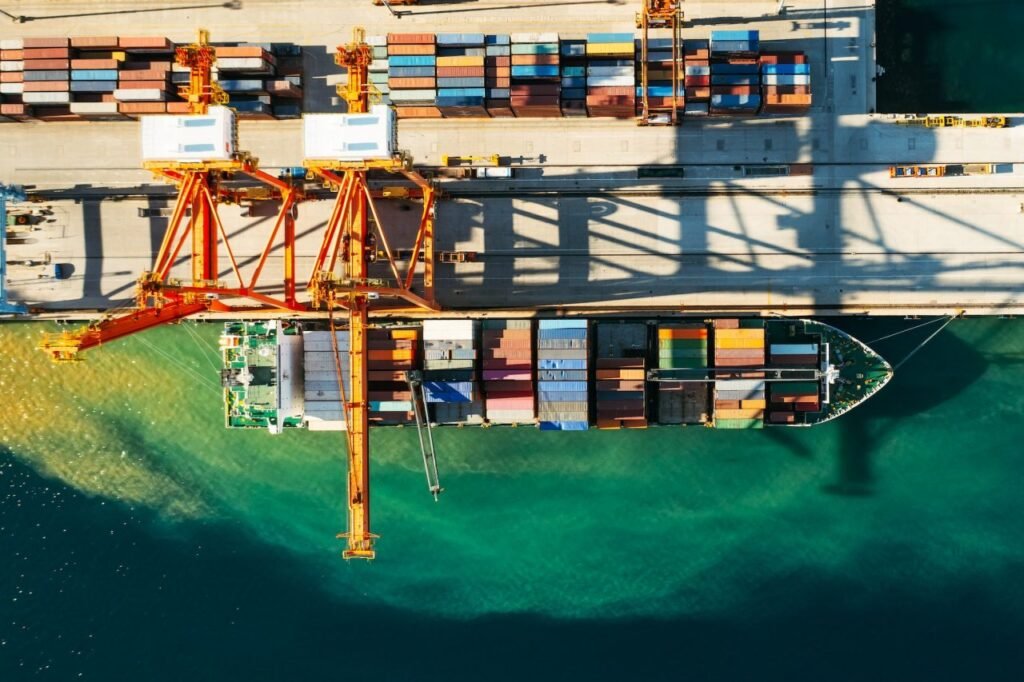
Due to the proximity between China and South Korea, sea freight is one of the most cost-effective and reliable shipping methods. Below is a detailed breakdown of sea freight costs and transit times for full container load (FCL) and less-than-container load (LCL) shipments.
| ຮູບແບບການຂົນສົ່ງ | ໜ່ວຍ | ລະດັບລາຄາ (ໂດລາສະຫະລັດ) | ເວລາຂົນສົ່ງ (ມື້) |
|---|
| FCL (ຕູ້ຄອນເທນເນີ 20 ຟຸດ) | ຕໍ່ຖັງ | $400 – $600 | 2-3 days |
| FCL (ຕູ້ຄອນເທນເນີ 40 ຟຸດ) | ຕໍ່ຖັງ | $600 – $900 | 2-3 days |
| LCL (ນ້ຳໜັກບັນຈຸໜ້ອຍກວ່າ) | ຕໍ່ແມັດກ້ອນ (CBM) | $45 – $60 | 3-5 ມື້ |
ຜົນປະໂຫຍດຂອງການຂົນສົ່ງ LCL ແລະ FCL
LCL: Less-than-Container Load (LCL) shipping is ideal for businesses that don’t need to fill an entire container. It allows them to share container space with other shippers, reducing costs. However, LCL involves longer transit times due to the need for consolidation and deconsolidation at ports.
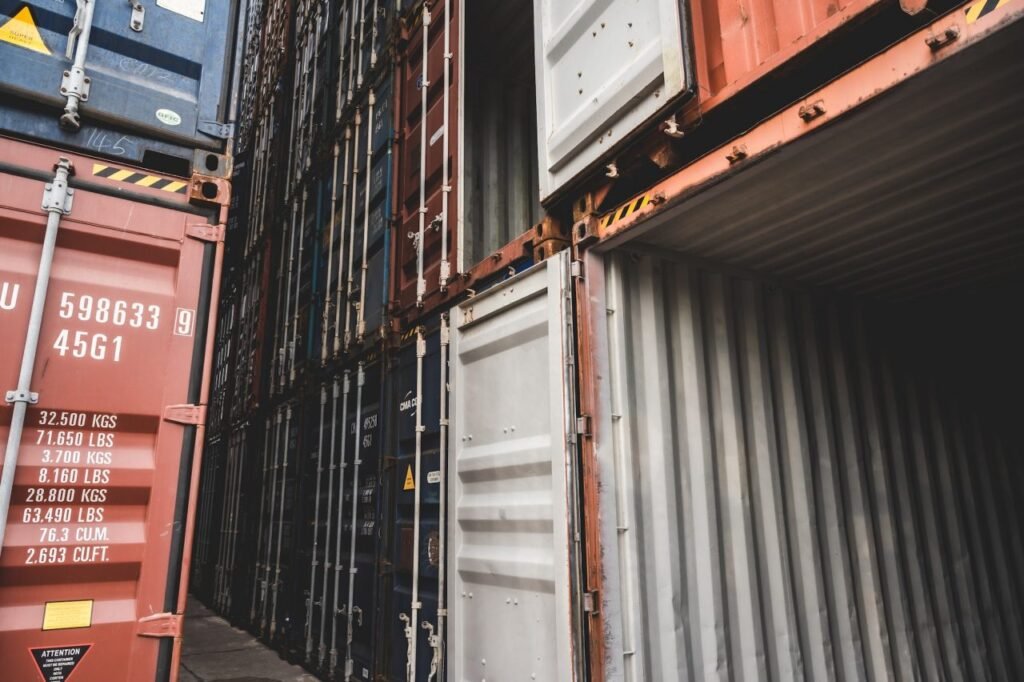
FCL: Full Container Load (FCL) is more cost-effective for businesses shipping large volumes of goods. Since the entire container is dedicated to one shipper, the transit time is typically faster, and there is less risk of damage from handling.
ປະສິດທິພາບດ້ານຄ່າໃຊ້ຈ່າຍ: FCL shipping is more cost-efficient on a per-unit basis, especially for large orders. Businesses with smaller shipments can still benefit from LCL, but it comes with slightly higher costs per unit.
Lower Handling Risk: FCL shipments involve less handling as they don’t need to be consolidated with other shipments. This reduces the risk of damage during transit.
Short Transit Time: Thanks to the proximity between China and South Korea, FCL and LCL shipments enjoy short transit times, making sea freight a highly efficient option for both large and small shipments.
ການເລືອກຜູ້ສົ່ງຕໍ່ສິນຄ້າທາງທະເລ ແລະ ເສັ້ນທາງຂົນສົ່ງອັນດັບຕົ້ນໆ
Selecting the right sea freight forwarder is essential to ensure a smooth shipping process. Here are some factors to consider when choosing a forwarder, along with key routes for sea freight between China and South Korea.
ການພິຈາລະນາຫຼັກໆເມື່ອເລືອກຜູ້ສົ່ງຕໍ່ສິນຄ້າທາງທະເລ
ເຄືອຂ່າຍທີ່ເຂັ້ມແຂງ: Choose a forwarder with a well-established network in both China and South Korea. They should have strong relationships with shipping lines, port authorities, and customs officials to facilitate smooth shipping operations.
Experience in China-South Korea Trade: A forwarder with extensive experience in handling shipments between China and South Korea will be familiar with customs procedures, shipping routes, and regulatory requirements, ensuring faster clearance and transit.
ລາຄາທີ່ແຂ່ງຂັນໄດ້: Ensure your freight forwarder can offer competitive rates by leveraging their contracts with shipping lines. Transparent pricing without hidden fees is crucial for cost-effective shipping.
ການຕິດຕາມ ແລະ ການສື່ສານ: A good freight forwarder will offer real-time tracking and proactive communication to keep you informed about the status of your shipment. This is essential for anticipating delays or issues during transit.
ຄວາມຊ່ຽວຊານດ້ານການເກັບກູ້ພາສີ: The forwarder should have a deep understanding of both Chinese and South Korean customs procedures to help you avoid delays, fines, or shipment rejections.
Air Freight from China to South Korea (September 2024)
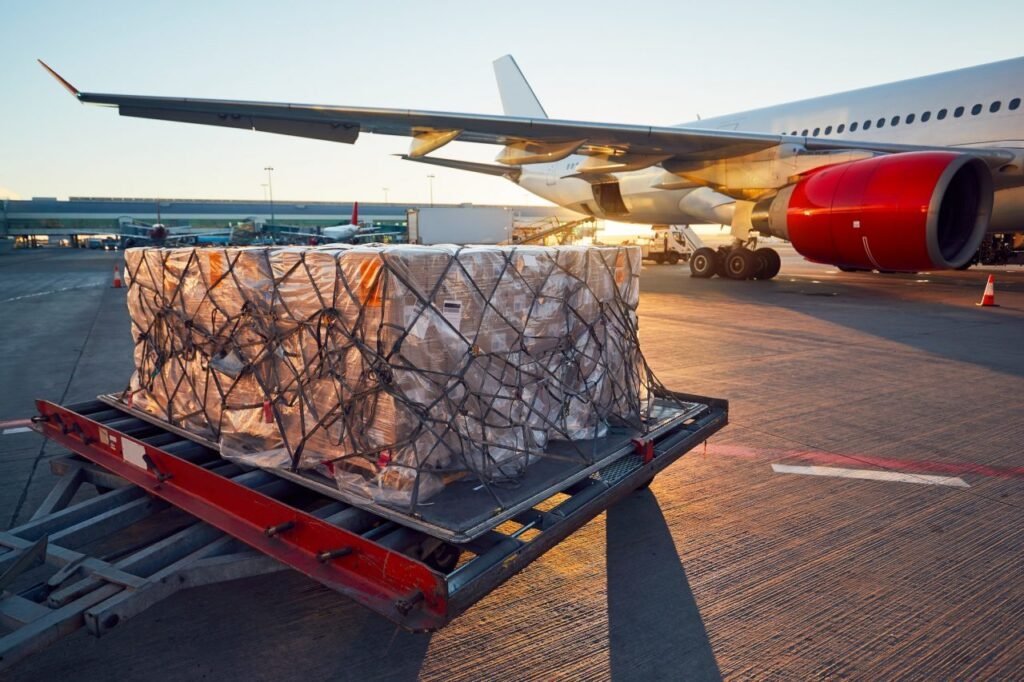
For businesses needing fast delivery, air freight is the fastest shipping option available between China and South Korea. Below is a breakdown of air freight costs and transit times for September 2024.
| ຮູບແບບການຂົນສົ່ງ | ໜ່ວຍ | ລະດັບລາຄາ (ໂດລາສະຫະລັດ) | ເວລາຂົນສົ່ງ (ມື້) |
|---|
| ການຂົນສົ່ງທາງອາກາດ (1000 ກິໂລກຣາມ+) | ຕໍ່ກິໂລ | $1.00 – $1.50 | 1-2 days |
ຂໍ້ດີ ແລະ ຂໍ້ຄວນພິຈາລະນາຂອງການຂົນສົ່ງທາງອາກາດ
ຄວາມໄວ: Air freight is the fastest shipping method, with transit times ranging from 1 to 2 days. This makes it ideal for time-sensitive shipments or high-value goods where speed is critical.
ຄວາມໜ້າເຊື່ອຖື: Airlines typically operate on tight schedules, making air freight a highly reliable option compared to sea freight, which may be impacted by weather conditions or port congestion.
ຄວາມປອດໄພ: Air freight is often considered more secure than sea freight due to stricter security protocols at airports. This makes it a preferred option for valuable or sensitive goods.
Higher Costs: The main disadvantage of air freight is its higher cost compared to sea freight. However, for businesses shipping high-value goods or products with short lifecycles, the speed and reliability often justify the cost.
Capacity Limitations: Air freight is less suitable for large or heavy shipments, as aircraft have weight and volume restrictions. It’s best for smaller, high-value goods.
ການເກັບພາສີ: Air freight shipments often benefit from expedited customs clearance, which reduces the time spent at the destination port.
ການເລືອກຜູ້ສົ່ງຕໍ່ສິນຄ້າທາງອາກາດທີ່ເໝາະສົມ
ຄວາມຊ່ຽວຊານດ້ານການຂົນສົ່ງທາງອາກາດ: Select a forwarder with extensive experience in air cargo logistics. They should understand the specific requirements of air freight, including customs clearance, security procedures, and documentation.
Carrier Relationships: Ensure your forwarder has strong partnerships with major airlines. This ensures they can secure space on flights, even during peak times, and negotiate competitive rates for you.
ການຕິດຕາມ ແລະ ການສື່ສານ: Choose a forwarder that offers advanced tracking tools so you can monitor your shipment in real-time. Good communication is essential to address any issues that may arise during transit.
ຄວາມຊ່ຽວຊານດ້ານພາສີ: Your forwarder should have a deep understanding of South Korean customs regulations to ensure that your shipment is cleared quickly and efficiently.
ຄວາມຍືດຫຍຸ່ນໃນການບໍລິການ: A good air freight forwarder should offer flexible service options, including express services for urgent shipments and deferred services for less time-sensitive goods.
Express Shipping from China to South Korea
For businesses needing fast delivery of small parcels or urgent goods, express shipping is the best option. Below is a breakdown of express shipping costs and transit times from China to South Korea.
| ວິທີການຂົນສົ່ງ | ໜ່ວຍ (ກິໂລກຣາມ) | ລະດັບລາຄາ (ໂດລາສະຫະລັດ) | ເວລາຂົນສົ່ງ (ມື້) |
|---|
| ບໍລິສັດຂົນສົ່ງດ່ວນ (DHL, UPS, FedEx) | ຕໍ່ກິໂລ | $4.50 – $6.00 | 1-3 ມື້ |
ຜົນປະໂຫຍດ ແລະ ກໍລະນີການນຳໃຊ້ສຳລັບການຂົນສົ່ງດ່ວນ
ການຈັດສົ່ງດ່ວນ: Express shipping is ideal for time-sensitive shipments that need to arrive in South Korea within 1-3 days. This is often used for sending samples, prototypes, or replacement parts.
ກ່ອງນ້ອຍ: Express services are best suited for small, lightweight parcels. This makes them a great option for e-commerce businesses that need to ship products directly to customers.
ການຕິດຕາມແບບເວລາຈິງ: Express services typically come with advanced tracking capabilities, allowing businesses to monitor their shipments throughout the entire journey.
ການເກັບພາສີ: Major express shipping companies such as DHL, UPS, and FedEx handle customs clearance as part of their service, simplifying the process for the shipper.
Door-to-Door Service: Express shipping is a door-to-door service, eliminating the need for additional coordination once the goods arrive in South Korea.
Understanding Express Shipping Rates and Transit Times, Including DDP Options
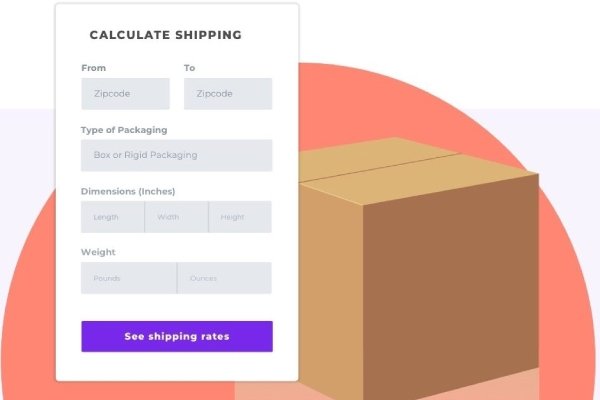
Express shipping rates are based on the weight, size, and destination of the shipment. For businesses shipping goods from China to South Korea, many express companies offer DDP (Delivered Duty Paid) services. This means that all customs duties and taxes are included in the shipping cost, providing a hassle-free experience for buyers. Transit times for express shipments typically range from 1 to 3 days, making it ideal for urgent deliveries or high-value items.
Key Ports in China and South Korea for Shipping
Below is a summary of the key ports involved in trade between China and South Korea, along with their strategic advantages.
| ປະເທດ | ທ່າເຮືອ | ຂໍ້ດີ | ຄວາມສຳຄັນທາງຍຸດທະສາດ |
|---|
| ຈີນ | ຊຽງໄຮ້ | Largest port in the world. Handles a significant portion of South Korea-bound cargo. | Essential for FCL and LCL shipments to South Korea. |
| ຈີນ | Ningbo-Zhoushan | Major port for manufacturing hubs in southern China. | Key for handling electronics and industrial goods. |
| ຈີນ | ຊິງເຕົ່າ | Proximity to South Korea. Offers fast transit times. | Ideal for short sea shipping routes to South Korea. |
| ເກົາຫຼີໃຕ້ | ປູຊານ | Largest port in South Korea. Major entry point for Chinese imports. | Critical for handling containerized goods from China. |
| ເກົາຫຼີໃຕ້ | Incheon | Close to Seoul. Ideal for fast transit to South Korea’s capital region. | Key for time-sensitive shipments. |
Major Routes from China to South Korea
The primary sea route from China to South Korea passes through the Yellow Sea, connecting major Chinese ports such as Shanghai, Qingdao, and Ningbo to South Korean ports like Busan and Incheon. The close proximity of the two countries allows for short transit times, typically ranging from 2 to 5 days depending on the shipping method.
Air freight routes typically depart from major Chinese airports such as Shanghai Pudong, Beijing Capital International, and Shenzhen Bao’an, arriving at South Korean airports like Incheon International and Gimhae International.
Freight Forwarders from China to South Korea
Freight forwarders play an essential role in managing logistics, customs clearance, and transportation. The right freight forwarder can simplify the shipping process and ensure timely delivery.
ບົດບາດຂອງຜູ້ສົ່ງຕໍ່ສິນຄ້າໃນຂະບວນການຂົນສົ່ງ
Freight forwarders act as intermediaries between the shipper and the carrier, managing all aspects of the logistics process. They handle documentation, arrange transportation, and ensure that goods comply with customs regulations in both China and South Korea.
ການເລືອກຜູ້ສົ່ງຕໍ່ສິນຄ້າທີ່ເໝາະສົມກັບຄວາມຕ້ອງການຂອງທ່ານ
ເຄືອຂ່າຍທົ່ວໂລກ: Choose a freight forwarder with a strong network in both China and South Korea. This ensures smooth coordination between the origin and destination points.
Experience in China-South Korea Trade: A forwarder with experience in shipping between China and South Korea will be familiar with customs procedures, shipping routes, and any regulatory challenges.
ລາຄາໂປ່ງໃສ: Ensure the forwarder offers clear and upfront pricing without hidden fees. A detailed quote should include all potential costs, including customs duties, handling fees, and transportation charges.
ຄວາມຍືດຫຍຸ່ນໃນການບໍລິການ: Look for a forwarder that can offer flexible services based on your specific needs, whether it’s LCL, FCL, air freight, or express shipping.
ຄວາມຊ່ຽວຊານດ້ານພາສີ: A forwarder with deep knowledge of customs regulations in both China and South Korea will help you avoid delays, fines, and shipment rejections.
ການຕິດຕາມແບບເວລາຈິງ: Choose a forwarder that offers real-time tracking tools so you can monitor the status of your shipment at every stage of its journey.
How to Ship from China to South Korea: A Step-by-Step Guide
ກະກຽມການຂົນສົ່ງຂອງທ່ານ:
- ເອກະສານ: Ensure that all export and import documents are complete, including the bill of lading, commercial invoice, packing list, and certificate of origin.
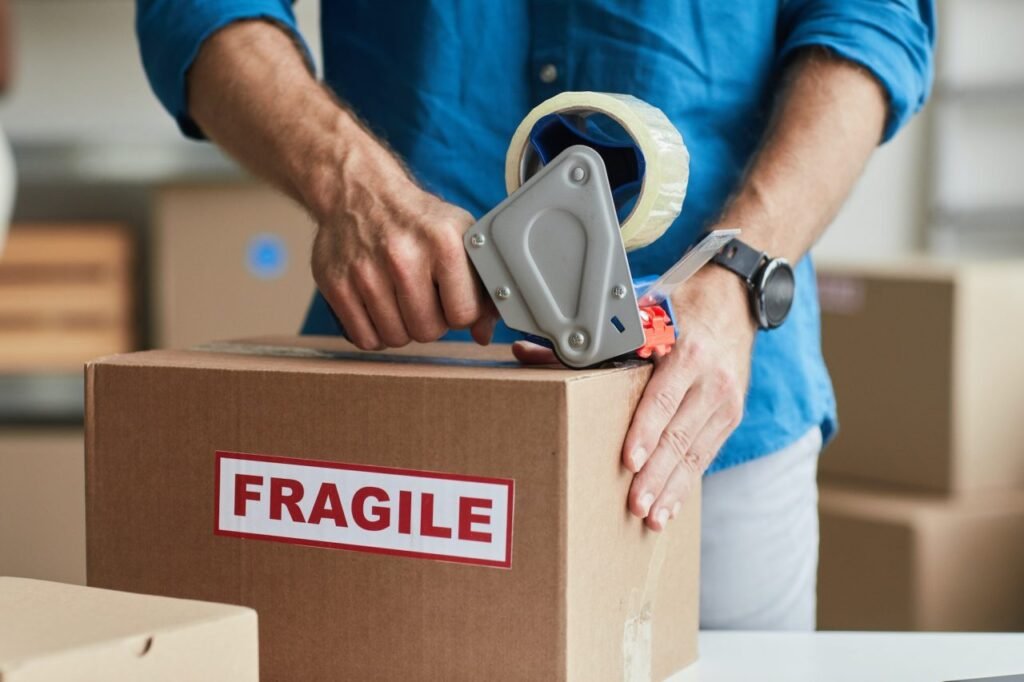
- ການຫຸ້ມຫໍ່: Use durable materials to properly package your goods to prevent damage during transit, especially for fragile or high-value items.
- ການຕິດສະຫຼາກ: Ensure all packages are clearly labeled with product details, destination, and handling instructions.
ການຂົນສົ່ງປຶ້ມ:
- Choose the appropriate shipping mode based on your budget and timeline. For large shipments, FCL is recommended, while LCL is ideal for smaller shipments. Air freight or express shipping is suitable for time-sensitive goods.
- Contact a reputable freight forwarder to manage the logistics of your shipment.
ການເກັບພາສີ:
- Work with your freight forwarder to prepare all customs documentation required for both China and South Korea.
- Pay any applicable customs duties, VAT, and taxes to ensure smooth importation into South Korea.
ຕິດຕາມການຂົນສົ່ງຂອງທ່ານ:
- Use tracking tools provided by your freight forwarder or carrier to monitor the progress of your shipment from origin to destination.
Receive Goods:
- Upon arrival in South Korea, ensure that the goods are properly handled and transported to your warehouse or final destination.
ການນຳທາງພາສີ ແລະ ການຕິດຕາມການຂົນສົ່ງຂອງທ່ານ
ເອກະສານທີ່ຕ້ອງການ: Ensure all required documents are prepared, including the bill of lading, commercial invoice, packing list, and certificate of origin. Incorrect documentation can result in delays at customs.
ການປະຕິບັດຕາມພາສີ: Work with a forwarder familiar with South Korean customs regulations to avoid fines or shipment delays.
ເຄື່ອງມືຕິດຕາມ: Utilize tracking tools provided by your forwarder to monitor your shipment and address potential issues as they arise.
Alibaba ແລະ ການຂົນສົ່ງ: ການປັບປຸງຂະບວນການໃຫ້ມີປະສິດທິພາບ
Alibaba is a key platform for South Korean businesses sourcing products from China. The platform offers integrated shipping solutions that simplify the logistics process. By working with verified suppliers and logistics partners, South Korean importers can minimize risks and optimize shipping efficiency.
ການນໍາໃຊ້ປະໂຫຍດຈາກ Alibaba ເພື່ອການຂົນສົ່ງສິນຄ້າ LCL, FCL ແລະ ການຂົນສົ່ງແບບປະຕູຕໍ່ປະຕູທີ່ມີປະສິດທິພາບ
Alibaba provides tools for importers to book LCL, FCL, and door-to-door shipping services directly through the platform. By partnering with trusted logistics providers, Alibaba helps ensure that shipments are handled professionally and delivered on time.
ຄຳແນະນຳສຳລັບການຫຼຸດຜ່ອນຄ່າໃຊ້ຈ່າຍ ແລະ ເພີ່ມປະສິດທິພາບຜ່ານ Alibaba
Bulk Ordering: Alibaba suppliers often offer discounts for bulk orders, reducing the overall per-unit cost of shipping.
Consolidation: Consolidating shipments with other buyers can reduce the cost of LCL shipping, making it more efficient for smaller orders.
ຕົວເລືອກການຂົນສົ່ງທີ່ສາມາດປັບແຕ່ງໄດ້: Alibaba allows importers to customize their shipping methods, whether it’s express, air freight, or sea freight, depending on the urgency and volume of the shipment.
Supplier Reviews: Before placing an order, check supplier reviews and ratings on Alibaba to ensure timely delivery and reliability.
Restricted & Prohibited Items for Shipping from China to South Korea
Certain items are restricted or prohibited from being shipped between China and South Korea due to safety, environmental, or legal concerns.
| ໝວດໝູ່ຜະລິດຕະພັນ | ຈຳກັດ/ຫ້າມ |
|---|
| ອາວຸດປືນ | ຫ້າມ |
| ສານເຄມີອັນຕະລາຍ | ຈຳກັດ |
| ຜະລິດຕະພັນອາຫານ ແລະ ເຄື່ອງດື່ມ | ຈຳກັດ |
| ຜະລິດຕະພັນສັດ | ຫ້າມ |
| ສິ່ງເສດເຫຼືອທີ່ເນົ່າເປື່ອຍ | ຈຳກັດ |
| ຢາ | ຈຳກັດ |
| ພືດ ແລະ ແກ່ນພືດ | ຈຳກັດ |
| ເອກະສານລາມົກ | ຫ້າມ |
| ສິນຄ້າປອມ | ຫ້າມ |
| ສິ່ງປະດິດທາງວັດທະນະທຳ | ຈຳກັດ |
| ສັດທີ່ມີຊີວິດ | ຫ້າມ |
| ຜະລິດຕະພັນຢາສູບ | ຈຳກັດ |
| ລະເບີດ | ຫ້າມ |
| ອຸປະກອນເອເລັກໂຕຣນິກບາງຢ່າງ | ຈຳກັດ |
| ເຫຼົ້າ | ຈຳກັດ |
FAQ: Shipping from China to South Korea
How long does shipping from China to South Korea take?
- Sea freight typically takes 2-5 days, depending on whether it’s FCL or LCL. Air freight takes 1-2 days, and express shipping takes 1-3 days.
What are the main shipping options from China to South Korea?
- The main options are sea freight (FCL, LCL), air freight, and express courier services.
ຂ້ອຍຈະເລືອກຜູ້ສົ່ງຕໍ່ສິນຄ້າທີ່ເໝາະສົມກັບຄວາມຕ້ອງການການຂົນສົ່ງຂອງຂ້ອຍໄດ້ແນວໃດ?
- Look for a forwarder with experience in China-South Korea trade, transparent pricing, strong networks, and excellent customer service.
What documents are required for shipping goods from China to South Korea?
- The key documents include the bill of lading, commercial invoice, packing list, and certificate of origin.
What is the importance of packaging and labeling when shipping from China to South Korea?
- Proper packaging prevents damage during transit, while accurate labeling ensures smooth customs clearance and handling.
How does customs clearance work when importing from China to South Korea?
- Customs clearance involves reviewing all documents, calculating duties, and ensuring compliance with South Korean import regulations.
ຂໍ້ດີຂອງການໃຊ້ບໍລິການຂົນສົ່ງແບບປະຕູຕໍ່ປະຕູແມ່ນຫຍັງ?
- Door-to-door services provide convenience, cost-efficiency, tracking, and simplified customs processes.
How can I track my shipment from China to South Korea?
- Use the tracking tools provided by your freight forwarder or carrier for real-time updates on your shipment’s progress.
ສະຫຼຸບ:
Shipping from China to South Korea offers a range of cost-effective and reliable options, whether through sea freight, air freight, or express courier services. By following this comprehensive guide, importers can navigate the complexities of the shipping process, from selecting the right shipping mode to understanding customs regulations and tracking their shipments.