
China to Italy Freight Forwarder
ຄູ່ມືສຸດຍອດ
Shipping from China to Italy : The Ultimate Guide 2024 September (Updated)
ສາລະບານ
Italy has long been one of China’s significant trading partners in Europe, with a trade volume that has seen steady growth over the last decade. As of 2022, trade between the two countries exceeded €70 billion, with Italy importing a wide variety of products from China, including electronics, textiles, machinery, and furniture. The relationship has been particularly strong in sectors such as industrial equipment, fashion, and automotive parts, with Italy importing large quantities of finished goods and raw materials to support its manufacturing industries.
In the last five years, China’s status as a global manufacturing hub has further cemented its role in Italy’s supply chain, especially as Italian companies seek cost-effective and high-quality products. This strong trade relationship, driven by competitive pricing and diversified production capacities in China, makes it essential for Italian importers to understand the complexities of international shipping.
Shipping from China to Italy, however, involves numerous factors that can influence the speed, cost, and security of the process. Whether you are an experienced importer or new to international trade, this guide will provide you with everything you need to know about shipping from China to Italy in 2024. From selecting the best shipping method to navigating customs duties and optimizing shipping costs, this comprehensive guide will help you avoid common pitfalls, streamline your operations, and ensure timely deliveries.
September 2024 Shipping Update: From China to Italy
In the global shipping landscape, the last few years have seen drastic fluctuations in freight costs and transit times. Supply chain disruptions, port congestion, the global pandemic, and geopolitical events have all played a part in altering the dynamics of international logistics. To ensure your shipments from China to Italy are handled efficiently, it’s crucial to stay updated on the latest shipping rates and industry trends.
Here’s an in-depth look at shipping prices and trends over the past three months (June 2024 to August 2024):
Shipping Cost Comparison (June – August 2024)
| ວິທີການຂົນສົ່ງ | ຄ່າຂົນສົ່ງ (ໂດລາສະຫະລັດ) | ວັນທີ |
|---|---|---|
| Sea Freight (FCL) 20ft | $2,200 – $2,700 | June – August 2024 |
| Sea Freight (FCL) 40ft | $3,200 – $3,800 | June – August 2024 |
| LCL (ນໍ້າໜັກບັນຈຸໜ້ອຍກວ່າຕູ້ຄອນເທນເນີ) | $150 – $250 per CBM | June – August 2024 |
| ການຂົນສົ່ງທາງອາກາດ (1000 ກິໂລກຣາມ+) | $6,500 – $7,200 | June – August 2024 |
| Rail Freight (LCL) 1 CBM | $700 – $900 | June – August 2024 |
Recent Trends and Recommendations for Italian Importers
1. Fluctuating Costs
The last few months have seen stabilization in freight costs, but prices remain significantly higher than pre-pandemic levels. Sea freight continues to be the most affordable option for larger shipments, especially FCL (Full Container Load), which offers economies of scale. However, air freight rates have remained elevated due to limited capacity and high fuel costs, making it suitable only for urgent or high-value goods.
For importers looking to cut costs, consolidating shipments through LCL (Less-than-Container Load) services or exploring rail freight options (particularly for northern Italy) may provide a middle ground between cost savings and faster transit times.
2. ເວລາການຂົນສົ່ງສາທາລະນະ
While transit times have improved compared to the peak of the global supply chain crisis, they are still subject to occasional delays. Sea freight from China to Italy typically takes 30-40 ມື້, depending on the port of origin and destination. Air freight offers delivery within 5-7 ມື້, but it comes with a higher price tag. Rail freight, which has gained popularity as a hybrid solution, takes around 20-25 days.
3. Factors Affecting Shipping Time
Several factors can influence shipping times between China and Italy, including port congestion, customs clearance issues, weather conditions, and peak shipping seasons. European ports, particularly in Rotterdam and Antwerp, have been plagued by congestion, which occasionally impacts shipping routes to Italy’s major ports, such as Genoa and Venice. The geopolitical situation, especially regarding trade with Russia and Ukraine, also has an indirect impact on global shipping lanes.
4. 2024 Shipping Outlook
The shipping industry has entered a phase of recovery after facing several years of disruptions. Global freight rates are expected to remain stable, barring any major geopolitical shifts. Fuel prices will continue to be a significant factor in determining shipping costs, and businesses should budget accordingly.
5. Recommendations for Italian Importers
To maximize efficiency, Italian importers should:
- ວາງແຜນລ່ວງໜ້າ: Booking shipments in advance helps lock in lower rates and ensures timely deliveries.
- Consider Rail Freight: For goods that need faster transit than sea freight but are not urgent enough for air, rail offers a cost-effective middle ground.
- Leverage Consolidation: Smaller shipments can benefit from LCL services, where multiple consignments share container space, helping reduce overall shipping costs.
Freight Shipping Costs from China to Italy for September 2024
ພາບລວມຂອງຄ່າໃຊ້ຈ່າຍຕາມຮູບແບບການຂົນສົ່ງ
Understanding the cost differences between shipping modes is essential for businesses aiming to optimize their logistics. Here’s a detailed breakdown of costs by shipping method, based on the latest data from September 2024:
| ຮູບແບບການຂົນສົ່ງ | ຄ່າຂົນສົ່ງ (ໂດລາສະຫະລັດ) | ລັກສະນະ |
|---|---|---|
| ຕູ້ຄອນເທນເນີ FCL (ບັນທຸກເຕັມ) ຂະໜາດ 20 ຟຸດ | $2,200 – $2,700 | Ideal for larger shipments, lower cost per unit, secure. |
| ຕູ້ຄອນເທນເນີ FCL (ບັນທຸກເຕັມ) ຂະໜາດ 40 ຟຸດ | $3,200 – $3,800 | Best for high-volume shipments, offers cost advantages. |
| LCL (Less-than-Container Load) 20ft container | $150 – $250 per CBM | Cost-effective for smaller consignments, shared container space. |
| Air Freight (1000kgs+) to Milan or Rome | $6,500 – $7,200 | Fastest option, higher cost, suitable for high-value goods. |
| Rail Freight (LCL 1 CBM) | $700 – $900 | Faster than sea, more cost-effective than air, suitable for Europe-bound goods. |
Freight Cost Summary and Recommendations
As of September 2024, the cost of shipping from China to Italy remains competitive for sea freight, with FCL being the most economical choice for large-volume shipments. For smaller businesses or those with less frequent shipments, LCL offers flexibility, allowing goods to be consolidated with others, thus reducing the overall cost.
Air freight, while significantly more expensive, provides a reliable option for high-value or urgent shipments, while rail freight is emerging as an attractive option for importers who require faster delivery than sea freight but want to avoid the high costs of air shipping.
Understanding Import Taxes, Duties, and VAT
When importing goods from China to Italy, it is essential to account for various customs duties, import taxes, and VAT (Value Added Tax) that are applicable based on the nature of the goods. Properly calculating these costs in advance can help businesses avoid unexpected expenses and ensure smooth customs clearance.
Below is a breakdown of the import duties and VAT for some of the most common products shipped from China to Italy:
| ຜະລິດຕະພັນ | Customs Duty (%) | ພາສີມູນຄ່າເພີ່ມ (%) |
|---|---|---|
| ເຄື່ອງໃຊ້ໄຟຟ້າ | 2.5% | 22% |
| ເຄື່ອງຈັກ | 1.7% | 22% |
| ຜ້າແພ | 12% | 22% |
| ເຟີນີເຈີ | 4.5% | 22% |
| ເຄື່ອງຫຼິ້ນ | 4.7% | 22% |
| ເກີບ | 8.5% | 22% |
| Clothing | 12% | 22% |
| ອາໄຫຼ່ລົດຍົນ | 3.7% | 22% |
| ອຸປະກອນການແພດ | 0% | 22% |
| ພລາສຕິກ | 6.5% | 22% |
| ເຄື່ອງແກ້ວ | 9% | 22% |
| Food Products (non-perishable) | 5.5% | 10% |
| ເຄື່ອງສຳອາງ | 6.5% | 22% |
| ເຄື່ອງໃຊ້ໃນຄົວເຮືອນ | 2% | 22% |
| ອຸປະກອນກິລາ | 2.7% | 22% |
Key Considerations
ພາສີອາກອນ: These are applied on the cost, insurance, and freight (CIF) value of the imported goods. Customs duty rates depend on the product classification, which can be checked through Italy’s Harmonized System (HS) code.
ພາສີມູນຄ່າເພີ່ມ: Italy’s VAT on imported goods is generally 22%, though certain essential goods such as food products may fall under a reduced VAT rate of 10%. VAT is calculated on the total value of the goods plus any applicable customs duties.
Tariff Variations: For specific product categories like electronics or machinery, customs duty rates are relatively low, making them attractive for importers. However, highly regulated products such as textiles and clothing have higher tariffs to protect local industries.
ການນຳທາງປະຕິບັດຕາມກົດໝາຍໃນການຂົນສົ່ງສາກົນ
Shipping goods internationally requires compliance with various legal and regulatory frameworks. Italian importers must be aware of both Chinese and Italian regulations to ensure that their shipments clear customs without delays or penalties.
Key Compliance Areas:
Accurate Documentation: Importers must provide accurate and complete documentation, including a commercial invoice, packing list, and certificates of origin. Mistakes in these documents can lead to delays or fines.
Product Certification: Certain goods, such as electronics, machinery, and medical equipment, require certifications to meet Italian and EU standards, such as CE marking for safety compliance. Failing to comply with these standards can result in goods being denied entry or confiscated.
Trade Agreements and Restrictions: While China and Italy benefit from favorable trade relations, importers should be aware of potential trade restrictions, anti-dumping duties, or sanctions that might apply to specific goods.
Customs Broker Services: Working with a licensed customs broker can simplify the customs clearance process, particularly for businesses new to international shipping. Customs brokers have in-depth knowledge of regulations and can help ensure that all duties, taxes, and paperwork are handled properly.
Shipping From China to Italy: Transit Time Overview
The transit time for shipping between China and Italy varies significantly depending on the mode of transportation. Understanding these timelines can help businesses plan shipments more effectively.
ການປຽບທຽບເວລາການຂົນສົ່ງໃນທຸກຮູບແບບການຂົນສົ່ງ
| ຮູບແບບການຂົນສົ່ງ | ເວລາການຂົນສົ່ງ |
|---|---|
| Sea Freight (FCL/LCL) | 30-40 ມື້ |
| ການຂົນສົ່ງທາງອາກາດ | 5-7 ມື້ |
| Rail Freight (LCL) | 20-25 days |
| ການຂົນສົ່ງດ່ວນ | 2-5 ມື້ |
ປັດໄຈທີ່ມີຜົນກະທົບຕໍ່ເວລາການຂົນສົ່ງ
ຄວາມແອອັດຂອງທ່າເຮືອ: Congestion at ports in both China and Europe can significantly impact shipping times, particularly during peak seasons or due to global supply chain disruptions.
ການເກັບພາສີ: Delays in clearing customs can add extra time to the overall transit, particularly if the necessary documentation is incomplete or incorrect.
ຄວາມເປົ່ນຈິງຂອງລະດູການ: During high-demand periods, such as the holiday season, transit times may increase due to high volumes of shipments.
ສະພາບອາກາດ: Bad weather, particularly during typhoon season in China or winter storms in Europe, can delay both sea and air freight.
Mitigation Strategies
- Work with experienced freight forwarders: They can help you navigate potential delays and manage the paperwork required for smooth customs clearance.
- Plan ahead: To avoid delays during peak seasons, book shipments well in advance.
- Monitor global conditions: Stay updated on weather forecasts and geopolitical events that could disrupt shipping routes.
Door-to-door shipping from China to Italy
What is Door-to-Door Shipping?
Door-to-door shipping is a comprehensive service where the logistics provider manages the entire shipping process from the supplier’s warehouse in China to the final delivery destination in Italy. This means the forwarder will handle everything, including pickup, transportation, customs clearance, and last-mile delivery.
ຂໍ້ດີຂອງການບໍລິການປະຕູຕໍ່ປະຕູ
ຄວາມສະດວກສະບາຍ: Door-to-door services simplify the process for importers, as they only need to deal with a single service provider rather than coordinating with multiple parties across different countries.
Cost Predictability: Since all costs are included in the service, from customs fees to inland transport, you know the total cost upfront. This makes budgeting easier.
Reduced Risk of Delays: Since the logistics provider handles every aspect of the shipment, including customs clearance and local delivery, there is a reduced risk of delays caused by miscommunication between different parties.
ການຕິດຕາມແບບເວລາຈິງ: Door-to-door services often come with complete tracking solutions, allowing you to monitor your shipment at every stage of the journey.
ວິທີການເລືອກການບໍລິການປະຕູຕໍ່ປະຕູທີ່ເໝາະສົມ
ປະສົບການ ແລະ ຊື່ສຽງ: Choose a provider with a strong track record in handling shipments between China and Italy. Look for companies with a good reputation in customer service and reliability.
Comprehensive Solutions: Ensure that the provider offers full-service solutions, including customs clearance and last-mile delivery, so you won’t have to manage any part of the logistics yourself.
ລາຄາທີ່ແຂ່ງຂັນໄດ້: Get quotes from several door-to-door service providers to compare pricing, but make sure the quality of service is also factored into your decision.
ຄວາມຊ່ຽວຊານດ້ານພາສີ: A strong understanding of both Chinese and Italian customs regulations is crucial for avoiding delays and unexpected fees.
Tracking and Support: Look for a provider that offers robust tracking solutions and excellent customer support, so you can get real-time updates and resolve any issues promptly.
Sea Freight from China to Italy (September 2024)
Sea freight remains the most cost-effective option for shipping large volumes of goods from China to Italy. Depending on the size of your shipment, you can opt for Full Container Load (FCL) or Less-than-Container Load (LCL).
Sea Freight Cost Overview
| ຮູບແບບການຂົນສົ່ງ | ໜ່ວຍວັດແທກ | ລະດັບລາຄາ (ໂດລາສະຫະລັດ) | ເວລາການຂົນສົ່ງ |
|---|---|---|---|
| FCL (ຕູ້ຄອນເທນເນີ 20 ຟຸດ) | Per Container | $2,200 – $2,700 | 30-40 ມື້ |
| FCL (ຕູ້ຄອນເທນເນີ 40 ຟຸດ) | Per Container | $3,200 – $3,800 | 30-40 ມື້ |
| LCL (Less-than-Container Load) 20-foot container | Per CBM | $150 – $250 per CBM | 35-45 ມື້ |
| LCL (Less-than-Container Load) 40-foot container | Per CBM | $200 – $350 per CBM | 35-45 ມື້ |
ຜົນປະໂຫຍດຂອງການຂົນສົ່ງ LCL ແລະ FCL
Both LCL and FCL shipping options have their advantages depending on the size of your shipment and the urgency of the delivery. Here’s a detailed look at the benefits:
Cost Efficiency (LCL): For smaller shipments that don’t require a full container, LCL allows you to share space with other importers, reducing overall shipping costs.
Lower Per-Unit Cost (FCL): For larger shipments, FCL offers lower per-unit shipping costs since the entire container is dedicated to your goods, making it ideal for bulk shipments.
Flexibility (LCL): LCL allows smaller businesses or those with less frequent shipments to still benefit from sea freight services without having to fill an entire container.
Security (FCL): With FCL, your goods are the only ones in the container, reducing the risk of damage or theft since the container is sealed at the point of origin and only opened upon arrival.
Faster Processing (FCL): FCL shipments typically move faster since there is no need to consolidate or deconsolidate goods with other importers, which can add extra time for LCL shipments.
ການເລືອກຜູ້ສົ່ງຕໍ່ສິນຄ້າທາງທະເລ ແລະ ເສັ້ນທາງຂົນສົ່ງອັນດັບຕົ້ນໆ
Choosing the right freight forwarder is essential for a smooth shipping experience. Here are the criteria for selecting the best sea freight forwarder and the most commonly used shipping routes between China and Italy.
How to Select the Right Sea Freight Forwarder
Expertise in China-Italy Shipping: Look for a forwarder with extensive experience in handling shipments between China and Italy. Their familiarity with the specific routes and regulations will ensure a more seamless process.
ເຄືອຂ່າຍທົ່ວໂລກ: A forwarder with a large global network and strong partnerships with carriers in both China and Italy can offer better rates and more reliable service.
ຂອບເຂດການບໍລິການ: Choose a forwarder that provides end-to-end services, including customs clearance, warehousing, and insurance, to minimize the need for dealing with multiple providers.
ລາຄາທີ່ແຂ່ງຂັນໄດ້: Compare quotes from different forwarders to ensure you’re getting the best rate without sacrificing quality of service.
Strong Customer Support: Ensure the forwarder offers excellent customer service, including real-time tracking and support for any issues that arise during shipping.
Top Shipping Routes from China to Italy
Shanghai to Genoa: As China’s largest port and one of Europe’s most important hubs, the Shanghai to Genoa route is heavily trafficked and offers reliable service. Transit time is typically 30-40 ມື້.
Shenzhen to Venice: This route is ideal for shipments from southern China to northern Italy. Venice is well-connected to Europe’s rail and road networks, making it a strategic destination. Transit time is 35-45 ມື້.
Ningbo to Naples: Ningbo, one of China’s busiest ports, connects to Naples, a key gateway for southern Italy and the Mediterranean region. Transit time is 30-40 ມື້.
Route Comparison
| ເສັ້ນທາງ | ຂໍ້ດີ | ຂໍ້ເສຍປຽບ |
|---|---|---|
| Shanghai to Genoa | Frequent sailings, central to Italy’s industry | Can face congestion during peak seasons |
| Shenzhen to Venice | Ideal for northern Italy, well-connected | Longer transit time compared to Genoa |
| Ningbo to Naples | Serves southern Italy, less congestion | Fewer sailings compared to Genoa or Venice |
Air Freight from China to Italy (September 2024)
For time-sensitive or high-value shipments, air freight is the fastest option. Goods can be shipped from China to Italy within a week, but the higher cost makes this option more suitable for urgent deliveries or luxury goods.
Air Freight Cost Overview
| ຮູບແບບການຂົນສົ່ງ | ໜ່ວຍວັດແທກ | ລະດັບລາຄາ (ໂດລາສະຫະລັດ) | ເວລາການຂົນສົ່ງ |
|---|---|---|---|
| Air Freight (1000kgs+) to Rome or Milan | Per Kilogram | $6.50 – $7.20 per kg | 5-7 ມື້ |
| Express Air Freight | Per Kilogram | $7.50 – $8.50 per kg | 2-3 ມື້ |
ຂໍ້ດີ ແລະ ຂໍ້ຄວນພິຈາລະນາຂອງການຂົນສົ່ງທາງອາກາດ
Fast Delivery: Air freight is by far the fastest shipping method, with goods typically arriving within 5-7 ມື້. This makes it ideal for perishable goods, electronics, or high-value items that need to be delivered quickly.
Reliable Scheduling: Airfreight operates on fixed schedules, so there is less variability in delivery times compared to sea or rail freight. Airlines typically adhere to tight schedules, reducing the likelihood of delays.
Secure Transport: Goods shipped via air are handled less often, and airports tend to have stricter security measures compared to seaports, reducing the risk of theft or damage.
ຄ່າບັນຈອນທຽບຈິງ: Since air freight is subject to less rough handling than sea freight, businesses can save on packaging costs while ensuring that their goods arrive intact.
Customs Clearance Efficiency: Customs procedures for air freight are generally faster than those for sea freight, further reducing transit times.
ການເລືອກຜູ້ສົ່ງຕໍ່ສິນຄ້າທາງອາກາດທີ່ເໝາະສົມ
When selecting an air freight forwarder, it’s essential to ensure that they can offer the right balance between cost, speed, and reliability. Here are some factors to consider:
Global Airline Partnerships: Choose a forwarder with strong relationships with major airlines to ensure that your shipments are prioritized and that you get competitive rates.
ຄວາມຊ່ຽວຊານດ້ານພາສີ: Air freight often requires fast customs clearance, so ensure your forwarder is experienced with Italian customs regulations to prevent delays.
ການຕິດຕາມແບບເວລາຈິງ: Select a forwarder that provides real-time tracking and transparency so you can monitor your shipment from the moment it leaves China to when it arrives in Italy.
Capacity and Flexibility: The forwarder should be able to handle both small, urgent shipments and larger consignments, giving you flexibility as your business grows.
ຂອບເຂດການບໍລິການ: A comprehensive air freight forwarder will not only handle transportation but also offer services like packing, documentation, and last-mile delivery to ensure a smooth process.
Express Shipping from China to Italy
Express shipping offers the fastest possible delivery times and is ideal for smaller, urgent shipments. Providers like DHL, FedEx, and UPS dominate this space, offering door-to-door delivery from China to Italy within 2-5 days.
Express Shipping Cost Overview
| ວິທີການຂົນສົ່ງ | ໜ່ວຍວັດແທກ | ລະດັບລາຄາ (ໂດລາສະຫະລັດ) | ເວລາການຂົນສົ່ງ |
|---|---|---|---|
| DHL Express | Per Kilogram | $7.50 – $9.00 per kg | 2-5 ມື້ |
| FedEx International Priority | Per Kilogram | $8.00 – $10.00 per kg | 2-5 ມື້ |
| UPS Worldwide Express | Per Kilogram | $7.00 – $9.50 per kg | 3-5 ມື້ |
ຜົນປະໂຫຍດ ແລະ ກໍລະນີການນຳໃຊ້ສຳລັບການຂົນສົ່ງດ່ວນ
ການຈັດສົ່ງດ່ວນ: Express shipping is ideal for time-critical deliveries, ensuring goods arrive in as little as 2-5 ມື້.
ການຂົນສົ່ງຂະໜາດນ້ອຍ: For shipments weighing under 100 kilograms, express shipping provides excellent speed and convenience without the need to fill an entire container.
E-commerce Fulfillment: Express services are widely used in the e-commerce industry, particularly for high-value items or for customers who expect fast delivery.
Document Shipping: Express shipping is also suitable for sending important documents, samples, or prototypes, ensuring they arrive safely and quickly.
Understanding Express Shipping Rates and Transit Times, Including DDP Options
For businesses looking to simplify the shipping process, Delivered Duty Paid (DDP) options offered by express couriers are an excellent choice. With DDP, the shipper handles all import duties and taxes, ensuring that the recipient doesn’t have to pay additional fees upon delivery.
Key Ports in China and Italy for Shipping
Selecting the right ports for your shipment can significantly impact both the transit time and cost. Here’s an overview of the major ports in China and Italy that are commonly used for shipping.
Major Chinese Ports for Exports to Italy
| ປະເທດ | ທ່າເຮືອ | ຂໍ້ດີ | ຄວາມສຳຄັນທາງຍຸດທະສາດ |
|---|---|---|---|
| ຈີນ | ຊຽງໄຮ້ | Largest port in the world, well-connected globally | Handles a significant portion of Italy-bound cargo |
| ຈີນ | ເຊີນເຈີ້ນ | Key export hub for southern China | Close proximity to manufacturing hubs in Guangdong |
| ຈີນ | Ningbo | Less congested, highly efficient operations | Growing in importance as a major export port |
Major Italian Ports for Imports from China
| ປະເທດ | ທ່າເຮືອ | ຂໍ້ດີ | ຄວາມສຳຄັນທາງຍຸດທະສາດ |
|---|---|---|---|
| ອິຕາລີ | Genoa | Italy’s largest port, proximity to industrial regions | Central hub for imports from Asia |
| ອິຕາລີ | Venice | Strategic for northern Italy, modern infrastructure | Key entry point for goods headed to Northern Europe |
| ອິຕາລີ | Naples | Major port for southern Italy | Ideal for Mediterranean distribution |
Major Routes from China to Italy
When shipping from China to Italy, several major sea and air routes are available, each with its advantages and disadvantages depending on your business needs.
Route Overview
Shipping routes between China and Italy primarily cover the Mediterranean and Northern European markets, with both direct and transshipment options. Sea routes typically pass through the Suez Canal, making ports like Genoa and Venice crucial hubs for Italy’s trade with Asia.
Key Shipping Routes:
Shanghai – Genoa: One of the most frequently used routes, providing fast and direct service between China’s largest port and Italy’s primary port.
Shenzhen – Venice: This route is ideal for northern Italy, particularly for goods destined for the Veneto region.
Ningbo – Naples: A southern route that serves Italy’s southern regions and provides excellent access to Mediterranean markets.
Route Comparison
| ເສັ້ນທາງ | ຂໍ້ດີ | ຂໍ້ເສຍປຽບ |
|---|---|---|
| Shanghai to Genoa | High frequency, major hub for Italian trade | Can be congested during peak seasons |
| Shenzhen to Venice | Ideal for northern Italy | Longer transit time compared to Genoa |
| Ningbo to Naples | Strategic for southern Italy | Fewer sailings, less frequent |
Freight Forwarders from China to Italy
Freight forwarders are a vital part of the logistics process, ensuring that goods move smoothly from point A to point B. Choosing the right freight forwarder can make a significant difference in the efficiency and cost-effectiveness of your supply chain.
ບົດບາດຂອງຜູ້ສົ່ງຕໍ່ສິນຄ້າໃນຂະບວນການຂົນສົ່ງ
Freight forwarders manage the logistics of shipping goods internationally. They coordinate with carriers, handle documentation, assist with customs clearance, and arrange for the transportation of goods to their final destination. Working with a reliable forwarder can save you time, reduce costs, and minimize the risk of delays.
ການເລືອກຜູ້ສົ່ງຕໍ່ສິນຄ້າທີ່ເໝາະສົມກັບຄວາມຕ້ອງການຂອງທ່ານ
Here are some key factors to consider when choosing a freight forwarder:
Experience in China-Italy Trade: Look for a forwarder with a strong track record in handling shipments between China and Italy. They should have in-depth knowledge of the logistics, regulations, and specific challenges of the route.
ເຄືອຂ່າຍທົ່ວໂລກ: A freight forwarder with a global network can offer better rates and more reliable service. They should have partnerships with carriers, customs authorities, and logistics providers in both China and Italy.
ການບໍລິການທີ່ຄົບຖ້ວນ: The right forwarder will offer end-to-end services, including customs clearance, warehousing, and delivery, so you don’t need to coordinate with multiple providers.
Cost and Transparency: Make sure the forwarder provides a detailed breakdown of costs, including any potential surcharges or additional fees. This will help you avoid unexpected expenses.
Tracking and Support: A good forwarder will offer real-time tracking of your shipment and provide excellent customer service to resolve any issues that arise during the shipping process.
How to Ship from China to Italy: A Step-by-Step Guide
Shipping from China to Italy involves several critical steps that, if followed carefully, can ensure a smooth and efficient process. Here’s a detailed step-by-step guide to help you navigate the complexities of international shipping.
Step 1: Prepare Your Shipment
Before shipping, make sure your goods are properly prepared. This includes ensuring that the packaging is appropriate for international transit and that all necessary documentation is in place.
- ເອກະສານ: Ensure you have all the required paperwork, including the commercial invoice, packing list, and certificates of origin.
- ການຫຸ້ມຫໍ່: Use high-quality packaging materials to protect your goods during transit. For fragile or high-value items, consider additional protective measures such as cushioning or custom crates.
- ການຕິດສະຫຼາກ: Make sure all boxes are clearly labeled with the destination address, contact details, and any necessary handling instructions.
Step 2: Choose the Right Shipping Mode
- Sea Freight (FCL or LCL): Ideal for bulk shipments that are not time-sensitive.
- ການຂົນສົ່ງທາງອາກາດ: Suitable for urgent or high-value goods that need to arrive quickly.
- ການຂົນສົ່ງທາງລົດໄຟ: A middle-ground option, offering faster delivery than sea freight but at a lower cost than air freight.
- ການຂົນສົ່ງດ່ວນ: Best for small, urgent shipments that need to be delivered in a matter of days.
Step 3: Arrange Customs Clearance
Work with a customs broker or freight forwarder to ensure all customs documentation is completed and that any import duties or taxes are paid. Customs clearance can take time, so having all the paperwork ready in advance will help avoid delays.
Step 4: Track Your Shipment
Once your goods are in transit, use the tracking services provided by your freight forwarder to monitor the progress of your shipment. This allows you to stay informed and address any potential delays before they become a significant issue.
Step 5: Final Delivery
Upon arrival in Italy, your freight forwarder or local logistics provider will arrange for the final delivery to your destination. Make sure to coordinate with them to ensure the delivery process goes smoothly.
ການນຳທາງພາສີ ແລະ ການຕິດຕາມການຂົນສົ່ງຂອງທ່ານ
Customs clearance is one of the most important aspects of international shipping. Ensuring that your goods pass through customs without delays requires careful planning and compliance with both Chinese and Italian regulations.
Key Documents Required for Customs Clearance:
ໃບແຈ້ງໜີ້ການຄ້າ: This document details the value and description of the goods being shipped.
ບັນຊີລາຍຊື່ການຫຸ້ມຫໍ່: This provides a detailed breakdown of the shipment, including the weight, dimensions, and quantity of each item.
ໃບຢັ້ງຢືນແຫຼ່ງກຳເນີດ: This document certifies where the goods were manufactured and is required for customs clearance in many countries.
ໃບບິນຂົນສົ່ງສິນຄ້າ (BOL): This is the document provided by the carrier that confirms the goods have been shipped.
Import Licenses (if applicable): Certain goods require specific import licenses before they can enter the country.
ຕິດຕາມການຂົນສົ່ງຂອງທ່ານ
Most freight forwarders offer online tracking tools that allow you to monitor your shipment in real-time. This can help you anticipate any delays and make the necessary arrangements with your logistics provider.
Restricted & Prohibited Items for Shipping from China to Italy
Shipping certain items from China to Italy is either restricted or prohibited due to Italian or EU regulations. Businesses must ensure that their goods comply with these restrictions to avoid penalties or shipment seizures.
List of Restricted and Prohibited Items
| Product/Category | Restriction Type |
|---|---|
| ຢາ | Requires special licensing |
| ອາວຸດປືນ ແລະ ລູກປືນ | ຫ້າມ |
| Chemicals | Restricted, depending on classification |
| Perishable Foods | Prohibited without proper certification |
| ສັດທີ່ມີຊີວິດ | Prohibited or restricted |
| ລະເບີດ | ຫ້າມ |
| ຜະລິດຕະພັນຊະນິດພັນທີ່ໃກ້ຈະສູນພັນ | ຫ້າມ |
| ສິນຄ້າປອມ | ຫ້າມ |
| ເນື້ອຫາລາມົກ | ຫ້າມ |
| ສິ່ງປະດິດທາງວັດທະນະທຳ | Restricted or prohibited |
| ວັດສະດຸອັນຕະລາຍ | Requires special packaging and permits |
| Flammable Liquids | Requires special handling |
| Currency and Negotiable Items | ຫ້າມ |
| ແບັດເຕີຣີລິທຽມ | Restricted, requires specific packaging |
| ວັດສະດຸກຳມັນຕະພາບລັງສີ | ຫ້າມ |
FAQ: Shipping from China to Italy
How long does shipping from China to Italy take?
The transit time depends on the shipping method. Sea freight typically takes 30-40 ມື້, air freight takes 5-7 ມື້, and express services can deliver in 2-5 ມື້.
What are the main shipping options from China to Italy?
The main shipping methods are sea freight (FCL and LCL), air freight, rail freight, and express services. Each has its advantages depending on the size of your shipment and how quickly you need the goods to arrive.
ຂ້ອຍຈະເລືອກຜູ້ສົ່ງຕໍ່ສິນຄ້າທີ່ເໝາະສົມກັບຄວາມຕ້ອງການການຂົນສົ່ງຂອງຂ້ອຍໄດ້ແນວໃດ?
Select a freight forwarder with experience in China-Italy trade, a global network, and a range of services that match your specific needs. It’s also important to compare rates and check customer reviews to ensure reliability.
What documents are required for shipping goods from China to Italy?
The key documents required include a commercial invoice, packing list, bill of lading, certificate of origin, and any necessary import licenses.
What is the importance of packaging and labeling when shipping from China to Italy?
Proper packaging and labeling ensure that your goods are protected during transit and that they clear customs smoothly. Labels must be accurate and include essential information such as the destination address and handling instructions.
How does customs clearance work when importing from China to Italy?
Customs clearance involves submitting the required documentation, paying any applicable duties and taxes, and ensuring that the goods comply with Italian regulations. Working with a customs broker can simplify this process.
ຂໍ້ດີຂອງການໃຊ້ບໍລິການຂົນສົ່ງແບບປະຕູຕໍ່ປະຕູແມ່ນຫຍັງ?
Door-to-door services offer convenience, cost predictability, and reduced risk of delays by handling every aspect of the shipping process, from pickup to final delivery.
How can I track my shipment from China to Italy?
Most freight forwarders and express shipping providers offer real-time tracking services, allowing you to monitor the progress of your shipment and ensure timely delivery.
ສະຫຼຸບ
Shipping from China to Italy can be a complex process, but with the right guidance and support, businesses can navigate the challenges and ensure smooth, cost-effective operations. This guide has covered every aspect of international shipping, from selecting the right freight forwarder to understanding customs regulations, transit times, and shipping methods.
ທີ່ MBMlog, we specialize in providing a one-stop solution for all your shipping needs. With our experienced team and extensive network, we can help you streamline your supply chain and ensure that your goods arrive on time and at the best possible price. Whether you need FCL, LCL, or door-to-door services, we offer competitive rates and a hassle-free experience.
Contact us today for a custom shipping quote, and let us help you simplify your international logistics!
ສົ່ງການສອບຖາມຂອງທ່ານດຽວນີ້
ການບໍລິການຂອງພວກເຮົາ
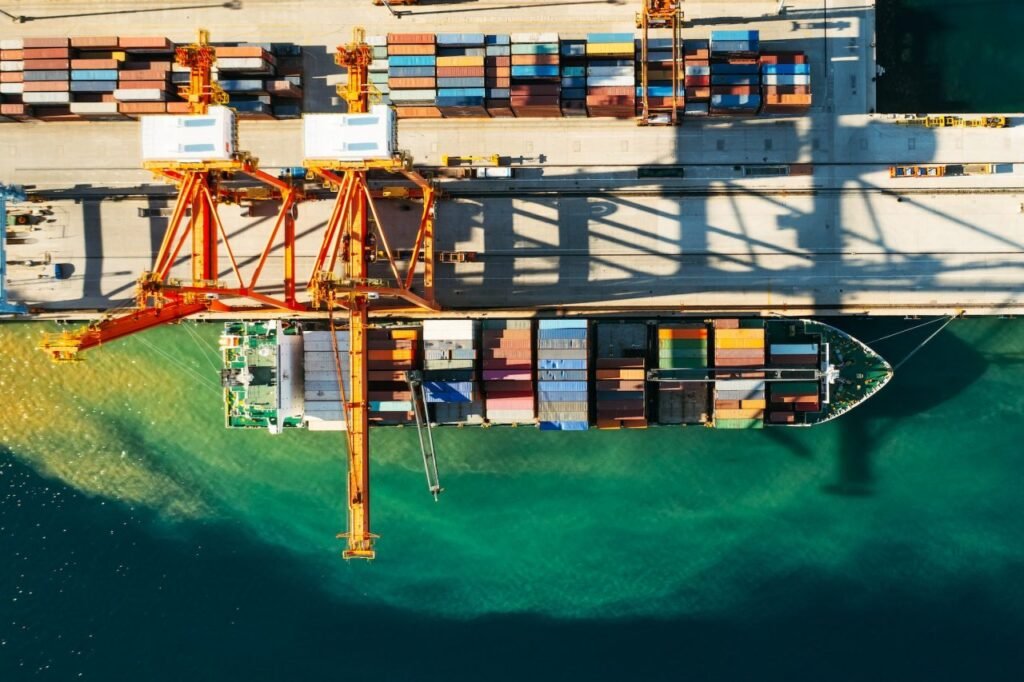
Sea Freight Shipping from China to Italy
ເພີດເພີນໄປກັບການປະຫຍັດຄ່າໃຊ້ຈ່າຍດ້ວຍຕົວເລືອກການຂົນສົ່ງທາງທະເລທີ່ມີຄວາມສາມາດສູງຂອງພວກເຮົາ, ເໝາະສຳລັບການຂົນສົ່ງຂະໜາດໃຫຍ່ໂດຍບໍ່ຕ້ອງຮີບຮ້ອນ.
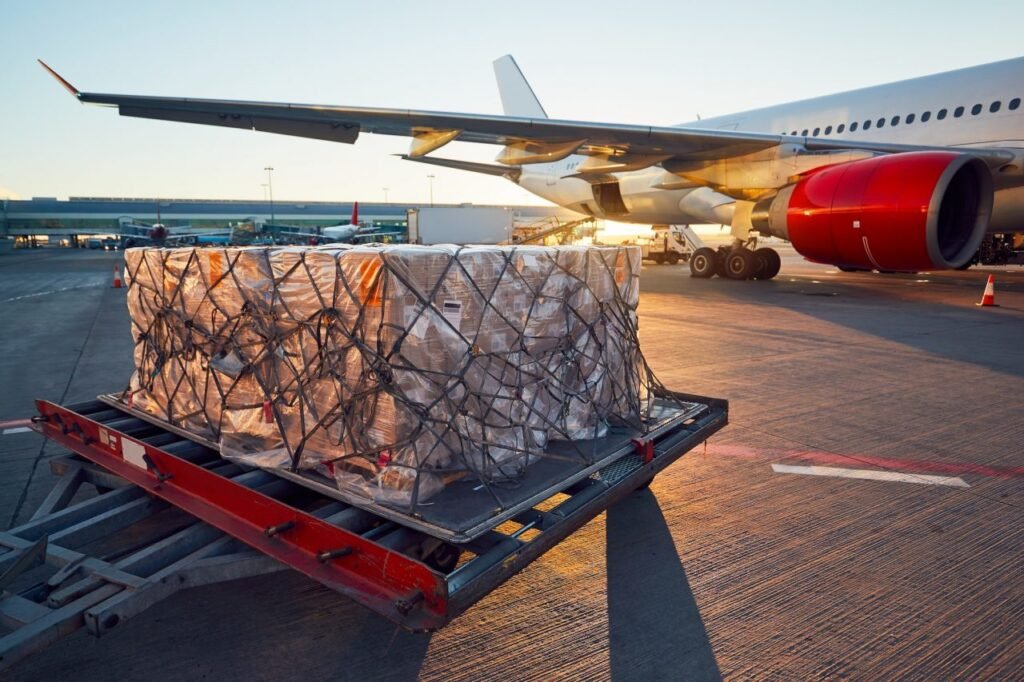
Air Freight Shipping from China to Italy
ເລັ່ງການຂົນສົ່ງດ່ວນຂອງທ່ານດ້ວຍການບໍລິການຂົນສົ່ງທາງອາກາດຂອງພວກເຮົາ, ຮັບປະກັນວ່າທຸລະກິດຂອງທ່ານຈະດຳເນີນໄປຕາມກຳນົດເວລາ.

Door to Door Shipping from China to Italy
ສຳຜັດປະສົບການການຂົນສົ່ງທີ່ບໍ່ມີບັນຫາດ້ວຍການບໍລິການແບບປະຕູເຖິງປະຕູເຮືອນຂອງພວກເຮົາ, ເຊິ່ງກວມເອົາທຸກດ້ານການຂົນສົ່ງຕັ້ງແຕ່ການຮັບສິນຄ້າຈົນເຖິງການຈັດສົ່ງ.
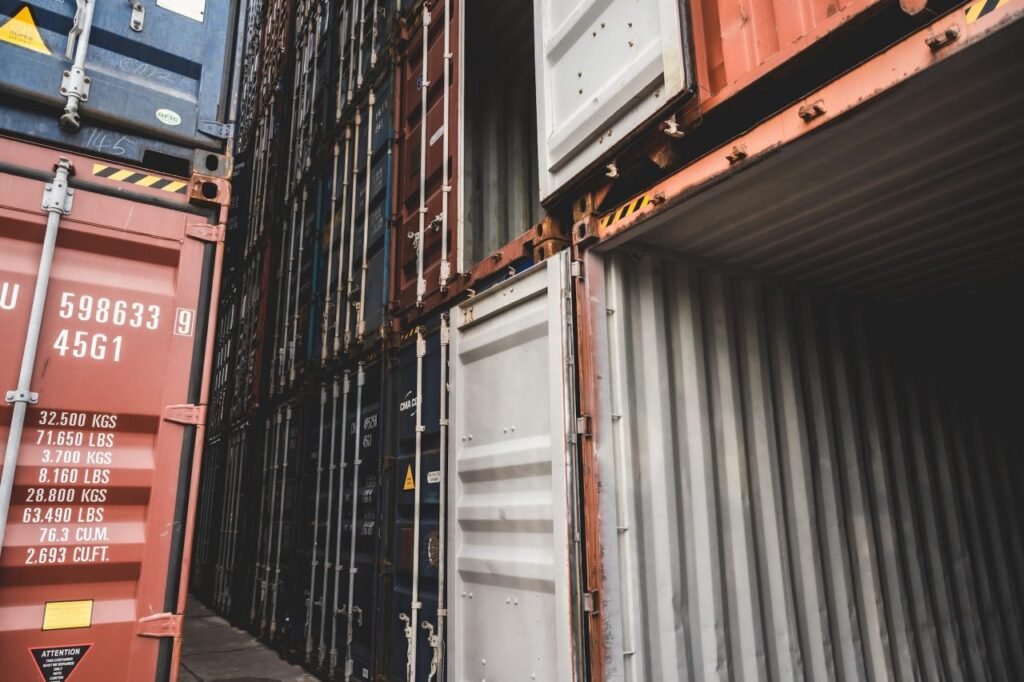
Cheapest Shipping From China to Italy
ໃຊ້ປະໂຫຍດຈາກງົບປະມານຂອງທ່ານໃຫ້ສູງສຸດດ້ວຍວິທີແກ້ໄຂການຂົນສົ່ງທີ່ມີລາຄາບໍ່ແພງຂອງພວກເຮົາ, ຖືກອອກແບບມາເພື່ອໃຫ້ການຂົນສົ່ງທີ່ມີປະສິດທິພາບດ້ານຕົ້ນທຶນ ແລະ ໜ້າເຊື່ອຖື.
How long/much Shipping from China to Italy
ວາງແຜນຢ່າງມີປະສິດທິພາບດ້ວຍຂໍ້ມູນທີ່ຊັດເຈນ ແລະ ຊັດເຈນຂອງພວກເຮົາກ່ຽວກັບເສັ້ນເວລາ ແລະ ຕົ້ນທຶນ, ເຊິ່ງຊ່ວຍໃຫ້ການຕັດສິນໃຈທາງທຸລະກິດຂອງທ່ານມີປະສິດທິພາບ.
FCL Shipping From China to Italy
ການບໍລິການຂົນສົ່ງ FCL ຂອງ Mbmlog ສາມາດຮັບປະກັນການຂົນສົ່ງຂະໜາດໃຫຍ່ຂອງທ່ານດ້ວຍການຂົນສົ່ງແບບ Full Container Load (FCL), ຮັບປະກັນວ່າສິນຄ້າຂອງທ່ານຈະເດີນທາງຮ່ວມກັນໂດຍບໍ່ມີການລົບກວນ, ເໝາະສຳລັບສິນຄ້າຈຳນວນຫຼາຍທີ່ຕ້ອງການການປົກປ້ອງທີ່ແຂງແຮງ.
LCL Shipping From China to Italy
ຮັບຜົນປະໂຫຍດຈາກຄວາມຍືດຫຍຸ່ນຂອງການຂົນສົ່ງສິນຄ້າແບບ LCL (Low than Container Load), ເຊິ່ງຊ່ວຍໃຫ້ທ່ານສາມາດສົ່ງການຂົນສົ່ງຂະໜາດນ້ອຍໄດ້ເລື້ອຍໆ, ຊ່ວຍຈັດການສິນຄ້າຄົງຄັງໄດ້ຢ່າງມີປະສິດທິພາບໂດຍບໍ່ຈຳເປັນຕ້ອງຕື່ມໃສ່ຕູ້ຄອນເທນເນີເຕັມ.
Additional services for shipping from China to Italy
ການຮັບ ແລະ ການຈັດສົ່ງ
ເພີ່ມປະສິດທິພາບດ້ານການຂົນສົ່ງຂອງທ່ານດ້ວຍການບໍລິການຮັບ ແລະ ຈັດສົ່ງທີ່ເຊື່ອຖືໄດ້ຂອງພວກເຮົາ, ຮັບປະກັນການຂົນສົ່ງທີ່ທັນເວລາ ແລະ ມີປະສິດທິພາບຈາກໜ້າປະຕູເຮືອນຂອງທ່ານໂດຍກົງໄປຍັງຈຸດໝາຍປາຍທາງ, ເພີ່ມຄວາມໄວໃນການດຳເນີນງານ ແລະ ຄວາມໜ້າເຊື່ອຖື.

ສາງ
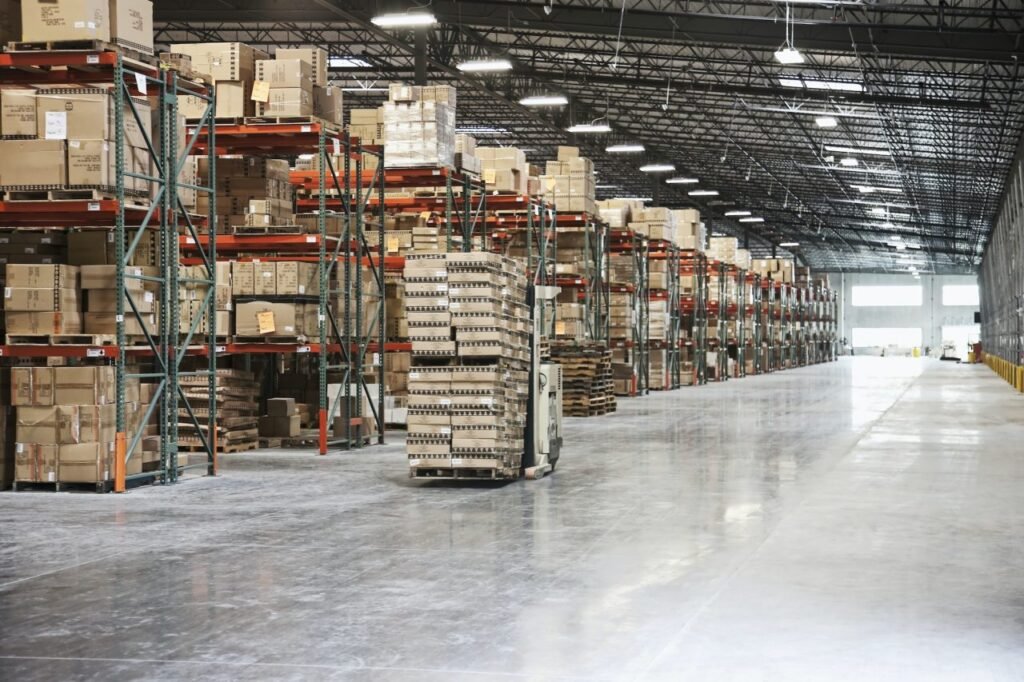
ໃຊ້ປະໂຫຍດຈາກວິທີແກ້ໄຂການເກັບຮັກສາສິນຄ້າທີ່ປອດໄພ ແລະ ສາມາດຂະຫຍາຍໄດ້ຂອງພວກເຮົາ ເພື່ອເກັບຮັກສາສິນຄ້າຂອງທ່ານໄດ້ຢ່າງປອດໄພ, ໂດຍສະເໜີທາງເລືອກໃນການເກັບຮັກສາທີ່ມີຄວາມຍືດຫຍຸ່ນ ເຊິ່ງສາມາດປັບຕົວເຂົ້າກັບຄວາມຕ້ອງການທາງທຸລະກິດຂອງທ່ານ, ຊ່ວຍເພີ່ມປະສິດທິພາບການຄຸ້ມຄອງສິນຄ້າຄົງຄັງ ແລະ ການເຂົ້າເຖິງ.

ປະກັນໄພສິນຄ້າ
ປົກປ້ອງການລົງທຶນຂອງທ່ານດ້ວຍການປະກັນໄພສິນຄ້າທີ່ຄົບຖ້ວນ, ສະໜອງຄວາມໝັ້ນຄົງທາງດ້ານການເງິນ ແລະ ຄວາມສະຫງົບສຸກທາງຈິດໃຈຈາກຄວາມເສຍຫາຍ ຫຼື ການສູນເສຍທີ່ອາດເກີດຂຶ້ນໃນການຂົນສົ່ງ, ຮັບປະກັນການດຳເນີນງານຂົນສົ່ງທີ່ລາບລື່ນ ແລະ ບໍ່ມີຄວາມສ່ຽງ.

ການຂົນສົ່ງໄປສາງ FBA
ອຳນວຍຄວາມສະດວກໃນການເຊື່ອມໂຍງທີ່ລຽບງ່າຍກັບເຄືອຂ່າຍຂອງ Amazon ຜ່ານການບໍລິການຂົນສົ່ງພິເສດຂອງພວກເຮົາໄປຫາສາງ FBA, ເພີ່ມປະສິດທິພາບຍຸດທະສາດການຈັດສົ່ງຂອງທ່ານ, ຫຼຸດຜ່ອນເວລາການຈັດການ, ແລະ ເພີ່ມສັກກະຍະພາບການຂາຍຂອງທ່ານ.

ການເກັບກູ້ສິນຄ້າຕາມພາສີ
ເລັ່ງການຂົນສົ່ງສິນຄ້າສາກົນຂອງທ່ານດ້ວຍການບໍລິການຊຳລະພາສີຈາກຜູ້ຊ່ຽວຊານຂອງພວກເຮົາ, ຫຼຸດຜ່ອນຄວາມລ່າຊ້າ ແລະ ຮັບປະກັນການປະຕິບັດຕາມລະບຽບການຄ້າທົ່ວໂລກທັງໝົດ, ເຮັດໃຫ້ຂະບວນການນຳເຂົ້າ/ສົ່ງອອກຂອງທ່ານງ່າຍຂຶ້ນ.
ການກວດກາການໂຫຼດ
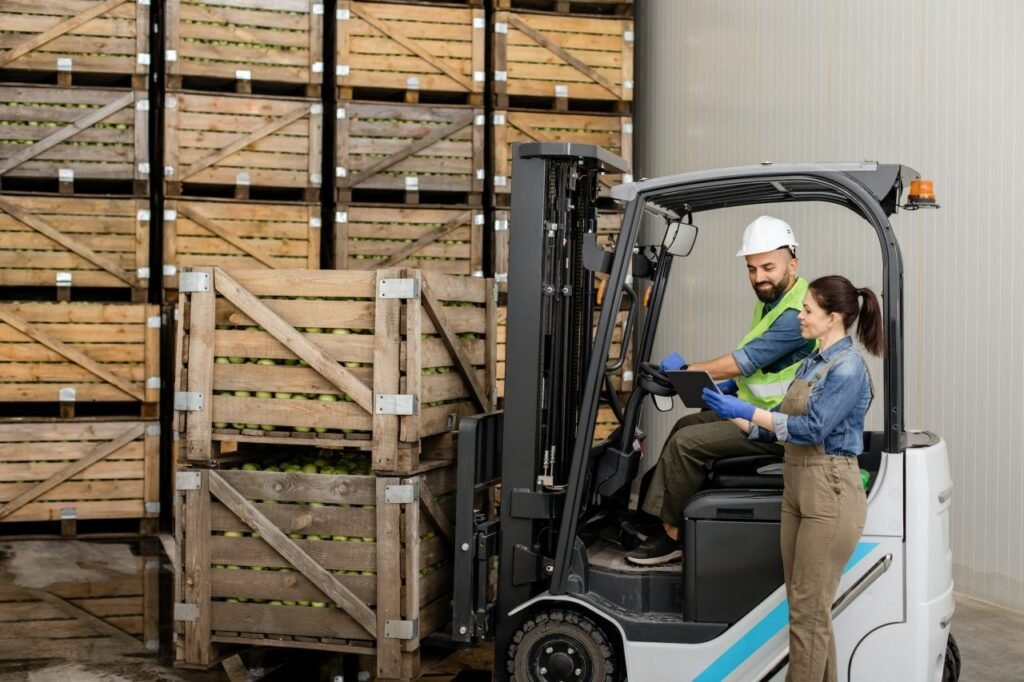
ຮັບປະກັນຄຸນນະພາບ ແລະ ສະພາບຂອງສິນຄ້າຂອງທ່ານດ້ວຍການກວດກາການໂຫຼດຢ່າງລະອຽດຂອງພວກເຮົາ, ຮັບປະກັນຄວາມສົມບູນຂອງການຂົນສົ່ງ ແລະ ເພີ່ມຄວາມພໍໃຈຂອງລູກຄ້າໂດຍລວມໂດຍການປ້ອງກັນບັນຫາທີ່ອາດເກີດຂຶ້ນໃນລະຫວ່າງການຂົນສົ່ງ.

ການຂົນສົ່ງດ່ວນ
ເລັ່ງເວລາການຈັດສົ່ງຂອງທ່ານດ້ວຍຕົວເລືອກການຂົນສົ່ງດ່ວນຂອງພວກເຮົາ, ເໝາະສຳລັບການຂົນສົ່ງດ່ວນທີ່ຕ້ອງການການບໍລິການທີ່ວ່ອງໄວ ແລະ ໜ້າເຊື່ອຖື, ຊ່ວຍໃຫ້ທ່ານຕອບສະໜອງເສັ້ນຕາຍທີ່ເຄັ່ງຄັດ ແລະ ເກີນຄວາມຄາດຫວັງຂອງລູກຄ້າ.
ເປັນຫຍັງຕ້ອງເລືອກ MBM?
ສຳຜັດກັບຜົນປະໂຫຍດຂອງການເຄື່ອນຍ້າຍທີ່ລຽບງ່າຍ
ໂດຍການເລືອກ Mbmlog, ທ່ານຈະໄດ້ຮັບລາຄາທີ່ແຂ່ງຂັນໄດ້, ການຈັດສົ່ງທີ່ໜ້າເຊື່ອຖື ແລະ ທັນເວລາ, ແລະ ການຊ່ວຍເຫຼືອຈາກຜູ້ຊ່ຽວຊານ 24/7. ໄດ້ຮັບຜົນປະໂຫຍດຈາກປະສົບການ 20 ປີຂອງພວກເຮົາ, ການເກັບພາສີທີ່ລຽບງ່າຍ, ແລະ ການເກັບຮັກສາສາງຟຣີ, ຮັບປະກັນວ່າການຂົນສົ່ງຂອງທ່ານມີປະສິດທິພາບ, ປະຫຍັດຕົ້ນທຶນ, ແລະ ບໍ່ມີຄວາມກັງວົນ.
ຄວາມຊ່ຽວຊານ 20 ປີ
Mbmlog ສະເໜີວິທີແກ້ໄຂດ້ານການຂົນສົ່ງທີ່ບໍ່ມີໃຜທຽບເທົ່າ. ປະສົບການຢ່າງກວ້າງຂວາງຂອງພວກເຮົາຮັບປະກັນການບໍລິການທີ່ມີປະສິດທິພາບ ແລະ ໜ້າເຊື່ອຖື ເຊິ່ງຖືກອອກແບບມາເພື່ອຕອບສະໜອງຄວາມຕ້ອງການດ້ານການຂົນສົ່ງທີ່ຫຼາກຫຼາຍຂອງທ່ານ.
ສາງຟຣີ
ເພີດເພີນໄປກັບການເກັບຮັກສາສິນຄ້າໃນສາງຟຣີສູງສຸດ 30 ມື້ກັບ mbmlog. ສິ່ງອຳນວຍຄວາມສະດວກທີ່ປອດໄພ ແລະ ເປັນລະບຽບຮຽບຮ້ອຍຂອງພວກເຮົາຮັບປະກັນວ່າສິນຄ້າຂອງທ່ານຈະຖືກເກັບຮັກສາໄວ້ຢ່າງປອດໄພ.
ການຊ່ວຍເຫຼືອຈາກຜູ້ຊ່ຽວຊານໃນການເວົ້າພາສາອັງກິດ 24 ຊົ່ວໂມງຕໍ່ມື້, 7 ມື້ຕໍ່ອາທິດ
ພວກເຮົາໃຫ້ການສະໜັບສະໜູນຈາກຜູ້ຊ່ຽວຊານທີ່ເວົ້າພາສາອັງກິດຕະຫຼອດ 24 ຊົ່ວໂມງ, ຮັບປະກັນການສື່ສານທີ່ລຽບງ່າຍ, ມີປະສິດທິພາບ ແລະ ການຊ່ວຍເຫຼືອທັນທີສຳລັບຄວາມຕ້ອງການດ້ານການຂົນສົ່ງທັງໝົດຂອງທ່ານ.
ປະກັນໄພສິນຄ້າ
ບໍລິສັດຂອງພວກເຮົາສະເໜີບໍລິການປະກັນໄພສິນຄ້າທີ່ຄົບວົງຈອນ, ປົກປ້ອງການຂົນສົ່ງຂອງທ່ານດ້ວຍຕົວເລືອກປະກັນໄພທີ່ເໝາະສົມ, ຮັບປະກັນຄວາມປອດໄພ ແລະ ຄວາມສະຫງົບສຸກໃນລະຫວ່າງການຂົນສົ່ງ.
ການບໍລິການຕິດຕາມ
ບໍລິການຕິດຕາມສິນຄ້າຂອງ Mbmlog ໃຫ້ການອັບເດດການຂົນສົ່ງຂອງທ່ານຕາມເວລາຈິງ, ຮັບປະກັນວ່າທ່ານຈະໄດ້ຮັບຂໍ້ມູນທີ່ຖືກຕ້ອງກ່ຽວກັບສະຖານະພາບຂອງສິນຄ້າຂອງທ່ານສະເໝີ.
ການເກັບກູ້ສິນຄ້າຕາມຄວາມຕ້ອງການແບບມືອາຊີບ
ການບໍລິການຂົນສົ່ງສິນຄ້າແບບມືອາຊີບຂອງພວກເຮົາຮັບປະກັນການດຳເນີນການທີ່ລາບລື່ນ ແລະ ມີປະສິດທິພາບ. ທີມງານຊ່ຽວຊານຂອງພວກເຮົາຈັດການເອກະສານທັງໝົດ, ຮັບປະກັນການປະຕິບັດຕາມລະບຽບການ.