China to Singapore Shipping Agent

ຄູ່ມືສຸດຍອດ

Shipping From China to Singapore: The Ultimate Guide 2024

ສາລະບານ

Over the past decade, the trade relationship between China and Singapore has grown significantly, driven by both nations’ strategic partnerships and robust economic cooperation. According to customs data, bilateral trade between China and Singapore reached over USD 115 billion in 2024, making China Singapore’s largest trading partner. Singapore is a key hub in the ASEAN region and a gateway to Southeast Asia, relying on imports from China to supply various industries, including electronics, machinery, textiles, and consumer goods.

Among the top traded products, electronics and electrical machinery dominate, accounting for over 40% of imports. Other essential categories include construction materials, apparel, and industrial equipment. The consistent demand underscores China’s position as a leading global supplier, offering competitive pricing, high-quality goods, and vast product diversity.

For foreign procurement managers and importers in Singapore, understanding the logistics of shipping goods from China is critical. This guide is designed to provide a detailed roadmap of the shipping process, enabling you to minimize costs, navigate challenges, and streamline operations. Whether you are exploring air freight, sea freight, or express shipping, this article will help you make informed decisions tailored to your needs.
Freight Shipping Cost from China to Singapore

When shipping goods from China to Singapore, businesses have several options depending on their budget, urgency, and shipment size. The three primary shipping methods—ການຂົນສົ່ງທາງອາກາດ, ການຂົນສົ່ງທາງທະເລ, ແລະ ການຂົນສົ່ງດ່ວນ—offer distinct cost structures and transit times. Here’s a brief overview:

  1. ການຂົນສົ່ງທາງອາກາດ:
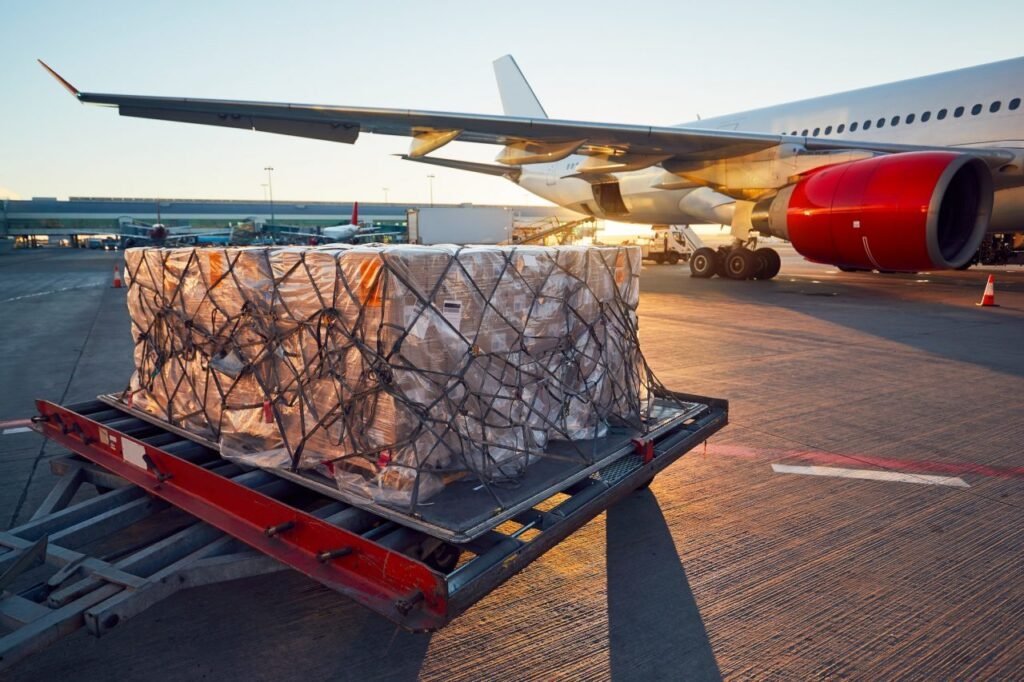
    Air freight is ideal for urgent shipments or high-value goods. Though it is more expensive than sea freight, it ensures faster delivery. For large shipments (1000 kg or more), air freight costs typically range between USD 3.5 and USD 5 per kg, with a transit time of 2–3 days from major Chinese cities such as Guangzhou or Shanghai to Singapore.

  2. ການຂົນສົ່ງທາງທະເລ:
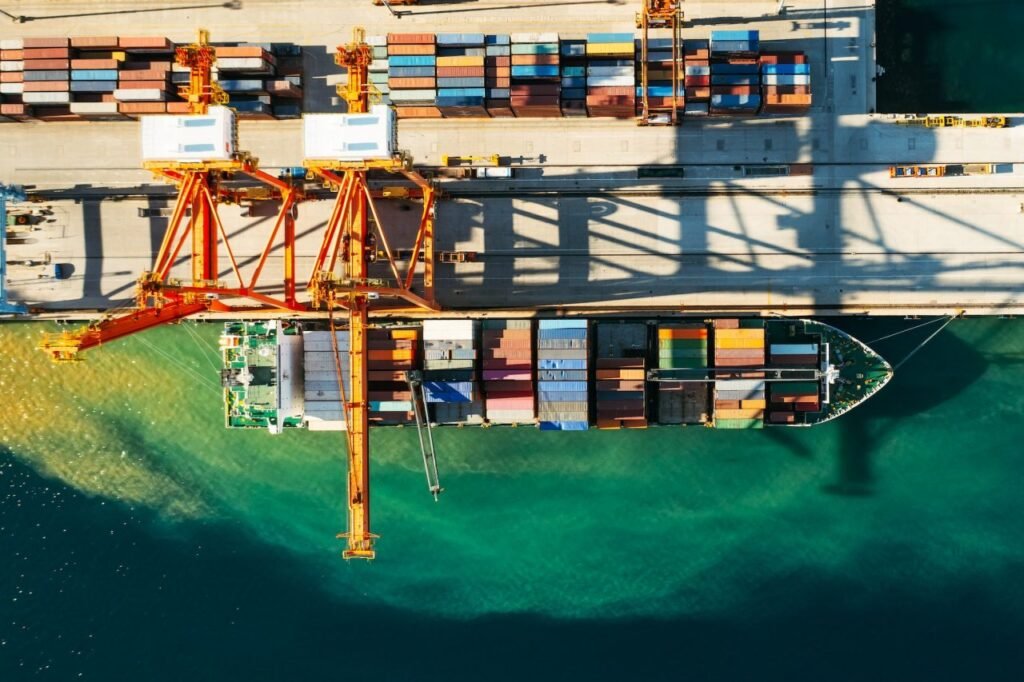
    Sea freight is the most economical option for bulk cargo. Full Container Load (FCL) for a ຕູ້ຄອນເທນເນີ 20 ຟຸດ to Singapore costs between USD 300 and USD 500, ໃນຂະນະທີ່ ຕູ້ຄອນເທນເນີ 40 ຟຸດ ມີຕັ້ງແຕ່ USD 600 to USD 1,000. Transit times average 10–14 days, depending on the port of origin.

  3. ການຂົນສົ່ງດ່ວນ:
    Express shipping, offered by carriers like DHL, FedEx, and UPS, is the fastest but most expensive option. Costs range from USD 8 to USD 15 per kg for packages under 100 kg, with delivery times of 1–2 days.

Below is a detailed breakdown of Air Freight Shipping Costs to Singapore:

Air Freight Shipping Cost from China to Singapore

ຮູບແບບການຂົນສົ່ງໜ່ວຍລະດັບລາຄາ (ໂດລາສະຫະລັດ)ເວລາການຂົນສົ່ງ
Air Freight (1000 kg +)ຕໍ່ກິໂລ3.5–5.02–3 days
Air Freight (300–1000 kg)ຕໍ່ກິໂລ4.0–6.02–3 days
Air Freight (less than 300 kg)ຕໍ່ກິໂລ6.0–8.02–3 days

ຂໍ້ດີ ແລະ ຂໍ້ເສຍຂອງການຂົນສົ່ງທາງອາກາດ

ຂໍ້ດີ:

  1. ຄວາມໄວ: Air freight is the fastest shipping method, perfect for urgent deliveries or perishable goods.
  2. ຄວາມໜ້າເຊື່ອຖື: Airlines adhere to strict schedules, reducing delays.
  3. ຄວາມປອດໄພ: Air cargo undergoes rigorous safety checks, minimizing theft or damage risks.

ຂໍ້ເສຍ:

  1. ຄ່າໃຊ້ຈ່າຍ: Air freight is significantly more expensive than sea freight.
  2. Weight and Volume Restrictions: Not ideal for bulky or heavy items due to high costs.
  3. ຜົນກະທົບຕໍ່ສິ່ງແວດລ້ອມ: Higher carbon emissions compared to sea freight.

Suitable Products for Air Freight:

  • High-value goods (e.g., electronics, jewelry).
  • Perishable items (e.g., food, pharmaceuticals).
  • Time-sensitive shipments (e.g., seasonal fashion, urgent spare parts).
 

Sea Freight Shipping Cost from China to Singapore

Sea freight is the most economical option for shipping large volumes of goods from China to Singapore. This method is commonly chosen for its cost-effectiveness, especially for shipments exceeding 1 cubic meter or for bulk cargo. Despite being slower than air freight, the relatively short distance between China and Singapore makes sea freight a practical option, with transit times averaging 10–14 days.

The cost of sea freight varies depending on whether you choose FCL (Full Container Load) ຫຼື LCL (ນ້ຳໜັກບັນຈຸໜ້ອຍກວ່າ) shipping. Below is a detailed breakdown of the costs associated with shipping containers to Singapore:

Ocean Shipping Costs from China to Singapore

ຮູບແບບການຂົນສົ່ງຄ່າຂົນສົ່ງ (ໂດລາສະຫະລັດ)
FCL (ຕູ້ຄອນເທນເນີ 20 ຟຸດ)300–500
FCL (ຕູ້ຄອນເທນເນີ 40 ຟຸດ)600–1,000
LCL (1 cubic meter, <15 CBM)30–50 per cubic meter

ຂໍ້ດີ ແລະ ຂໍ້ເສຍຂອງການຂົນສົ່ງທາງທະເລ

ຂໍ້ດີ:

  1. ປະສິດທິພາບດ້ານຕົ້ນທຶນ: The most affordable method for large or heavy cargo.
  2. ຄວາມຈຸ: Suitable for shipping high-volume goods, such as industrial equipment or bulk consumer products.
  3. ຄວາມຍືນຍົງ: Lower carbon footprint per ton compared to air freight.

ຂໍ້ເສຍ:

  1. Time: Transit times are longer, typically 10–14 days to Singapore.
  2. Port Charges: Additional fees for handling at ports may apply.
  3. Weather Dependence: Delays may occur due to bad weather conditions.

Suitable Products for Sea Freight:

  • Non-urgent goods (e.g., furniture, machinery, textiles).
  • Heavy or bulky items (e.g., raw materials, construction materials).
  • Large-volume shipments (e.g., wholesale products, industrial equipment).
 

Express Shipping Cost from China to Singapore

Express shipping is the fastest way to transport goods from China to Singapore, ideal for urgent shipments or small packages. Global carriers like ດີເອັລ, ເຟດສ໌, ແລະ ຢູພີເອສ dominate this space, offering reliable, door-to-door services. With a transit time of 1–2 days, express shipping is particularly suitable for businesses needing swift delivery of time-sensitive or high-value products.

Although convenient, express shipping is the most expensive shipping option. Costs vary depending on the carrier, package size, and weight. Below is an overview of typical costs:

Carrierຄ່າຂົນສົ່ງ (ໂດລາສະຫະລັດ/ກິໂລ)ເວລາການຂົນສົ່ງ
ດີເອັລ8–121–2 days
ເຟດສ໌9–141–2 days
ຢູພີເອສ10–151–2 days

ຜົນປະໂຫຍດ ແລະ ກໍລະນີການນຳໃຊ້ສຳລັບການຂົນສົ່ງດ່ວນ

  1. ຄວາມໄວ: Express shipping delivers in as little as 1–2 days, making it the fastest option for urgent deliveries.
  2. ຄວາມສະດວກສະບາຍ: Door-to-door service eliminates the need for intermediaries, simplifying logistics for the shipper.
  3. ຄວາມໜ້າເຊື່ອຖື: Precise tracking and predictable transit times ensure that goods reach their destination on schedule.
  4. ຄວາມປອດໄພ: Carriers provide robust handling, safeguarding high-value items from theft or damage.
  5. Perfect for Small Packages: Suitable for lightweight goods like samples, electronics, or luxury items.

Use Cases for Express Shipping:

  • Sending product samples or prototypes to clients.
  • Delivering e-commerce orders to Singapore customers.
  • Shipping perishable or urgent goods that require quick delivery.
  • Transporting documents or small, high-value items.
 

Door-to-Door Shipping from China to Singapore

Door-to-door shipping is a comprehensive logistics solution that covers the entire shipping process, from the supplier’s location in China to the recipient’s address in Singapore. It is particularly advantageous for importers who prefer a hassle-free experience, as the freight forwarder handles all aspects of the shipment, including pickup, customs clearance, and delivery.

With door-to-door shipping, businesses can opt for different transportation modes such as air freight, sea freight, or express shipping. This method is especially popular among small- and medium-sized enterprises (SMEs) that lack in-house logistics expertise.

DDP Shipping Cost from China to Singapore

Delivered Duty Paid (DDP) is a common arrangement for door-to-door services. The supplier or freight forwarder assumes responsibility for customs duties, taxes, and other related fees, offering the client a single, all-inclusive cost.

ຮູບແບບການຂົນສົ່ງລະດັບລາຄາ (ໂດລາສະຫະລັດ)Details
Air Freight (DDP)6–10 per kgTransit time: 4–7 days
Sea Freight (DDP)100–150 per CBMTransit time: 12–15 days
Express (DDP)12–18 per kgTransit time: 3–5 days

For precise pricing tailored to your shipment, please contact MBMLOG’s 24/7 online customer service for a free consultation.

How Long is DDP Shipping from China to Singapore?

  • ການຂົນສົ່ງທາງອາກາດ: 4–7 days.
  • ການຂົນສົ່ງທາງທະເລ: 12–15 days.
  • Express: 3–5 days.

DDP shipping times may vary based on the shipment size, customs clearance requirements, and the shipping method chosen.

ຂໍ້ດີຂອງການບໍລິການປະຕູຕໍ່ປະຕູ

  1. ຄວາມສະດວກສະບາຍ:
    Door-to-door shipping simplifies the process by allowing one service provider to handle pickup, customs clearance, and delivery, saving time and effort.

  2. Transparent Costs:
    DDP ensures importers receive a single, upfront price that includes all fees, eliminating unexpected costs or complications.

  3. Reduced Risk:
    Freight forwarders with door-to-door services take full responsibility for the shipment, reducing the risk of delays or errors during transit.

  4. Customizable Options:
    Door-to-door shipping offers flexibility in choosing the most suitable transportation mode (air, sea, or express) based on budget and urgency.

  5. Professional Assistance:
    Experienced freight forwarders provide end-to-end guidance, from documentation preparation to customs clearance, ensuring a seamless experience.


Understanding Singapore’s Import Tax, Duties, and VAT Cost

Singapore is renowned for its business-friendly environment, and its trade policies reflect this. The country imposes minimal import duties, which makes importing goods relatively straightforward. Most goods entering Singapore are duty-free, with exceptions for specific categories such as alcoholic beverages, tobacco products, motor vehicles, and certain petroleum products. However, Goods and Services Tax (GST) applies to all imports.

The current GST rate in Singapore is 9% (effective 1 January 2024) and is calculated based on the ຄ່າໃຊ້ຈ່າຍ, ປະກັນໄພ ແລະ ຄ່າຂົນສົ່ງ (CIF) value of the goods, including duties, if applicable. Understanding these costs ensures importers can plan their budgets effectively and avoid unexpected expenses.

Key Points About Singapore’s Import Taxes

  1. Duty-Free Imports: Most goods, including electronics, textiles, and machinery, are exempt from customs duties.
  2. GST (Goods and Services Tax): Applies to all imports, calculated at 9% of the CIF value.
  3. ພາສີອາກອນ: Applicable only to specific products like alcohol, tobacco, and motor vehicles.

Import Tax, Duties, and GST Costs for Popular Products

ຜະລິດຕະພັນພາສີອາກອນGST Cost (9%)
ເຄື່ອງໃຊ້ໄຟຟ້າ0%Based on CIF value
ເຄື່ອງຈັກ0%Based on CIF value
Apparel0%Based on CIF value
ເຟີນີເຈີ0%Based on CIF value
Industrial Equipment0%Based on CIF value
Alcoholic Beverages15–30%Based on CIF value
ຜະລິດຕະພັນຢາສູບSGD 427.20/kgBased on CIF value
Motor VehiclesVaries (specific rates)Based on CIF value
Petroleum ProductsVaries (specific rates)Based on CIF value
ເຄື່ອງສຳອາງ0%Based on CIF value
ຢາ0%Based on CIF value
Food Products (Non-Alcoholic)0%Based on CIF value
Plastic Products0%Based on CIF value
ເຄື່ອງຫຼິ້ນ0%Based on CIF value
Construction Materials0%Based on CIF value
 

Navigating Legal Compliance When Shipping from China to Singapore

Ensuring legal compliance is a critical step when shipping goods from China to Singapore. Singapore has strict regulations to maintain the safety and quality of imported goods, and understanding these requirements will help importers avoid costly delays or penalties. Compliance involves adhering to customs requirements, providing accurate documentation, and meeting specific product certifications where applicable.

Key Compliance Requirements

  1. Accurate Documentation:
    All shipments to Singapore must be accompanied by proper documentation, including:

    • ໃບແຈ້ງໜີ້ການຄ້າ
    • ບັນຊີລາຍຊື່ການຫຸ້ມຫໍ່
    • Bill of Lading or Air Waybill
    • Certificate of Origin (if applicable for trade agreements)
    • Import Permit (obtained via Singapore Customs’ TradeNet system)
  2. ການແຈ້ງພາສີ:
    Importers must declare their shipments accurately, including the Harmonized System (HS) codes, values, and quantities. Incorrect declarations can lead to fines or shipment confiscation.

  3. Product-Specific Certifications:
    Certain products require additional certifications:

    • ເຄື່ອງໃຊ້ໄຟຟ້າ: Compliance with Singapore’s Infocomm Media Development Authority (IMDA) regulations.
    • Food Products: Approval from the Singapore Food Agency (SFA) and adherence to food labeling standards.
    • Pharmaceuticals and Cosmetics: Licensing from the Health Sciences Authority (HSA) and compliance with safety standards.
  4. Restricted and Prohibited Goods:
    Singapore strictly regulates or prohibits certain imports, such as:

    • Firearms and explosives
    • Endangered species and products derived from them
    • Hazardous chemicals without proper permits
  5. Trade Agreements:
    Utilizing trade agreements like the ASEAN-China Free Trade Agreement (ACFTA) can reduce or eliminate tariffs for eligible goods. Ensure the Certificate of Origin is included to claim these benefits.

Required Certifications for Popular Product Categories

ປະເພດຜະລິດຕະພັນRequired Certification
ເຄື່ອງໃຊ້ໄຟຟ້າIMDA Compliance
ຢາHSA Approval
Food ProductsSFA Approval
ເຄື່ອງສຳອາງHSA Safety Certification
ເຄື່ອງຈັກCE or ISO Certification
ເຄື່ອງຫຼິ້ນEN71 Safety Standards
ChemicalsSDS (Safety Data Sheet) Compliance

By understanding and adhering to these regulations, importers can ensure a smooth process when shipping from China to Singapore.

ປັດໄຈທີ່ມີຜົນກະທົບຕໍ່ເວລາການຂົນສົ່ງ ແລະ ຍຸດທະສາດການຫຼຸດຜ່ອນຜົນກະທົບ

When shipping goods from China to Singapore, transit times can vary due to multiple factors. Understanding these variables and implementing mitigation strategies can help ensure smoother operations and on-time delivery.

Key Factors Affecting Transit Times

  1. ສະພາບອາກາດ:
    Adverse weather, such as typhoons or heavy rains, can delay sea and air shipments, especially during the monsoon season in Southeast Asia.

  2. ການຊັກຊ້າຂອງການເກັບພາສີ:
    Errors in documentation, incomplete declarations, or non-compliance with regulations can cause customs bottlenecks in both China and Singapore.

  3. ຄວາມແອອັດຂອງທ່າເຮືອ:
    High traffic at major Chinese ports, such as Shanghai or Shenzhen, can lead to delays, particularly during peak export seasons like Chinese New Year or year-end holidays.

  4. Carrier Availability:
    Limited availability of shipping vessels or air freight capacity, especially during peak seasons, can result in shipment delays.

  5. ການລົບກວນລະບົບຕ່ອງໂສ້ການສະໜອງທົ່ວໂລກ:
    Events such as pandemics, strikes, or geopolitical tensions can impact transit times due to reduced shipping schedules or restrictions.

Mitigation Strategies

  1. Plan Ahead and Book Early:
    Secure bookings well in advance, especially during peak seasons, to avoid delays caused by limited carrier availability.

  2. Ensure Accurate Documentation:
    Double-check all required shipping documents to prevent customs clearance issues. Using a reliable freight forwarder like MBMLOG can help ensure compliance.

  3. Monitor Weather Forecasts:
    Stay updated on weather conditions and adjust shipping schedules accordingly to avoid delays caused by storms or adverse weather.

  4. Choose Trusted Freight Forwarders:
    Partner with experienced logistics providers who have established networks and the ability to quickly resolve issues such as port congestion or carrier shortages.

  5. Consider Alternative Routes or Modes:
    Opt for air freight during peak sea freight congestion or use less busy ports as alternatives to high-traffic ones like Shanghai or Guangzhou.

By proactively managing these factors, businesses can minimize disruptions and ensure timely delivery of their goods.

Key Ports in China and Singapore for Shipping

Ports play a crucial role in facilitating trade between China and Singapore. Understanding the key ports involved in this route helps importers optimize their shipping strategies. Below, we highlight the major ports in both countries and their strategic importance in the logistics chain.

Major Chinese Ports for Exports to Singapore

ຊື່ທ່າເຮືອຈີນປະລິມານການຜະລິດປະຈຳປີ (TEUs)ຄວາມສຳຄັນທາງຍຸດທະສາດປະເພດສິນຄ້າຫຼັກ
ທ່າເຮືອຊຽງໄຮ້47.03 millionLargest container port globally; ideal for large-scale shipmentsເອເລັກໂຕຣນິກ, ເຄື່ອງຈັກ, ແຜ່ນແພ
ທ່າເຮືອເຊີນເຈີ້ນ28.77 millionProximity to manufacturing hubs in Guangdongເຄື່ອງໃຊ້ໄຟຟ້າ, ເຄື່ອງນຸ່ງຫົ່ມ, ເຟີນີເຈີ
ທ່າເຮືອ Ningbo-Zhoushan31.08 millionKey port for bulk cargo; high efficiencyIndustrial equipment, chemicals
ທ່າເຮືອກວາງໂຈວ23.19 millionAccess to South China’s Pearl River DeltaConstruction materials, textiles
ທ່າເຮືອ Qingdao21.01 millionImportant hub for northern China exportsFood products, machinery

Major Singapore Ports for Imports from China

Singapore Port Nameປະລິມານການຜະລິດປະຈຳປີ (TEUs)ຄວາມສຳຄັນທາງຍຸດທະສາດປະເພດສິນຄ້າຫຼັກ
ທ່າເຮືອສິງກະໂປ37.5 ລ້ານWorld’s second-busiest container port; critical transshipment hubElectronics, industrial goods

Comparing Key Ports: Advantages and Strategic Importance

ປະເທດທ່າເຮືອຂໍ້ດີຄວາມສຳຄັນທາງຍຸດທະສາດ
ຈີນທ່າເຮືອຊຽງໄຮ້Advanced infrastructure; global connectivityFacilitates high-volume exports to Singapore
ຈີນທ່າເຮືອເຊີນເຈີ້ນProximity to manufacturing hubsSupports fast exports from Guangdong region
ສິງກະໂປທ່າເຮືອສິງກະໂປEfficient transshipment operationsConnects global shipping routes

Major Routes from China to Singapore

Shipping routes between China and Singapore are some of the busiest in the world, leveraging both sea and air pathways for efficient logistics.

  1. Primary Sea Route:
    Ships travel through the South China Sea, passing major Chinese ports (Shanghai, Shenzhen, or Guangzhou) and reaching Singapore’s Port.

    • Advantage: Cost-effective for large cargo.
    • Disadvantage: Slower transit times (10–14 days).
  2. Primary Air Route:
    Flights from major airports in China (Beijing, Shanghai, Guangzhou) land at Singapore’s Changi Airport.

    • Advantage: Fast delivery (1–3 days).
    • Disadvantage: Higher costs compared to sea freight.
 

How to Select the Right Freight Forwarder for Your Needs

Choosing the right freight forwarder is a critical decision for businesses shipping goods from China to Singapore. A reliable forwarder ensures smooth logistics, timely deliveries, and cost efficiency, while an inexperienced one can cause delays and unforeseen expenses. Below are essential criteria to help you identify the best freight forwarder for your needs.

Key Criteria for Selecting a Good Freight Forwarder

  1. ປະສົບການ ແລະ ຄວາມຊ່ຽວຊານ:
    Look for a forwarder with a proven track record, especially for shipping routes between China and Singapore. Their familiarity with customs regulations, trade policies, and logistics networks will help prevent errors and delays.

  2. ການສະເໜີບໍລິການທີ່ສົມບູນແບບ:
    Choose a freight forwarder that offers multiple services, including air freight, sea freight, express shipping, door-to-door services, and customs clearance.

  3. ເຄືອຂ່າຍທີ່ເຂັ້ມແຂງ:
    A good forwarder has an extensive network of carriers, port agents, and customs brokers. This ensures flexibility in choosing routes and competitive pricing.

  4. ລາຄາໂປ່ງໃສ:
    The forwarder should provide clear and upfront pricing with no hidden fees. They should offer itemized quotes for freight charges, duties, and taxes.

  5. ການຕິດຕາມແບບເວລາຈິງ:
    The ability to track your shipment in real time is crucial. Ensure the forwarder provides tracking tools to monitor the progress of your cargo.

  6. ການສະໜັບສະໜູນລູກຄ້າ:
    Reliable customer service is vital for resolving issues quickly. A forwarder offering 24/7 support ensures smooth communication and problem-solving.

  7. ການຄຸ້ມຄອງປະກັນໄພ:
    Verify if the forwarder provides insurance options to protect your cargo against loss, damage, or theft during transit.

  8. Compliance Knowledge:
    The forwarder should be well-versed in customs regulations and compliance requirements in both China and Singapore, helping you avoid fines or shipment delays.

  9. Positive Reputation:
    Research online reviews, testimonials, and case studies to assess the forwarder’s reliability and customer satisfaction.

  10. ຄວາມຍືດຫຍຸ່ນ ແລະ ຄວາມສາມາດໃນການຂະຫຍາຍ:
    Whether you’re shipping small parcels or bulk cargo, the forwarder should cater to your needs and adapt to the changing scale of your business operations.

Benefits of Choosing MBMLOG as Your Freight Forwarder

  1. Proven Expertise: Over 20 years of experience in freight forwarding and customs clearance.
  2. Extensive Network: Partnerships with 40+ airlines and shipping lines, ensuring efficient global delivery.
  3. ລາຄາໂປ່ງໃສ: No hidden charges, with detailed cost breakdowns.
  4. ສະໜັບສະໜູນ 24/7: Always available to address your concerns and provide real-time updates.
  5. Custom Solutions: Tailored services like DDP shipping, FBA solutions, and warehouse storage.

By carefully evaluating these factors, you can select a freight forwarder that aligns with your logistics requirements and ensures seamless shipping operations.

How to Ship from China to Singapore: A Step-by-Step Guide

Shipping goods from China to Singapore requires meticulous planning and attention to detail to ensure a smooth and cost-effective process. Below is a step-by-step guide to help you navigate the shipping journey efficiently.

1. Preparing Your Shipment: Documentation, Packaging, and Labeling

  • ເອກະສານ: Ensure all required shipping documents are in place. Key documents include:

    • ໃບແຈ້ງໜີ້ການຄ້າ
    • ບັນຊີລາຍຊື່ການຫຸ້ມຫໍ່
    • Bill of Lading (for sea freight) or Air Waybill (for air freight)
    • Certificate of Origin (if using trade agreements like ACFTA)
    • Import Permits (for restricted items)
  • ການຫຸ້ມຫໍ່: Use durable packaging materials to protect your goods during transit. For fragile items, consider double-layered packaging and cushioning.

  • ການຕິດສະຫຼາກ: Clearly label all packages with relevant details such as the recipient’s address, shipper’s details, handling instructions (e.g., fragile or flammable), and compliance labels if required.

2. Choosing the Right Freight Forwarder

  • Select a reliable freight forwarder with expertise in the China-Singapore shipping route.
  • Discuss your requirements, including the shipment size, preferred shipping method (air, sea, or express), and delivery deadlines.
  • Request a detailed quote to understand the costs and timelines involved.

3. Navigating Customs and Tracking Your Shipment

  • Customs Clearance in China: Your freight forwarder will handle customs documentation and ensure compliance with export regulations in China.
  • Customs Clearance in Singapore: Provide accurate Harmonized System (HS) codes and values for the shipment. Ensure GST and any applicable duties are paid promptly.
  • Tracking: Use the tracking tools provided by your freight forwarder or carrier to monitor the shipment’s progress in real-time.

4. Restricted & Prohibited Items Shipping from China to Singapore

Certain items are restricted or prohibited for import into Singapore. Ensure your goods comply with local regulations to avoid confiscation or penalties.

Restricted/Prohibited ItemsRemarks
Firearms and ExplosivesRequire permits from the Singapore Police Force
Endangered Wildlife ProductsProhibited under CITES regulations
ສານເຄມີອັນຕະລາຍRequire approval from the National Environment Agency (NEA)
ຜະລິດຕະພັນຢາສູບHeavily taxed; specific regulations apply
Alcoholic BeveragesSubject to import duties and licensing
ຢາRequire Health Sciences Authority (HSA) approval
Food ProductsSubject to Singapore Food Agency (SFA) clearance
ແບັດເຕີຣີລິທຽມMust meet safety compliance for shipping
ສິນຄ້າປອມStrictly prohibited; penalties apply
E-cigarettes and Vaping DevicesRestricted and require NEA approval
Precious MetalsRequire special customs declaration
Currency above SGD 20,000Must be declared
ຢາເສບຕິດ ແລະ ຢາເສບຕິດStrictly prohibited; severe penalties apply
ເອກະສານລາມົກIllegal to import
Chewing Gum (for retail)Prohibited unless therapeutic gum
Laser PointersRestricted; approval required

5. Final Delivery and Post-Shipment Process

  • Once your shipment clears customs in Singapore, the goods will be delivered to your specified location via your chosen freight forwarding service.
  • Verify the delivery and inspect the goods for any damages or discrepancies.
  • Maintain a record of all documentation and receipts for future reference.
FAQ: Shipping from China to Singapore

This section addresses common questions importers have about shipping goods from China to Singapore, providing clarity and actionable insights.

1. How long does shipping from China to Singapore take?

  • ການຂົນສົ່ງທາງອາກາດ: 2–3 days.
  • ການຂົນສົ່ງທາງທະເລ: 10–14 days.
  • ການຂົນສົ່ງດ່ວນ: 1–2 days.
  • DDP (Air Freight): 4–7 days.
  • DDP (Sea Freight): 12–15 days.

2. What are the main shipping options from China to Singapore?

  • ການຂົນສົ່ງທາງອາກາດ: Ideal for urgent shipments or high-value goods.
  • ການຂົນສົ່ງທາງທະເລ: Best for large-volume or non-urgent shipments.
  • ການຂົນສົ່ງດ່ວນ: Fastest option for small parcels and samples.
  • Door-to-Door (DDP): Comprehensive service that simplifies logistics by handling the entire process from pickup to delivery.

3. How do I choose the right freight forwarder for my shipping needs?

Select a forwarder with:

  • Experience in China-Singapore logistics.
  • Transparent pricing with no hidden fees.
  • Real-time tracking capabilities.
  • Reliable customer support available 24/7.
  • Insurance options to protect your cargo.

4. What documents are required for shipping goods from China to Singapore?

  • ໃບແຈ້ງໜີ້ການຄ້າ
  • ບັນຊີລາຍຊື່ການຫຸ້ມຫໍ່
  • Bill of Lading (Sea Freight) or Air Waybill (Air Freight)
  • Certificate of Origin (if applicable for duty exemptions)
  • Import Permit (via Singapore’s TradeNet system)

5. What is the importance of packaging and labeling when shipping from China to Singapore?

Proper packaging ensures your goods arrive safely, while accurate labeling helps with customs clearance and delivery efficiency. Labels should include:

  • Shipper and recipient details.
  • Handling instructions (e.g., fragile, hazardous).
  • Compliance marks (if applicable).

6. How does customs clearance work when importing from China to Singapore?

Customs clearance involves submitting accurate declarations, paying applicable duties and GST, and ensuring compliance with Singapore’s regulations. Partnering with an experienced freight forwarder simplifies this process.

7. What are the advantages of using door-to-door shipping services?

  • Convenience: Comprehensive handling of all logistics.
  • Cost Transparency: One upfront price, including duties and taxes.
  • Time Savings: Eliminates the need for managing multiple service providers.
  • Reliability: Reduces the risk of delays due to compliance issues.

8. How can I track my shipment from China to Singapore?

Freight forwarders and express carriers provide tracking tools. Using the tracking number provided, you can monitor your shipment’s progress in real time from departure to delivery.

ສະຫຼຸບ

Shipping goods from China to Singapore involves numerous steps, from selecting the right freight forwarder to understanding customs regulations, transit times, and costs. By following this comprehensive guide, you can streamline the logistics process, minimize expenses, and avoid common pitfalls.

Singapore’s strategic location and trade-friendly policies make it an excellent market for importing goods from China. Whether you opt for air freight, sea freight, or express shipping, each method has unique advantages tailored to different business needs. For those seeking an all-inclusive solution, door-to-door services simplify the shipping process by handling everything from pickup to delivery, ensuring a hassle-free experience.

ທີ່ MBMLOG, we are committed to providing a one-stop logistics solution that caters to your specific requirements. With over 20 years of experience, a global network spanning 197 countries, and expertise in both air and sea freight, we deliver your goods safely, quickly, and at the best possible rates. Our 24/7 customer service ensures that you are always informed and supported at every step of the way.

Contact MBMLOG today to discuss your shipping needs and experience reliable, cost-effective logistics solutions. Let us help you focus on growing your business while we take care of your shipping challenges.

ເຟສບຸກ
ທະວິດເຕີ
LinkedIn

ສົ່ງການສອບຖາມຂອງທ່ານດຽວນີ້

ການບໍລິການຂອງພວກເຮົາ

Sea Freight Shipping from China to Singapore

ເພີດເພີນໄປກັບການປະຫຍັດຄ່າໃຊ້ຈ່າຍດ້ວຍຕົວເລືອກການຂົນສົ່ງທາງທະເລທີ່ມີຄວາມສາມາດສູງຂອງພວກເຮົາ, ເໝາະສຳລັບການຂົນສົ່ງຂະໜາດໃຫຍ່ໂດຍບໍ່ຕ້ອງຮີບຮ້ອນ.

Air Freight Shipping from China to Singapore

ເລັ່ງການຂົນສົ່ງດ່ວນຂອງທ່ານດ້ວຍການບໍລິການຂົນສົ່ງທາງອາກາດຂອງພວກເຮົາ, ຮັບປະກັນວ່າທຸລະກິດຂອງທ່ານຈະດຳເນີນໄປຕາມກຳນົດເວລາ.

Door to Door Shipping from China to Singapore

 ສຳຜັດປະສົບການການຂົນສົ່ງທີ່ບໍ່ມີບັນຫາດ້ວຍການບໍລິການແບບປະຕູເຖິງປະຕູເຮືອນຂອງພວກເຮົາ, ເຊິ່ງກວມເອົາທຸກດ້ານການຂົນສົ່ງຕັ້ງແຕ່ການຮັບສິນຄ້າຈົນເຖິງການຈັດສົ່ງ.

Cheapest Shipping From China to Singapore

ໃຊ້ປະໂຫຍດຈາກງົບປະມານຂອງທ່ານໃຫ້ສູງສຸດດ້ວຍວິທີແກ້ໄຂການຂົນສົ່ງທີ່ມີລາຄາບໍ່ແພງຂອງພວກເຮົາ, ຖືກອອກແບບມາເພື່ອໃຫ້ການຂົນສົ່ງທີ່ມີປະສິດທິພາບດ້ານຕົ້ນທຶນ ແລະ ໜ້າເຊື່ອຖື.

How long/much Shipping from China to Singapore

ວາງແຜນຢ່າງມີປະສິດທິພາບດ້ວຍຂໍ້ມູນທີ່ຊັດເຈນ ແລະ ຊັດເຈນຂອງພວກເຮົາກ່ຽວກັບເສັ້ນເວລາ ແລະ ຕົ້ນທຶນ, ເຊິ່ງຊ່ວຍໃຫ້ການຕັດສິນໃຈທາງທຸລະກິດຂອງທ່ານມີປະສິດທິພາບ.

ການຂົນສົ່ງ FCL ຈາກຈີນໄປອິນເດຍ

ການບໍລິການຂົນສົ່ງ FCL ຂອງ Mbmlog ສາມາດຮັບປະກັນການຂົນສົ່ງຂະໜາດໃຫຍ່ຂອງທ່ານດ້ວຍການຂົນສົ່ງແບບ Full Container Load (FCL), ຮັບປະກັນວ່າສິນຄ້າຂອງທ່ານຈະເດີນທາງຮ່ວມກັນໂດຍບໍ່ມີການລົບກວນ, ເໝາະສຳລັບສິນຄ້າຈຳນວນຫຼາຍທີ່ຕ້ອງການການປົກປ້ອງທີ່ແຂງແຮງ.

ການຂົນສົ່ງ LCL ຈາກຈີນໄປອິນເດຍ

ຮັບຜົນປະໂຫຍດຈາກຄວາມຍືດຫຍຸ່ນຂອງການຂົນສົ່ງສິນຄ້າແບບ LCL (Low than Container Load), ເຊິ່ງຊ່ວຍໃຫ້ທ່ານສາມາດສົ່ງການຂົນສົ່ງຂະໜາດນ້ອຍໄດ້ເລື້ອຍໆ, ຊ່ວຍຈັດການສິນຄ້າຄົງຄັງໄດ້ຢ່າງມີປະສິດທິພາບໂດຍບໍ່ຈຳເປັນຕ້ອງຕື່ມໃສ່ຕູ້ຄອນເທນເນີເຕັມ.

ການບໍລິການເພີ່ມເຕີມສຳລັບການຂົນສົ່ງຈາກຈີນໄປອິນເດຍ

ການຮັບ ແລະ ການຈັດສົ່ງ

ເພີ່ມປະສິດທິພາບດ້ານການຂົນສົ່ງຂອງທ່ານດ້ວຍການບໍລິການຮັບ ແລະ ຈັດສົ່ງທີ່ເຊື່ອຖືໄດ້ຂອງພວກເຮົາ, ຮັບປະກັນການຂົນສົ່ງທີ່ທັນເວລາ ແລະ ມີປະສິດທິພາບຈາກໜ້າປະຕູເຮືອນຂອງທ່ານໂດຍກົງໄປຍັງຈຸດໝາຍປາຍທາງ, ເພີ່ມຄວາມໄວໃນການດຳເນີນງານ ແລະ ຄວາມໜ້າເຊື່ອຖື.

ສາງ

ໃຊ້ປະໂຫຍດຈາກວິທີແກ້ໄຂການເກັບຮັກສາສິນຄ້າທີ່ປອດໄພ ແລະ ສາມາດຂະຫຍາຍໄດ້ຂອງພວກເຮົາ ເພື່ອເກັບຮັກສາສິນຄ້າຂອງທ່ານໄດ້ຢ່າງປອດໄພ, ໂດຍສະເໜີທາງເລືອກໃນການເກັບຮັກສາທີ່ມີຄວາມຍືດຫຍຸ່ນ ເຊິ່ງສາມາດປັບຕົວເຂົ້າກັບຄວາມຕ້ອງການທາງທຸລະກິດຂອງທ່ານ, ຊ່ວຍເພີ່ມປະສິດທິພາບການຄຸ້ມຄອງສິນຄ້າຄົງຄັງ ແລະ ການເຂົ້າເຖິງ.

ປະກັນໄພສິນຄ້າ

 ປົກປ້ອງການລົງທຶນຂອງທ່ານດ້ວຍການປະກັນໄພສິນຄ້າທີ່ຄົບຖ້ວນ, ສະໜອງຄວາມໝັ້ນຄົງທາງດ້ານການເງິນ ແລະ ຄວາມສະຫງົບສຸກທາງຈິດໃຈຈາກຄວາມເສຍຫາຍ ຫຼື ການສູນເສຍທີ່ອາດເກີດຂຶ້ນໃນການຂົນສົ່ງ, ຮັບປະກັນການດຳເນີນງານຂົນສົ່ງທີ່ລາບລື່ນ ແລະ ບໍ່ມີຄວາມສ່ຽງ.

ການຂົນສົ່ງໄປສາງ FBA

ອຳນວຍຄວາມສະດວກໃນການເຊື່ອມໂຍງທີ່ລຽບງ່າຍກັບເຄືອຂ່າຍຂອງ Amazon ຜ່ານການບໍລິການຂົນສົ່ງພິເສດຂອງພວກເຮົາໄປຫາສາງ FBA, ເພີ່ມປະສິດທິພາບຍຸດທະສາດການຈັດສົ່ງຂອງທ່ານ, ຫຼຸດຜ່ອນເວລາການຈັດການ, ແລະ ເພີ່ມສັກກະຍະພາບການຂາຍຂອງທ່ານ.

ການເກັບກູ້ສິນຄ້າຕາມພາສີ

ເລັ່ງການຂົນສົ່ງສິນຄ້າສາກົນຂອງທ່ານດ້ວຍການບໍລິການຊຳລະພາສີຈາກຜູ້ຊ່ຽວຊານຂອງພວກເຮົາ, ຫຼຸດຜ່ອນຄວາມລ່າຊ້າ ແລະ ຮັບປະກັນການປະຕິບັດຕາມລະບຽບການຄ້າທົ່ວໂລກທັງໝົດ, ເຮັດໃຫ້ຂະບວນການນຳເຂົ້າ/ສົ່ງອອກຂອງທ່ານງ່າຍຂຶ້ນ.

ການກວດກາການໂຫຼດ

ຮັບປະກັນຄຸນນະພາບ ແລະ ສະພາບຂອງສິນຄ້າຂອງທ່ານດ້ວຍການກວດກາການໂຫຼດຢ່າງລະອຽດຂອງພວກເຮົາ, ຮັບປະກັນຄວາມສົມບູນຂອງການຂົນສົ່ງ ແລະ ເພີ່ມຄວາມພໍໃຈຂອງລູກຄ້າໂດຍລວມໂດຍການປ້ອງກັນບັນຫາທີ່ອາດເກີດຂຶ້ນໃນລະຫວ່າງການຂົນສົ່ງ.

ການຂົນສົ່ງດ່ວນ

ເລັ່ງເວລາການຈັດສົ່ງຂອງທ່ານດ້ວຍຕົວເລືອກການຂົນສົ່ງດ່ວນຂອງພວກເຮົາ, ເໝາະສຳລັບການຂົນສົ່ງດ່ວນທີ່ຕ້ອງການການບໍລິການທີ່ວ່ອງໄວ ແລະ ໜ້າເຊື່ອຖື, ຊ່ວຍໃຫ້ທ່ານຕອບສະໜອງເສັ້ນຕາຍທີ່ເຄັ່ງຄັດ ແລະ ເກີນຄວາມຄາດຫວັງຂອງລູກຄ້າ.

ເປັນຫຍັງຕ້ອງເລືອກ MBM?

ສຳຜັດກັບຜົນປະໂຫຍດຂອງການເຄື່ອນຍ້າຍທີ່ລຽບງ່າຍ

ໂດຍການເລືອກ mbmlog, ທ່ານຈະໄດ້ຮັບລາຄາທີ່ແຂ່ງຂັນໄດ້, ການຈັດສົ່ງທີ່ໜ້າເຊື່ອຖື ແລະ ທັນເວລາ, ແລະ ການຊ່ວຍເຫຼືອຈາກຜູ້ຊ່ຽວຊານ 24/7. ໄດ້ຮັບຜົນປະໂຫຍດຈາກປະສົບການ 20 ປີຂອງພວກເຮົາ, ການເກັບພາສີທີ່ລຽບງ່າຍ, ແລະ ການເກັບຮັກສາສາງຟຣີ, ຮັບປະກັນວ່າການຂົນສົ່ງຂອງທ່ານມີປະສິດທິພາບ, ປະຫຍັດຕົ້ນທຶນ, ແລະ ບໍ່ມີຄວາມກັງວົນ.

ຄວາມຊ່ຽວຊານ 20 ປີ

Mbmlog ສະເໜີວິທີແກ້ໄຂດ້ານການຂົນສົ່ງທີ່ບໍ່ມີໃຜທຽບເທົ່າ. ປະສົບການຢ່າງກວ້າງຂວາງຂອງພວກເຮົາຮັບປະກັນການບໍລິການທີ່ມີປະສິດທິພາບ ແລະ ໜ້າເຊື່ອຖື ເຊິ່ງຖືກອອກແບບມາເພື່ອຕອບສະໜອງຄວາມຕ້ອງການດ້ານການຂົນສົ່ງທີ່ຫຼາກຫຼາຍຂອງທ່ານ.

ສາງຟຣີ

ເພີດເພີນໄປກັບການເກັບຮັກສາສິນຄ້າໃນສາງຟຣີສູງສຸດ 30 ມື້ກັບ mbmforwarding. ສິ່ງອຳນວຍຄວາມສະດວກທີ່ປອດໄພ ແລະ ເປັນລະບຽບຮຽບຮ້ອຍຂອງພວກເຮົາຮັບປະກັນວ່າສິນຄ້າຂອງທ່ານຈະຖືກເກັບຮັກສາໄວ້ຢ່າງປອດໄພ.

ການຊ່ວຍເຫຼືອຈາກຜູ້ຊ່ຽວຊານໃນການເວົ້າພາສາອັງກິດ 24 ຊົ່ວໂມງຕໍ່ມື້, 7 ມື້ຕໍ່ອາທິດ

ພວກເຮົາໃຫ້ການສະໜັບສະໜູນຈາກຜູ້ຊ່ຽວຊານທີ່ເວົ້າພາສາອັງກິດຕະຫຼອດ 24 ຊົ່ວໂມງ, ຮັບປະກັນການສື່ສານທີ່ລຽບງ່າຍ, ມີປະສິດທິພາບ ແລະ ການຊ່ວຍເຫຼືອທັນທີສຳລັບຄວາມຕ້ອງການດ້ານການຂົນສົ່ງທັງໝົດຂອງທ່ານ.

ປະກັນໄພສິນຄ້າ

ບໍລິສັດຂອງພວກເຮົາສະເໜີບໍລິການປະກັນໄພສິນຄ້າທີ່ຄົບວົງຈອນ, ປົກປ້ອງການຂົນສົ່ງຂອງທ່ານດ້ວຍຕົວເລືອກປະກັນໄພທີ່ເໝາະສົມ, ຮັບປະກັນຄວາມປອດໄພ ແລະ ຄວາມສະຫງົບສຸກໃນລະຫວ່າງການຂົນສົ່ງ.

ການບໍລິການຕິດຕາມ

ບໍລິການຕິດຕາມຂອງ mbmforwarding ໃຫ້ການອັບເດດການຂົນສົ່ງຂອງທ່ານຕາມເວລາຈິງ, ຮັບປະກັນວ່າທ່ານຈະມີຂໍ້ມູນທີ່ຖືກຕ້ອງກ່ຽວກັບສະຖານະພາບຂອງສິນຄ້າຂອງທ່ານສະເໝີ.

ການເກັບກູ້ສິນຄ້າຕາມຄວາມຕ້ອງການແບບມືອາຊີບ

ການບໍລິການຂົນສົ່ງສິນຄ້າແບບມືອາຊີບຂອງພວກເຮົາຮັບປະກັນການດຳເນີນການທີ່ລາບລື່ນ ແລະ ມີປະສິດທິພາບ. ທີມງານຊ່ຽວຊານຂອງພວກເຮົາຈັດການເອກະສານທັງໝົດ, ຮັບປະກັນການປະຕິບັດຕາມລະບຽບການ.

ຮັບໃບສະເໜີລາຄາຟຣີ

ຜູ້ຊ່ຽວຊານທີ່ເວົ້າພາສາອັງກິດໄດ້ຢ່າງເປັນມິດຂອງພວກເຮົາຈະຕິດຕໍ່ກັບທ່ານພາຍໃນ 6 ຊົ່ວໂມງ.

‎‏ على فيسبوك

سيقوم خبيرنا الودود الذي يتحدث الإنجليزية بالرد عليك خلال 6 ساعات.