
China to South Africa Freight Forwarder
Den ultimata guiden
Shipping From China to South Africa: The Ultimate Guide 2024
Innehållsförteckning
Whether you’re a seasoned importer or a beginner, this comprehensive guide will equip you with practical tips and strategies to optimize your shipping operations, ensuring that your goods arrive on time, intact, and within budget.
With the rising demand for Chinese goods across industries ranging from electronics to textiles, understanding how to efficiently ship products from China to South Africa has become essential for businesses looking to maintain a competitive edge. The right decisions in logistics, customs, and documentation can mean the difference between success and costly delays.
September 2024 Shipping Rate Update: From China to South Africa
Shipping rates fluctuate regularly due to several factors, such as changes in fuel costs, shipping demand, seasonal variations, and geopolitical issues. As of September 2024, the rates for shipping from China to South Africa have been updated to reflect these changes. We’ve analyzed the recent data and presented it in a clear comparison table below, showcasing the rates over the past three months for different shipping methods, including sea freight, air freight, and rail freight.
| Leveransmetod | June 2024 (USD/CBM) | July 2024 (USD/CBM) | August 2024 (USD/CBM) |
|---|---|---|---|
| Sjöfrakt (FCL) | $1,200 | $1,150 | $1,180 |
| Sjöfrakt (LCL) | $50 | $48 | $47 |
| Flygfrakt | $4,500 per ton | $4,350 per ton | $4,400 per ton |
| Järnvägsfrakt | $1,800 | $1,750 | $1,700 |
Analysis of Rate Fluctuations
Sjöfrakt: Sea freight remains the most cost-effective option for shipping large volumes of goods. The prices have been relatively stable over the past three months, with only minor fluctuations. The slight increase in August is attributed to rising fuel costs and an increase in demand ahead of peak shipping season. For businesses shipping large quantities, Full Container Load (FCL) is the most affordable and reliable option. For smaller shipments, Less than Container Load (LCL) can still provide value, though shippers should be aware of the potential for additional handling charges.
Flygfrakt: Air freight is by far the fastest shipping option, but it comes with significantly higher costs. The fluctuations seen in air freight rates over the past three months are due to several factors, including changes in fuel prices and limited cargo space. Despite the high cost, air freight is ideal for time-sensitive goods or high-value items where speed is critical.
Järnvägsfrakt: While not as commonly used for shipping from China to South Africa, rail freight can be an alternative for certain parts of the logistics chain. However, it’s not as cost-effective or widely available due to the geographical limitations between China and South Africa.
Case Study: Shipping Furniture via Sea Freight (FCL)
A South African importer of furniture sourced from China used Full Container Load (FCL) shipping to transport 5,000 units of office chairs. The total shipping cost was around $1,150 per container, and the delivery time was approximately 30 days. Despite the longer transit time, the importer was able to save significantly compared to air freight, where the same shipment would have cost over $50,000. The importer also benefited from door-to-door delivery, with Mbmlog handling customs clearance and final delivery to the retailer’s warehouse.
How to Choose the Best Shipping Method from China to South Africa
Choosing the right shipping method can significantly impact your bottom line. The method you select will depend on various factors, including the size of your shipment, your timeline, the nature of the goods, and your budget. Below, we outline the key shipping methods to consider when transporting goods from China to South Africa.
1. Sea Freight (FCL and LCL)
Full Container Load (FCL): This option is ideal for large shipments. If you can fill an entire container (typically 20ft or 40ft), FCL is the most economical shipping method. FCL is also more secure, as your goods are not mixed with other shipments, reducing the risk of damage.
Less than Container Load (LCL): If you have a smaller shipment that doesn’t require a full container, LCL is the way to go. In LCL, your cargo shares container space with other shipments, and you only pay for the space you use. However, bear in mind that LCL shipments might experience longer transit times due to the need to consolidate multiple shipments into one container.
2. Flygfrakt
For businesses with urgent shipping needs or for products that are high in value but low in weight, flygfrakt is the fastest option. Air freight from China to South Africa typically takes between 3 to 5 days, but it comes at a significantly higher cost compared to sea freight. If your goods are time-sensitive, such as electronics or perishable items, air freight may be worth the investment despite the high price.
3. Järnvägsfrakt
Although rail freight is not commonly used for shipping from China to South Africa, it can be an option for certain types of goods where part of the journey involves rail transport across China or nearby regions before continuing by sea. Rail freight is typically faster than sea freight but slower than air freight, and it offers moderate pricing.
Factors to Consider When Choosing a Shipping Method:
- Tidskänslighet: If your shipment needs to arrive quickly, air freight is the best option. For non-urgent shipments, sea freight is more cost-effective.
- Shipment Size: FCL is the most economical choice for large shipments, while LCL can be cost-effective for smaller loads.
- Budget: If minimizing cost is your top priority, sea freight is almost always the cheapest option.
- Cargo Value: High-value or fragile goods may benefit from the speed and lower handling associated with air freight.
Case Study: Comparing Air vs. Sea Freight for Electronics
A South African electronics retailer faced a choice between air and sea freight for shipping 2,000 units of high-end smartphones from China. Luftfrakt would have taken 5 days and cost around $18,000, while sjöfrakt was significantly cheaper at $3,000 but would have taken 30 days. The retailer chose air freight to meet the demand for the latest smartphones during the holiday shopping season, valuing speed over cost in this instance.
Freight Transit Times from China to South Africa
The transit time for shipping goods from China to South Africa depends on the shipping method you choose. Here’s a breakdown of the estimated transit times for sea, air, and rail freight.
| Leveransmetod | Estimated Transit Time |
|---|---|
| Sjöfrakt | 25–35 dagar |
| Flygfrakt | 3–5 dagar |
| Järnvägsfrakt | 15-20 dagar |
Sjöfrakttid
The transit time for sjöfrakt from China to South Africa typically ranges from 25 to 35 days. This includes the time it takes for the cargo to be loaded onto the vessel in China, the sea journey itself, and unloading at the port of destination in South Africa. Delays at customs, port congestion, or weather conditions can extend the transit time.
- Major Chinese Ports: Shanghai, Ningbo, and Shenzhen are the most frequently used ports for sea freight shipments to South Africa.
- South African Ports: The major ports in South Africa are Durban, Cape Town, and Port Elizabeth, with Durban being the largest and busiest.
Air Freight Transit Time
Luftfrakt is the fastest shipping method, with transit times ranging from 3 to 5 days. This makes air freight the ideal choice for urgent shipments. Major airlines operate frequent flights between China and South Africa, primarily landing at OR Tambo International Airport in Johannesburg.
Rail Freight Transit Time
Rail freight, while less common, can take between 15 to 20 days depending on the route and the combination of rail and sea transport used. This method is usually only used for certain types of goods and in specific circumstances where part of the journey can be completed by rail before switching to sea freight.
Factors Influencing Transit Time
- Tullklarering: Delays in customs clearance can add days or even weeks to your transit time. Make sure all documents are in order to avoid unnecessary delays.
- Hamnträngsel: Busy ports in China or South Africa can experience congestion, which can slow down the loading and unloading process.
- Väderförhållanden: Bad weather, especially during stormy seasons, can cause delays in sea freight shipments.
Understanding Import Tax and Duties from China to South Africa
When importing goods from China to South Africa, you’ll need to be aware of the various taxes and duties imposed by the South African government. Failing to account for these costs can lead to unexpected expenses and even delays in receiving your goods. Below, we’ll outline the key taxes and duties you’ll need to consider.
1. Tullavgifter
Customs duties are tariffs imposed on imports and vary based on the type of goods being imported. South Africa uses the Harmonized System (HS) code to classify products, and the customs duty rates range from 0% to 45%. The specific duty rate for your goods will depend on their HS code classification.
Till exempel:
- Electronics and machinery typically incur customs duties between 7.5% and 20%.
- Textiles and clothing often attract higher duties of up to 30% to protect local industries.
- Raw materials and industrial equipment might qualify for lower or zero-duty rates.
2. Value Added Tax (VAT)
South Africa imposes a MOMS of 15% on most imported goods. VAT is calculated on the total value of the goods, including shipping costs and insurance.
The formula for calculating VAT is as follows:
MOMS = (Customs Value + Customs Duty) × 15%
3. Additional Levies
Certain goods may be subject to additional levies, such as anti-dumping duties or environmental taxes. These are typically applied to goods that are perceived to threaten local industries or the environment.
4. Example of Tax Calculation
Let’s say you’re importing electronics worth $50,000 from China to South Africa. The customs duty rate for electronics is 7.5%, and VAT is 15%. Here’s how you would calculate the total import tax:
- Customs Duty: $50,000 × 7.5% = $3,750
- Total Value (including duty): $50,000 + $3,750 = $53,750
- MOMS: $53,750 × 15% = $8,062.50
Therefore, the total amount you’d pay in taxes and duties would be $3,750 (customs duty) + $8,062.50 (VAT) = $11,812.50.
What is Cargo Insurance and Risk Management?
Shipping goods internationally carries inherent risks, such as damage, loss, or theft. Fraktförsäkring helps mitigate these risks by covering the value of your goods while in transit. Without insurance, you could face significant financial losses if something goes wrong during the shipment.
1. Typer av transportförsäkring
All-Risk Coverage: This is the most comprehensive type of cargo insurance, covering damage, theft, and natural disasters. It’s ideal for high-value shipments or fragile goods.
Free of Particular Average (FPA): FPA is a limited coverage that typically only applies to major incidents, such as the sinking of a ship or fire.
2. Why Cargo Insurance is Essential
Protects Your Financial Investment: Without insurance, any loss or damage to your goods during transit is your responsibility. Cargo insurance protects you from significant financial losses.
Mitigates Risk: With the right insurance, you can reduce the impact of unexpected events, such as natural disasters or theft.
Peace of Mind: Knowing your goods are insured allows you to focus on other aspects of your business without constantly worrying about your shipment.
3. Managing Risk During Shipping
Choose Reliable Forwarders: Work with reputable forwarders and shipping lines that have a proven track record of handling goods safely and efficiently.
Use Proper Packaging: Ensure your goods are packaged properly to withstand the rigors of international transport. Fragile items should be securely packed with protective materials.
Säkerställ korrekt dokumentation: Inaccurate or incomplete documentation can result in delays or even the rejection of your shipment. Ensure that all shipping, customs, and insurance documents are in order.
How to Reduce Your Shipping Costs from China to South Africa
Shipping costs can make up a significant portion of your import expenses, but there are several ways to reduce these costs and improve your bottom line. Here are some effective strategies:
1. Choose the Most Cost-Effective Shipping Method
For large shipments, FCL (Full Container Load) is usually the most economical option. It allows you to pay for the entire container, which can be cost-effective for bulk goods.
If you’re shipping smaller quantities, consider LCL (Less than Container Load) eller flygfrakt. Compare the costs and transit times to determine the best option for your needs.
2. Consolidate Shipments
Consolidating multiple smaller shipments into one larger shipment can significantly reduce your overall shipping costs. This is particularly useful for businesses that import regularly but don’t always have enough cargo to fill a container.
3. Negotiate Freight Rates
If you ship regularly, don’t hesitate to negotiate rates with your forwarder or shipping line. Volume discounts are often available for businesses that ship frequently or in large quantities.
4. Plan Ahead
Urgent shipments often come with premium pricing. By planning your shipments in advance, you can take advantage of lower-cost shipping options like sea freight. Planning also gives you more flexibility to choose the most cost-effective routes and carriers.
5. Optimize Packaging
Efficient packaging can reduce both the volume and weight of your shipments, resulting in lower shipping costs. Avoid overpacking and use materials that provide adequate protection without adding unnecessary bulk.
6. Consider Different Incoterms
Incoterms (International Commercial Terms) define the responsibilities of buyers and sellers during the shipping process. Certain Incoterms may allow you to shift some of the shipping costs to your supplier. Common Incoterms include FOB (Fritt ombord) och CIF (kostnad, försäkring och frakt).
How to Choose the Best Forwarder from China to South Africa
The success of your shipping operations depends largely on the forwarder you choose. A good forwarder will not only ensure that your goods arrive on time but will also help you navigate the complexities of customs, taxes, and documentation. Here are some tips for choosing the best forwarder for your needs:
1. Erfarenhet och expertis
Look for a forwarder with extensive experience in shipping from China to South Africa. An experienced forwarder will be familiar with the unique challenges of this route and will have established relationships with carriers and customs authorities.
2. Serviceutbud
Choose a forwarder that offers a wide range of services, including customs clearance, cargo insurance, and tracking. This will ensure that all aspects of your shipment are handled professionally, reducing the risk of delays or complications.
3. Reputation
Check reviews and testimonials from other clients to gauge the reputation of the forwarder. A reliable forwarder will have a strong track record of on-time deliveries and excellent customer service.
4. Pricing Transparency
Make sure your forwarder provides transparent pricing with no hidden fees. Ask for a detailed quote that includes all charges, such as customs duties, taxes, and handling fees.
5. Specialization
If you’re shipping specialized goods (such as fragile items, oversized cargo, or dangerous goods), choose a forwarder that has experience handling these types of shipments.
How to Handle Customs Clearance from China to South Africa
Customs clearance is one of the most critical steps in the shipping process. Delays or complications during customs can result in additional costs and extended transit times. Here’s how to ensure smooth customs clearance for your shipments from China to South Africa.
1. Prepare the Necessary Documentation
Ensure that all required documents are in order before your shipment reaches the port. The key documents you’ll need include:
- Fraktbrev: This document serves as proof of the contract between the shipper and the carrier.
- Kommersiell faktura: This invoice lists the goods being shipped and their value.
- Packlista: A detailed list of the contents of the shipment, including weights and dimensions.
- Ursprungsintyg: This document certifies where the goods were manufactured, which is essential for determining customs duties.
Failure to provide accurate and complete documentation can result in delays or additional fees.
2. Work with a Local Customs Broker
Hiring a local customs broker can streamline the clearance process by ensuring that all paperwork is filed correctly and on time. A broker can also help you navigate any complex regulations or procedures that may apply to your specific shipment.
3. Comply with Import Regulations
Make sure that your goods comply with South African import regulations, including health and safety standards. Some products may require additional certifications, such as SABS (South African Bureau of Standards) approval.
How to Track Your Cargo from China to South Africa
Tracking your shipment is essential for ensuring that your goods arrive on time and in good condition. Here are the most common methods for tracking cargo during transit.
1. Tracking via Forwarder’s System
Most modern freight forwarders offer real-time tracking tools that allow you to monitor your shipment’s progress. These systems provide detailed updates on the location and status of your goods, helping you stay informed throughout the shipping process.
2. Shipping Line or Airway Bill Numbers
If you’re shipping by sea, you can use the bill of lading number to track your container on the shipping line’s website. Similarly, for air shipments, you can use the airway bill number to track the progress of your cargo on the airline’s tracking portal.
3. Third-Party Tracking Tools
Several third-party platforms aggregate tracking data from multiple carriers, allowing you to monitor all your shipments in one place. These tools can be especially useful if you’re managing multiple shipments across different routes and carriers.
Restricted & Prohibited Items Shipping from China to South Africa
Before shipping goods from China to South Africa, it’s important to know which items are restricted or prohibited. Shipping prohibited items can result in fines, delays, or even the seizure of your goods. Here’s a list of common restricted and prohibited items:
1. Prohibited Items
- Narcotics and Illegal Drugs: Any form of narcotics or controlled substances is strictly prohibited.
- Förfalskade varor: Items that infringe on trademarks or intellectual property rights cannot be shipped.
- Hazardous Materials: Without proper permits, hazardous materials such as certain chemicals or flammable substances are prohibited.
- Vapen och ammunition: Importing firearms, ammunition, or explosives without the proper licenses is illegal.
2. Restricted Items
- Elektronik: Certain electronic items may require certification from the Independent Communications Authority of South Africa (ICASA).
- Kemikalier: Some chemicals are subject to import controls and may require additional permits or certifications.
- Medicintekniska produkter: Any medical devices, including testing equipment and pharmaceuticals, must meet South African health regulations.
Make sure to check with your forwarder or local customs authorities for a complete list of restricted and prohibited items before shipping.
Shipping From China to South Africa Main Route
The main shipping routes from China to South Africa typically go through major Chinese ports like Shanghai, Ningbo, and Shenzhen, with goods arriving at key South African ports such as Durban, Cape Town, and Port Elizabeth.
1. Sea Route
The primary sea route travels through the Indian Ocean, with Durban being the main port of entry for goods shipped from China to South Africa. Durban is one of the busiest ports in Africa and handles a significant portion of South Africa’s import and export trade.
- Port of Departure: Most sea shipments from China depart from the ports of Shanghai, Ningbo, eller Shenzhen.
- Port of Arrival: In South Africa, goods are typically offloaded at Durban, though kapstaden och Port Elizabeth are also key entry points.
2. Air Route
Direct flights from major Chinese cities like Beijing, Shanghaioch Hongkong till Johannesburg facilitate quick transit for air freight shipments. The main airport for air cargo in South Africa is OR Tambo International Airport in Johannesburg.
3. Rail and Multi-Modal Routes
Although not as common, rail transport can be used for part of the journey when shipping to South Africa, especially if goods are moving from inland China to a coastal city before being shipped via sea freight.
10 Things You Need to Avoid When Shipping from China to South Africa
When shipping goods internationally, there are several potential pitfalls that can lead to delays, increased costs, or even loss of goods. Here are 10 things you need to avoid when shipping from China to South Africa:
1. Last-Minute Bookings
Avoid waiting until the last minute to book your shipment. Last-minute bookings often result in higher costs and limited availability, especially during peak shipping seasons.
2. Incorrect Documentation
Incomplete or incorrect documentation can cause significant delays in customs clearance. Make sure all required paperwork, such as the bill of lading and commercial invoice, is accurate and complete.
3. Poor Packaging
Using inadequate packaging can lead to damage or loss of your goods during transit. Ensure your products are properly packaged and labeled to withstand the rigors of international shipping.
4. Not Insuring Cargo
Always insure your shipment. Without insurance, you’ll be liable for any losses or damage that occur during transit, which can result in significant financial losses.
5. OverlookingIncoterms
Incoterms define the responsibilities of buyers and sellers in international transactions. Ignoring Incoterms can result in misunderstandings and unexpected costs. Be sure to choose the right Incoterms for your shipment.
6. Overlooking Customs Regulations
Customs regulations can vary by country and product type. Ensure you comply with all South African import regulations to avoid fines or delays.
7. Underestimating Transit Time
Shipping times can vary due to weather conditions, port congestion, or customs delays. Always plan for potential delays to ensure your goods arrive on time.
8. Choosing the Wrong Forwarder
Choosing an inexperienced or unreliable forwarder can result in delays, damaged goods, or additional costs. Work with a forwarder that has experience shipping to South Africa.
9. Not Tracking Your Shipment
Failing to track your shipment can lead to missed delivery deadlines or confusion about the status of your goods. Use tracking tools provided by your forwarder to monitor your shipment.
10. Neglecting Tax and Duty Estimates
Import taxes and duties can add significant costs to your shipment. Always factor in these expenses when calculating the total cost of importing goods from China to South Africa.
How to Ship Cargo From China to South Africa Step by Step Guide
Shipping goods from China to South Africa involves several steps, from booking your shipment to clearing customs and arranging final delivery. Follow this step-by-step guide to ensure a smooth shipping process.
1. Choose Your Shipping Method
Decide between air, sea, or rail freight based on your shipment’s size, budget, and timeline.
- Flygfrakt: Ideal for urgent or high-value shipments.
- Sjöfrakt: Best for large, non-urgent shipments.
- Järnvägsfrakt: Considered for specific goods and routes.
2. Book Your Shipment
Contact your forwarder to book space for your cargo. Be sure to provide all necessary details, such as the type of goods, weight, and dimensions.
3. Prepare Documentation
Ensure that all required documentation is in order before your shipment departs. Key documents include the bill of lading, commercial invoice, packing list, and any certificates of origin or compliance.
4. Arrange Pickup
If your shipment is not departing directly from the factory, arrange for a local pickup from the warehouse or manufacturing site.
5. Customs Clearance in China
Your forwarder will handle the export customs clearance process in China. Make sure all paperwork is filed correctly to avoid delays.
6. Track Shipment in Transit
Use tracking tools provided by your forwarder to monitor the status of your shipment while it’s in transit.
7. Customs Clearance in South Africa
Once your shipment arrives in South Africa, it will need to clear customs. Ensure that all taxes, duties, and fees are paid, and that all documentation is submitted on time.
8. Delivery
After clearing customs, arrange for the final delivery of your goods to your warehouse or customer.
Why Choose Mbmlog?
At Mbmlog, we understand the complexities of shipping goods from China to South Africa. That’s why we offer a one-stop logistics service designed to streamline the entire shipping process, from booking to delivery.
1. Comprehensive Services
We handle every aspect of the shipping process, including customs clearance, cargo insurance, and final delivery. Whether you’re shipping by air, sea, or rail, we ensure that your goods arrive safely and on time.
2. Competitive Rates
Our strong relationships with carriers and shipping lines allow us to offer highly competitive freight rates. We work to find the most cost-effective solutions for your shipping needs.
3. Realtidsövervakning
With our advanced tracking tools, you’ll always know where your shipment is. We provide real-time updates throughout the shipping process, ensuring full transparency and peace of mind.
4. Expertise
With years of experience in international logistics, we know the ins and outs of shipping from China to South Africa. Our team of experts will guide you through the process and help you avoid common pitfalls.
5. Kundsupport
At Mbmlog, customer satisfaction is our top priority. Our team is available 24/7 to answer your questions, address any concerns, and ensure a smooth shipping experience.
Slutsats
Shipping from China to South Africa doesn’t have to be a complicated or expensive process. With the right knowledge and a trusted logistics partner, you can streamline your shipping operations, reduce costs, and ensure that your goods arrive on time and in good condition.
At Mbmlog, we’re committed to helping you succeed by offering comprehensive logistics services that take the hassle out of international shipping. Whether you’re a small business owner or a large-scale importer, we have the expertise, resources, and tools to meet your shipping needs.
Contact us today to learn more about how we can help you with your next shipment from China to South Africa!
Skicka din förfrågan nu
Våra tjänster
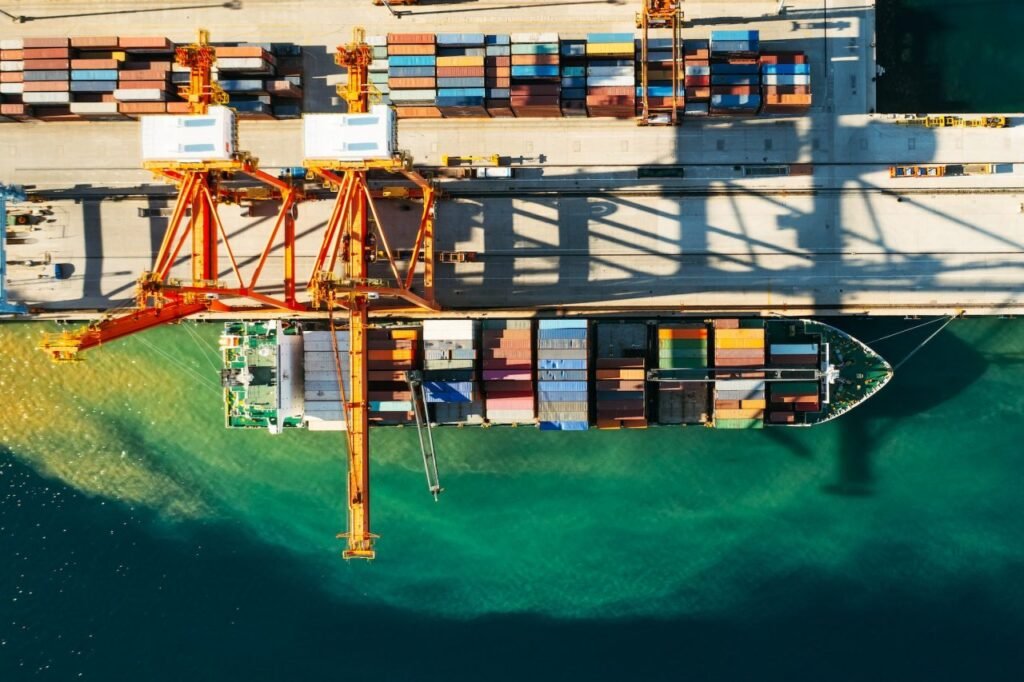
Sea Freight Shipping from China to South Africa
Spara pengar med våra sjöfraktsalternativ med hög kapacitet, perfekta för stora transporter utan brådska.
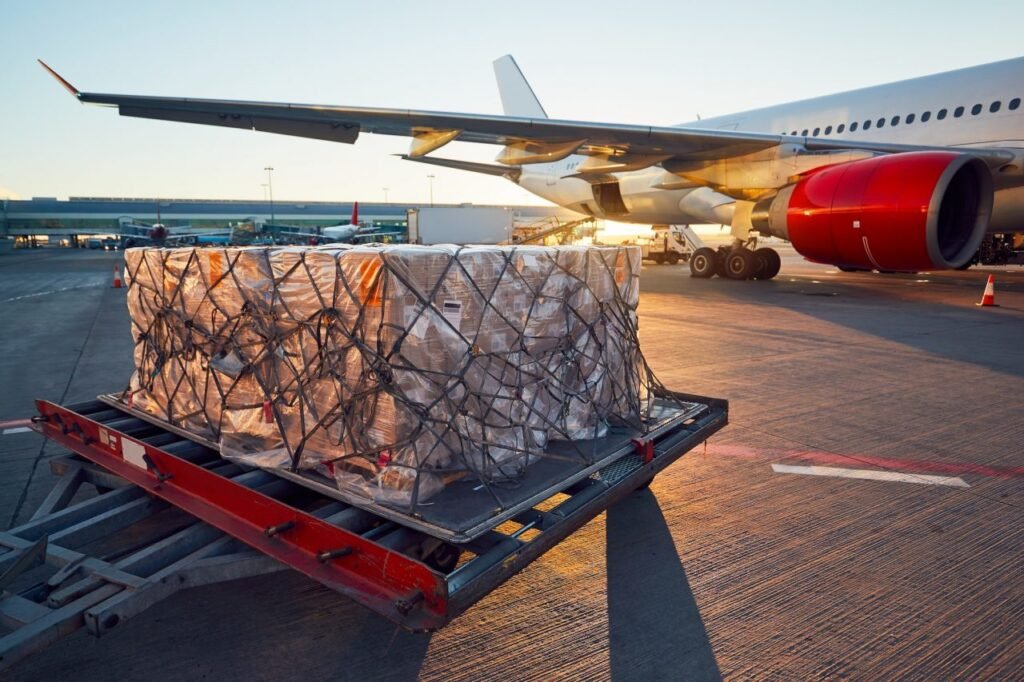
Air Freight Shipping from China to South Africa
Påskynda dina brådskande transporter med våra flygfrakttjänster och se till att ditt företag håller schemat.

Door to Door Shipping from China to South Africa
Upplev problemfri frakt med vår dörr-till-dörr-service som täcker all logistik från upphämtning till leverans.
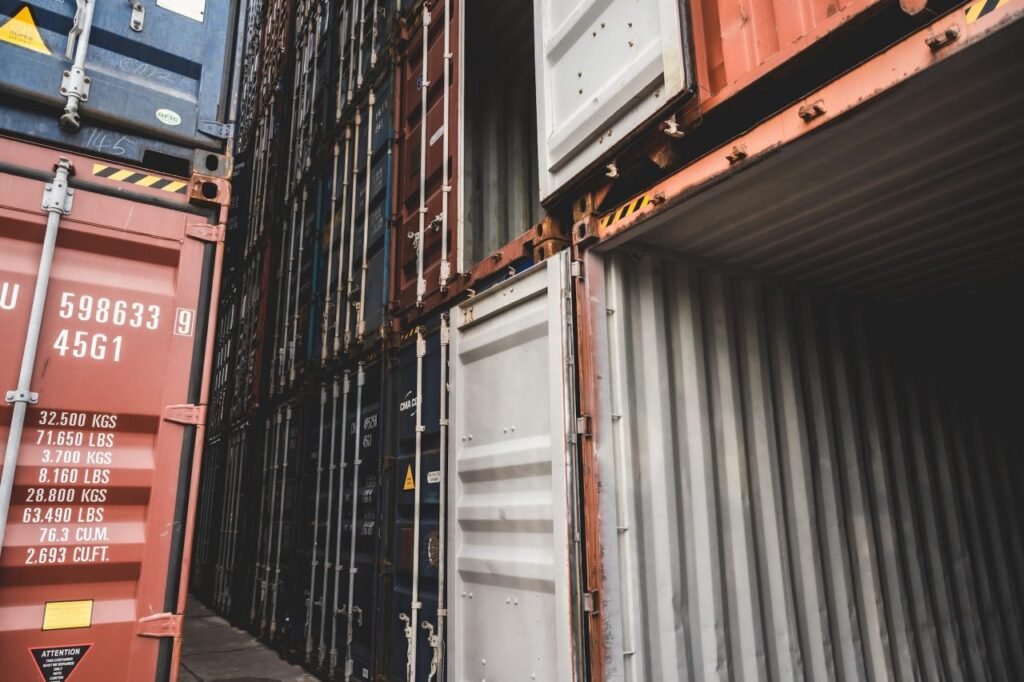
Cheapest Shipping From China to South Africa
Maximera din budget med våra prisvärda fraktlösningar, utformade för att leverera kostnadseffektiv och pålitlig transport.
How long Shipping from China to South Africa
Planera effektivt med vår tydliga och tydliga information om tidslinjer och kostnader, vilket stärker ditt affärsbeslutsfattande.
FCL Shipping From China to South Africa
Mbmlogs FCL-frakttjänst kan säkra dina stora transporter med full containerlast (FCL), vilket säkerställer att din last transporteras tillsammans utan störningar, perfekt för bulkvaror som behöver robust skydd.
LCL Shipping From China to South Africa
Dra nytta av flexibiliteten med LCL-frakt (Less than Container Load), vilket gör att du kan skicka mindre leveranser oftare och hantera lagret effektivt utan att behöva fylla en full container.
Additional services for shipping from China to the South Africa
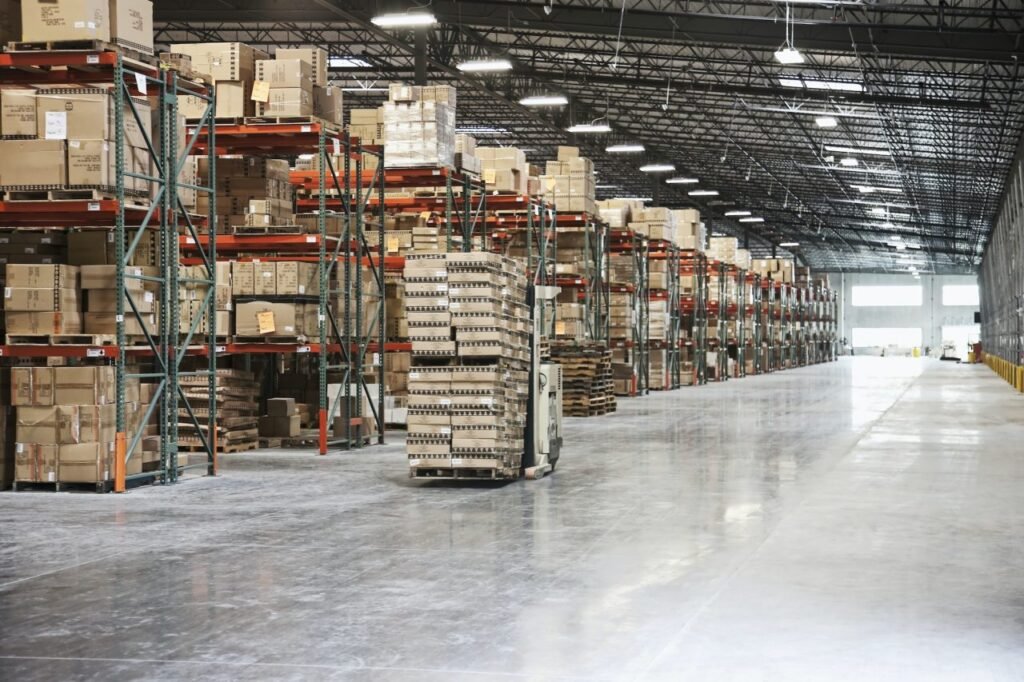
Upphämtning och leverans
Effektivisera din logistik med våra pålitliga upphämtning- och leveranstjänster, vilket säkerställer snabb och effektiv transport från din dörr direkt till destinationen, vilket förbättrar driftshastigheten och tillförlitligheten.

Lager
Använd våra säkra och skalbara lagerlösningar för att säkert lagra dina varor. Vi erbjuder flexibla förvaringsalternativ som anpassar sig till dina affärsbehov och hjälper till att optimera lagerhantering och tillgänglighet.

Fraktförsäkring
Skydda dina investeringar med en omfattande fraktförsäkring som ger ekonomisk trygghet och sinnesro mot potentiella transportskador eller förluster, vilket säkerställer smidiga och riskfria fraktoperationer.
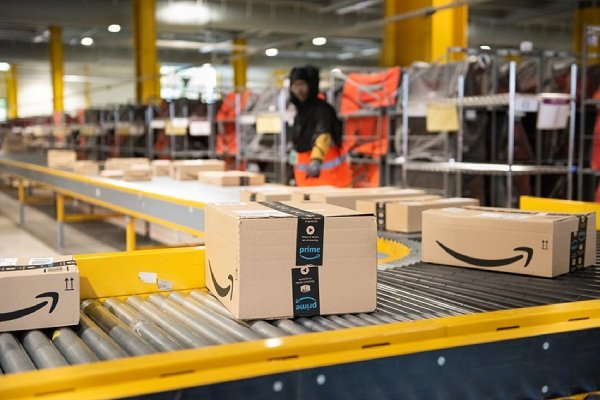
Leverans till FBA-lager
Underlätta sömlös integration med Amazons nätverk genom våra specialiserade frakttjänster till FBA-lager, optimera din distributionsstrategi, minska hanteringstider och öka din försäljningspotential.

Tullklarering
Påskynda dina internationella transporter med våra experttjänster inom tullklarering, minimera förseningar och säkerställa efterlevnad av alla globala handelsregler, vilket förenklar dina import-/exportprocesser.
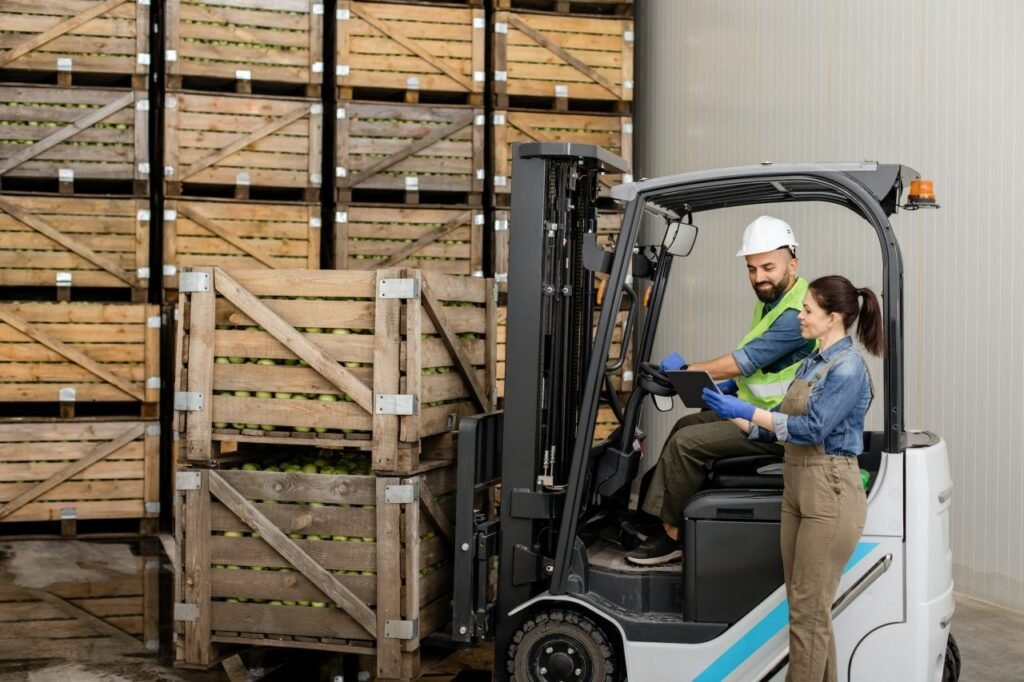
Lastningsinspektion
Säkerställ dina varors kvalitet och skick med våra noggranna lastinspektioner, vilket säkerställer leveransens integritet och förbättrar den totala kundnöjdheten genom att förhindra potentiella problem under transporten.

Expressfrakt
Snabba upp dina leveranstider med våra expressleveransalternativ, perfekta för brådskande leveranser som kräver snabb och pålitlig service, vilket hjälper dig att möta snäva deadlines och överträffa kundernas förväntningar.
Varför välja MBM?
Upplev fördelarna med smidiga förflyttningar
By choosing Mbmlog’s, you gain competitive pricing, reliable and timely deliveries, and 24/7 expert support. Benefit from our 20 years of experience, seamless customs clearance, and free warehouse storage, ensuring your logistics are efficient, cost-effective, and worry-free.
20 års expertis
Mbmlog's offers unparalleled logistics solutions. Our extensive experience ensures efficient, reliable services tailored to meet your diverse shipping needs.
Gratis lager
Njut av upp till 30 dagars gratis lagerförvaring med mbmforwarding. Våra säkra och välorganiserade anläggningar säkerställer att dina varor förvaras säkert.
Expertsupport på engelska dygnet runt
Vi erbjuder expertsupport på engelska dygnet runt, vilket säkerställer smidig och effektiv kommunikation och omedelbar hjälp med alla dina logistikbehov.
Fraktförsäkring
Vårt företag erbjuder heltäckande fraktförsäkringstjänster som skyddar dina transporter med skräddarsydda försäkringsalternativ, vilket garanterar säkerhet och sinnesro under transporten.
På spårningstjänster
Mbmlog's on tracking services provide real-time updates on your shipments, ensuring you always have accurate information about your cargo's status.
Professionell tullklarering
Våra professionella tullklareringstjänster garanterar en smidig och effektiv hantering. Vårt expertteam hanterar all dokumentation och säkerställer att alla föreskrifter följs.