- +8618603825129
- [email protected]

Every week, our logistics team in Zhengzhou handles fragile shipments 1 — glassware, ceramics, lighting fixtures — bound for Amazon warehouses across the USA, and one cracked item can cost a seller hundreds in lost revenue and returns.
The best practices for shipping fragile items safely include wrapping each piece individually with bubble wrap, using sturdy corrugated boxes with full void fill material, applying the double-boxing method for high-value goods, labeling all sides with FRAGILE and THIS SIDE UP markings, and securing shipping insurance to cover potential transit damage.
This guide walks you through the exact steps we use at our warehouse to protect fragile inventory on the long route from China to the USA. Whether you ship via LCL ocean freight 2 or air express, these practices apply.
A client shipping decorative lighting from Guangdong once told me his previous forwarder just tossed the factory cartons into a container — half the order arrived shattered. That conversation changed how we approach every fragile shipment that passes through our consolidation warehouse.
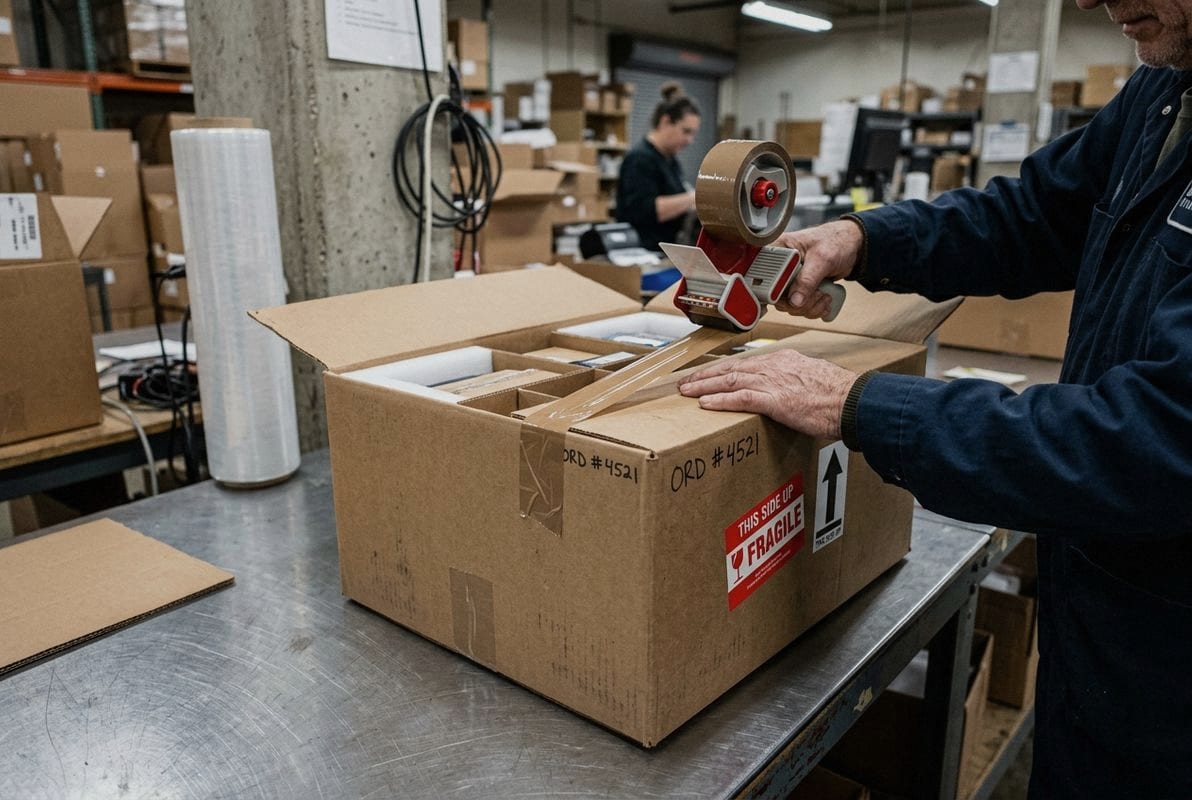
To pack fragile products for the China-to-USA journey, wrap each item individually in bubble wrap or foam inserts, separate pieces with cardboard dividers, fill all box voids with cushioning material, use five-layer corrugated boxes or wooden crates, and seal with reinforced tape using the H-tape method.
International shipping from China to the USA involves many handoff points. Your cargo moves from the factory to a local warehouse, then to a port or airport, through customs, onto a vessel or plane, through US customs, to a domestic carrier, and finally to its destination. Each transfer creates an opportunity for drops, stacking, vibration, and compression. The journey can take 18 to 35 days by sea. Temperature shifts cause condensation inside containers. Rough seas add lateral forces. This is why damage prevention starts at the very first layer of packaging.
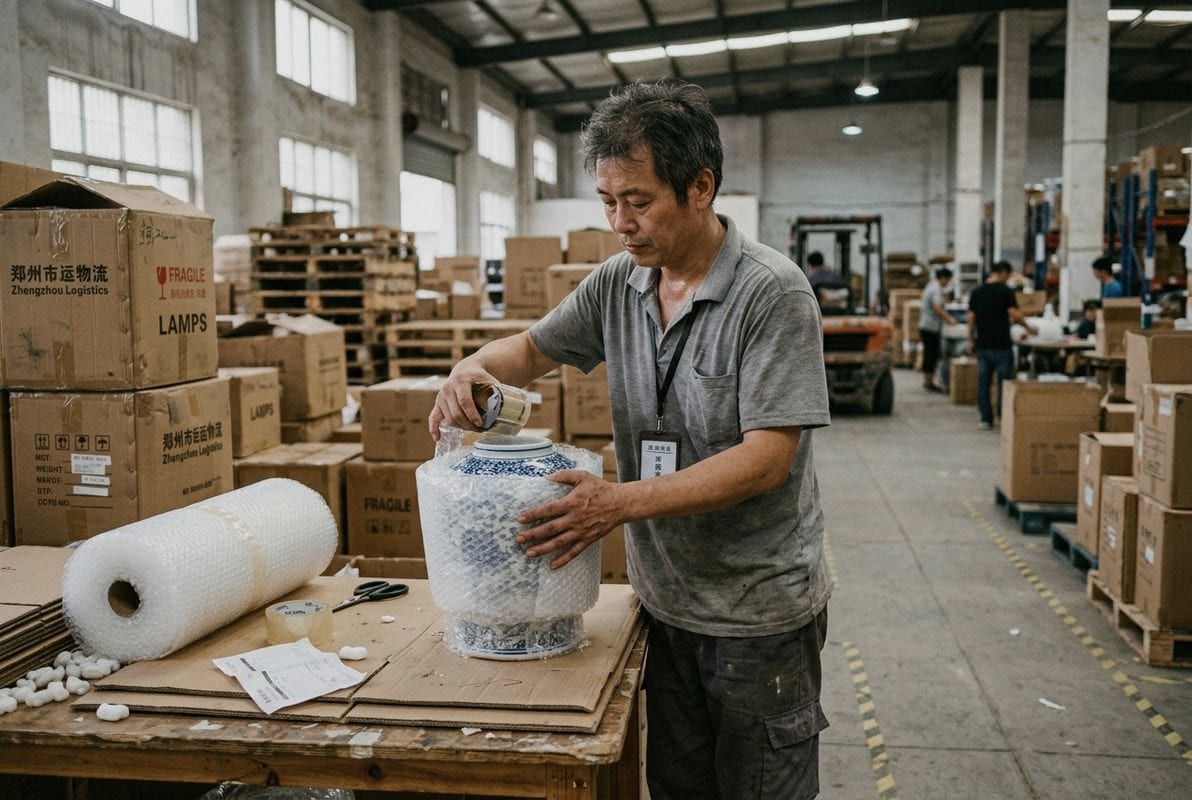
Single-item wrapping is the most critical step. Every fragile piece needs its own cocoon of protection. I recommend at least two to three inches of bubble wrap around each item. Corners and protruding parts need extra layers. For small glass or ceramic pieces, use individual anti-shock bags before the bubble wrap layer.
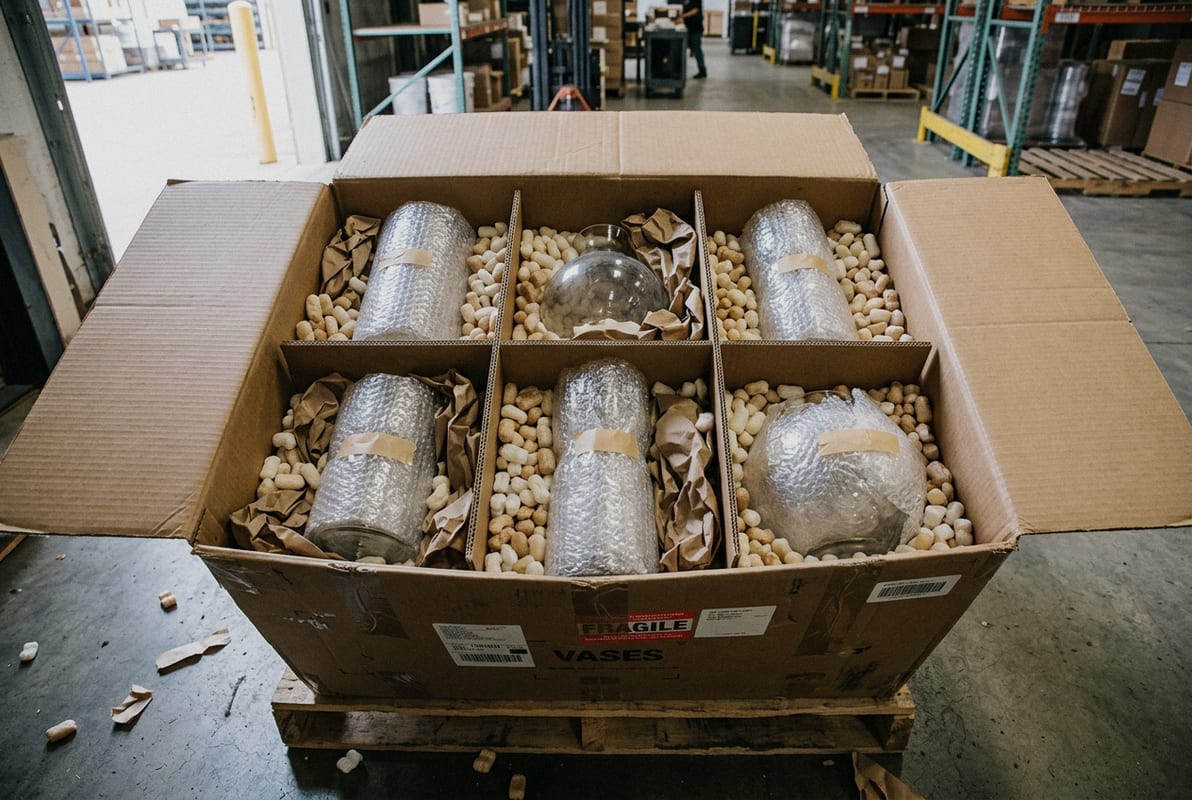
When multiple items share one box, insert rigid cardboard dividers or foam partitions between them. Direct contact between fragile items is the number-one cause of breakage we see at our warehouse. Fill every remaining gap with packing peanuts, air pillows, or crumpled packing paper. The goal is simple: shake the sealed box and hear nothing.
For specialty items like glass panels, lamp shades, or intricate crafts, we advise suppliers to create custom-molded foam inserts 3. These cushioning techniques eliminate movement entirely.
The outer box matters just as much. Here is what we recommend based on cargo weight and fragility:
| Cargo Weight | Recommended Outer Packaging | Key Features |
|---|---|---|
| Under 15 kg | 5-layer corrugated boxes 4 | Snug fit, H-tape seal, internal plastic liner |
| 15–30 kg | Reinforced corrugated or honeycomb boxes | Double-wall minimum, cross-tape seal, moisture barrier |
| Over 30 kg | Plywood or solid wood crates on pallets | Metal clasps, stretch wrap, forklift-ready base |
Box size should match the packed item closely. An oversized box lets contents shift. An undersized box puts pressure on the item. For international courier shipments, keep each piece under 30 kg. Selecting the right cardboard boxes for international shipping is a critical decision that directly impacts whether your fragile items arrive intact.
Seal every box with heavy-duty waterproof tape. Use the H-tape method 5: tape the center seam, then tape both edges. Never rely on regular transparent tape or string. For ocean freight, line the inside of each box with a plastic bag to guard against moisture and condensation.
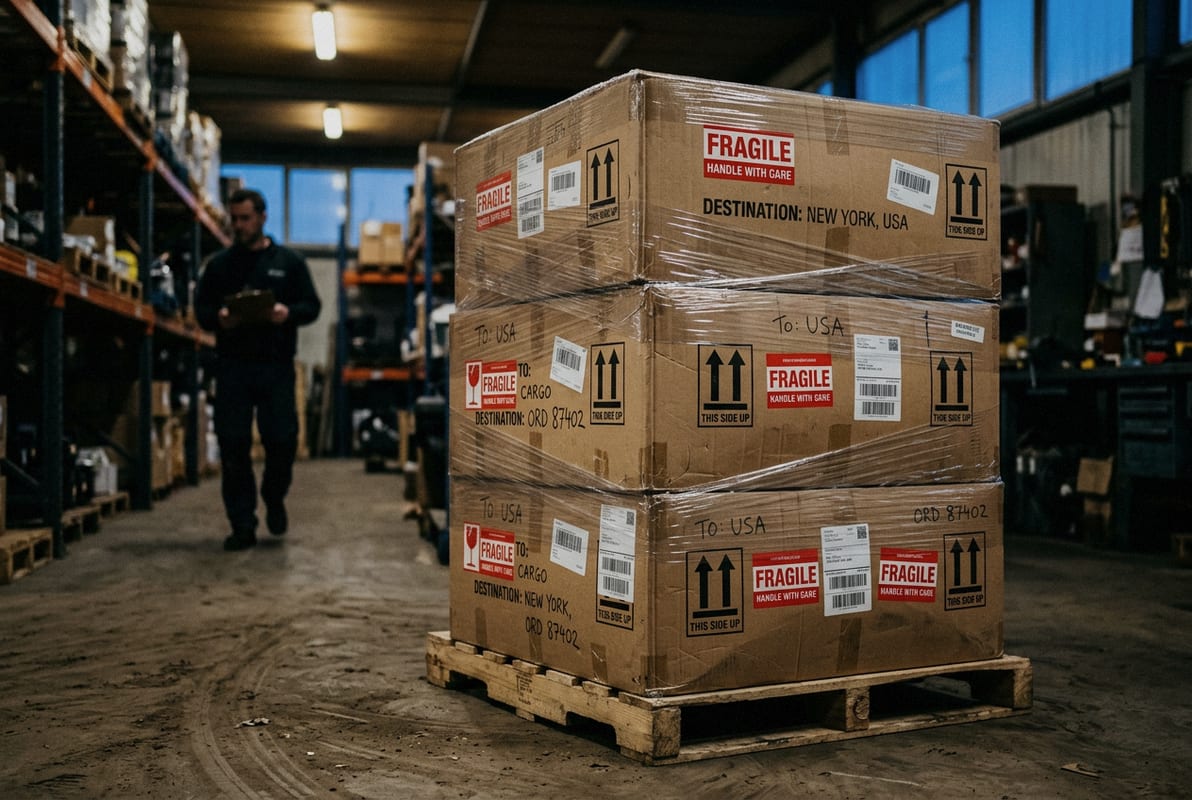
Stick international warning labels 6 on all four sides and the top of every box. Use English text with universal graphic symbols:
| Label | Meaning | Placement |
|---|---|---|
| FRAGILE | Contents are breakable | All four sides + top |
| DO NOT DROP | Prohibit throwing or tossing | Two opposite sides |
| HANDLE WITH CARE | Requires gentle treatment | All four sides |
| THIS SIDE UP ↑ | Indicates correct orientation | Top + two sides |
Make sure these shipping labels do not cover the shipping mark, bill of lading number, destination, or tracking barcode. Position them prominently but away from logistics-critical information.
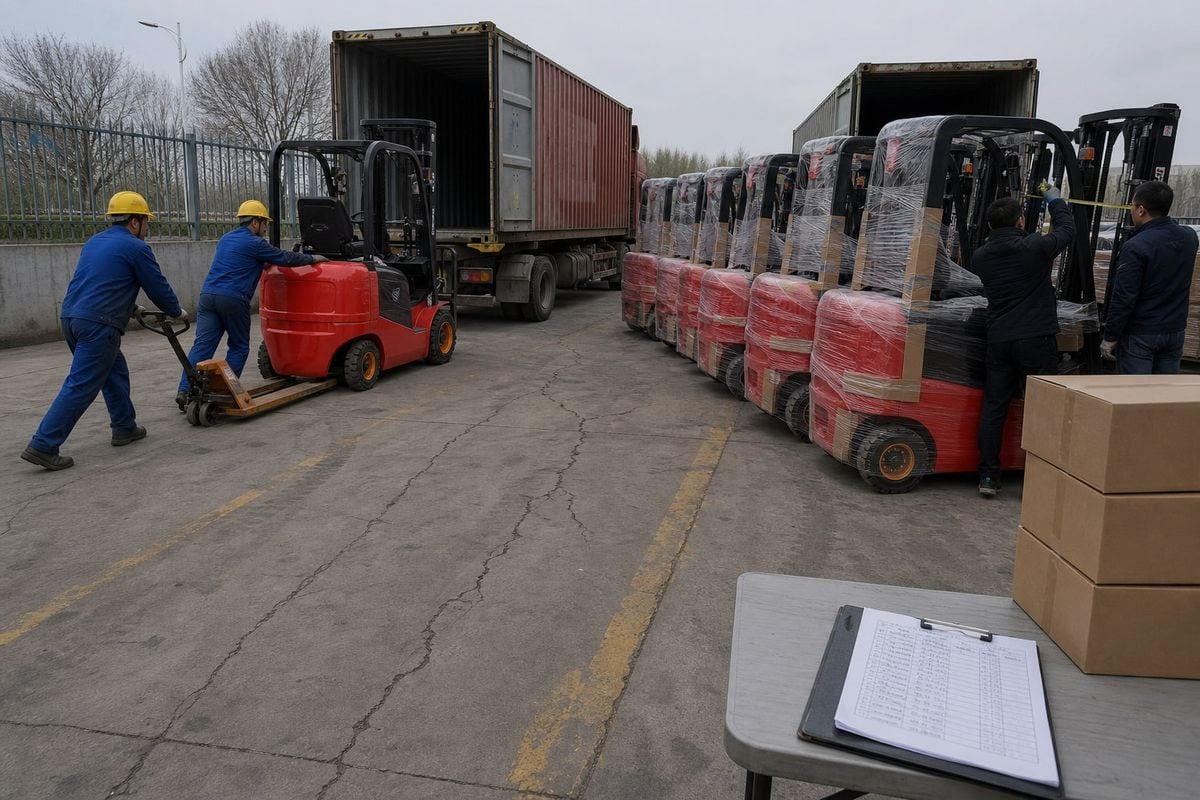
For batch orders, we always palletize. Wood or plastic pallets with stretch-wrapped cartons keep everything stable. This eliminates manual dragging and reduces handler contact. We also flag the shipment in our system as "fragile — no stacking" so every team member along the chain knows.
One real example: a US-based Amazon seller sourced decorative pendant lights from a Chinese factory. The factory shipped in standard cartons. After discussing the risk with the client, we palletized the cartons at our Zhengzhou warehouse before export. We have shipped multiple batches this way with zero breakage. The client keeps coming back.
One trade-off I weigh constantly is cost versus cargo safety — especially for LCL (Less than Container Load) shipments where your fragile boxes share container space with other importers' goods.
For fragile inventory in LCL consolidation, choose a freight forwarder that offers special handling services, palletizes your cargo separately, and places it in a protected position inside the container. Air freight or dedicated FCL containers offer even more control, but LCL works safely when packaging and handling protocols are strict.
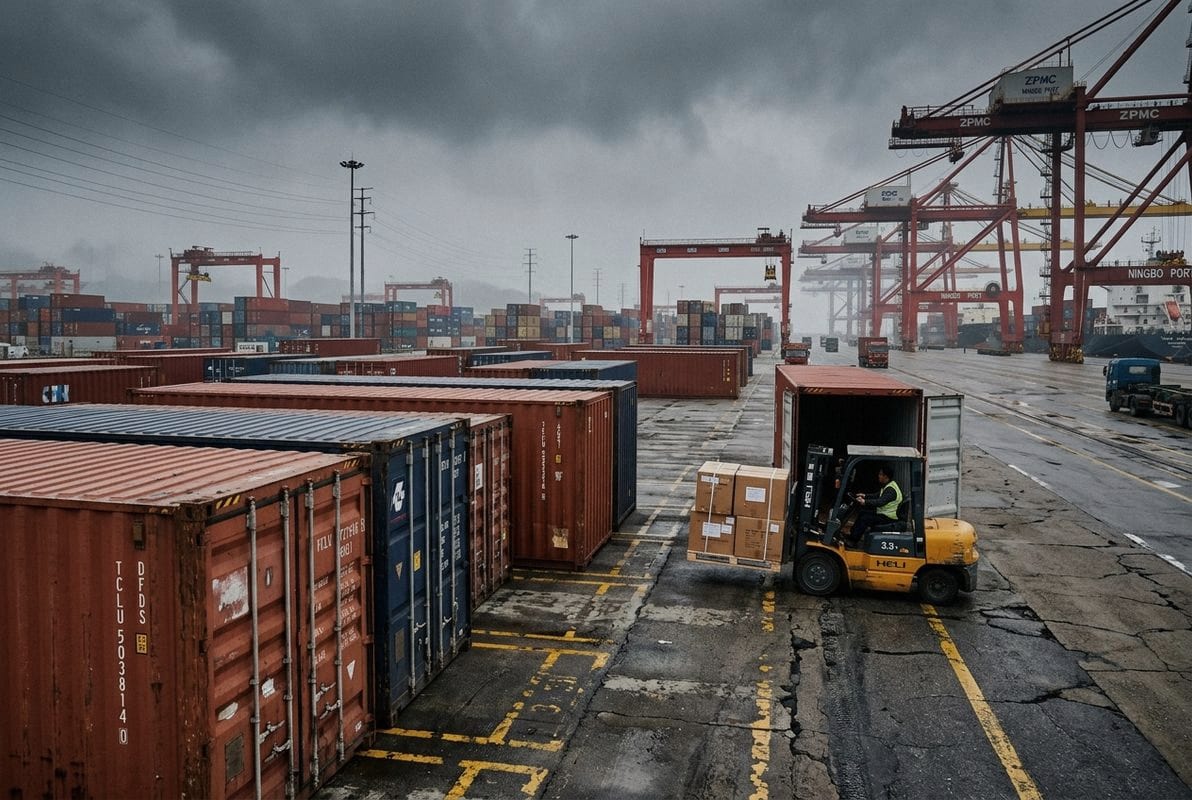
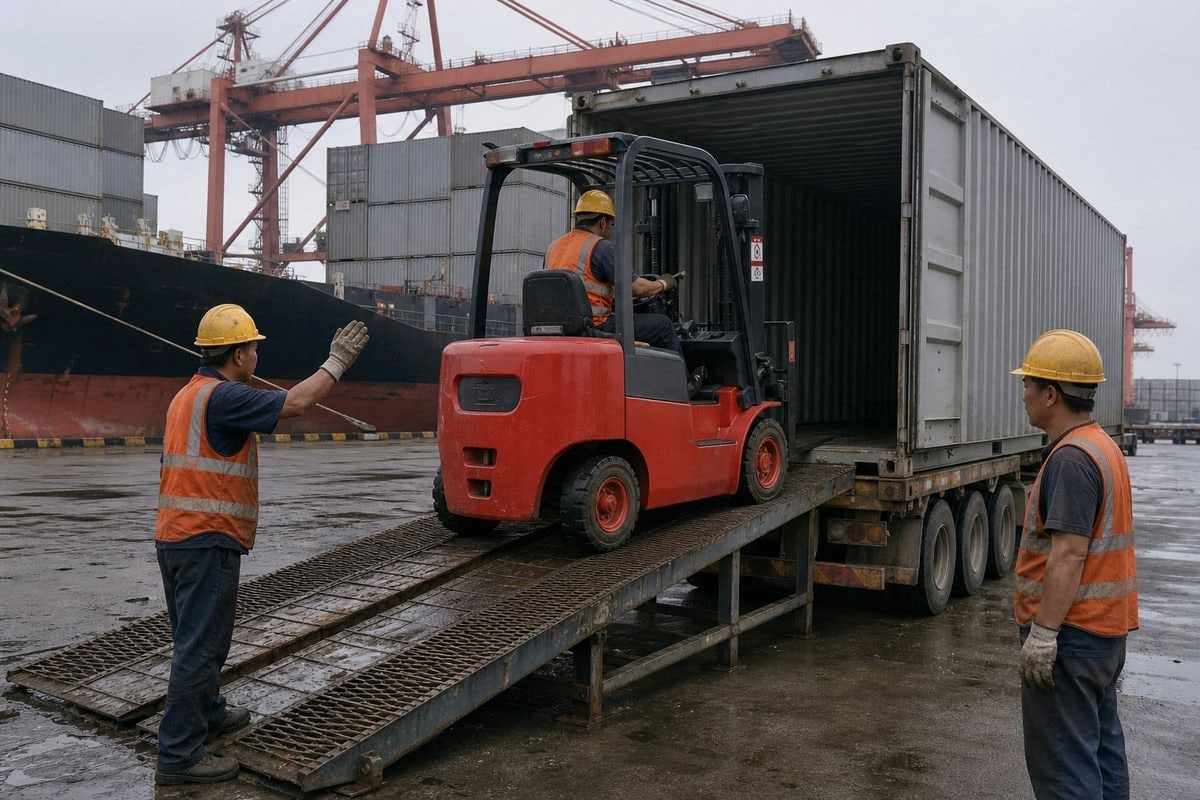
LCL means your cargo shares a container with shipments from other shippers. You cannot control what sits next to or on top of your boxes. Heavy machinery parts might be loaded beside your ceramics. Forklifts move pallets in and out during consolidation and deconsolidation. Each of these moments is a risk.
That said, LCL is often the most cost-effective option for Amazon sellers shipping moderate volumes. The key is how your freight forwarder handles the consolidation process.
| ວິທີການຂົນສົ່ງ | Protection Level | ຄ່າໃຊ້ຈ່າຍ | ດີທີ່ສຸດສຳລັບ |
|---|---|---|---|
| Air Express (DHL, FedEx, UPS) | High — fewer handoffs, faster transit | Highest | Small, high-value fragile items under 30 kg |
| Air Freight (Standard) | Medium-High — airport handling is generally careful | High | Medium batches, time-sensitive inventory |
| LCL Ocean Freight | Medium — depends on forwarder's handling | Moderate | Cost-conscious sellers, bulk fragile goods |
| FCL Ocean Freight | High — you control the entire container | Moderate-High | Large volumes, full pallets of fragile inventory |
First, tell your freight forwarder upfront that the cargo is fragile. At our warehouse, we tag these shipments and brief the loading crew. We position fragile pallets away from heavy cargo and ensure nothing is stacked on top.
Second, palletize everything. Loose cartons in an LCL container are vulnerable. Palletized and stretch-wrapped cargo stays together as a unit. It is easier for handlers to move with a forklift instead of dragging boxes by hand.
Third, consider the courier services and last-mile courier delivery requirements at the US end. If your cargo deconsolidates at a busy port warehouse, the handling may be rough. We coordinate with our US-side partners to flag fragile freight for careful unloading.
Fourth, if your margins allow it, air express through carriers like DHL or FedEx reduces transit time and the number of handoff points. Fewer touches mean fewer chances for damage. For high-value fragile items, this premium is often worth it.
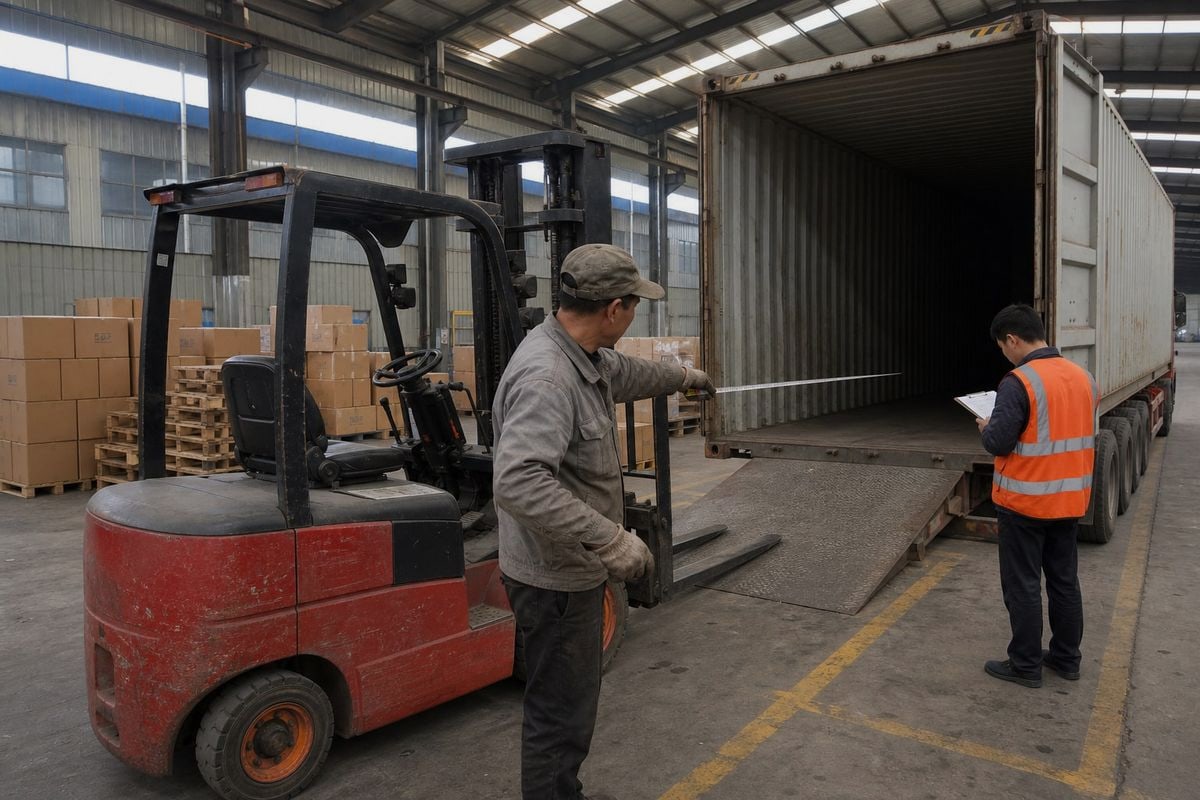
If you ship enough volume to fill a 20-foot or 40-foot container, FCL gives you full control. You decide how cargo is loaded and braced. We can install dunnage, airbags between pallets, and anti-slip mats on the container floor. For sellers who regularly import fragile products, FCL with proper load planning is the gold standard for damage prevention.
A lesson we learned early in our FBA shipping operations: Amazon does not care how far your product traveled. If the packaging does not meet their standards, they reject it at the dock — and you pay for return shipping or disposal.
To meet Amazon FBA requirements for fragile items, ensure each unit has a scannable FNSKU barcode, passes a three-foot drop test without damage, uses a six-sided box with no excess void space, includes FRAGILE stickers, and arrives on GMA-standard pallets with no overhanging cartons.
Amazon expects every product to arrive at their fulfillment center ready to be shelved and shipped to the end customer. For fragile items, this means your packaging must protect the product through Amazon's own internal handling — conveyor belts, robotic sorting, bin storage, and last-mile delivery to the buyer.
ເທ three-foot drop test 7 is the benchmark. Amazon requires that your packaged product can survive a drop from three feet onto a hard surface without the item inside breaking or the box bursting open. If your fragile item cannot pass this test, you need to upgrade your inner cushioning or switch to the double-boxing method 8.
Here is the checklist we review with every client before shipping fragile inventory to an FBA warehouse:
For especially delicate items — think thin glass, porcelain figurines, or electronic displays — we strongly recommend the double-boxing method. Place the individually wrapped and cushioned item in a snug inner box. Then place that inner box inside a larger outer box with at least two inches of void fill material on every side. This creates two layers of shock absorption.
This method adds a small amount of cost and dimensional weight, but it dramatically reduces the chance of a claim or a negative customer review due to a broken product. Amazon's own internal handling is fast and automated. Conveyor belts do not slow down for fragile stickers. The double-boxing method is your insurance against that reality.
I have seen shipments rejected for surprisingly simple reasons. Barcodes covered by tape. Boxes taped with masking tape instead of clear packing tape. Cartons that are too large for the product inside, causing collapse during stacking. Pallets wrapped too loosely, with boxes shifting during truck transit to the warehouse.
We run a final inspection at our warehouse before any FBA shipment leaves China. We check barcode scannability, box integrity, label placement, and pallet stability. This step has saved many of our clients from costly rejections and re-shipping fees.
A buyer interaction last quarter drove this point home for me. A client lost an entire pallet of hand-painted ceramic vases — about $8,000 in product cost — because the ocean carrier mishandled the container. Without proper documentation and shipping insurance 9, recovery would have been nearly impossible.
To protect your business from financial loss on fragile shipments, purchase comprehensive shipping insurance covering full product value, document your packaging process with photos and video, file claims promptly with all required evidence, and work with a freight forwarder experienced in damage claims and customs procedures.
Standard carrier liability is extremely limited. Under international shipping conventions, ocean carriers typically cap liability at around $500 per shipping unit — not per item, per unit. If your pallet holds $5,000 worth of glass products and the carrier damages it, you may recover only a fraction without separate insurance.
Shipping insurance covers the full declared value of your goods. For fragile inventory traveling from China to the USA, this is not a luxury. It is a basic cost of doing business.
| Insurance Type | Coverage | Cost (Typical) | ດີທີ່ສຸດສຳລັບ |
|---|---|---|---|
| All-Risk Marine Insurance 10 | Covers almost all physical damage and loss during transit | 0.3%–0.8% of declared value | High-value or fragile shipments |
| Named Perils Insurance | Covers only specific listed risks (fire, sinking, collision) | 0.2%–0.5% of declared value | Lower-risk, non-fragile cargo |
| Carrier Declared Value | Basic carrier liability, very limited coverage | Included in freight cost | Low-value, replaceable goods |
| Third-Party Insurance | Purchased from an independent insurer, often more flexible | Varies | Sellers wanting broader coverage |
For fragile items, All-Risk is the standard recommendation. It covers breakage, drops, water damage, and most transit-related incidents.
If damage occurs, the claims process requires proof. I always advise clients to document the entire packaging process at the factory or warehouse. Take clear photos showing the item before wrapping, during wrapping, after boxing, and after palletizing. Record a short video if possible.
At delivery, inspect the cargo immediately. Photograph any external damage to boxes or pallets before opening them. If internal damage is found, photograph it in place before removing items. Note the damage on the delivery receipt. File the insurance claim within the carrier's required timeframe — usually 3 to 15 days depending on the carrier and insurer.
We assist our clients with this entire process. Our team prepares the packing list, commercial invoice, bill of lading, photos, and damage reports needed for a successful claim. Having a freight forwarder experienced in claims can mean the difference between full recovery and getting nothing.
Insurance is reactive. You collect after damage happens. Proactive steps reduce the likelihood of needing a claim in the first place:
At our operation, we flag every fragile shipment in our tracking system. Our US-side partners receive advance notice. This proactive chain of communication is a form of damage prevention that costs nothing but attention to detail.
Shipping fragile items safely from China to the USA requires disciplined packaging, the right shipping method, strict FBA compliance, and financial protection through insurance — every step matters, and skipping one puts your entire investment at risk.
1. FedEx provides official guidelines for packing and shipping fragile items safely. ↩︎
2. Provides a clear definition of Less than Container Load (LCL) shipping and its benefits. ↩︎
3. Wikipedia defines molded foam packaging as custom-designed for superior product protection. ↩︎
4. Wikipedia page providing an overview of corrugated box design and uses. ↩︎
5. FedEx illustrates the H-tape method for securely sealing shipping boxes. ↩︎
6. Wikipedia details international pictorial markings and warning labels for handling goods during shipping. ↩︎
7. Wikipedia explains the drop test as a common method for evaluating packaging integrity. ↩︎
8. FedEx provides guidelines for the double-boxing method to protect fragile items during shipping. ↩︎
9. Comprehensive guide explaining what shipping insurance is and its various types. ↩︎
10. Maersk explains "All Risks" policy as comprehensive cargo coverage for various transit risks. ↩︎