- +8618603825129
- [email protected]

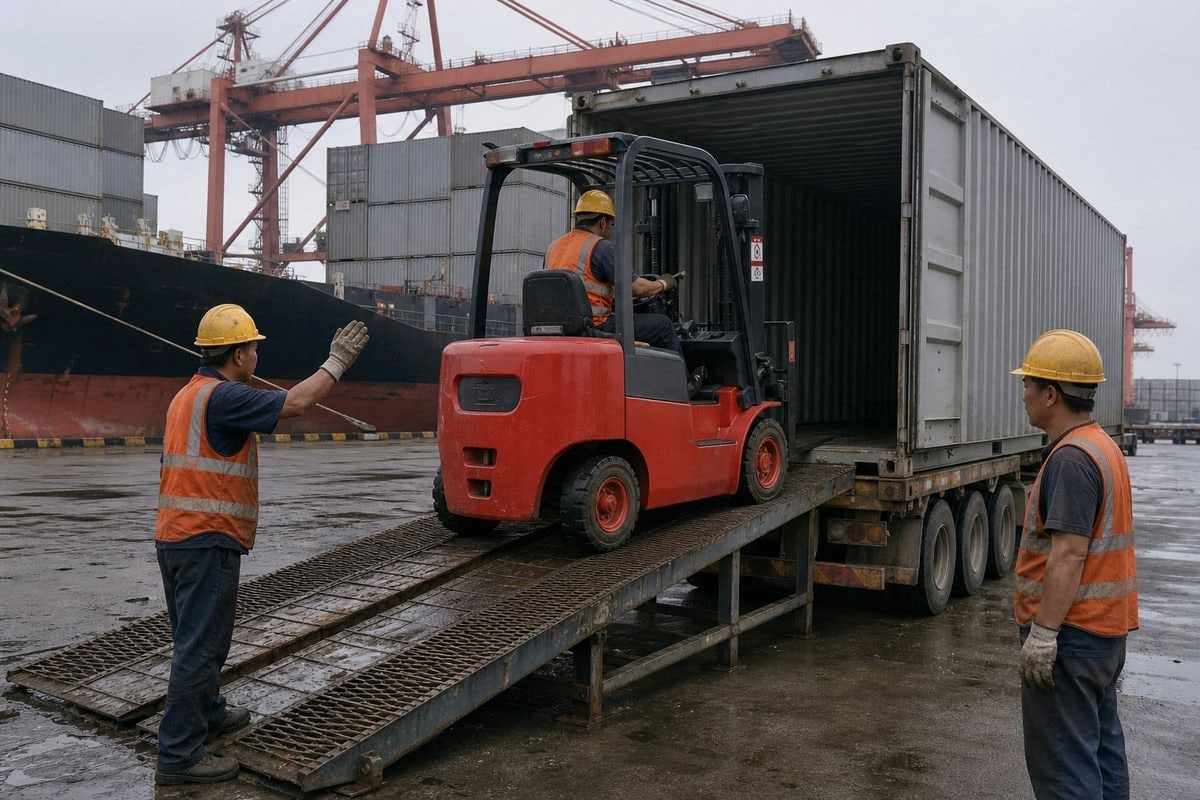
Shipping new vs used [forklifts internationally](https://mbmlog.com/?p=11591) looks identical on paper, but it is not. I learned this early at our Zhengzhou freight forwarding operation. One wrong assumption can strand a machine at a foreign port, rack up demurrage fees, and destroy your resale margin. The good news? Once you understand where the two paths split, the whole process becomes predictable.
To ship new vs used forklifts internationally, both use ocean freight in 20-ft or 40-ft containers or RoRo shipping under HS Code 8427. New forklifts need standard export documents, while used forklifts additionally require steam cleaning, condition inspections, fluid draining, and stronger evidence for customs clearance.
The freight move is similar. The compliance burden is not. Below, I break down the documents, duties, shipping methods, and damage-prevention steps for both categories, based on the shipments we handle every week.
A buyer in Texas once sent me a used forklift file with no serial number on the invoice. Customs held the container for nine days. Paperwork is where used units fail first.
New forklifts require a commercial invoice, packing list, Bill of Lading, and certificate of origin. Used forklifts need the same documents plus the serial number, engine condition statement, pre-shipment inspection report, and biosecurity cleaning certification. Electric models of either type also require UN38.3 and SDS battery documents.
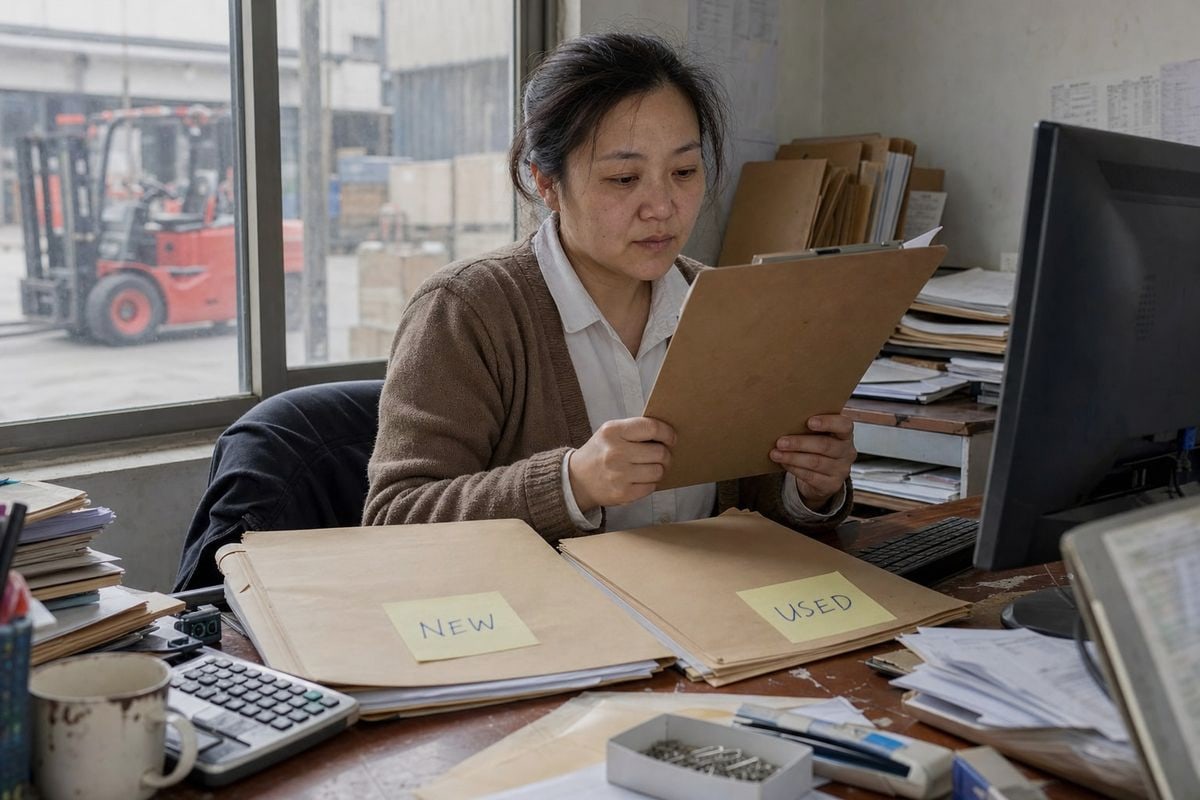
The core document set is shared. The difference is how much proof each document must carry. When we prepare export files for new units leaving Chinese factories, the manufacturer's specs, model number, and factory paperwork usually satisfy customs. The condition is predictable, so questions are few. Used units flip that logic. Border officers assume nothing, so your file must prove everything.
Every forklift shipment we book, new or used, needs a commercial invoice, a packing list with exact dimensions and weights, a ໃບບິນຄ່າຂົນສົ່ງ 1 for ocean freight, and a certificate of origin. Your Incoterms should be stated clearly on the invoice, because they define who pays which charge and where risk transfers.
For used machines, the invoice and packing list should explicitly state the serial number and engine condition. This one detail speeds customs clearance dramatically. We also recommend a third-party pre-shipment inspection report 2 with dated photos, plus pre-shipment biosecurity certification at the origin port. That certification fast-tracks the machine through destination quarantine and helps you avoid unpredictable port storage fees.
| ເອກະສານ | New Forklift | Used Forklift |
|---|---|---|
| Commercial invoice | Required | Required, must state serial number and condition |
| Packing list | Required | Required, with disassembly notes |
| ໃບບິນຄ່າຂົນສົ່ງ | Required | Required |
| Certificate of origin | Required | Required |
| Pre-shipment inspection report | Rarely needed | Strongly recommended |
| Biosecurity cleaning certificate | Not usually needed | Often required |
| UN38.3 + SDS (electric models) | Required | Required, plus battery condition record |
For electric forklifts, lithium batteries 3 can trigger dangerous goods rules. UN38.3 test summaries and SDS sheets must be ready before booking, or carriers may reject the cargo. We verify these before any container is loaded.
There is a trade-off I discuss with every buyer: a used forklift saves money at purchase, but customs risk can quietly claw back part of that saving.
Both new and used forklifts are classified under HS Code 8427, so the base duty rate is usually identical. However, used forklifts face more valuation questions, stricter compliance checks like EPA engine standards, and higher inspection risk, which can add costs. ATA Carnets can waive duties for temporary imports.
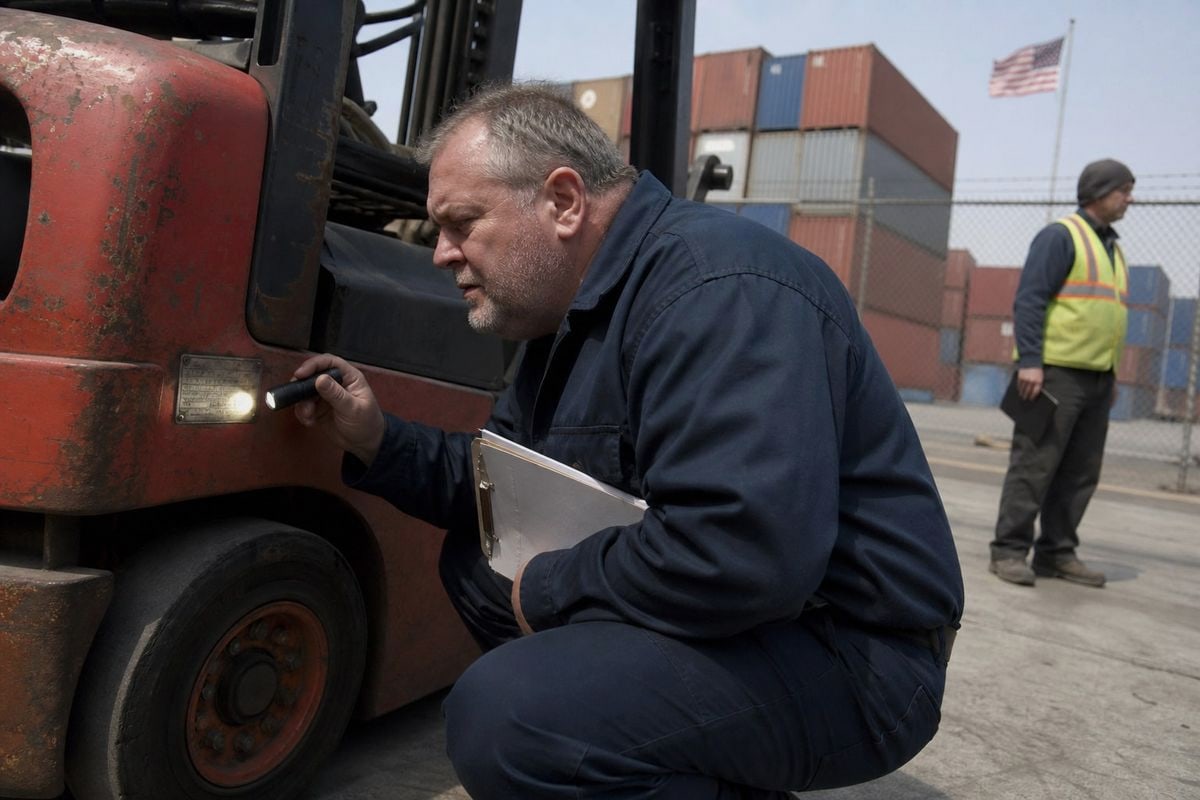
The tariff classification itself does not care about age. HS Code 8427 covers forklift trucks, and it dictates the duty rates, tax obligations, and regulatory requirements at the destination. So a new unit and a five-year-old unit of the same model often carry the same duty percentage. Where they diverge is everything around that percentage.
New forklifts have factory invoices that match published price lists, so customs accepts the declared value quickly. Used forklifts have negotiated prices that can look suspiciously low. Officers may question the value, request condition proof, or reassess import duties and taxes upward. This is why the inspection report and dated photos matter — they defend your declared value.
For internal-combustion units heading to the United States, EPA engine standards 4 apply, and older used engines may not qualify for import at all. Electric forklifts sidestep engine emissions entirely, which is one reason our US-bound electric forklift volume from China keeps growing. For US ocean shipments, remember the ISF filing must be submitted 24 hours before the vessel departs from China. We handle this for clients, because a missed ISF creates penalties before the ship even sails.
If you are shipping a used forklift for a short-term overseas project, Temporary Admission under an ATA Carnet can legally avoid paying full import duties and taxes, provided the machine is re-exported within the allowed window.
| Duty Factor | New Forklift | Used Forklift |
|---|---|---|
| HS Code | 8427 | 8427 |
| Base duty rate | Standard | Usually the same rate |
| Valuation questions | Rare | Common |
| Emissions compliance | Current standards, straightforward | Older engines may fail EPA rules |
| Physical inspection risk | Low | Higher |
| ATA Carnet eligibility | Possible | Common for project equipment |
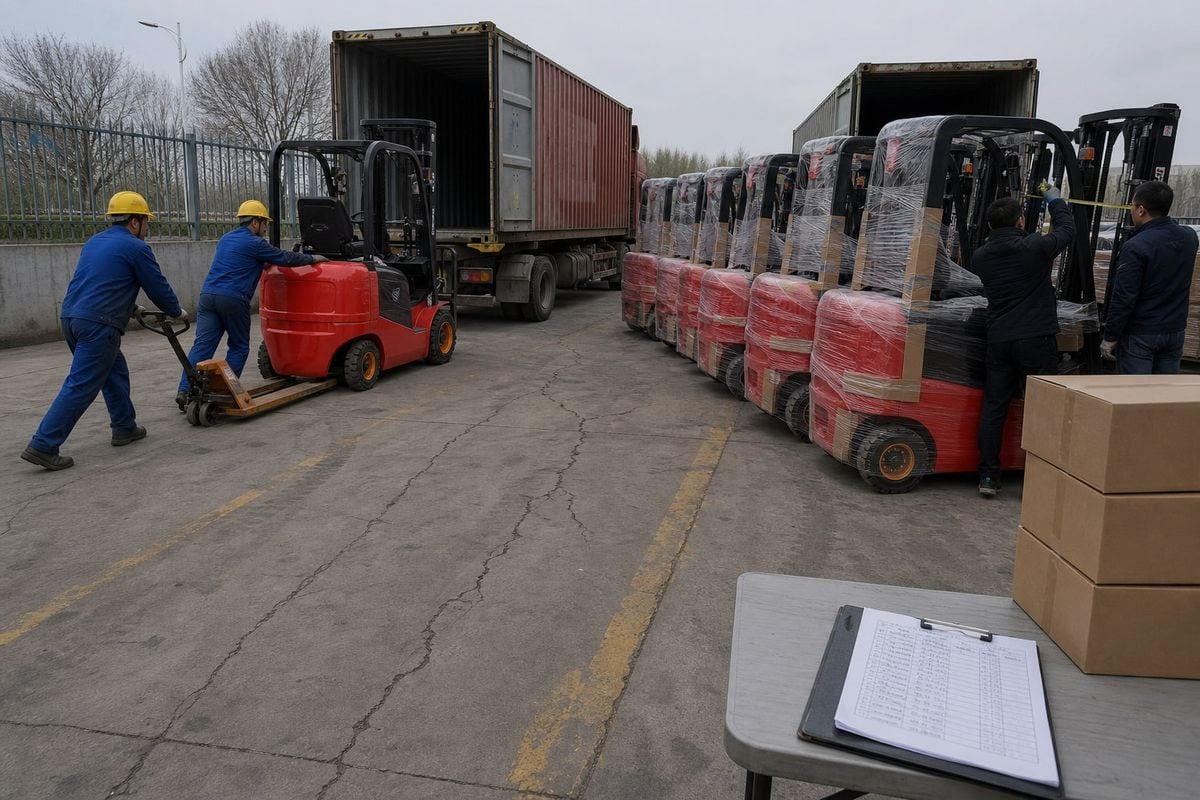
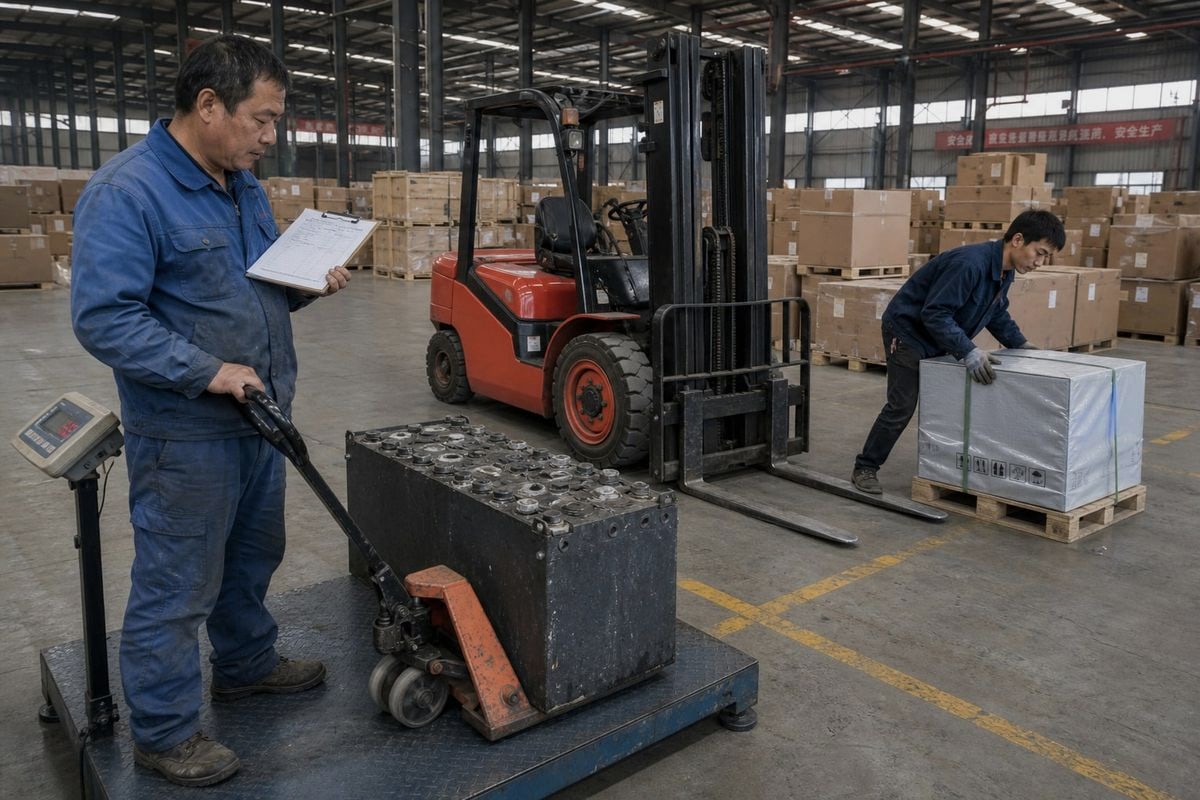
When we plan container loading for forklift fleets at our warehouse near the port, the first question is never price. It is dimensions, battery type, and mast height.
A standard 20-ft or 40-ft dry container is best for most new and used electric forklifts, offering full protection and easy securing. Use a flat rack container for oversized units, RoRo shipping for large drivable machines, and air freight only for compact or urgent shipments.
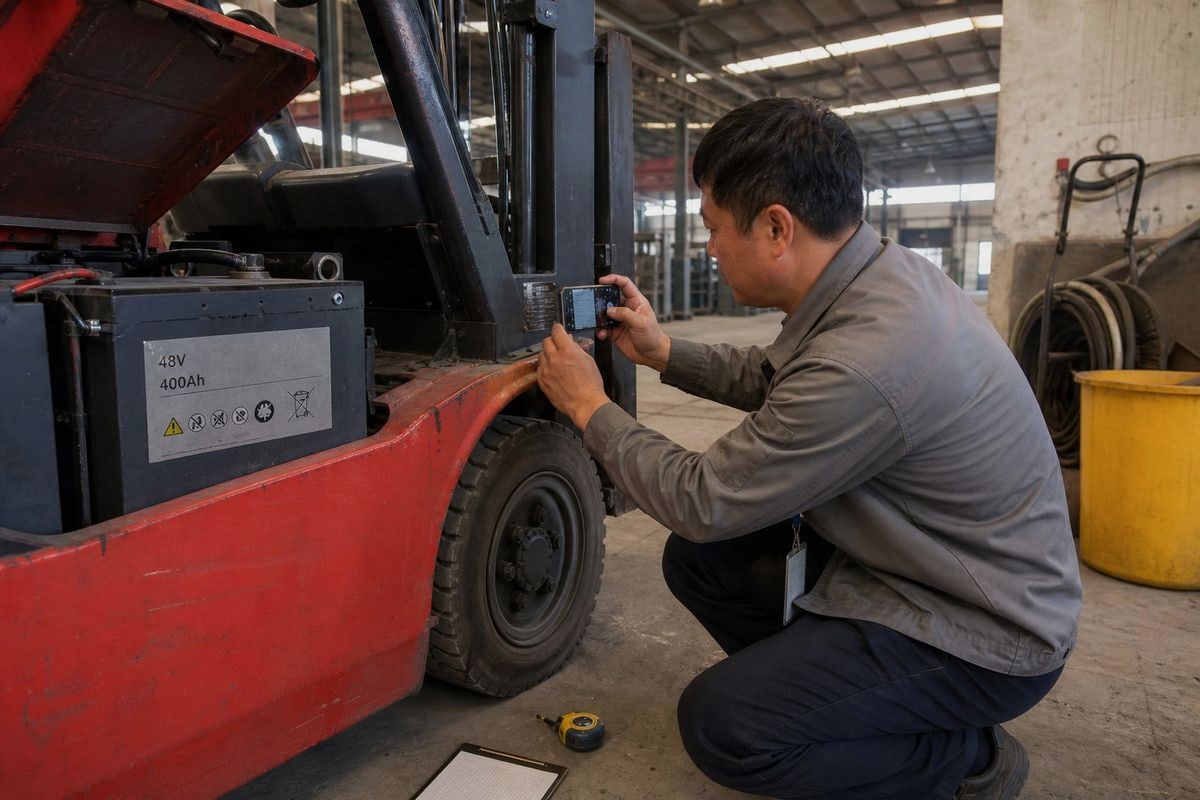
Here is how I rank the options for most buyers:
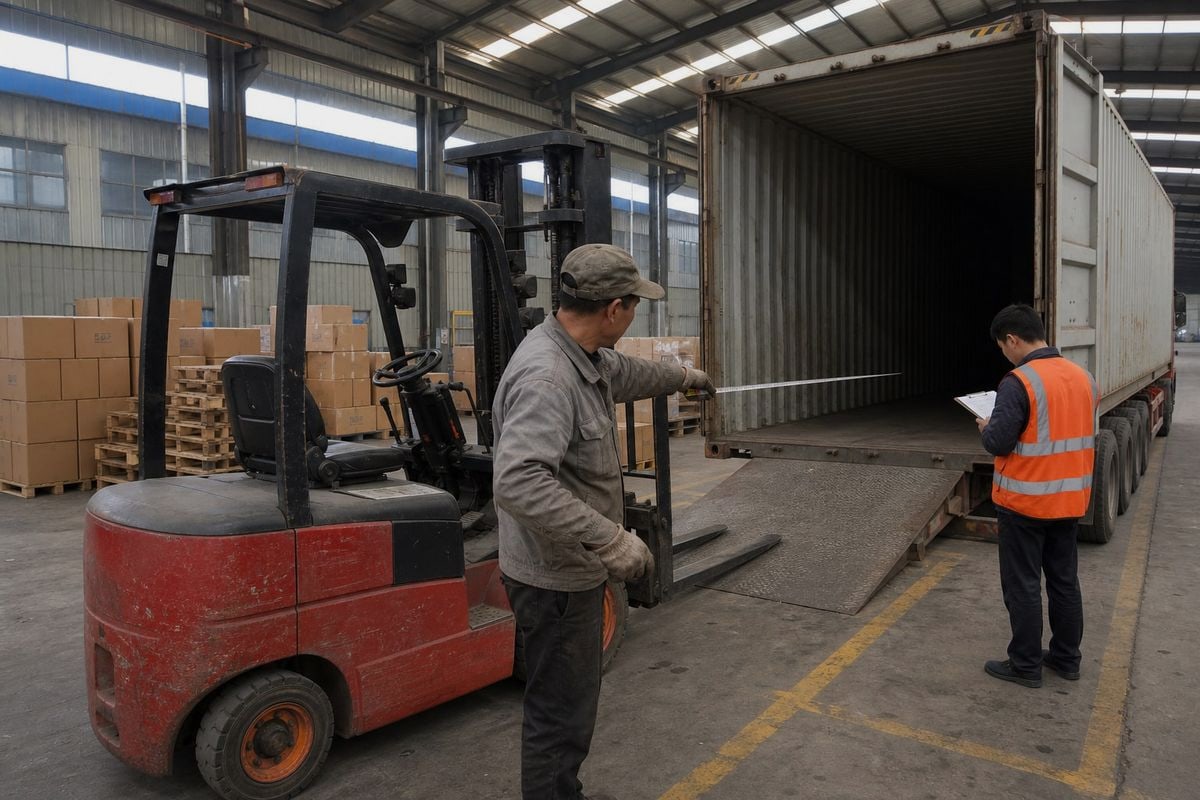
Electric forklifts carry lithium batteries, which can classify the shipment as DG cargo. Carriers want UN38.3 test summaries and SDS sheets at booking. A sealed container gives the carrier confidence, protects the battery from moisture, and lets us secure the machine with chains, dunnage, and blocking. Before loading, we lower the mast to its minimum height, which reduces shipping volume and often lets a unit fit a standard container instead of an expensive flat rack.
For used electric forklifts, I lean harder toward containers. RoRo means the machine is driven aboard and exposed to weather and multiple handlers. A used unit with an aging battery or worn brakes adds risk in that environment. Container loading, done by our own coordinated teams in China, keeps handling controlled and documented. Whichever method you choose, marine insurance is non-negotiable for equipment at this value level — the premium is small against the replacement cost.
Years ago, a poorly braced used forklift shifted in transit on a shipment we inherited mid-route. The counterweight punched the container wall. That lesson shaped our securing checklist ever since.
Reduce damage risk by steam cleaning the forklift, draining fuel and disconnecting batteries, lowering the mast, calculating the rear-skewed center of gravity for correct lashing, applying vapor corrosion inhibitors to electrical components, and using chains, dunnage, and blocking inside the container.
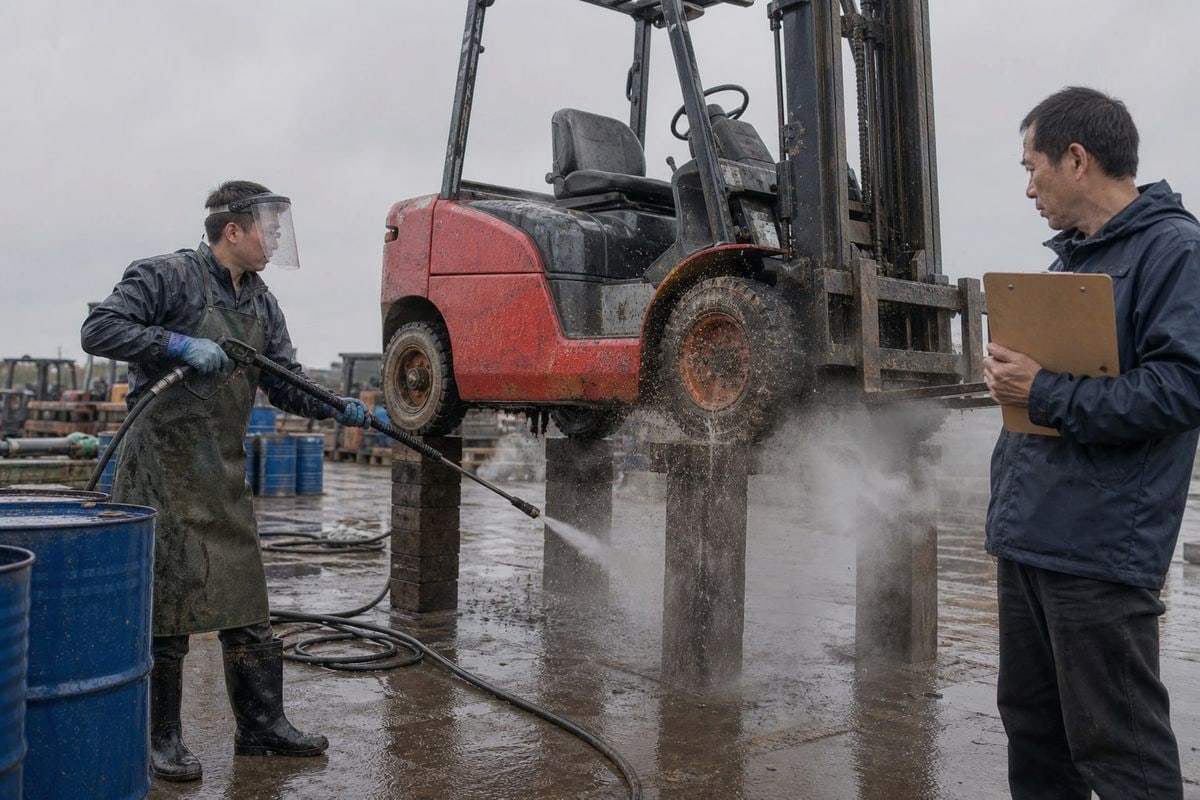
Damage prevention for used machinery starts weeks before the vessel sails. It splits into three phases: preparation, securing, and monitoring.
Steam cleaning for export is not cosmetic. International biosecurity regulations require used machinery to be free of soil, seeds, and organic residue, and quarantine officers will reject dirty machines. Clean the undercarriage, tire treads, and mast channels thoroughly. Then drain fuel to minimal levels, disconnect propane tanks and batteries, and lower the mast fully. Inspect hydraulic lines, brakes, steering, and fuel systems, and remove or secure loose parts. For long ocean legs, we apply vapor corrosion inhibitors (VCI) to internal electrical and mechanical components, because salt-air degradation quietly ruins used electronics over a multi-week voyage.
A forklift's center of gravity sits skewed toward the rear counterweight. Lashing points and chain angles must account for that, or the machine can pivot during heavy seas. We block and brace around the wheels, chain to container floor rings, and add dunnage against contact points. Our container loading teams photograph every step for the file.
Modern units allow in-transit telematics, using the forklift's own IoT sensors to track shock, tilt, and humidity door-to-door. On arrival, inspect before signing off: check for scratches, leaks, mast alignment, battery damage, and run a full function test. Pair all of this with cargo insurance, and pre-plan inland trucking so the machine does not sit exposed at the port.
| Risk | Prevention Step |
|---|---|
| Quarantine rejection | Steam cleaning and biosecurity certification at origin |
| Fire or leakage | Drain fuel, disconnect batteries and propane |
| Shifting in transit | Lashing calculated around rear center of gravity |
| Corrosion | VCI treatment on electrical and mechanical parts |
| Undetected transit damage | Telematics monitoring plus arrival inspection |
| Financial loss | Marine insurance covering the full landed value |
New forklifts are easier to ship; used forklifts are easier to under-document. Master the paperwork, duties, method choice, and securing steps, and both arrive safely and profitably.
1. Authoritative UN body providing guidance on international maritime transport documents like the Bill of Lading. ↩︎
2. International organization that sets rules for pre-shipment inspections to facilitate fair global trade practices. ↩︎
3. US agency responsible for safety regulations regarding the transport of hazardous materials, including lithium batteries. ↩︎
4. Official US government agency regulating engine emission standards for imported vehicles and heavy machinery. ↩︎