- +8618603825129
- [email protected]

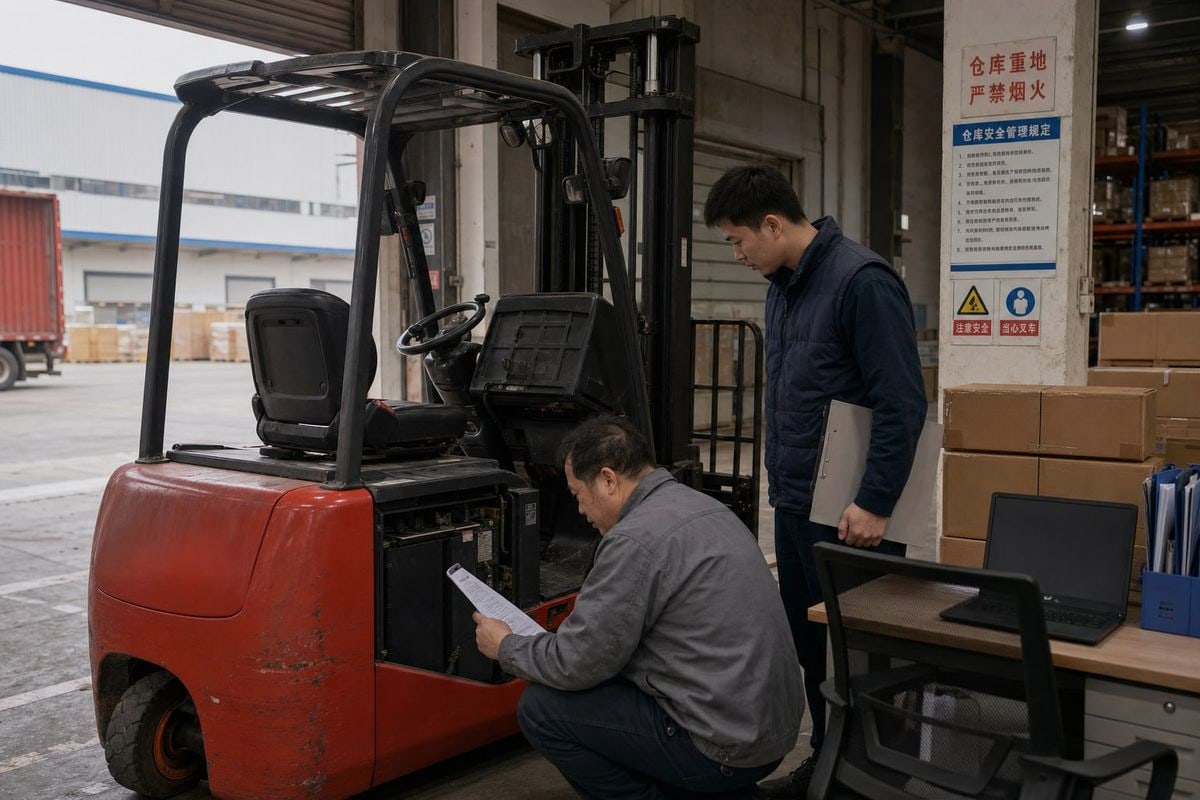
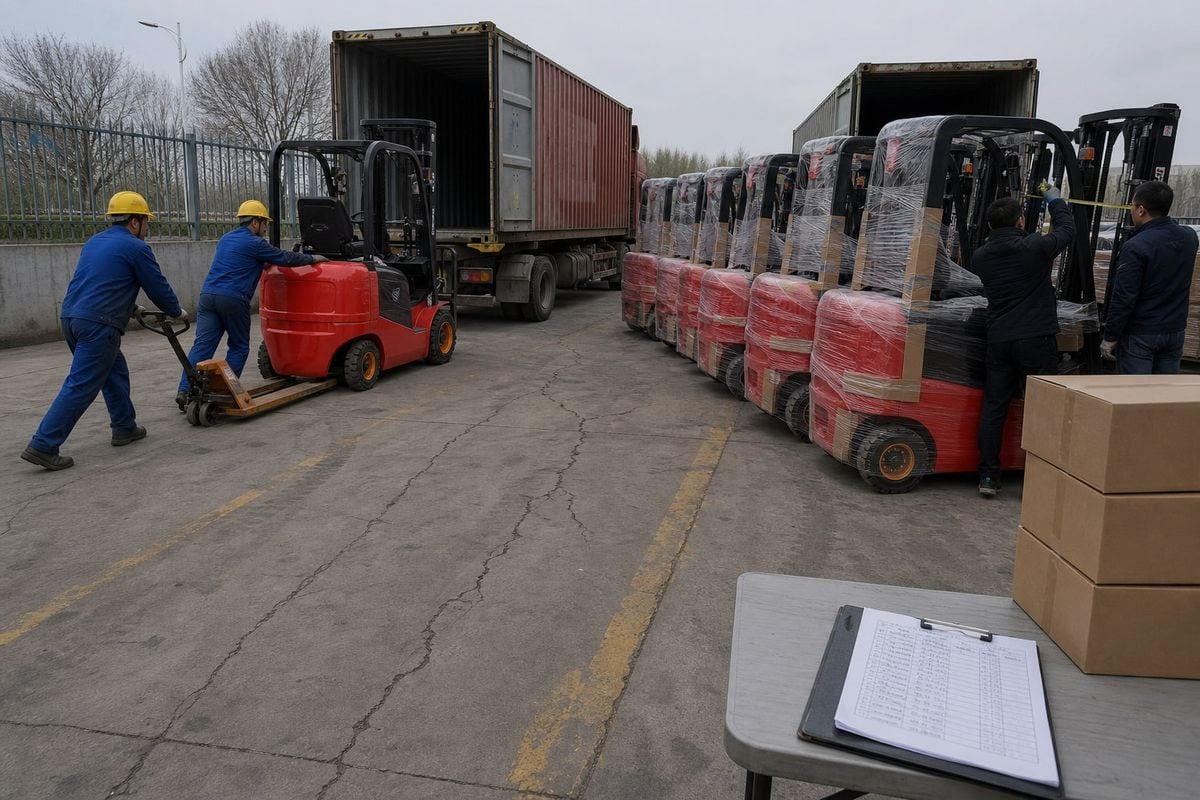
Buyers often ask me whether an MSDS is needed to ship an electric forklift. At our Zhengzhou logistics office, this question comes up before almost every forklift booking. Miss the paperwork, and your container sits at port racking up fees.
You do not need an MSDS for the electric forklift body itself, but you usually need a Safety Data Sheet for its battery. Lithium-ion and lead-acid batteries are regulated as dangerous goods, so carriers require battery-specific safety and transport documents before accepting the shipment.
That short answer hides several important details. The battery chemistry, the shipping mode, and the destination country all change what documents you need. Let me walk you through each part, based on the forklift shipments we handle from China every week.
A shipment we coordinated last year taught me a hard lesson. The factory sent a beautiful forklift but no battery paperwork, and the carrier rejected the booking at the loading terminal.
Before shipping a lithium battery forklift, your supplier should provide a battery Safety Data Sheet, a UN38.3 test summary, battery specifications, and packing details. The forwarder then prepares the Dangerous Goods Declaration and booking documents based on that information.
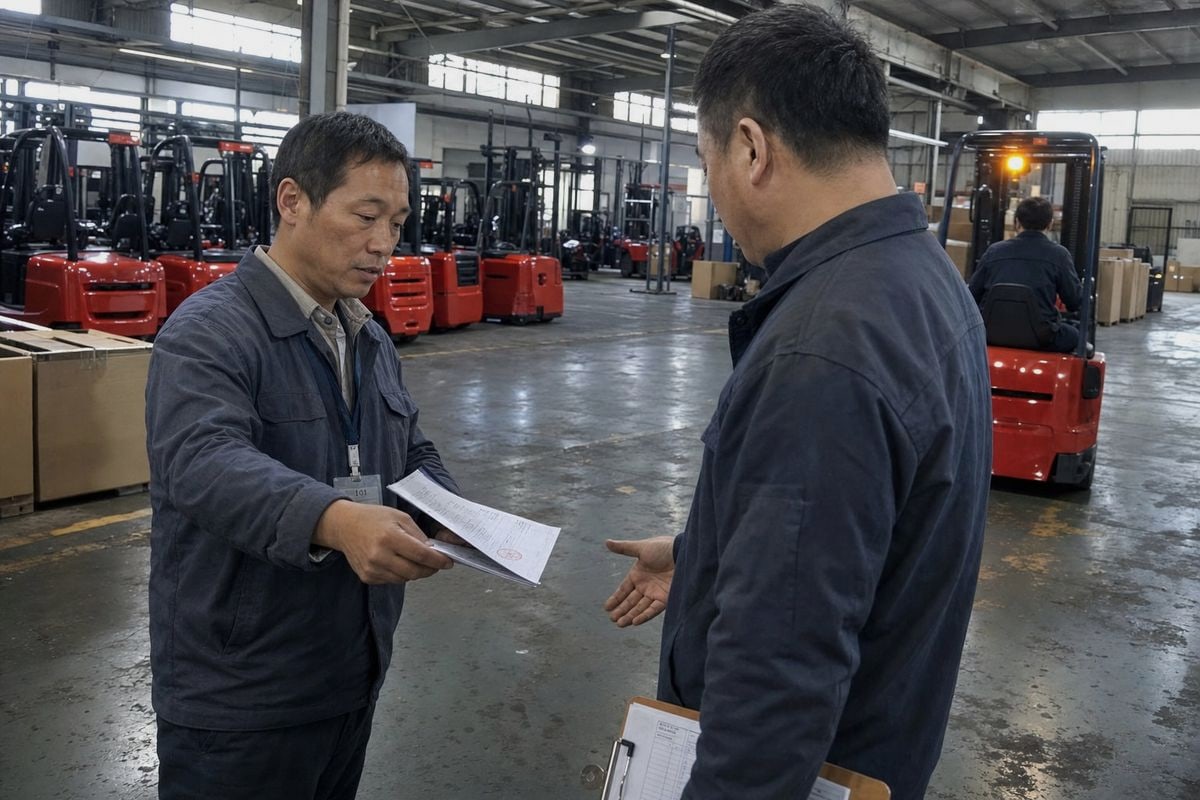
The supplier holds the technical knowledge about the battery. The forwarder holds the knowledge about carrier and port requirements. Both sides need to contribute documents, and the process works best when they start early.
Here is the document set we request from Chinese forklift factories before we book ocean freight:
| Document | Who provides it | Why carriers ask for it |
|---|---|---|
| Battery Safety Data Sheet (SDS/MSDS) | Battery or forklift factory | Confirms hazard class, chemistry, and handling rules |
| UN38.3 test summary | Battery manufacturer | Proves the lithium battery 1 passed UN transport safety tests |
| Battery specification sheet | Factory | Shows voltage, watt-hours, and cell configuration |
| Commercial invoice and packing list | Factory or forwarder | Needed for export declaration and customs clearance |
| Dangerous Goods Declaration | Freight forwarder | Formal declaration required under the IMDG Code 2 for ocean freight |
An electric forklift with an installed lithium battery is generally classified under UN3171, battery-powered vehicle, as Class 9 Dangerous Goods. This is different from UN3480 Lithium Ion Batteries, which applies to batteries shipped alone. The UN Number matters because it determines the packing instructions, labels, and stowage rules the carrier will apply.
We also check for what I call hidden hazards. Some modern forklifts carry small fire suppression canisters or telematics backup batteries. Each of these auxiliary items may need its own SDS documentation. Factories rarely mention them unless we ask directly, so we send a standard question list to every supplier before pickup.
One more practical point. The SDS must be GHS-compliant and current. Carriers regularly reject SDS files that are more than a few years old or missing the transport information section. We review every SDS before submitting the booking, because fixing it after cargo reaches the port is slow and expensive.
The trade-off I weigh on every forklift booking is simple: over-document and slow the factory down, or under-document and risk a port rejection. Battery chemistry decides which documents actually matter.
Check the battery type. Lithium-ion forklifts require both an SDS and a UN38.3 test summary. Lead-acid forklifts require an SDS but no UN38.3 report. Air and ocean shipments always demand this paperwork, while some domestic ground moves allow exceptions.
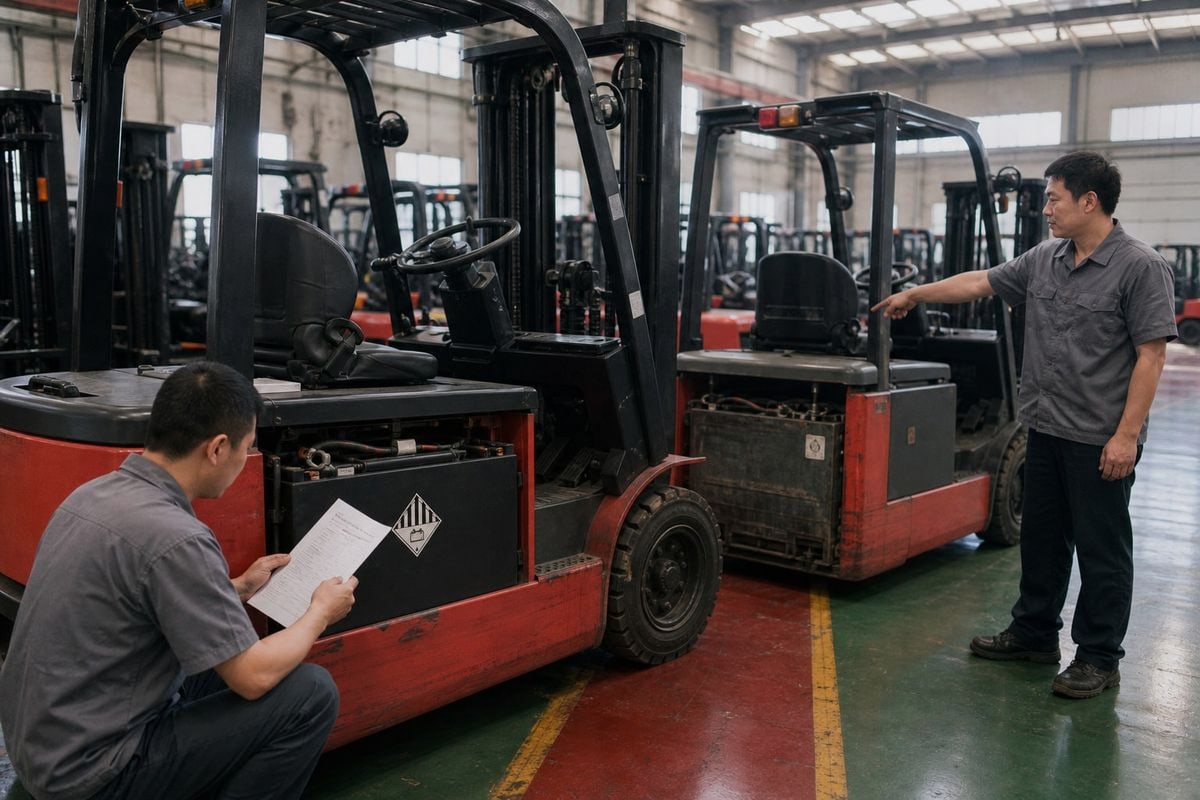
Shipping law does not ask whether the machine is an electric forklift. It asks what hazardous materials are on board, in what condition, and by which transport mode. That framing makes the answer much clearer.
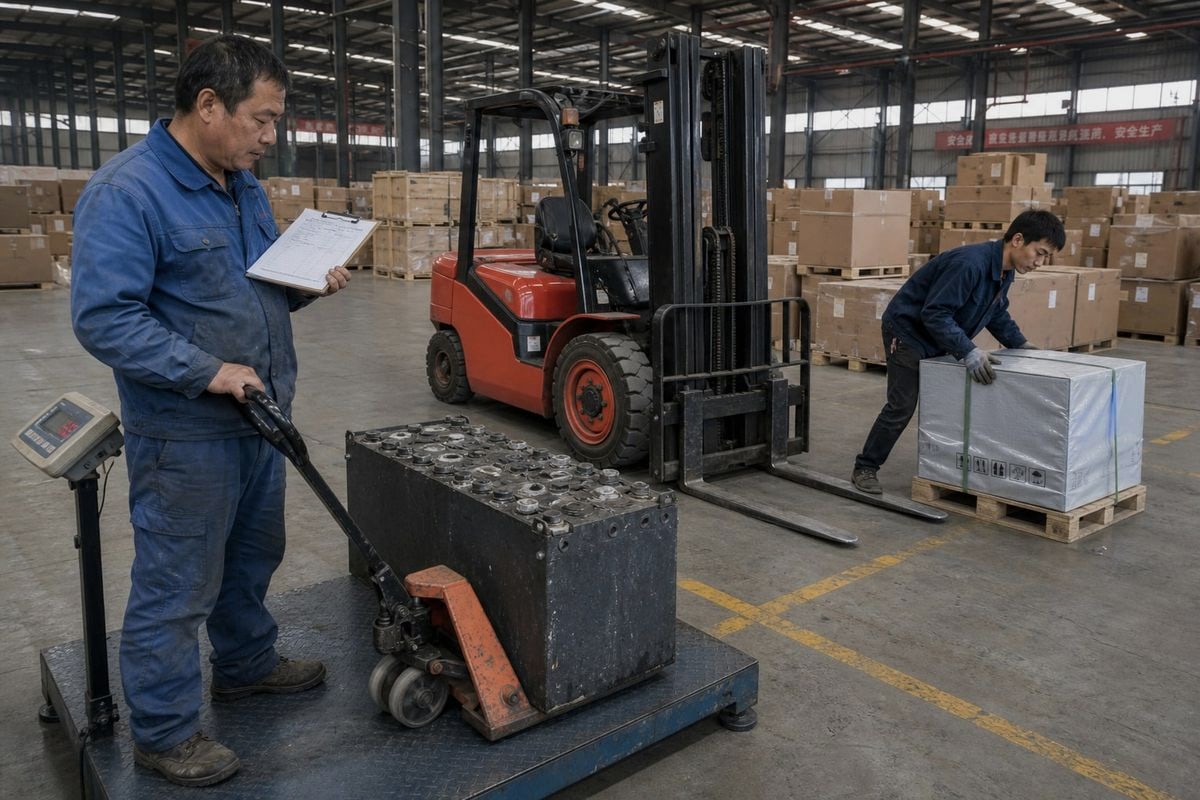
The two common forklift battery types are regulated for completely different risks. Lead-acid batteries are regulated for corrosivity. Lithium-ion batteries are regulated for thermal runaway and fire.
| Factor | Lead-acid forklift battery | Lithium-ion forklift battery |
|---|---|---|
| Typical classification | UN 2794, Class 8 Corrosive, Packing Group III | Class 9 Dangerous Goods (UN3171 when installed) |
| SDS/MSDS required | Yes | Yes |
| UN38.3 test summary | Not applicable | Required |
| Non-spillable variant | May ship as UN 2800 | Not applicable |
| Main hazard | Acid leakage and corrosion | Fire and thermal runaway |
Wet lead-acid batteries covered by Lead-Acid Battery Shipping rules need secure packaging, upright positioning, and terminal protection. Lithium batteries add the UN38.3 layer, which proves the cells passed altitude, vibration, shock, and short-circuit testing.
For domestic US ground transport, 49 CFR 173.220 under the Hazardous Materials Regulations provides broad exceptions. If the battery is securely installed and the terminals are protected against short circuits, formal hazmat labeling and placarding are often waived. Small non-spillable batteries may also benefit from Special Provision 188 when shipped separately.
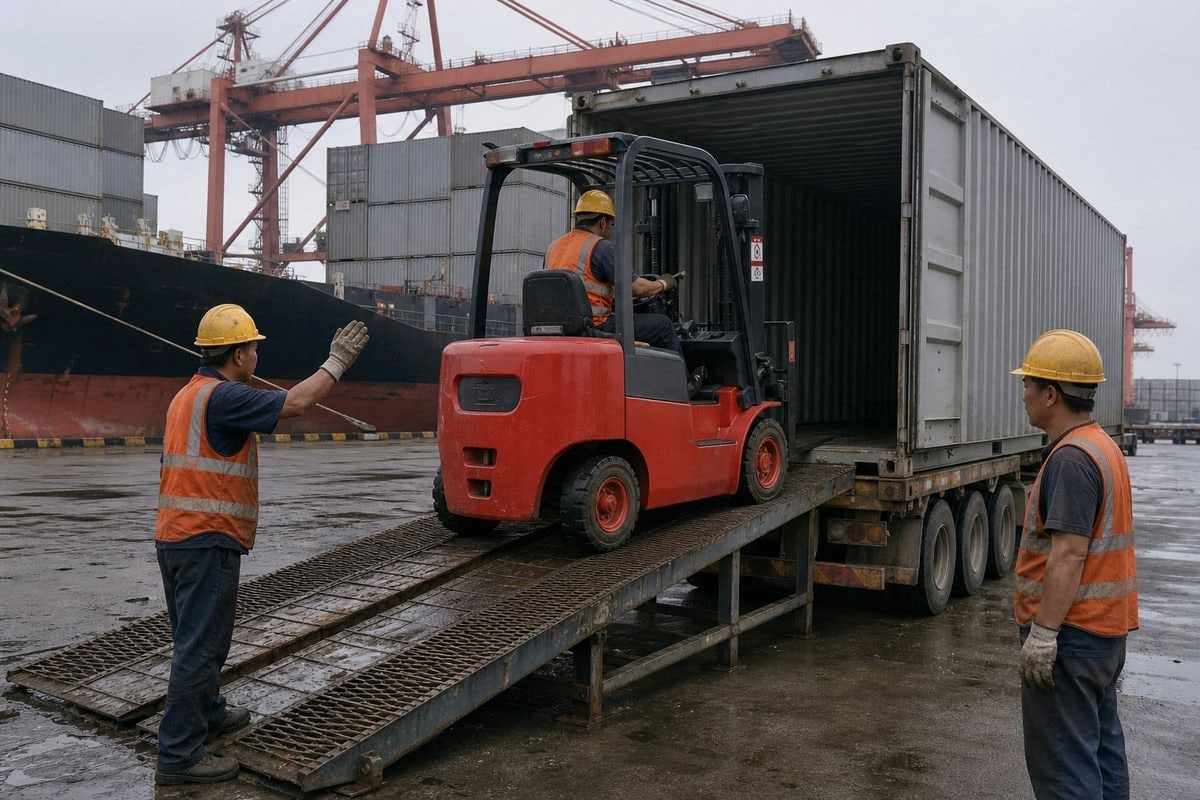
International moves are stricter. Ocean freight under the IMDG Code and air freight under the IATA Dangerous Goods Regulations 3 do not recognize those domestic ground exceptions. They mandate a full SDS and a formal Dangerous Goods Declaration. Since almost all our forklift shipments from China to the US move by sea, we prepare the full IMDG document set every time. One emerging best practice we now recommend to factories: ship lithium forklift batteries at around 30% State of Charge, which significantly reduces fire intensity if an accident occurs.
A US dealer once called me in a panic. His forklift supplier was a small workshop that had never exported and had no idea what an SDS was. We still got his container on the water.
Yes, you can usually still ship. The SDS normally comes from the battery manufacturer, not the forklift assembler. Your forwarder can request it from the battery brand directly, arrange third-party documentation support, or in some cases ship the forklift with the battery removed.
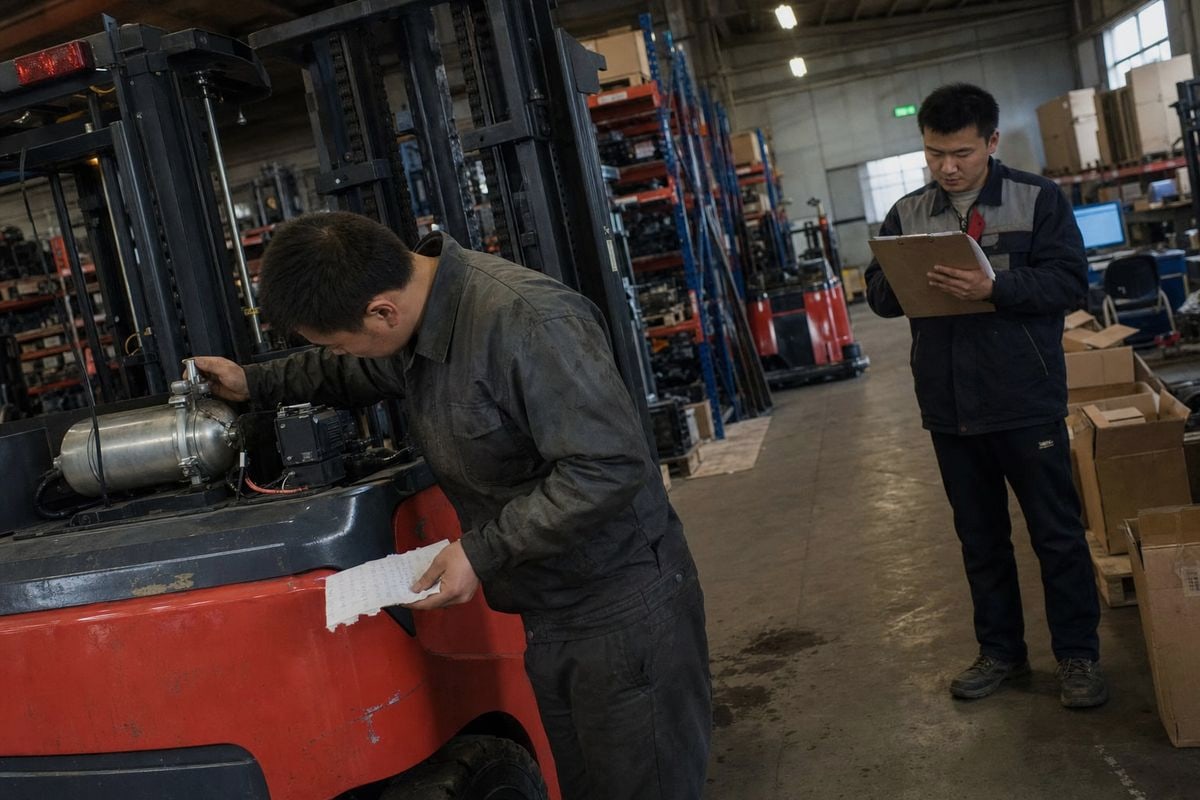
A missing MSDS is a solvable problem, not a dead end. But you need to solve it before the cargo reaches the port, not after. Here is how we approach it, step by step.
There is also a financial reason to insist on a proper Safety Data Sheet. Under maritime law, an accurate SDS serves as legal protection against General Average liability. If a vessel suffers an emergency and cargo must be jettisoned, shippers with misdeclared or undocumented dangerous goods face far greater financial exposure. For a container holding several forklifts, that risk is not theoretical money. It is your entire shipment value plus a share of the vessel's losses.
In our years moving electric forklifts from Chinese factories to US ports, the shipments that go smoothly share one trait: everyone knows exactly which documents they own.
The supplier and battery manufacturer prepare the SDS, UN38.3 test summary, and battery specifications, because only they hold the technical data. The freight forwarder prepares the Dangerous Goods Declaration, booking documents, and carrier submissions, and verifies the factory paperwork is compliant.
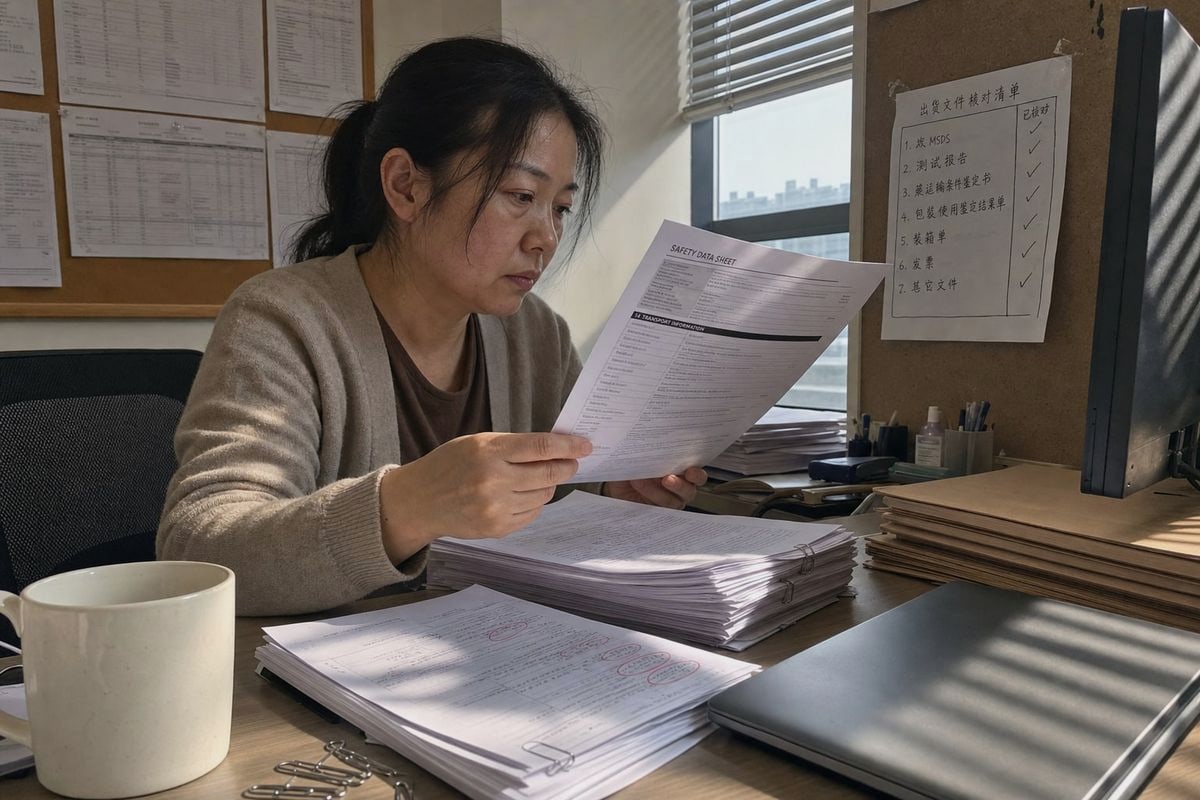
Think of it as two halves of one file. The factory half describes the product. The forwarder half describes the shipment. Neither party can complete the other's half properly.
| Task | Supplier / battery maker | Freight forwarder |
|---|---|---|
| Create the battery SDS | ✔ | Reviews for compliance |
| Provide UN38.3 test summary | ✔ | Verifies validity |
| State battery chemistry and watt-hours | ✔ | Cross-checks against SDS |
| Prepare Dangerous Goods Declaration | ✔ | |
| Book with a DG-approved carrier | ✔ | |
| Secure battery terminals 4 against short circuits | ✔ (at packing) | Supervises loading |
| Confirm destination-country rules | ✔ |
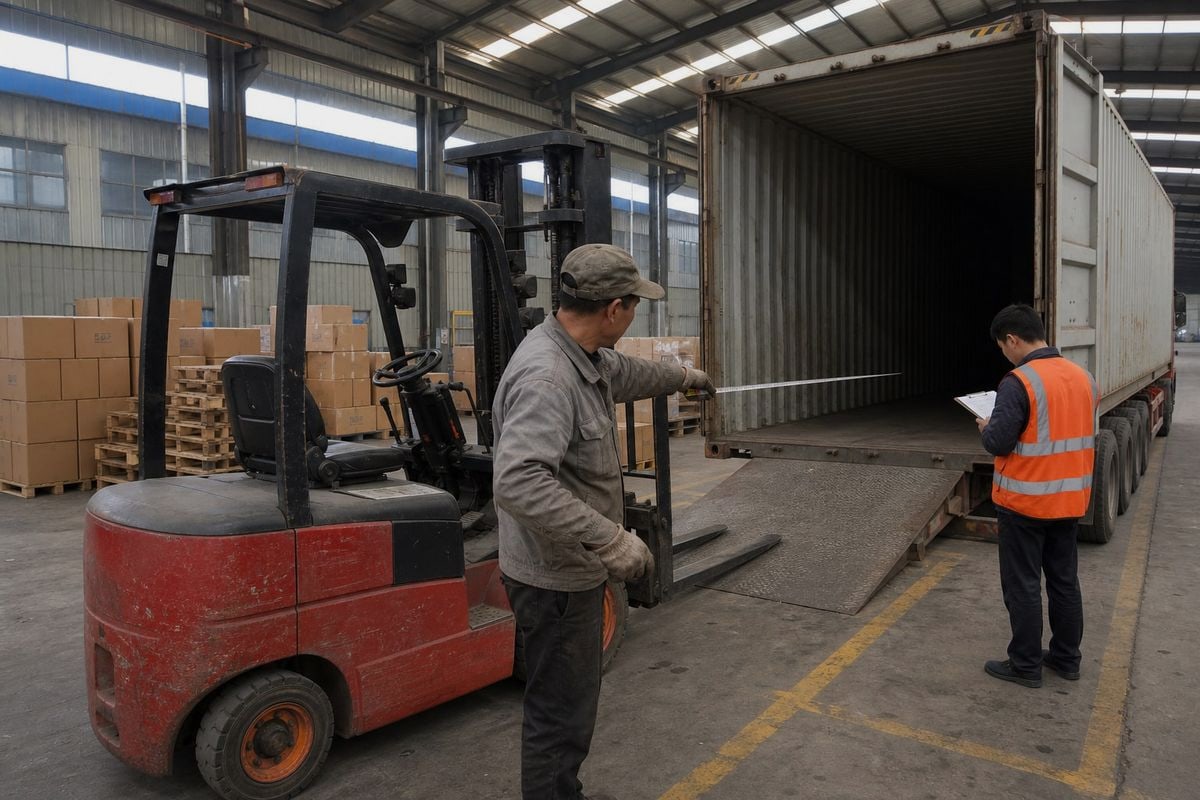
Federal regulations require that battery terminals be protected against short circuits and that the unit be securely fastened to prevent any movement in transit. We coordinate this physically at container loading, because paperwork alone does not stop a nine-hundred-kilogram machine from shifting at sea.
A forwarder who simply passes factory documents to the carrier adds little value. We review every SDS for GHS compliance because commercial LTL carriers in the US require a GHS-compliant Safety Data Sheet to assign the correct National Motor Freight Classification. For cross-border logistics within the USMCA region, the SDS must also be provided in the official language of the destination country. A Chinese-only SDS will not satisfy a Mexican or Canadian carrier, and we have translated documents on short notice more than once to keep a delivery schedule alive.
You rarely need an MSDS for the forklift itself, but the battery almost always needs one. Prepare the SDS, UN38.3 summary, and Dangerous Goods Declaration before booking, and your shipment moves without surprises.
1. Official EPA guidance on lithium-ion battery hazards and regulatory classifications. ↩︎
2. Official IMO resource for the International Maritime Dangerous Goods (IMDG) Code standards. ↩︎
3. Official IATA regulations for the safe transport of dangerous goods by air. ↩︎
4. US government regulations governing the safe packaging and transport of hazardous battery components. ↩︎