- +8618603825129
- [email protected]


Every week, our operations team fields urgent calls from sellers whose cargo is stuck at US ports under inspection holds.
Yes, we can assist with US customs clearance and door-to-door delivery even amid high inspection rates. The key is formal entry with real importer credentials, accurate declarations, proper documentation, and a logistics partner experienced in CBP exam response and final-mile coordination.
High inspection rates at US ports have changed the game for importers. Delays that once lasted three to five days now stretch to ten or fifteen. Hidden fees pile up. Inventory plans fall apart. But the problem is not that door-to-door shipping no longer works. The problem is that it now demands more precision, more transparency, and a partner who knows how to navigate CBP scrutiny from origin to final delivery. Below, we break down exactly how we handle each stage of this process and what you need to know to keep your cargo moving.
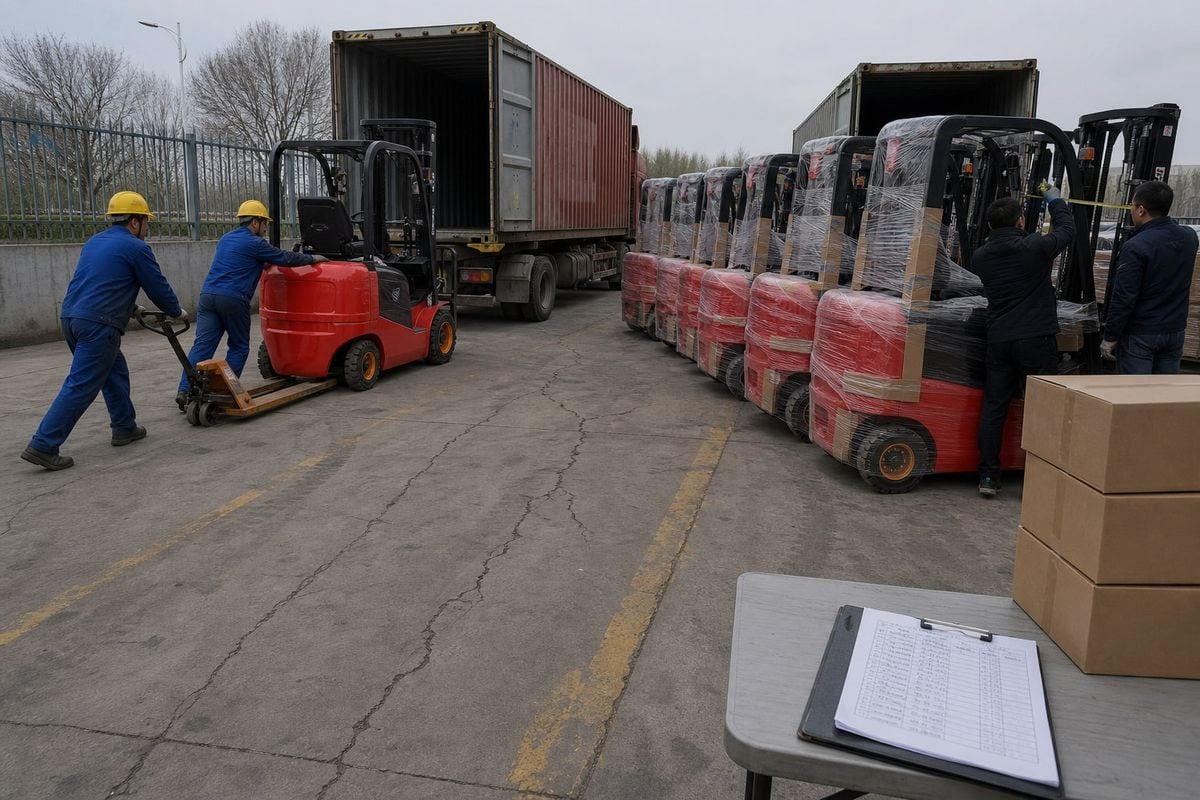
Our warehouse teams in Zhengzhou see the impact of US port scrutiny every day when preparing export documentation for clients.
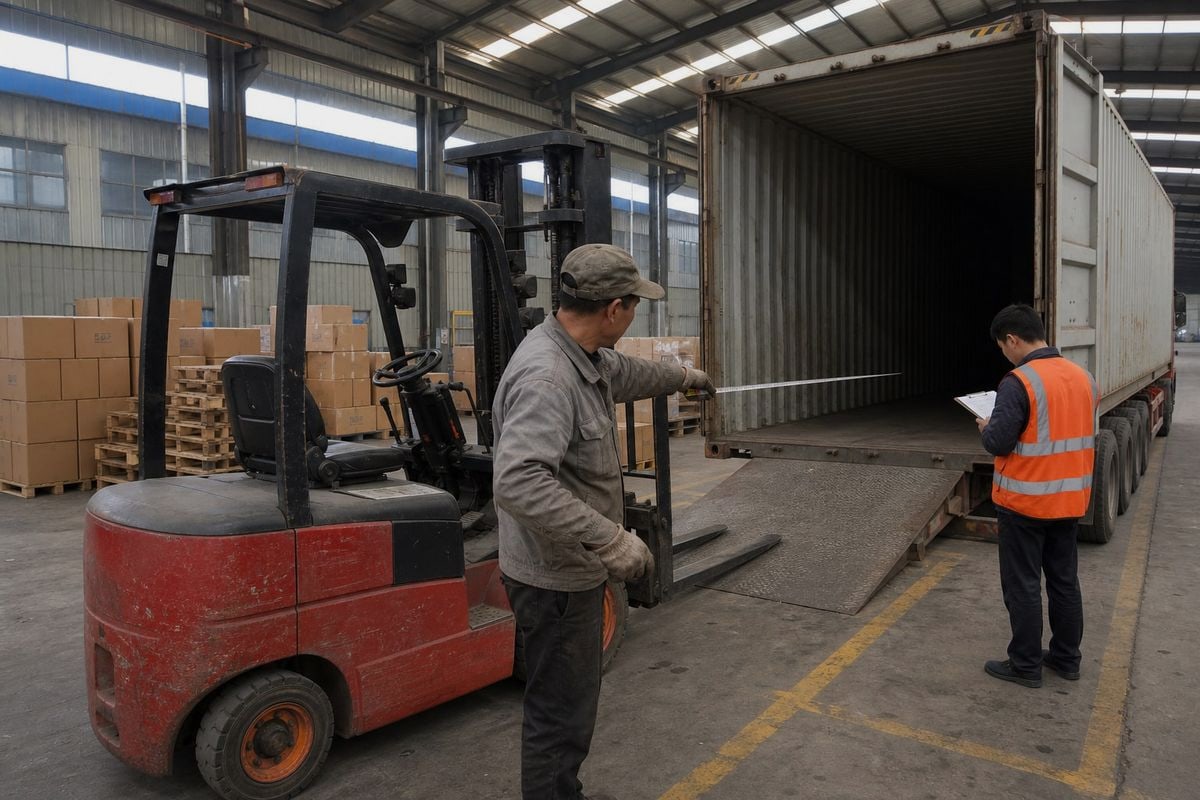
When your shipment is flagged for intensive inspection, we coordinate with our US-based customs broker to respond immediately, provide all required documents to CBP, arrange exam logistics, pay any inspection fees, and schedule delivery the moment your cargo is released.
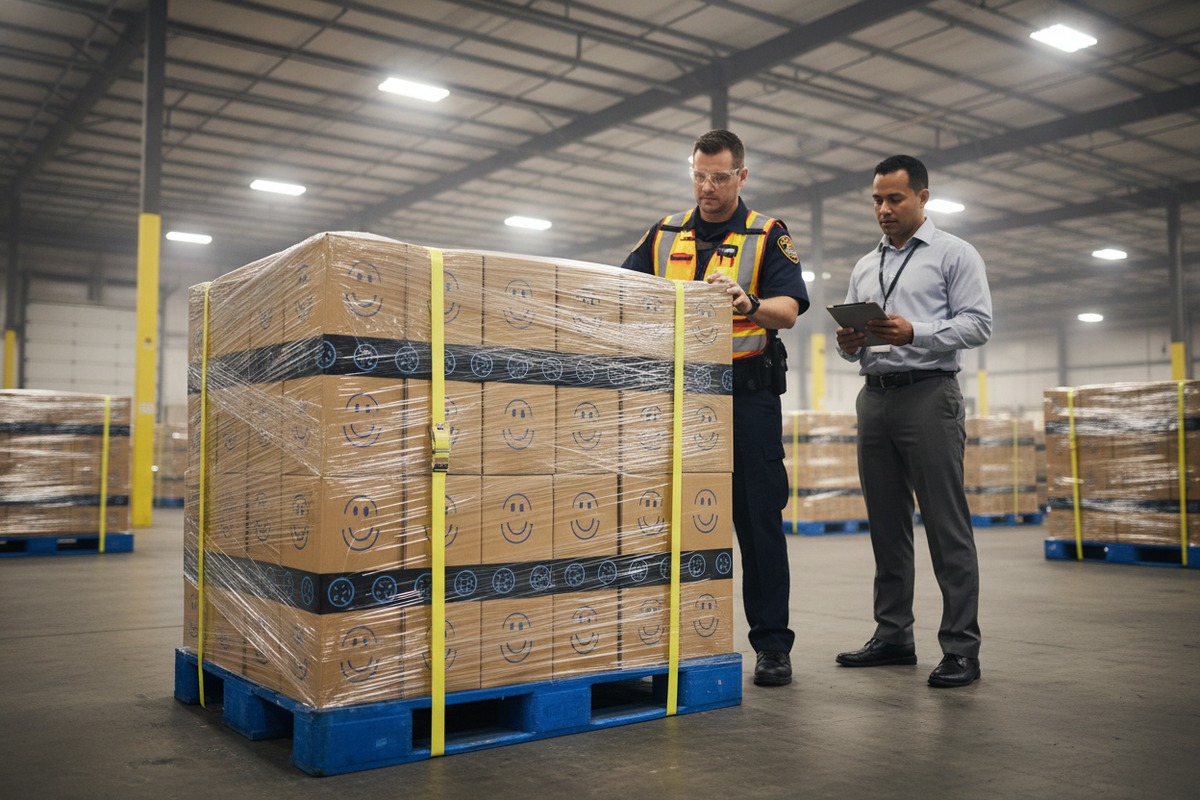
Getting flagged for an intensive inspection 1 does not mean your shipment is lost or seized. It means CBP wants a closer look. The question is how fast and how effectively your logistics provider can respond. Here is how we handle it step by step.
CBP uses a risk-based selection system 2. Some shipments are chosen randomly. Others are flagged because of inconsistent documents, high-risk commodity categories, valuation concerns, or suspected intellectual property issues. Products like electronics, toys, footwear, textiles, and food items face disproportionate scrutiny. The exact selection methodology is not fully public, but we know from experience that clean, consistent paperwork dramatically reduces your odds of being pulled.
The moment CBP places a hold on your shipment, our US agent receives an alert. We immediately pull together all supporting documents: the commercial invoice, packing list, bill of lading, ISF filing, certificates of origin, and any product compliance records. If CBP requests additional information, we respond within hours, not days. Speed matters because every day your cargo sits at the port adds storage fees and pushes back your delivery date.
| Inspection Type | Typical Duration | Estimated Cost |
|---|---|---|
| Document Review (Hold) | 1–3 days | Minimal (broker fees only) |
| X-Ray Exam | 3–5 dagar | ~$300 |
| Intensive / Tailgate Exam | 5–15 days | $1,000+ |
| USDA / FDA / CPSC Review | 3–10 days | Varies by agency |
The costs above are in addition to your standard shipping and clearance fees. We always recommend building a buffer of seven to ten extra days into your timeline when shipping high-risk commodities to the US.
Your job is to provide accurate, truthful information before the cargo leaves China. We need the real product name, correct HS code 3, actual cargo value, material composition, and country of origin. Do not undervalue. Do not use vague descriptions. Do not hide anything. In our experience, the shipments that clear fastest are the ones with the most transparent documentation. If your product requires compliance certificates from agencies like CPSC, FCC, or EPA, have those ready before we ship.
When we quote a DDP rate from our Zhengzhou consolidation warehouse, we build it to include everything from pickup to your US door.
Yes, our DDP rate covers origin pickup, export customs, ocean or air freight, US customs clearance, duties, taxes, and final delivery. We use formal entry with real tax calculations so you see every charge upfront, and we do not hide fees in fine print.

The term "DDP" stands for Delivered Duty Paid 4. It means the seller, or in this case your logistics provider, handles every cost and responsibility until the goods arrive at your door. But not all DDP quotes are created equal. Some providers quote low and then hit you with surprise charges for customs exams, storage, or duty adjustments. We take a different approach.
| Cost Component | Included in Our DDP Quote? | Notes |
|---|---|---|
| Origin Pickup / Warehouse Consolidation | Yes | From your supplier in China |
| Export Customs Filing | Yes | Chinese export declaration |
| Ocean / Air Freight | Yes | Based on shipment volume and mode |
| US Customs Brokerage | Yes | Formal Entry 5 filing by our US agent |
| Import Duties (Tariff) | Yes | Based on accurate HS code and value |
| Merchandise Processing Fee (MPF) | Yes | Charged on most formal entries |
| Harbor Maintenance Fee (HMF) | Yes | Applies to ocean cargo |
| Final-Mile Delivery | Yes | To your warehouse, Amazon FBA, or door |
| Inspection / Exam Fees | Quoted Separately | These are unpredictable and CBP-imposed |
We are transparent about one thing: inspection fees are the one cost no provider can guarantee upfront. If CBP orders a tailgate exam, the port charges a fee. We cannot absorb a $1,000 exam fee into every quote because most shipments are not examined. What we do is tell you the risk level for your commodity and help you budget for it.
Given the current high inspection rates at US ports, we strongly recommend formal customs clearance. This means your goods enter the US under a real importer's name with a valid EIN and customs bond. The declaration is truthful. The duties are paid in full. CBP issues a formal tax receipt that can be used for accounting, tax deductions, and audits. This approach leaves a clean record in CBP's system and reduces future scrutiny on your shipments. We call this "正清" in Chinese — it means clearing customs the right way, with full transparency and traceability.
Some importers try to save money by undervaluing goods, using vague product descriptions, or clearing under a freight forwarder's name instead of their own company. This might work once or twice. But CBP's systems learn. If your shipment profile looks suspicious, you will face more inspections, not fewer. Worse, you could face penalties, duty reassessments, or even seizure. The short-term savings are never worth the long-term risk.
Before we can give you a solid DDP quote, we need your product details: HS code, unit value, quantity, weight, dimensions, material, and country of origin. We also need to know whether your product is subject to any Partner Government Agency requirements 6. The more accurate your data, the more accurate our quote. That is the only way to prevent hidden fees.
Our team ships hundreds of FBA-bound pallets every month, so we have learned exactly where the bottlenecks form and how to plan around them.
We ensure on-time FBA delivery by building buffer time into transit plans, filing ISF at least 24 hours before loading, pre-validating all Amazon labeling requirements, and using formal entry to minimize the chance of document-triggered holds at US ports.

For Amazon sellers, a delayed shipment is not just an inconvenience. It means stockouts, lost Buy Box positions, and declining search rankings. Under current conditions at US ports, the old approach of cutting every timeline to the minimum no longer works. Here is how we adapt.
Standard ocean freight from China to the US West Coast takes about 14 to 18 days of sailing time. Add customs clearance, drayage, and final delivery, and you are looking at 18 to 25 days door to door under normal conditions. With elevated inspection rates, we now recommend planning for 25 to 35 days. That extra buffer accounts for potential holds, exams, and port congestion.
| Shipping Stage | Normal Timeline | With Inspection Buffer |
|---|---|---|
| Origin Pickup + Export | 2–3 days | 2–3 days |
| Ocean Freight (West Coast) | 14–18 days | 14–18 days |
| US Customs Clearance 7 | 1–3 days | 3–10 days |
| Drayage + Final Delivery to FBA | 2–5 days | 3–7 dagar |
| Total | 19–29 days | 22–38 days |
For ocean cargo, the Importer Security Filing 8 (also called 10+2) must be submitted at least 24 hours before the vessel loads in China. Late or inaccurate ISF filings are one of the most common triggers for holds at the US port. We collect all required ISF data during the booking process so we never miss the deadline. This includes the manufacturer name and address, seller name, buyer name, ship-to party, HS codes, and container stuffing location.
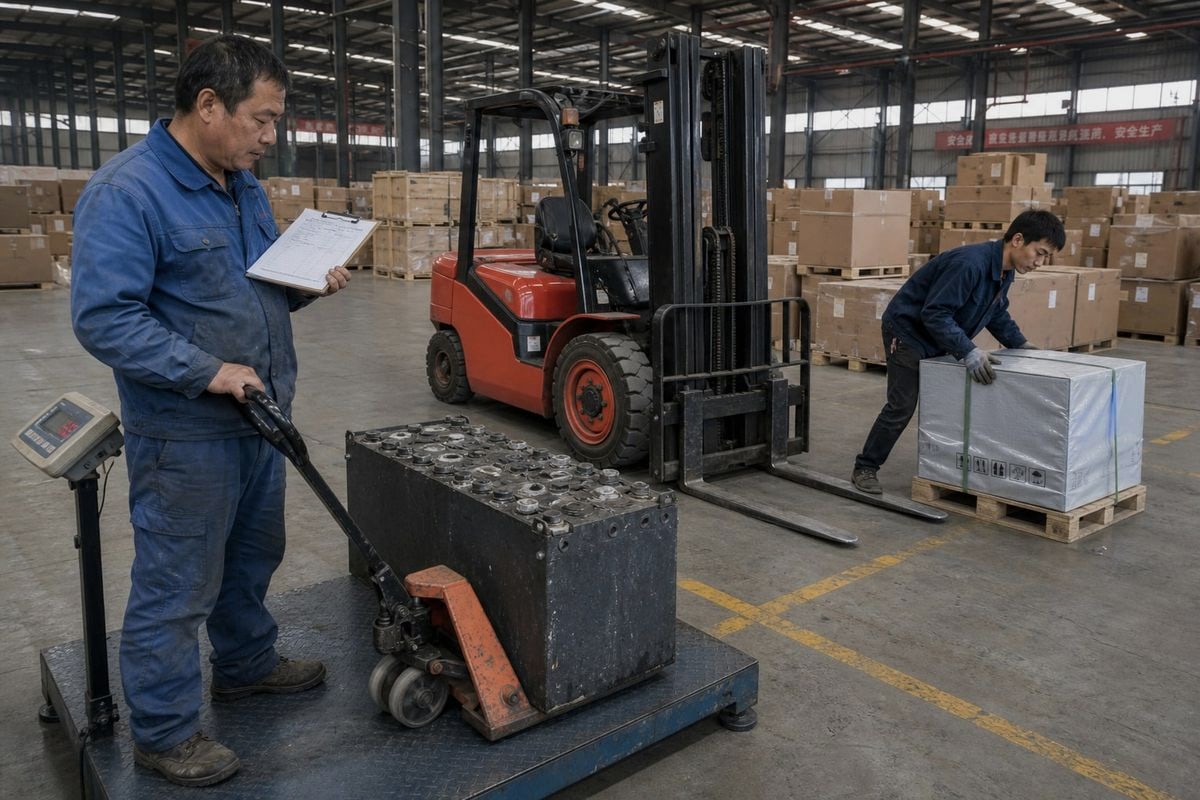
Beyond customs, Amazon has its own set of requirements. Every carton must have the correct FNSKU label 9, the shipment must match the FBA shipping plan, and pallets must meet Amazon's dimension and weight standards. If any of these are wrong, Amazon will reject the delivery or charge you penalty fees. We verify all FBA labeling at our Zhengzhou warehouse before the cargo leaves China. Fixing a labeling error in China costs almost nothing. Fixing it after it arrives in the US costs time and money you cannot afford.
For sellers with large orders, we sometimes recommend splitting the shipment across two containers or two sailing dates. If one container gets pulled for inspection, the other still arrives on schedule. This strategy costs slightly more in freight but protects your inventory levels and sales velocity. It is especially useful during Q4 peak season when stockouts are most damaging.
We track every shipment from departure to delivery. If a hold or delay occurs, we notify you within hours, explain the situation, and give you an updated delivery estimate. This gives you time to adjust your Amazon inventory settings, run promotions to slow sales velocity, or arrange an emergency air shipment for critical SKUs.
From our export operations in Zhengzhou to our partner brokers at US ports, every step in our process is designed to keep your cargo moving.
We provide pre-shipment document review, accurate HS code classification, ISF filing, formal entry with real importer credentials, CBP exam coordination, PGA compliance checks, and final-mile delivery scheduling — all managed by a single point of contact throughout the process.

Customs clearance is not a single event. It is a chain of steps where one weak link can hold up everything. Our job is to strengthen every link before the cargo even leaves China. Here is the specific support we offer at each phase.
This is where most delays are actually prevented. Before your goods leave the factory, we review your commercial invoice, packing list, and product details. We check that the HS codes match the actual product. We verify that the declared value is consistent with market prices. We confirm that any PGA requirements are met. For example, children's products need CPSC compliance. Electronics may need FCC documentation. Food items require FDA prior notice. We identify these requirements early and collect the necessary certificates so they are ready when the cargo arrives in the US.
Once the cargo is booked on a vessel, we file the ISF with CBP within the required timeframe. We also ensure that the Automated Manifest System 10 (AMS) data matches the bill of lading and ISF exactly. Mismatches between these filings are a common trigger for holds. Our team double-checks every field: shipper name, consignee name, notify party, HS codes, and container number.
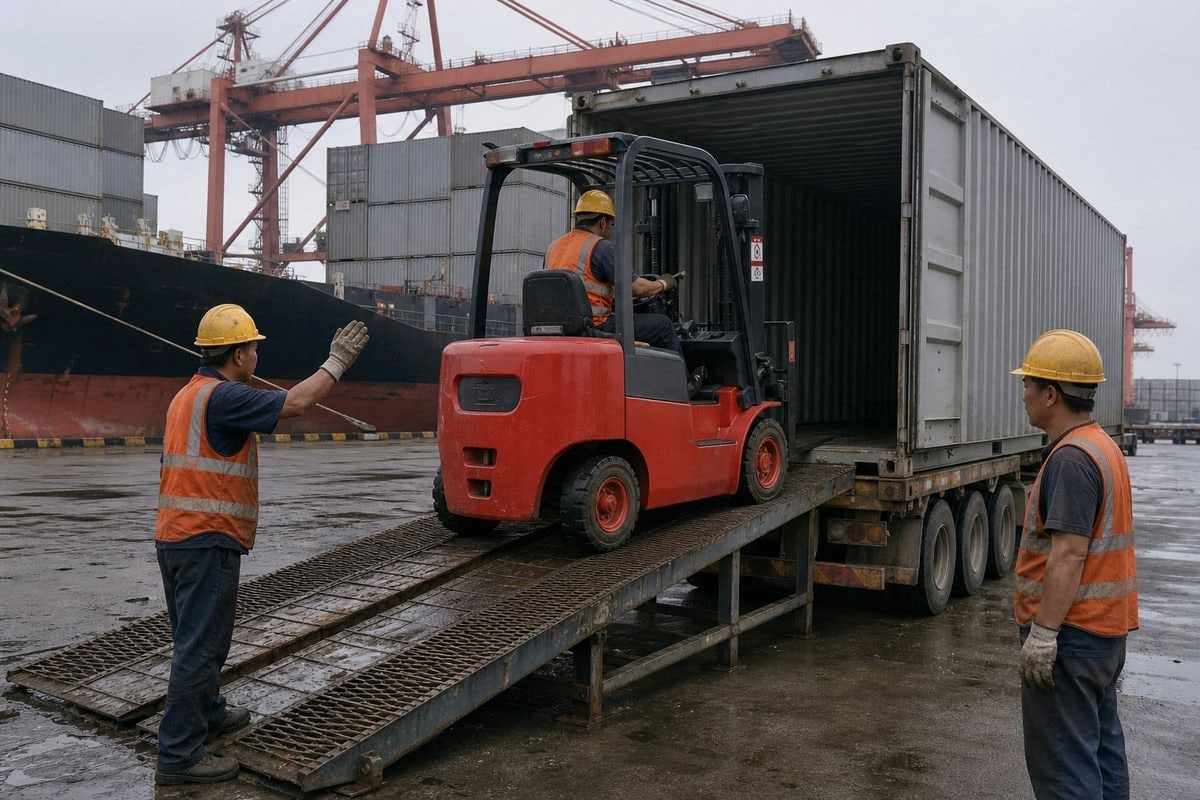
When the vessel arrives, our US customs broker files the formal entry using the importer's EIN and customs bond. CBP reviews the entry, calculates duties and fees, and either releases the cargo or places it on hold. If released, we arrange drayage and delivery immediately. If held, we follow our inspection response protocol: gather documents, respond to CBP queries, coordinate exam logistics, and pay any fees required for release.
Once CBP releases your cargo, we schedule delivery to your warehouse, Amazon FBA center, or any other US address. For FBA shipments, we coordinate delivery appointments with the receiving warehouse. For commercial deliveries, we arrange liftgate service or dock delivery based on your facility. The shipment is tracked from port release to final signature.
We believe formal entry is the safest path for US importers right now. Here is the flow:
This process creates a clean, traceable record in CBP's system. It supports your company's accounting and tax compliance. And it builds a positive import history that can reduce your inspection risk over time.
Let me be direct: the number one cause of preventable customs delays is inconsistent documentation. If your commercial invoice says "plastic storage bins" but the bill of lading says "household goods," CBP will have questions. If the ISF lists one HS code and the entry uses another, that is a red flag. Every document in the chain must tell the same story. Our team reviews every document for consistency before filing. It is a simple step, but it prevents a huge percentage of holds.
Door-to-door delivery to the US still works, but it now requires formal entry, truthful declarations, consistent documents, and realistic timelines to succeed.
1. Defines the comprehensive process of inspection by U.S. Customs and Border Protection. ↩︎
2. Explains CBP's Automated Targeting System used for risk assessment of cargo and travelers. ↩︎
3. Describes the Harmonized System for classifying traded products internationally. ↩︎
4. Provides information on Incoterms 2020 rules, including Delivered Duty Paid (DDP). ↩︎
5. Outlines the requirements and process for filing a formal entry with CBP for imported goods. ↩︎
6. Explains the role of Partner Government Agencies in regulating imported goods. ↩︎
7. Provides an overview of the process for importing goods into the United States. ↩︎
8. Details the 10+2 rule for advance electronic submission of cargo information to CBP. ↩︎
9. Provides Amazon's requirements for FBA product barcodes, including FNSKU labels. ↩︎
10. Describes the electronic system used by CBP for cargo manifest data submission and processing. ↩︎