- +8618603825129
- [email protected]


Every week, our logistics team in Zhengzhou handles shipments where buyers and suppliers argue over who pays what, who bears the risk, and where responsibility ends.
FCA (Free Carrier) is an Incoterm where the seller delivers export-cleared goods to a buyer-nominated carrier at a named place. From that point, all costs, risks, and responsibilities transfer to the buyer. FCA works for any transport mode, making it ideal for containerized and multimodal international sourcing.
Understanding FCA properly can save you thousands of dollars and weeks of frustration Chinese customs 1. Let's break it down piece by piece so you know exactly what you're agreeing to in your next purchase order.
When we coordinate shipments from Chinese factories to U.S. destinations, the single biggest source of confusion is who does what and when duties and taxes 2. FCA draws a clear line in the sand.
Under FCA Incoterms, the seller handles export clearance and delivers goods to your nominated carrier at a specified place in China. After that handoff, you — the buyer — are responsible for main carriage, freight costs, insurance, import customs clearance, duties, and all risks until the goods reach your door.

Your Chinese supplier has a defined set of obligations under FCA. They must prepare the goods, package them for international transport, and provide all commercial documents like the commercial invoice, packing list, and any certificates of origin. They must also handle export clearance 3 — this means filing with Chinese customs, paying any export taxes, and securing export licenses if needed.
The seller then delivers the goods to the carrier you nominate, at the place you both agreed upon. This could be the supplier's own factory, a freight forwarder's warehouse, or a port terminal. The seller bears all costs and risks up to this delivery point.
Once the goods are handed to your carrier, everything shifts to you. You pay the main freight, you arrange insurance if you want it, you handle import customs 4 in the United States, you pay duties and taxes, and you bear the risk of loss or damage from that moment forward.
Here is a clear breakdown:
| Responsibility | Seller (Supplier) | Buyer (You) |
|---|---|---|
| Packaging & labeling | ✔ | |
| Export clearance | ✔ | |
| Delivery to named place | ✔ | |
| Loading at seller's premises | ✔ | |
| Main carriage (ocean/air/rail) | ✔ | |
| Freight insurance | ✔ | |
| Import customs clearance | ✔ | |
| Duties & taxes | ✔ | |
| Delivery to final destination | ✔ |
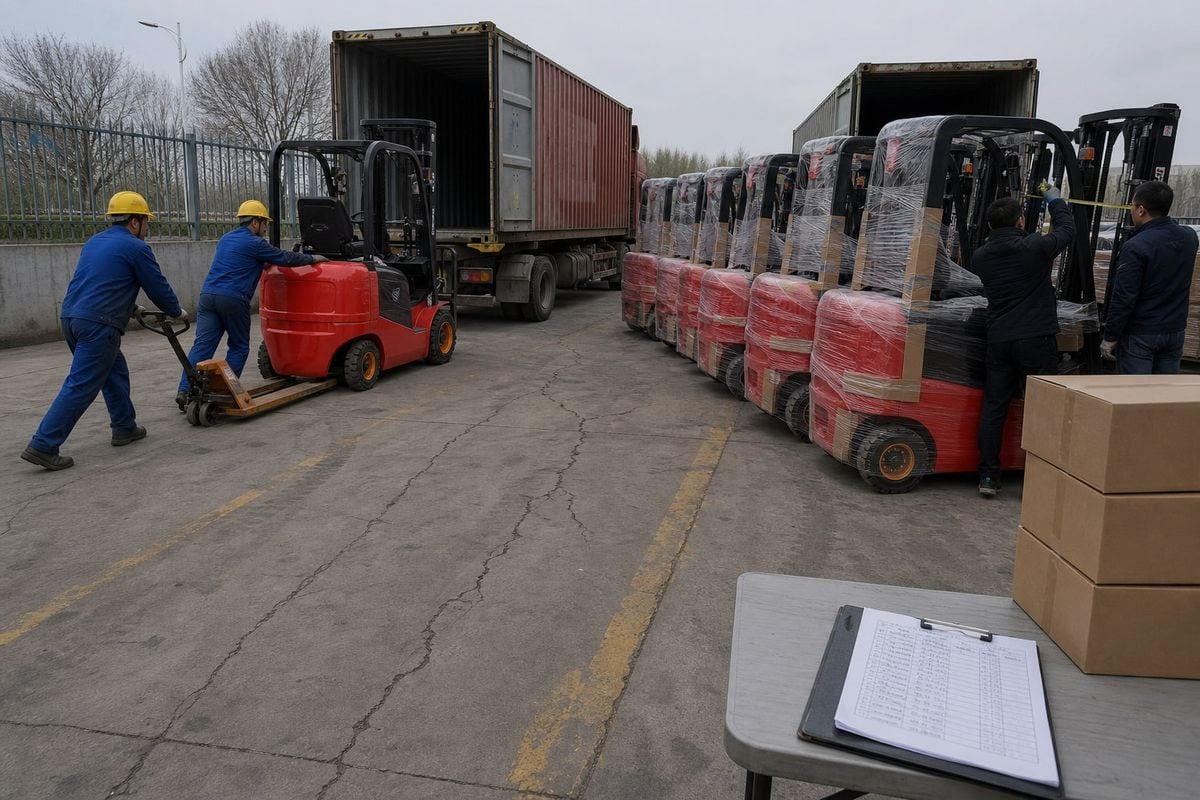
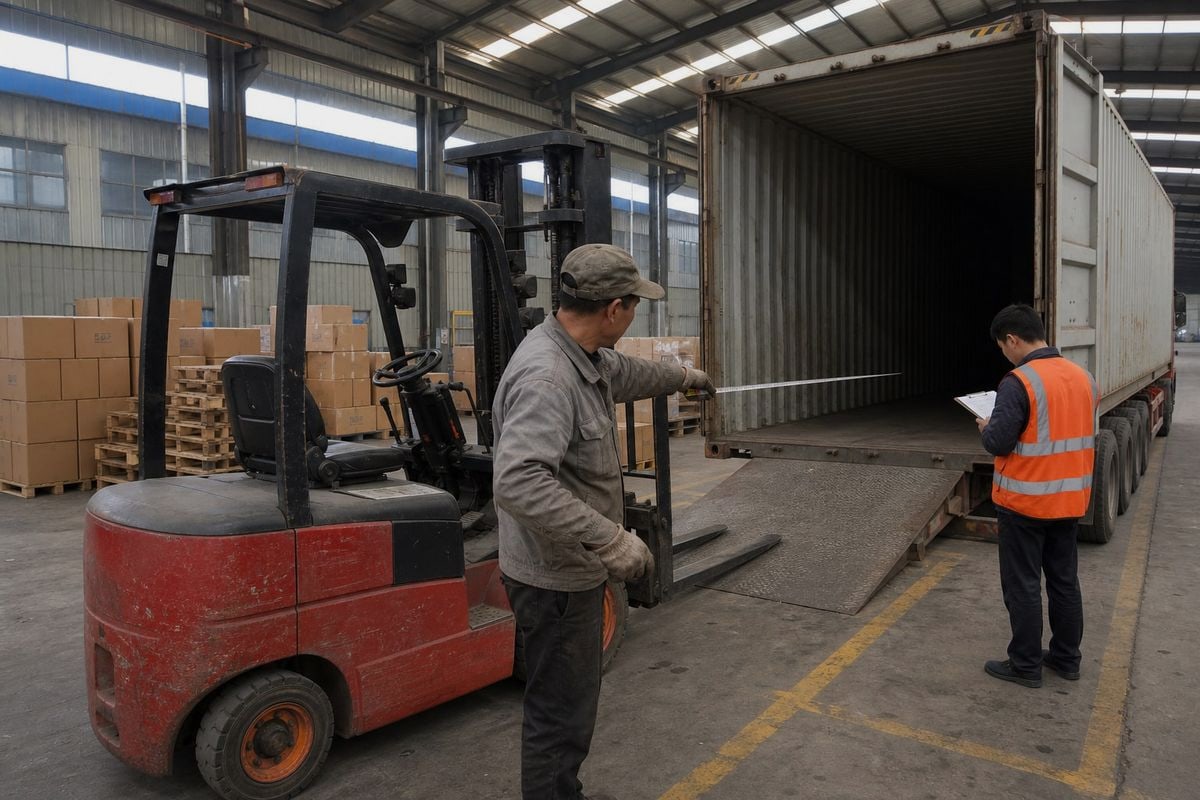
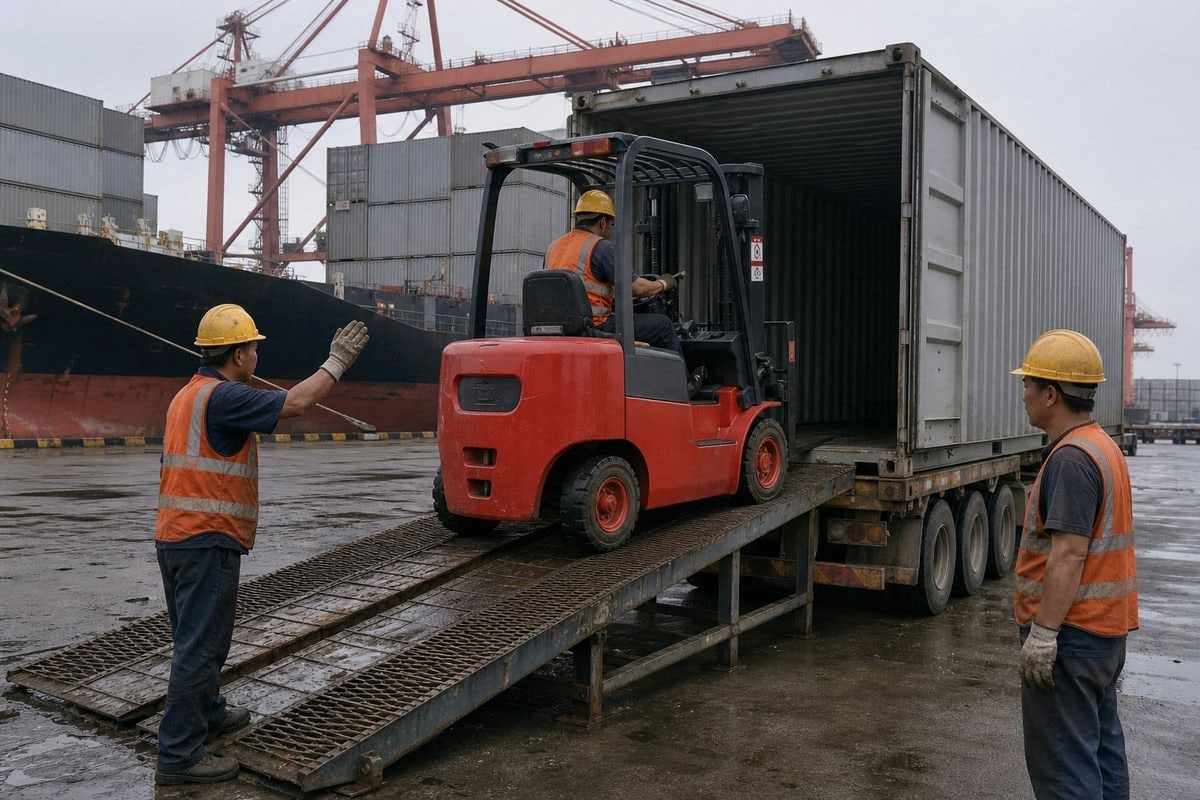
FCA has two distinct scenarios depending on where the named place is. If the named place is the seller's own premises — their factory or warehouse — the seller is responsible for loading the goods onto the vehicle you send. They load the container or truck, and delivery is complete once the goods are on your vehicle.
If the named place is anywhere else — a freight forwarder's warehouse, a port, or an airport — the seller only needs to deliver the goods there. They do not have to unload from their truck. The goods are considered delivered once they arrive at that location, ready for the carrier to take over.
This distinction matters because it determines who handles the physical loading and who pays for it. Many buyers overlook this and end up in disputes about terminal handling charges or warehouse receiving fees.
Never write "FCA China" on a contract. That is too vague. Specify the exact address. For example, "FCA Yiwu International Logistics Center, Gate 3, Yiwu, Zhejiang, China" leaves no room for argument. Vague terms lead to disputes about loading fees, local transport costs, and who bears the risk during the last mile before handoff.
Our team ships hundreds of FBA orders each month, and we've seen Amazon sellers lose money simply because they used the wrong Incoterm. FOB sounds familiar, but it isn't always the right fit.
FCA is often better than FOB for Amazon FBA shipments because FCA works for any transport mode — air, rail, truck, or sea — while FOB is limited to ocean freight only. FCA also gives you earlier control over logistics, letting you manage carrier selection, routing, and compliance with Amazon's strict receiving requirements.

FOB — Free On Board 5 — was designed for traditional ocean shipping. Under FOB, risk transfers when the goods physically cross the ship's rail at the port of departure. But here's the problem: most Amazon FBA shipments 6 today involve containerized cargo. The goods are stuffed into a container at the factory or a consolidation warehouse, not at the port. By the time the container reaches the vessel, it has already traveled through inland trucks, been handled at a container yard, and sat at a terminal. Under FOB, the risk during all of that early movement is still on the seller, even though the buyer's freight forwarder may already be managing the cargo.
This creates a gray zone. Who is responsible if the container is damaged at the container yard before it's loaded on the vessel? FOB says the seller. But the buyer's agent may already have the container in their system.
FCA lets you pick the exact point where you want to take over. You can set the handoff at the factory gate, at your freight forwarder's warehouse in Shenzhen, or at any consolidation point. This means there is no ambiguity about the gray zone between the factory and the vessel.
For Amazon FBA sellers, this is especially valuable. You can instruct your freight forwarder to pick up from the supplier's door, inspect the goods, confirm labeling and packaging compliance, and then route the shipment however you need — by sea, air, or rail.
| Factor | FCA (Free Carrier) 7 | FOB (Free On Board) |
|---|---|---|
| Transport modes | All modes (sea, air, rail, truck, multimodal) | Sea and inland waterway only |
| Risk transfer point | Named place (factory, warehouse, terminal) | Ship's rail at port of loading |
| Buyer's control over logistics | High — buyer controls from named place onward | Moderate — buyer controls after vessel loading |
| Suitability for containers | Excellent — designed for containerized cargo | Poor fit — risk transfer at ship's rail is outdated for containers |
| Export clearance | Seller handles | Seller handles |
| Amazon FBA flexibility | High — buyer can manage FBA compliance early | Lower — buyer gets control later in the chain |
FOB can still work if you are shipping loose cargo on a bulk vessel and the risk transfer at the port makes logistical sense. But for most Amazon FBA sellers sourcing from China, FCA gives you more control, cleaner risk allocation, and better flexibility to route shipments through the fastest or cheapest path.
From what we see daily at MBMLOG, sellers who switch from FOB to FCA report fewer disputes with suppliers, better cost visibility, and faster resolution when things go wrong during transit.
We've helped hundreds of importers coordinate the exact moment when their supplier's job ends and their freight forwarder's job begins. This handoff is the most critical step in any FCA transaction.
To manage the FCA handoff, you must nominate your carrier or freight forwarder in writing, specify the exact named place and time for delivery, and ensure your supplier has clear contact details for your logistics partner. Your freight forwarder then takes physical custody of the goods, and from that moment, all risk and cost belong to you.
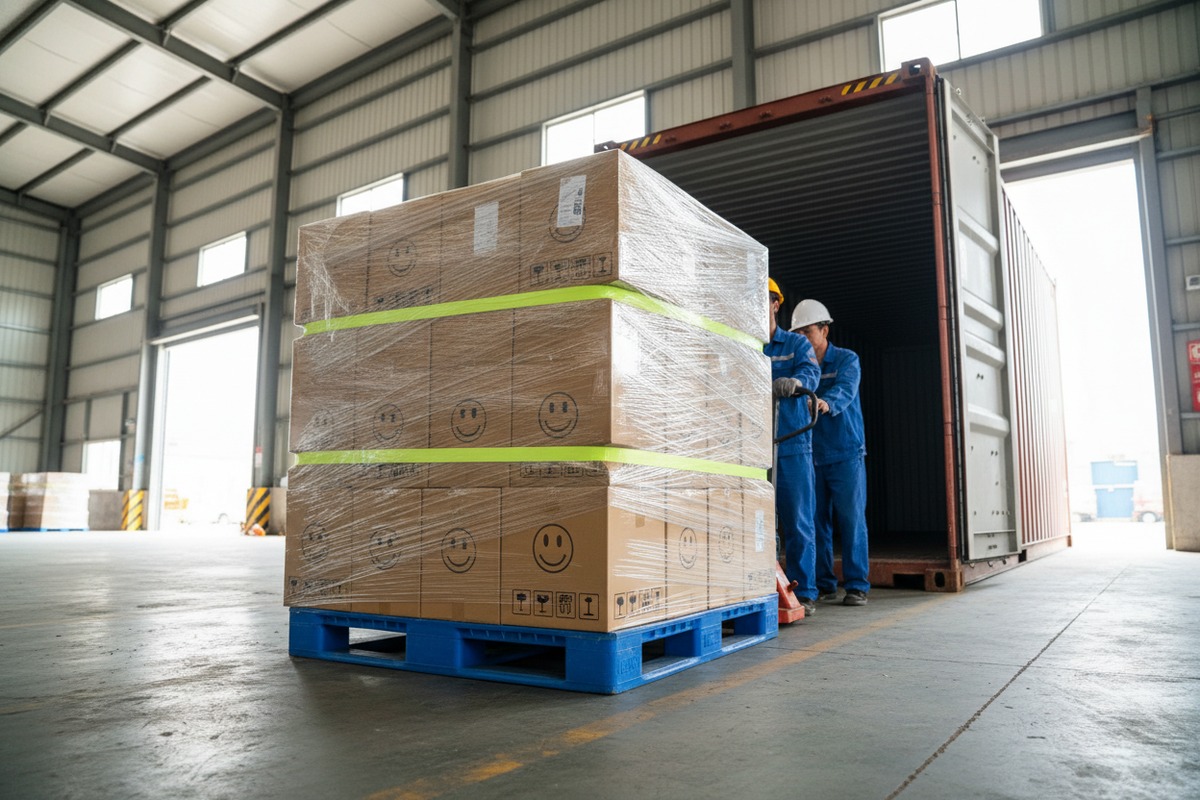
As soon as your purchase order is confirmed, tell your supplier who your freight forwarder is. Provide the full company name, a contact person, phone number, email, and the exact address where goods should be delivered. Delays in nomination cause the most common FCA problems we see. If the supplier doesn't know who to call, goods sit at the factory, storage fees accumulate, and your shipping schedule falls apart.
The named place should be written into your purchase contract or proforma invoice. Be specific. Instead of "FCA Shenzhen," write "FCA MBMLOG Warehouse, Building 7, Qianhai Free Trade Zone, Shenzhen, Guangdong, China." This eliminates any confusion about where the seller's responsibility ends.
Your freight forwarder needs to know the cargo-ready date. Your supplier needs to know when the carrier will arrive. These two parties must communicate directly. In our experience, the most efficient approach is a three-way WeChat or WhatsApp group where you, the supplier, and the freight forwarder can share updates in real time.
When the goods are physically delivered to the carrier, the seller should provide a delivery receipt or a Forwarder's Cargo Receipt (FCR) 9. This document proves that the seller completed delivery. Without it, you have no evidence of when risk transferred, and disputes become very difficult to resolve.
Here's a practical checklist we recommend to every client:
| Step | Action | Who Does It |
|---|---|---|
| 1 | Nominate carrier and provide contact details | Buyer |
| 2 | Confirm named place in writing | Buyer + Seller |
| 3 | Communicate cargo-ready date | Seller |
| 4 | Schedule pickup or delivery appointment | Freight forwarder |
| 5 | Complete export clearance | Seller |
| 6 | Deliver goods to named place | Seller |
| 7 | Issue delivery receipt or FCR | Seller + Freight forwarder |
| 8 | Inspect and accept goods | Freight forwarder (on buyer's behalf) |
| 9 | Arrange main carriage | Buyer / Freight forwarder |
If goods arrive damaged at the named place, the seller is still responsible because the delivery is not yet complete. But once the freight forwarder signs the receipt and accepts the cargo, risk shifts to you. This is why it is critical to have your freight forwarder inspect the goods — check the carton count, look for visible damage, confirm labels — before signing anything.
If your freight forwarder accepts damaged goods without noting the damage, you may have no claim against the seller. A simple note on the delivery receipt like "3 cartons dented, contents unchecked" protects your interests.
One important detail under FCA: if you're using a Letter of Credit for payment, your bank may require an "on-board" Fraktbrev 10. Under FCA, the seller delivers goods to the carrier, not onto the vessel. So by default, the seller may not receive an on-board B/L. The 2020 revision of Incoterms addresses this — it allows the buyer to instruct the carrier to issue an on-board B/L to the seller. But this must be explicitly agreed in the contract. Don't assume it will happen automatically.
When we quote FCA-based shipments, we always remind buyers that the sticker price is just the starting point. The real cost of FCA goes beyond the freight rate your forwarder gives you.
Hidden costs under FCA include inland trucking from the named place to the port, terminal handling charges, container yard fees, demurrage, detention, warehousing at destination, import duties, customs broker fees, and insurance. Risks include cargo damage after the handoff, carrier delays, and port congestion — all of which fall entirely on you as the buyer.

Many buyers see "FCA Supplier's Factory" and think the freight quote covers everything from factory to Amazon warehouse. It doesn't. Here's what often gets missed:
Inland transport from the named place to the port or airport. If the named place is the factory, your freight forwarder needs to arrange a truck to move the goods to the departure port. This could be a short drive or a 12-hour haul depending on the factory location. Either way, you pay.
Terminal handling charges (THC). At the origin port, there are fees for receiving the container, storing it, and loading it onto the vessel. Under FCA, these are usually the buyer's responsibility since they occur after the delivery point.
Container yard storage fees. If your container arrives at the port before the vessel is ready, it sits in the yard. After a free period (usually a few days), storage charges kick in. These can add up quickly during peak shipping seasons.
Demurrage and detention. Demurrage is the charge for keeping a container at the port or terminal beyond the free time. Detention is the charge for holding the container itself beyond the allowed period. Both are the buyer's cost under FCA.
Insurance. FCA does not include cargo insurance. If your goods are damaged or lost during the main carriage, you absorb the loss unless you purchased a separate marine cargo insurance policy.
Import-side costs. U.S. customs broker fees, import duties, merchandise processing fees, harbor maintenance fees, and last-mile delivery to your Amazon FBA warehouse — all of these are on you.
The moment your carrier takes custody, you carry the risk. This includes:
Buy comprehensive cargo insurance. A standard All-Risk marine cargo policy costs roughly 0.3% to 0.5% of the cargo value. For a $20,000 shipment, that's $60 to $100. It is not worth skipping.
Work with an experienced freight forwarder. A good forwarder manages the chain from the FCA named place all the way to your Amazon warehouse. They handle bookings, documentation, tracking, and problem resolution. At MBMLOG, we build these services into our DDP offerings so our clients don't have to manage each piece separately.
Build buffer time into your inventory plan. Ocean freight from China to the U.S. West Coast takes 18 to 25 days. Add 5 to 10 days for customs clearance and last-mile delivery. Then add another week as a buffer for unexpected delays. If your Amazon listings depend on consistent inventory, planning ahead is non-negotiable.
Get your documents right before the goods leave China. Incorrect HS codes, missing certificates of conformity, or incomplete commercial invoices cause customs holds. A hold means storage fees, demurrage, and delayed sales. Review every document before the shipment departs.
To put FCA costs in context, here's how the total cost burden compares across three common Incoterms:
| Cost Element | EXW (Ex Works) | FCA (Free Carrier) | DDP (Delivered Duty Paid) |
|---|---|---|---|
| Export packaging | Seller | Seller | Seller |
| Export clearance | Buyer | Seller | Seller |
| Inland transport (origin) | Buyer | Depends on named place | Seller |
| Main carriage | Buyer | Buyer | Seller |
| Cargo insurance | Buyer | Buyer | Seller |
| Import clearance | Buyer | Buyer | Seller |
| Duties & taxes | Buyer | Buyer | Seller |
| Last-mile delivery | Buyer | Buyer | Seller |
As you can see, FCA sits in the middle. The seller handles export clearance and delivery to the named place, but everything else is on the buyer. DDP shifts nearly everything to the seller. EXW puts almost everything on the buyer, including export clearance — which can be problematic if you're a foreign buyer without an export license in China.
For Amazon sellers who want a balance between control and simplicity, FCA paired with a reliable freight forwarder like MBMLOG often provides the best outcome. You control the routing and carrier selection while your logistics partner handles the complexity from the named place to the FBA warehouse door.
FCA Incoterms give you a clean, flexible framework for sourcing from China — clear responsibilities, a precise risk transfer point, and compatibility with any transport mode. Nail down the named place, nominate your carrier early, budget for the full chain of costs, and partner with a freight forwarder who understands your Amazon FBA requirements. That combination turns FCA from a confusing trade term into a powerful sourcing advantage.
1. Replaced with the official website of the General Administration of Customs of the People's Republic of China. ↩︎
2. Clarifies the nature, calculation, and impact of import duties and taxes on international shipments. ↩︎
3. Replaced with an authoritative government regulation from the Electronic Code of Federal Regulations (eCFR). ↩︎
4. Details the process and requirements for clearing goods through U.S. Customs and Border Protection. ↩︎
5. Defines FOB Incoterms, explaining seller and buyer responsibilities and risk transfer for sea transport. ↩︎
6. Provides official Amazon policies and requirements for Fulfillment by Amazon (FBA) services. ↩︎
7. Defines FCA Incoterms, outlining seller and buyer responsibilities and risk transfer. ↩︎
8. Official source for Incoterms rules, defining responsibilities in international trade transactions. ↩︎
9. Explains the purpose of an FCR as proof of goods receipt by a freight forwarder. ↩︎
10. Comprehensive overview of Bill of Lading as a legal document, receipt, and title of goods. ↩︎