

Last month, a US forklift dealer asked me why his landed cost jumped 30% after arrival. Our team at MBMLOG traced it to supplier-arranged freight. The quote looked cheap. The hidden charges were not. That pain is exactly why the supplier's freight forwarder vs your own debate matters so much.
Your own freight forwarder is usually better than the supplier's freight forwarder for regular imports, high-value cargo like electric forklifts, and consolidated shipments, because you gain pricing transparency, logistics control, and accountability. Supplier-arranged shipping only suits small, simple, one-off orders where convenience matters most.
That is the short answer. But the real decision depends on your shipment profile, your Incoterms, and how much risk you can absorb. Let me walk you through each question.
How do I know if my supplier's freight forwarder is actually working in my best interest?
A buyer once forwarded me his supplier's freight invoice and asked us to check it. Our Zhengzhou team found the שילוח ימי 1 line was bundled with vague "handling" fees nobody could explain.
Your supplier's freight forwarder works for the supplier, not you. Warning signs include bundled quotes with no cost breakdown, refusal to share the Bill of Lading details early, vague destination charges, and slow answers about routing. If you cannot verify the actual carrier rate, assume a markup exists.
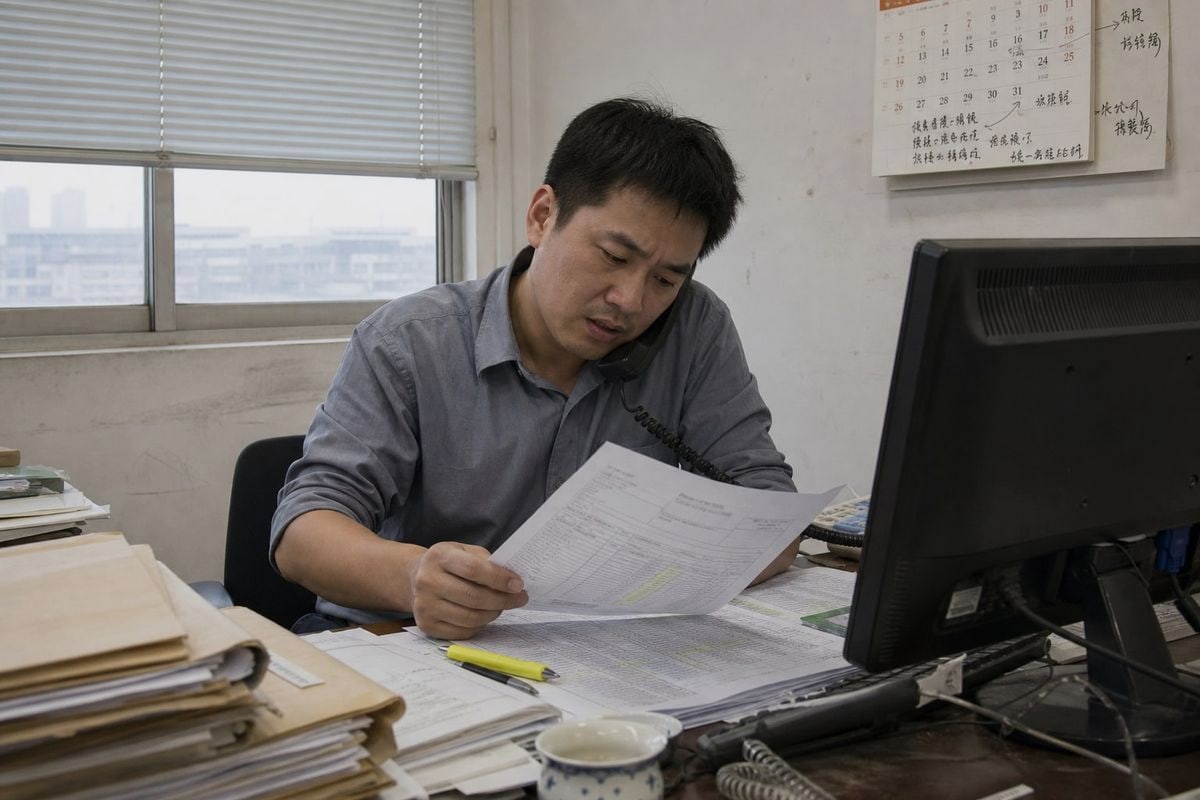
The core issue is a conflict of interest. The supplier's forwarder earns its business from the supplier. Its job is to keep the supplier happy and profitable. Your job of getting the lowest landed cost is not its priority. Industry sources document a common pattern: a supplier pays around $1,800 for an ocean FCL, then invoices the buyer $2,400 to $3,000 for "freight and handling." That gap is invisible because freight is treated as a profit center, not a pass-through cost.
Signals that the arrangement favors the supplier
I tell buyers to check four things before agreeing to supplier-arranged shipping. First, ask for a line-item quote separating ocean freight, origin charges, and documentation. Second, ask who issues the שטר מטען 2 and whether you will be the consignee. Third, ask which local destination charges are included and which are excluded. Fourth, ask what happens if the cargo is delayed or rolled.
| Question to ask | Good sign | Red flag |
|---|---|---|
| Can I see a cost breakdown? | Line-item quote provided | One bundled lump sum |
| Who is on the Bill of Lading? | You are the named consignee | Agent-controlled release |
| Are destination charges listed? | Itemized in writing | "Paid at destination" only |
| What if the shipment is delayed? | Named contact and process | "Ask the supplier" |
In our experience shipping electric forklifts from China, buyers who cannot answer these four questions almost always discover surprise charges at the destination port. Hidden shipping costs rarely announce themselves. They appear as demurrage bills, unexplained handling fees, or duties you thought were covered.
Can I get better shipping rates and transparency by hiring my own freight forwarder in China?
Every week I weigh the same trade-off for clients: a forwarder's service fee versus the savings from real carrier competition. For anything bigger than a sample shipment, the math almost always favors the forwarder.
Yes. Your own freight forwarder in China compares rates across multiple carriers, often five to ten per booking, shows you itemized costs, and works only for you. This eliminates supplier markups, exposes local destination charges upfront, and gives you accurate landed-cost numbers before you order.
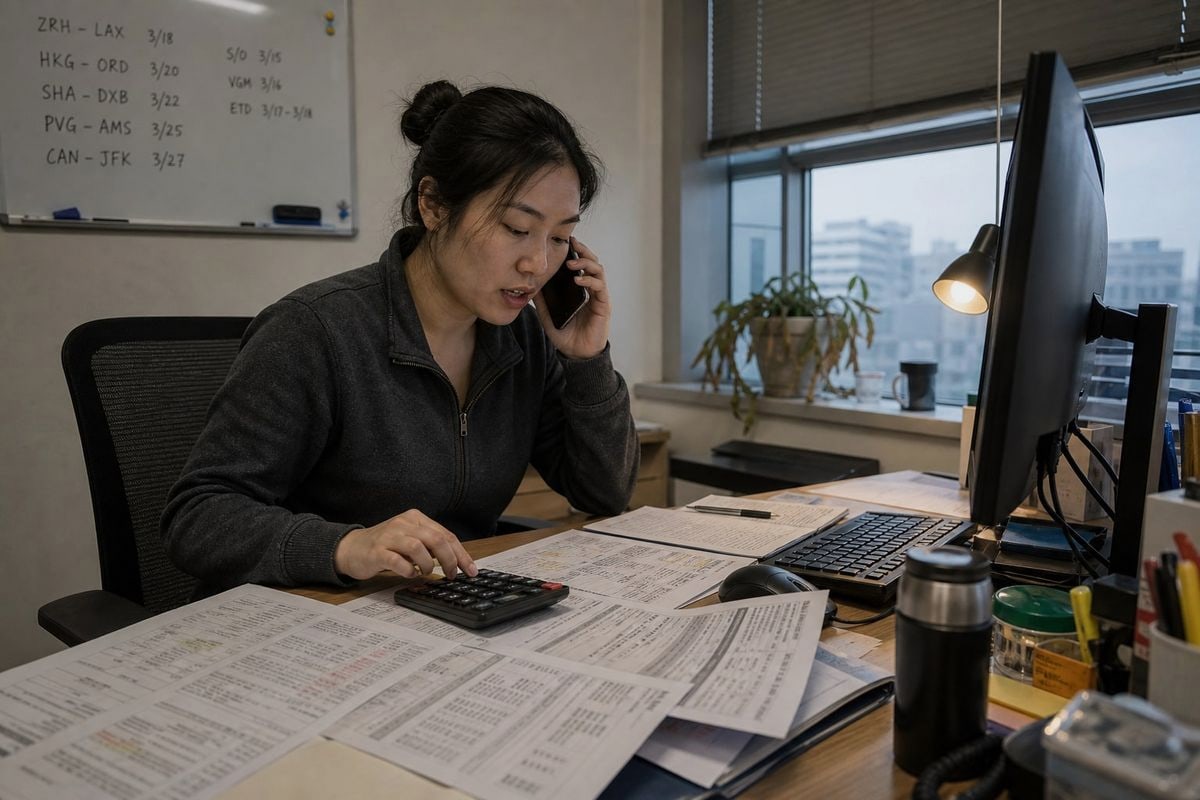
Rate transparency starts with who controls the booking. When our team quotes a forklift shipment, we can compare 5–10 ocean carriers on the same lane and pick based on price, transit time, and reliability. A supplier's agent typically uses one preferred carrier relationship and never shows you the alternatives.
Incoterms decide who holds the power
This is where אינקוטרמס 2020 3 matters more than most buyers realize. The FOB vs CIF choice is really a control choice. Under FOB, the supplier delivers the goods to the port and loads them on the vessel; you nominate the forwarder and control everything from that point. Under CIF, the supplier controls carrier selection and buys only minimum cargo insurance coverage, which is rarely enough for a container of electric forklifts worth tens of thousands of dollars. Under EXW, your forwarder controls the whole chain from the factory door.
מאיפה באמת מגיעות החיסכון
The savings are not only in the ocean rate. They come from four places:
- Removing the supplier's freight markup entirely.
- Competitive carrier selection instead of a single default option.
- Itemized destination charges you can verify before booking.
- Cargo insurance coverage tailored to your equipment value, not the minimum cover baked into CIF.
One honest caveat, because buyers raise it often: a forwarder is not automatically cheaper on every shipment. For a tiny one-off parcel, service and documentation fees can outweigh the benefit. The correct comparison is always total landed cost plus risk, never the quoted freight line alone. That is exactly why we give forklift importers a full door-to-door number, including import duty and tax handling, before they confirm a purchase order.
What risks am I taking if I rely on my supplier to arrange forklift shipping from China?
A hard lesson shaped how we handle battery equipment. Years ago, a client's מלגזות עם סוללות ליתיום 4 sat at a Chinese port because the supplier's agent had never filed the battery documentation carriers require. Nobody owned the problem.
You risk hidden costs, misdeclared lithium batteries, poor container securing, unclear DDP terms, and no advocate when problems occur. Forklifts are heavy, high-value, battery-powered cargo, so supplier-arranged shipping concentrates customs, damage, and delay risk on you while giving you no logistics control.
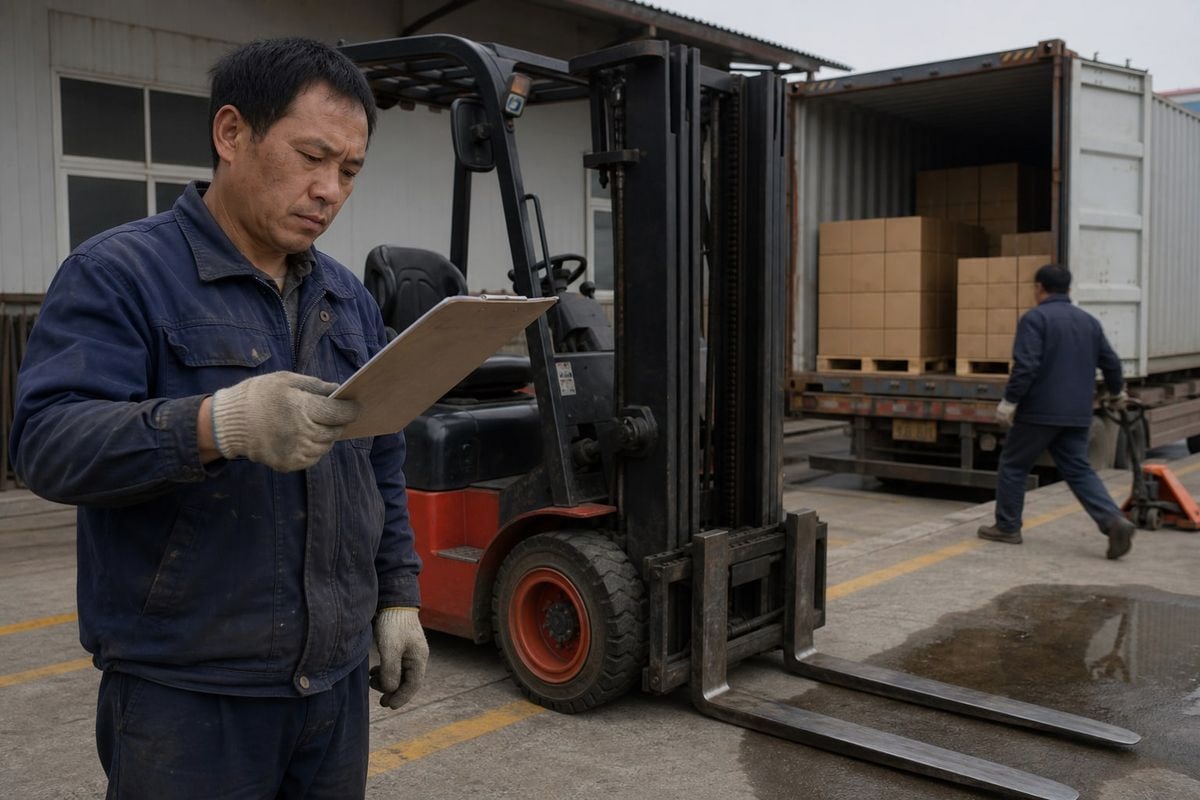
Forklift shipping is not general cargo. Three risk categories deserve special attention, and each one gets worse when the supplier controls the freight.
Risk 1: Lithium battery compliance
Most modern electric forklifts carry lithium batteries. Carriers require correct classification, documentation, and packaging before acceptance. A supplier's agent focused on getting cargo off the factory floor may skip these checks. When we coordinate shipments, we verify battery specifications with the factory before the cargo ever reaches the port, because fixing paperwork after arrival at port means storage fees and missed vessels.
Risk 2: Loading, securing, and damage
A forklift can weigh several tons. Poor weight distribution or weak lashing inside the container leads to shifted cargo and bent masts. With supplier-arranged shipping, you rarely see loading photos or securing plans. With your own third-party logistics provider, you can require both.
Risk 3: The DDP gray area
"DDP by supplier" sounds effortless. In practice, it is the biggest gray area in this whole debate. If the supplier's agent under-declares values to lower duties, you, the importer of record's customer, can face penalties, seizures, or retroactive duty bills.
| Risk area | Supplier-arranged shipping | Your own forwarder |
|---|---|---|
| תיעוד סוללה | Often checked late or not at all | Verified before port delivery |
| Container securing | No visibility for buyer | Loading photos and securing plan |
| DDP customs declarations | Buyer cannot verify accuracy | Customs brokerage services you can audit |
| Problem resolution | Chase supplier, agent, carrier separately | One accountable partner |
| ביטוח | Minimum CIF cover | Cover matched to equipment value |
How do I decide between my supplier's forwarder and my own when consolidating cargo from multiple factories?
A US distributor recently bought forklifts from one factory, batteries from a second, and chargers plus spare parts from two more. He asked me a fair question: which supplier's forwarder should handle it? The answer is none of them.
Use your own forwarder for multi-factory consolidation. No single supplier's agent will collect, warehouse, and load cargo from competing factories into one container. Only an independent forwarder can consolidate LCL cargo into FCL, cutting per-unit freight cost and giving you one Bill of Lading and one accountable partner.
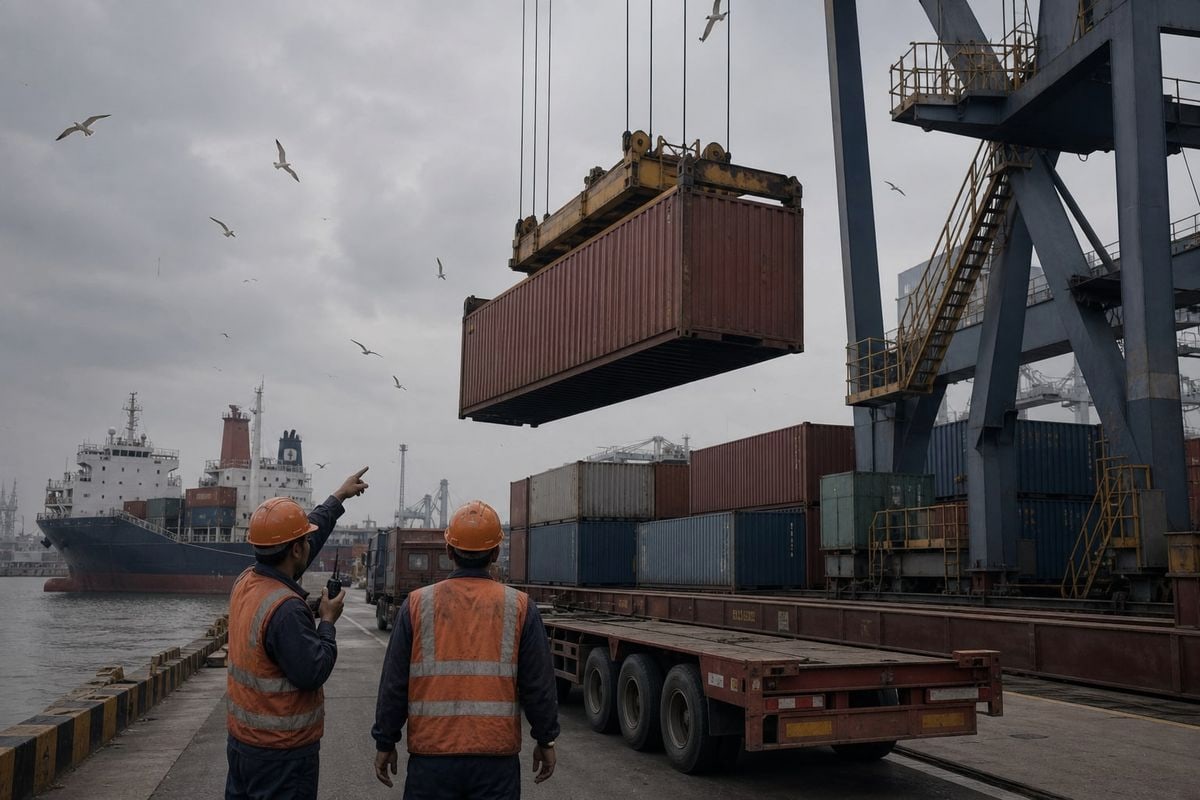
Consolidation is where the supplier-forwarder model breaks down completely. Each supplier's agent only cares about its own factory's cargo. If you let four suppliers ship separately, you pay four sets of origin charges, four documentation fees, and four LCL rates, which are far more expensive per cubic meter than FCL. You also lose supply chain visibility, because you now track four shipments through four different agents.
How independent consolidation works
Here is the process we run for multi-supplier forklift orders:
- We collect cargo details from every factory: dimensions, weights, battery specs, and readiness dates.
- We arrange factory pickup across China and move everything to one consolidation warehouse.
- We plan the container load: forklifts positioned first, chargers and spare parts filling the unused space.
- We load, secure, photograph, and export everything under one declaration and one Bill of Lading.
- You clear customs once and receive one delivery.
When would supplier shipping still make sense?
To be fair to the other side: if you are buying a single sample stacker from one factory, and you are still validating that supplier, letting them arrange a simple, single-leg shipment is reasonable. The convenience genuinely outweighs the optimization. There is also an argument that very large buyers with standardized lanes can go direct to carriers and remove layers entirely. But for a mixed order across multiple factories, neither option works. Consolidation demands an independent coordinator with logistics control across every pickup.
| Shipment profile | Best choice |
|---|---|
| One sample or trial order | Supplier-arranged shipping is acceptable |
| Regular single-factory FCL orders | Your own forwarder |
| High-value or lithium battery forklifts | Your own forwarder |
| Multi-factory consolidated cargo | Your own forwarder, no exceptions |
| Time-sensitive project deliveries | Your own forwarder |
מַסְקָנָה
Supplier shipping is a convenience feature. Your own forwarder is a cost, control, and risk tool. For forklift importers moving regular or consolidated cargo, hiring your own forwarder in China wins almost every time.
הערות שולים
1. UNCTAD provides authoritative data and policy analysis on global maritime transport and ocean freight logistics. ↩︎
2. U.S. Customs and Border Protection provides official guidance on essential shipping documents like the Bill of Lading. ↩︎
3. The International Chamber of Commerce is the official body that establishes and maintains Incoterms 2020 rules. ↩︎
4. The IMO sets international standards for the safe maritime transport of dangerous goods, including lithium batteries. ↩︎




