
- +8618603825129
- [email protected]


Choosing between sea and air freight for shipping electric forklifts confuses many importers hazardous materials shipping rules 1. At our Zhengzhou logistics office, we see buyers pick the wrong mode, then face blown budgets or missed deadlines.
Sea freight is the default choice for shipping electric forklifts because it costs 80–90% less than air freight for heavy machinery. Air freight only makes sense for urgent spare parts, compact pallet jacks, or line-down emergencies where downtime costs exceed the freight premium.
The real question is not which mode is cheaper. The real question is which mode fits your forklift's weight, battery type, deadline, and total landed cost. Let me walk you through how we help importers decide.
Last month, a US distributor asked our team to airlift three counterbalance forklifts. We ran the numbers together, and the quote changed his mind in about five minutes.
Decide based on four factors: weight, urgency, battery type, and value. Complete electric forklifts almost always ship by sea in FCL containers. Air freight fits urgent spare parts, chargers, or compact pallet jacks where speed value outweighs a cost premium of 5–16 times ocean rates.
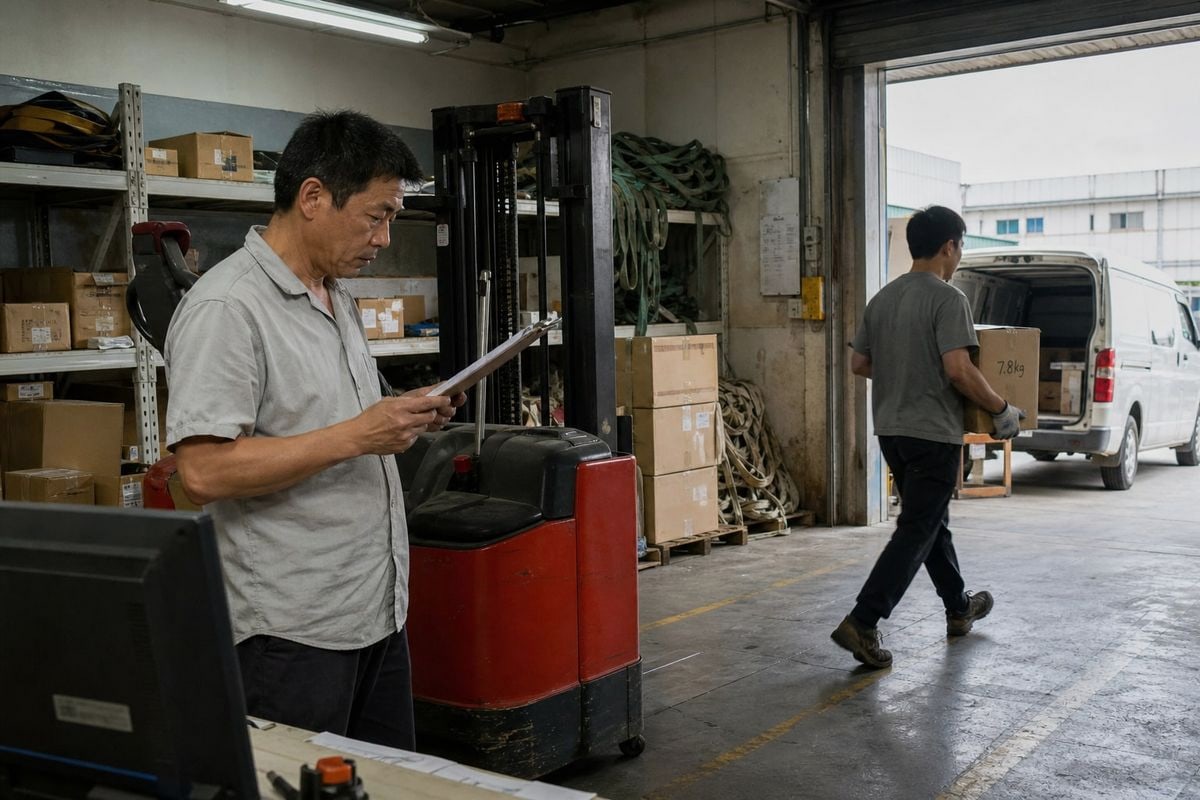
Electric forklifts are not normal cargo. They are heavy, dense, and battery-powered. Those three traits push the decision toward the ocean in most cases. In our freight forwarding services for forklift importers, more than nine out of ten complete units travel by sea.
Here is the quick comparison we share with buyers before they order:
| Criterion | ການຂົນສົ່ງທາງທະເລ | ການຂົນສົ່ງທາງອາກາດ |
|---|---|---|
| Best for | Full forklifts, bulk orders, planned moves | Urgent parts, compact units, prototypes |
| ຄ່າໃຊ້ຈ່າຍ | Lowest total cost for heavy cargo | Often 5–16x higher than ocean |
| Transit time | 30–50 days typical China–US | 3–7 days |
| Size and weight limits | Very flexible; 20FT, 40FT, 40HQ, flat rack | Tight limits; often impractical for full units |
| Lithium battery rules | IMDG regulated but generally workable | IATA rules are far stricter |
| Emissions | Much lower per kilogram | Dramatically higher |
Ask what you are actually shipping. A complete lithium battery forklift weighing two to four tons belongs in a container. A 30 kg control module needed by Friday belongs on a plane. When we coordinate factory pickup in China, we split shipments this way all the time: forklifts by FCL ocean, one urgent charger by air.
If you can plan four to eight weeks ahead, sea freight wins on cost with room to spare. If your warehouse is stalled and every day of downtime costs money, the air premium becomes cheap insurance. That transit time comparison is the heart of the decision, and it should be made shipment by shipment, not once for your whole supply chain.
A buyer once sent me an air quote that looked reasonable per kilogram, until we calculated the volumetric weight of his forklift. The final bill would have tripled his equipment budget.
Five factors drive the cost gap: chargeable weight, volumetric pricing, container utilization, hidden destination charges, and the cost of delay. Air freight charges by volumetric weight, which penalizes bulky forklifts, while sea freight spreads a flat container rate across multiple units.
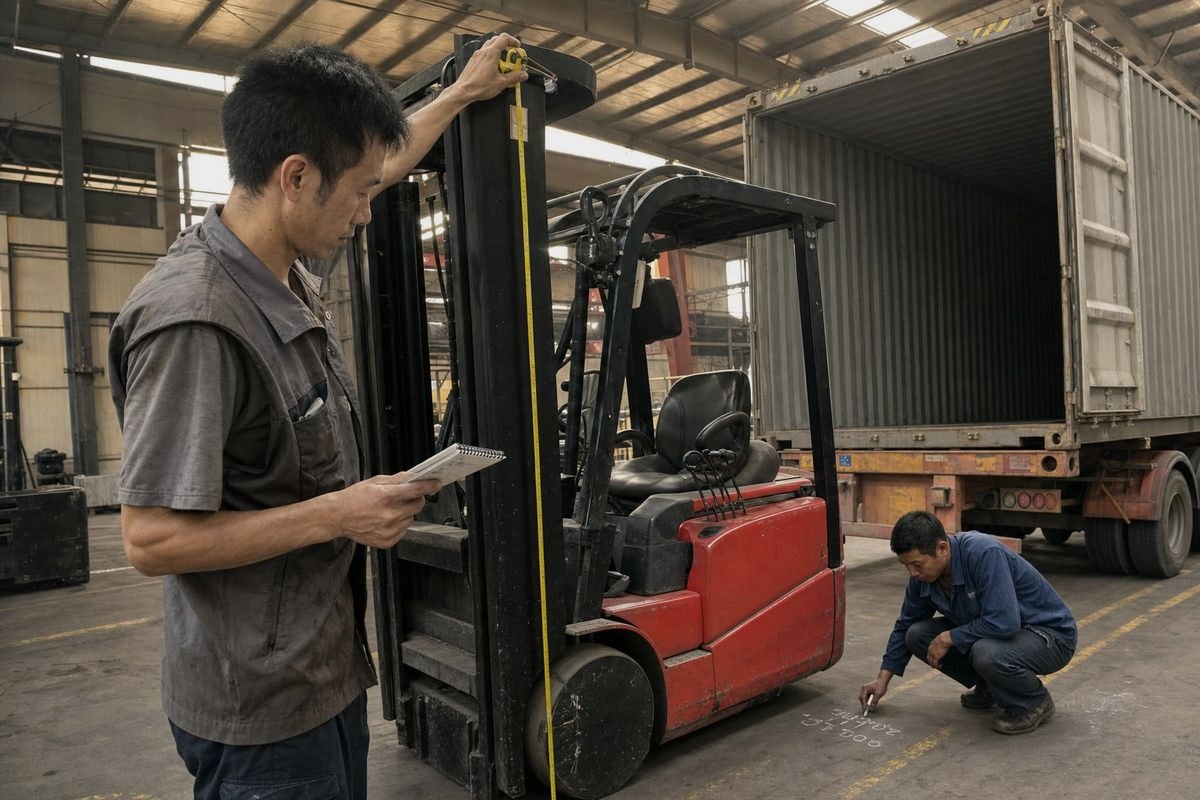
Freight rates alone never tell the full story. Total shipping costs include duties, cargo insurance coverage 2, port handling, storage, demurrage, and last-mile trucking. We push every client to compare landed cost per forklift, not the headline rate.
Air carriers calculate chargeable weight using the formula L x W x H / 6,000. A forklift with a tall mast eats cubic space fast. Even a relatively light electric stacker can get billed at two or three times its actual weight. Ocean freight rates, by contrast, are container-based. If you fill a 40HQ well, the cost per unit drops sharply.
This is where FCL vs LCL shipping matters. A single forklift may suit LCL consolidation. Three or more units usually justify a full container. We also fill unused container space with batteries, chargers, and spare parts from multiple suppliers, which improves supply chain efficiency 3 and cuts the average cost per machine.
| Cost Element | ການຂົນສົ່ງທາງທະເລ | ການຂົນສົ່ງທາງອາກາດ |
|---|---|---|
| Pricing basis | Per container (FCL) or per CBM (LCL) | Chargeable weight (L x W x H / 6,000) |
| Typical premium | Baseline | 5–16x sea cost for equivalent cargo |
| Hidden charges | Demurrage, port storage, chassis fees | Airport handling, DG surcharges |
| Delay cost exposure | Higher; longer transit window | Lower; short, predictable transit |
| Best cost strategy | Maximize container utilization | Ship only what truly must fly |
Air freight can still win the math when downtime is expensive. If a rental fleet sits idle waiting for one controller, the freight premium is trivial. Some buyers even research green logistics tax credits in their destination country, since a few regions offer duty offsets for electric machinery that can soften the cost of faster shipping.
Battery paperwork is where we spend the most pre-shipment time with Chinese forklift factories. One missing test certificate can strand a container at the port, so we check documents before pickup, not after.
Lithium battery forklifts are Class 9 dangerous goods, so hazardous materials shipping rules apply to both modes. IATA dangerous goods regulations for air are far stricter, including a 30% state-of-charge limit, which often eliminates air freight and makes IMDG-compliant sea freight the practical path.
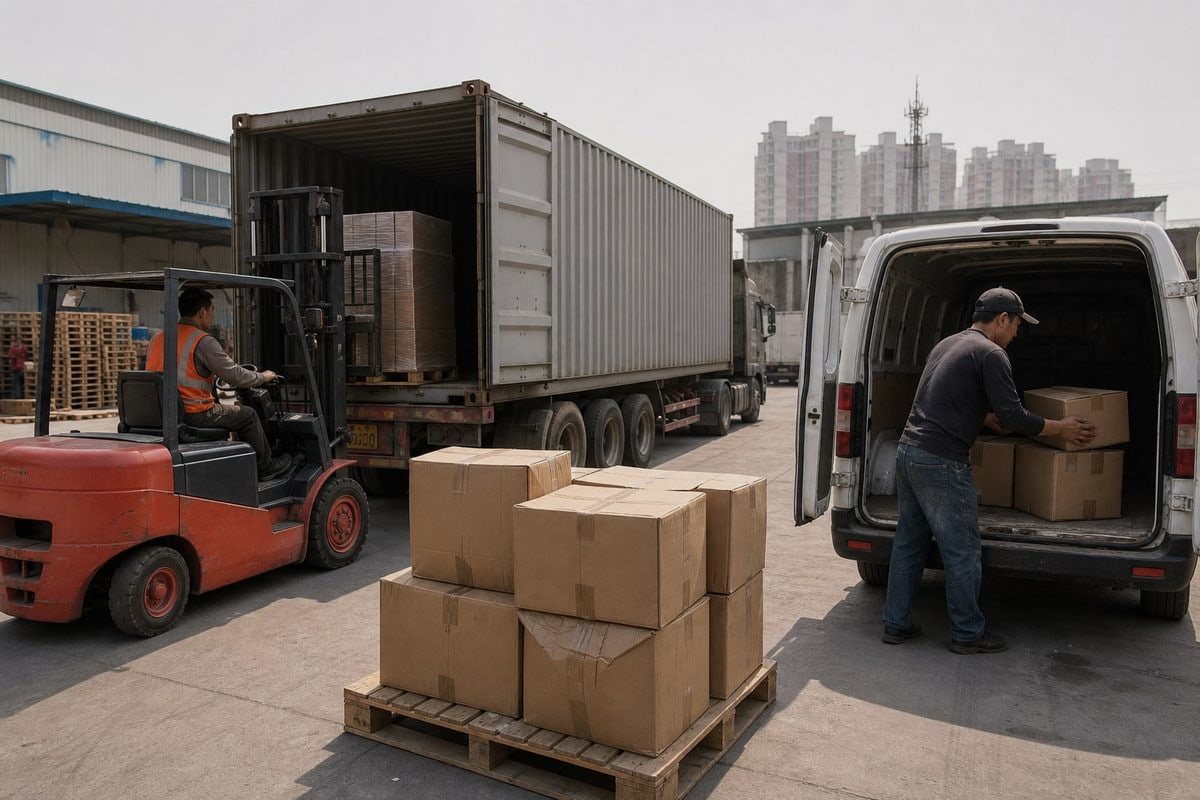
Lithium-ion battery regulations 4 are usually the deciding factor, even when cost and speed suggest otherwise. Many buyers assume the forklift itself is the regulated item. In reality, the battery is. That distinction shapes documentation, packaging, carrier acceptance, and customs clearance procedures on both ends.
Sea shipments follow the IMDG Code. Air shipments follow IATA dangerous goods regulations. Both require UN38.3 certification proving the battery passed transport safety testing. Our team collects the UN38.3 test summary, MSDS, and battery specifications from the factory before we book any space. If a supplier cannot produce these documents, no compliant carrier will accept the cargo.
Air rules add a strict 30% state-of-charge limit for lithium batteries, tighter packaging standards, and more restrictive carrier policies. Many airlines simply refuse large installed lithium batteries. Sea freight allows higher charge levels, and for voyages over 30 days we actually recommend optimizing the state of charge to 40–50% to prevent deep discharge damage from parasitic drain during transit.
Get these steps right early, and battery rules become a checklist instead of a crisis.
One lesson from years of coordinating multi-supplier consolidations: the smartest importers rarely choose one mode. They split the order, and the split follows a simple logic.
Yes. Ship complete forklifts by FCL sea freight and send urgent, lightweight items like chargers, controllers, or a single compact pallet jack by air. This hybrid approach keeps 90% of your cargo at ocean rates while protecting critical deadlines with fast air transit.
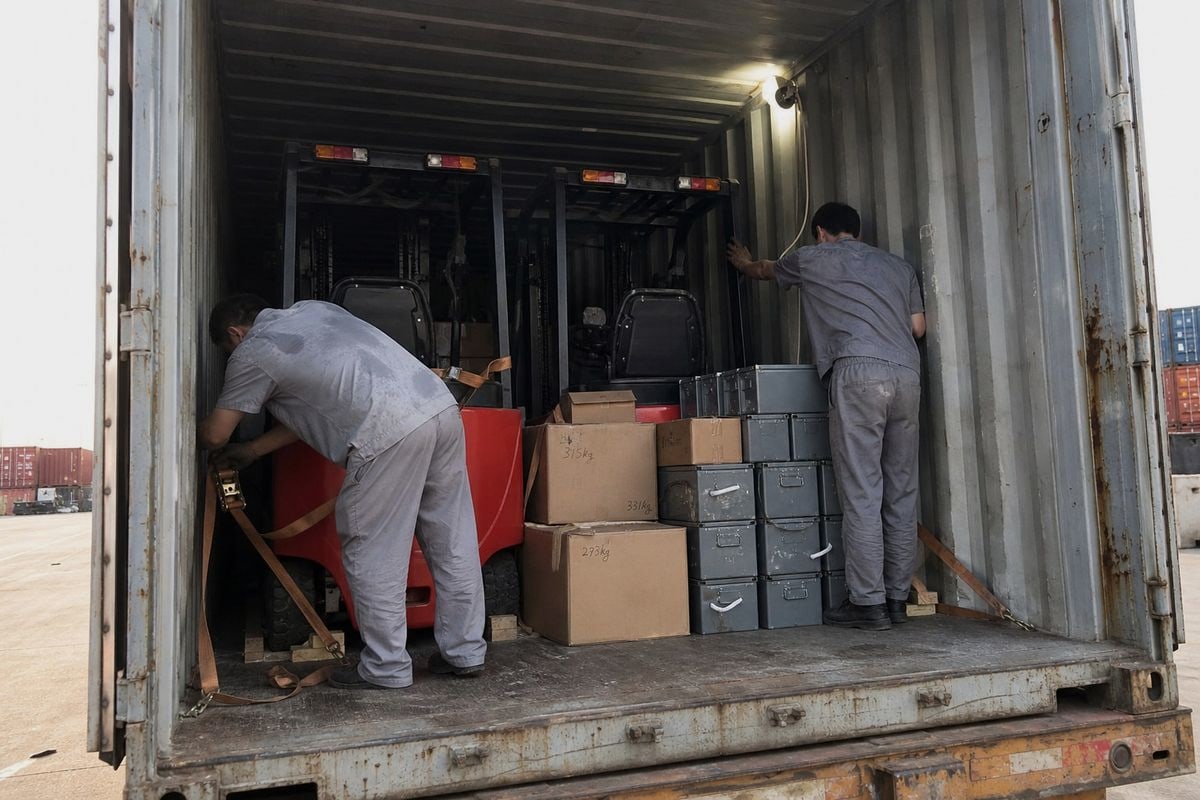
A hybrid strategy works because forklift orders are rarely uniform. A typical order we handle includes forklifts from one factory, batteries from another, and chargers or attachments from a third. Each item has its own weight, value, urgency, and regulatory profile. Splitting by mode lets each item travel the way that fits it best.
We consolidate the heavy items at our warehouse in China, load them into a 40HQ with proper blocking and bracing for concentrated axle loads, and ship by sea. Meanwhile, anything time-critical flies. General freight guidance supports this line: air suits shipments under roughly 150 kg or items whose freight premium is small relative to value, while sea suits everything heavy.
| Scenario | Recommended Mode | ເປັນຫຍັງ |
|---|---|---|
| New warehouse order, 6 forklifts | Sea, FCL 40HQ | Planned 4–8 weeks ahead; lowest cost per unit |
| One compact pallet jack needed fast | Air | Small, light, deadline-driven |
| Replacement charger to prevent downtime | Air if urgent, sea if planned | Downtime cost decides |
| Spare parts stock replenishment | Sea, LCL or fill container space | No urgency; ride along with forklifts |
| High-value prototype for a trade show | Air | Fixed event date; value justifies premium |
Coordination matters. If the air parcel lands weeks before the container, you may pay storage. We schedule the air leg to land just before the sea shipment clears, so installation teams receive everything in sequence. Door-to-door DDP handling on both legs keeps customs clearance consistent and avoids two sets of surprises at the destination.
Freight mistakes on forklifts are expensive and hard to undo. Choose sea as your strategic default, use air as a tactical exception, and let battery rules, weight, and deadlines guide each shipment.
1. IMO's official page on the IMDG code governing sea transport of dangerous goods like electric forklifts. ↩︎
2. Overview of marine insurance types protecting high-value machinery during international transit. ↩︎
3. Explains the broader concept of optimizing logistics and costs within a global supply chain. ↩︎
4. Official IATA guidelines for air transport of lithium batteries, crucial for compliance and safety standards. ↩︎



